What Georgia Gardeners Should Do With Gardenias During July Heat
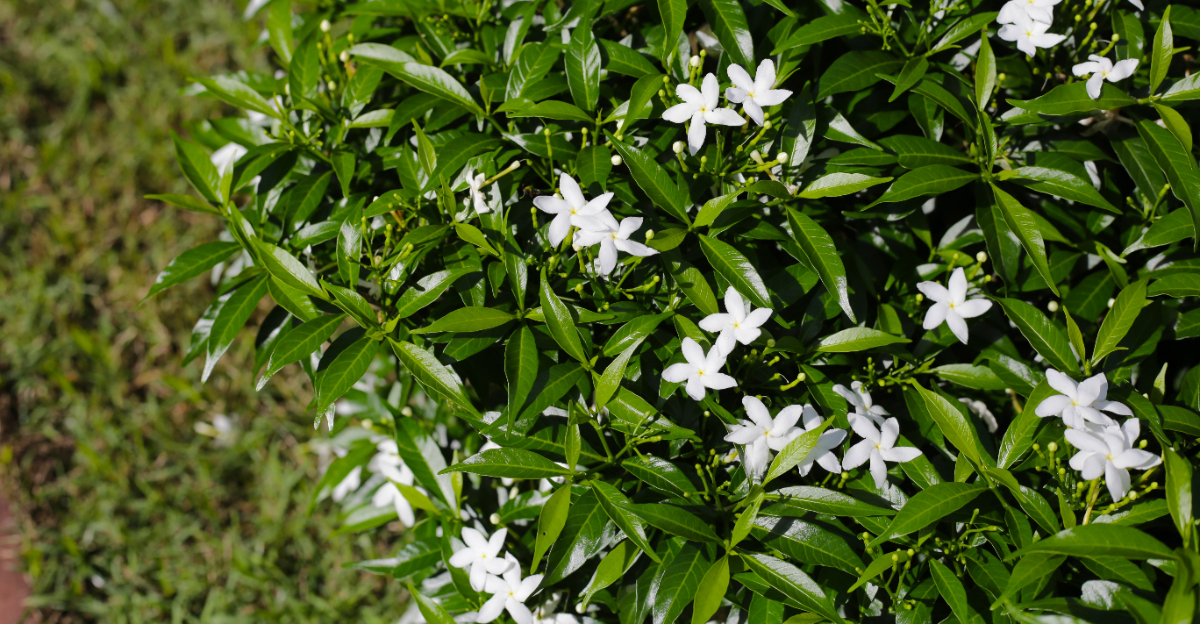
Georgia summers can be especially hard on gardenias, even when they look perfectly healthy at the start of the season.
A shrub that was covered with glossy leaves and fragrant blooms can begin looking tired after weeks of intense heat.
The change is usually gradual, which is why many gardeners do not notice there is a problem until the plant has already lost some of its beauty.
Gardenias are not asking for constant attention, but July is one month when they benefit from a little extra care. High temperatures place added stress on the plant, and everyday routines that worked earlier in the year may no longer be enough.
Small adjustments now can have a lasting effect.
Giving your gardenias the care they need this month helps them stay stronger, healthier, and better prepared for the rest of the summer.
1. Water Deeply Before The Soil Dries Out
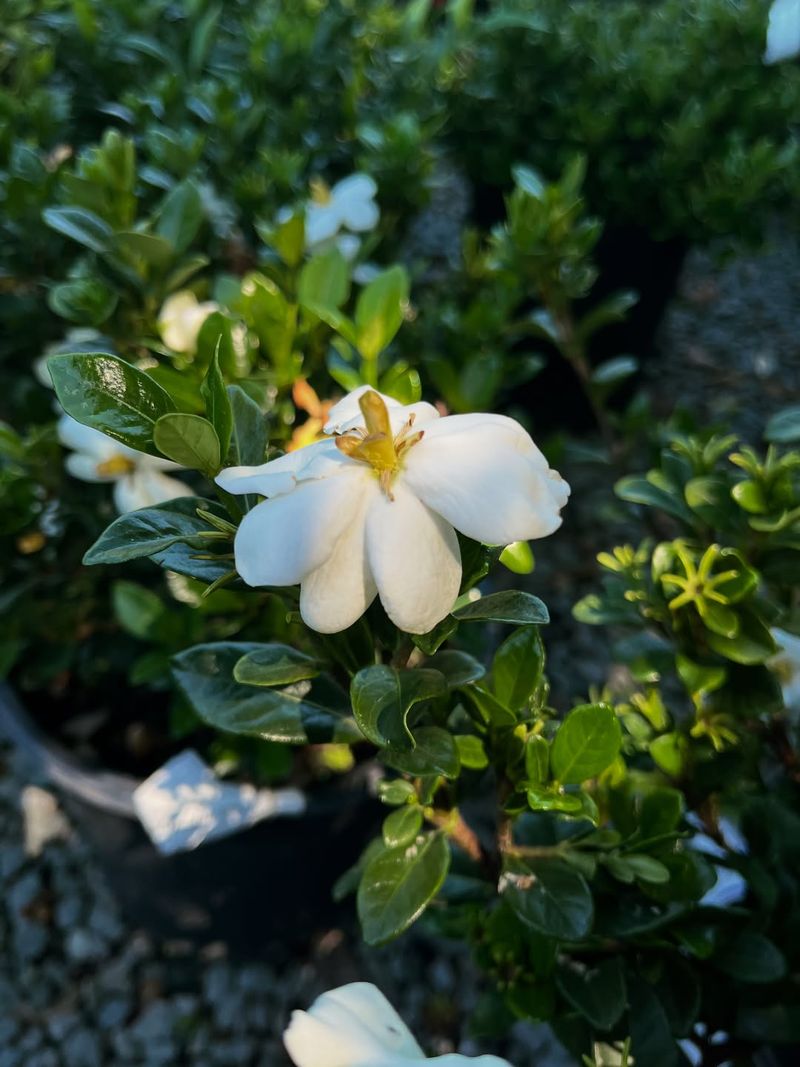
Dry soil and gardenias are a bad combination. When roots go without water for even a few days in July heat, the plant starts pulling moisture away from its own leaves.
That leads to yellowing, wilting, and dropped buds before they ever open.
Water deeply, not just on the surface. A quick sprinkle barely reaches the roots.
Instead, let the hose run slowly at the base of the plant for several minutes. You want the water to soak down at least six to eight inches into the soil.
Early morning is the best time to water. Watering in the evening can leave moisture sitting on leaves overnight, which invites fungal problems.
Morning watering gives the foliage time to dry out during the day.
Check soil moisture before you water each time. Push a finger about two inches into the soil near the base.
If it feels dry at that depth, water right away. If it still feels slightly damp, wait another day.
Container gardenias dry out faster than in-ground plants. During peak July heat, potted plants may need water every single day.
Check them more often and never let the pot sit completely dry for more than a day.
Consistent watering builds stronger roots over time. Plants with well-established root systems handle summer stress far better than those that swing between soaking wet and bone dry.
2. Mulch Around The Roots To Hold Moisture
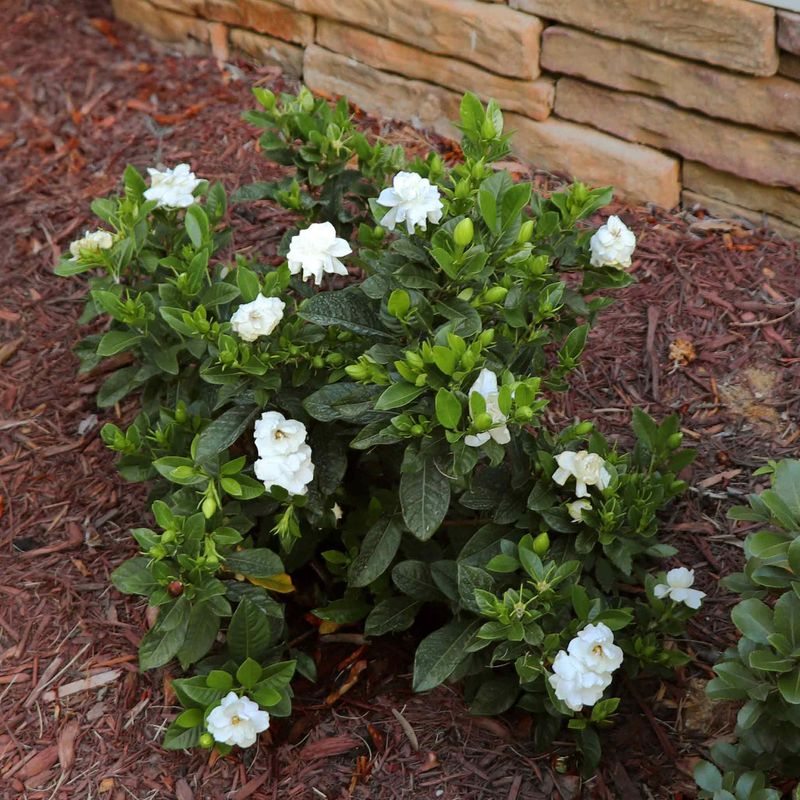
Bare soil bakes under a Georgia summer sun. Without any cover, the ground heats up fast and moisture evaporates before roots ever get a chance to absorb it.
Mulch solves that problem quickly and with very little effort.
Spread a two to three inch layer of organic mulch around the base of each gardenia. Pine bark, pine straw, or shredded wood all work well.
Keep the mulch a few inches away from the main stem to prevent rot at the base.
Good mulch does more than hold moisture. It also keeps soil temperatures more stable throughout the day.
When ground temps stay cooler, roots stay healthier and the plant experiences less overall stress during the hottest weeks.
Your Georgia Garden Changes Every Week. Your Plan Should Too.
Gardening in Georgia changes quickly throughout the season. Every Friday you’ll receive a simple weekly plan showing exactly what to plant, prune, fertilize, harvest, and protect so you never miss the right timing.
Mulch also breaks down slowly over time and adds organic matter back into the soil. That improves drainage and soil structure, which gardenias genuinely need.
Heavy clay soils common in many parts of the South benefit especially from this natural amendment.
Check your mulch layer every few weeks. It compresses and breaks down over the season.
Add more if the layer drops below two inches, especially after heavy rain washes some of it away from around the base.
Fresh mulch applied now will protect roots through the rest of summer. It is one of the simplest and most effective things you can do to help gardenias survive intense heat without added stress.
3. Watch For Heat Stress Before Leaves Drop
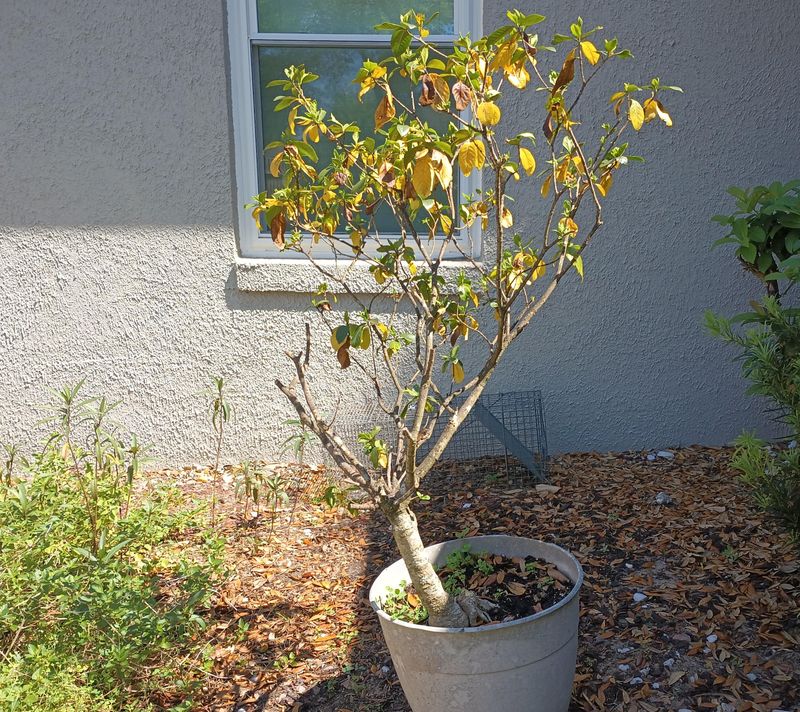
Gardenias give you warning signs before things get serious. Catching heat stress early makes recovery much easier.
Waiting too long means more damage and a longer recovery period once cooler weather finally arrives.
Yellowing leaves are one of the first signs. A few yellow leaves here and there can be normal, but widespread yellowing across multiple branches usually points to stress.
Check the timing. If it follows a stretch of extreme heat with little rain, heat stress is likely the cause.
Wilting during the hottest part of the afternoon is another signal. Some wilting late in the day is expected, even in healthy plants.
But if the plant looks droopy in the morning before temperatures rise, that is a sign something is wrong.
Bud drop is frustrating but common during heat waves. Gardenias are sensitive to temperature swings, and extreme heat can cause buds to fall before they open.
Once conditions improve, the plant often rebounds and sets new buds.
Move container plants to a shadier spot if stress signs appear. In-ground plants benefit from temporary shade cloth during the worst heat stretches.
Even a few hours of afternoon shade can reduce stress significantly.
Avoid adding fertilizer when a plant looks stressed. Fertilizer pushes new growth, and new growth during high heat is fragile.
Focus on water, shade, and stable conditions first. Let the plant stabilize before introducing anything else.
4. Avoid Heavy Pruning During Summer Heat
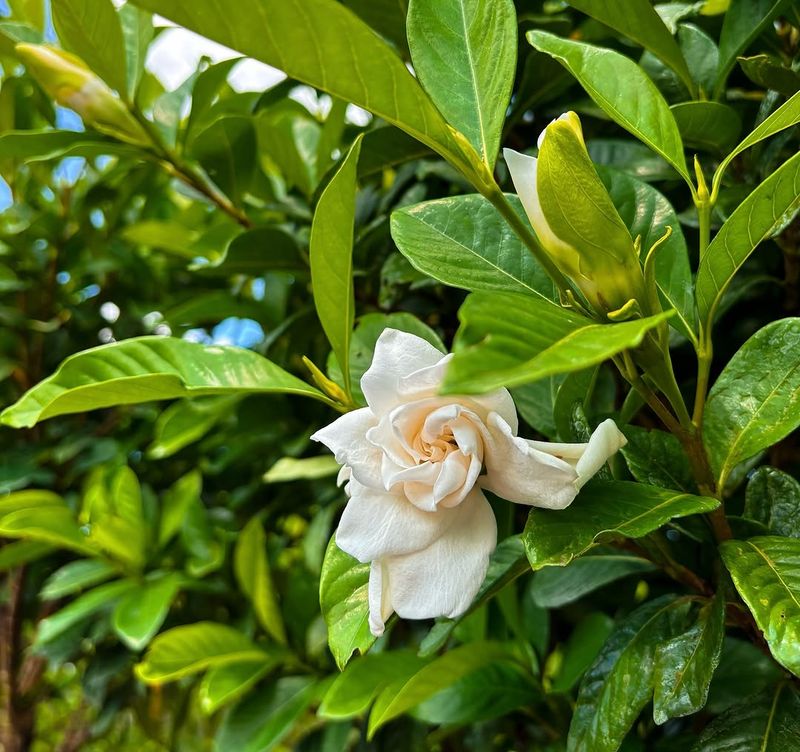
Pruning gardenias in July feels tempting, especially when branches look unruly or a few damaged stems catch your eye. Resist that urge.
Heavy pruning during peak summer heat puts serious stress on an already challenged plant.
Cutting back branches forces the plant to push out new growth. New growth in July is soft, tender, and extremely vulnerable to heat damage.
It also pulls energy away from roots and existing healthy foliage at exactly the wrong time.
Light touch-ups are acceptable. Removing a damaged branch or trimming a faded bloom is fine.
The goal is to avoid any pruning that removes significant green growth or reshapes the overall structure of the plant.
Save major pruning for late summer or early fall. Once temperatures drop and the plant is no longer under heat stress, it can handle shaping much better.
Most gardening resources suggest pruning gardenias right after their main bloom period ends, which typically wraps up before July peaks.
If a branch snapped from wind or storm damage, go ahead and clean it up. Leaving broken wood attached can invite pests and disease.
Just keep the cut clean and minimal.
Sharp, clean tools matter too. Dull blades tear rather than cut, leaving ragged wounds that take longer to heal.
Clean pruning blades between plants to help avoid spreading disease from one shrub to another.
5. Wait To Fertilize Heat Stressed Plants
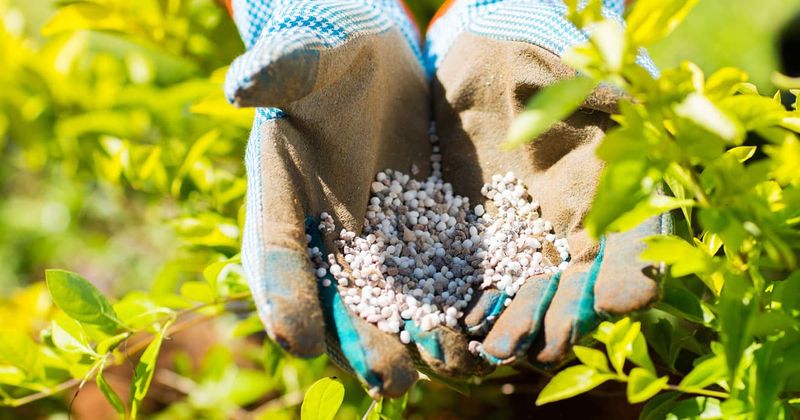
Fertilizer is not a cure for stress. Plenty of gardeners reach for plant food when something looks off, thinking it will help the plant recover.
With gardenias in July, that approach usually backfires.
Heat-stressed plants cannot process fertilizer efficiently. Roots under stress absorb nutrients poorly, and a sudden nutrient push can actually cause leaf burn.
Salt buildup from fertilizer in dry soil creates additional problems that make recovery harder.
Hold off on any fertilizer application until the plant looks stable and temperatures ease up. A healthy, unstressed gardenia in early summer can handle a light feeding.
A struggling plant in peak July heat cannot.
If you fertilized earlier in the season, that is likely enough for now. Gardenias in Georgia typically do well with one or two feedings per year.
Over-fertilizing, especially with nitrogen-heavy products, pushes leafy growth at the expense of blooms.
Acid-forming fertilizers work best for gardenias long-term, since they prefer slightly acidic soil. Products formulated for azaleas and camellias usually work well.
But timing matters just as much as product choice.
When temperatures start dropping in late August or early September, assess the plant again. If it looks healthy and is putting out new growth, a light feeding at that point can help it finish the season strong.
Patience during July protects the plant far better than rushing to feed it.
6. Keep Fallen Leaves Off The Soil
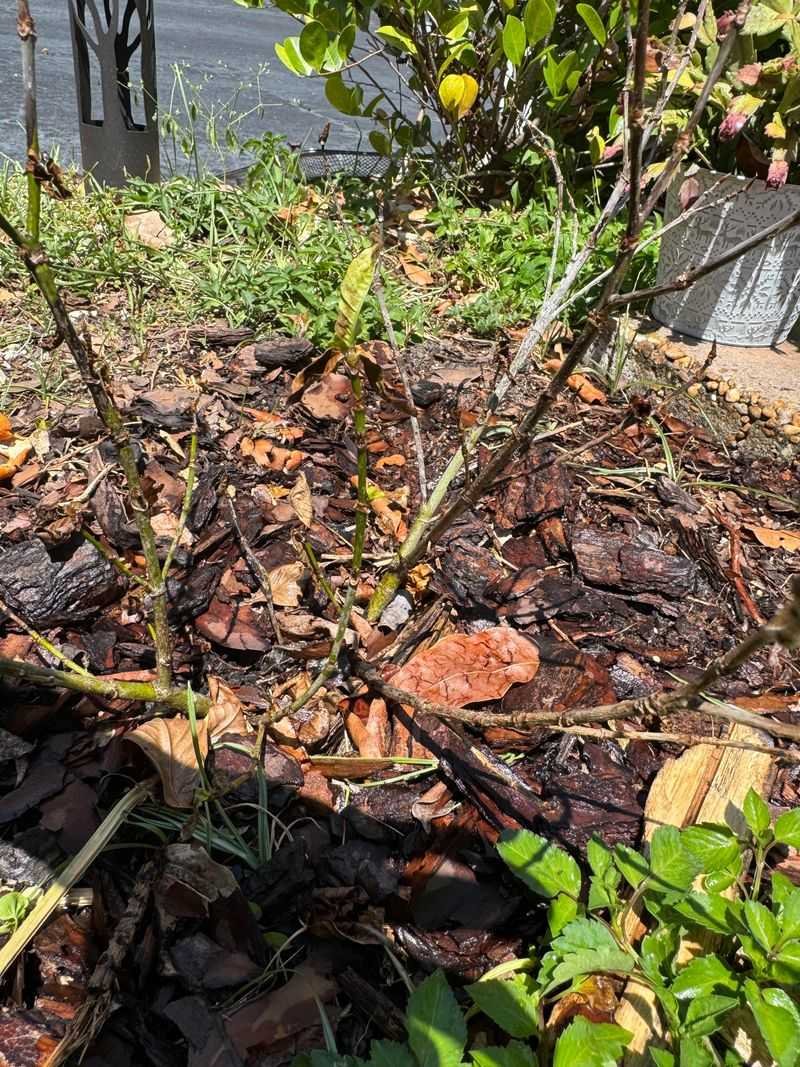
Fallen leaves pile up fast under gardenias during summer, and leaving them on the soil creates more problems than most gardeners expect. It is a small chore that makes a real difference in plant health.
Decaying leaves hold moisture against the soil surface in a way that invites fungal growth. Gardenias are already prone to fungal issues, and wet, decomposing organic matter sitting right at the root zone gives those problems a perfect place to start.
Leaf litter also hides pests. Scale insects, mites, and other common gardenia pests love to shelter under debris at the base of the plant.
Removing fallen leaves regularly eliminates one of their favorite hiding spots and makes infestations easier to catch early.
Scoop up fallen leaves every week or two during July. Toss them in a compost pile away from your gardenias, or bag them for disposal.
Do not mix potentially diseased leaves back into compost that will return to the garden later.
After clearing leaves, check the soil surface for anything unusual. Discoloration, mold, or unusual insect activity is easier to spot on clean soil than under a layer of debris.
Keeping the area tidy also improves airflow around the base of the plant. Better airflow means foliage dries faster after rain or irrigation, which reduces the chance of fungal spots developing on lower leaves during humid summer stretches.
7. Inspect The Leaves For Summer Pests
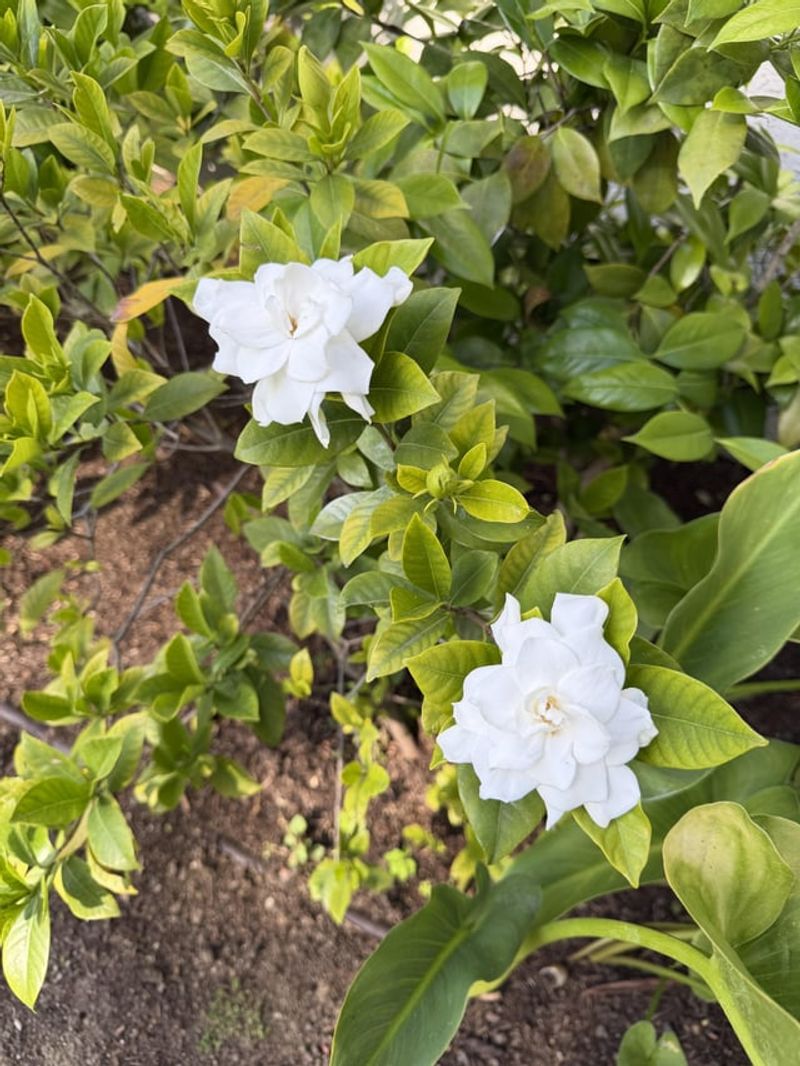
July brings pest pressure along with the heat. Gardenias attract a handful of specific insects that thrive in warm, humid conditions, and catching them early is far easier than dealing with a full infestation later.
Whiteflies are one of the most common problems. Shake a branch gently and watch for a cloud of tiny white insects rising up.
They cluster on the undersides of leaves and weaken the plant by feeding on sap over time.
Scale insects look like small brown or white bumps stuck to stems and leaf surfaces. They are easy to miss at first glance because they barely move.
Run your finger along a stem. If you feel rough, crusty bumps, that is likely scale.
Sooty mold often appears alongside pest activity. It shows up as a dark, powdery coating on leaves.
Sooty mold itself does not attack the plant directly, but it signals that sap-feeding insects are active nearby and producing the sticky residue mold grows on.
Spider mites show up during hot, dry spells. Look for fine webbing on the undersides of leaves and a stippled, dull appearance on the leaf surface.
A strong spray of water can knock mite populations down quickly.
Check plants at least once a week during July. Catching pests in small numbers makes treatment much simpler.
Insecticidal soap or neem oil applied in the early morning works well for most common gardenia pests without harming beneficial insects nearby.