8 Stunning Flowers To Plant In May For A Colorful Georgia Summer
Georgia gardens can look completely different by the time summer arrives, especially once flower beds start filling out with stronger color and fuller growth. May usually decides a lot of that.
Flowers planted now often shape which yards stay bright and eye catching later in the season and which ones start losing color much sooner than expected.
Some flowers handle Georgia heat far better than others once temperatures keep rising week after week. Garden beds usually make that obvious by midsummer when certain plants still look fresh while others already start fading back.
Good flower choices in May can carry color through a huge part of summer and make the entire yard feel more alive once the hottest stretch of the season settles in.
1. Angelonia Handles Humid Weather Better Than Many Flowers
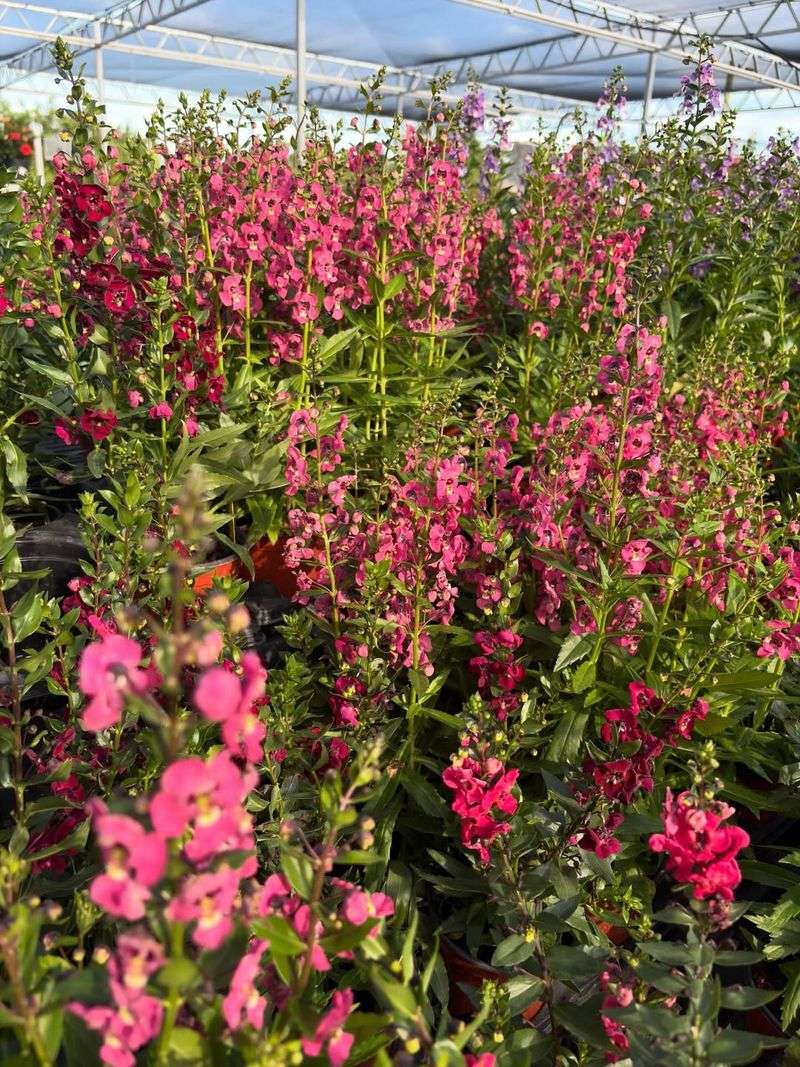
Nicknamed the summer snapdragon, angelonia earns serious respect from Georgia gardeners who have watched other flowers wilt and fade by July. It thrives in exactly the kind of heat and humidity that makes most cool-season plants give up entirely.
Plant it in May and watch it perform steadily through late summer.
Angelonia grows best in full sun with decent soil drainage. It does not need deadheading, which makes it a genuinely low-maintenance choice for busy gardeners across Georgia.
New blooms replace old ones naturally, keeping the spiky flower stalks looking fresh week after week without any extra effort on your part.
The flower spikes reach about 12 to 18 inches tall and come in shades of purple, pink, white, and bicolor combinations. A light, sweet fragrance sets angelonia apart from many other summer annuals.
Pollinators, especially bees, are drawn to the blooms consistently. Plant angelonia in groups of three or more for the best visual impact in a garden bed, or use it as a thriller element in mixed containers.
Water regularly until established, then ease back since angelonia handles short dry stretches reasonably well. In Georgia’s unpredictable summer rain patterns, that drought tolerance is genuinely useful and worth considering when planning your garden layout for the season.
Good airflow around the plants also helps reduce fungal issues during Georgia’s muggy summer stretches, especially after heavy rain.
2. Marigolds Bring Bright Color To Sunny Garden Beds
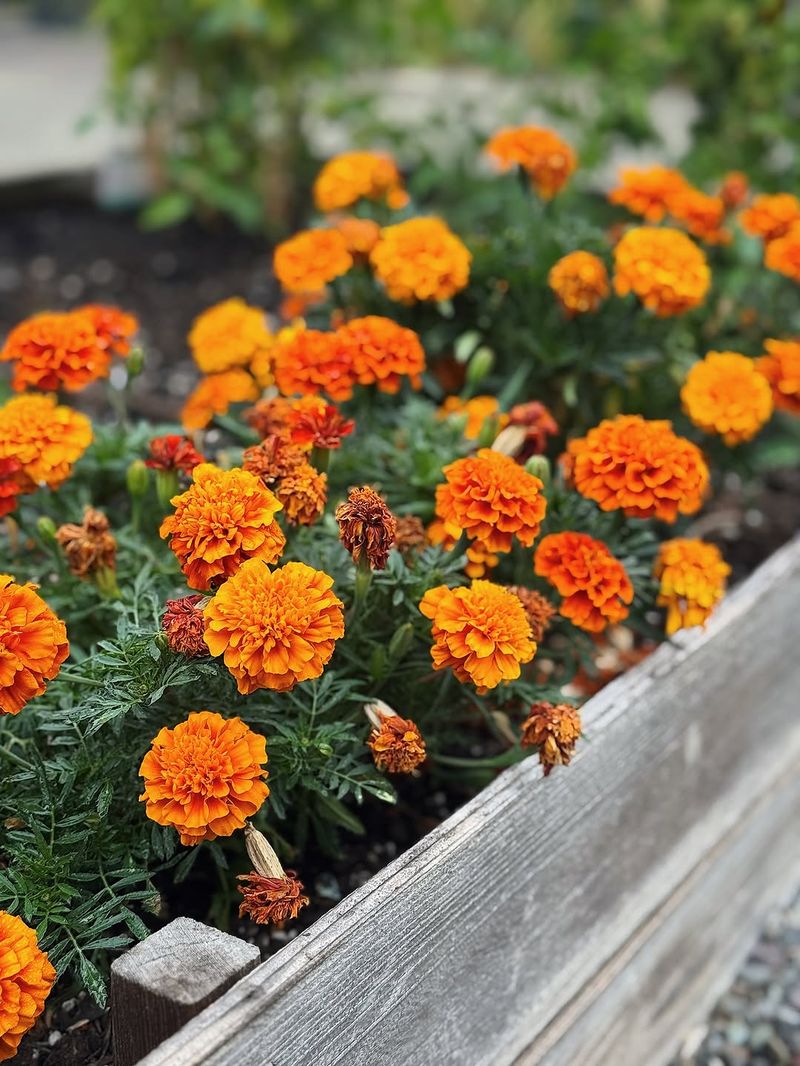
Walk through almost any Georgia garden center in May and marigolds are everywhere, and for good reason. These bright, bold flowers are among the most reliable summer performers in the Southeast.
They love full sun, tolerate heat without complaint, and bring a cheerful warmth to any planting space.
French marigolds stay compact, usually under 12 inches, making them ideal for borders and container edges. African marigolds grow taller, sometimes reaching 24 to 36 inches, and produce large pom-pom blooms that make a real statement in the back of a garden bed.
Both types do well in Georgia’s summer conditions when planted in well-draining soil.
Beyond looks, marigolds offer a practical bonus that vegetable gardeners especially appreciate. Their strong scent is known to deter certain garden pests, and planting them alongside tomatoes or peppers is a common strategy used by Georgia home gardeners.
Your Georgia Garden Changes Every Week. Your Plan Should Too.
Gardening in Georgia changes quickly throughout the season. Every Friday you’ll receive a simple weekly plan showing exactly what to plant, prune, fertilize, harvest, and protect so you never miss the right timing.
Deadhead spent blooms to encourage continuous flowering from May through the first cool nights of fall. Marigolds prefer slightly dry conditions over soggy soil, so avoid overwatering.
During Georgia’s rainy stretches, they usually get enough moisture from natural rainfall alone. Give them good drainage and plenty of sun, and they will reward you with consistent, vivid color through even the hottest weeks of a Georgia summer.
Leaving a few flowers to dry at the end of the season also makes it easy to collect seeds for next year’s garden.
3. Zinnias Keep Blooming Through Georgia Summer Heat
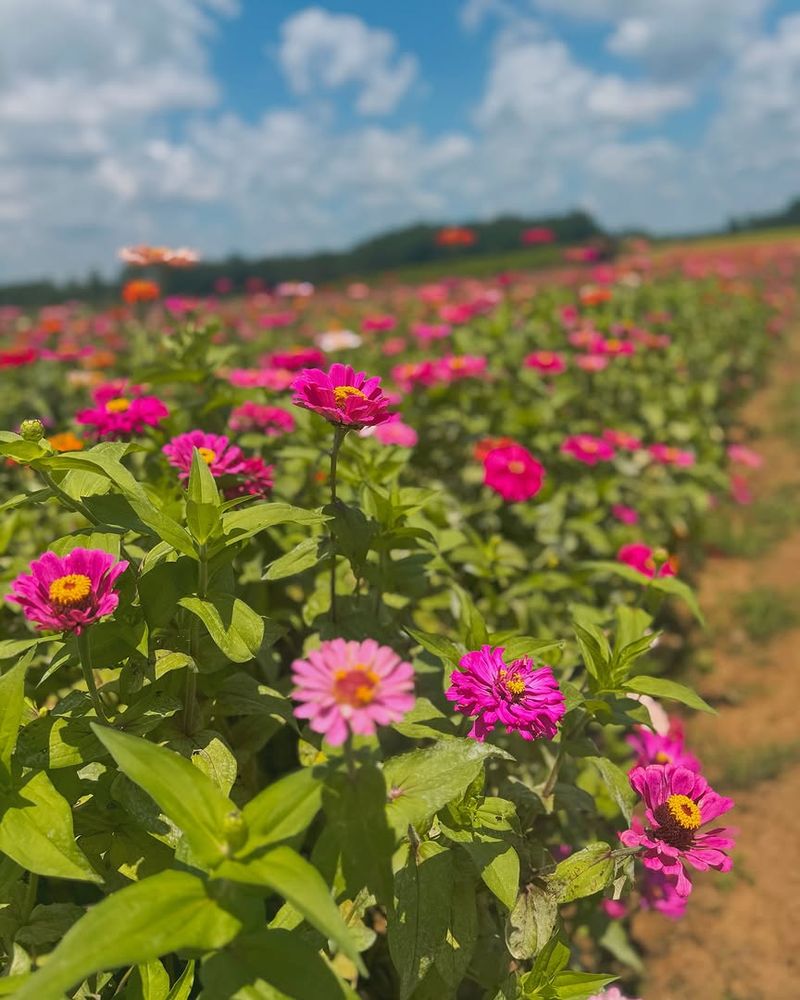
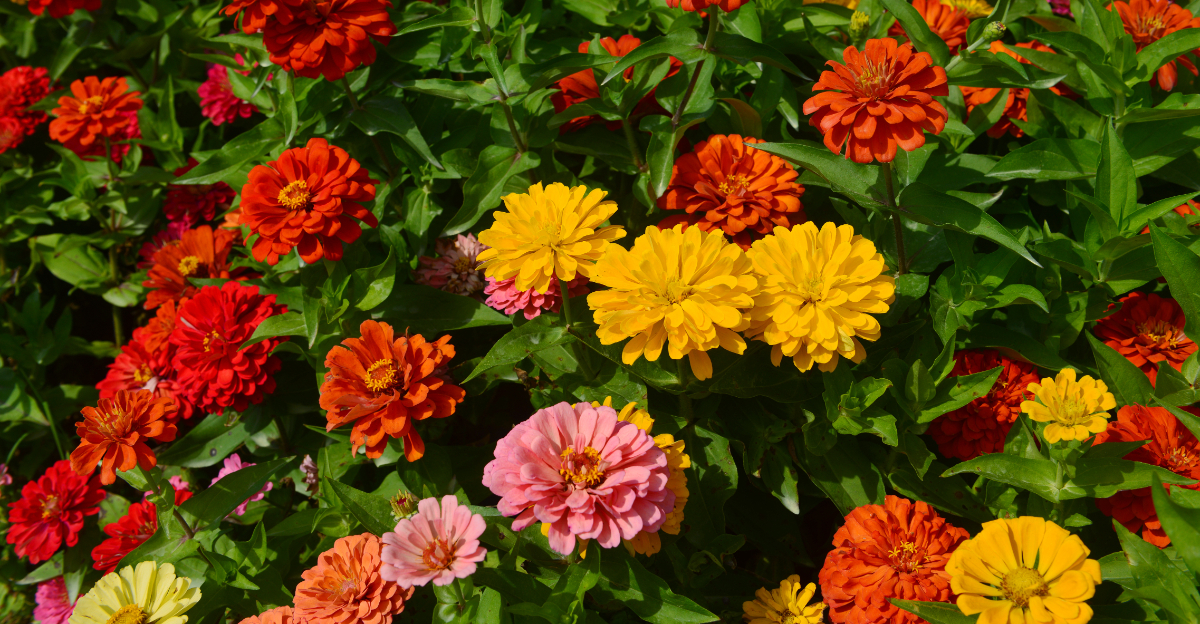
Zinnias are basically built for Georgia summers. When temperatures push into the upper 90s and the humidity feels like a wet blanket, zinnias just keep pumping out blooms without skipping a beat.
Few annuals can match that kind of stamina in the Deep South.
Plant zinnia seeds or transplants in a sunny spot with well-draining soil, and they will reward you fast. Most varieties start flowering within 45 to 60 days, which means a May planting gives you color well into September.
Deadhead spent blooms regularly and new flowers will follow almost immediately.
Zinnias come in nearly every color imaginable, from hot coral and deep burgundy to soft lavender and bright yellow. Taller varieties like Benary’s Giant work great in the back of a border, while compact types like Zahara are excellent for containers on a Georgia patio.
They handle full sun like champions and only need watering during extended dry spells once established. Butterflies absolutely love them too, so you get wildlife interest alongside the color.
One practical note: avoid overhead watering on zinnias since wet foliage can lead to powdery mildew, especially in humid Georgia conditions. Water at the base and keep air circulating between plants for the best results all summer.
Cutting a few stems for bouquets actually encourages many zinnia varieties to branch out and produce even more flowers through the season.
4. Cosmos Grow Fast Once Temperatures Stay Warm
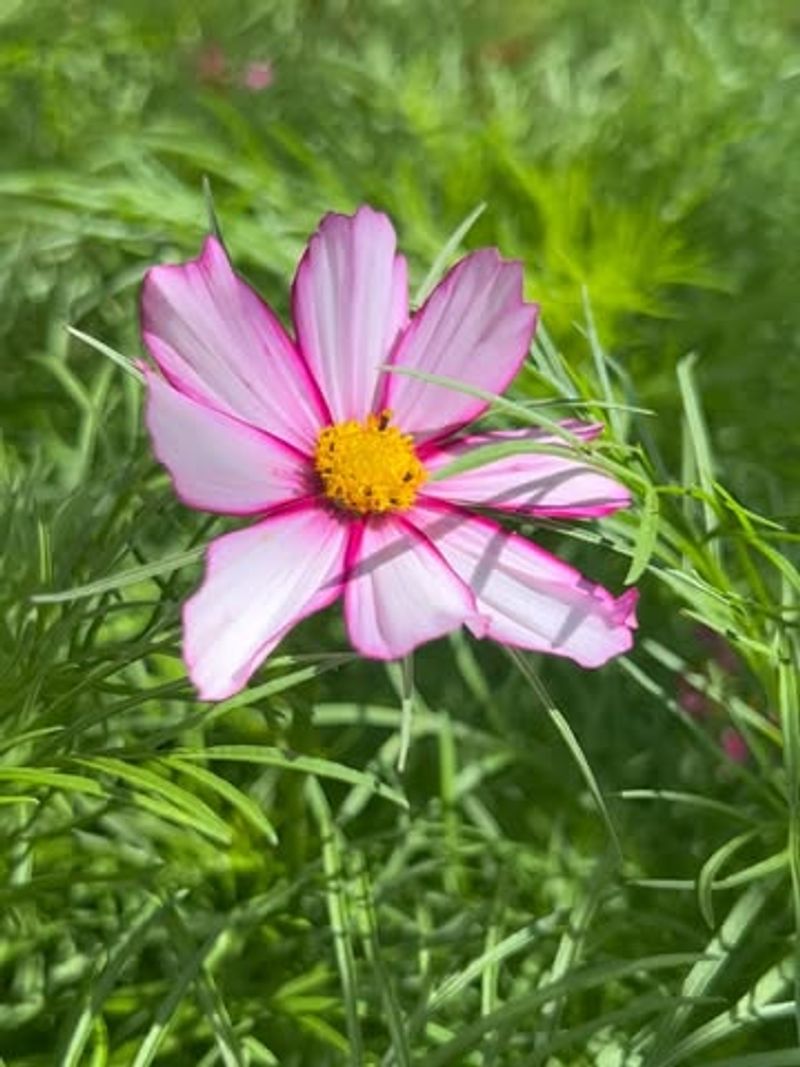
Cosmos might look delicate with their feathery leaves and tissue-paper petals, but do not let that fool you. Once warm temperatures settle in across Georgia in May, cosmos take off fast and reach full bloom in as little as seven weeks from seed.
Few flowers reward a late spring planting quite as quickly.
Direct sowing cosmos seeds into prepared garden beds works better than transplanting since they prefer to grow where they are planted. Scatter seeds in a sunny spot, barely cover them with soil, and keep the area lightly moist until germination happens.
After that, cosmos are surprisingly self-sufficient and actually perform better in lean soil than in heavily fertilized ground.
Overfeeding cosmos with nitrogen causes lush foliage but fewer flowers, so skip the heavy fertilizer routine entirely. Plants grow between two and four feet tall depending on the variety, and they sway beautifully in a light breeze, adding movement to a Georgia garden that feels alive.
Pink, white, magenta, and bicolor varieties are all widely available. Pollinators visit cosmos flowers regularly, especially butterflies and bees.
Deadhead spent blooms or let some go to seed for natural reseeding the following year. In warmer parts of Georgia, cosmos sometimes self-seed and return without any replanting effort at all, which is a nice surprise come next spring.
Taller varieties sometimes benefit from light staking in exposed areas since heavy summer storms can bend stems after strong wind and rain.
5. Pentas Keep Butterflies Visiting All Summer Long
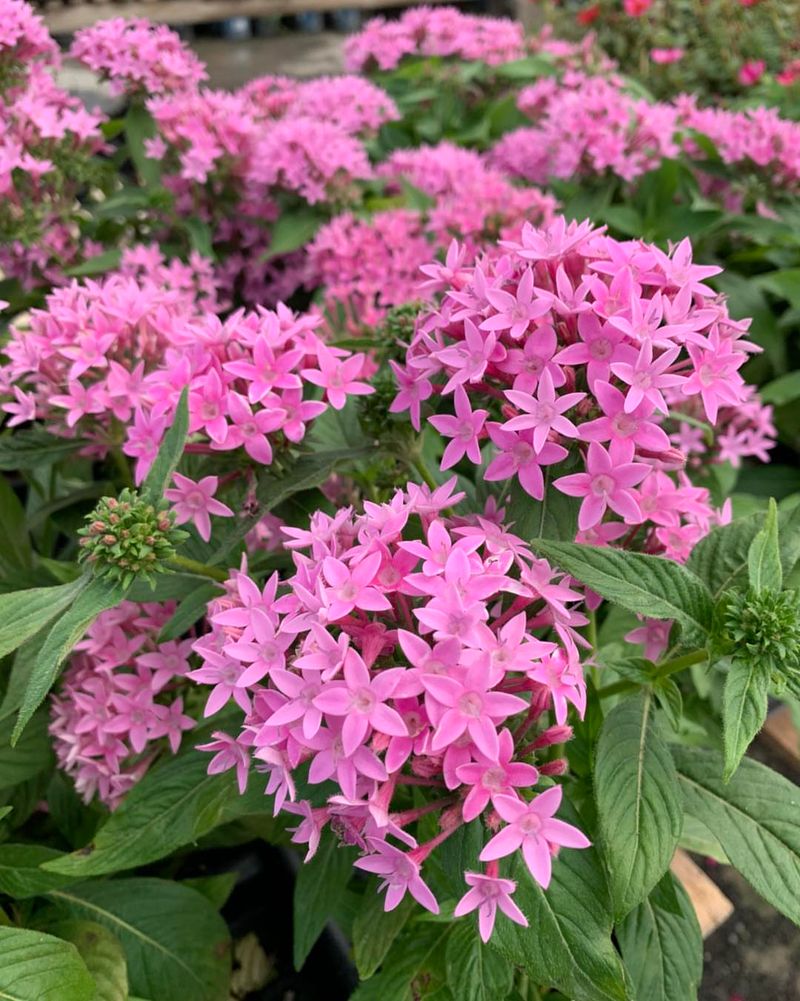
If butterflies are your goal, pentas might be the single best flower you can plant in a Georgia garden. Clusters of star-shaped blooms in red, pink, white, and lavender act like a landing pad for swallowtails, monarchs, and skippers from June straight through September.
Plant it in May and the butterfly show starts within weeks.
Pentas loves heat and actually intensifies its blooming as temperatures climb through summer. Full sun is ideal, though it tolerates a few hours of afternoon shade in the hottest parts of Georgia without much complaint.
Well-draining soil and consistent moisture during the first few weeks of establishment set pentas up for a strong season.
Once settled in, pentas requires minimal attention to keep producing flowers. Light pruning or pinching back leggy stems encourages bushier growth and more blooms.
It works beautifully in containers, raised beds, or traditional garden borders. Pentas grows between 12 and 24 inches tall depending on the variety, so smaller types fit neatly along a walkway while larger selections fill mid-border spots with ease.
Hummingbirds occasionally visit pentas too, adding another layer of wildlife activity to your Georgia yard. For anyone trying to support pollinators through the long, hot summer months, pentas delivers consistent results that genuinely hold up through the toughest Georgia heat.
6. Vinca Continues Blooming During Hot Dry Weather
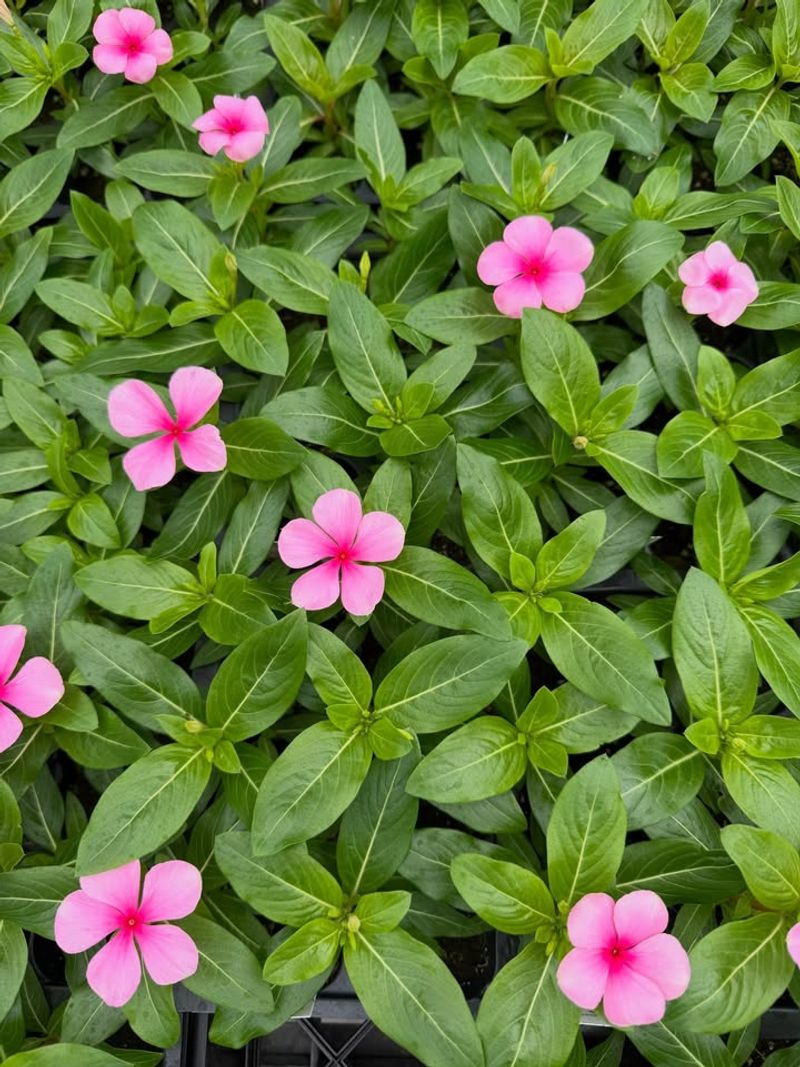
Few flowers handle a Georgia drought stretch as calmly as vinca. While other plants droop and struggle during a two-week dry spell in July, vinca just keeps blooming like nothing happened.
It is one of the most heat and drought tolerant annuals available for Southern gardeners, and it proves that every single summer.
Vinca, also called annual periwinkle, thrives in full sun and actually prefers to dry out slightly between waterings. Overwatering is a more common problem with vinca than underwatering, especially in Georgia’s clay-heavy soils where drainage can be inconsistent.
Raised beds or containers with good drainage tend to produce the strongest plants.
Colors range from bright white and soft pink to deep magenta and coral, often with a contrasting eye at the center of each bloom.
Plants stay relatively compact, reaching about 12 to 18 inches in height, which makes vinca a solid choice for borders, mass plantings, or container arrangements on a Georgia porch or patio.
One important tip: vinca does not tolerate wet roots for extended periods, so always check soil moisture before watering.
Planting in May allows vinca to establish before the peak heat of Georgia’s summer arrives, giving roots time to spread and anchor before conditions get truly demanding.
By July and August, an established vinca plant is practically unstoppable.
7. Salvia Produces Long Lasting Flowers Pollinators Love
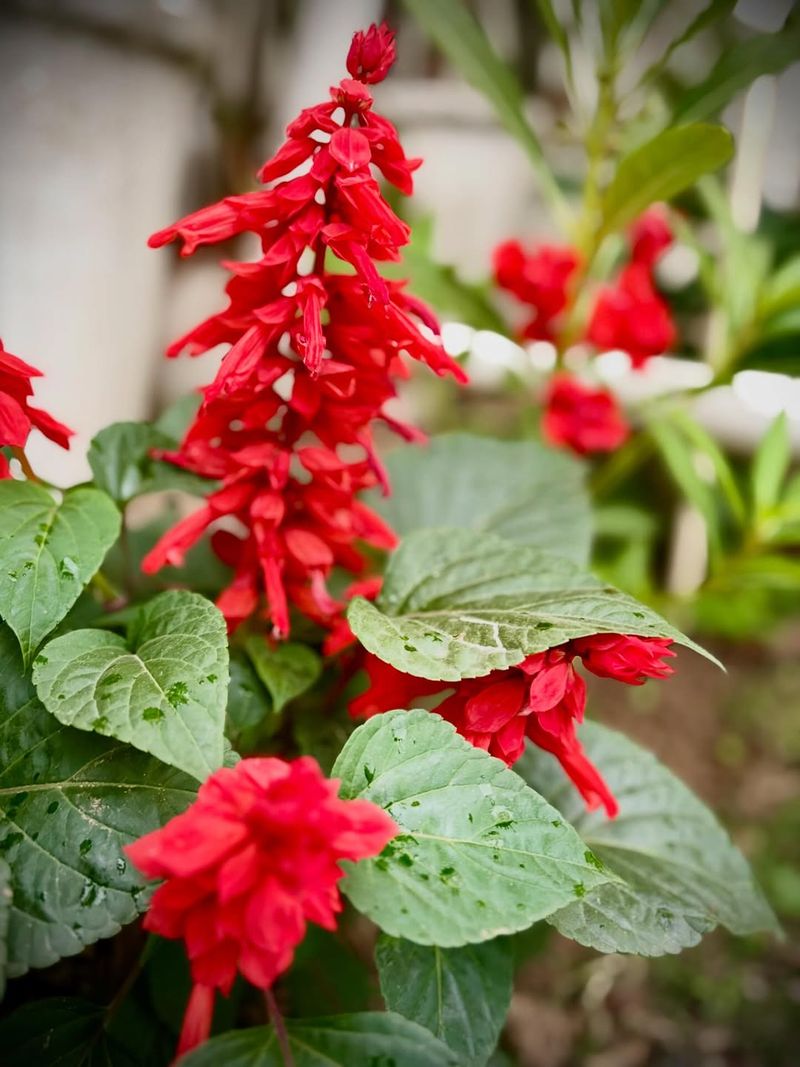
Red salvia is a Georgia garden staple for a reason. Planted in May, it starts producing tall spikes of vivid red, purple, or coral blooms that hold up through the heat of June, July, and August without fading or flopping over.
Hummingbirds treat salvia spikes like a personal buffet and visit repeatedly throughout the day.
Annual salvia varieties like Salvia splendens and the more heat-tough Salvia coccinea perform especially well across Georgia. Salvia coccinea, sometimes called tropical sage, self-seeds readily in Georgia’s warmer regions and often returns the following year without any replanting.
It handles both heat and occasional dry spells with notable resilience.
Plant salvia in full sun for the densest blooms, though it tolerates light afternoon shade without major issues. Spacing plants about 12 inches apart improves air circulation, which matters in Georgia’s humid summers.
Deadheading or trimming back spent flower spikes encourages a second and sometimes third flush of blooms through the season. Salvia works well in borders, cottage-style gardens, and mixed containers where height and vertical interest are needed.
Beyond the visual appeal, pollinators including bees, butterflies, and hummingbirds rely on salvia as a consistent nectar source through the long Georgia summer.
For gardeners who want both beauty and ecological value in one plant, salvia genuinely delivers on both counts all season.
Well-draining soil helps prevent root problems during long rainy stretches, especially in lower areas of the garden where water tends to collect.
8. Celosia Adds Bold Texture And Color Through Summer
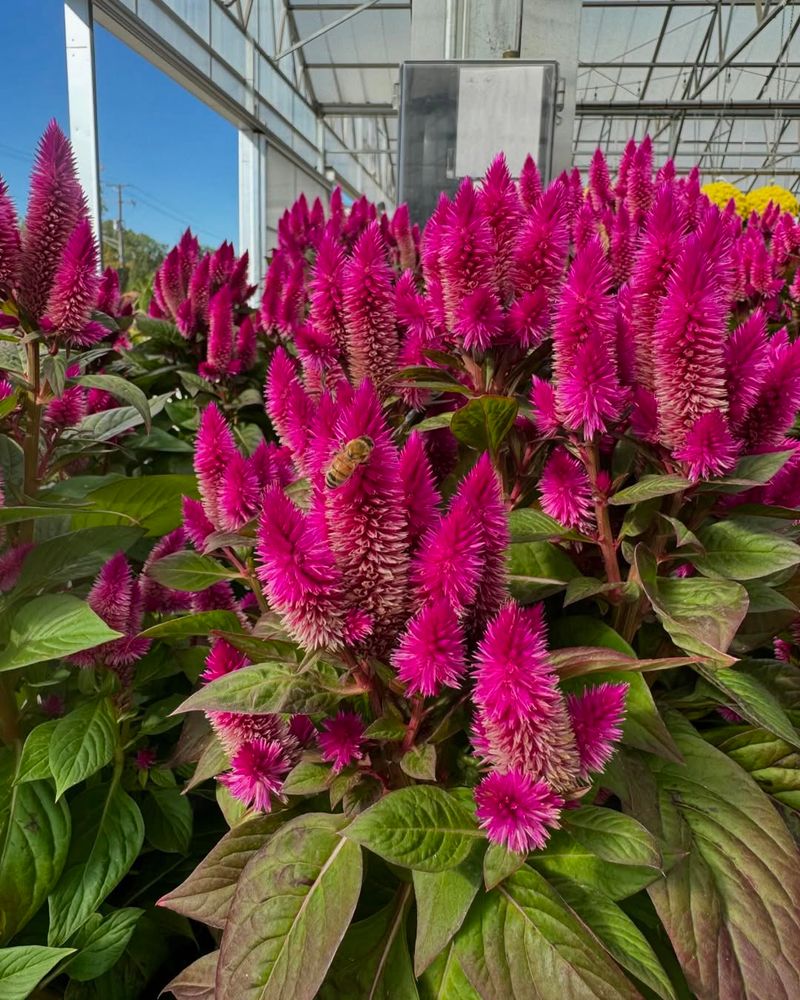
Celosia stops people in their tracks. Whether it is the velvety cockscomb type with its brain-like crested head or the feathery plume varieties that look like living flames, celosia brings a texture to Georgia gardens that flat-petaled flowers simply cannot match.
Planted in May, it peaks right when summer heat is at its most intense.
Heat is actually what celosia wants. Cool, wet conditions slow it down, but once Georgia temperatures climb into the 80s and 90s, celosia accelerates and produces nonstop color through August and beyond.
Full sun and well-draining soil are the two main requirements for strong performance.
Colors range from deep crimson and burnt orange to bright yellow and soft pink, and some varieties blend multiple shades in a single plume.
Plants grow anywhere from 8 inches to over 24 inches depending on the type, giving Georgia gardeners options for both container plantings and full garden beds.
Celosia holds its color even as blooms age, which extends the visual interest without constant deadheading. It also works beautifully as a cut flower and dries well if you want to preserve summer blooms for indoor arrangements later in the year.
Water celosia at the base rather than overhead, and avoid letting it sit in soggy soil. With those simple habits in place, celosia will carry bold color through the longest, hottest stretch of a Georgia summer without much fuss at all.