How To Encourage Repeat Hydrangea Blooms In Indiana, According To Experts
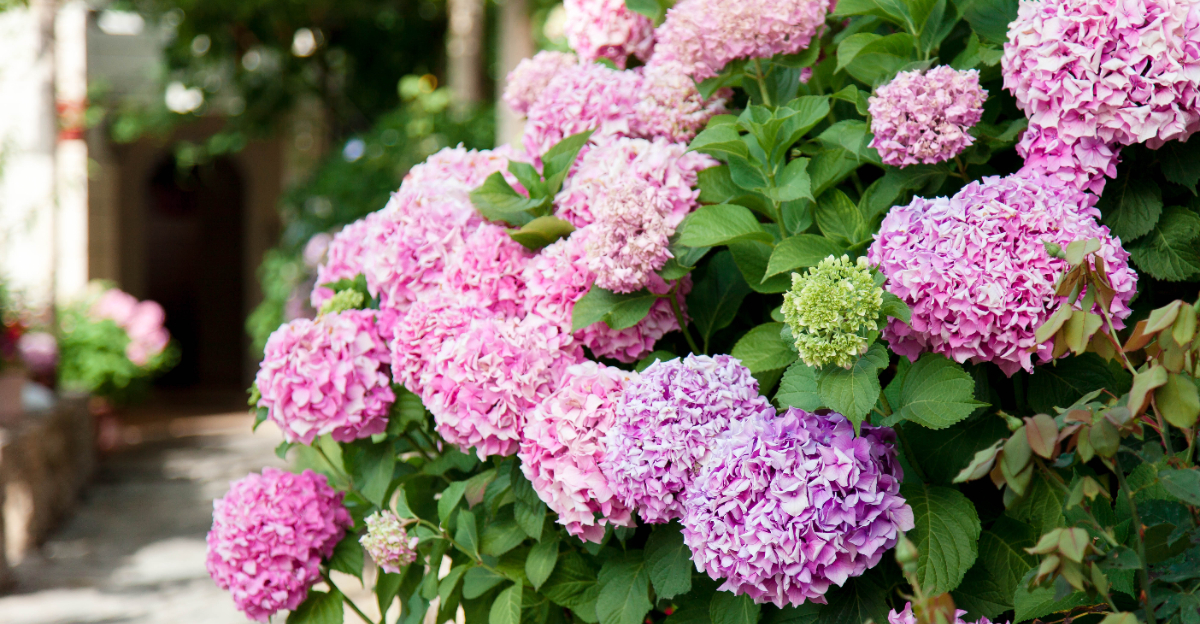
Your hydrangea put on a show in June, then went quiet. By July, the blooms faded, and by August, the bush just sat there, green and uneventful. If that sounds familiar, Indiana’s climate is partly to blame.
Cold snaps in April can zap new buds before they even open, and the state’s humid, sticky summers push shrubs into survival mode instead of bloom mode. But a one-and-done flowering season isn’t the only option.
Some gardeners in Indiana get color from early summer straight through fall, and the difference usually comes down to variety choice, pruning timing, and a few small habits most people skip.
None of it requires special equipment or a green thumb passed down through generations. Once you understand what your hydrangea actually needs at each stage, repeat blooms stop feeling like luck and start feeling like a plan you can follow every year.
1. Choose a Reblooming Variety Bred For Colder Climates
Not every hydrangea is built to handle Indiana winters. Picking the wrong variety is the number one reason gardeners end up without blooms by August.
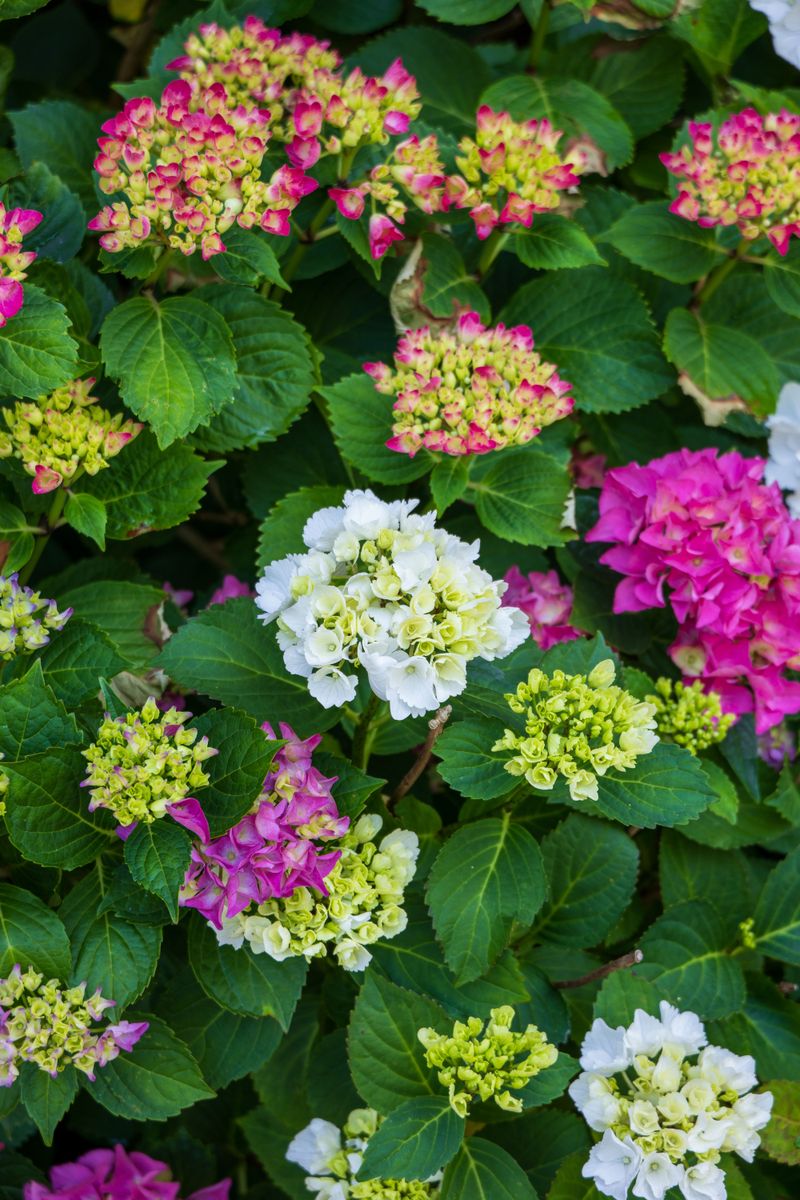
Reblooming varieties like Endless Summer flower on both old wood and new wood, while smooth hydrangea varieties like Incrediball and Invincibelle Spirit bloom reliably on new wood alone, making them especially dependable for Midwest gardeners.
Old wood is growth from last season. New wood is growth from the current season.
When late frost wipes out old wood buds, a reblooming type simply pushes out fresh blooms on new stems. That built-in backup system helps keep your yard colorful for most of the summer.
Standard bigleaf hydrangeas, which are common at big-box stores, only bloom on old wood. One rough Indiana spring can cost you an entire season of flowers with those varieties.
Many local gardening experts recommend shopping at local nurseries instead of chain stores. Local nurseries stock varieties tested for Indiana’s specific climate and hardiness zone, usually zone 5b or 6a.
Look for the words “reblooming” or “remontant” on the plant tag. Those terms confirm the shrub is engineered to produce multiple rounds of flowers in a single growing season.
Choosing the right plant from the start saves you years of frustration. Think of it as the foundation of your entire hydrangea success strategy.
2. Plant In A Spot With Morning Sun And Afternoon Shade
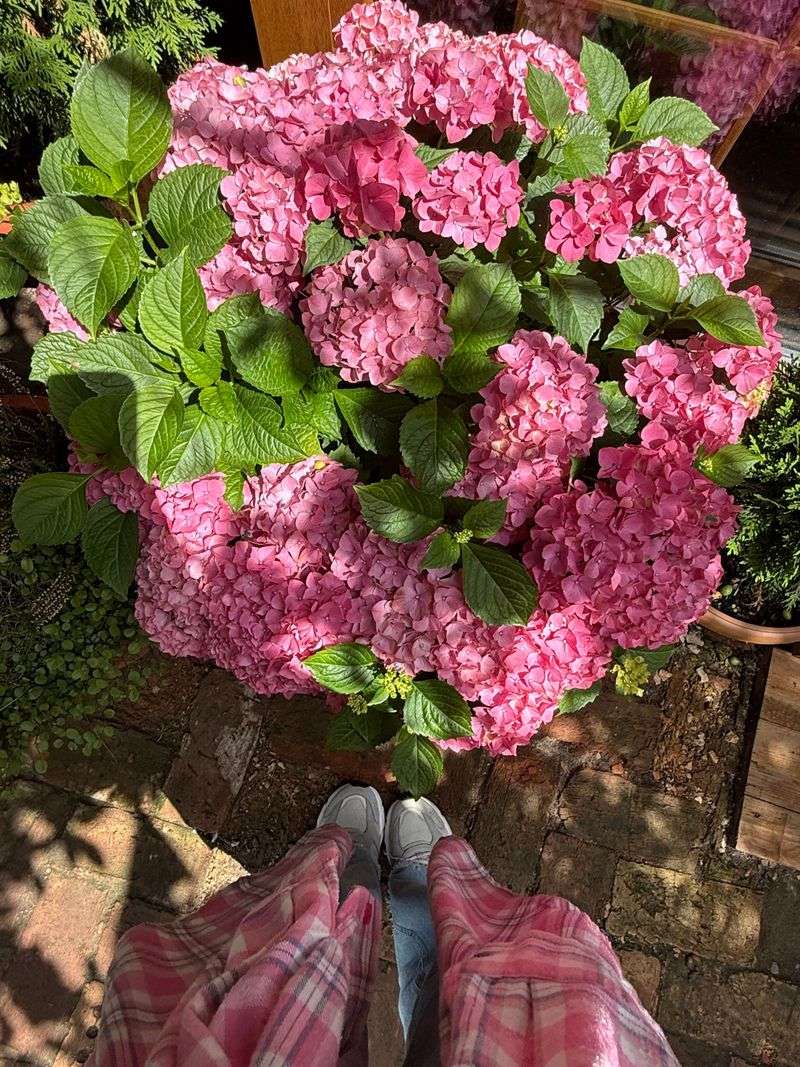
Sunlight placement can make or break your hydrangea’s blooming potential. Getting this step right means bigger flower clusters and a longer blooming season.
Morning sun gives hydrangeas the energy they need to produce flower buds. Afternoon shade protects those same buds from scorching during Indiana’s hot July and August days.
Full afternoon sun causes stress in hydrangeas, and stressed plants tend to focus on survival rather than flowering, which often means fewer blooms.
The east or northeast side of your home is often the sweet spot for planting. Buildings naturally block harsh western afternoon sun while still allowing four to six hours of morning light.
Your Indiana Garden Changes Every Week. Your Plan Should Too.
Gardening in Indiana changes quickly throughout the season. Every Friday you’ll receive a simple weekly plan showing exactly what to plant, prune, fertilize, harvest, and protect so you never miss the right timing.
Avoid planting directly under large trees with shallow root systems, like maples. Those roots compete aggressively for water and nutrients, leaving your hydrangea struggling all season.
Dappled shade from taller open-canopy trees, like oaks, can work beautifully. Just make sure light still reaches the plant for several solid hours each morning.
Container gardeners have an advantage here because pots can simply be moved. If your hydrangea looks stressed or droopy mid-afternoon, shifting it a few feet can solve the problem fast.
Experts say the most common sunlight mistake is planting hydrangeas in deep shade. While they tolerate low light, deep shade dramatically reduces bloom production and overall plant vigor.
Moving an established hydrangea is difficult once roots take hold, so observe your yard’s light patterns before you dig a single hole.
3. Identify Your Hydrangea Type Before You Prune
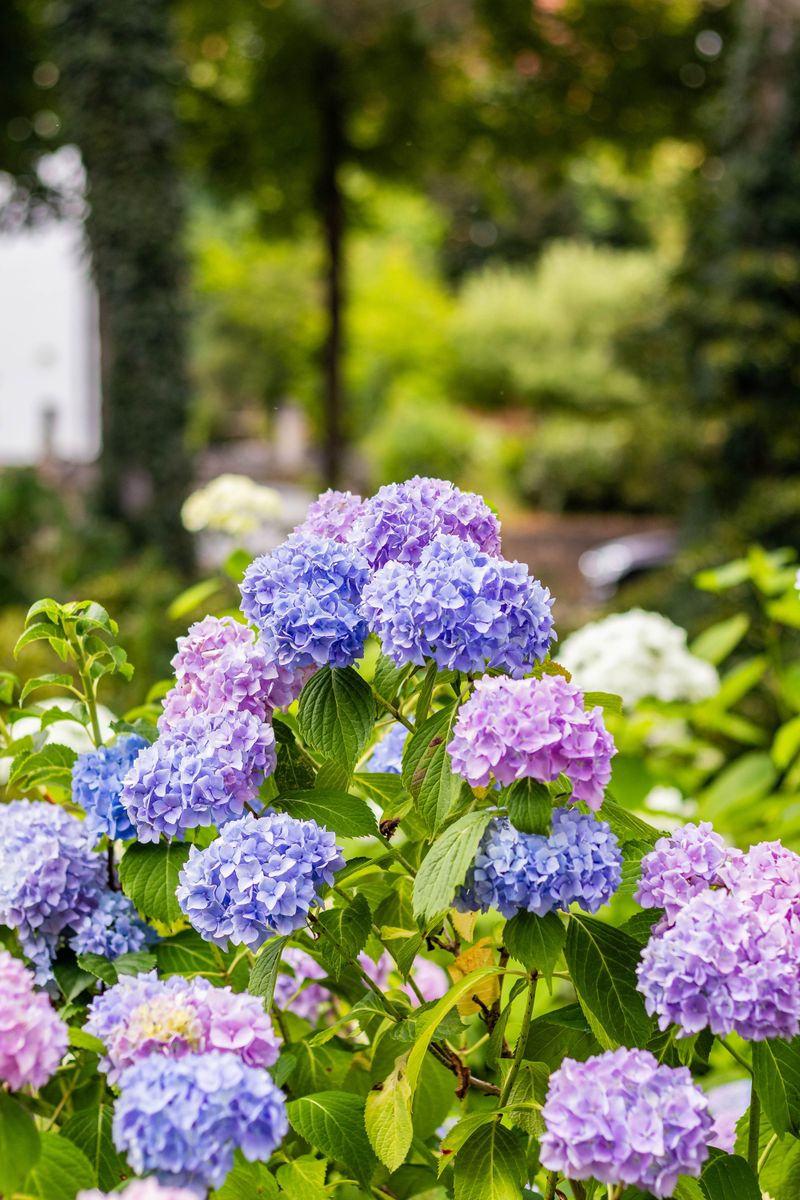
Pruning the wrong hydrangea at the wrong time is the fastest way to lose a whole season of blooms. Before you pick up those shears, you need to know exactly what type of shrub you have.
Bigleaf hydrangeas, also called Hydrangea macrophylla, bloom on old wood. Cutting them back in fall or early spring removes next year’s flower buds entirely.
Panicle hydrangeas and smooth hydrangeas, like Annabelle, bloom on new wood. They actually benefit from a good hard trim in late winter or early spring.
Oakleaf hydrangeas bloom on old wood and should be treated like bigleafs when it comes to pruning timing. Cutting them back aggressively in the wrong season eliminates summer blooms.
A simple identification trick is to look at the flower shape. Mophead and lacecap flower forms usually indicate a bigleaf, while cone-shaped flowers typically signal a panicle type.
Another clue is leaf shape. Oakleaf hydrangeas have large leaves that genuinely look like oak leaves, making them easy to spot even without flowers present.
Experts recommend taking a photo and bringing it to your local cooperative extension office for free identification help. Getting it confirmed before pruning prevents costly mistakes.
Once you know your type, write it on a small garden marker and stick it near the plant. Memory fades, but a label stays useful for every future pruning season.
Knowing your plant type matters more than most gardeners realize. It is the single smartest step between you and a spectacular summer display.
4. Know When To Stop So You Don’t Cut Off Next Year’s Buds
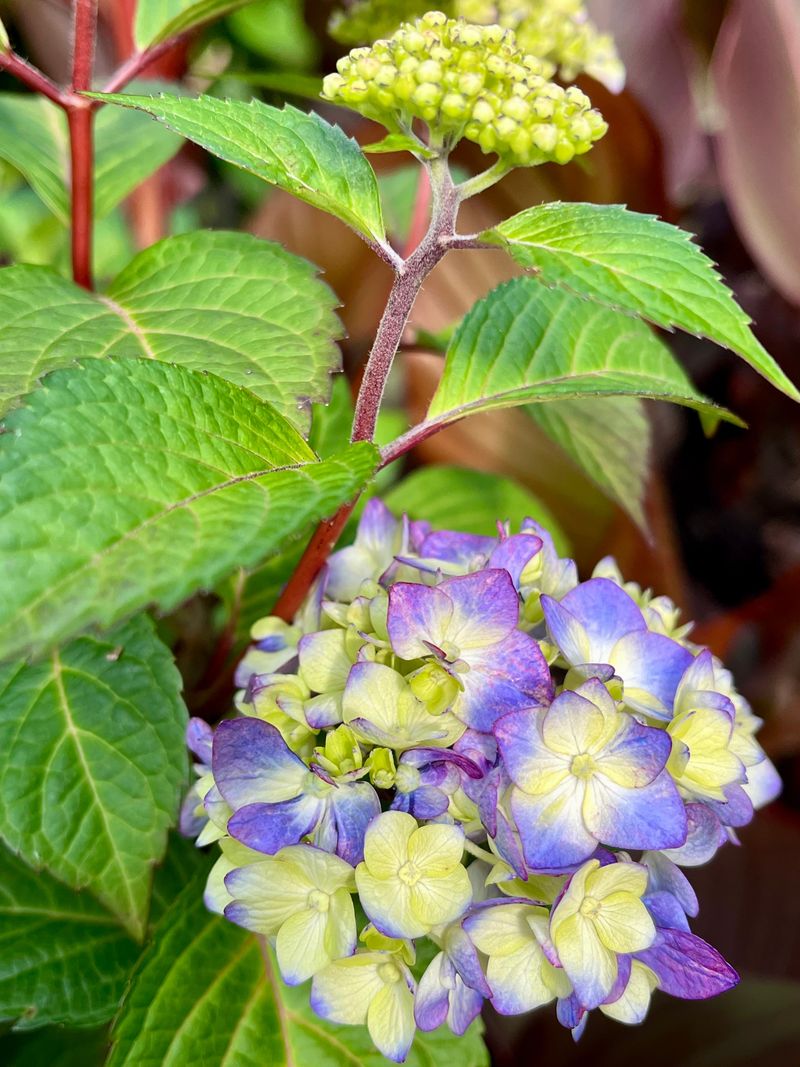
Timing your pruning cutoff correctly is just as important as knowing what to prune. Cut too late in the season and you are essentially snipping away next summer’s blooms before they even get started.
For old-wood bloomers like bigleaf hydrangeas, experts say stop all pruning by mid-July at the absolute latest. Buds for next year begin forming on stems as early as late summer.
After July, those developing buds are already present on the stems, even though they are invisible to the naked eye. Any cut made after that point removes them for the coming season.
Removing spent flowers is a different story. Removing just the old flower head without cutting into the stem below it is generally safe through summer.
Use clean, sharp pruning shears and cut right above the first set of healthy leaves below the spent bloom. Avoid cutting deep into the woody stem structure during late-season cleanup.
Panicle and smooth hydrangeas are far more forgiving because they bloom on new growth. Even a hard cut in early spring gives them enough time to push out vigorous new stems loaded with buds.
Mark your calendar every year with a pruning stop date. A simple reminder in June or early July keeps you from making that one regrettable cut during a fall cleanup session.
Experts describe late pruning as one of the most frustrating and preventable hydrangea mistakes. One cut at the wrong moment can mean waiting an entire year for blooms to return.
5. Water Consistently To Keep Roots From Drying Out
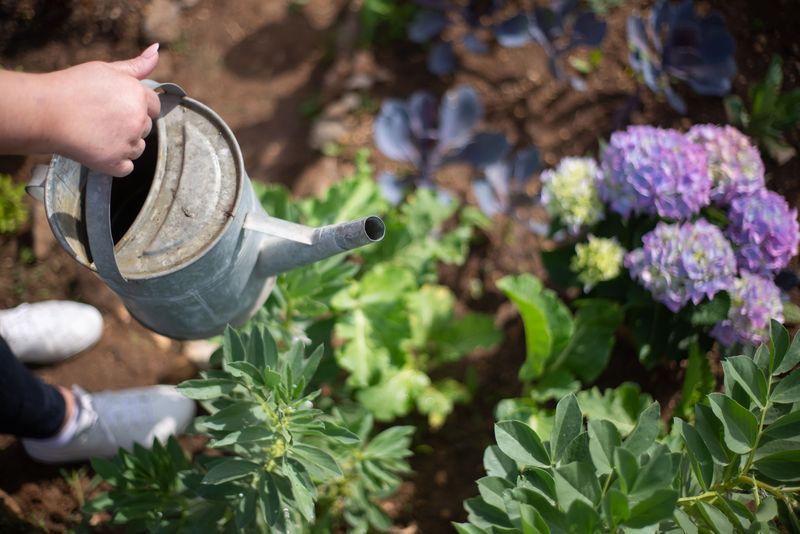
Hydrangeas are thirsty plants, and their name comes from Greek words meaning ‘water vessel,’ a nod to their seed capsule shape. Inconsistent watering is one of the top reasons these shrubs fail to rebloom through summer.
Aim for about one inch of water per week during the growing season. In Indiana’s hot summers, that can easily jump to two inches when temperatures stay above 85 degrees.
Wilting leaves in the afternoon can be normal during extreme heat, but wilting in the morning signals real drought stress. Morning wilt is your cue to water immediately and deeply.
Deep, slow watering is far more effective than frequent shallow sprinkles. Slow watering encourages roots to grow downward, making the plant more resilient during dry stretches between rain events.
A soaker hose laid around the base of the shrub is one of the most efficient tools you can own. It delivers moisture directly to the root zone without wetting the foliage, which reduces fungal issues.
Mulching around the base with two to three inches of shredded bark or wood chips locks moisture in the soil. Mulch also keeps soil temperatures stable during Indiana’s intense summer heat waves.
Avoid overhead watering late in the day because wet leaves overnight invite powdery mildew and leaf spot. Water in the morning so foliage dries quickly in the sun.
Consistent moisture keeps the plant focused on flower production rather than stress recovery. Steady hydration is one of the simplest paths to a repeat bloom performance.
6. Feed With A Bloom-Boosting Fertilizer
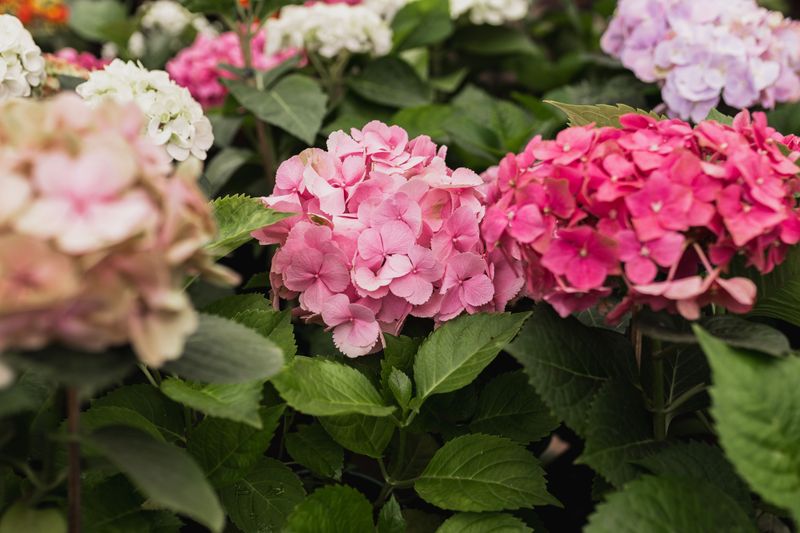
Feeding your hydrangea the right fertilizer is like giving it the exact fuel it needs to perform. Using a general all-purpose fertilizer might seem convenient, but it often works against bloom production.
All-purpose fertilizers tend to be high in nitrogen. Nitrogen pushes lush green leaf growth, which looks healthy but actually diverts energy away from flower bud development.
Bloom-boosting fertilizers have a higher middle number on the label, which represents phosphorus. Phosphorus is the nutrient most directly responsible for strong root systems and abundant flower production.
Look for a fertilizer with an NPK ratio like 10-30-10 or 15-30-15 when shopping for your shrubs. The high middle number tells you it is phosphorus-forward and bloom-focused.
Apply fertilizer in early spring as new growth emerges, then again in late spring or early summer just before buds begin to set. Avoid fertilizing after mid-July so the plant can harden off properly before winter.
Granular slow-release fertilizers are a favorite among Indiana master gardeners because they feed steadily over several weeks. Liquid fertilizers work faster but require more frequent applications to stay effective.
Soil pH also affects bloom color in bigleaf hydrangeas. Acidic soil with a pH below 6 produces blue flowers, while alkaline soil above 7 shifts blooms toward pink.
Getting your soil tested through Purdue Extension is inexpensive and incredibly informative. Knowing your pH lets you adjust feeding strategy with precision rather than guesswork.
7. Protect Old Wood Buds Through Indiana’s Winter
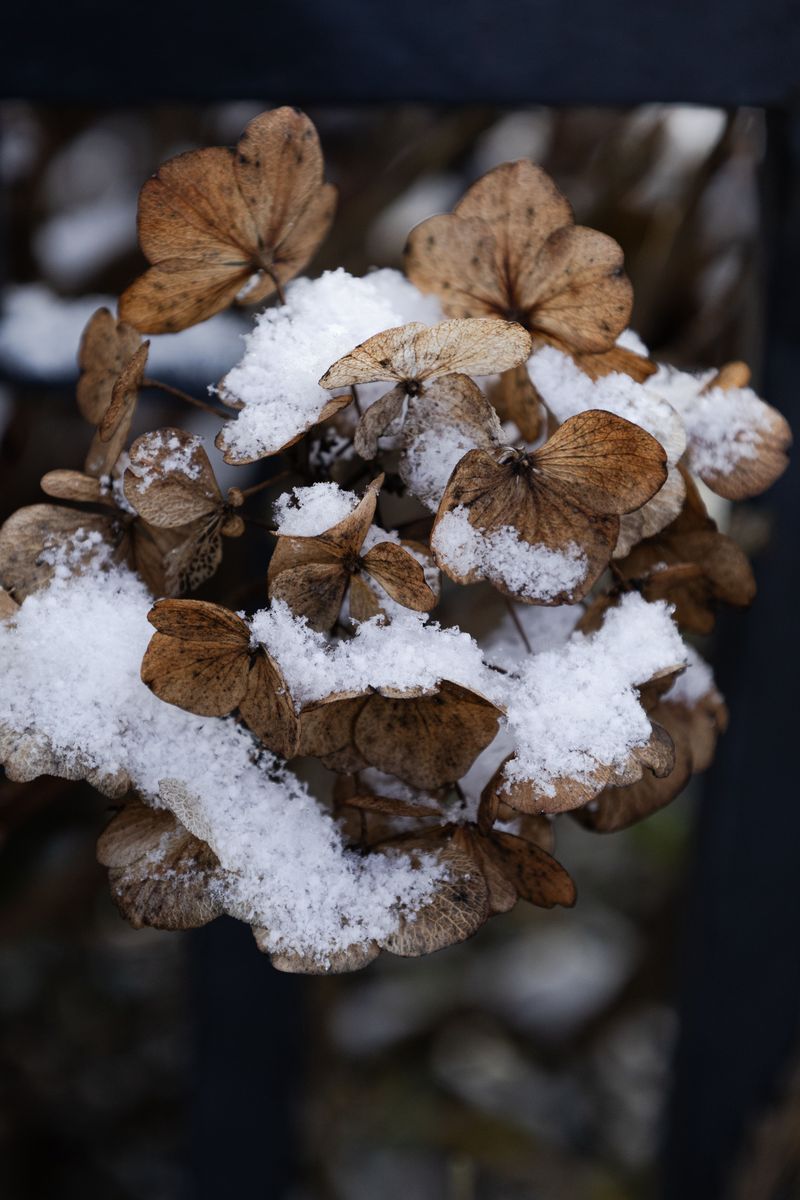
Indiana winters are unpredictable, and that unpredictability is the biggest threat to repeat hydrangea blooms the following summer. Protecting old wood buds through cold months makes a real difference for old-wood bloomers.
Buds that form in late summer sit exposed on bare stems all winter long. A sudden temperature plunge in February or a late April frost can wipe them out completely.
One of the most effective protection methods is building a simple wire cage around the shrub. Fill that cage loosely with dry leaves or straw to insulate stems and buds from extreme cold.
Avoid packing the cage too tightly because trapped moisture can cause rot and fungal problems. Loose, airy insulation is the goal, not a dense packed bundle.
Burlap wrapping is another popular option that Indiana gardeners swear by. Wrapping stems loosely in burlap blocks drying winter winds without trapping damaging moisture against the plant tissue.
Apply a thick layer of mulch around the base before the ground freezes. Three to four inches of shredded leaves or wood chips insulates roots and helps moderate soil temperature swings through the season.
Remove all protective coverings gradually in spring once nighttime temperatures consistently stay above 28 degrees. Removing protection too early exposes tender new buds to a late frost.
Experts remind gardeners that protecting repeat hydrangea blooms in Indiana starts in November, not April. Prep done in fall determines whether your summer garden looks spectacular or disappointingly bare.
8. Watch For Deer Damage In Late Winter And Early Spring
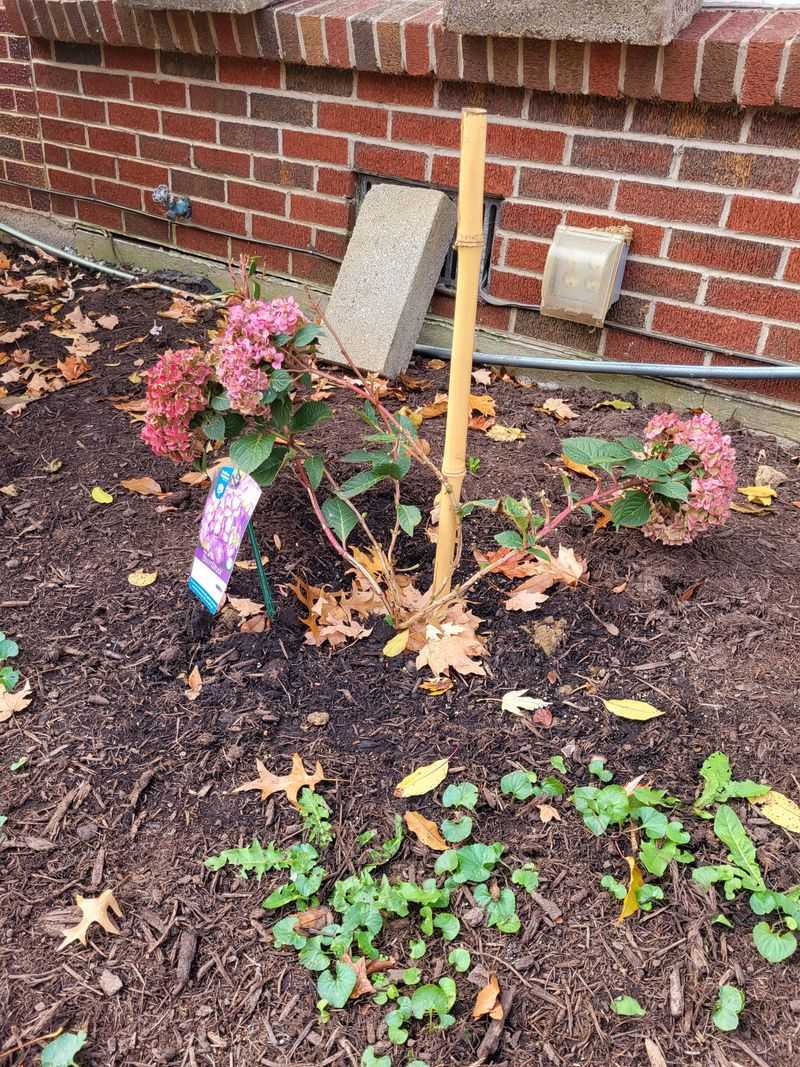
Deer damage is an overlooked reason hydrangeas skip a season of blooms, especially in Indiana’s rural and suburban yards. Tender new leaf growth and young flower buds are exactly what deer look for when other food sources run scarce.
Late winter and early spring are the riskiest months. That is precisely when old wood buds are swelling and most vulnerable, and when deer have fewer alternatives to graze on.
A single overnight visit can strip a shrub of most of its developing buds. The plant survives and leafs out normally, but the flower show for that season is largely gone.
Physical barriers work best for consistent protection. A simple mesh fence around the shrub during the highest-risk months blocks access without harming the plant.
Scent-based repellents can help in lower-pressure areas, though they typically need reapplying after rain. Rotating between two or three products keeps deer from adapting to a single scent over time.
Planting hydrangeas closer to the house, where deer traffic is naturally lighter, adds another layer of protection. Combined with fencing during peak risk months, this simple placement choice meaningfully cuts down on damage.
Checking your shrub every few days in late winter lets you catch grazing early, before it affects the whole plant. A quick daily glance during this window can save an entire summer of color.