The Native Groundcover That Blooms Through Arizona’s Hottest Weeks
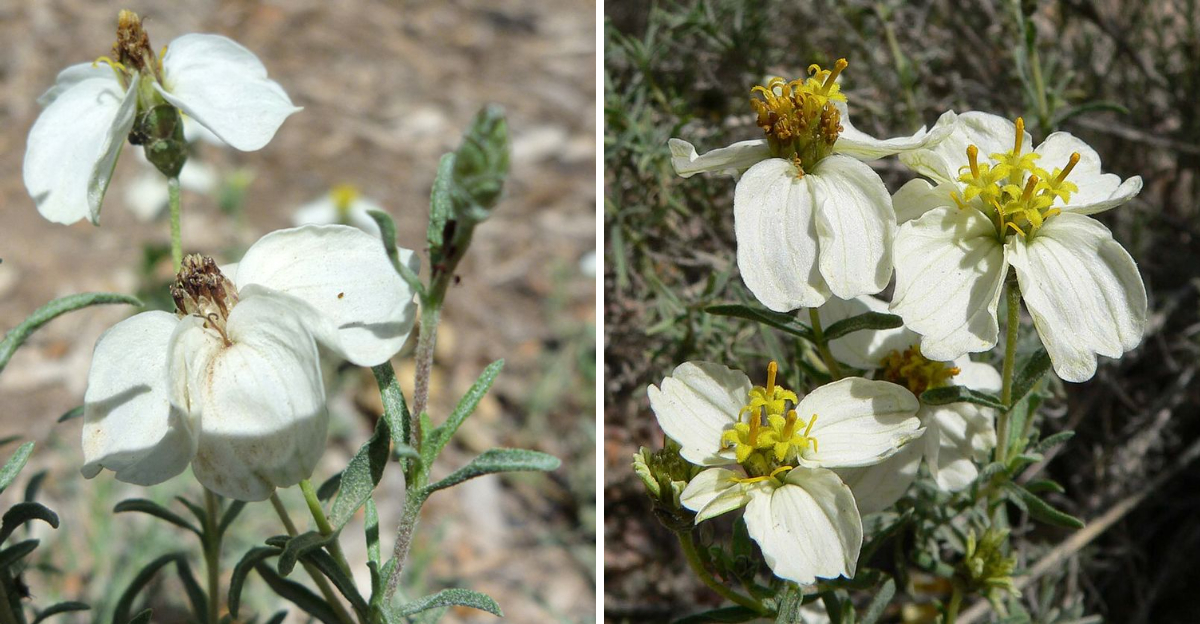
Summer can make even a beautiful landscape feel a little repetitive. Green shrubs stay green, flowers become harder to find, and the bright display that filled the yard in spring slowly begins to fade.
It is around this time that one colorful plant can completely change the look of a garden. A splash of fresh blooms stands out far more when almost everything else has already finished its show.
That is one reason gardeners pay close attention to plants that refuse to slow down when the heat arrives.
They keep the landscape looking alive without demanding constant care through the toughest part of the season.
Arizona has a native groundcover that does exactly that.
It spreads neatly, handles intense summer conditions with ease, and continues blooming when many other plants have already called it a season. That combination makes it difficult to overlook once you see it in full color.
1. Desert Zinnia Stands Up To Extreme Summer Heat
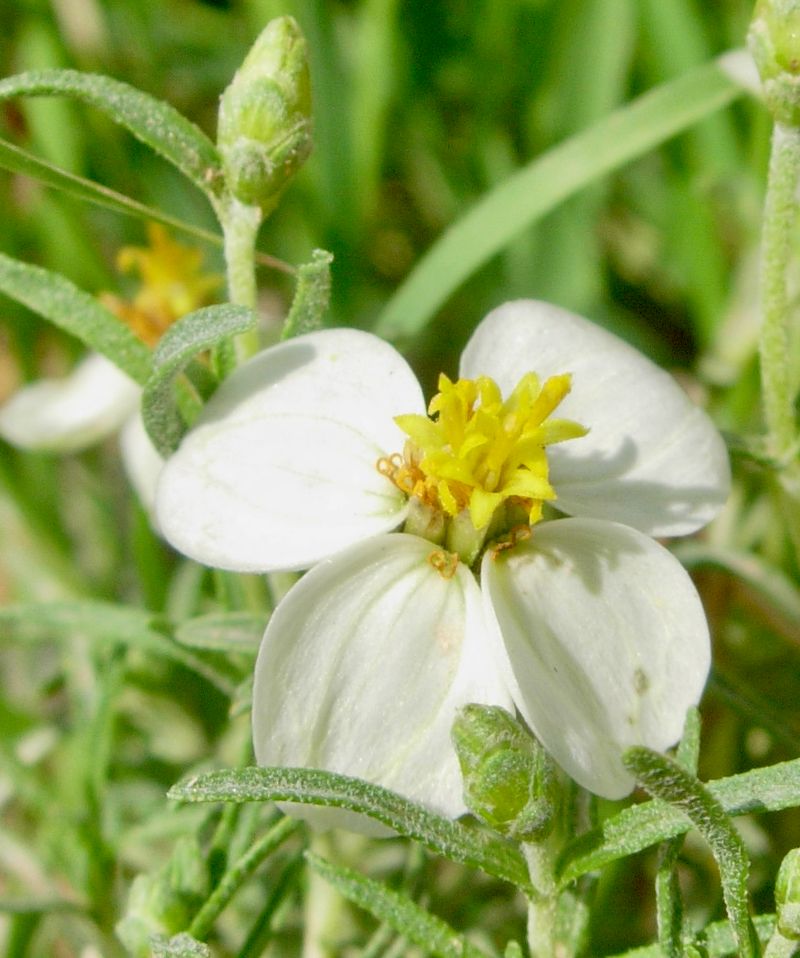
Most plants tap out when summer heat hits its peak. Desert Zinnia does the opposite.
When temperatures climb past 105 or even 110 degrees, this plant keeps flowering without missing a beat.
Native to the Chihuahuan and Sonoran desert regions, Desert Zinnia evolved over thousands of years in brutal heat. Its small, waxy leaves reduce water loss.
Its low-growing form stays close to the ground, away from the worst of the drying wind.
Gardeners in hot desert climates often struggle to find groundcovers that actually look good in July and August. Desert Zinnia fills that gap better than almost anything else available.
It does not wilt, it does not scorch, and it does not drop its flowers early.
Heat stress that damages non-native plants barely registers on Desert Zinnia. Reflected heat from concrete walls, gravel mulch, and pavement can push ground-level temperatures even higher than air temperature readings.
This plant handles all of it.
One thing worth noting: even heat-tolerant plants can struggle if they are planted in the wrong soil or watered incorrectly during establishment.
Desert Zinnia is tough, but setting it up right in the first season makes a real difference in how well it performs long-term.
2. Full Sun Keeps The Flowers Coming
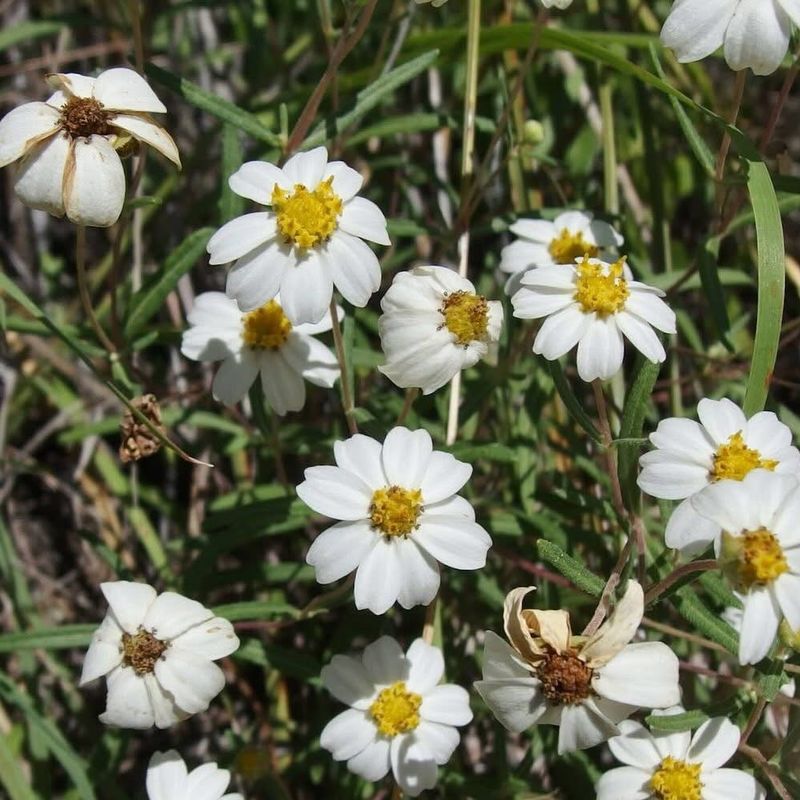
Shade is not a friend to this plant. Desert Zinnia needs full sun to flower at its best, and that means at least six to eight hours of direct sunlight every single day.
Put it in a partly shaded spot and you will get a leggy plant with fewer flowers. Move it into full sun and the difference is dramatic.
Blooms multiply, stems stay compact, and the whole plant looks healthier and more vigorous.
Reflected heat zones are actually ideal locations. South-facing walls, gravel beds, and paved areas that collect and radiate heat tend to be spots where Desert Zinnia absolutely thrives.
Many gardeners avoid those areas because other plants suffer there. Desert Zinnia treats them like prime real estate.
Full sun also helps prevent fungal issues. Good air circulation combined with direct light keeps moisture from sitting on the leaves and stems too long after any rain events.
Your Arizona Garden Changes Every Week. Your Plan Should Too.
Gardening in Arizona changes quickly throughout the season. Every Friday you’ll receive a simple weekly plan showing exactly what to plant, prune, fertilize, harvest, and protect so you never miss the right timing.
If you are planning a xeriscape or a native plant garden in the desert Southwest, sun exposure should be your first consideration when placing Desert Zinnia. Pick your sunniest, hottest spots first and reserve them for this plant.
3. Well Drained Soil Helps Roots Stay Healthy
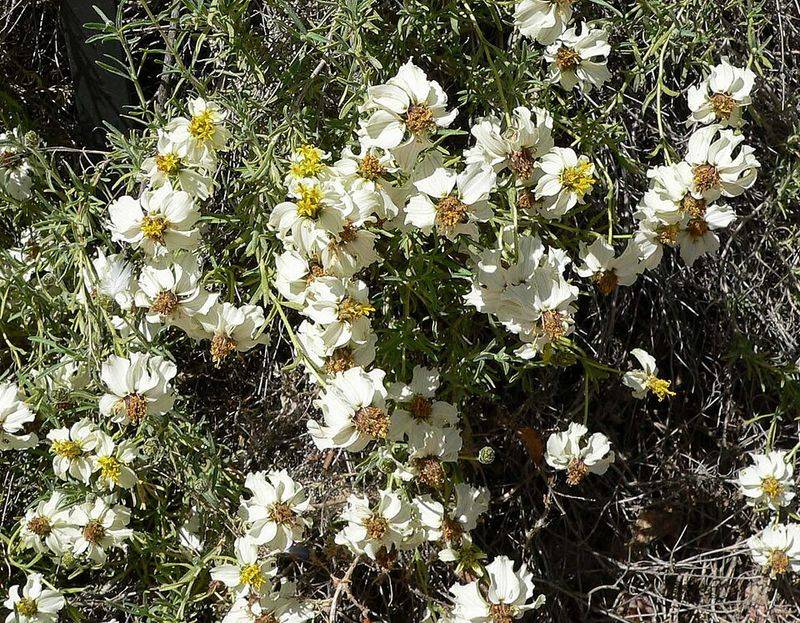
Soggy roots are a problem Desert Zinnia simply cannot handle. Good drainage is not optional with this plant.
It is the single most important soil condition to get right before you plant.
Native desert soils tend to be sandy, gravelly, and fast-draining. That is exactly what Desert Zinnia prefers.
Heavy clay soils that hold moisture for long periods create conditions where roots can rot, especially during monsoon season when rain comes in heavy bursts.
If your soil drains slowly, amending it before planting makes a big difference. Mixing in coarse sand or fine gravel helps open up the soil structure.
Raised planting areas also work well because they naturally improve drainage.
Gravel mulch on the surface serves double duty. It keeps soil temperatures more stable, and it prevents moisture from pooling around the base of the plant after rain.
Organic mulch holds too much moisture and is generally not recommended for desert natives like this one.
Root health directly affects flower production. When roots stay healthy and the soil stays dry between waterings, the plant channels its energy into blooming rather than fighting off root stress.
Before planting, do a quick drainage test.
4. Deep Watering Helps New Plants Get Established
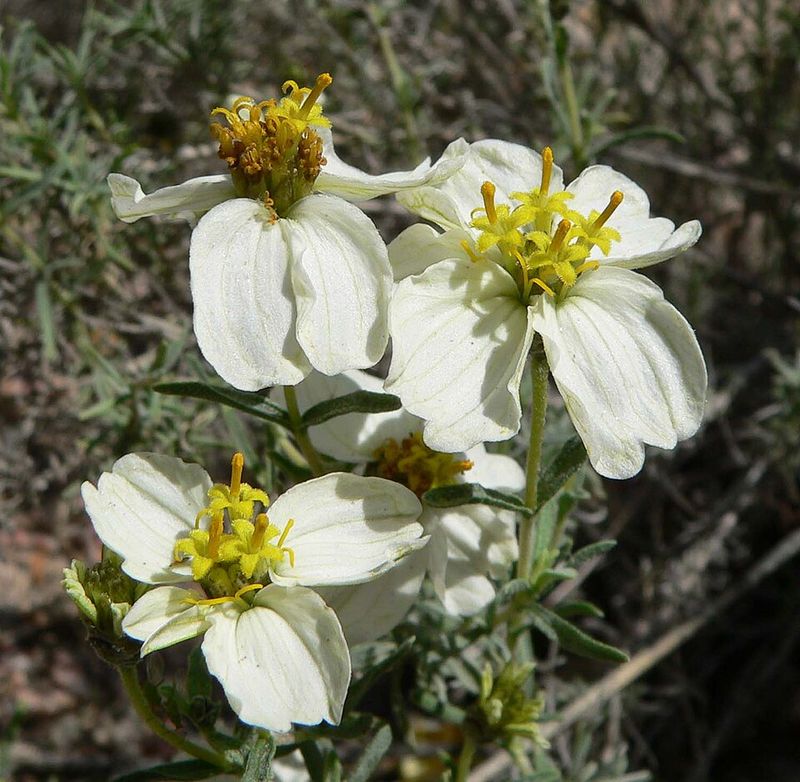
New plants need time to anchor themselves before they can rely on their own drought tolerance. Skipping deep watering during the first season is one of the most common mistakes desert gardeners make with native plants.
Deep watering means soaking the soil down to at least twelve inches. Shallow, frequent watering encourages roots to stay near the surface.
Deep watering pulls roots downward into cooler, more stable soil layers where moisture lasts longer.
During the first spring and summer after planting, water Desert Zinnia every five to seven days when temperatures are above 100 degrees.
As monsoon rains arrive and temperatures begin to moderate slightly in late summer, you can stretch those intervals.
A slow drip or a deep soak at the base of the plant works better than overhead sprinklers. Wet foliage during hot afternoons can cause minor stress, and overhead watering wastes more water to evaporation in dry desert air.
Watch the plant for signs that it needs water. Slightly wilted or curled leaves in the early morning, before the sun has been up long, suggest the plant is thirsty.
Wilting that recovers by evening is normal heat response and not necessarily a watering signal.
5. Light Trimming Keeps The Plant Looking Full
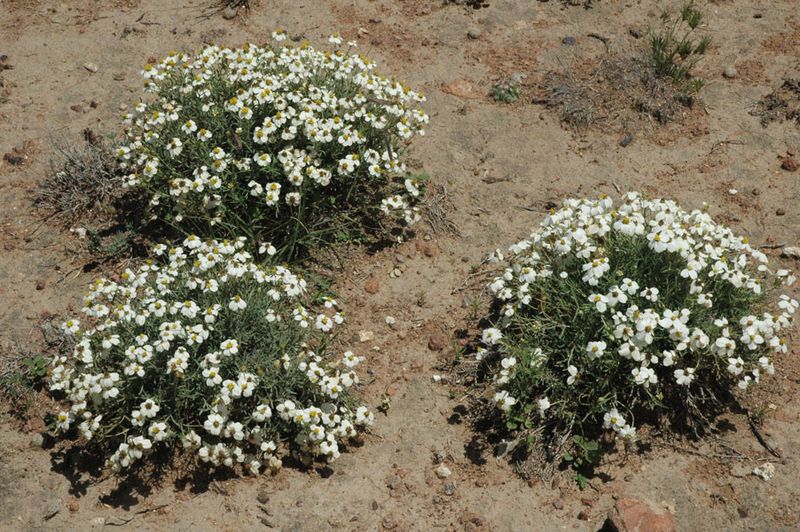
Left completely untouched, Desert Zinnia can get a little woody and open in the center over time. Light trimming once or twice a year keeps the plant dense, tidy, and full of fresh new growth.
Late winter or very early spring is the best time for a heavier cutback. Cut stems back by about one-third before new growth starts pushing in.
Avoid cutting into old woody stems too aggressively because recovery from severe pruning can be slow.
During the blooming season, deadheading spent flowers is optional but beneficial. Removing old flower heads encourages the plant to redirect energy into producing new blooms rather than setting seed.
A light pass with small scissors or handheld shears every few weeks does the job.
Do not trim Desert Zinnia during the peak of summer heat. Cutting during extreme heat exposes fresh plant tissue to intense sun stress.
Wait for a cooler morning if you need to do minor shaping in summer, and keep cuts minimal.
Fall is another good time for light shaping. After monsoon season winds down and temperatures drop, a gentle trim helps the plant prepare for a tidy winter appearance without stressing it heading into cooler months.
6. Established Plants Need Very Little Extra Water
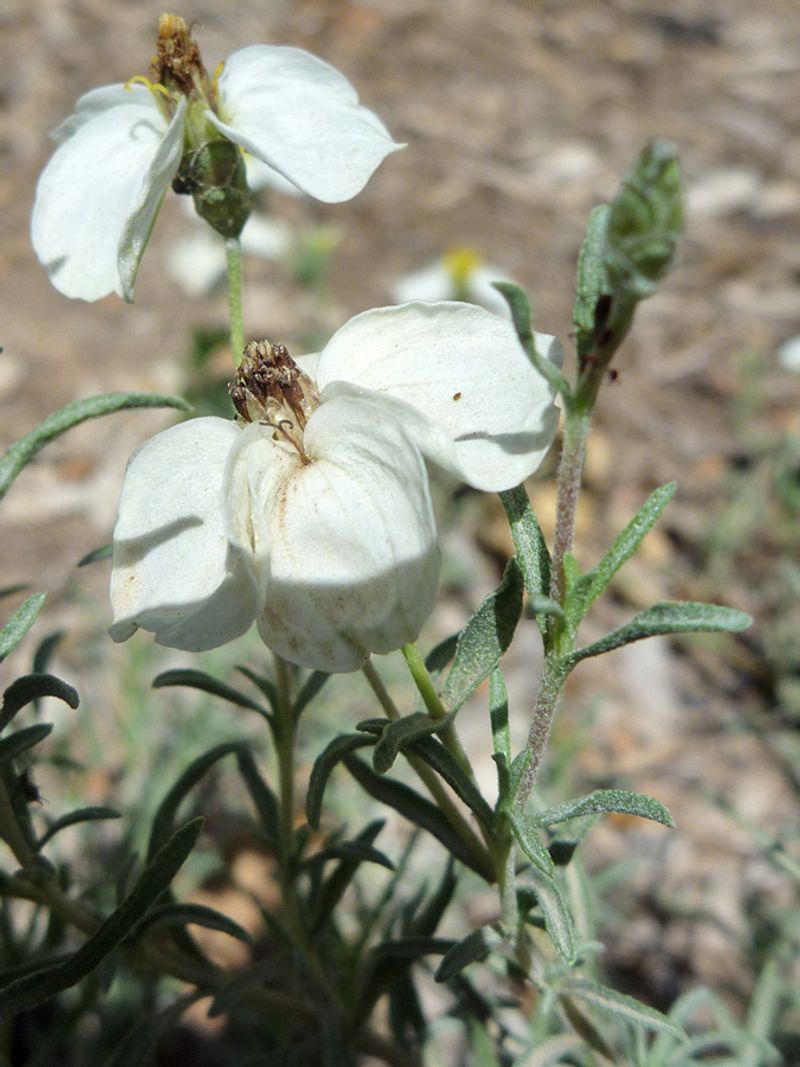
Once Desert Zinnia roots are fully established, the plant’s water needs drop dramatically. Most established plants in the desert Southwest can survive on natural rainfall alone during cooler months.
During summer, even established plants benefit from occasional deep watering, especially when stretches of extreme heat extend for several weeks without any monsoon rain.
Every ten to fourteen days is a reasonable interval for supplemental watering during peak summer heat.
Overwatering is actually a bigger risk than underwatering once the plant is established. Too much water encourages soft, weak growth and increases the chance of root problems.
Letting the soil dry out completely between waterings is the right approach.
Rainfall during Arizona’s monsoon season, which typically runs from early July through mid-September, often provides enough moisture to carry established plants without any supplemental watering at all.
Pay attention to how much rain actually falls rather than watering on a fixed schedule.
A simple finger test works well for checking soil moisture. Push your finger two or three inches into the soil near the plant base.
If it still feels damp, hold off on watering. If it feels completely dry, a deep soak is appropriate.
7. Pollinators Visit The Flowers Throughout The Season
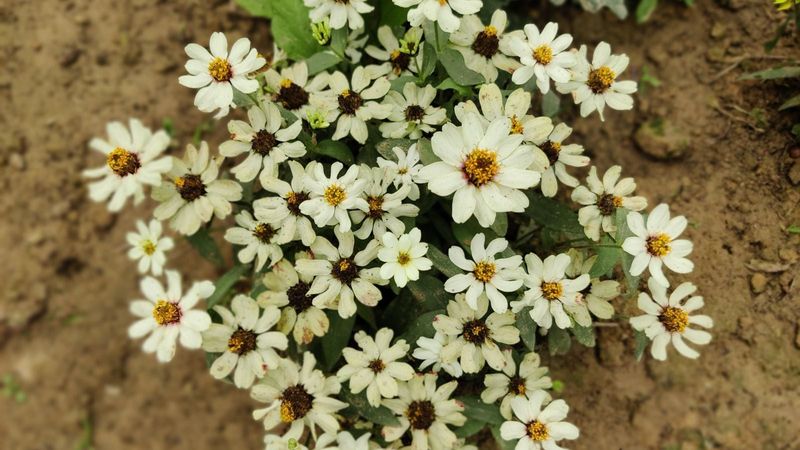
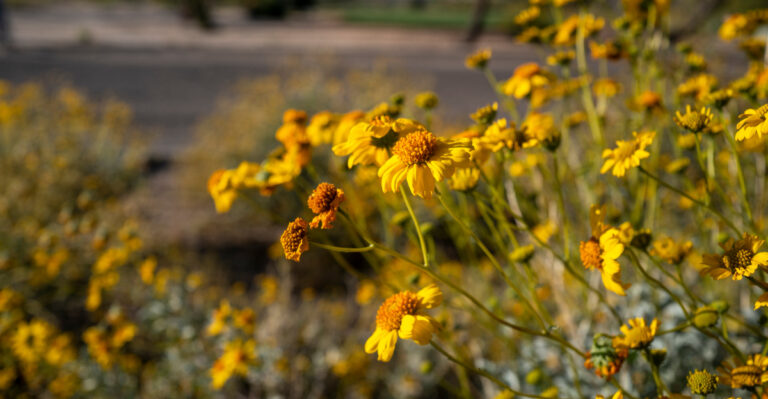
Few plants attract as much pollinator activity as Desert Zinnia during the summer months. Bees, butterflies, and native wasps all visit the flowers regularly from the first bloom of spring through the end of fall.
Native bees are especially drawn to Desert Zinnia. The open, daisy-like flower structure makes it easy for smaller bee species to access pollen and nectar.
You do not need a large planting to see results. Even a few square feet of this groundcover will bring noticeable pollinator traffic.
Monarch butterflies passing through the desert Southwest during migration have been observed nectaring on Desert Zinnia.
Other butterfly species, including various sulphurs and skippers, visit consistently throughout the season.
Because Desert Zinnia blooms during summer, it fills a critical gap in the pollinator food calendar. Many other plants stop flowering or slow down dramatically during peak heat.
Desert Zinnia keeps producing fresh flowers right through July and August when nectar sources can be scarce.
Planting Desert Zinnia near vegetable gardens or fruit trees can improve pollination of those plants as well. More pollinators in the yard generally means better fruit set and healthier vegetable production.
Avoiding pesticide use near Desert Zinnia protects the pollinators that rely on it. Even products labeled as safe can harm native bees if applied during active bloom periods.