July Garden Tasks To Protect Houseplants From Summer Heat In North Carolina
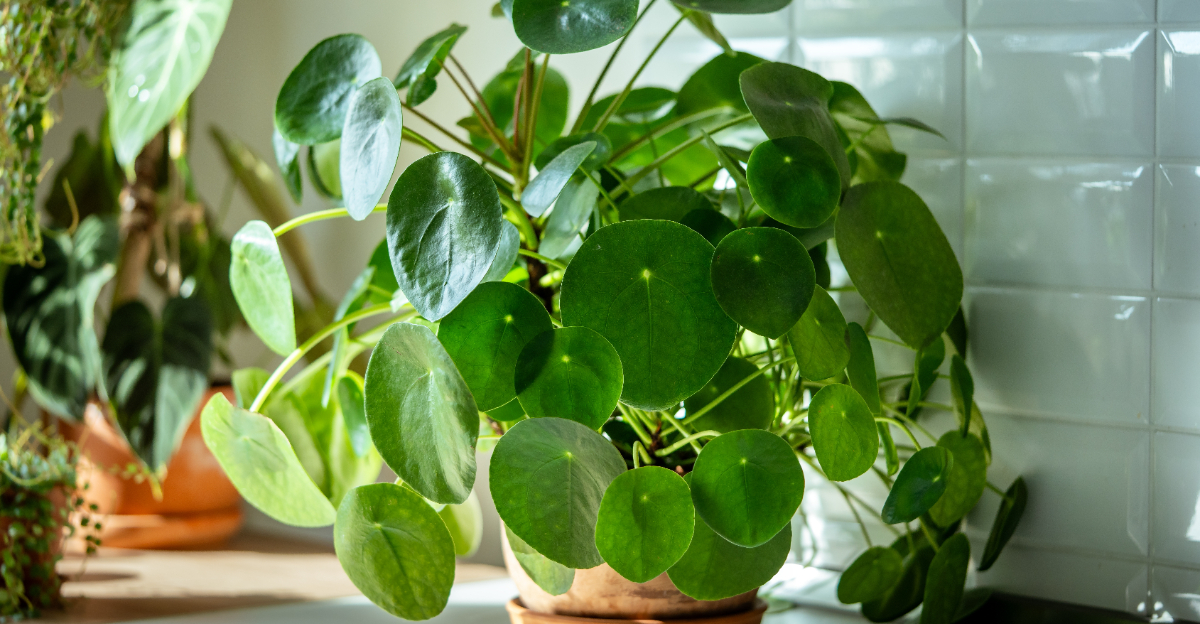
Houseplants that spend summer outdoors in North Carolina get something genuinely valuable from the experience.
Natural light, fresh air, and the kind of humidity that tropical plants thrive in all contribute to stronger growth than most indoor environments ever produce. July changes the equation.
The heat building on covered porches and patios this month pushes temperatures well beyond what most houseplants can handle.
Additionally, the intense midsummer afternoon sun will damage foliage that was perfectly content in the same spot just weeks earlier.
A few targeted adjustments made now protect that summer growth investment and carry houseplants through the hardest month of the outdoor season in genuinely good condition.
1. Move Plants Back From Hot Windows
Glass makes everything worse in July.
A south or west-facing window that felt perfectly fine in spring can turn into a magnifying lens during the hottest weeks of summer, pushing temperatures at the glass surface far beyond what most tropical houseplants can handle comfortably.
Many popular indoor plants like pothos, peace lilies, and snake plants actually prefer bright indirect light rather than harsh, direct afternoon sun.
When sunlight hits leaves through glass for hours, it can scorch the tissue and turn once-green leaves pale, crispy, or spotted in ways that are hard to reverse.
Moving plants just a few feet back from the window, or shifting them to a north or east-facing spot for July, can make a noticeable difference.
Sheer curtains are another easy fix that filters the light without blocking it completely.
North Carolina summers are long and intense, so protecting your plants from midday and afternoon sun is one of the smartest moves you can make this month.
Your plants will reward you with steadier, greener growth when the light feels comfortable rather than overwhelming.
2. Check Soil Moisture More Often
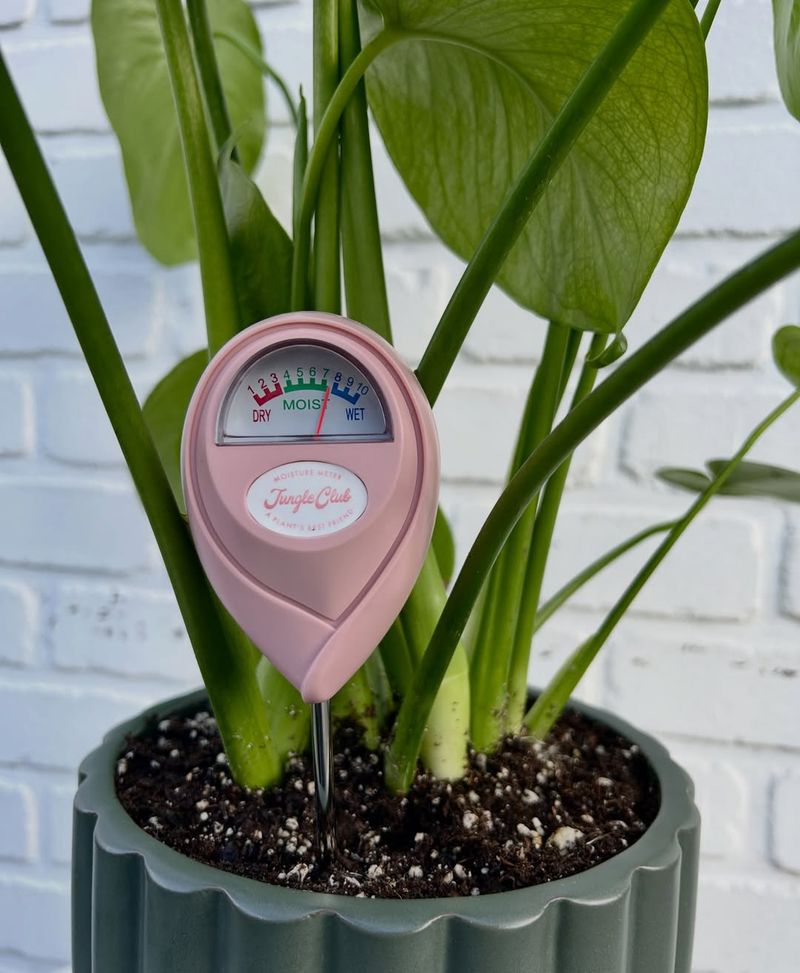
Watering on a fixed schedule sounds reliable, but July has a way of throwing that routine completely off.
The combination of stronger sunlight, air conditioning running constantly, and faster summer growth means your potting mix can dry out at a totally different pace than it did back in April or May.
Small pots dry out the fastest because there is simply less soil holding moisture. Terracotta pots also pull water away from roots more quickly than plastic or glazed ceramic ones.
If your plant sits near a bright window or in a warm corner of the room, expect to check it more often than you think necessary. The best method is the finger test.
Push your finger about an inch into the soil, and if it feels dry at that depth, most tropical houseplants are ready for water. For succulents and cacti, you can wait until the top two inches feel completely dry.
Watering based on what the soil actually tells you, rather than what day of the week it is, prevents both overwatering and underwatering.
Getting into this habit during July can seriously improve the overall health of every plant in your home throughout the rest of summer.
3. Water Deeply But Let Pots Drain
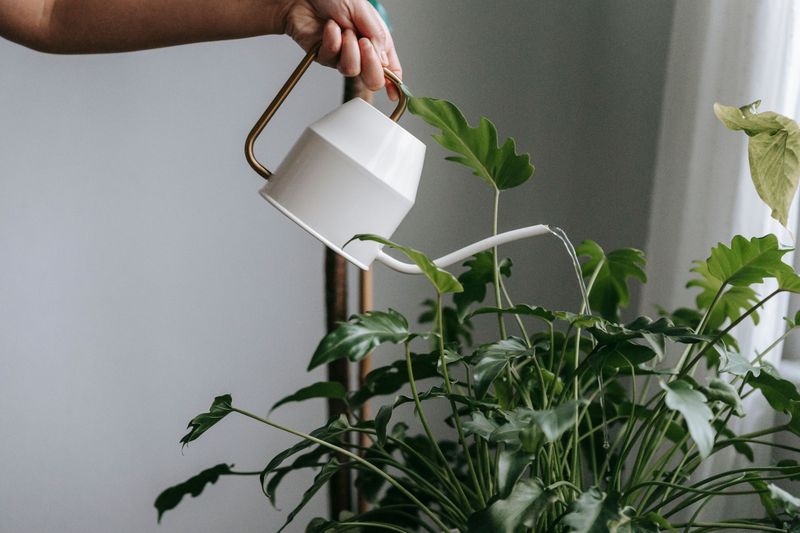
Shallow watering is one of the most common mistakes people make during summer.
Your North Carolina Garden Changes Every Week. Your Plan Should Too.
Gardening in North Carolina changes quickly throughout the season. Every Friday you’ll receive a simple weekly plan showing exactly what to plant, prune, fertilize, harvest, and protect so you never miss the right timing.
When you only wet the top inch of soil, the lower roots stay dry and the plant never gets the deep drink it actually needs.
Watering thoroughly, so moisture reaches all the way through the root zone, is always the better approach.
The trick is to water until you see it flowing freely out of the drainage holes at the bottom. That tells you the entire root ball got moistened. After that, the next step matters just as much: empty the saucer.
Leaving your pot sitting in a puddle of collected water is an easy way to cause root rot, which sneaks up quietly and can ruin an otherwise healthy plant fast.
In July, North Carolina homes can be warm even with air conditioning running, and soggy roots in a warm environment create the perfect setup for fungal problems.
After watering, give the pot about thirty minutes and then pour out whatever has drained into the saucer. It takes only a moment but makes a real difference.
Deep watering followed by good drainage keeps roots healthy, strong, and able to handle the demands that summer heat puts on your plants every single day.
4. Group Humidity-Loving Plants Together
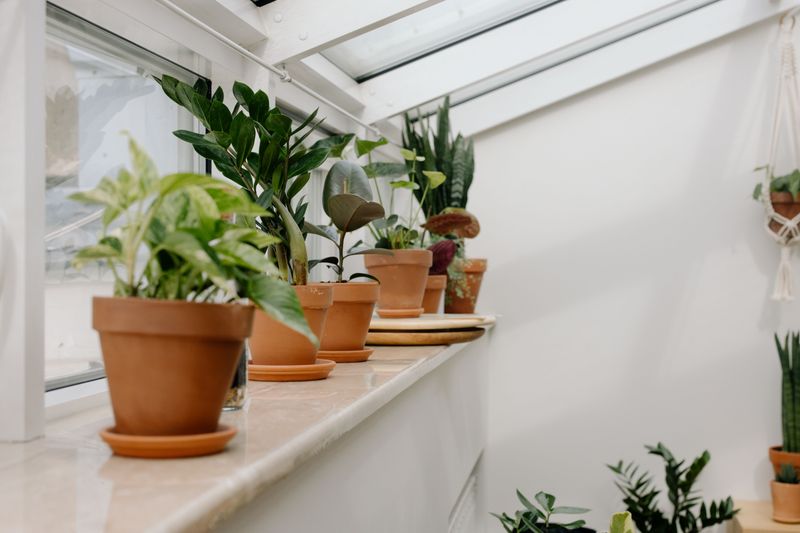
There is something almost magical about a well-grouped plant corner.
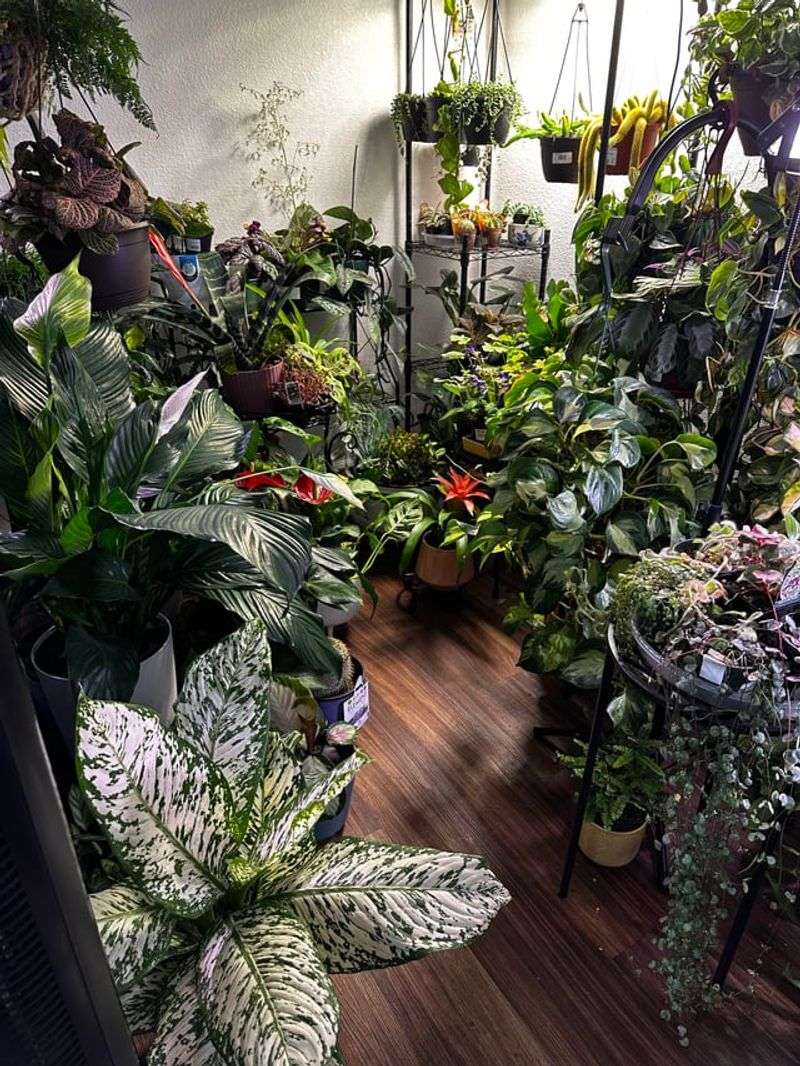
Beyond looking beautiful, clustering your tropical houseplants together during July actually creates a small pocket of higher humidity right where your plants need it most.
As plants release moisture through their leaves in a process called transpiration, nearby plants benefit from that extra moisture in the air.
Ferns, calatheas, prayer plants, and philodendrons are among the most humidity-hungry houseplants you can grow indoors.
North Carolina summers are humid outside, but air conditioning pulls a lot of that moisture out of your indoor air, leaving tropical plants feeling drier than they prefer.
Grouping these plants together on a tray, shelf, or in a corner helps them share a steadier, slightly more humid microclimate. You do not need to do anything fancy to make this work.
Simply moving your humidity-loving plants within a foot or two of each other is enough to start making a difference.
Adding a shallow tray filled with pebbles and water beneath the group can boost the effect even further, as long as the pot bottoms sit above the waterline and not in it.
Small adjustments like this cost nothing and can visibly improve how well your tropical plants handle the dry indoor air of a hot Carolina summer.
5. Keep Plants Away From Air Vents
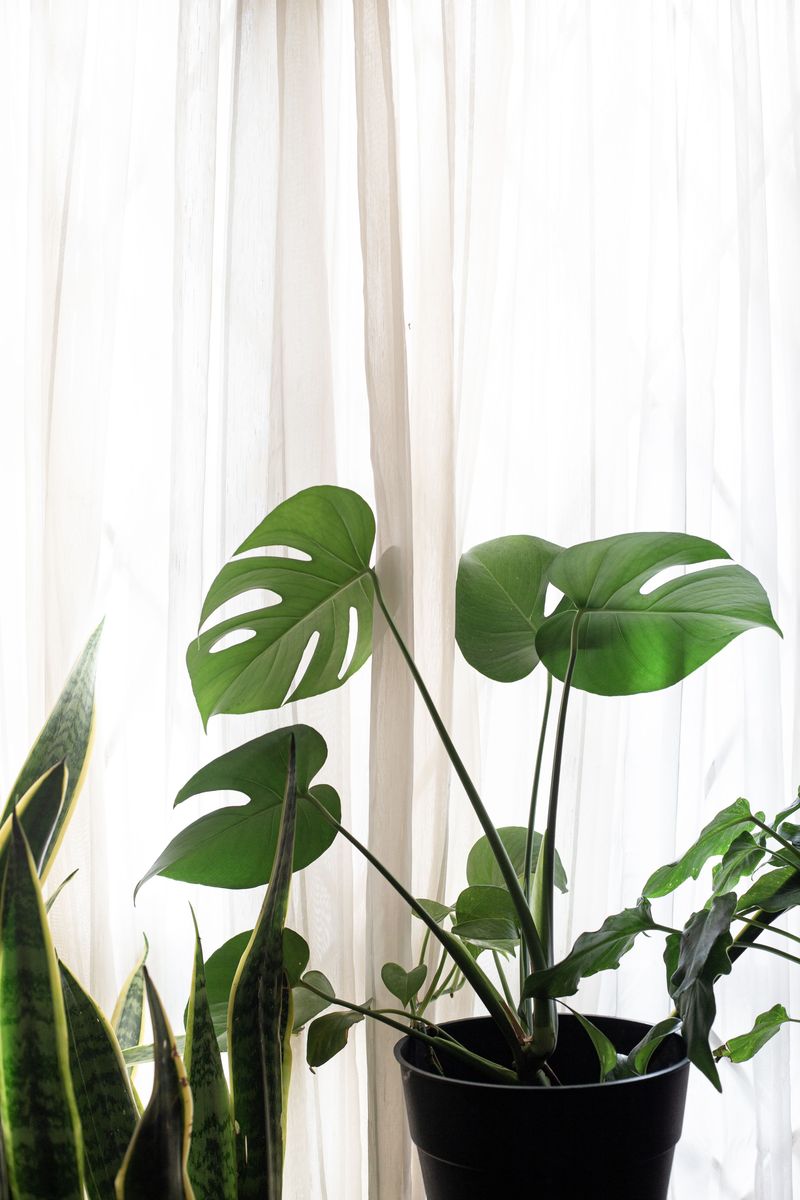
Air conditioning is a lifesaver in July, but your houseplants are not exactly fans of sitting directly in its path.
Cold air blasting from a vent creates two problems at once: it dries out the leaves and the potting mix much faster than normal, and it exposes the plant to sudden temperature swings that tropical species find genuinely stressful.
Most tropical houseplants evolved in environments with warm, stable temperatures and relatively consistent humidity. A cold blast of conditioned air is about as far from that as you can get.
Leaves near vents can develop brown tips, curl at the edges, or drop unexpectedly, even when the rest of your care routine is perfectly on track.
Walk through your home and take a close look at where your plants are sitting relative to vents, both floor vents and ceiling ones.
Moving a pot just two or three feet away from direct airflow can solve the problem completely without sacrificing the light the plant needs.
If a particular spot is ideal for light but unavoidable for airflow, a small physical barrier like a piece of furniture placed between the vent and the plant can redirect the cold air.
It is a simple fix that often explains why some plants struggle in summer even when everything else seems right.
6. Use A Humidifier For Fussy Tropical Plants
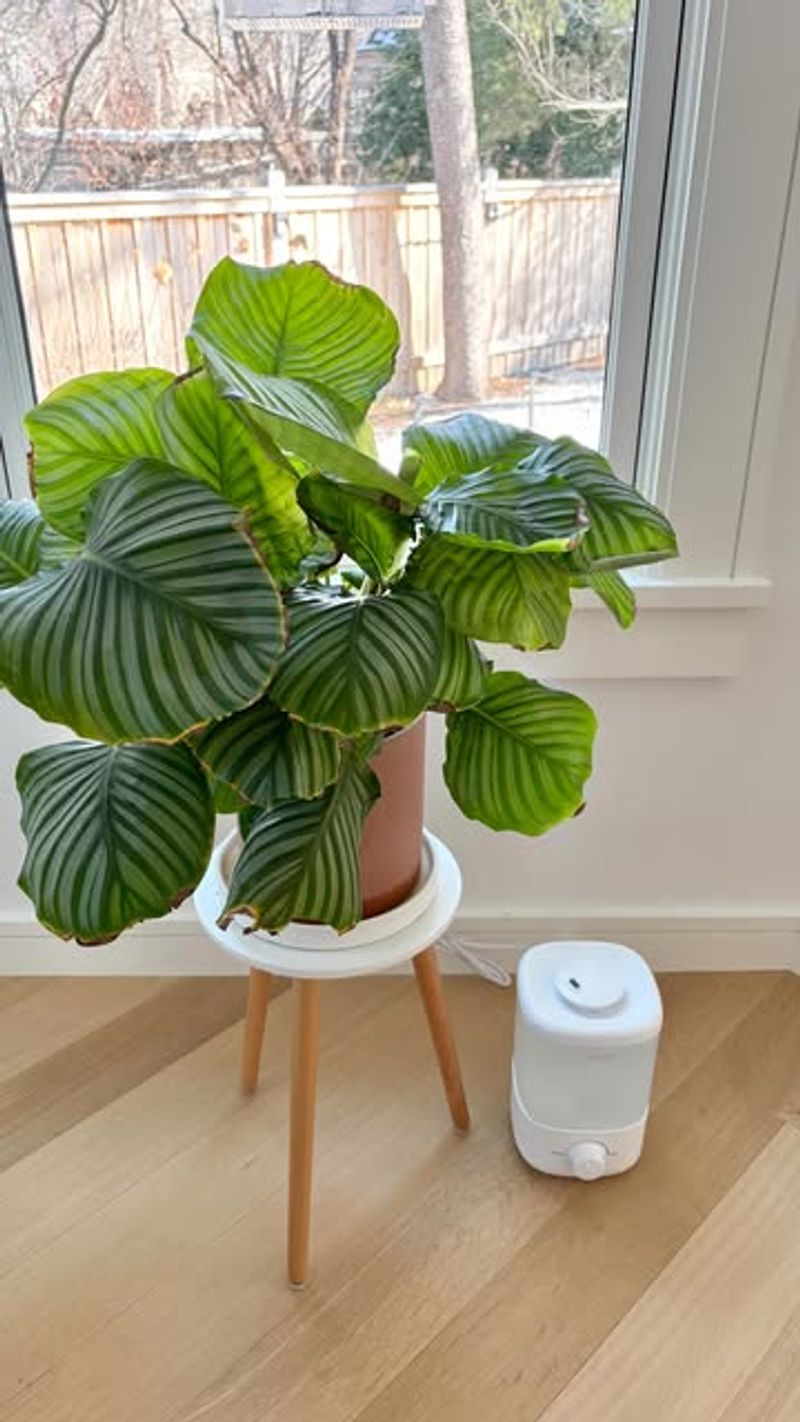
Misting your plants with a spray bottle feels satisfying, but the truth is that the humidity boost from misting fades within minutes.
For truly fussy tropical plants that need consistent moisture in the air, a small humidifier placed near your plant group is a far more effective and practical solution during July.
Plants like maidenhair ferns, anthuriums, nerve plants, and certain orchids genuinely struggle when indoor humidity drops too low.
Air conditioning in North Carolina homes can pull indoor humidity levels down to a range that these plants find uncomfortable, often causing brown leaf tips, wilting, and sluggish growth that no amount of watering seems to fix.
A small cool-mist humidifier does not need to run all day to make a difference.
Running it for a few hours in the morning when temperatures are already climbing can raise the humidity in your plant corner enough to keep sensitive species steady and comfortable.
Look for a model with a simple timer or humidity gauge so you are not guessing. The investment is modest, and the improvement in plant health can be striking, especially for ferns and calatheas that tend to look unhappy in dry air.
Your most delicate tropical plants will thank you visibly within just a week or two.
7. Pause Repotting During Extreme Heat
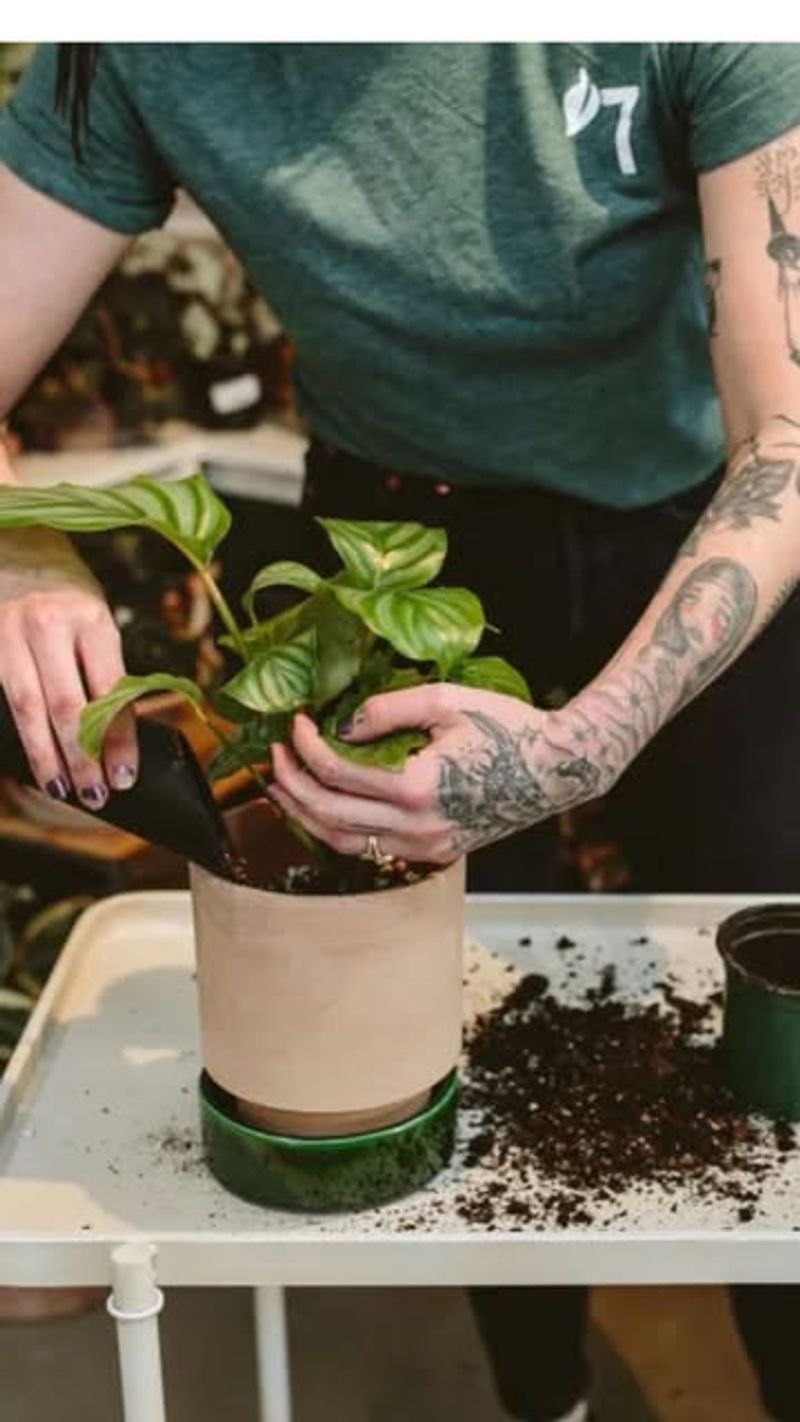
Repotting is exciting, and it is tempting to tackle that crowded pot the moment you notice roots peeking out from the drainage holes.
But July in North Carolina is often the worst time to put your plant through that kind of change, especially during the hottest stretches of the month.
Repotting disturbs roots, removes familiar soil, and forces the plant to redirect energy toward recovery rather than growth.
Under normal conditions, most healthy plants bounce back quickly. Under summer heat stress, though, that recovery process becomes harder and slower.
A plant that is already working overtime to manage heat and adjust to indoor air conditioning does not need the added challenge of reestablishing its root system at the same time.
Unless a plant is truly in urgent trouble, such as severely root-bound to the point of tipping over or showing signs of soil breakdown, waiting until late August or early September is usually the smarter call.
Cooler temperatures and steadier indoor conditions make recovery much easier for the plant.
If you notice a plant that genuinely cannot wait, repot it on a cooler morning, water it in gently, move it away from direct light for a week, and keep a close eye on moisture levels during the adjustment period.
Patience in July almost always pays off come fall.
8. Fertilize Lightly Only If Plants Are Growing
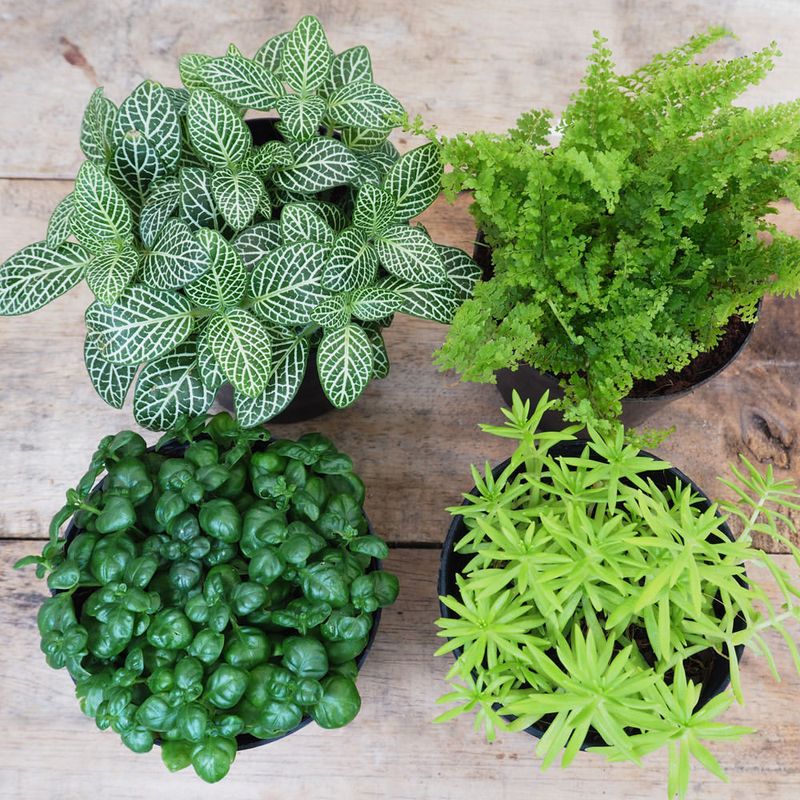
Summer can feel like the perfect time to push your houseplants with a big feeding, and for some plants, that instinct is right.
Many tropical houseplants do grow more actively during the longer, brighter days of summer, and a little fertilizer can support that growth nicely.
The key word, though, is lightly. A plant that is stressed from heat, recently moved, underwatered, or struggling in low humidity is not in the right condition to process fertilizer efficiently.
Feeding a plant that is already under pressure can actually make things worse by building up salts in the soil and adding chemical stress to physical stress at the same time.
Before reaching for the fertilizer, take a honest look at your plant. Is it putting out new leaves? Are the existing leaves green, firm, and healthy-looking?
If yes, a diluted dose of balanced liquid fertilizer at half the recommended strength is a reasonable choice every two to four weeks through July.
If the plant looks tired, pale, or has been recently moved or repotted, skip the feeding and focus on water, light, and humidity instead. Healthy, actively growing plants will respond beautifully to a gentle summer feeding.
Plants that are just surviving will do better with steady, low-stress care rather than a nutrient push they are not ready to use.
9. Inspect For Pests Before They Spread
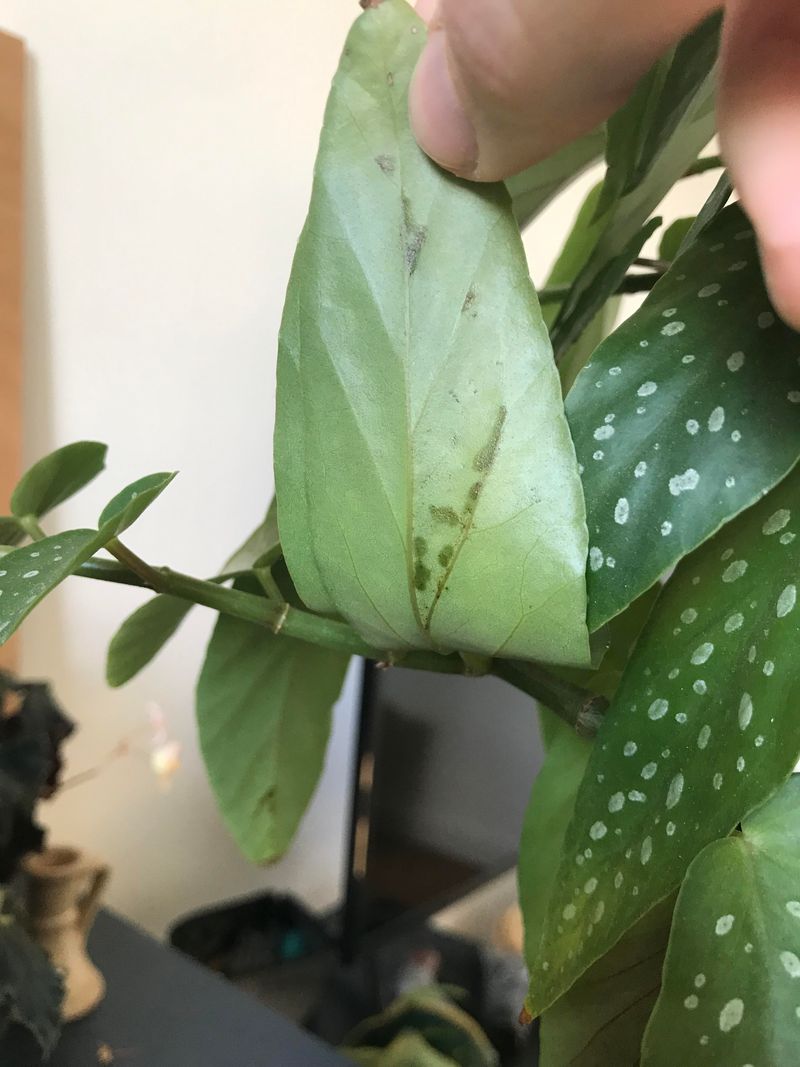
Warm indoor conditions in July create a surprisingly comfortable environment for common houseplant pests.
Spider mites, mealybugs, scale insects, and fungus gnats all tend to become more active and spread more quickly when temperatures rise and air circulation slows down, which is exactly what happens in many North Carolina homes during summer.
The sneaky part is that infestations often start small and stay hidden until the plant already looks rough.
Mealybugs tuck themselves into leaf joints and stem crevices. Spider mites spin fine webbing on leaf undersides that looks like dust until you look closely.
Fungus gnats hover near soil and lay eggs in moist potting mix. Catching any of these early makes a huge difference in how quickly you can address the problem.
Make a habit of flipping leaves over and examining the undersides carefully at least once a week during July.
Check the stems, the soil surface, and the rims of nearby pots too, since pests move between plants easily when they are grouped together.
A simple spray of diluted neem oil or insecticidal soap can handle most early infestations without drama.
Moving a heavily affected plant away from your healthy ones right away helps prevent spreading.
A quick weekly inspection takes only a few minutes and saves you from much bigger headaches later in the season.
10. Give Outdoor Houseplants A Shady Reset
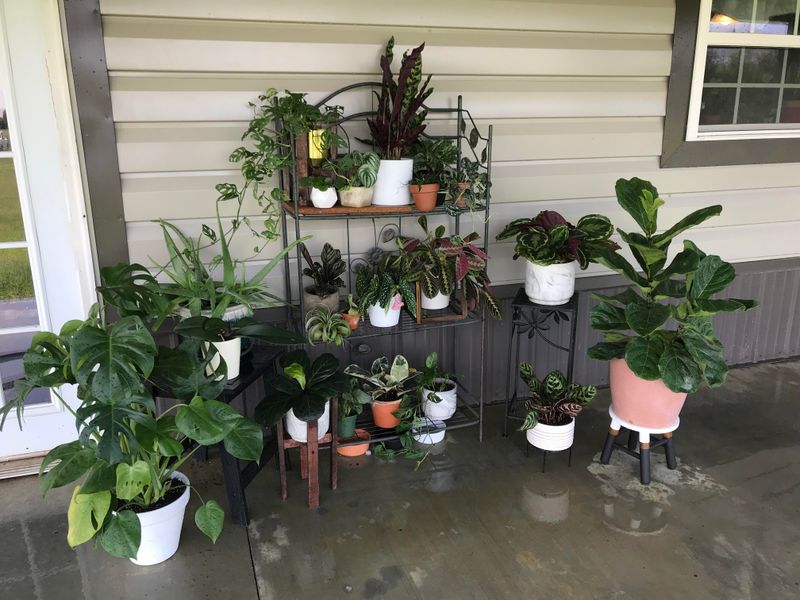
Moving houseplants outside for the summer is a popular idea, and many plants genuinely thrive with fresh air and brighter natural light. July in North Carolina, though, is a whole different level of intense.
The sun angle is high, afternoon temperatures regularly climb past 90 degrees, and full outdoor exposure can overwhelm plants that were living comfortably in indoor light just weeks before.
Many houseplants that do well outside in early summer start showing signs of stress by mid-July if they are sitting in full sun. Leaves can bleach out, develop pale patches, or drop in response to the sudden intensity.
The fix is usually simple: move them to a spot with bright shade, morning sun only, or the protection of a covered porch where they get good light without the punishing afternoon heat.
Outdoor containers also dry out much faster than indoor pots because of wind, heat, and direct sun exposure.
Checking soil moisture once or even twice a day during a July heat wave is not unusual for smaller pots sitting outside.
Grouping pots together outdoors can also help slow moisture loss and keep the root zone a little cooler.
If a plant starts looking genuinely rough despite shading and extra watering, bringing it back indoors for a week or two to recover is always a perfectly reasonable option during the most intense stretch of a North Carolina summer.