The Pennsylvania Native Wildflower That Spreads Aggressively In The Best Way Through Sunny Borders
Most gardeners have been burned by a plant that spreads aggressively. One season it looks great, and the next it has taken over everything around it and become a removal project you never signed up for.
So when someone tells you a plant spreads aggressively, it’s natural to take a step back. But this Pennsylvania native wildflower is the exception that earns that trust.
It spreads boldly through sunny borders, yes. But it does it in the most satisfying way possible.
Filling in gaps, crowding out weeds, and creating a naturalistic sweep of color that looks like it was designed that way on purpose. The kind of effortless, abundant garden border that most people work very hard to achieve.
Because it’s native to Pennsylvania, it also supports pollinators generously and fits naturally into the local ecosystem without the risks that come with non-native spreaders.
If you have a sunny border that needs filling, this wildflower might be exactly what you’ve been looking for.
Meet Obedient Plant
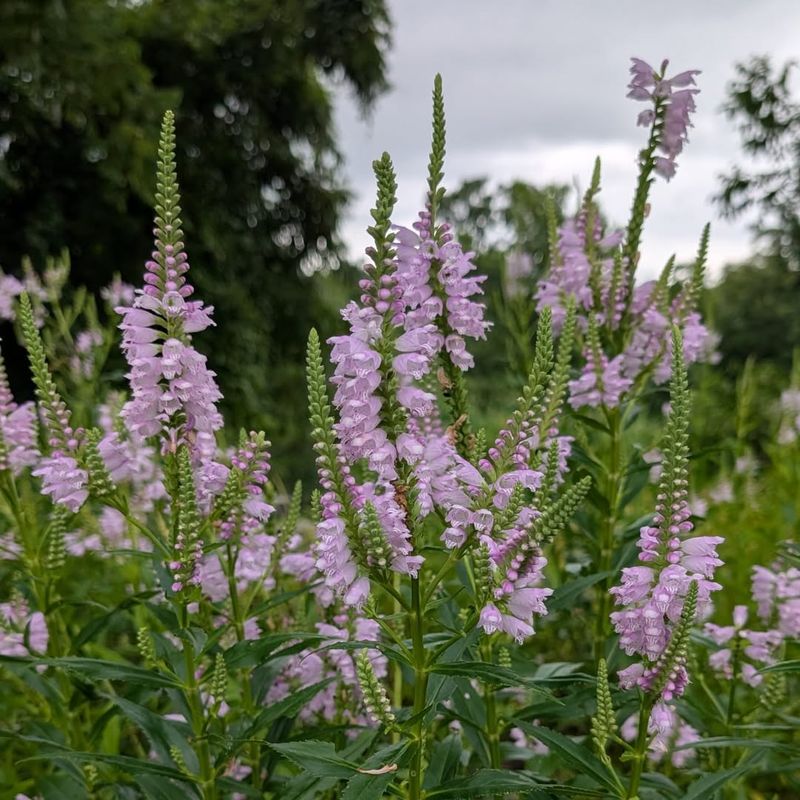
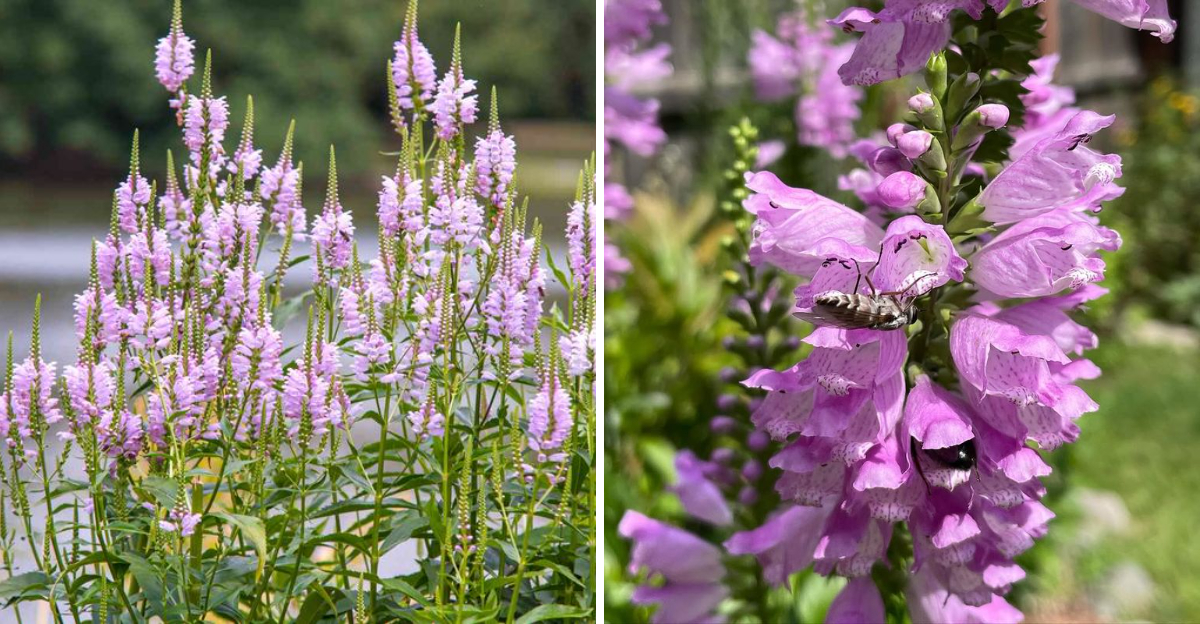
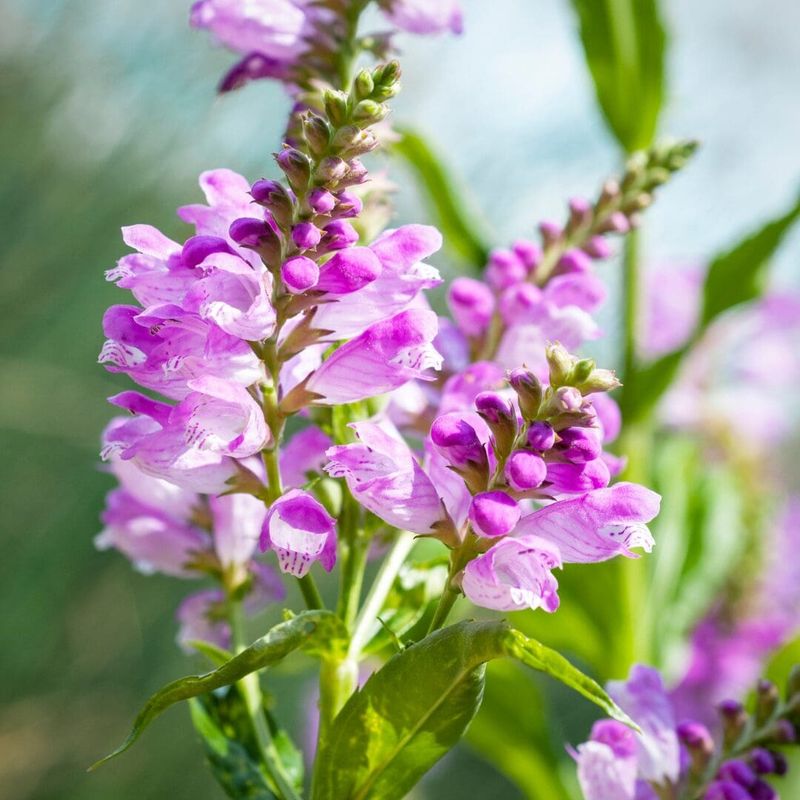
Picture a wildflower that stands tall, blooms in waves of pink and lavender, and practically takes care of itself. That is exactly what obedient plant, or Physostegia virginiana, brings to your garden.
Native to Pennsylvania and much of eastern North America, it has been quietly thriving in meadows and woodland edges long before anyone ever planted it in a garden bed.
People also call it false dragonhead because its tubular flowers look a little like the mouth of a dragon. Each flower sits on a long, upright spike that can grow anywhere from two to four feet tall.
The flowers bloom from late summer into fall, which is a time when many other plants are starting to fade.
One of the most fun things about this plant is the quirk that gives it its name. If you push one of the individual flowers to the side, it stays in that position instead of snapping back.
This unusual trait has made it a favorite curiosity in gardens for generations. Obedient plant thrives in full sun and moist to average soil. It is a tough, adaptable native that handles Pennsylvania summers well.
Gardeners who want a plant with personality, staying power, and real beauty will find a lot to love here. It is not just a pretty face; it is a hardworking garden plant with deep roots in the landscape of the Mid-Atlantic region.
Why It Spreads So Well
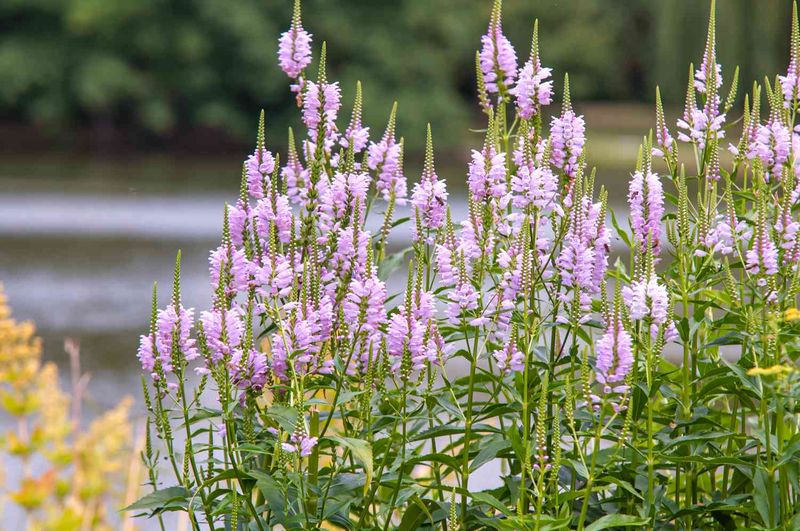
Obedient plant has a secret weapon hiding just below the soil surface. It spreads through underground stems called rhizomes, which creep outward from the main clump and send up new shoots a few inches away.
Over a few growing seasons, one small plant can turn into a wide, lush colony that fills a border with very little help from you.
This spreading habit is actually one of the best things about it when you use it in the right spot. Bare soil is an open invitation for weeds to move in.
Your Pennsylvania Garden Changes Every Week. Your Plan Should Too.
Gardening in Pennsylvania changes quickly throughout the season. Every Friday you’ll receive a simple weekly plan showing exactly what to plant, prune, fertilize, harvest, and protect so you never miss the right timing.
Obedient plant gets there first, elbowing out unwanted plants and covering the ground with attractive foliage and flowers instead. It acts like a living mulch in many ways.
The speed of spread depends on your soil and how much water the plant gets. In rich, moist soil with full sun, it can move outward fairly quickly.
In drier or leaner soil, it tends to stay a bit more contained. Either way, you will notice new shoots popping up each spring as the colony slowly expands.
Understanding why it spreads helps you use it smarter. Planting it where open space needs filling, like along a fence line or at the edge of a meadow garden, lets it do what it does best without becoming a problem.
Working with a plant’s natural habits instead of fighting them is almost always the easier and more rewarding approach in any garden setting.
Why Gardeners Still Love It
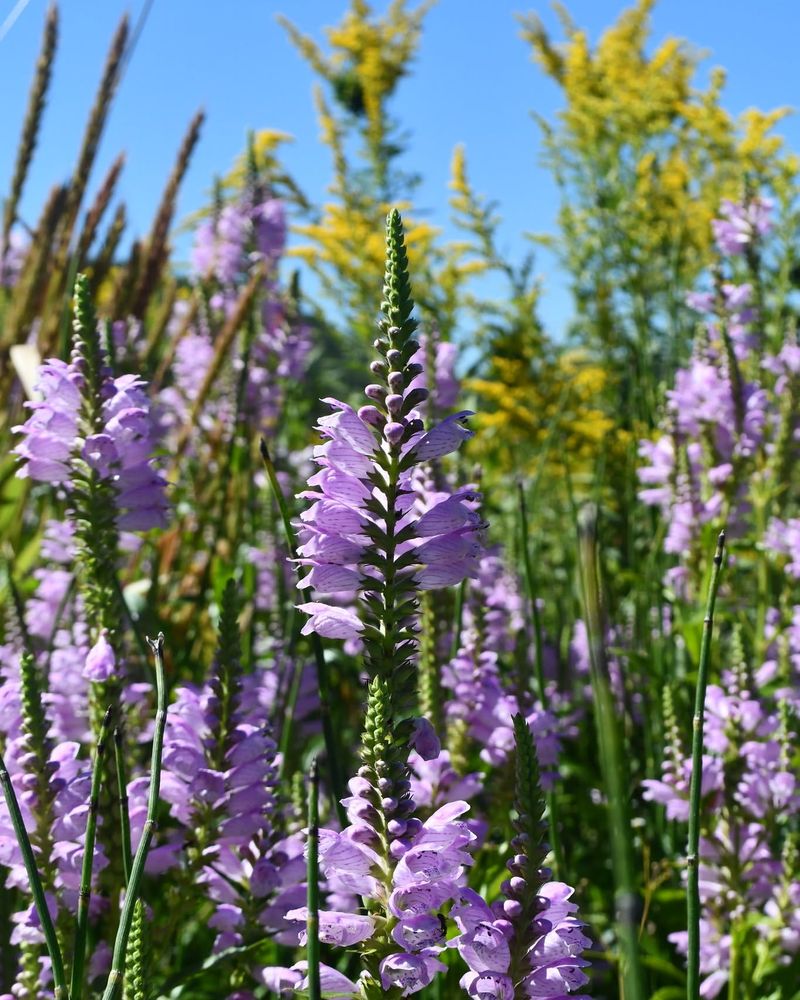
Late summer can be a tough time in the garden. The early bloomers are long gone, and the fall asters have not quite kicked in yet.
That gap in color is exactly where obedient plant shines brightest. Its flower spikes open up in August and keep going well into September, sometimes even touching October in warmer spots.
The flowers come in shades of rosy pink, soft lavender, and pure white. There are even cultivated varieties that offer deeper magenta tones.
No matter which color you choose, the upright spikes give the garden a clean, vertical look that pairs beautifully with ornamental grasses, coneflowers, and black-eyed Susans.
Beyond timing and color, the plant has a soft, meadow-garden feel that many gardeners find really appealing. It does not look stiff or overly formal.
Instead, it moves gently in the breeze and blends naturally into borders that are meant to look a little wild and relaxed. That casual beauty is hard to fake with other plants.
Gardeners in Pennsylvania also appreciate that it is a proven survivor. It handles summer heat, handles some drought once established, and bounces back reliably each spring.
You do not need to fuss over it with special fertilizers or complicated care routines. Plant it, give it some room, and let it do its thing.
For gardeners who want maximum impact with minimum effort, obedient plant is a very satisfying choice that never seems to disappoint.
What It Does For Wildlife
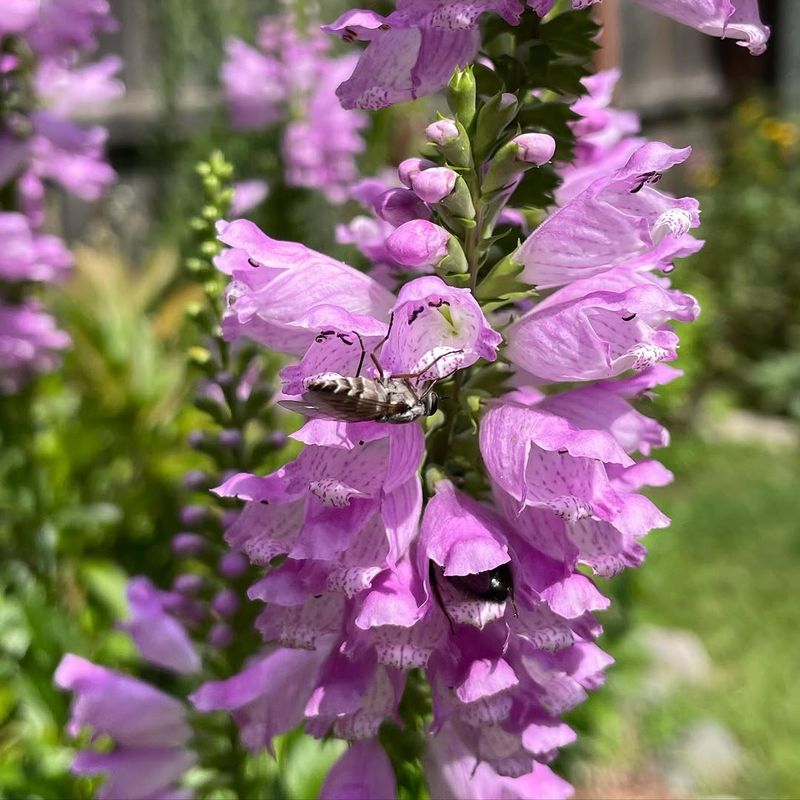
A garden that feeds wildlife is a garden doing something truly meaningful. Obedient plant earns its place in native pollinator gardens because its tubular flowers are perfectly shaped for some of nature’s most important visitors.
Bumblebees are especially fond of it, pushing their way deep into each flower to reach the nectar inside.
Butterflies also stop by regularly, particularly swallowtails and skippers that are active in late summer. The blooming period lines up well with the late-season push many pollinators make before temperatures drop.
Planting obedient plant helps bridge the gap between midsummer bloomers and fall-flowering natives, giving insects a reliable food source right when they need it most.
Hummingbirds are perhaps the most exciting visitors. Ruby-throated hummingbirds, which are the species most commonly seen in Pennsylvania, are strongly attracted to tubular pink and red flowers.
Obedient plant fits that description well, and if you have hummingbirds passing through your yard in late summer, this plant can help keep them around a little longer before they head south.
From a wildlife gardening perspective, including native plants like Physostegia virginiana is far more valuable than planting non-native ornamentals.
Native insects have evolved alongside native plants, so the relationship between them is much more efficient and beneficial.
Adding obedient plant to your border is not just a visual decision; it is a small but meaningful contribution to the local food web that supports birds, bees, and butterflies throughout the season.
Where To Plant It
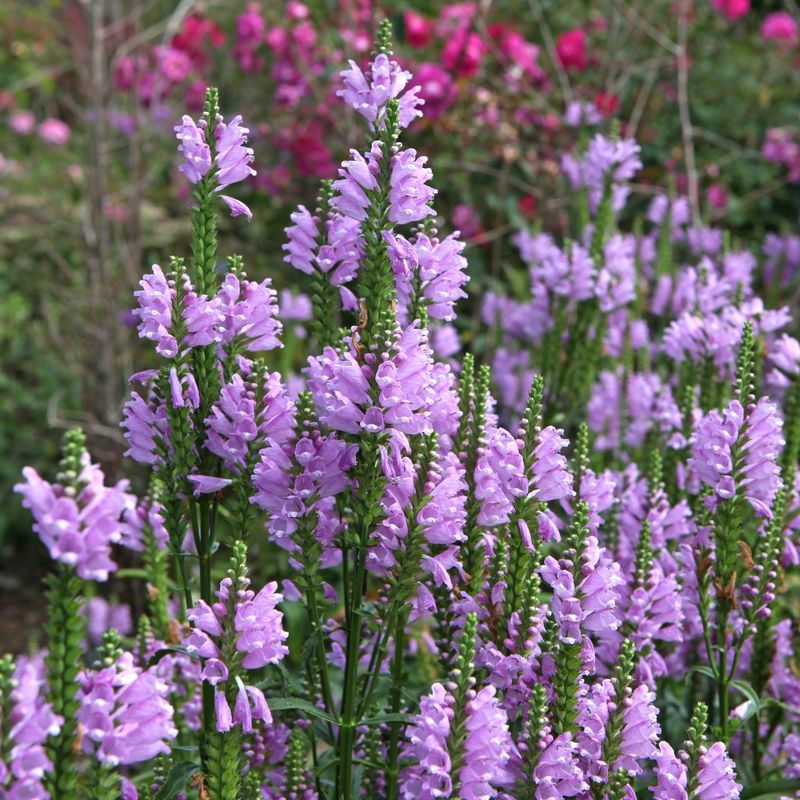
Choosing the right spot for obedient plant makes all the difference between a garden success and a spreading headache. Full sun is the top requirement.
This plant wants at least six hours of direct sunlight each day, and it performs best when it gets even more than that. In too much shade, the stems get floppy and the flowers become sparse.
Moist soil is a big plus, which makes obedient plant an excellent candidate for rain gardens. Those low-lying areas that collect water after storms can be tricky to plant, but obedient plant handles wet feet better than many perennials.
It also works well along the edges of ponds, streams, or any spot where the soil stays consistently damp.
Meadow edges, cottage gardens, and naturalized areas are all great matches for this plant’s personality. These are places where a little spreading is welcome rather than worrying.
Along a sunny fence line, at the back of a mixed border, or filling in a slope that needs groundcover, obedient plant steps up and delivers.
One important caution: avoid planting it directly next to slow-growing or delicate perennials. Plants like Japanese painted ferns, small hostas, or compact ornamental grasses can get crowded out by obedient plant’s enthusiastic rhizomes.
Give it neighbors that are equally vigorous, like bee balm, tall goldenrod, or Joe-Pye weed. These sturdy companions can hold their own and create a lush, layered native planting that looks completely intentional and strikingly beautiful all season long.
How To Keep It In Bounds
Spreading plants are only a problem when they spread somewhere you do not want them. The good news is that obedient plant is genuinely easy to manage once you understand its habits.
A few simple practices done once or twice a year are all it takes to keep this wildflower working for you instead of taking over.
Dividing the clumps every two to three years is the most effective tool in your kit. In early spring, just as new shoots are appearing, dig up sections of the outer edges of the clump and either replant them elsewhere or share them with neighbors.
Division keeps the plant vigorous, prevents the center from getting woody, and gives you free plants to spread around the yard.
Pulling extra shoots by hand is another simple approach. New rhizome shoots are easy to spot in spring because they emerge as small clusters of fresh green growth a few inches outside the main clump.
Grab them near the base and pull firmly. Most will come out cleanly without much effort, especially in loose or moist soil.
Edging the bed with a sharp spade or a physical root barrier also works well for keeping the plant contained to a defined area.
Some gardeners plant obedient plant inside a buried barrier made from thick plastic edging, which blocks the rhizomes from traveling beyond a set boundary.
The simplest strategy of all is placement. Plant it where spreading is actually useful, and you will rarely need to fight it. Work with this plant’s nature, and it rewards you generously every single late summer.