The Arizona Garden Features That Attract Verdins Year-Round
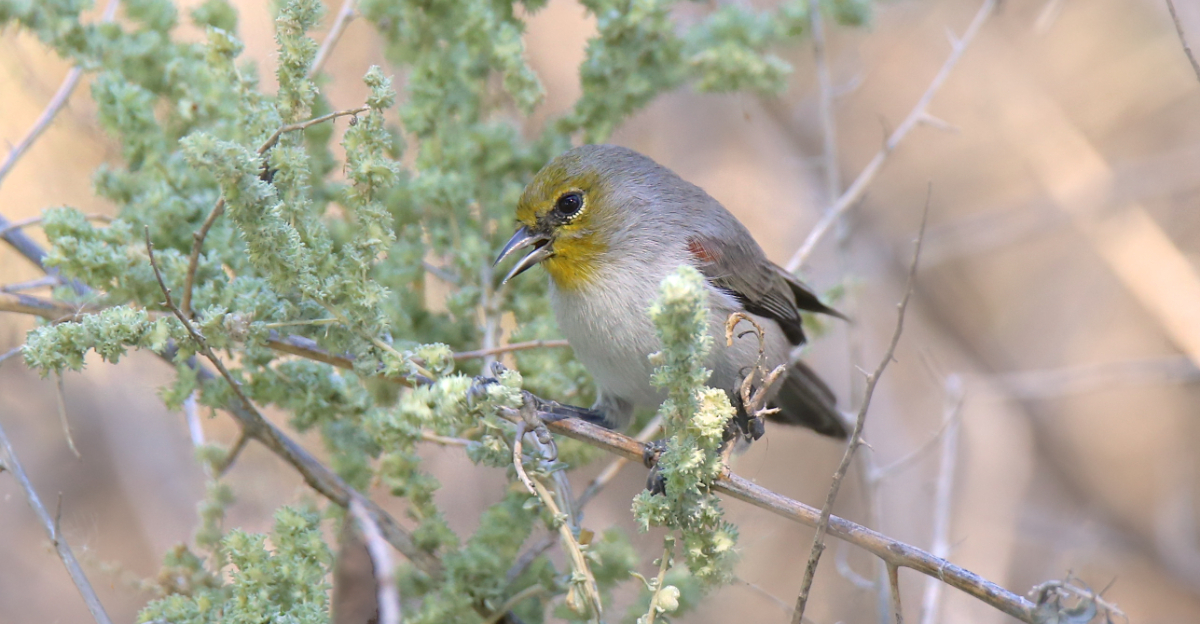
Verdins do not visit every yard they pass. Some landscapes seem to draw them in again and again, while others are simply places they fly over without stopping.
That difference has very little to do with luck and much more to do with what the birds find once they arrive. Even small changes around the yard can influence whether they stay or keep searching.
In Arizona, verdins spend the entire year looking for safe places that provide food, water, and reliable shelter.
They quickly learn which landscapes offer those essentials and often return to the same areas as the seasons change. A yard does not need to be large to catch their attention.
The features that appeal to these tiny desert birds are often simple additions.
Once they are in place, your landscape becomes much more inviting to one of the Southwest’s most charming backyard visitors.
1. Dense Shrubs Provide Year-Round Shelter
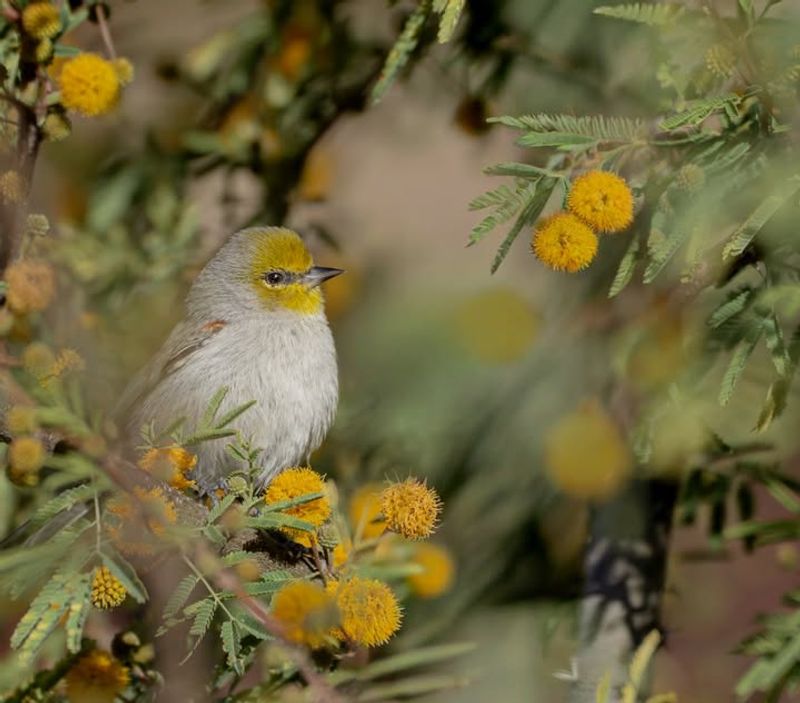
Nothing pulls a verdin into a yard faster than a wall of dense, leafy shrubs. Verdins are small birds, and open spaces without cover make them nervous.
A yard with thick shrubs signals safety right away.
Native plants like desert hackberry, wolfberry, and jojoba work especially well. Their branches grow close together and create natural hiding spots.
Verdins use these spots to rest, forage, and watch for threats.
Planting shrubs in clusters rather than rows gives even better results. Grouped plants create layered cover that feels more natural to wildlife.
A single isolated shrub rarely offers enough protection to attract regular visitors.
Shrubs that hold their leaves through winter are particularly valuable. Verdins stay active all year, so they need shelter in every season.
Evergreen desert natives check that box without needing much water or care.
Aim for shrub heights between four and eight feet. Shorter plants leave birds exposed, while very tall ones can block sight lines verdins prefer.
A varied mix of heights throughout the garden tends to work best.
Keep pruning light and infrequent. Heavy trimming removes the dense growth verdins depend on.
Letting shrubs grow full and slightly wild is actually the better approach for attracting these birds consistently.
2. Thorny Branches Help Protect Nesting Sites
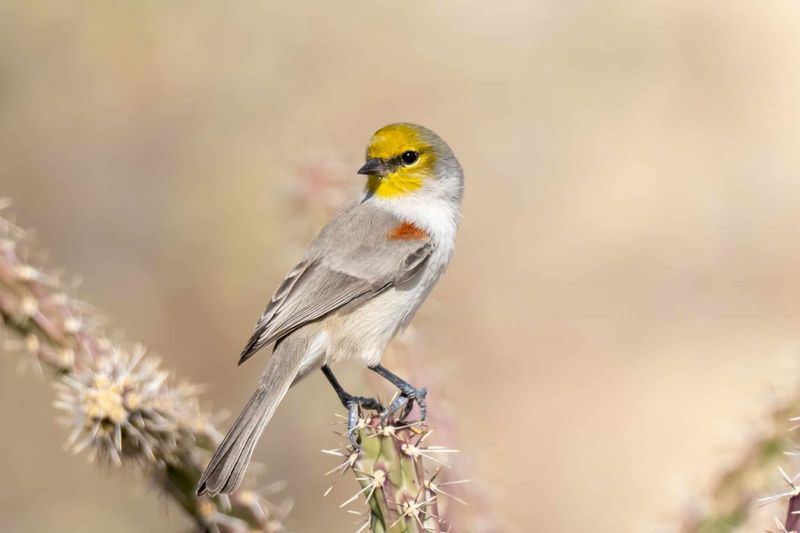
Sharp thorns are not a nuisance in a verdin-friendly garden. Verdins actively seek out thorny plants for nesting.
Thorns create a natural barrier that keeps predators away from eggs and chicks.
Plants like palo verde, catclaw acacia, and desert Christmas cactus are favorites. Verdins weave their globe-shaped nests deep inside thorny branches.
A predator reaching in risks getting scratched, which makes the nest far safer.
Verdin nests are remarkable little structures. Built from small twigs and plant fibers, they are completely enclosed with a small side entrance.
Thorny branches make the perfect anchor for these round, sturdy homes.
Not every thorny plant is equally useful. Plants with dense branching patterns and stiff spines offer the best protection.
Loose or widely spaced thorns do not create the same level of security for nesting birds.
Leaving some older thorny branches in place also helps. Verdins sometimes use older, drier twigs for nest construction.
Your Arizona Garden Changes Every Week. Your Plan Should Too.
Gardening in Arizona changes quickly throughout the season. Every Friday you’ll receive a simple weekly plan showing exactly what to plant, prune, fertilize, harvest, and protect so you never miss the right timing.
A thorn-covered branch that looks messy to a gardener might look perfect to a nesting verdin.
Resist the urge to clear out every spiky plant in the yard. A garden with a few well-placed thorny shrubs is genuinely more attractive to verdins than a tidy, manicured space.
Practical wildness pays off here.
3. Small Twigs Support Hanging Nest Construction
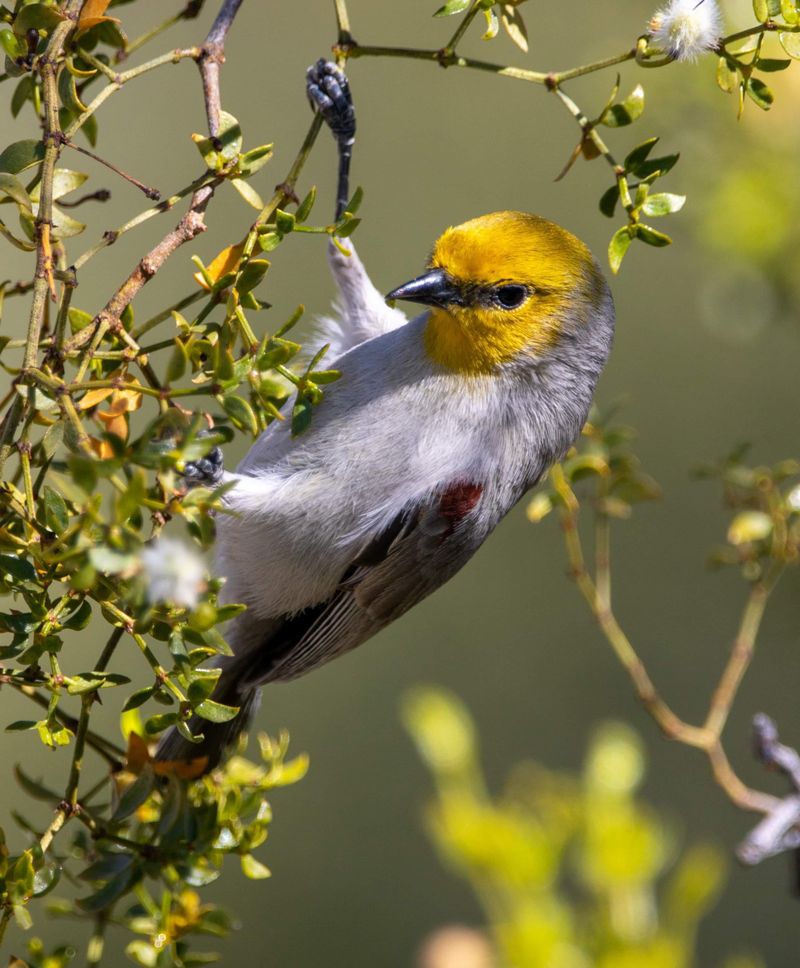
Verdins are meticulous builders. Every nest starts with a careful selection of small, flexible twigs.
Without a reliable supply of these materials nearby, verdins may skip a yard entirely during nesting season.
Loose twigs on the ground or on low branches are ideal. Verdins prefer pieces between two and four inches long.
Thicker sticks or long branches are too heavy for their compact, globe-shaped nests.
Leaving fallen twigs in garden beds rather than raking them away makes a real difference. A tidy garden can actually work against attracting nesting birds.
Leaving natural debris on the ground gives verdins easy access to building supplies.
Native plants that shed small branches regularly are especially helpful. Brittlebush, desert broom, and creosote bush all drop lightweight stems that verdins can carry.
Planting a mix of these species keeps material available across different seasons.
Verdins also weave in plant fibers and spider silk to hold nests together. Leaving spiderwebs undisturbed and allowing fibrous plants to grow freely supports this need.
A yard that feels slightly wild tends to offer more of these natural materials.
Placing a loose pile of small twigs near shrubby areas can also attract attention. Verdins are curious and observant.
Spotting ready materials close to good cover often encourages them to start building nearby.
4. Reliable Water Sources Keep Verdins Visiting
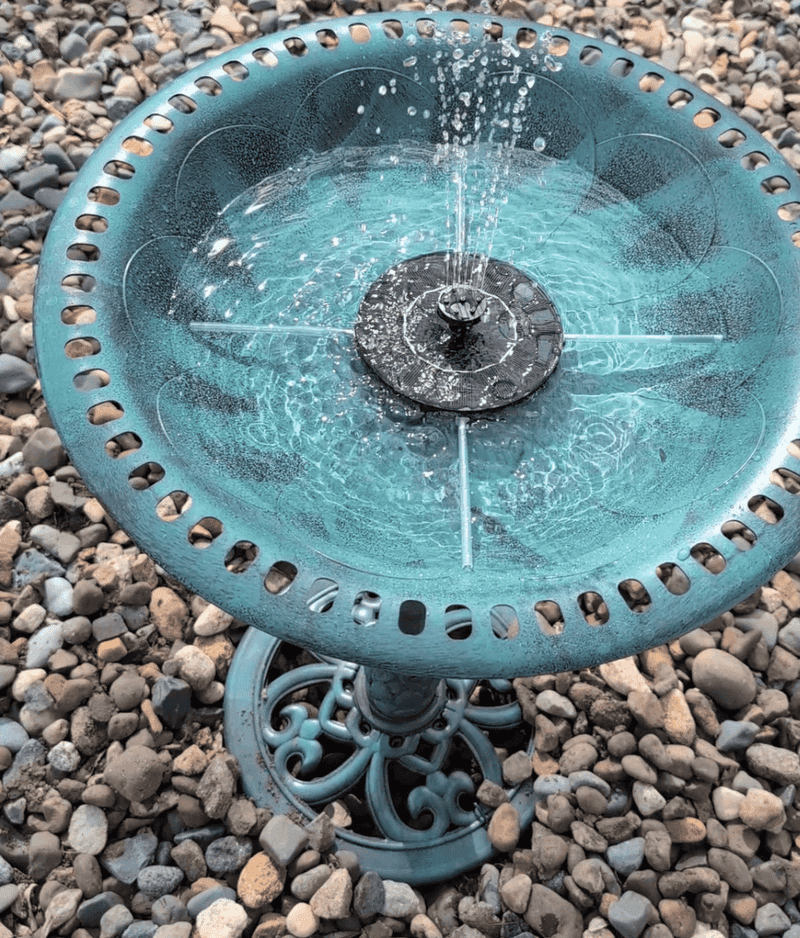
Water is the single fastest way to attract more birds to any desert yard. Verdins need fresh water for drinking, especially during the brutal heat of summer.
A reliable source keeps them returning on a predictable schedule.
Shallow dishes work better than deep basins. Verdins are tiny, and deep water feels risky to them.
A dish no deeper than one inch at the center is ideal for these small birds.
Placement matters almost as much as depth. Putting a water dish near dense shrubs gives verdins a quick escape route if they feel threatened.
Open, exposed water sources get used far less often by nervous small birds.
Changing the water every day or two prevents mosquito problems and keeps it fresh. Stagnant water is unappealing to wildlife and can create issues in a garden.
Clean, cool water draws far more consistent visits than a neglected dish.
Adding a dripper or a small pump creates movement in the water. Moving water reflects light and produces sound, both of which attract birds from a distance.
Even a slow drip makes a surprising difference in bird activity.
During cooler months, verdins still need water regularly. Dew and plant moisture help but are not always enough.
Keeping a water source available year-round, not just in summer, is what turns occasional visits into a daily habit.
5. Open Yard Spaces Near Cover Support Safe Feeding
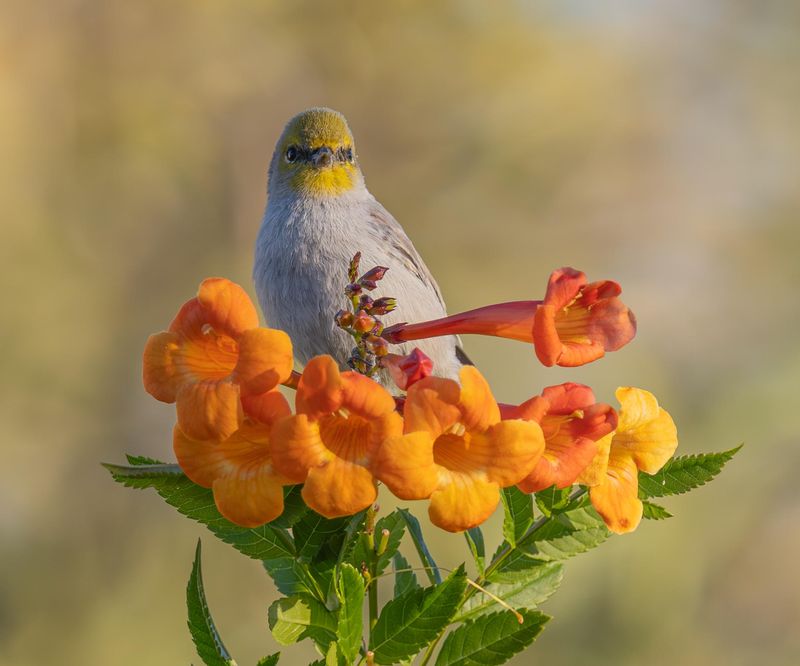
Verdins do not feed out in the open without a reason. Watch one long enough and a clear pattern emerges.
It feeds close to shrubs, then retreats quickly when anything moves nearby.
Open feeding zones right next to dense cover are the sweet spot. Verdins want a clear view while foraging but need a fast escape route close by.
A patch of bare ground or low groundcover beside a thick shrub fits that need perfectly.
Avoid planting the entire yard too densely. Solid walls of vegetation with no open gaps can actually limit feeding activity.
Verdins need contrast between open space and thick cover to feel comfortable moving around.
Low-growing plants like desert marigold or blackfoot daisy create ideal edge zones. Verdins forage along plant edges where insects tend to gather.
A soft border between open ground and denser shrubs is a natural feeding corridor for these birds.
Keep foot traffic away from active feeding areas. Verdins are alert to human movement and will avoid spots where people walk frequently.
Setting up a quiet corner of the yard away from regular activity gives them the calm they prefer.
Mulched beds near shrubs also attract insect activity, which brings verdins in close. Bark mulch and leaf litter hold moisture and harbor small bugs.
Verdins pick through this material regularly when searching for food.
6. Insect Presence Provides Steady Food Supply
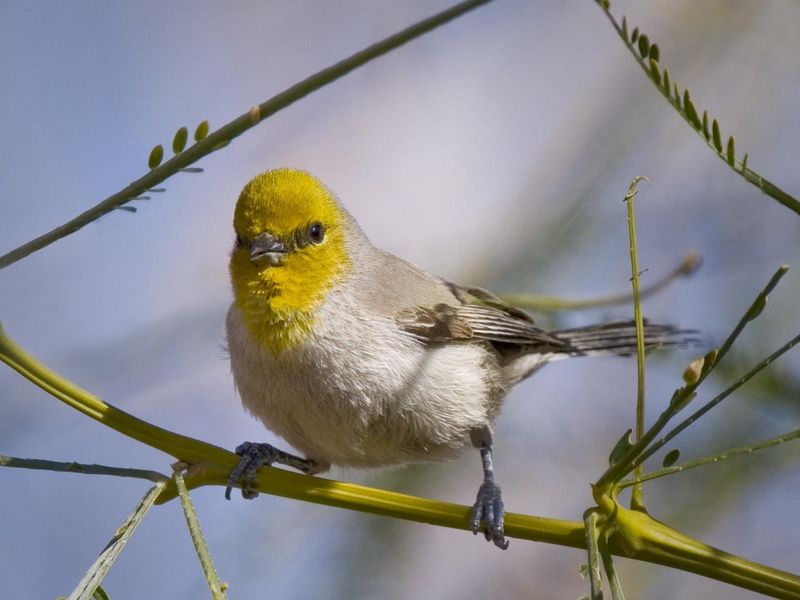
Verdins are insect eaters first. Seeds and berries supplement their diet, but insects are the core of what they eat every single day.
A garden without insect life is a garden verdins will pass right over.
Native plants are the key to supporting insect populations. Non-native ornamentals often host far fewer insects because local bugs have not adapted to use them.
Swapping even a few non-native plants for desert natives noticeably increases insect activity.
Verdins hunt insects along stems, under leaves, and inside flower buds. Plants with textured bark or hairy stems tend to harbor more bugs than smooth-barked species.
Mesquite, ironwood, and desert willow are all excellent choices for this reason.
Avoiding broad-spectrum pesticides is critical for any bird-friendly garden. Pesticide use removes the insects verdins depend on.
Even products marketed as safe for plants can strip away the insect life that makes a yard worth visiting.
Aphids, scale insects, and small beetles are all regular verdin targets. Leaf litter and loose bark also shelter tiny invertebrates that verdins actively seek out.
A slightly untidy garden edge often supports more insect life than a perfectly cleaned one.
Flowering native plants attract pollinators, which in turn attract insect-eating birds. Verdins follow the food chain naturally.
A yard blooming with native flowers tends to hum with insect life, and verdins show up right alongside it.
7. Cool Shaded Spots Offer Relief During Hot Weather
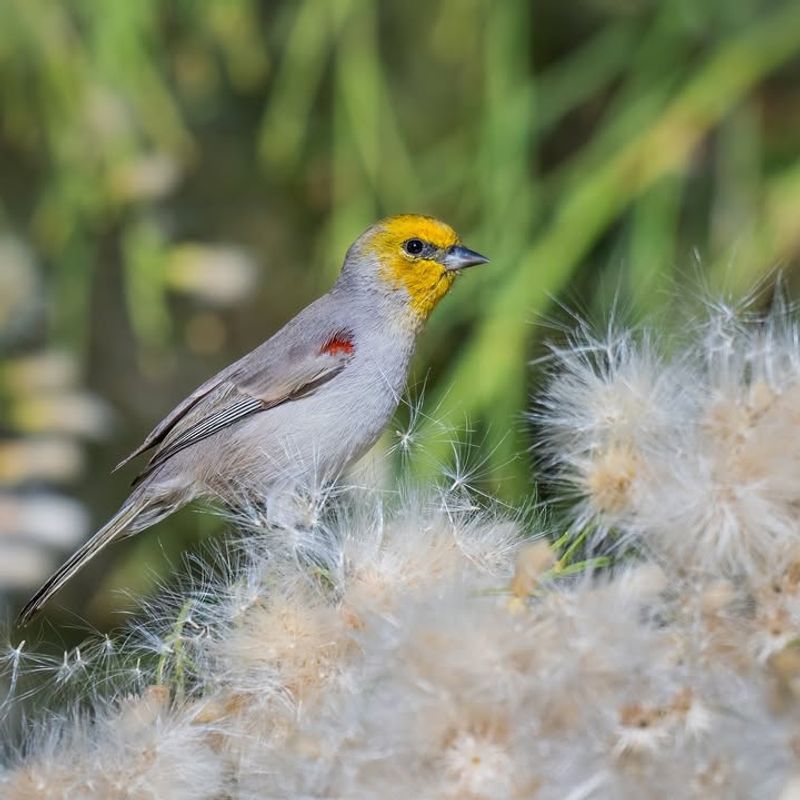
Summer heat in the desert Southwest is no small thing. Temperatures regularly climb past 110 degrees Fahrenheit.
Verdins need shaded resting spots to manage that heat safely during the hottest hours of the day.
Large native trees create the best shade. Palo verde, mesquite, and desert willow all grow wide enough to cool a significant patch of ground beneath them.
Shade from multiple trees creates overlapping cool zones that birds actively seek out.
Verdins slow down during peak afternoon heat. Spotted resting quietly in shaded branches, they conserve energy until temperatures drop.
A garden with reliable shade allows this natural behavior without forcing birds to leave the yard entirely.
North-facing garden walls and dense canopy shrubs also create usable shade. Verdins are resourceful and use whatever cool spots are available.
Even a small pocket of shade beside a wall can become a regular resting location.
Shade that also includes water nearby is especially attractive. A shaded bird bath or a dripping water source under tree cover draws intense verdin activity in summer.
Combining shade with water creates a high-value spot that birds return to daily.
Planting for shade takes time, but the payoff for wildlife is significant. Even medium-sized native trees provide enough canopy within a few years to make a real difference.
Starting early with fast-growing desert natives is the most practical approach.