The Florida Yard Feature That Brings Roaches Closer To The House Every Night
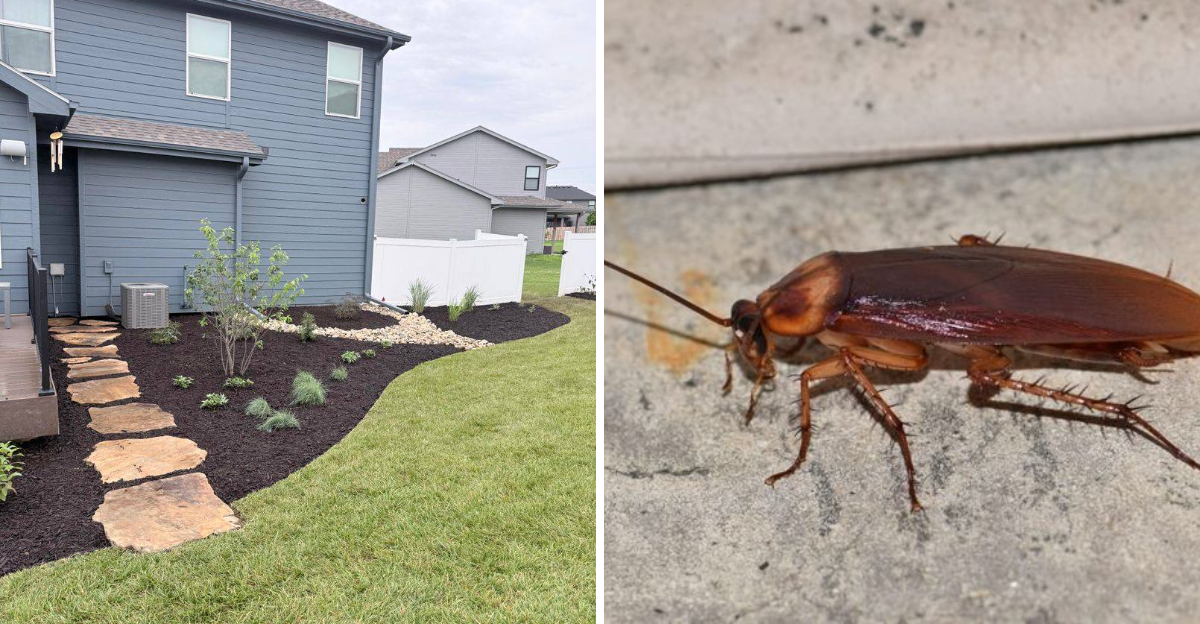
Roaches in Florida are not breaking into homes through sheer determination. They are following a trail that leads directly from the yard to the foundation.
One specific yard feature is building that trail night after night without anyone realizing it. Most Florida homeowners focus on sealing gaps, spraying perimeters, and keeping the kitchen clean.
All reasonable steps. None of them address what is happening just outside the wall where the problem actually starts.
This feature is in the majority of Florida yards. It looks completely harmless.
In some cases it looks like responsible landscaping. The connection between it and a roach problem inside the house is one that pest control professionals recognize immediately and most homeowners never make on their own.
Remove it or change it and the nightly traffic toward the foundation drops significantly. Leave it and no amount of indoor pest control fully compensates for what the yard keeps providing.
1. Stop Letting Mulch Touch The Foundation
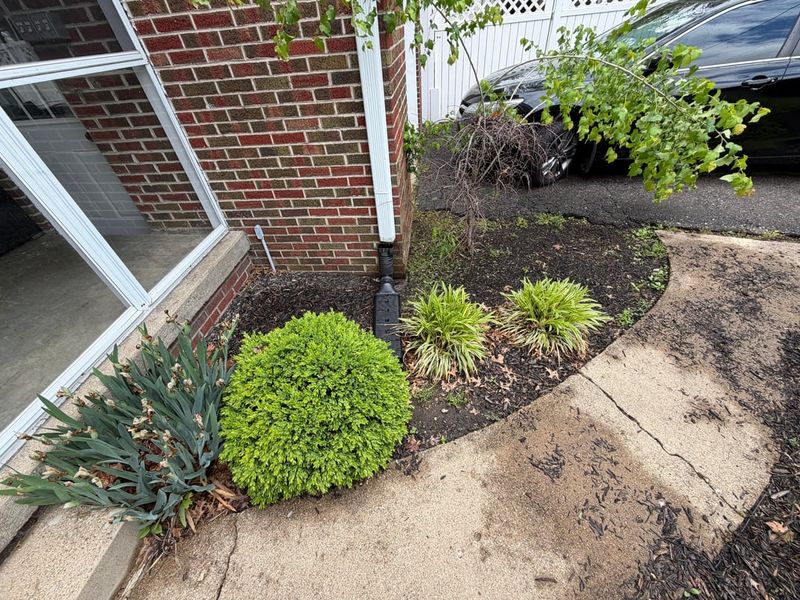
Walk around your house on a rainy evening and look closely at where your mulch ends. If it is piled thick and pressed flat against your siding, walls, or door thresholds, pay attention.
You have created one of the most common roach-attracting setups in warm-weather Florida landscapes. Outdoor cockroach species are drawn to cool, damp, sheltered spaces.
A deep mulch bed touching the house gives them exactly that kind of protected hideout near your entry points.
Mulch is not the enemy here. Used correctly, it protects roots, holds soil moisture, and improves garden health.
The problem shows up when mulch is too deep, stays permanently wet, or sits flush against the structure. Roaches are not appearing from nowhere.
They are moving toward favorable conditions, and a soggy mulch bed at the base of your home is a favorable condition.
UF/IFAS extension guidance encourages homeowners to keep mulch thinner near the foundation and allow that zone to dry out between waterings. Pulling mulch back a few inches from walls, vents, and door bases is a practical first step.
Check the depth while you are at it. A layer that has built up over several seasons can become a dense, moist mat that traps heat and humidity right where you least want it.
Thinning it out costs nothing and makes a visible difference fast.
2. Thin Out Damp Beds Near The Walls
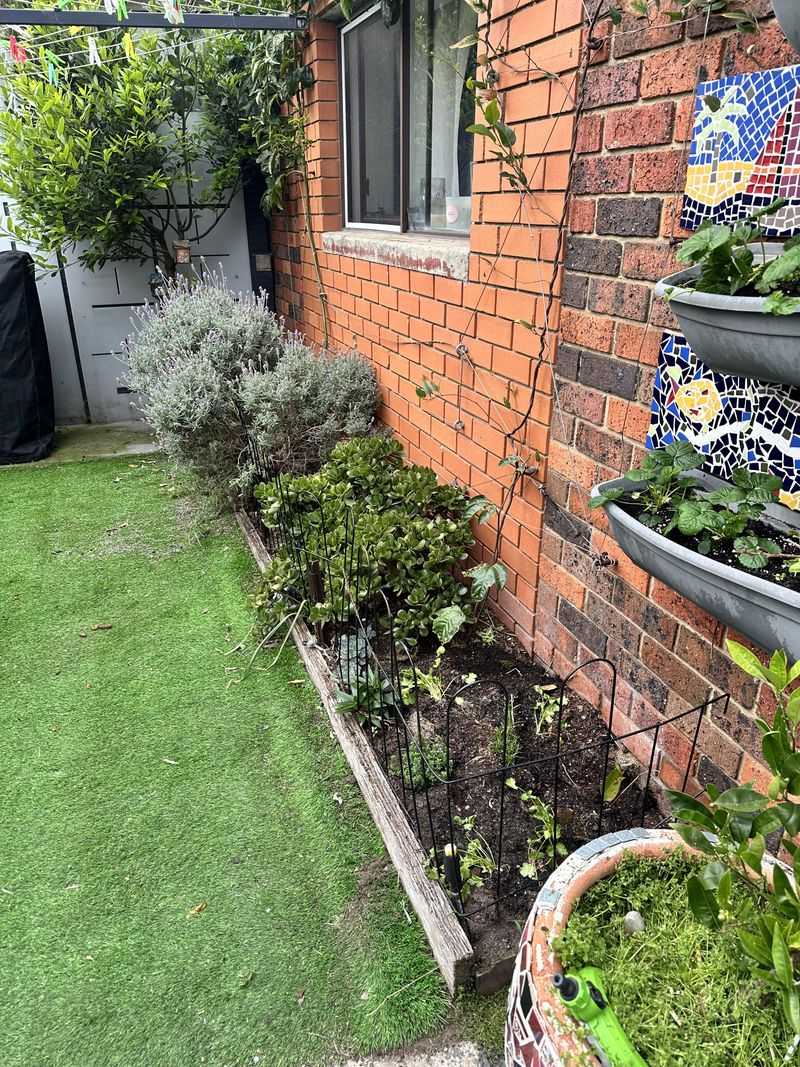
After a heavy afternoon rain, head outside and press your hand into the mulch beds along your foundation. If water squeezes out or the material feels cold and saturated hours later, that bed is holding more moisture than your plants need.
Roaches and other moisture-loving insects are drawn to that kind of environment. That is especially true when it sits in shade and never fully dries between storms or irrigation cycles.
Deep landscape beds near the house often combine several attractants at once. These include high humidity, decaying organic material, dense shrub shade, and irrigation overspray that keeps soil and mulch soggy.
Poor drainage makes all of this worse. Water that pools along the foundation edge after rain keeps the area moist far longer than it should be, and that moisture is a signal that outdoor roaches read well.
Your Florida Garden Changes Every Week. Your Plan Should Too.
Gardening in Florida changes quickly throughout the season. Every Friday you’ll receive a simple weekly plan showing exactly what to plant, prune, fertilize, harvest, and protect so you never miss the right timing.
Thinning out these beds does not mean stripping them bare. It means keeping the mulch at a reasonable depth and correcting irrigation heads that spray directly onto the foundation.
It also means improving airflow by trimming back dense plantings. Check whether your gutters are directing water toward the foundation edge rather than away from it.
Small drainage fixes can change the moisture level of an entire bed. A drier bed is simply less inviting, and less inviting is the goal when you are trying to reduce roach pressure near your home.
3. Clear Leaf Litter Before Roaches Settle In
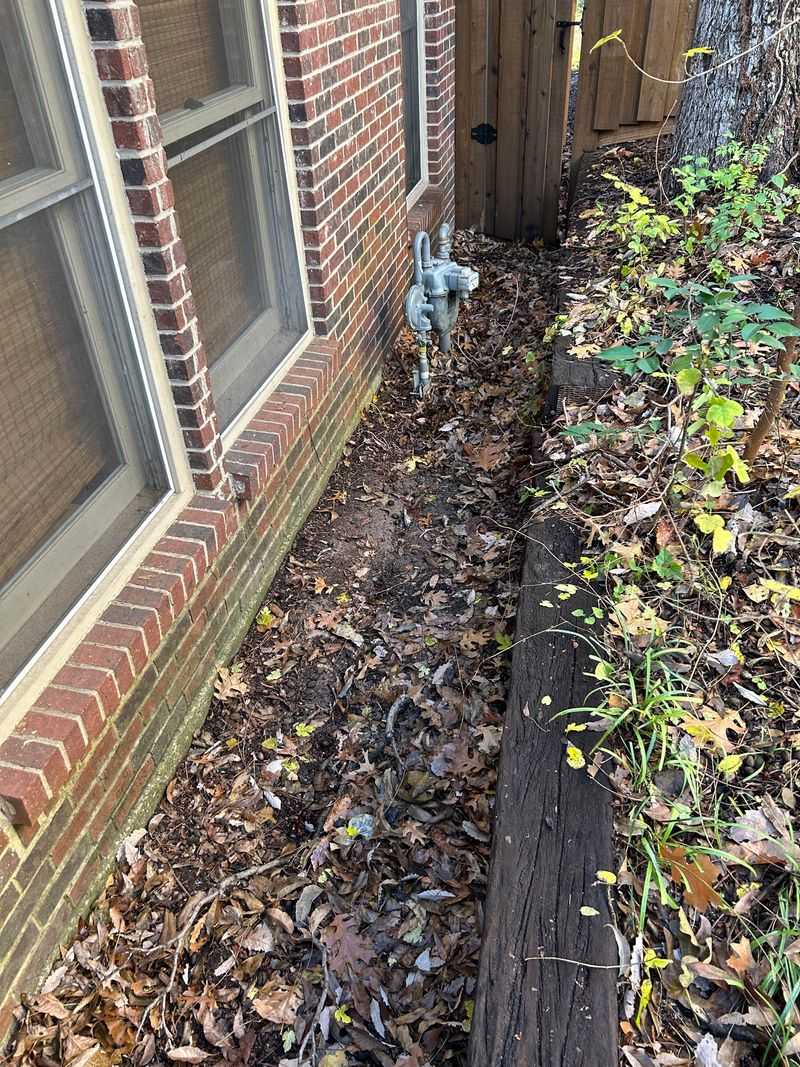
Leaf litter has a sneaky way of piling up without anyone noticing until it is a few inches thick.
Behind dense shrubs, under porch steps, beside air conditioning pads, and along the edges of foundation beds, withered leaves and plant debris accumulate season after season.
That mat of decomposing material is warm, slightly moist, and full of organic matter. It makes a comfortable daytime resting spot for outdoor roaches that become active once the sun goes down.
Leaf litter has real ecological value in certain parts of the yard. Leaving it under trees or in back garden areas supports beneficial insects and improves soil health over time.
The situation changes, however, when that same debris is pressed against your house. Piles trapped beside your walls or stacked near entry points give roaches a sheltered zone right next to the structure.
That makes it easier for them to find gaps, vents, or door thresholds at night.
Routine cleanup after storms, seasonal leaf drop, and pruning sessions keeps this risk low. Focus especially on the first few feet surrounding your home.
Rake out debris from behind foundation shrubs, clear around AC pads, and sweep along patios and steps where leaves collect in corners.
Keeping that zone visible and relatively clean makes it easier to spot pest activity early and gives roaches fewer reasons to linger near your walls after dark.
4. Move Wood Piles Away From The House
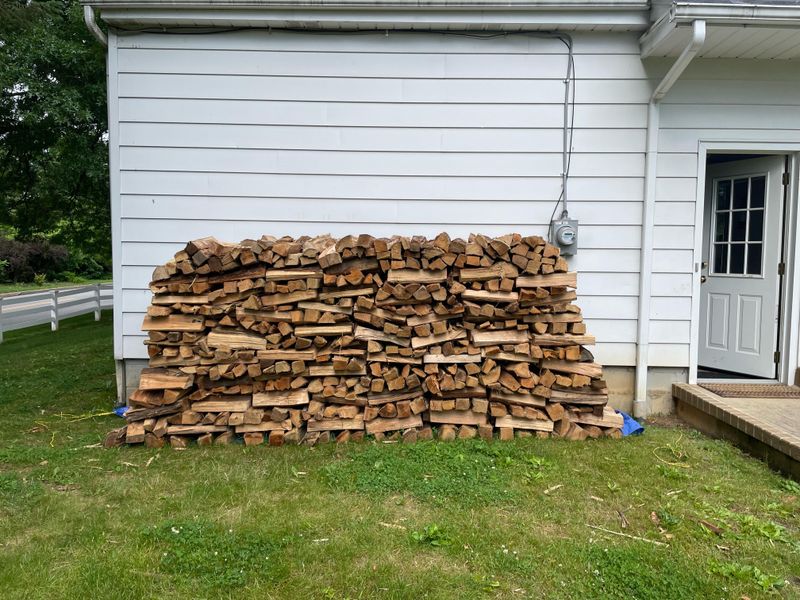
Firewood stacked beside the garage door is convenient on cool evenings, but it doubles as a perfect roach hideout from the moment you build that pile. Outdoor cockroach species are drawn to dark, sheltered spaces with some moisture nearby.
A stack of wood sitting on bare ground against your wall checks every one of those boxes. Cardboard boxes, stacked plastic pots, old lumber, and garden equipment stored close to the house create the same kind of protected daytime shelter.
The risk is not that one wood pile will instantly send roaches marching indoors. The risk is that clutter close to the structure gives pests a comfortable base near your entry points.
That makes nighttime exploration of your walls, doors, and vents much more likely. Roaches resting a few feet from your threshold have a shorter path to find a crack or gap than roaches resting across the yard.
Moving firewood at least several feet from the house, raising it off the ground on a rack, and keeping it as dry as possible reduces its appeal significantly. Florida side yards, carports, and patio corners are worth inspecting too.
Look for anything stacked against the wall that could trap moisture and darkness underneath.
Periodic checks and a habit of storing items away from the structure are simple steps that shrink the number of hiding spots roaches can use near your home each night.
5. Fix Wet Spots Around Porches And Patios
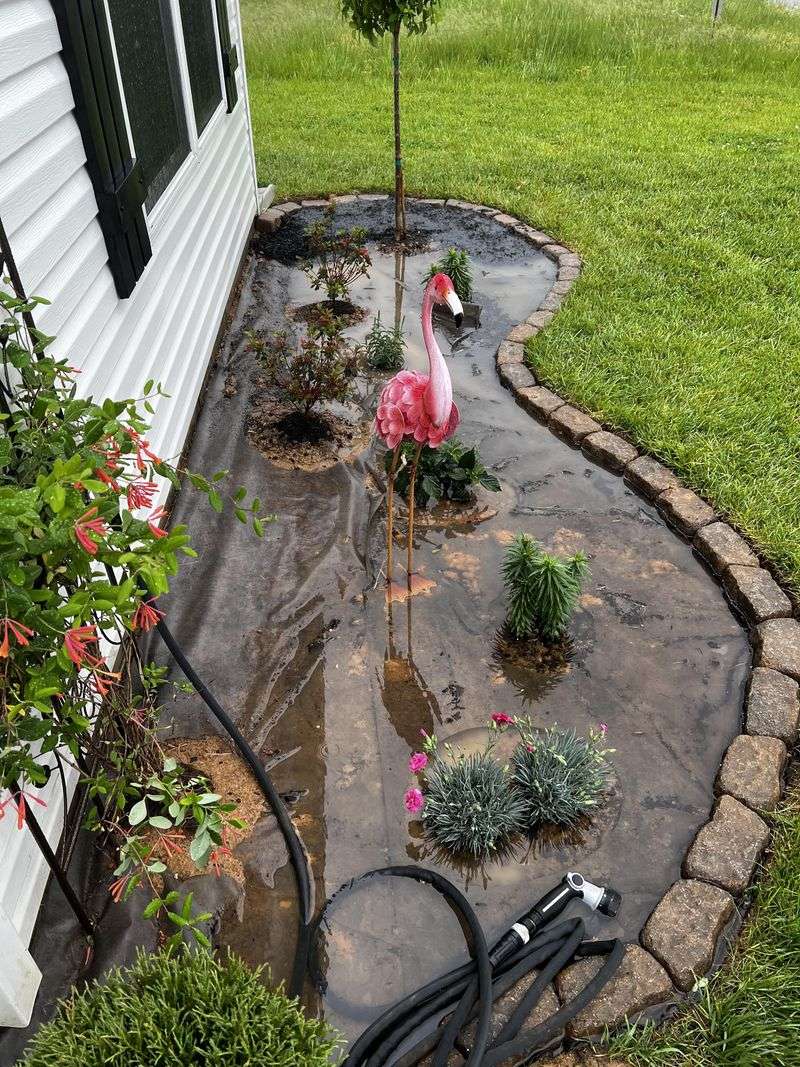
Moisture is one of the strongest signals that draws roaches toward a particular spot. A slow drip, AC condensate puddle, clogged gutter, or low patio spot can all create a wet zone near the foundation.
That wet zone makes nearby shelter far more attractive to outdoor insects. Roaches do not need a lot of water.
Even a small, consistent source is enough to make an area worth returning to each night.
Porches, patios, and garage entries are worth inspecting closely because they often combine multiple moisture sources in a small area. Wet doormats and outdoor rugs that never fully dry add humidity right at the threshold.
Overwatered potted plants sitting on porch floors can drip steadily and keep the surface damp. Each of these small sources adds up.
Fixing the cause is more effective than any surface treatment. Repair dripping spigots, redirect condensate lines away from the foundation, and clean gutters so water flows away from the house.
Adjust irrigation schedules so beds near the structure have time to dry between cycles. Swap out thick outdoor rugs for ones that drain and dry quickly.
Reducing moisture around porches and patios does not require big projects. Most fixes are small, low-cost repairs that make the area noticeably less hospitable to pests over time.
6. Trim Plants That Brush The Walls
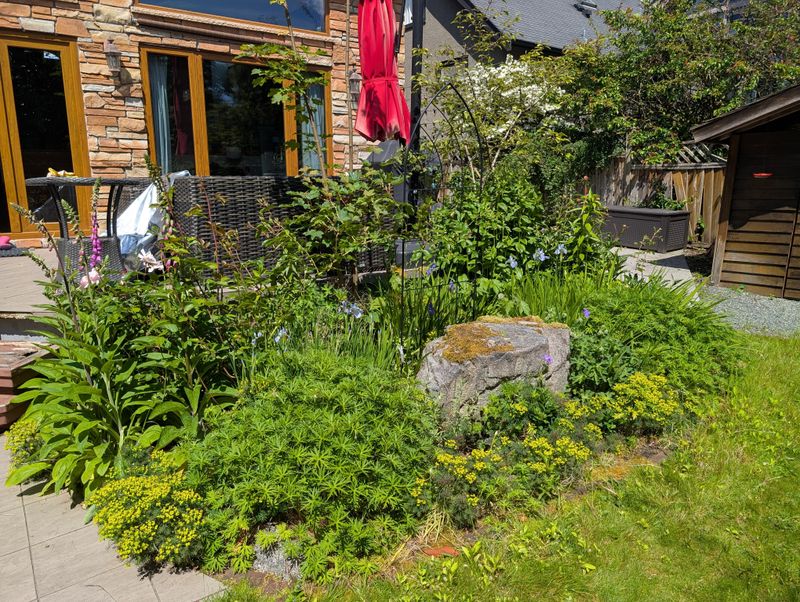
Lush foundation plantings look great in curb appeal photos. But when shrubs, palms, vines, or dense groundcovers press against your siding, they create a hidden highway to your home.
Plants touching walls trap moisture between the foliage and the surface and block airflow that would help the foundation dry out. They also give roaches and other insects a sheltered, shaded corridor that stays humid even on dry days.
Dense vegetation against the house also makes it harder to inspect for pest activity. Gaps under windows, cracks in stucco, utility penetrations, and weep holes are all easier to check when you can actually see them.
When shrubs grow thick enough to hide the wall behind them, small problems like a torn screen or an unsealed pipe entry can go unnoticed for months.
Trimming plants back to maintain a visible gap between the foliage and the structure is a straightforward fix. Your landscaping can still look full and well-designed without every plant pressing against the wall.
Focus on rooflines, vent openings, window frames, and door surrounds as priority spots to clear. Palms with low fronds resting on the roof edge or siding are worth addressing too.
Regular trimming a few times a year keeps vegetation manageable and gives you a clear line of sight to the foundation. That makes early pest detection much easier throughout the year.
7. Seal Entry Points Before Nightfall
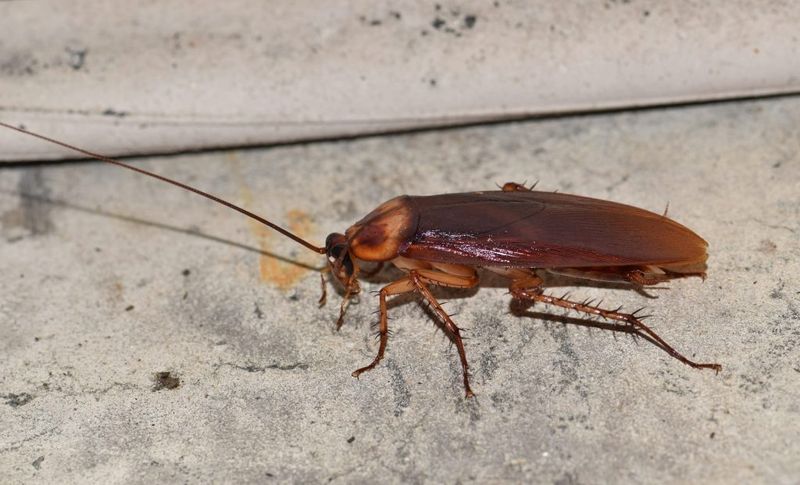
Outdoor roaches spend their nights exploring surfaces, following moisture gradients, and searching for gaps that lead somewhere warmer and more sheltered.
A foundation bed full of damp mulch brings them closer to the house, but it is the unsealed entry points that turn a yard problem into an indoor one.
Gaps under exterior doors, torn or loose window screens, and unsealed utility penetrations are all possible roach paths. Foundation cracks and open weep holes can also let roaches move after dark.
Door sweeps and weatherstripping are among the most effective exclusion tools available to homeowners. A gap at the base of a door that lets light through is wide enough for a cockroach to enter.
Garage doors deserve special attention because they often have worn seals along the bottom that go unnoticed for years. Checking these seals once a season takes only a few minutes and can close off one of the most commonly used entry routes.
Caulk works well around utility penetrations, pipe entries, and gaps in window frames. Screen repair kits handle torn mesh quickly and inexpensively.
Habitat cleanup outside works best when paired with these exclusion steps inside. Reducing roach pressure is a two-part approach: make the Florida yard less inviting and make the house harder to enter.
Neither step alone is as effective as both working together. Start with the most obvious gaps first and work your way around the structure systematically.
8. Make The Foundation Edge Dry And Exposed
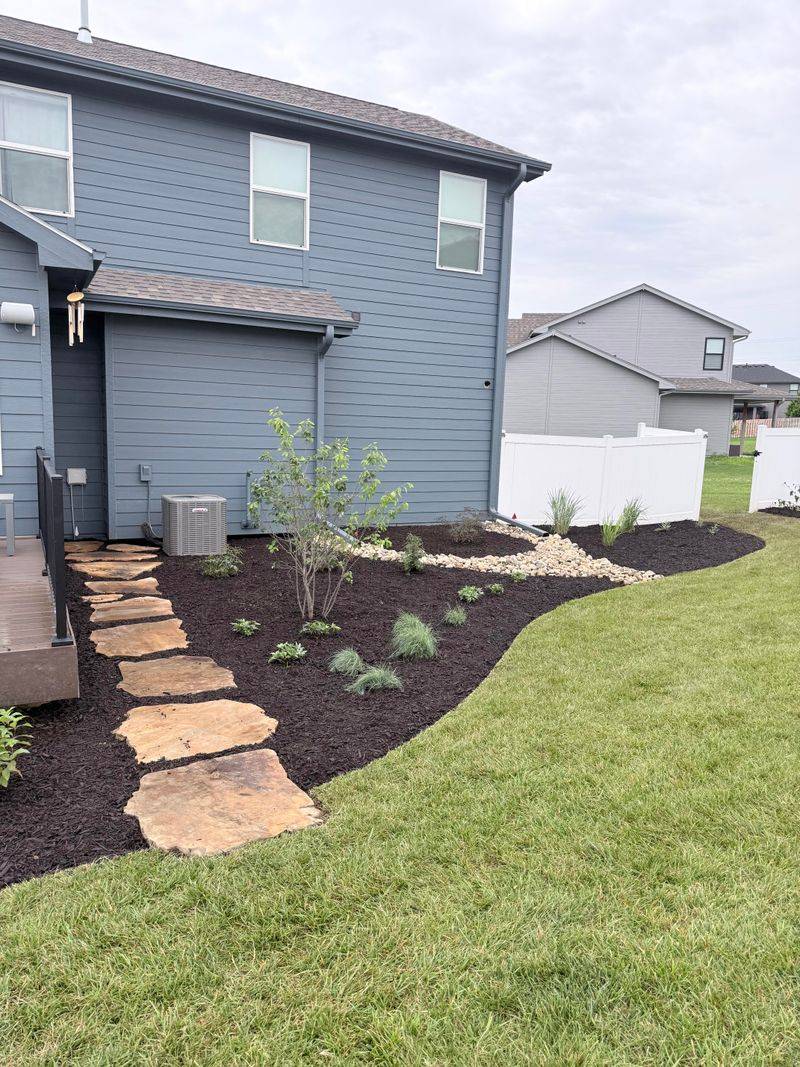
The overall goal around any home in a warm, humid climate is simple: keep the foundation edge dry, visible, and free of clutter. Roaches thrive where conditions favor them, and those conditions include moisture, shelter, organic debris, and easy access to the structure.
When you remove those conditions from the zone closest to your house, you reduce the chances that outdoor roaches will choose that spot as a nightly base.
Thin mulch that allows the soil near the foundation to breathe and dry between rain events is a better choice than a thick, perpetually wet layer.
Cleared leaf litter, trimmed plants, moved wood piles, and repaired moisture sources all contribute to a foundation edge that is less attractive to pests.
Sealed entry points ensure that even roaches exploring the perimeter have fewer ways to get inside.
None of this means your yard has to look bare or utilitarian. A well-designed landscape can still be lush and beautiful while keeping the first zone around the structure clean and manageable.
Think of it as creating a buffer: a drier, more open strip right at the foundation where problems are easy to spot and conditions are less favorable for pests. Simple, consistent yard habits repeated through the seasons make more difference than any single fix.
Keep the mulch thin, the drainage working, and the entry points sealed, and you give roaches far fewer reasons to settle in close to your home each night.