If You See This On California Soil In July Do Not Ignore It
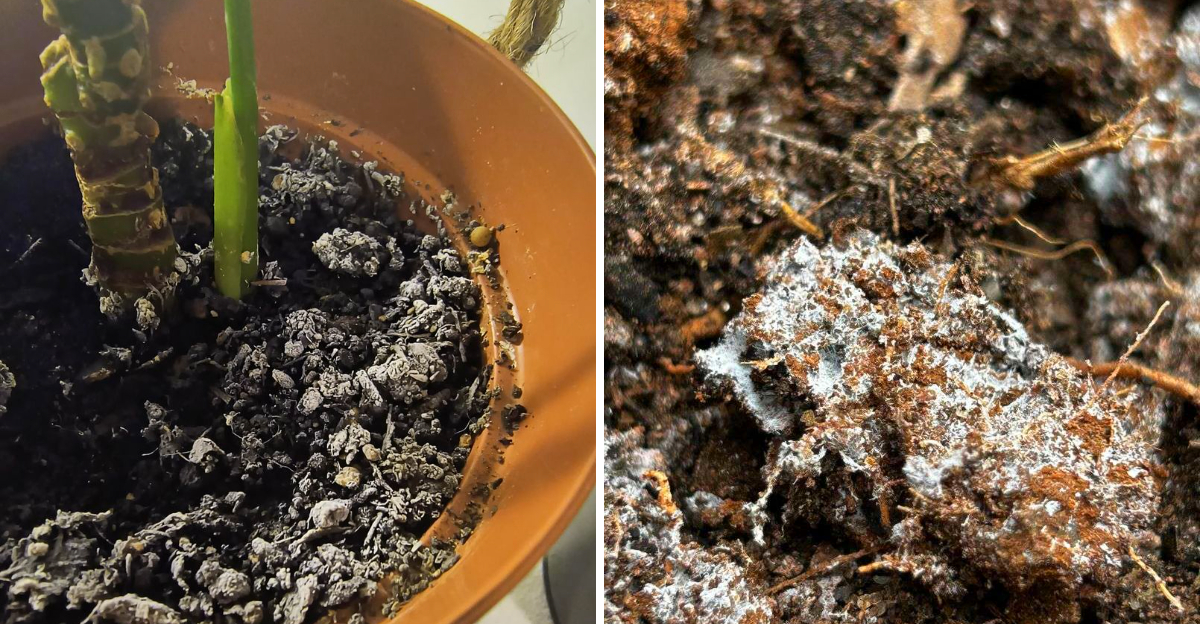
Something a little mysterious shows up in a lot of California gardens every July, and most homeowners walk right past it without a second thought.
A white, grayish, or crusty layer sitting on top of the soil, hanging around the edges of containers, building up along raised bed walls, or appearing near the base of a fruit tree.
Easy to ignore. Probably not a big deal, right?
Not necessarily.
That surface crust can actually be telling you something worth paying attention to, whether it points to salt buildup, water moving through the soil incorrectly, or evaporation outpacing leaching during the long dry months.
It does not mean the same thing in every garden, but catching it early gives you a real chance to investigate before plant roots start feeling the effects underground where you cannot see them.
1. Irrigation Salts Are Building Up
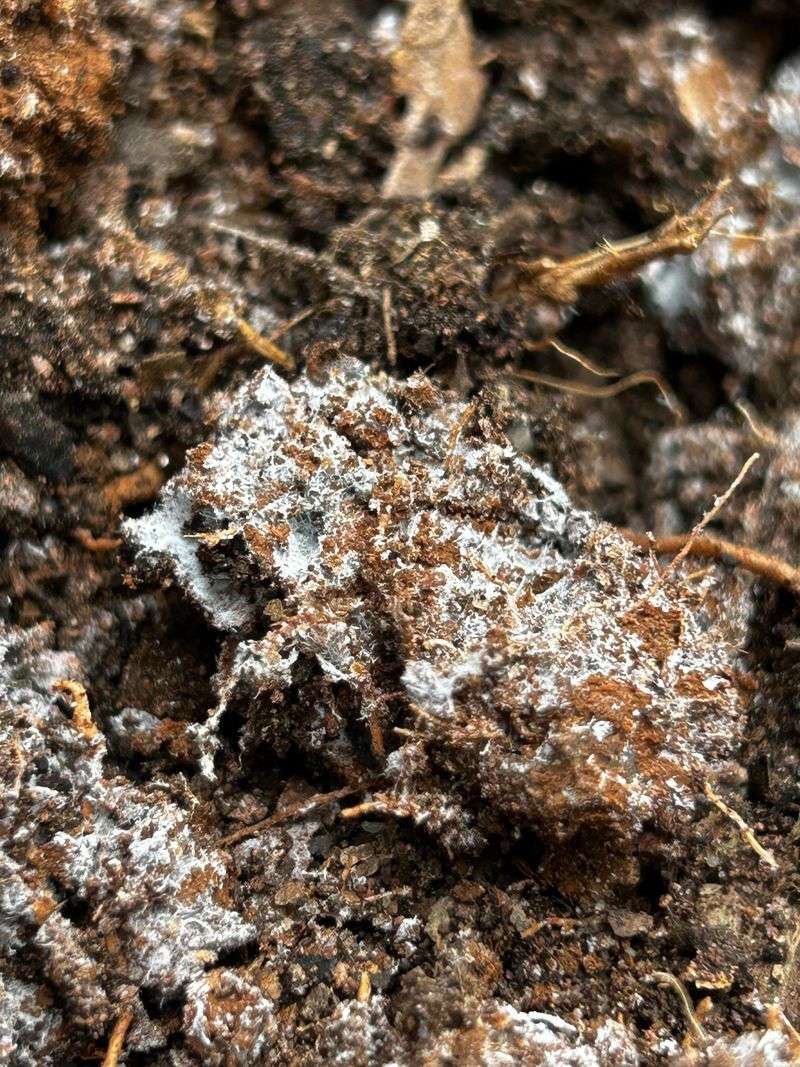
A white or pale gray crust sitting near drip emitters or along furrows is one of the more common sights in California gardens come midsummer. That crust is often made up of soluble salts left behind when water evaporates from the soil surface.
In many parts of California, tap water and well water naturally carry dissolved minerals, including calcium, magnesium, sodium, and chloride. Every time you water, those minerals arrive in the root zone.
When water evaporates faster than it moves downward through the soil, the salts stay behind and concentrate near the surface.
Over weeks and months, that concentration builds. The result is a visible crust that looks almost like dried foam or chalky powder.
In warm inland areas of California, where summer temperatures regularly climb and rainfall is essentially zero from May through September, this process speeds up considerably.
Sandy soils can show it quickly because water moves fast and leaves residue near the top. Clay soils may take longer but can still accumulate salts along the surface.
Noticing this crust early matters because high salt concentrations near the root zone can make it harder for plants to pull water from the soil, even when the soil feels moist.
Checking your irrigation water quality, adjusting emitter placement, and occasionally leaching the soil with a slow, deep watering session can help reduce buildup before it starts affecting plant health in a noticeable way.
2. Fertilizer Has Accumulated Near The Root Zone
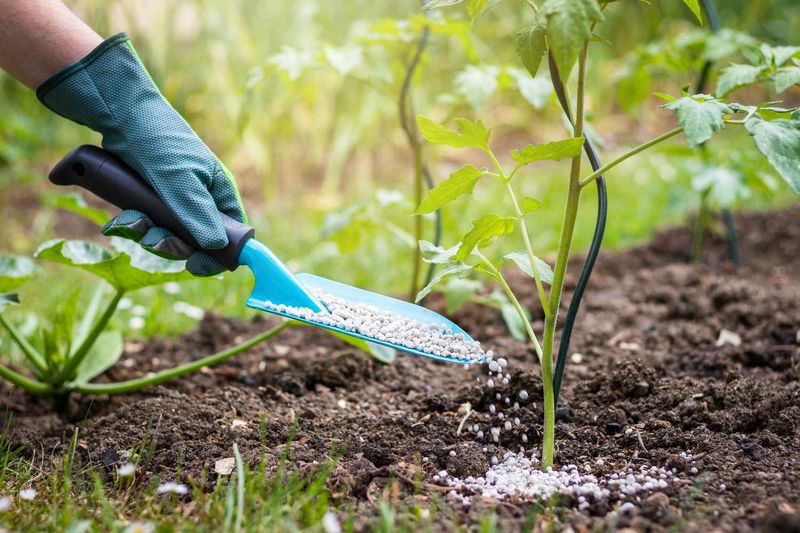
Fertilizer residue on the soil surface often looks similar to salt deposits, and in a way, it is exactly that. Many common fertilizers, including synthetic granular types and some liquid feeds, contain soluble salts as part of their chemistry.
When you apply fertilizer regularly through a California summer without enough water to move it deep into the soil, the excess tends to stay near the surface or just below it, concentrating in the zone where small feeder roots are most active.
In vegetable gardens and containers, this is especially easy to spot. A whitish or yellowish crust around the base of tomato plants, peppers, or squash can sometimes trace back to fertilizer applied a few weeks earlier.
Your California Garden Changes Every Week. Your Plan Should Too.
Gardening in California changes quickly throughout the season. Every Friday you’ll receive a simple weekly plan showing exactly what to plant, prune, fertilize, harvest, and protect so you never miss the right timing.
If irrigation is light or uneven, the fertilizer salts never fully dissolve and move downward.
Instead, they sit close to the root zone where they can create what soil scientists call osmotic stress, meaning the salt concentration outside the root actually pulls water away from the plant rather than letting the plant absorb it.
Reducing fertilizer application frequency during peak summer heat is one practical step California gardeners can take. Switching to slow-release formulas can also help spread out the salt load over a longer period.
If the crust is already visible and plants show signs of stress, a thorough deep watering to flush the excess downward is often a reasonable first response before deciding on further action.
3. Water Is Evaporating Faster Than It Leaches
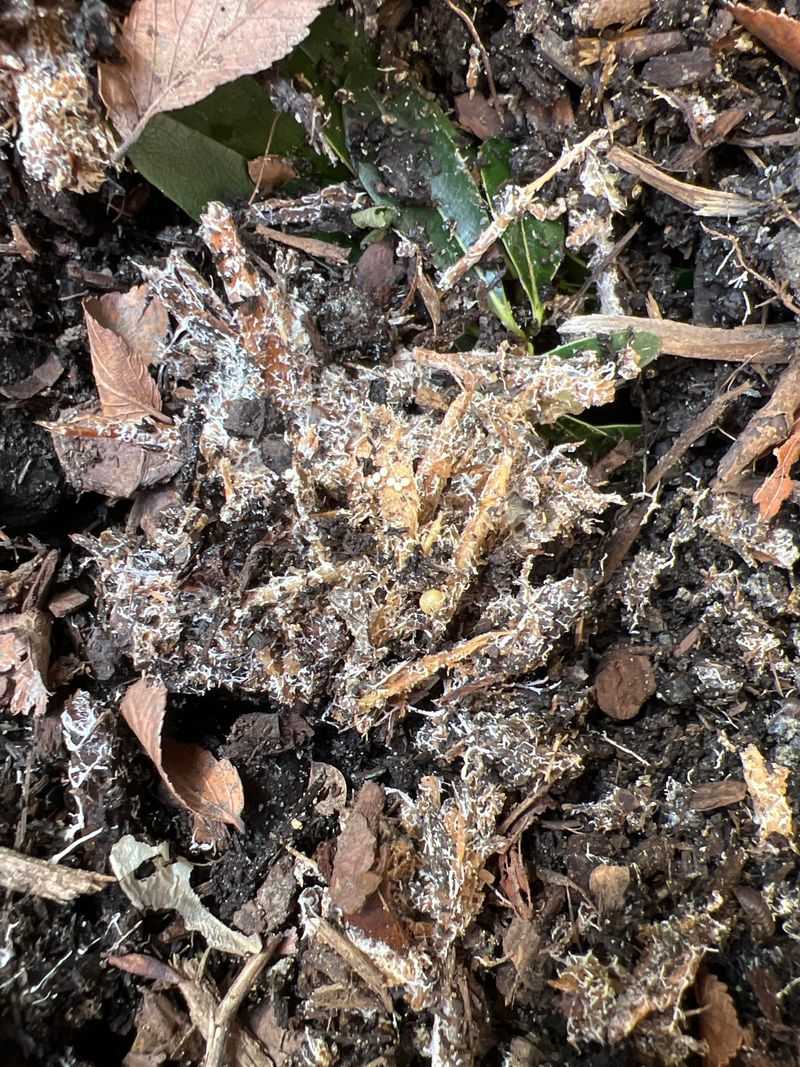
July in California can feel relentless. Temperatures in inland valleys regularly push past 95 degrees, and the combination of dry air, intense sun, and low humidity pulls moisture out of the soil surface surprisingly fast.
When water evaporates from the top layer of soil before it has a chance to move downward through the profile, the dissolved minerals it was carrying get left behind.
Over time, those minerals concentrate into a visible crust that sits right where the soil meets the air.
This is not just a cosmetic issue. Soil that loses water from the surface faster than it gains it from irrigation ends up in a tricky cycle.
The crust itself can sometimes harden into a layer that actually slows future water penetration, making it harder for the next round of irrigation to reach deeper roots.
In both clay-heavy soils common in parts of the Central Valley and lighter sandy soils found in coastal areas, this evaporation-driven salt concentration can develop within just a few weeks of consistent midsummer heat.
Mulching around plants is one of the most effective ways California gardeners can slow surface evaporation.
A two-to-three-inch layer of wood chips, straw, or shredded bark placed over the soil surface keeps moisture in longer, moderates soil temperature, and reduces the rate at which salts concentrate at the surface.
Adjusting watering time to early morning rather than midday also helps water soak in before the heat of the day accelerates evaporation.
4. Soil May Be Repelling Or Slowing Water
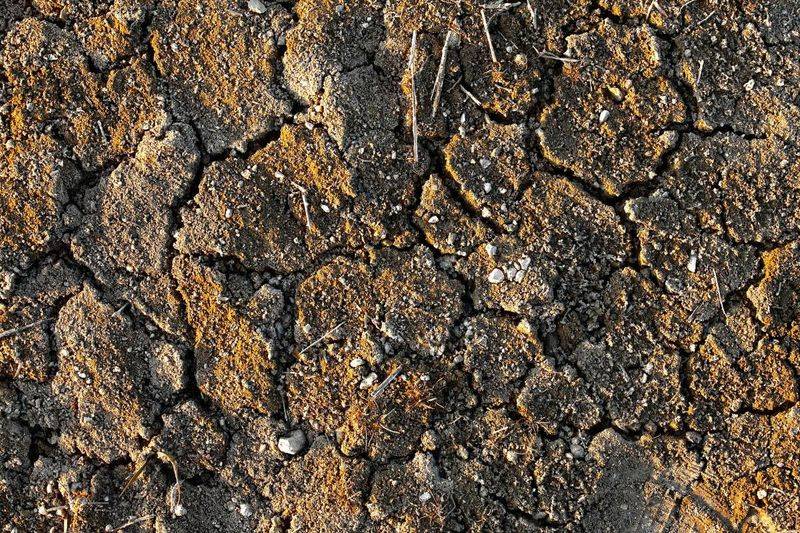
Sometimes the crust you see on California soil in July is not just about salts. Soil can become hydrophobic, meaning it actually repels water rather than absorbing it, especially after long dry periods.
Certain organic matter compounds, when they dry out completely, coat soil particles with a waxy film that causes water to bead up and run sideways rather than soak in.
This is common in soils that have gone dry for extended periods, which in California’s dry-summer climate can happen even in managed gardens if irrigation schedules are not quite right.
You might notice that water pools briefly on the surface before disappearing sideways, or that some patches of the garden look wet while others stay dusty even after a full irrigation cycle.
A white or grayish crust can accompany hydrophobic conditions, partly because salts accumulate on a surface that water is not penetrating well.
The two problems, hydrophobicity and salt buildup, can occur together and reinforce each other in ways that are frustrating for gardeners trying to figure out why plants look stressed despite regular watering.
A simple test involves placing a few drops of water on the dry soil surface and watching what happens. If the water sits for more than a few seconds without soaking in, hydrophobicity could be a factor.
Wetting agents designed for garden use, sometimes called soil surfactants, can help break that water-repelling layer and allow irrigation water to move more evenly through the soil profile again.
5. Plant Roots May Struggle To Take Up Moisture
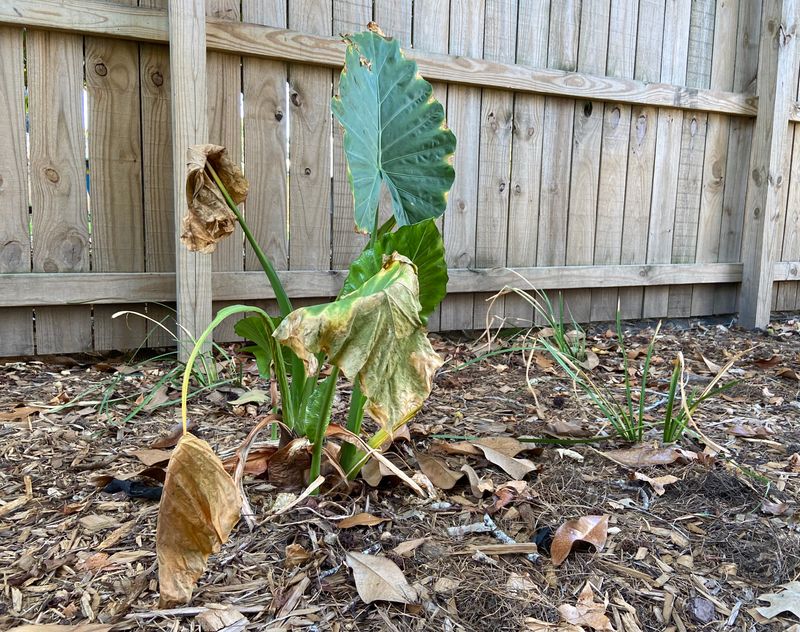
Roots do not just need water to be present in the soil. They need the water to be accessible, which means the concentration of dissolved salts in the soil solution around the roots has to be lower than the concentration inside the root cells.
When salts build up enough to reverse that balance, roots can actually lose moisture to the surrounding soil rather than pulling it in.
This process, called osmotic stress, is one reason plants can look wilted and thirsty even when the soil around them feels damp to the touch.
In California gardens during July, this situation can develop gradually and without dramatic warning signs at first.
A tomato plant might look slightly off, with leaves that do not quite perk up after evening cools things down, or a citrus tree might drop a few small fruits earlier than expected.
These early signals are easy to miss or attribute to other causes. But if a white crust is visible on the soil nearby, elevated salt levels in the root zone deserve consideration as a contributing factor.
Fruit trees, vegetable crops, and container plants tend to show root stress symptoms sooner than established ornamental shrubs, partly because they are actively growing and producing during the same period when salt stress is most likely to peak.
Checking soil moisture at depth rather than just at the surface, and comparing it with how plants actually look and perform, gives a more complete picture of what might be happening underground.
6. Leaf Burn Or Browning Edges May Follow
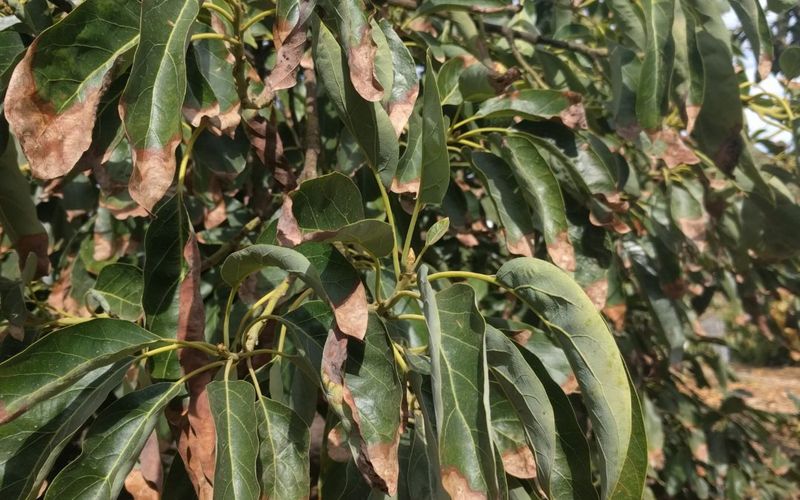
Brown, crispy edges on leaves during a California July get blamed on heat or sunburn pretty often, and sometimes that is exactly what is happening.
But when leaf-edge browning shows up alongside a white soil crust, salt stress becomes a more likely explanation worth considering.
When roots absorb soil water that carries a high concentration of certain ions, particularly sodium and chloride, those ions can travel up through the plant and accumulate in the leaf tissue.
The tips and edges of leaves tend to show this accumulation first because they are the last stop in the plant’s water-moving system.
The browning that results from this process looks similar to drought stress or wind burn, which is part of why it gets misread so frequently.
One clue that salt-related leaf burn may be involved is that the damage tends to appear on the margins of leaves rather than in the middle, and it often affects multiple plants in the same bed or along the same irrigation line.
Strawberries, beans, citrus, and some ornamental plants tend to be more sensitive to this kind of ion accumulation than others.
Responding carefully matters here. Overhead watering to wash accumulated ions off leaf surfaces can help in some cases, but it may not address the underlying root zone issue.
Adjusting irrigation to deliver water more slowly and deeply, so salts are pushed further from the active root zone, tends to be a more useful long-term response than simply increasing the frequency of watering sessions.
7. Containers And Raised Beds Can Show It First
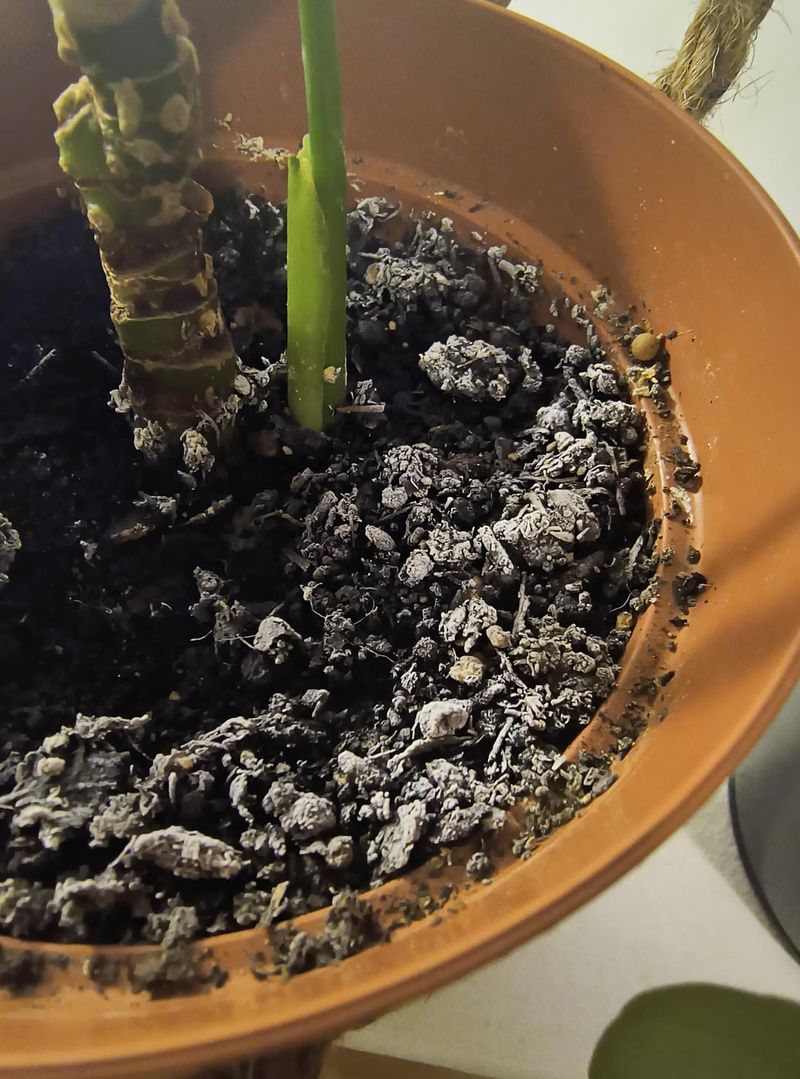
White rings around the outside of clay pots and crusty patches on the surface of raised beds are some of the earliest places California gardeners notice salt accumulation.
Containers and raised beds have limited soil volume, which means the ratio of dissolved minerals to available growing space is much higher than in an open garden bed.
Every watering session adds more minerals, and because the drainage holes are the only exit point, anything that does not leach out stays concentrated in a relatively small area.
Clay or terracotta pots are particularly revealing because they are porous. Water carrying dissolved salts moves through the pot wall and evaporates from the outer surface, leaving a chalky white or orange-tinted crust on the exterior.
That ring is not damaging to the pot itself, but it is a reliable visual signal that salts are accumulating inside the soil mix as well. Plastic containers do not show the same exterior crust but can still accumulate salts internally at the same rate or faster.
Raised beds in California vegetable gardens often use water more frequently than in-ground beds because they drain quickly and dry out faster in summer heat. That frequent watering with mineral-carrying tap water adds up through the season.
Leaching a container or raised bed by watering slowly and thoroughly until water runs freely from the drainage holes, then repeating that process after an hour, can help flush accumulated salts downward and out of the active root zone.
Doing this before salt levels reach a point that affects plant performance is the most practical approach, especially in California gardens where dry summers accelerate buildup.
8. A Deep Watering Or Soil Test May Be Needed
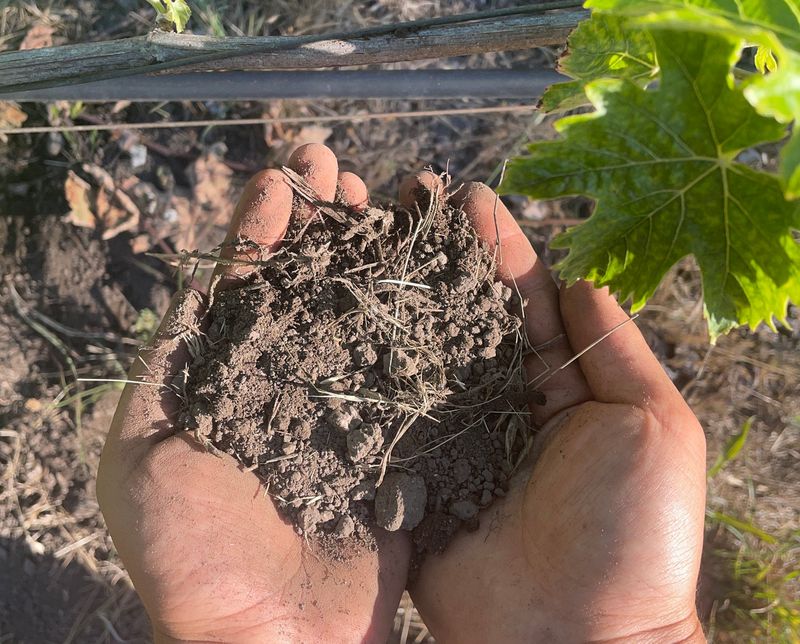
Spotting a white crust on California soil in July is a starting point, not a final answer.
The crust itself is a clue that something is worth investigating, but it does not tell you exactly how much salt is present, what kind of salts are involved, or whether your irrigation water is the main source.
A soil test can fill in those gaps.
Many university extension programs and private labs offer tests that measure electrical conductivity, which is a reliable indicator of overall salt concentration in the soil solution, along with specific ion levels like sodium, chloride, and boron.
Irrigation water quality testing is another useful tool, especially for California gardeners who rely on well water or live in areas where municipal water is known to carry higher mineral loads.
Knowing the salt content of your water helps you estimate how quickly salts may be building up in your soil over a season of regular irrigation.
This information can guide decisions about how often to leach the soil and whether adjustments to fertilizer type or rate make sense for your specific situation.
Before testing, a deep watering session is often a practical first step. Applying water slowly over several hours, enough to move moisture well below the root zone, can help push soluble salts downward and temporarily relieve pressure on roots.
Watching how plants respond over the following week or two gives useful real-world feedback.
If symptoms ease after a deep watering, salt accumulation was likely a contributing factor, and adjusting your routine going forward can help prevent the crust from returning as quickly.