The Sustainable Landscaping Trend Transforming New Hampshire Yards
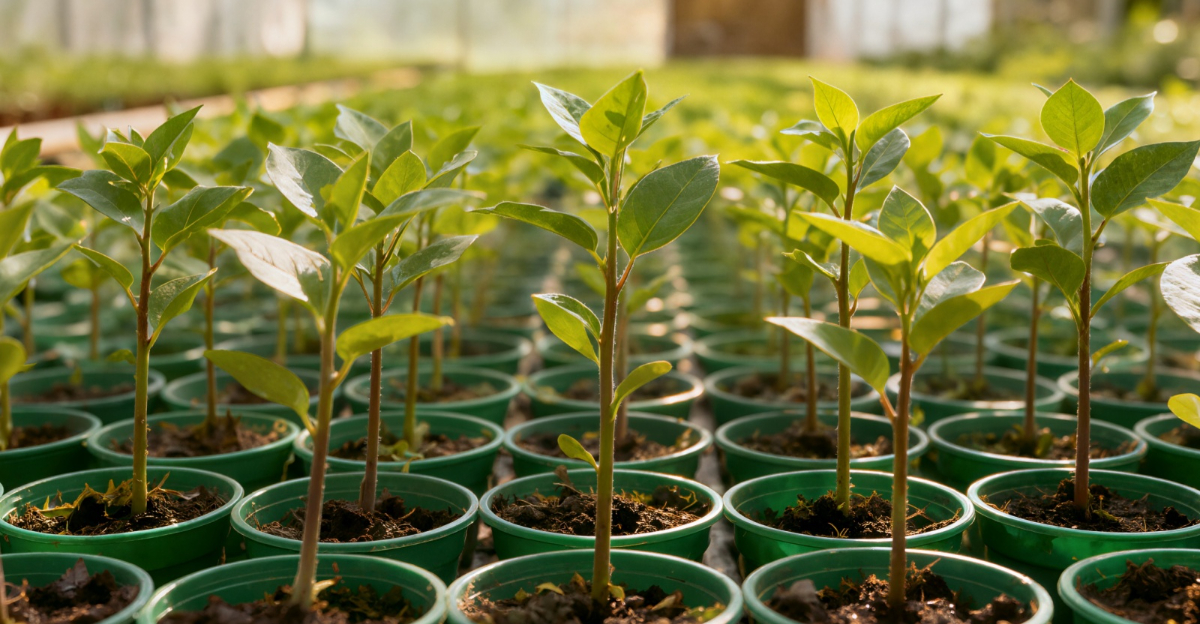
Imagine a slope in Concord where black-eyed Susans spill downhill like something poured from a jar, dozens of blooms moving as one instead of scattered like afterthoughts. That effect is not luck.
It is design, and mass planting happens to be one of the sharpest strategies a homeowner can borrow from professional landscapers.
Across New Hampshire, people are walking away from the scattershot approach, a hosta here, a lonely rose bush there, in favor of bold drifts that actually read from the street or the porch.
The logic runs deeper than looks. Grouping plants in repeated sweeps chokes out weeds before they get a foothold, holds moisture in the soil, and turns watering and mulching into a once-a-season chore instead of a weekend habit.
Whether your New Hampshire property is a rocky half acre or a compact suburban lot, this approach scales.
Done right, it stops being a garden you maintain and starts being a landscape that does the work for you.
What Is Mass Planting And Why It Works
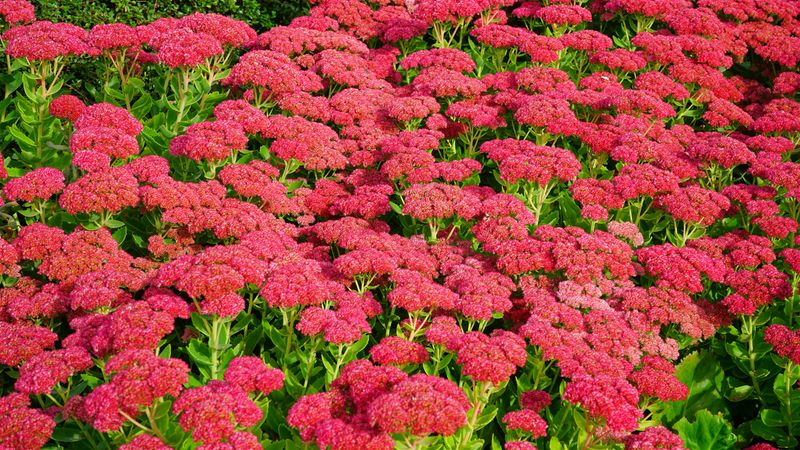
The concept is refreshingly unfussy: pick one plant, plant it in numbers, let repetition do the rest. You group large numbers of the same plant together to create a bold, unified visual effect.
Sustainable landscape design benefits enormously from this approach. Plants grown close together naturally shade the soil beneath them, reducing moisture loss.
That shading effect also blocks sunlight from reaching weed seeds. Fewer weeds mean less time pulling them and less need for herbicides.
When plants grow in dense clusters, their root systems interlock underground. Those interlocking roots hold soil in place and reduce erosion on slopes and hillsides.
Mass planting mimics how plants grow in nature. Forests, meadows, and wetlands all rely on repetition and density to stay healthy and balanced.
Gardeners who adopt this method often report reclaiming entire weekends. Density does the heavy lifting that a rake and hose used to.
From a design standpoint, massed plants create a sense of calm and order. A yard full of one-of-everything can feel chaotic, while bold groupings feel intentional and polished.
Grasses, shrubs, even groundcovers all respond to this same trick of repetition. The key is choosing species suited to your specific site conditions.
New Hampshire landscapes benefit especially well because native plants are already adapted to local soils and seasonal extremes. Pairing mass planting with native species builds a landscape that shrugs off neglect.
Smart design starts with understanding your space, your goals, and which plants will thrive together. Skip that step, and even the prettiest plant list falls flat.
Creating Visual Impact Through Repetition And Scale
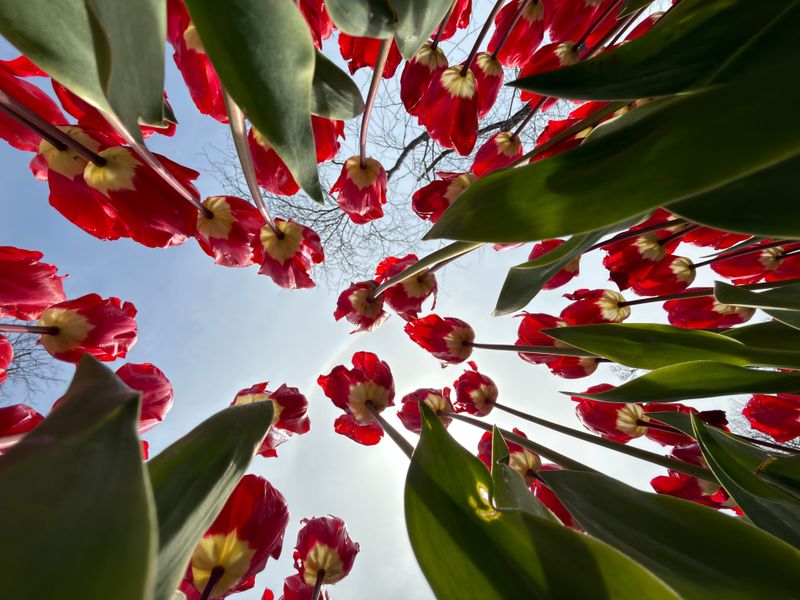
Bold design is not about complexity. Sometimes the most powerful landscapes are built from just two or three plant varieties repeated across a large area.
Repetition creates rhythm in a garden. Your eye moves naturally from one cluster to the next, creating a sense of flow and harmony.
Scale matters just as much as repetition. A grouping of three plants looks timid, while a sweep of thirty creates genuine drama and presence.
Your New Hampshire Garden Changes Every Week. Your Plan Should Too.
Gardening in New Hampshire changes quickly throughout the season. Every Friday you’ll receive a simple weekly plan showing exactly what to plant, prune, fertilize, harvest, and protect so you never miss the right timing.
Think of mass planting like music. A single note played once is forgettable, but a chord repeated across a song becomes a melody you remember.
Sustainable landscape design uses this principle to create spaces that feel both lush and low-maintenance. Large plantings suppress weeds and reduce bare soil without constant intervention.
Color blocking is one of the most exciting applications of mass planting. Imagine a band of golden black-eyed Susans followed by a wave of blue salvia along a garden border.
Texture adds another layer of interest. Pairing fine-textured ornamental grasses with broad-leafed hostas creates contrast that keeps the planting visually engaging all season.
Height variation within mass plantings adds depth. Tall plants at the back, mid-height in the center, and low groundcovers at the front create a layered, professional look.
Even a modest yard can achieve stunning results with this approach. You do not need acres of land to make mass planting work beautifully.
Start with one bold sweep and let the impact speak for itself. You might be surprised how quickly your neighbors start asking questions.
Best Plants For New Hampshire’s Climate And Soil
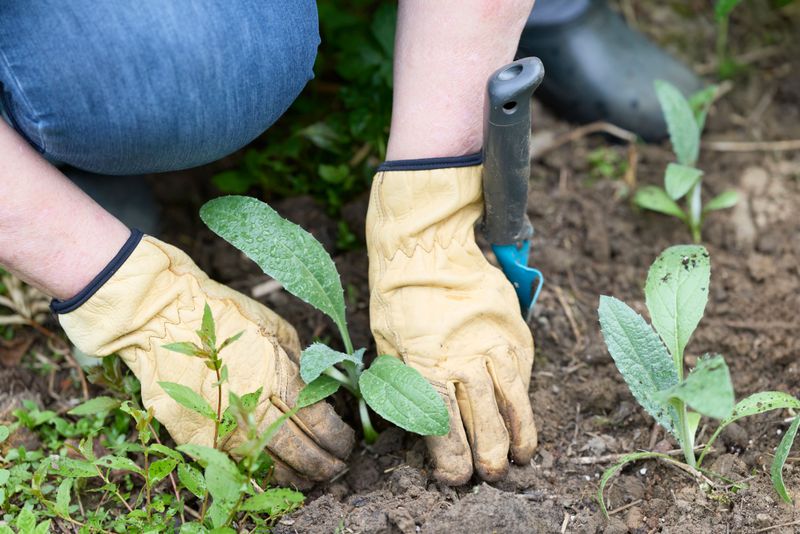
Choosing the right plants is the single most important decision in any mass planting project. Get this right and every later decision becomes easier.
New Hampshire has a cold climate with harsh winters, humid summers, and soils that range from sandy to clay-heavy. Native plants have spent centuries adapting to exactly these conditions.
Black-eyed Susans are a top choice for sunny areas. They bloom prolifically, tolerate drought once established, and spread naturally to fill in gaps over time.
Little Bluestem grass is another standout performer. Its blue-green summer foliage turns brilliant copper and red in autumn, offering multi-season interest without any extra effort.
Wild blue lupine thrives in sandy, well-drained soils common in parts of the state. It produces stunning blue-purple flower spikes in late spring that pollinators absolutely love.
For shadier spots, native ferns like ostrich fern and cinnamon fern create lush, layered groundcover. They spread reliably and suppress weeds with their dense fronds.
Switchgrass is a warm-season grass that tolerates wet or dry soils equally well. It adds movement and texture to large-scale plantings throughout the growing season.
Echinacea, commonly called coneflower, is not native to New Hampshire. It performs beautifully here anyway, thriving in the same sunny, well-drained conditions as its native neighbors.
Its daisy-like blooms attract butterflies and goldfinches from midsummer through early fall.
Always check a plant’s mature spread before purchasing. Some species expand aggressively, which can be a benefit in mass planting but a problem in confined spaces.
A local native nursery will know which of these actually survive a Concord winter, not just which ones look good on a tag. Regional expertise makes a real difference in long-term planting success.
Designing For Year-Round Seasonal Interest
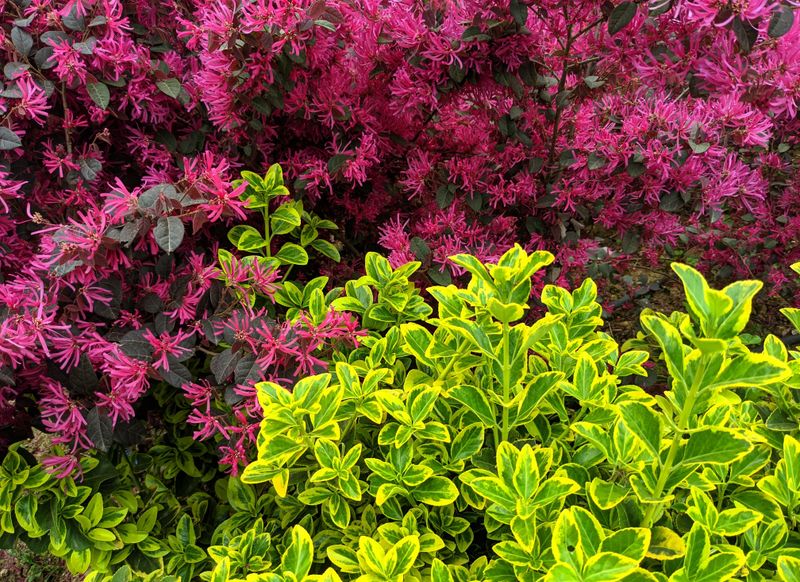
A great garden does not take a winter vacation. Thoughtful plant selection keeps your landscape interesting from the first spring thaw through the coldest January days.
Spring is the easiest season to design for because almost everything blooms. The real challenge is making sure something beautiful happens in every other season too.
Early-blooming bulbs like native trout lily and wild columbine bring color in April and May. Mass them under deciduous trees where summer shade will not bother them later.
Summer is peak season for most perennials. Coneflowers, black-eyed Susans, and bee balm overlap their bloom times beautifully, creating a continuous color show from June through August.
Autumn is where mass planting really shines. Ornamental grasses like Little Bluestem and switchgrass transform into glowing copper, gold, and burgundy as temperatures drop.
Asters are the unsung heroes of fall planting. Their purple and pink blooms appear just as most other perennials are winding down, extending the color season well into October.
Winter structure is often overlooked but incredibly rewarding. Seed heads from coneflowers and grasses catch snow and frost, creating sculptural beauty in an otherwise bare landscape.
Evergreen groundcovers like Christmas fern and partridgeberry maintain green color even under snow. They anchor the planting visually when everything else has gone dormant.
Plan your planting calendar in overlapping waves. When one group finishes blooming, the next should be just reaching its peak.
A year-round garden rewards patience and planning. The investment of thoughtful design pays off every single month of the year.
Practical Benefits Of Mass Planting
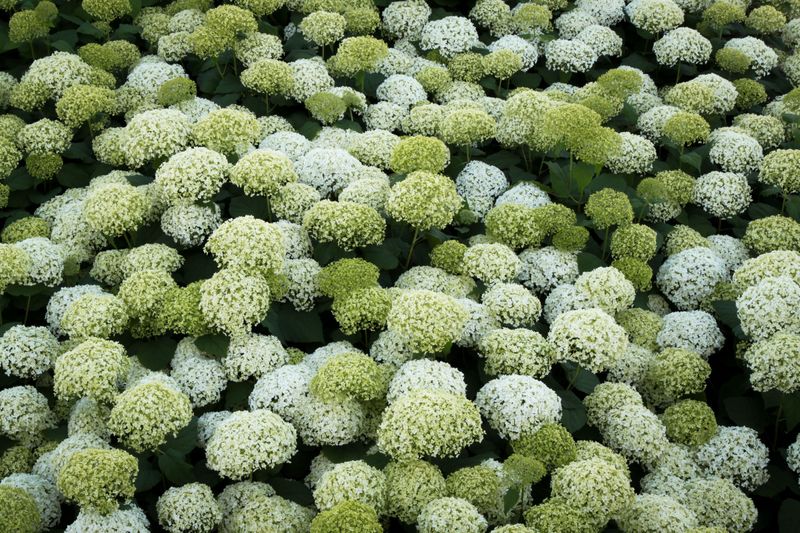
Beyond good looks, mass planting delivers real, measurable advantages for homeowners. These are benefits you feel every weekend you do not spend weeding or watering.
Water conservation is one of the biggest practical wins. Dense plantings shade the soil and reduce evaporation, meaning you water far less often than with traditional scattered plantings.
Mulch requirements drop significantly when plants are massed together. Their leaves and stems create a natural canopy that keeps moisture in and temperature fluctuations out.
Maintenance time shrinks dramatically with this approach. Instead of tending to dozens of individual plants with different needs, you care for one unified planting with shared requirements.
Soil health improves over time in mass plantings. Root systems from dense groups add organic matter as they grow and die back naturally each season.
Pollinators notice the difference immediately. Large masses of flowering plants are far more attractive to bees and butterflies than scattered individual specimens spread across a yard.
Pest pressure often decreases in mass plantings of native species. Plants adapted to local conditions tend to have natural defenses that reduce the need for chemical intervention.
Property values can rise with well-designed landscape beds. Curb appeal matters to buyers, and a cohesive, lush planting makes a strong first impression.
Mass planting also reduces lawn area, which means less mowing, less fertilizer, and less runoff into local waterways. That is one less patch of chemical-fed turf feeding the nearest stream.
Every practical benefit compounds over time. The longer a mass planting matures, the more it gives back with less effort required from you.
Tips For Planning A Successful Mass Planting
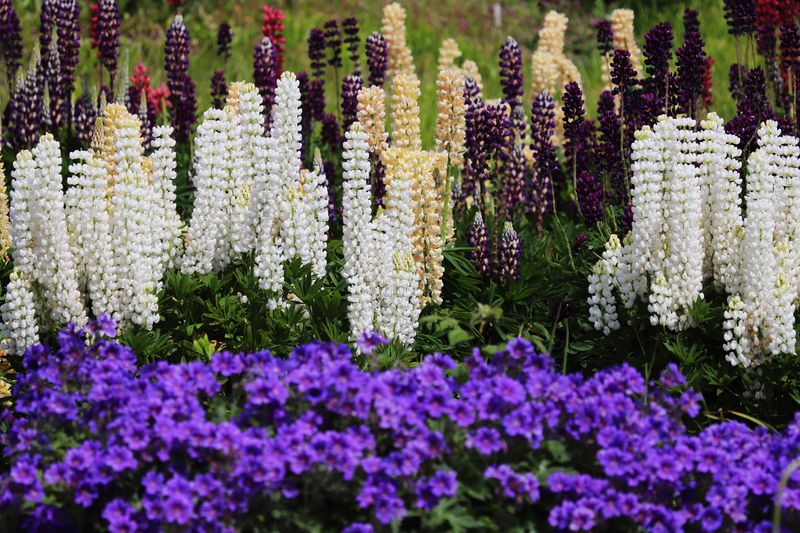
Planning is where great mass plantings are born. A few hours of thoughtful preparation saves months of frustration and replanting later.
Start by observing your site through all four seasons if possible. Note where sun and shade fall, where water collects, and which areas stay dry even after heavy rain.
Sketch your planting area to scale before buying a single plant. Knowing exact square footage helps you calculate how many plants you need to achieve true density.
Aim for a minimum of five to seven plants per species in any given grouping. Fewer than that and the massing effect disappears, leaving the design looking sparse.
Choose a limited plant palette of three to five species per bed. Restraint in plant selection is what separates professional-looking designs from cluttered, confusing ones.
Consider mature plant size carefully. A species that looks small in a nursery pot may spread three feet wide after just two growing seasons.
Install plants closer together than the tag recommends for the first year or two. You want coverage quickly, and you can always thin later as plants fill in.
Soil preparation matters more than most people realize. Loosen compacted soil, amend with compost if needed, and remove all existing weeds before planting day.
Mulch immediately after planting with two to three inches of wood chips or shredded bark. This protects roots, conserves moisture, and slows weed germination from the start.
Skip the planning and even great plant choices end up looking accidental. Take the time upfront, and next summer’s version of you will thank this one.