The One Thing Oregon Gardeners Should Do To Peonies After Blooming For Better Flowers
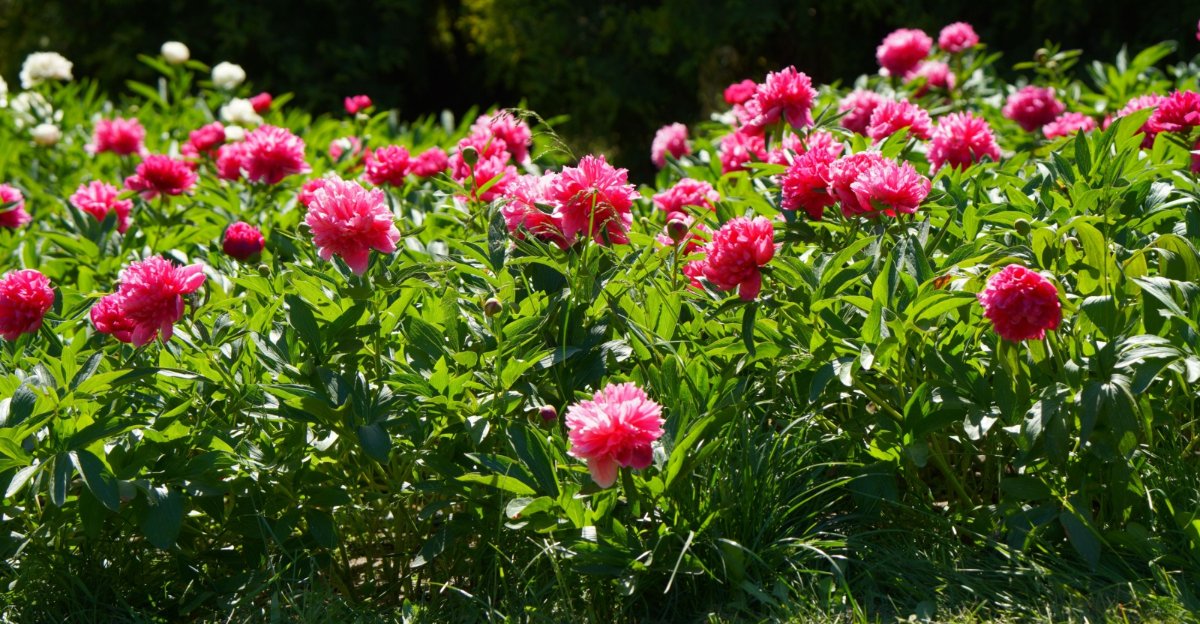
Peony season in Oregon is genuinely one of the highlights of the gardening year. Those big, extravagant blooms show up, everyone stops to admire them, and then they fade and the whole show is over for another year.
What happens next is where a lot of Oregon gardeners quietly make a mistake that affects next spring’s flowers without ever realizing it.
Cutting plants back too soon, leaving spent blooms sitting on the stems, or tidying things up a little too enthusiastically are all habits that can chip away at next year’s performance.
The good news is that post-bloom peony care is not complicated at all once you know what actually matters.
One key task done at the right moment protects all that stored energy the plant needs to come back strong, and it takes about five minutes.
1. Deadhead Spent Blooms But Keep The Leaves
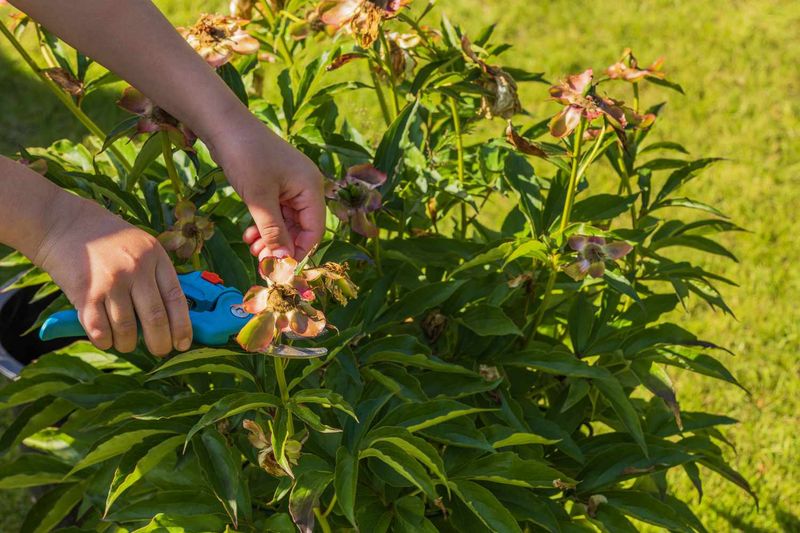
Faded peony blooms can look a little sad once their petals start dropping, but that drooping flower head is actually a signal that it is time to get to work.
The most helpful thing Oregon gardeners can do at this stage is remove the spent flower while leaving every leaf on the plant untouched.
This one simple habit supports the plant through the rest of the growing season.
Deadheading means cutting off just the old flower head, not the stem, and certainly not the leaves. The foliage is still very much alive and working after the blooms fade.
Leaves continue to absorb sunlight and produce food for the plant, which travels down to the crown and roots where it gets stored for next year.
Without the leaves, the plant loses its main source of energy during summer. Oregon summers can be dry, and peonies that keep their foliage through the warm months tend to build up stronger root systems than those that get cut back too early.
Think of the leaves as a solar panel that keeps charging the plant even when the flowers are long gone.
Grab a clean pair of pruning shears, find the base of the spent bloom, and make a cut just above the nearest healthy leaf. That is the whole task.
Simple, quick, and genuinely useful for keeping your peonies performing well season after season in Oregon flower beds.
2. Remove Faded Flowers Before Seed Pods Form
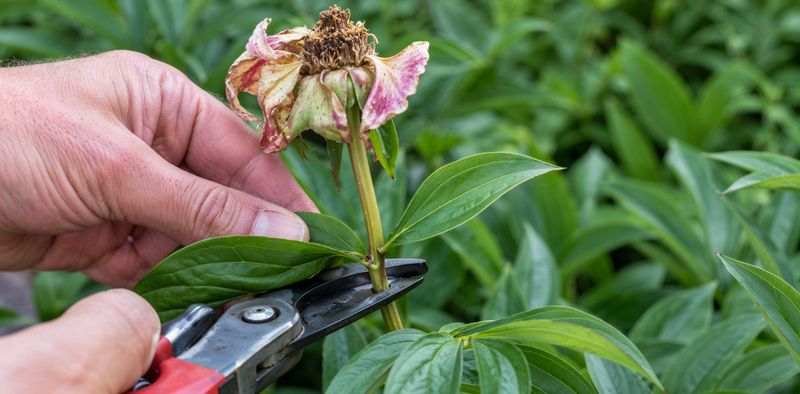
Right after the petals fall, something interesting starts happening inside the old flower head. The plant begins shifting its energy toward forming a seed pod, which is basically the peony trying to reproduce.
For gardeners who want better flowers next year rather than seeds, catching this early makes a real difference.
Seed pods are not harmful on their own, but they do ask the plant to spend resources it could otherwise be saving.
Producing seeds takes a meaningful amount of energy, and that energy comes directly from the same reserves the plant would use to develop strong flower buds for the following spring.
Removing the faded flower before a seed pod gets established helps redirect that effort.
Your Oregon Garden Changes Every Week. Your Plan Should Too.
Gardening in Oregon changes quickly throughout the season. Every Friday you’ll receive a simple weekly plan showing exactly what to plant, prune, fertilize, harvest, and protect so you never miss the right timing.
In Oregon gardens, where peony blooms typically wrap up by late May or early June, there is usually a short window between petal drop and seed pod formation.
Checking plants every few days during this time makes it easier to catch spent blooms before they progress too far.
The sooner the old flower gets removed, the less energy the plant puts toward seed development.
It is worth noting that deadheading does not fix every issue a peony might have. Plants that are too deeply planted, growing in too much shade, or dealing with other stress may not respond the same way.
But for healthy peonies in good growing conditions, removing faded flowers before seed pods form is a straightforward way to support the plant.
3. Cut Spent Stems Back To Healthy Leaves
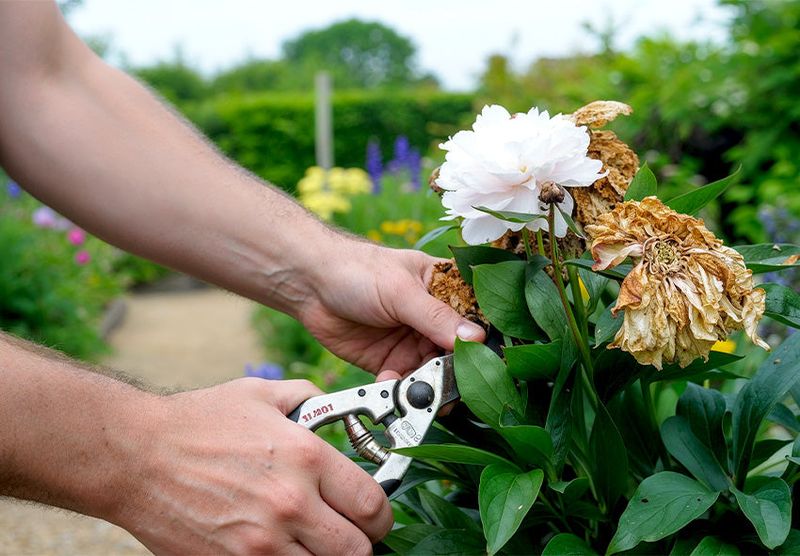
Once a peony bloom has fully faded, the stem that held it does not need to stay at full height. Cutting it back to the nearest healthy leaf tidies up the plant without removing any of the foliage the plant actually needs.
Knowing exactly where to make that cut is the part that trips up a lot of gardeners.
The goal is to remove the spent flower head and as little stem as necessary, stopping right at a healthy leaf node. That leaf stays on the plant and keeps doing its job through summer.
Cutting too far down the stem removes useful leaf surface area, while leaving too much stem above the leaf can look untidy and serves no real purpose for the plant.
In practice, this usually means cutting two to four inches above the topmost healthy leaf on that stem. The cut should be clean and angled slightly so water does not collect on the wound.
A clean pair of garden scissors or bypass pruners works well for this task and is less likely to crush the stem than a dull blade.
Oregon gardeners with older peony clumps may notice that some stems carry multiple side buds below the main flower. After the main bloom fades, those smaller buds may still be intact or just finishing up.
Working through the plant carefully and cutting each spent stem back to a healthy leaf, rather than making one big chop, keeps more foliage in place and supports the plant more effectively through the dry summer months.
4. Keep Peony Foliage Working Through Summer
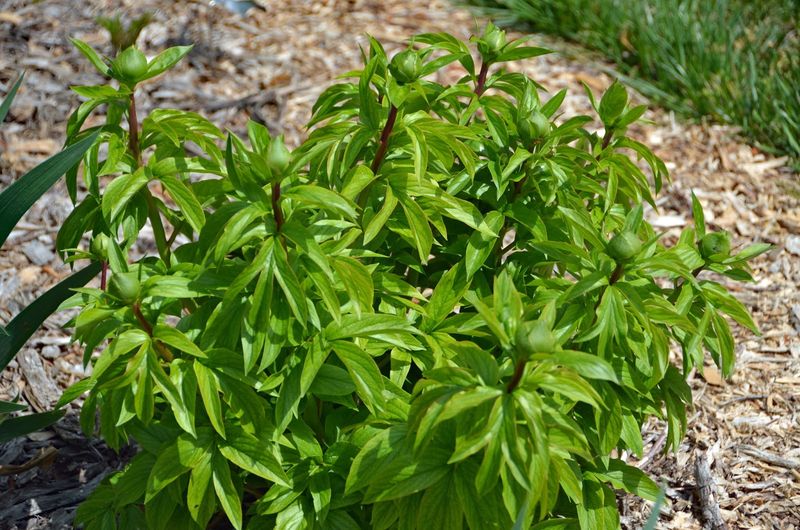
After the blooms are gone, a peony plant can start to look a little plain in the garden. Some homeowners see a leafy green clump and assume the plant is done for the year.
The truth is that the foliage stage is one of the most productive parts of the peony’s annual cycle.
Leaves convert sunlight into sugars through photosynthesis, and those sugars get sent down through the stems into the crown and roots. The crown is where next year’s flower buds are quietly forming during late summer and early fall.
The more energy the plant can store during this period, the better positioned it is to produce strong blooms the following spring.
Oregon’s summers are typically dry after June, which means peonies are not getting much rain to help them along. Keeping the foliage healthy and intact during this stretch gives the plant its best chance to keep working.
Occasional deep watering during dry spells can support the leaves and help them stay productive longer into the season.
Leaving the foliage in place through summer also helps the plant maintain its root system. Established peonies have deep, fleshy roots that hold nutrients and moisture.
Those roots benefit from a steady supply of energy coming down from the leaves above. Gardeners who skip early cutback and let the foliage run its full course often find their plants come back with more vigor the following year in Oregon landscapes.
5. Do Not Cut Peonies Down After Blooming
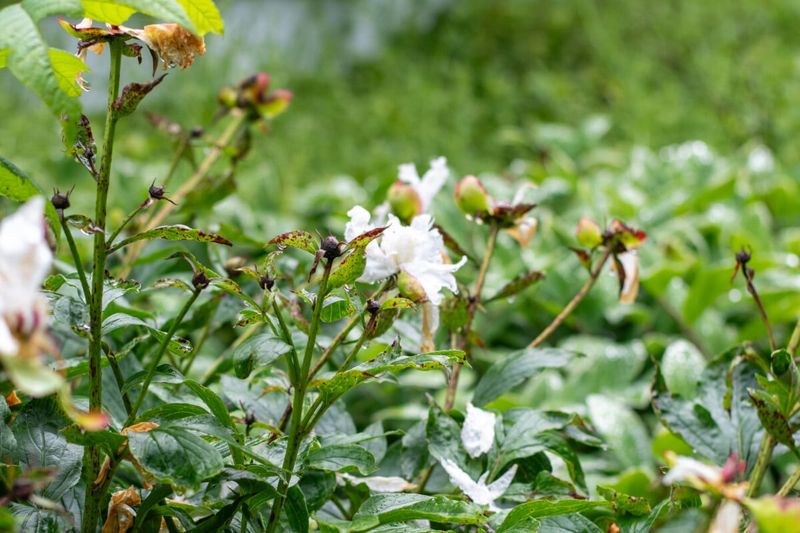
Cutting a peony all the way back right after the flowers fade is one of the most common mistakes gardeners make in Oregon. It seems logical at the time since the blooms are gone and the plant looks a little ragged.
But removing all that foliage too early takes away the plant’s ability to keep building energy for the next growing season.
When the leaves are removed in late spring or early June, the plant loses its primary tool for photosynthesis during the entire summer. The crown and roots miss out on weeks of stored energy they would have received had the foliage been left in place.
Over time, this habit can gradually weaken the plant, leading to fewer blooms or smaller flower heads in subsequent years.
This does not mean the foliage has to stay on all year. Waiting until the leaves naturally start to yellow and fade in fall, usually sometime in October for most parts of Oregon, is a more appropriate time to cut the plant back to the ground.
By that point, the plant has completed its seasonal energy cycle and is heading into dormancy.
Newly planted peonies are especially sensitive to early cutback. Young plants are still working to establish their root systems, and they need every bit of leaf surface they have to build up enough energy to thrive.
Giving them a full season of foliage each year helps them settle in and develop into the strong, long-lived plants peonies are known to be in Oregon gardens.
6. Let The Leaves Feed Next Year’s Flowers

There is a direct connection between the green leaves you see in summer and the flowers you enjoy the following spring. Most of that connection happens underground, in the crown and the thick storage roots that peonies develop over time.
Understanding this link makes it much easier to resist the urge to cut the plant back too soon.
Photosynthesis in the leaves produces carbohydrates that travel down through the plant and get stored in the crown and roots. Those stored carbohydrates fuel early spring growth, including the development and opening of flower buds.
A plant that spent the summer with its foliage intact has more reserves to draw from when it breaks dormancy in March or April in Oregon.
Older peony clumps that have been in the ground for many years tend to have well-developed root systems with significant storage capacity. Even so, they rely on seasonal leaf activity to replenish those stores each year.
Skipping that replenishment by removing leaves too early gradually draws down the plant’s reserves, which can show up as fewer buds or weaker stems over time.
For gardeners working with newer plantings, this connection matters even more. Young peonies need two to three years to really settle in and start flowering well.
Letting the leaves do their work through every summer during that establishment period gives the roots the best chance to develop fully.
Treating the summer foliage as part of the flower production process, rather than leftover plant matter, changes how you think about post-bloom peony care in Oregon.
7. Stop Seed Pods From Draining Plant Energy
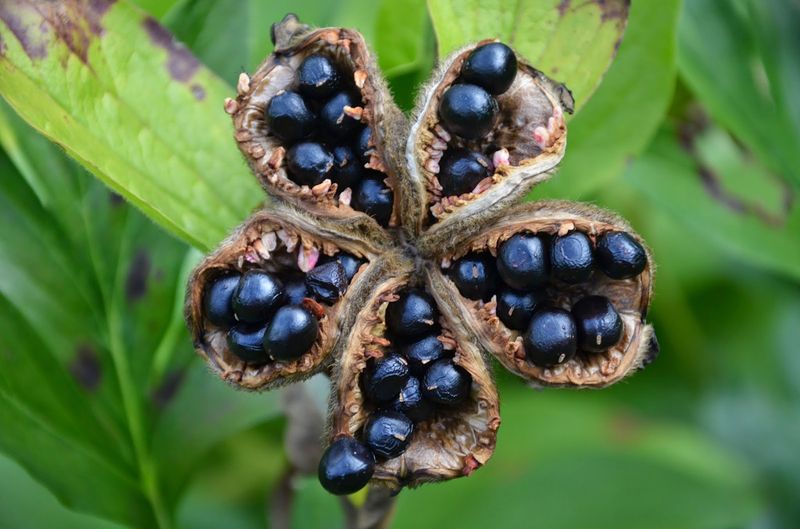
Seed pods on peonies are easy to miss at first glance. After the petals drop, the base of the old flower swells slightly and begins developing into a pod that, if left alone, will mature and eventually release seeds.
For most home gardeners in Oregon, this is energy the plant does not need to spend.
The process of forming seeds draws on the same reserves that support root development and bud formation. A plant that puts effort into seed production is essentially splitting its summer energy budget between reproduction and root storage.
Removing spent blooms before seed pods develop is a straightforward way to keep the plant focused on building up its underground reserves.
That said, there are situations where leaving seed pods makes sense. Gardeners who want to try growing peonies from seed, or those who find the pods decorative, can choose to leave some or all of them in place.
Seed-grown peonies take several years to bloom and may not resemble the parent plant, but it can be a rewarding project for patient growers.
For most Oregon gardeners who simply want more flowers next year, deadheading before pods form is the practical choice. It does not require any special tools or timing beyond catching the spent blooms while they are still fresh.
A quick walk through the garden every few days during the post-bloom window is enough to stay ahead of seed pod development and keep the plant’s energy where it is most useful.
8. Clean Up Blooms Without Stripping Foliage
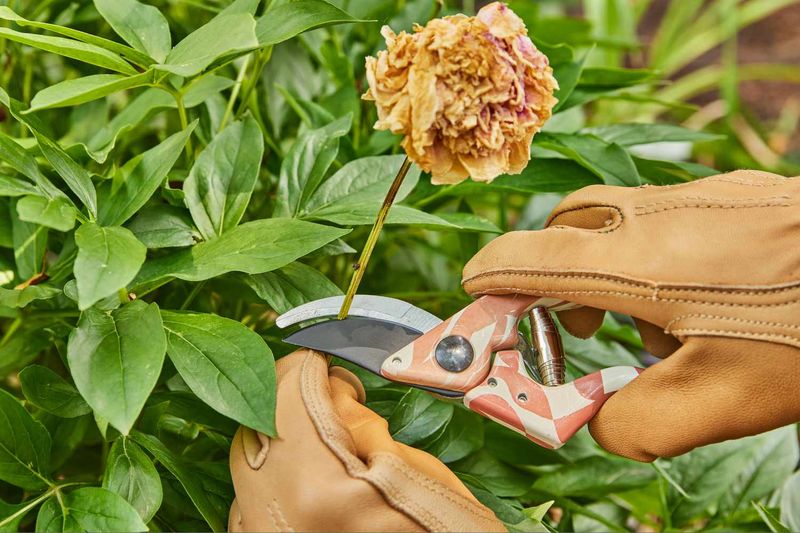
Making a peony look tidy after its spring show ends does not have to mean stripping the plant bare.
There is a middle ground between leaving a mess of drooping brown flowers and cutting the whole plant back to the ground, and that middle ground is where post-bloom peony care lives.
The cleanup process is straightforward. Go through the plant and remove each spent flower head by cutting the stem back to the nearest healthy leaf.
Leave all the other stems and leaves exactly where they are. The plant will look noticeably neater without losing any of the foliage it needs for summer growth.
In mixed borders or cottage gardens, where peonies grow alongside other perennials and shrubs, this approach keeps the planting looking intentional rather than neglected.
The leafy green clump that remains after deadheading blends in well with neighboring plants and continues to add structure to the bed through the summer months common in Oregon landscapes.
Some gardeners also find it helpful to stake or support the remaining stems after deadheading, especially on older clumps with heavy foliage. This keeps the plant looking upright and prevents stems from flopping onto other plants.
A few simple wire stakes or a peony ring placed early in the season can make the post-bloom plant much easier to manage.
Cleaning up the blooms without disturbing the leaves is a small effort that pays off when spring comes back around and those flower buds start pushing up again in Oregon gardens.