These 8 Plants Help Fill Bare Spots Under Oregon Trees
Bare spots under trees can make an Oregon yard look unfinished, even when the rest of the garden is thriving. The shade is deeper there.
The soil can be dry near the surface. Tree roots are already taking first dibs on water and nutrients.
That makes the space tricky, but not hopeless. The right plants can settle into those difficult spots and turn them into something beautiful.
Instead of fighting the tree, these choices work with the conditions already in place. They can soften the ground, add texture, and make the whole yard feel more connected.
Some bring quiet color. Others create a lush, woodland look that feels natural in Oregon. The key is picking plants that can handle shade and root competition without constant fuss.
Give those bare patches the right partners, and the area under your trees can become one of the most charming parts of the garden.
1. Large-Leaved Avens Fills Shady Gaps With Soft Native Foliage
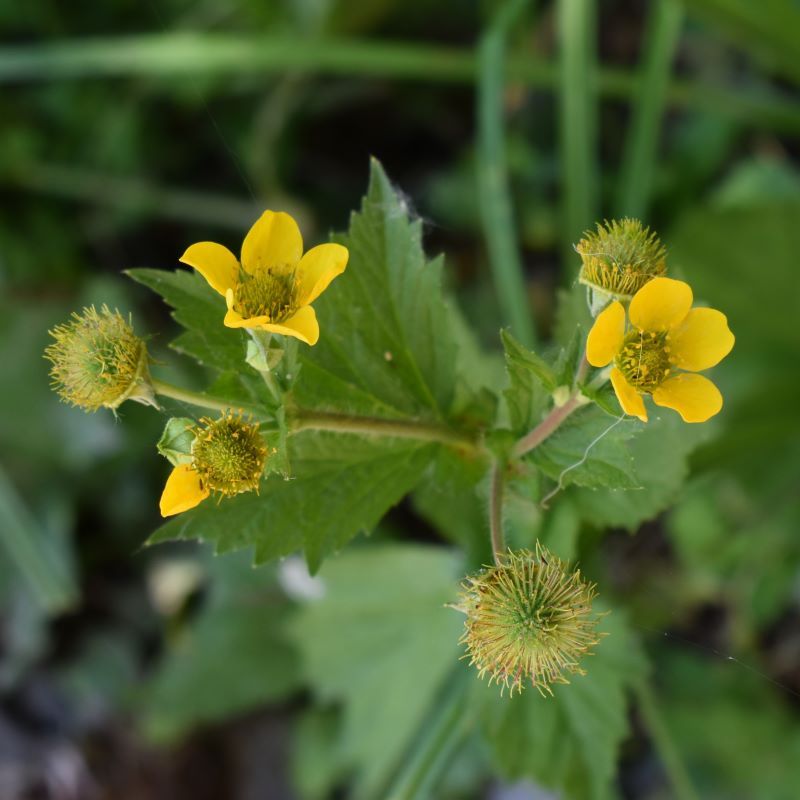
Not every plant looks at deep shade and backs away. Large-leaved avens, known scientifically as Geum macrophyllum, leans right into those tough conditions and comes out looking lush and full.
It is a native wildflower that grows naturally under forest canopies across the Pacific Northwest, so it already knows how to work with low light and root competition.
The leaves are the real star here. They are big, textured, and a rich shade of green that makes bare ground disappear fast.
In spring, small yellow flowers appear on tall stems, adding a cheerful pop of color before fading back into the foliage by summer. The plant does not demand much attention once it settles in.
It handles moist, shady spots especially well. Under trees that hold moisture in the soil, this plant spreads steadily without becoming aggressive.
It stays low enough not to compete with shrubs but fills in ground-level gaps beautifully. Gardeners in wetter parts of this state often find it naturalizes on its own once planted nearby.
It pairs well with other natives like sword ferns and trillium, creating a layered woodland look.
If you want a ground cover that feels right at home under native trees, large-leaved avens earns its spot on this list without much fuss.
2. Pacific Sanicle Covers Woodland Soil Without Looking Messy
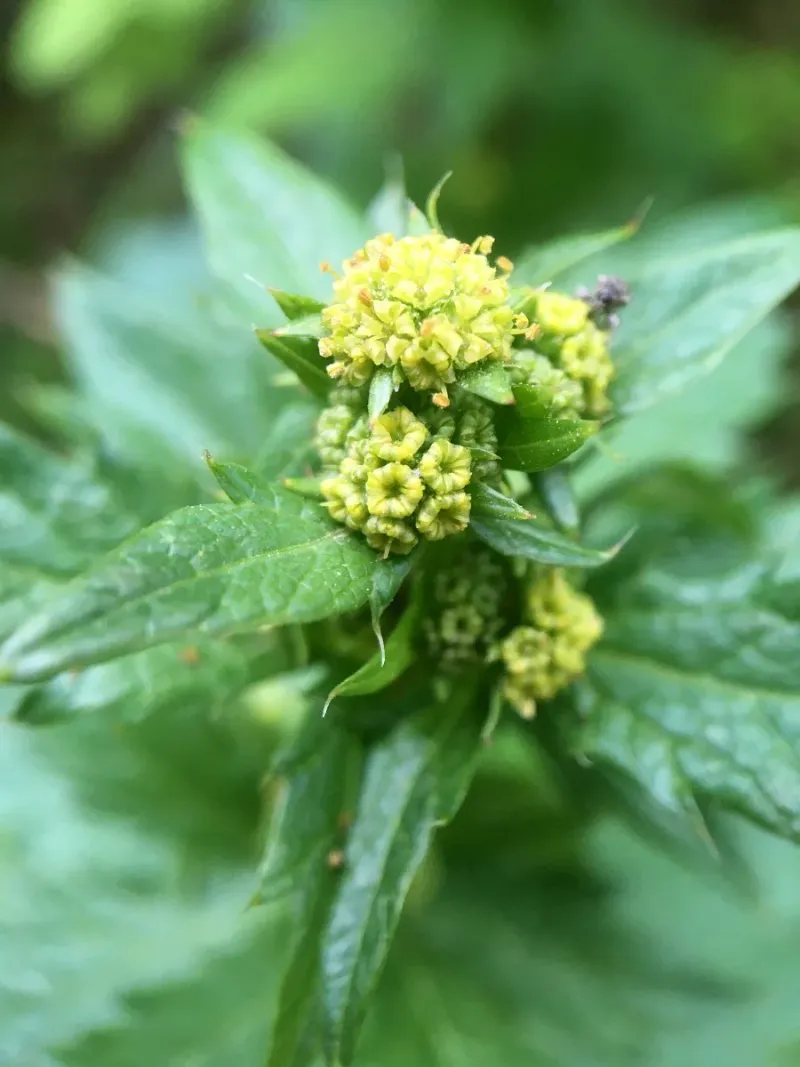
Some ground covers creep in and take over everything in sight. Pacific sanicle is not one of them.
This low-growing native plant, Sanicula crassicaulis, spreads at a calm and steady pace, covering bare soil without crowding out everything around it.
That makes it a great choice for spots where you want coverage but not chaos.
The leaves are glossy and deeply lobed, giving them a clean, almost elegant look even in deep shade.
They stay green through much of the year in mild areas of this state, which means your tree bases look tidy even in winter.
Small greenish-yellow flowers appear in spring, but the foliage is really what carries this plant through the seasons.
Pacific sanicle grows naturally in oak woodlands and mixed forests, so it is well-adapted to the dry summer conditions that often come with tree shade.
Your Oregon Garden Changes Every Week. Your Plan Should Too.
Gardening in Oregon changes quickly throughout the season. Every Friday you’ll receive a simple weekly plan showing exactly what to plant, prune, fertilize, harvest, and protect so you never miss the right timing.
Once established, it needs very little water, which is a huge plus during our warm, dry months.
It works well under oaks, madrones, and other trees that create dry shade in summer.
Planting it alongside other woodland natives like inside-out flower or wood violets creates a layered, natural look that feels intentional without requiring constant upkeep.
For a clean, no-fuss ground cover that respects its neighbors, this plant is a reliable and attractive option worth trying.
3. Pathfinder Adds A Quiet Green Layer Under Trees
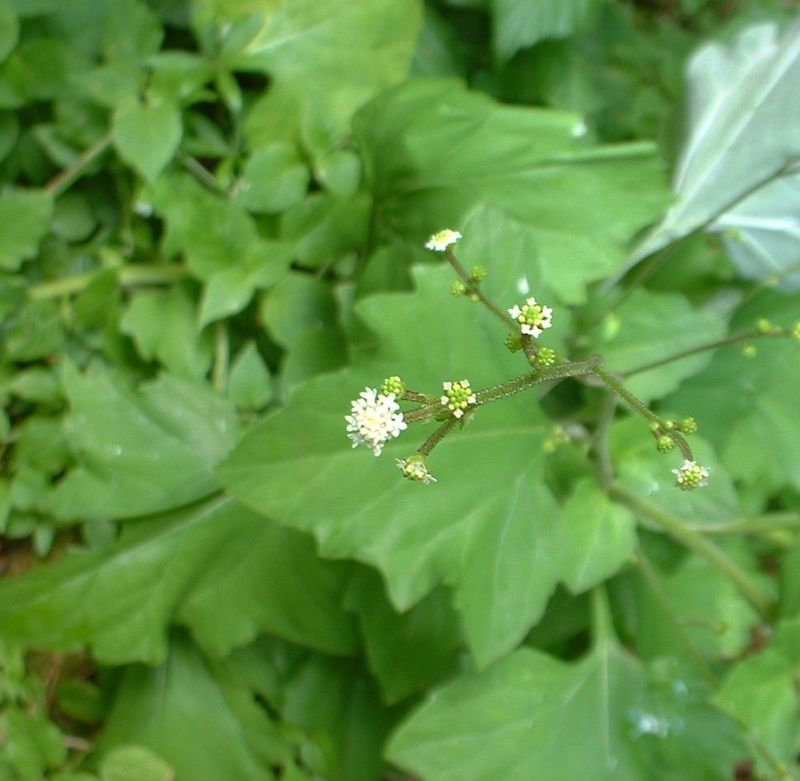
There is something quietly beautiful about a plant that does its job without demanding attention. Pathfinder, or Adenocaulon bicolor, is exactly that kind of plant.
It grows in the deep shade of conifer forests, covering the forest floor with broad, heart-shaped leaves that shimmer silver underneath when the wind moves through them.
That silver underside is actually one of its most distinctive features. Early travelers reportedly used it as a trail marker because flipped leaves left a visible path through the forest.
Today, gardeners use it to mark the transformation of a bare, struggling patch of ground into something that looks like it belongs in the wild.
Pathfinder thrives in the kind of deep, dry shade that stumps most other plants. Under dense conifers where little else grows, it spreads slowly but surely, filling in gaps with a soft, layered look.
It does not get very tall, usually staying under two feet, which means it works well as a ground layer without blocking light from nearby shrubs.
The tiny white flowers that appear in summer are modest, but the foliage more than makes up for it.
In areas with rich, well-drained forest soil, this plant can naturalize beautifully over time.
It is a subtle, steady performer that rewards patient gardeners who give it a chance to settle in on its own terms.
4. False Lily-Of-The-Valley Spreads Through Cool Woodland Edges
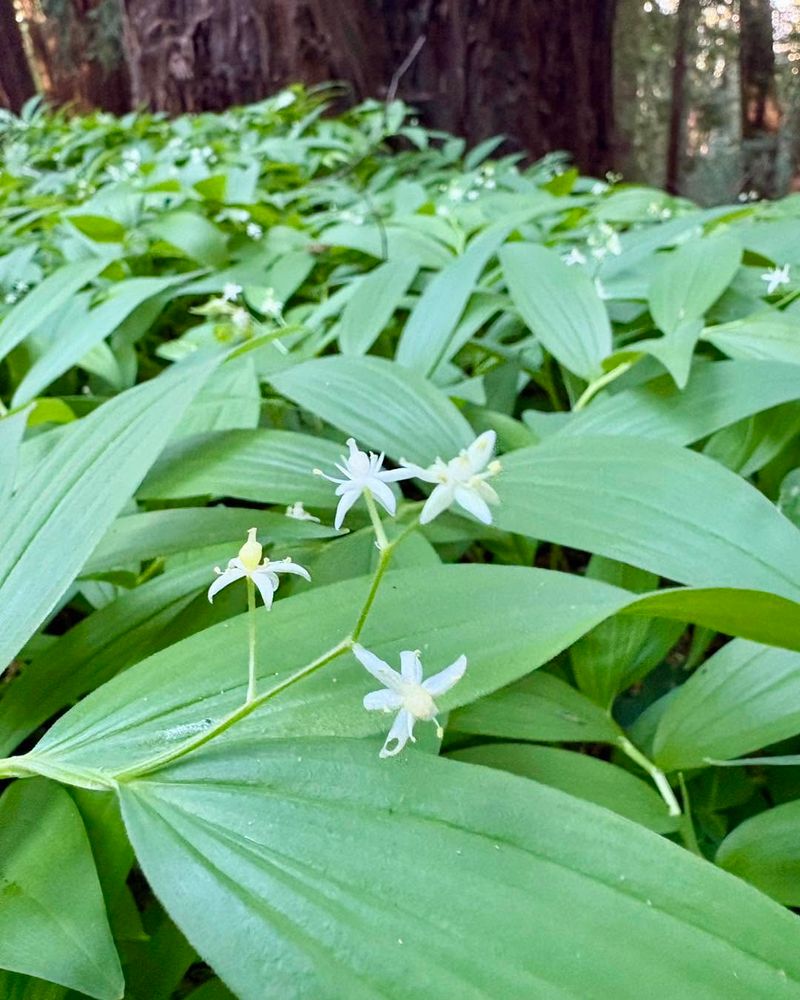
Few native plants spread as cheerfully or as reliably as false lily-of-the-valley. Maianthemum dilatatum is a low-growing perennial that creates a dense, weed-suppressing mat of glossy heart-shaped leaves.
It is especially happy in cool, moist spots near streams, in low-lying areas, or under trees that hold moisture in the soil through summer.
In spring, small clusters of white flowers rise above the foliage, filling the air with a light, sweet fragrance.
By late summer, those flowers give way to small red berries that attract birds and add seasonal interest to the planting.
The leaves stay vibrant and green well into fall, which keeps the area looking alive even after most other plants have faded.
Once established, this plant spreads steadily through underground rhizomes, filling in bare patches without needing much help.
It handles competition from tree roots surprisingly well, especially in areas where the soil stays moist.
It pairs naturally with sword ferns, trillium, and bleeding heart for a layered, lush woodland floor.
In wetter, shadier corners of the yard, it can naturalize over several seasons, eventually covering large areas with minimal care.
Gardeners who want a ground cover that looks wild and intentional at the same time often reach for this one first.
It earns its reputation as one of the most reliable woodland spreaders in the Pacific Northwest garden.
5. Starflower Makes Bare Shade Look Like A Forest Floor
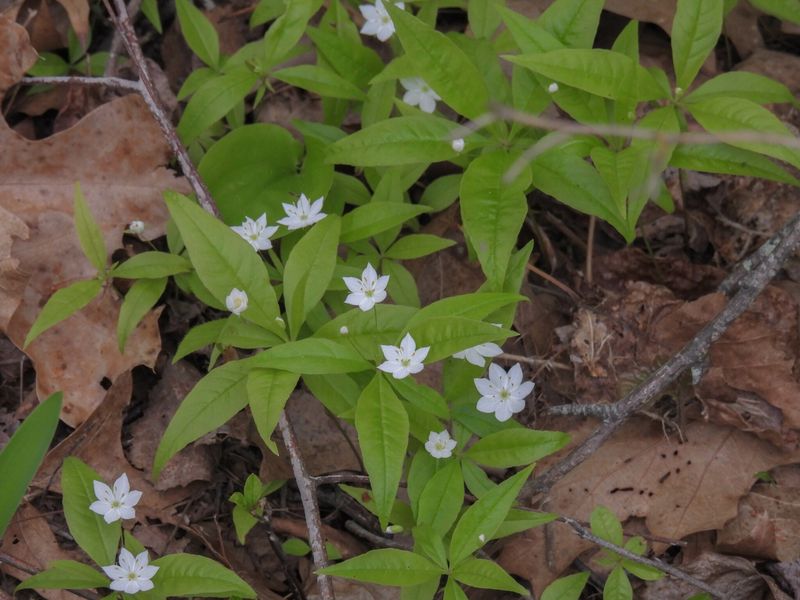
Tiny plants can make a big impression. Starflower, or Trientalis latifolia, is proof of that.
Standing just a few inches tall, it produces a neat whorl of leaves with one or two delicate pink or white star-shaped flowers rising from the center in spring.
It looks like something straight out of a fairy tale, and finding it naturalized under your trees feels like a small discovery every time.
Native to forests across the Pacific Northwest, starflower grows from small underground tubers that spread slowly over time. It is not a fast-spreading ground cover, so patience is part of the deal.
But once it establishes, it fills in quietly and reliably, adding texture and charm to the darkest corners of the yard.
This plant prefers rich, well-drained soil with plenty of organic matter. Under conifers where needle duff builds up over time, it often finds exactly what it needs.
It pairs well with other small woodland plants like wood sorrel, trillium, and inside-out flower, creating a layered look that mimics a natural forest understory.
Because it stays so small, it works especially well near the base of large trees where taller plants would look out of place.
For gardeners who want their shady spots to feel like a real forest floor, starflower brings that quiet, wild magic without requiring much effort at all.
6. Youth-On-Age Handles Moist Tree Shade With Lush Leaves
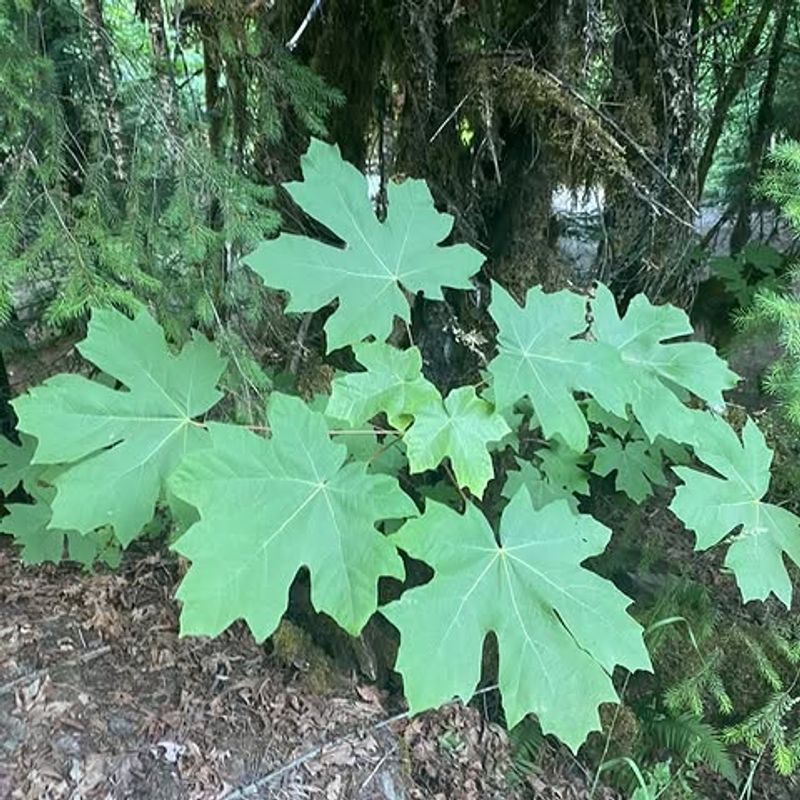
One of the most charming quirks in the native plant world belongs to youth-on-age.
Tolmiea menziesii gets its name because tiny plantlets sprout at the base of parent leaves, creating a leaf on leaf look.
It is a conversation starter every time someone notices it for the first time.
Beyond the novelty, this plant is a genuinely tough performer in moist, shaded spots. It forms a dense, spreading clump of textured, maple-like leaves that cover bare soil quickly and effectively.
Under trees near streams, downspouts, or low-lying areas where moisture collects, it thrives with almost no help from the gardener.
The leaves are bright green and deeply lobed, giving the planting a bold, lush texture even in low light.
In spring, tall spikes of small reddish-brown flowers add a bit of vertical interest before the plant settles back into its leafy summer form.
Youth-on-age spreads through both its plantlets and underground stems, filling in gaps steadily over time.
It handles heavy shade better than most ground covers, making it especially useful under dense canopies where little else will grow.
Pairing it with mosses and ferns creates a rich, layered look that feels genuinely wild.
For wet, shady trouble spots under trees, few plants offer this much coverage with this little fuss.
7. Oak Fern Adds Delicate Texture Under Oregon Trees
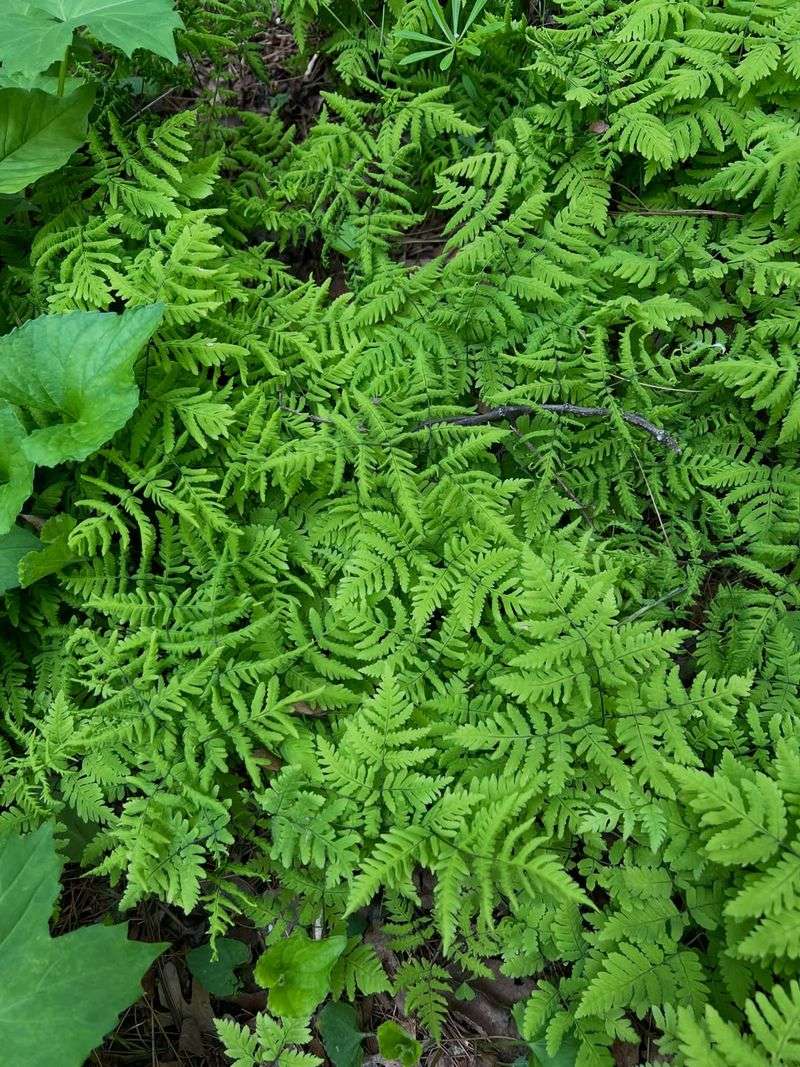
Not all ferns look the same, and oak fern makes that point clearly.
Oak Fern produces bright, triangular fronds that hold themselves horizontally on wiry stems, creating a light and airy texture that heavier ferns just cannot match.
In a shaded garden, that delicacy is exactly what the space needs to feel balanced and alive.
This fern stays relatively small, usually reaching about eight to twelve inches tall, which makes it ideal for filling in the lower layer under trees without overwhelming the space.
It spreads through slender underground rhizomes, slowly colonizing bare patches of soil over several seasons.
The fresh, lime-green color of the new fronds in spring is one of the brightest things you will see in a shaded garden.
Oak fern prefers moist, slightly acidic soil with good drainage and plenty of organic matter.
It grows naturally in coniferous forests across northern and mountainous regions of this state, so it is well-adapted to the conditions under Douglas firs and western red cedars.
It pairs beautifully with trillium, starflower, and false lily-of-the-valley, adding a fine-textured contrast to their broader leaves.
Because it spreads gently and stays short, it rarely causes problems for neighboring plants.
Gardeners who want texture and movement in a shaded planting often find that oak fern fills that role better than almost anything else available.
8. Licorice Fern Tucks Into Mossy Roots, Logs, And Shady Corners
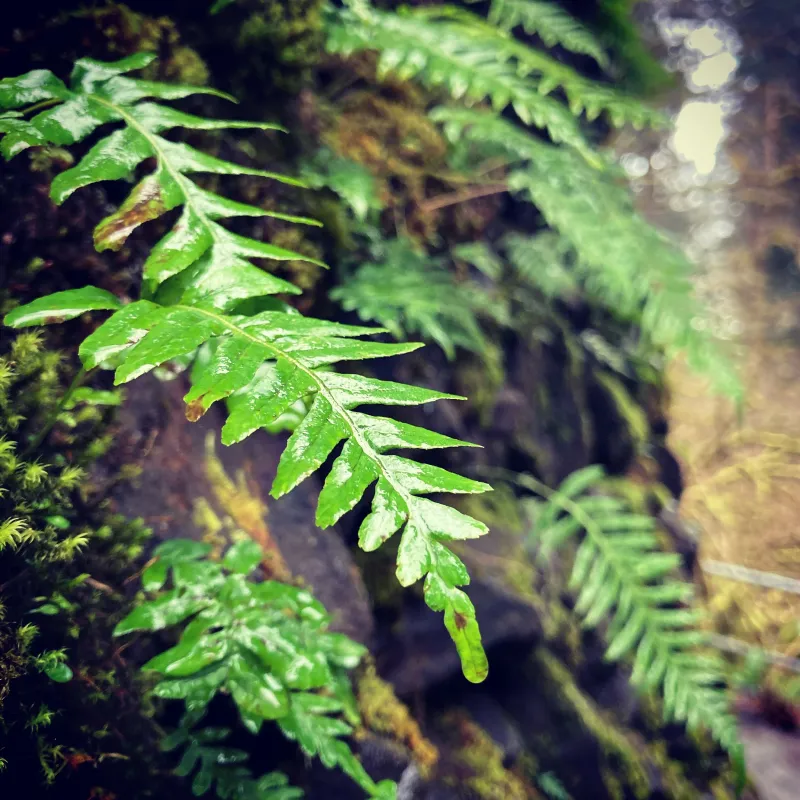
Growing sideways out of a mossy tree trunk is not something most plants can pull off. Licorice fern does it naturally and beautifully.
Polypodium glycyrrhiza is an epiphytic fern, meaning it grows on surfaces like bark, mossy logs, and rocky outcrops rather than rooting into the ground.
In the Pacific Northwest, it is one of the most iconic sights on big-leaf maple trunks during the rainy season.
The name comes from the rhizomes, which have a mild licorice flavor when chewed.
Indigenous communities across this region used those rhizomes medicinally and as a food flavoring for generations. That history alone makes this fern worth knowing.
In the garden, licorice fern works in places where nothing else fits. Tuck it into cracks in mossy logs, nestle it between exposed tree roots, or let it colonize the base of a rocky wall in deep shade.
It goes dormant in summer when conditions dry out, then revives with the first fall rains, turning shaded corners bright green just when the rest of the garden is slowing down.
That fall green-up is one of the most welcome sights in a wet-climate garden. It pairs well with mosses, youth-on-age, and sword fern for a richly textured, layered look.
For shady nooks that seem impossible to plant, licorice fern finds a way where others cannot.