What To Do With Japanese Barberry Before New Jersey’s 2027 Sale Ban
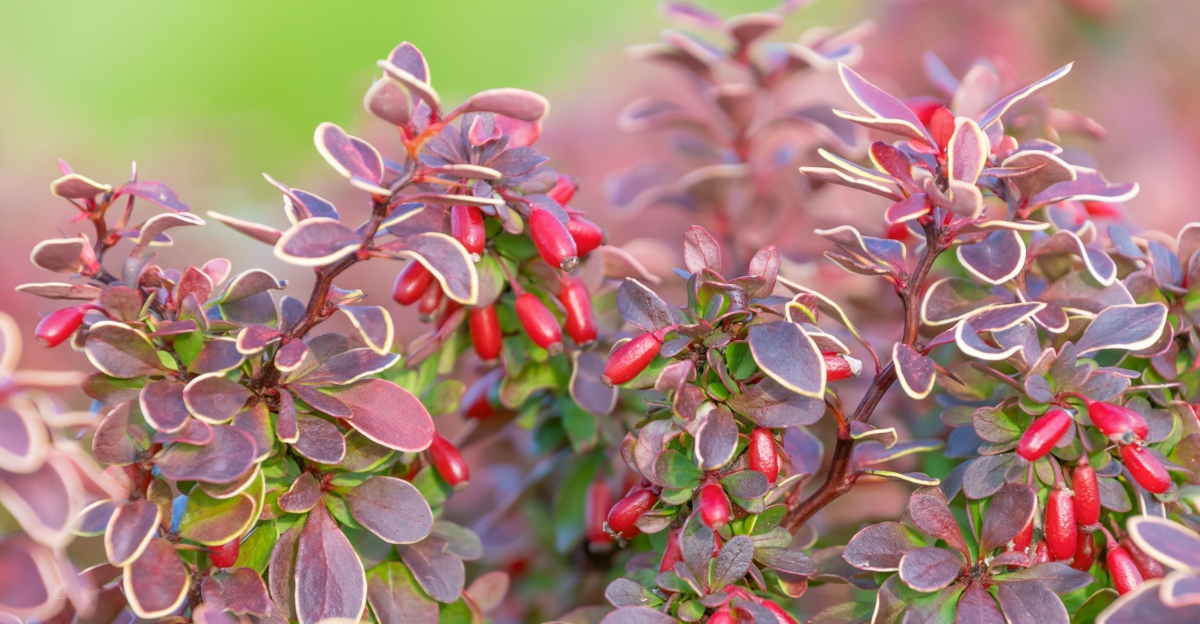
Drive through a New Jersey woodland in early spring. You’ll spot it before anything else greens up.
A thicket of tidy red berries and wiry branches. It looks almost decorative against the bare trees.
That’s Japanese barberry, and its quiet takeover has finally caught up with it. New Jersey’s new Invasive Species Management Act cuts off propagation and imports in 2027.
That’s the first domino in a phase-out that ends with a full sales ban by 2030. For most gardeners, 2027 is the date that matters. Nurseries lose the ability to restock once growers can no longer propagate new plants.
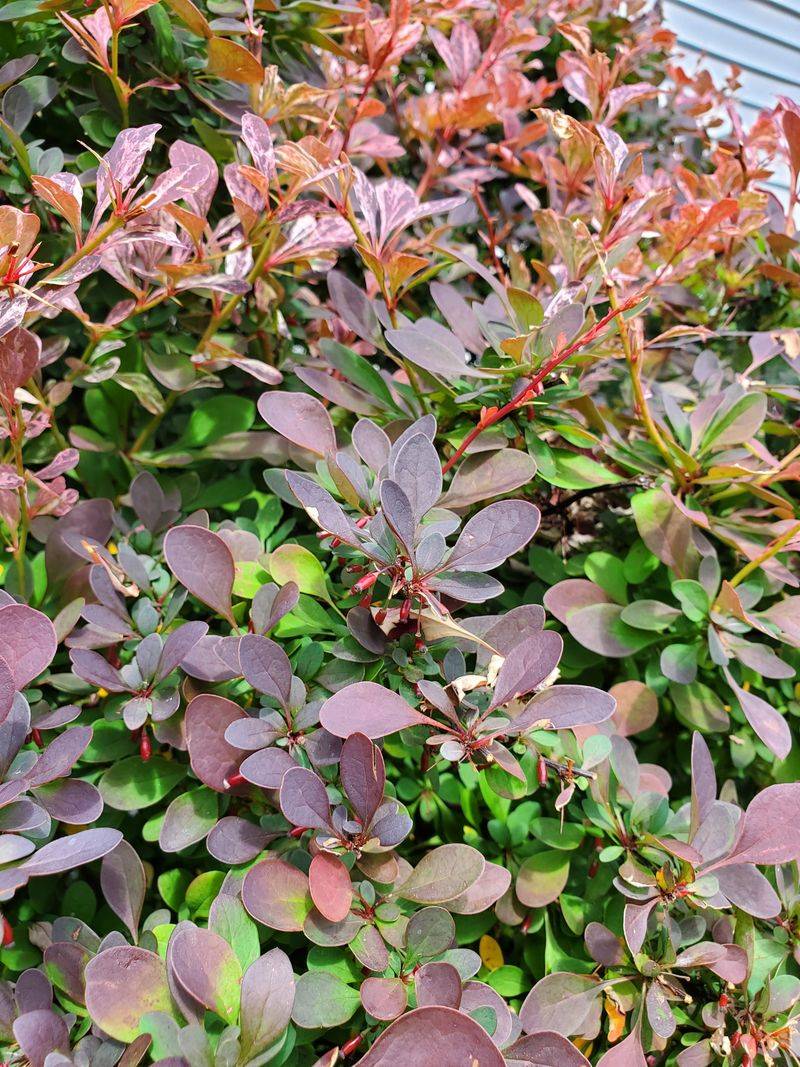
Underneath those pretty leaves, barberry builds dense mats. They crowd out seedlings, alter soil chemistry, and trap humidity, exactly the microclimate ticks love to breed in.
If your yard has even one clump tucked near a fence line, treat this shift as your cue, not your countdown. Removing an established shrub takes planning and timing, sometimes more muscle than expected.
1. Remove Existing Barberry Shrubs Now
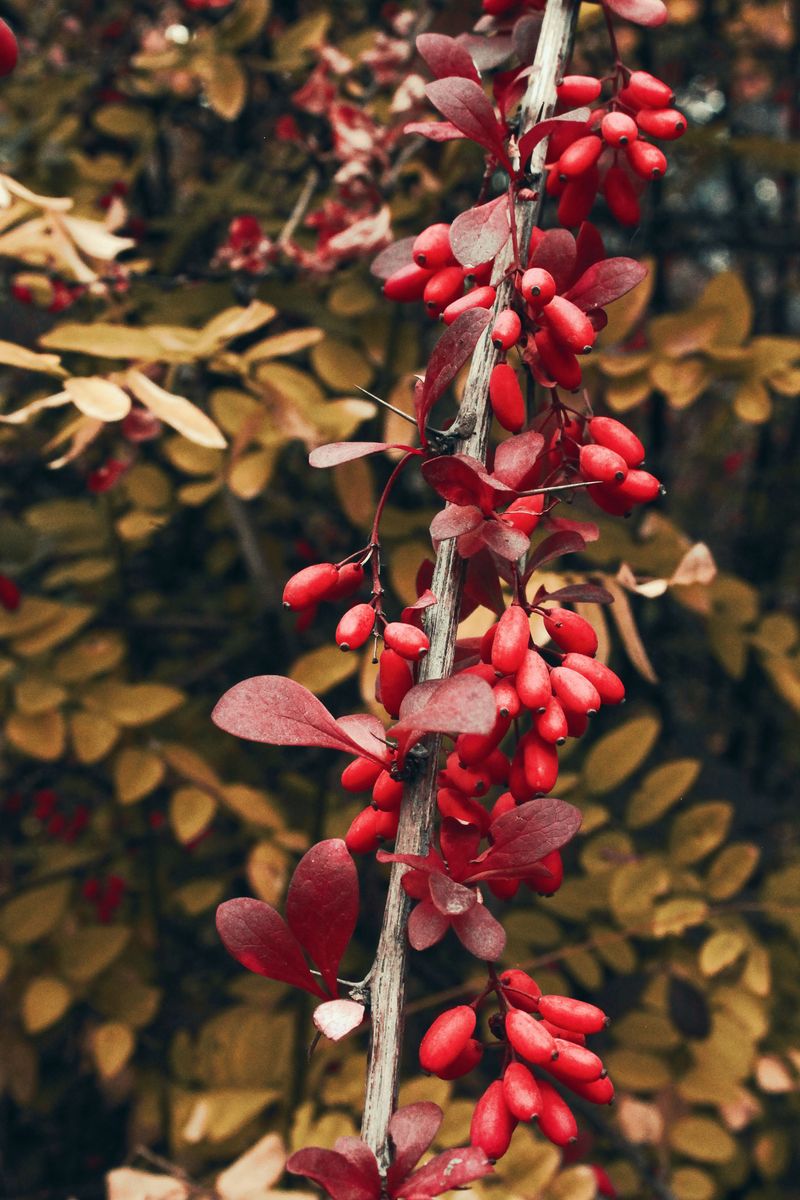
Barberry does not surrender its ground easily. Japanese barberry does not go quietly, and waiting for the rules to force your hand only makes the job harder.
Start by suiting up properly. Thick leather gloves are non-negotiable because those spines are sharp and relentless.
Long sleeves protect your arms from scratches that linger for days. A sharp spade or mattock works best for digging out the root ball.
You want to get the entire root system, not just the visible stems. Leaving roots behind means the shrub grows back fast. For larger specimens, a pair of loppers helps cut the plant down before digging.
This makes the job safer and much more manageable. Smaller sections are easier to handle and bag. Timing matters here.
Late fall or early spring, when the ground is soft and leaves are gone, makes removal far easier.
Avoid working in summer heat when the soil is dry and hard. Check local disposal rules before tossing anything in the trash.
Many municipalities require invasive plants to be bagged separately. Some towns even host invasive species drop-off events.
Once the shrub is out, do not leave the soil bare. Bare ground is an open invitation for new weeds to move in.
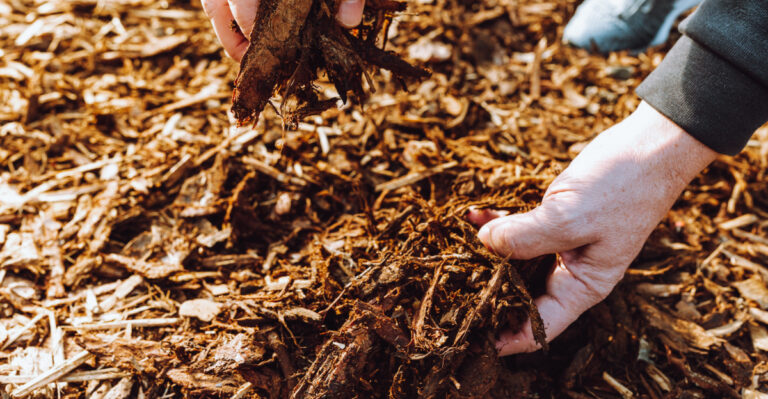
A layer of mulch buys you time while you plan your next planting. Getting rid of Japanese barberry now saves you from scrambling once the propagation ban locks in.
2. Replace With Native Shrubs Instead
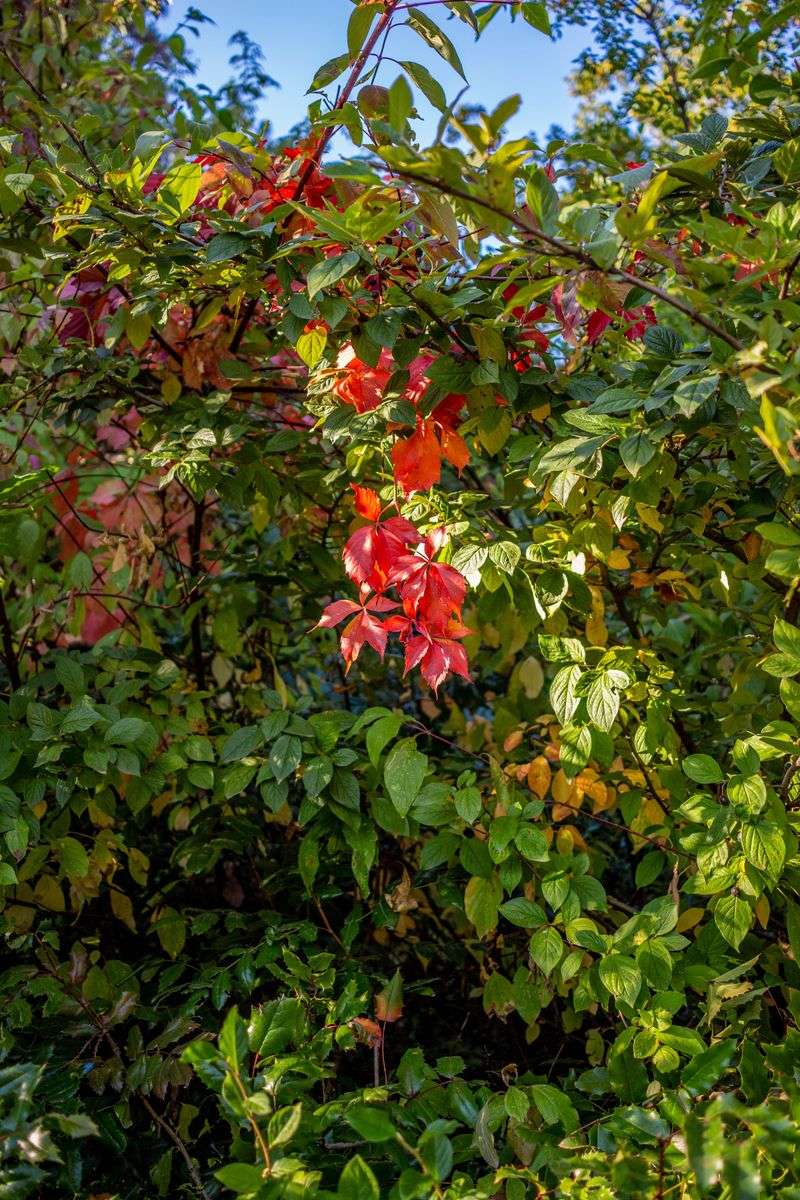
There’s a better shrub for every spot barberry used to fill. Native shrubs offer everything barberry promised, but without the ecological baggage or the shrinking legal window.
Spicebush is one of the best swaps you can make. It has gorgeous yellow fall color, fragrant leaves, and red berries that songbirds absolutely love.
Planting it feels like doing a favor for every bird in the neighborhood. Inkberry holly is another solid choice for shadier spots.
It stays compact, handles wet soil like a champ, and produces dark berries that wildlife finds irresistible. Best of all, it is evergreen, so your yard looks good year-round.
Your New Jersey Garden Changes Every Week. Your Plan Should Too.
Gardening in New Jersey changes quickly throughout the season. Every Friday you’ll receive a simple weekly plan showing exactly what to plant, prune, fertilize, harvest, and protect so you never miss the right timing.
Buttonbush thrives near water features or low-lying areas. Its unusual round flowers look like tiny fireworks and attract butterflies and bees with impressive consistency.
Few native shrubs put on a show quite like this one. Virginia sweetspire works beautifully as a border plant. It has drooping white flower clusters in early summer and stunning red fall foliage.
Deer tend to avoid it, which is always a bonus in New Jersey suburbs. Choosing natives is not about compliance, it’s about giving your yard something that actually belongs there.
These plants evolved alongside local insects, birds, and soil conditions. They require less water, fewer chemicals, and almost no babysitting once established.
Native shrubs also support pollinators that barberry simply cannot. A yard full of native plants becomes a mini ecosystem that hums with life.
Replacing Japanese barberry with these options might be the smartest swap in your entire garden.
3. Check For Tick Habitat Nearby
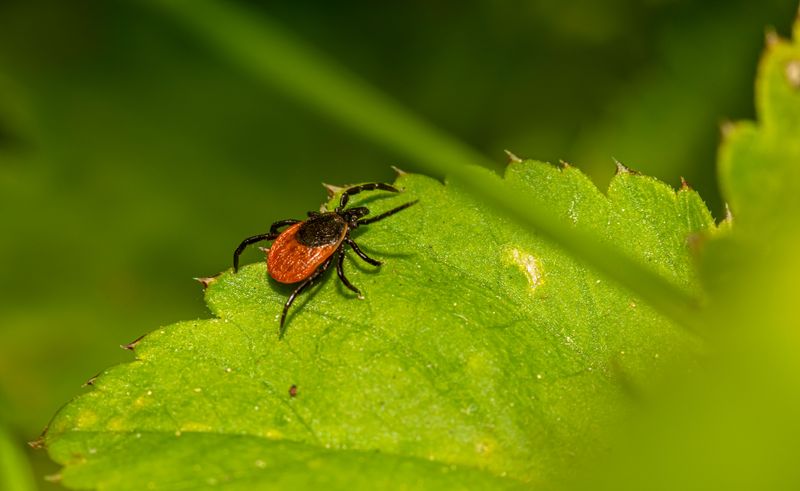
That hedge might be doing more than blocking your neighbor’s view. Studies have shown that Japanese barberry creates ideal conditions for black-legged ticks to thrive beneath its canopy.
The shrub’s dense, low-growing structure traps moisture and creates shade. That combination is exactly what ticks need to survive through dry summers.
Fewer barberry plants in a yard often means fewer ticks nearby. Research out of Connecticut and Maine has found black-legged ticks turning up roughly twice as often in barberry stands compared to areas without the shrub.
The correlation is strong enough that removing the shrub is considered a legitimate tick management strategy. That’s reason enough to act, regardless of what the calendar says about legal timelines.
Walk your property and look for areas where barberry grows close to lawn edges or paths. These transition zones are where humans and ticks meet most often.
Prioritize removing shrubs in those spots first. After removal, check the area for leaf litter and debris that could still harbor ticks.
Raking and clearing that material reduces habitat even further. A clean, open ground surface is far less hospitable to tick populations.
Talk to your neighbors too. If their yard is full of barberry, ticks do not respect property lines.
A neighborhood-wide approach to removal has a much bigger impact than solo efforts. Protecting your family from tick-borne illness is motivation enough to act fast.
Removing Japanese barberry ahead of the state’s timeline is not just good garden practice. It’s a health decision disguised as yard work.
4. Choose Sterile Cultivars Only
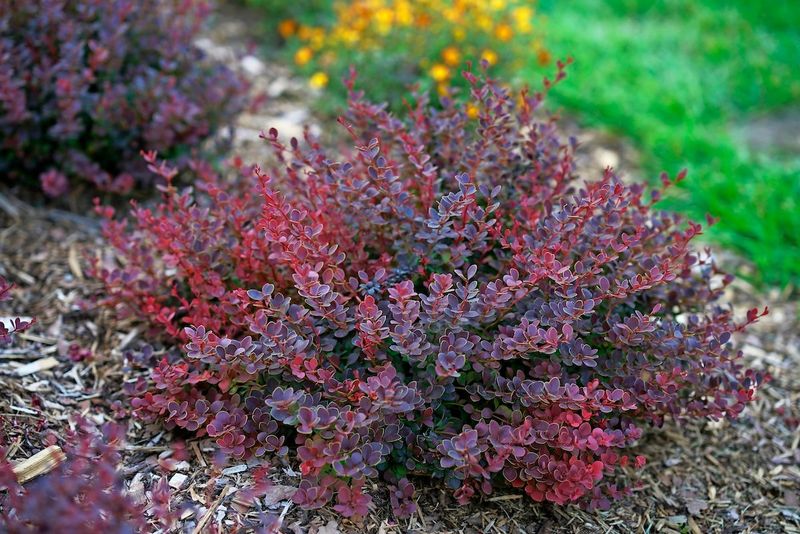
Some barberry is worse than others, and the difference matters. If you love the look of this shrub and are not ready to part with it entirely, sterile cultivars are your legal and ecological lifeline.
Sterile varieties produce little to no viable seed. That means birds cannot spread them into the wild, which is the main reason regular barberry became such a problem in the first place.
Choosing sterile means you can still enjoy the plant without guilt. Look for the WorryFree series, including Crimson Cutie and Lemon Glow, developed specifically to produce aborted seed that never germinates.
Sunjoy Neo and Sunjoy Mini Maroon are other genuinely sterile options worth asking for by name.
Not every red-leafed barberry on the shelf is the safe kind. Older favorites like Crimson Pygmy are not reliably sterile, despite their popularity, so don’t assume a familiar name means a safe one.
Always check the plant tag or ask a knowledgeable staff member before purchasing. Keep in mind that propagation of new barberry stock, sterile or not, becomes restricted once the 2027 rule takes hold, and sales taper off entirely as 2030 draws closer.
Buy now if you want them, because the window is closing gradually, not all at once. Stock up while reputable nurseries still carry certified sterile stock.
Planting sterile cultivars in containers is another smart option. Container planting limits any root spread and makes removal easier down the road.
It also gives you flexibility if regulations tighten further. Do not confuse sterile with maintenance-free, though. These plants still need proper watering, pruning, and care.
A neglected sterile cultivar can still become a leggy eyesore without attention. Going sterile lets you keep the look without feeding the problem.
5. Buy Remaining Stock Early
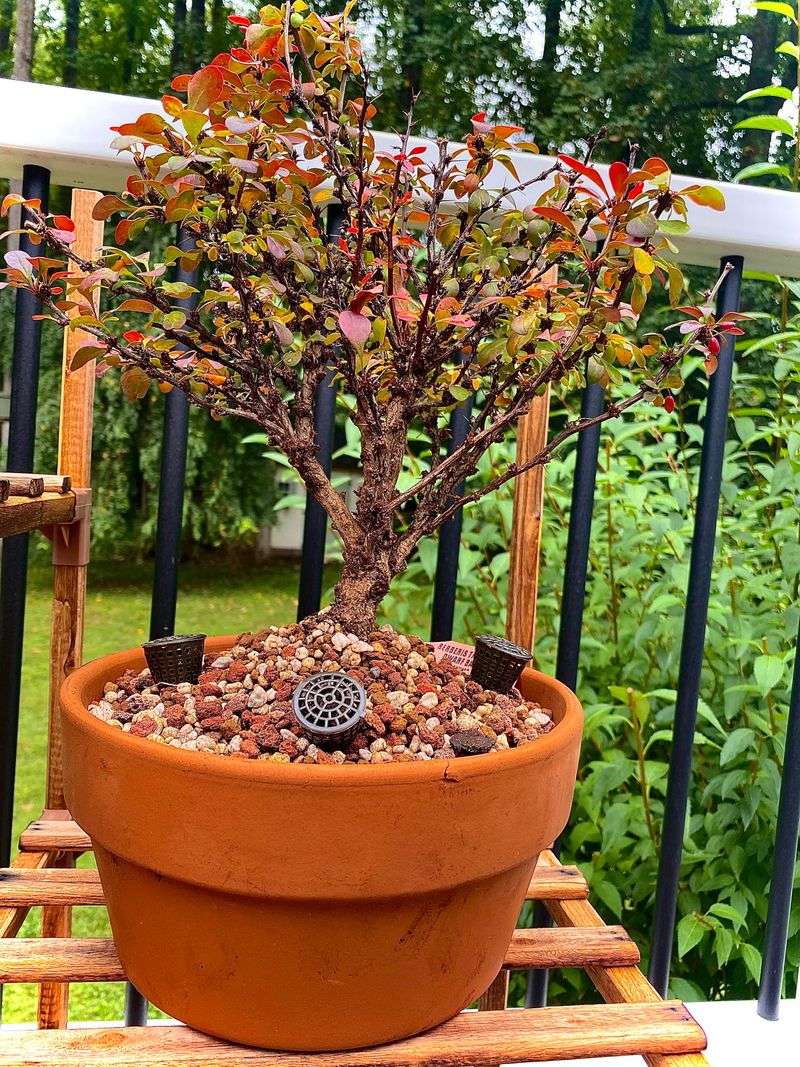
Nurseries already feel the countdown, and their shelves show it. Growers have over four years before the sales ban fully lands, but propagation restrictions arriving in 2027 mean the supply pipeline starts narrowing well before then.
Growers across the state are beginning to phase out barberry production in anticipation of both cutoff dates.
That means fewer plants each season, with prices likely rising as supply shrinks. Acting early gets you better selection and better prices.
Visit local independent nurseries rather than big box stores for the best advice. Staff at smaller garden centers often know exactly which varieties are still legal and available.
They can also tell you what is coming in stock before it hits the sales floor. When you shop, bring a list of the specific cultivars you want.
Knowing the difference between a regulated variety and a sterile one saves you from making a purchase you will regret. Ask for documentation or labeling that confirms the plant is compliant.
Buy in early spring or fall for the best transplant success. Plants purchased in peak summer heat are more stressed and harder to establish. A little patience with timing pays off in healthier, faster-growing shrubs.
Consider buying a few extras to share with neighbors or family members who also want to get ahead of the changes. Buying in small bulk sometimes earns a discount at local nurseries.
A shared purchase benefits everyone and spreads the cost around. Buy now, and the timeline stays yours instead of Trenton’s.
6. Consult NJDEP’s Native Plant Guide
Skip the guesswork and start with an actual source. The law requires the New Jersey Department of Environmental Protection to publish a native plant guide with identification resources and alternatives within the first year of enactment.
Check whether it’s live before your next nursery trip. The guide is designed to list plants by sun exposure, soil type, and moisture level.
That specificity is what should separate it from the usual plant lists floating online. You can find options that match your exact yard conditions without trial and error.
Finding the guide is simple. Head to the NJDEP website and search for invasive species or native planting resources.
Official state information tends to be well-organized and updated as new research emerges.
Print out a section or save it to your phone before heading to a nursery. Having the list in hand prevents impulse buys that end up wrong for your space.
Nursery staff appreciate customers who arrive prepared with specific plant names. The guide also explains why certain plants are flagged as invasive.
Understanding the ecological reasoning behind the barberry restrictions makes you a smarter, more intentional gardener.
That kind of knowledge shapes every planting decision you make afterward. Beyond barberry, you might discover other plants in your yard that are on the invasive watch list.
The law covers 30 species total, not just one shrub. A single afternoon of reading can reshape how you think about your entire landscape.
Consulting official resources before making changes ensures your garden choices align with both local law and long-term environmental health. Few shortcuts beat starting with the right list.
7. Dispose Of Cuttings Properly
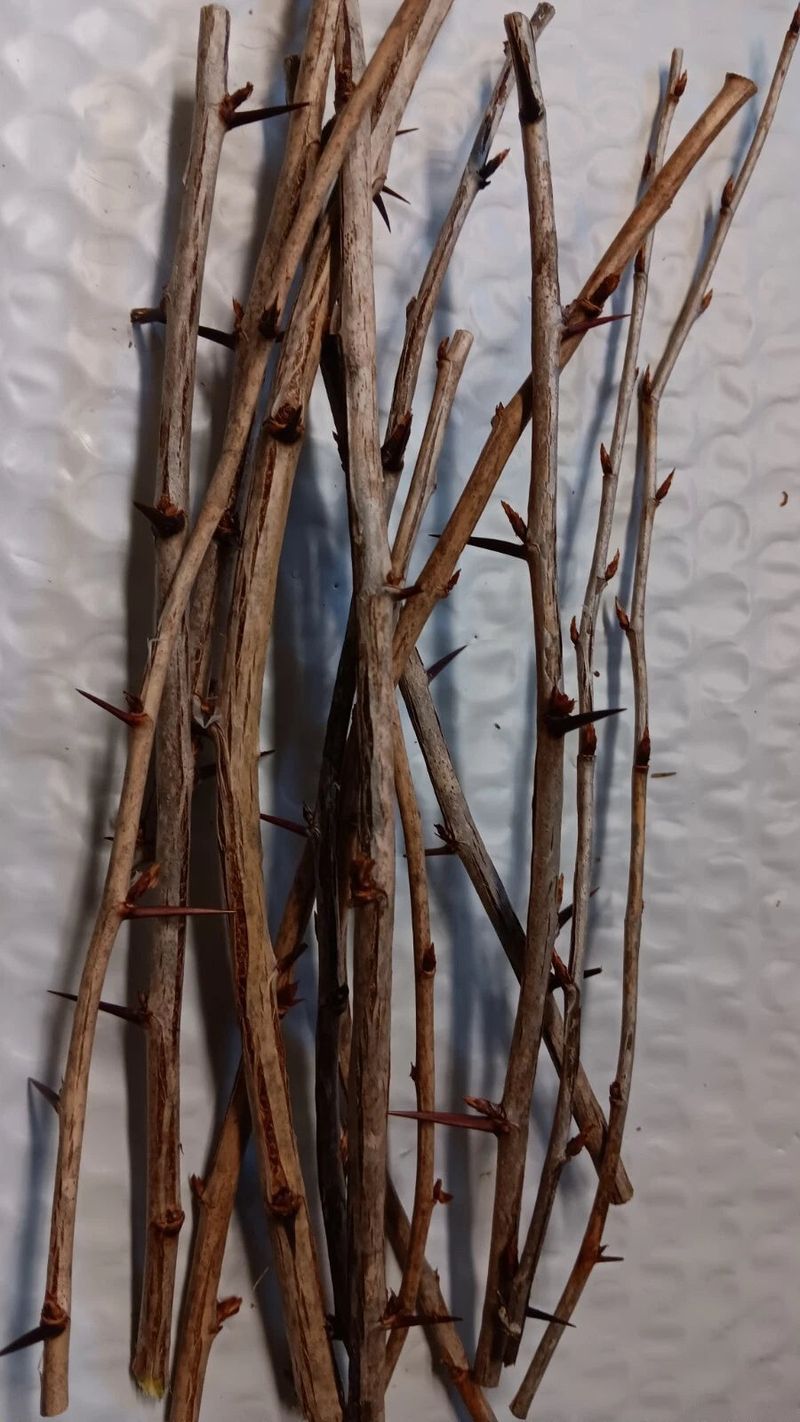
Composting barberry cuttings feels responsible. It’s actually one of the fastest ways to spread the problem.
Those berries contain seeds that survive composting and can sprout wherever the finished compost lands.
Bag everything in heavy-duty plastic bags before moving it anywhere. Double-bagging is smart because the thorns can puncture a single layer.
Seal each bag tightly before carrying it away from the removal site. Do not shred or chip barberry for mulch at home.
The seeds can still germinate in chipped material, especially if the berries were ripe when cut.
This is one plant where the standard mulching advice does not apply. Check with your municipality about accepted disposal methods.
Some towns accept bagged invasive plant material in regular trash pickup. Others require a separate drop-off at a designated facility or composting site that uses high-heat methods.
Burning is sometimes an option in rural areas, but always check local ordinances first. Open burning is restricted in many parts of the state.
Never burn near structures or dry vegetation, and always have water on hand. Volunteer groups and conservation organizations occasionally host invasive plant removal days with proper disposal built in.
Joining one of these events takes the logistics off your plate entirely. You show up, pull plants, and someone else handles the cleanup.
Disposal is the step that actually finishes the job. Skipping it undoes all the hard work you put into getting the shrub out of the ground.
8. Watch For Bird-Spread Seedlings
Pulling one shrub feels like victory. Birds may have other plans, and those plans started long before you ever picked up a shovel.
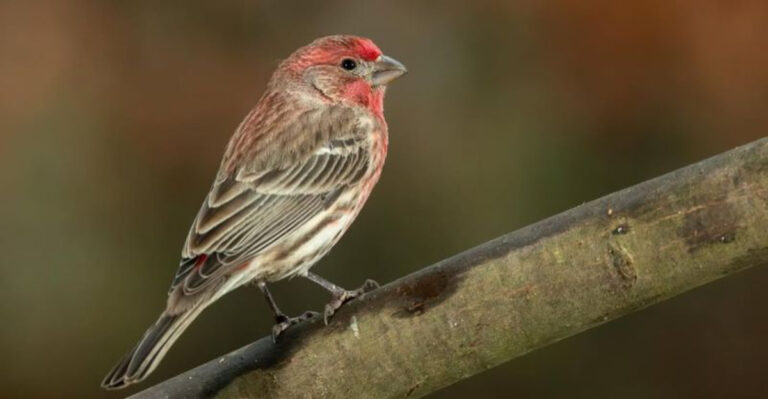
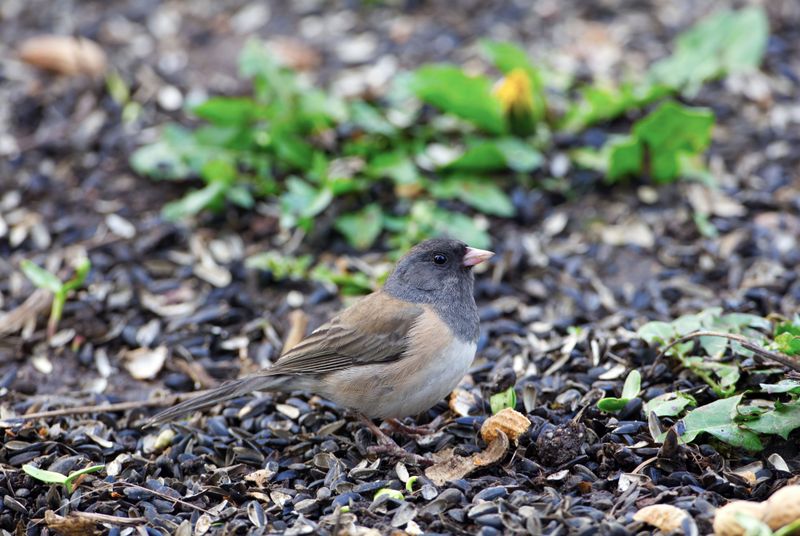
Birds eat the bright red berries and deposit seeds in droppings across your yard and beyond. A single shrub can produce hundreds of berries in a season.
That math adds up to a lot of potential seedlings the following spring. Seedlings are easy to miss because they start small and blend into mulch or lawn edges.
Check your garden beds carefully in early spring when new growth is just emerging. A tiny barberry seedling has the same spiny character as its parent, which helps with identification.
Pull seedlings by hand as soon as you spot them. Young plants have shallow roots and come out with minimal effort.
Waiting even a few weeks allows the root system to anchor deeper and makes removal much harder.
Focus your search near bird feeders, fence lines, and woodland edges where birds perch and rest. These are the hotspots where droppings, and therefore seeds, land most often.
Checking these zones early saves you from a much bigger problem later. Keep a small trowel and a bag handy during your regular garden walks.
Removing seedlings on the spot prevents them from establishing before you return with better tools. A five-minute check each week beats one exhausting cleanup in May.
Watching for these seedlings is how you stay ahead of barberry long after the state’s restrictions fully take hold.