California Homeowners Should Add These Fire-Resistant Native Plants Before August Arrives
Every summer, California homeowners watch the hills turn golden and dry, and many wonder if their yard is ready.
What you plant around your home matters more than most people realize, and the good news is that some of the most beautiful California natives also happen to be among the smarter choices for fire-conscious gardening.
But here is the part that surprises most people: it is not just about the plants themselves.
Placement, spacing, regular pruning, irrigation, and keeping your yard free of dry debris are just as important as what you choose to grow.
No plant is fireproof, and that word should never enter the conversation. What matters are plants with traits that make them better suited for thoughtful, fire-aware landscaping.
Some of these plants bloom brilliantly right when the rest of the garden goes quiet in late summer.
Others suppress weeds, stabilize slopes, or fill the shaded spots under oaks where dry litter tends to accumulate.
Before August rolls in and the heat really locks down, these are the native plants worth adding to your California yard right now.
1. California Fuchsia
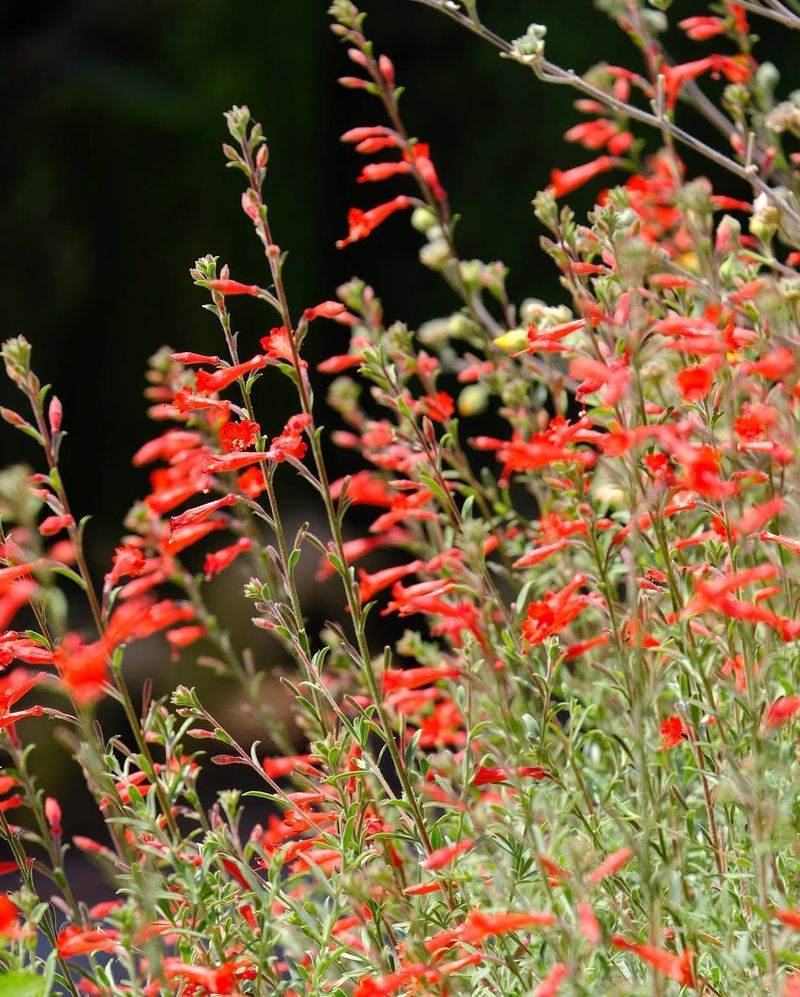
Few plants put on a show quite like this one does right when the rest of the garden starts to look tired and crispy.
California fuchsia bursts into vivid red-orange bloom in late summer and fall, exactly when most native plants have gone quiet. That timing alone makes it a standout in any fire-conscious California yard.
Zauschneria californica holds onto moisture in its leaves better than many drought-tolerant plants.
That higher moisture content is one reason it tends to be a smarter pick for zones away from the immediate home structure. Plant it in your outer defensible space zones, not right against the foundation.
Once established, it handles dry conditions well and needs very little water.
It spreads low and wide, which keeps the overall fuel load manageable. Cut it back in late winter or early spring to remove old woody stems and keep the plant tidy and compact.
Hummingbirds absolutely adore it, so you get wildlife value alongside the fire-smart benefits.
It works beautifully on slopes or along garden borders where you need color without bulk. Give it full sun and well-drained soil, and avoid overwatering once it gets going, because soggy roots can weaken the plant fast.
2. Coyote Brush
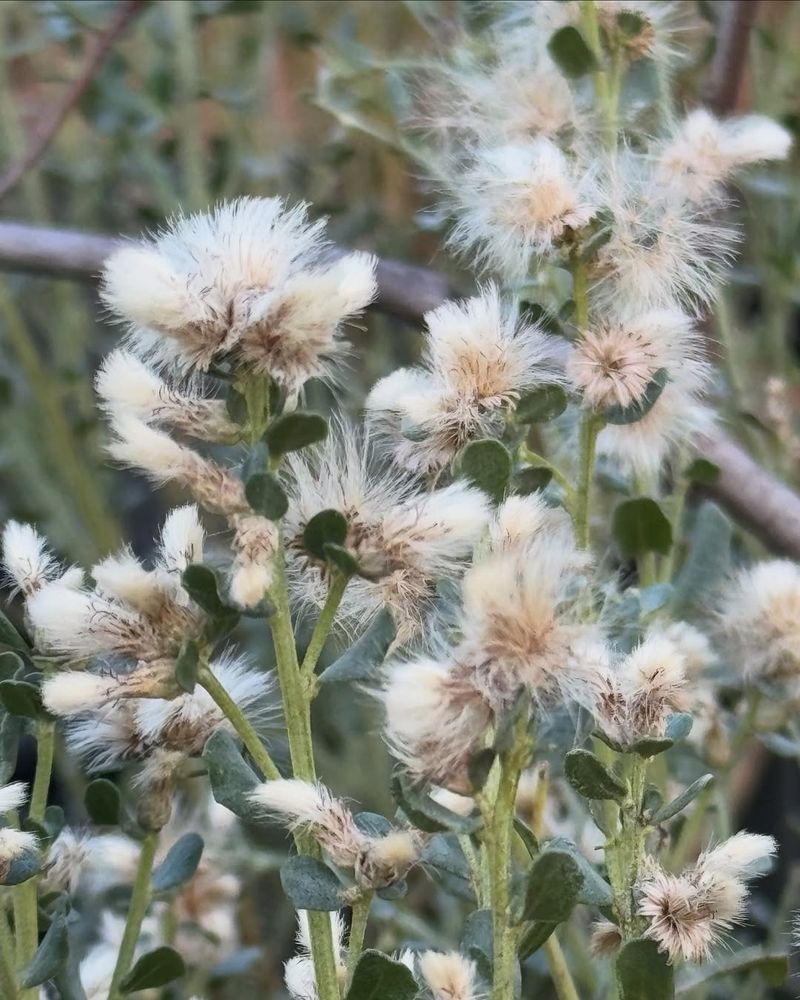
Tough, reliable, and deeply rooted in California landscapes, coyote brush is the kind of native shrub that earns its keep year after year.
Baccharis pilularis has been covering slopes and stabilizing soil across the state long before landscaping was even a word people used.
For homeowners with larger properties or sloped areas, it offers serious erosion control along with decent wildlife habitat.
Birds use it for shelter and nesting, and native bees visit the flowers in fall.
Here is where maintenance becomes non-negotiable, though. Coyote brush can get woody, dense, and cluttered if left alone for too long. Old growth accumulates dry material that raises fire risk, so regular pruning is essential.
Space plants generously so air circulates between them.
Your California Garden Changes Every Week. Your Plan Should Too.
Gardening in California changes quickly throughout the season. Every Friday you’ll receive a simple weekly plan showing exactly what to plant, prune, fertilize, harvest, and protect so you never miss the right timing.
Crowded shrubs dry out unevenly. CAL FIRE defensible space guidance recommends keeping shrubs well-spaced in Zone 1 and Zone 2 to reduce the way fire can travel across a yard.
Coyote brush thrives in full sun with minimal irrigation once established.
Remove any dired stems and thin the interior each year to keep the plant open, healthy, and as fire-smart as possible. Consistent care makes all the difference with this one.
3. Island Alum Root
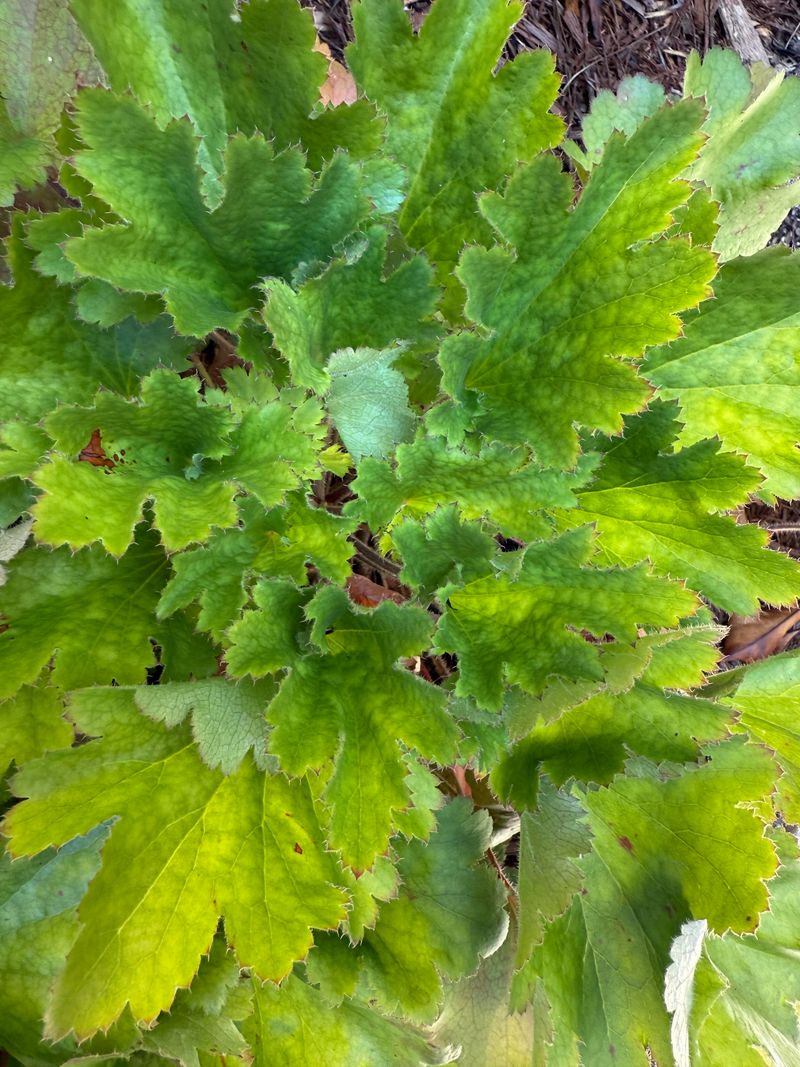
Not every corner of a fire-conscious yard needs a big shrub or a sprawling groundcover. Some spots call for something softer, lower, and a little more refined.
Island alum root, Heuchera maxima, fills that role with quiet confidence and genuinely attractive foliage.
Native to the Channel Islands, this perennial grows in clumps with rounded, scalloped leaves that stay relatively compact and tidy.
It prefers part shade, which makes it useful under trees or along north-facing walls where other California natives might struggle to thrive. The foliage stays green and somewhat moisture-retentive even through dry months.
Delicate flower spikes rise above the leaves in spring, adding subtle vertical interest without creating a lot of bulk or dry material.
After blooming, trim the spent stalks back promptly to keep the bed clean and reduce dry debris. A tidy garden is a smarter garden when fire season is on the calendar.
Pair it with Douglas iris or creeping sage for a layered planting that stays manageable and visually appealing.
Water it occasionally through the first California summer to help roots establish, then ease off. Good drainage matters, so amend heavy clay soils before planting.
4. Douglas Iris
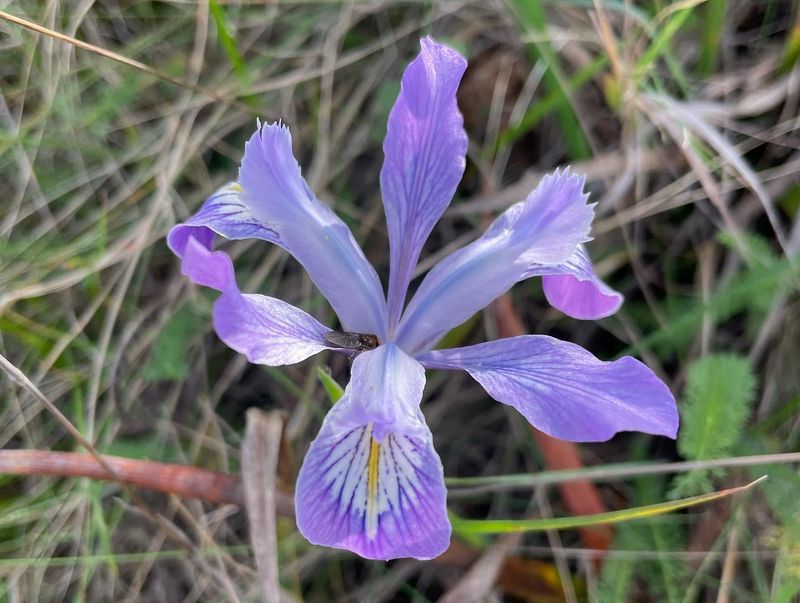
Spring in a California native garden would feel incomplete without the quiet elegance of Douglas iris.
Iris douglasiana produces soft purple, lavender, and cream flowers that stop people in their tracks, usually right around the time the hills are still green and the air still carries a little cool moisture.
Beyond the blooms, the plant forms tidy, low clumps of narrow, arching leaves that stay fairly close to the ground.
That low growth habit is genuinely useful in fire-aware landscaping because it limits the vertical fuel ladder that can help fire climb from ground level up into taller plants and trees.
Douglas iris handles dry California summers well once established, going semi-dormant and keeping a low profile until the rains return.
Keep the clumps clean by removing any brown or dry leaves throughout the season. Regular light grooming keeps the planting looking sharp and reduces the accumulation of dry material.
It works well along pathways, at the base of native shrubs, or in mixed perennial beds throughout fire-prone regions.
Divide clumps every few years to keep them vigorous and prevent overcrowding. Overcrowded iris beds hold more dry debris between the leaves, so proper spacing and airflow keep the planting healthier overall.
5. Yarrow
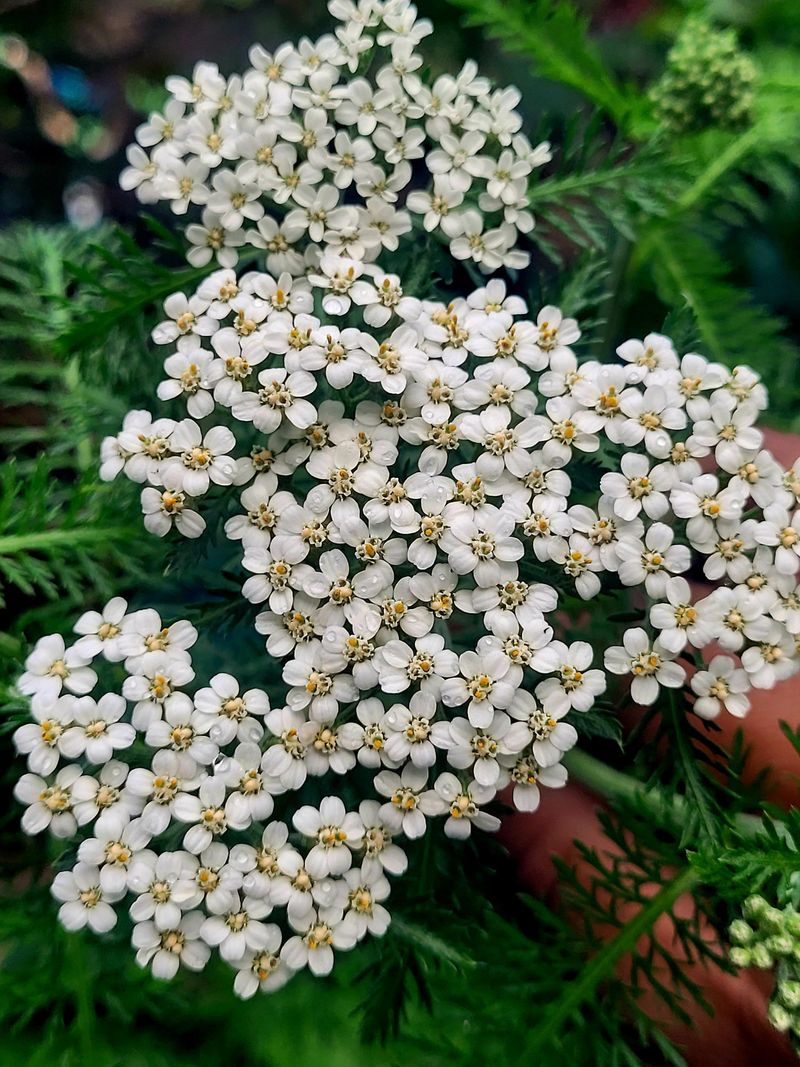
Walk through almost any sunny California meadow in late spring and chances are good you will spot yarrow doing its thing.
Achillea millefolium, the native variety, spreads low and wide with feathery, aromatic leaves and flat clusters of white or pale yellow flowers that pollinators absolutely cannot resist.
For fire-conscious landscaping, yarrow brings several practical traits to the table.
The leaves hold more moisture than they look like they do, and the plant stays relatively low to the ground, which helps limit fuel height.
Spacing plants properly and keeping pathways clear between clumps matters more than most California homeowners initially expect.
After the flowers finish blooming and dry out, trim them back promptly.
Dry flower stalks and seed heads are exactly the kind of material that raises fire risk in a yard. Regular trimming keeps yarrow tidy and actively growing throughout the season.
Yarrow tolerates poor, dry soils and needs very little supplemental water once established through its first season.
Native yarrow also supports native bees, butterflies, and beneficial insects throughout the growing season. Plant it in full sun with good drainage and it will show up reliably every single year without complaint.
6. Creeping Sage
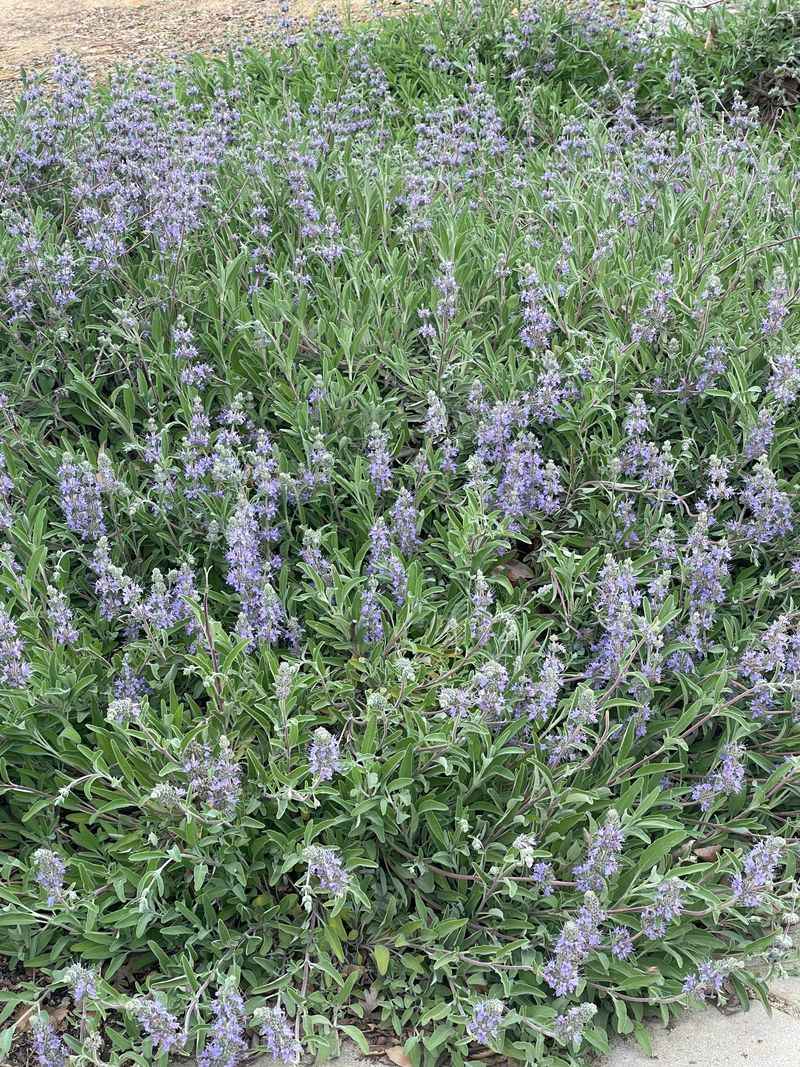
Ground-level coverage is one of the most underrated strategies in fire-aware landscaping, and creeping sage handles that job with style.
Salvia sonomensis hugs the soil with its aromatic gray-green leaves, spreading steadily across sunny slopes and open beds where bare ground or weedy growth would otherwise create bigger problems.
Weeds are a real fire risk.
Dry annual grasses and non-native weeds accumulate fast and burn easily. Creeping sage suppresses that weed growth by filling space densely, which means less dry litter and less competition from plants that are far less fire-smart. It earns its spot by doing double duty.
The small purple-blue flower spikes that appear in spring draw native bees and other pollinators in noticeable numbers.
After blooming, trim back the spent flower stalks to keep the planting looking clean and to encourage fresh growth from the base.
Space plants about two to three feet apart to allow airflow between them.
Full sun and well-drained soil are essential. Overwatering is the most common mistake people make with this plant. Once established, it prefers dry conditions and handles California summer heat without complaint.
7. Hummingbird Sage
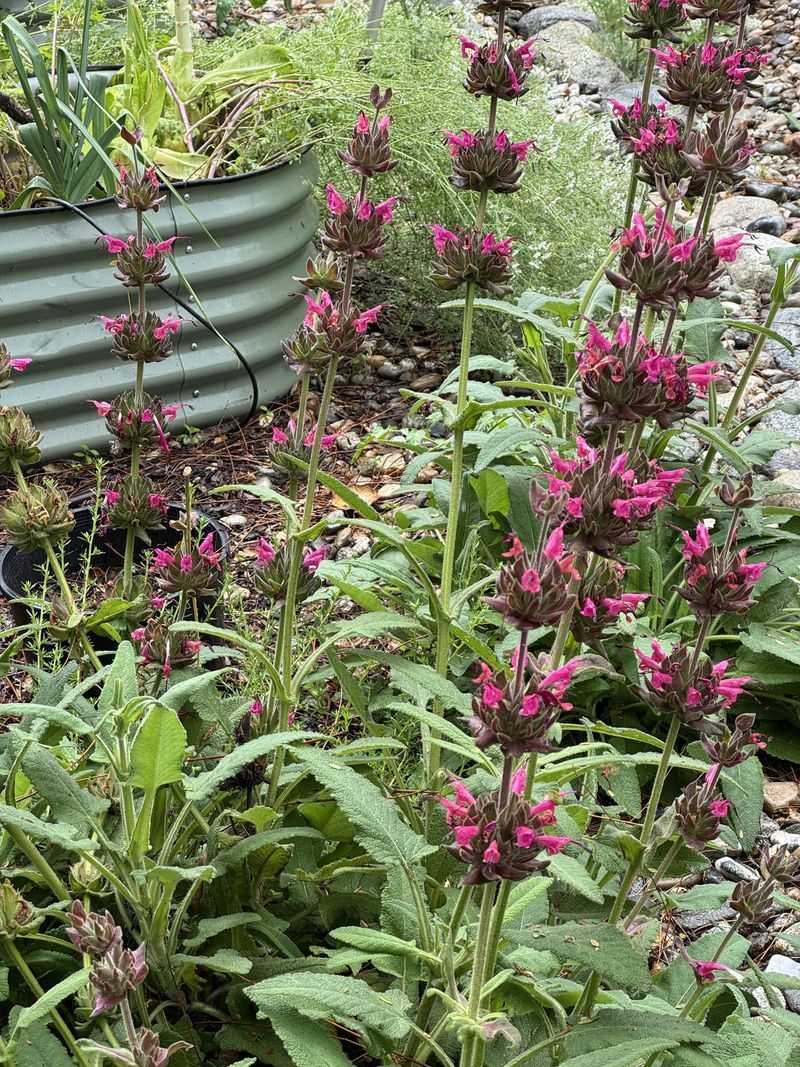
Step into a shaded California garden where hummingbird sage grows and you will notice the fragrance before you spot the plant.
Salvia spathacea fills the air with a rich, almost fruity scent that is genuinely hard to forget. That sensory experience alone makes it worth growing, but the practical benefits seal the deal.
Native to coastal and inland California, hummingbird sage thrives in dry shade and part shade conditions where many other natives struggle.
It fills those tricky spots under oaks or along north-facing slopes with large, textured leaves and tall magenta flower spikes that hummingbirds visit with real enthusiasm.
For fire-aware gardening, the key with hummingbird sage is staying on top of old stem removal.
Spent flower stalks and dry leaves accumulate at the base if left unchecked, and that dry material raises the fuel load in the bed. Trim old stems back after flowering and clear leaf litter regularly throughout the season.
It spreads gradually by underground rhizomes, so give it space to move without crowding other plants.
Water occasionally during the first summer to help it establish, then reduce irrigation significantly.
Pair it with island alum root or Douglas iris for a layered shade planting that stays manageable and thoughtful through the long California fire season.
8. Coast Live Oak
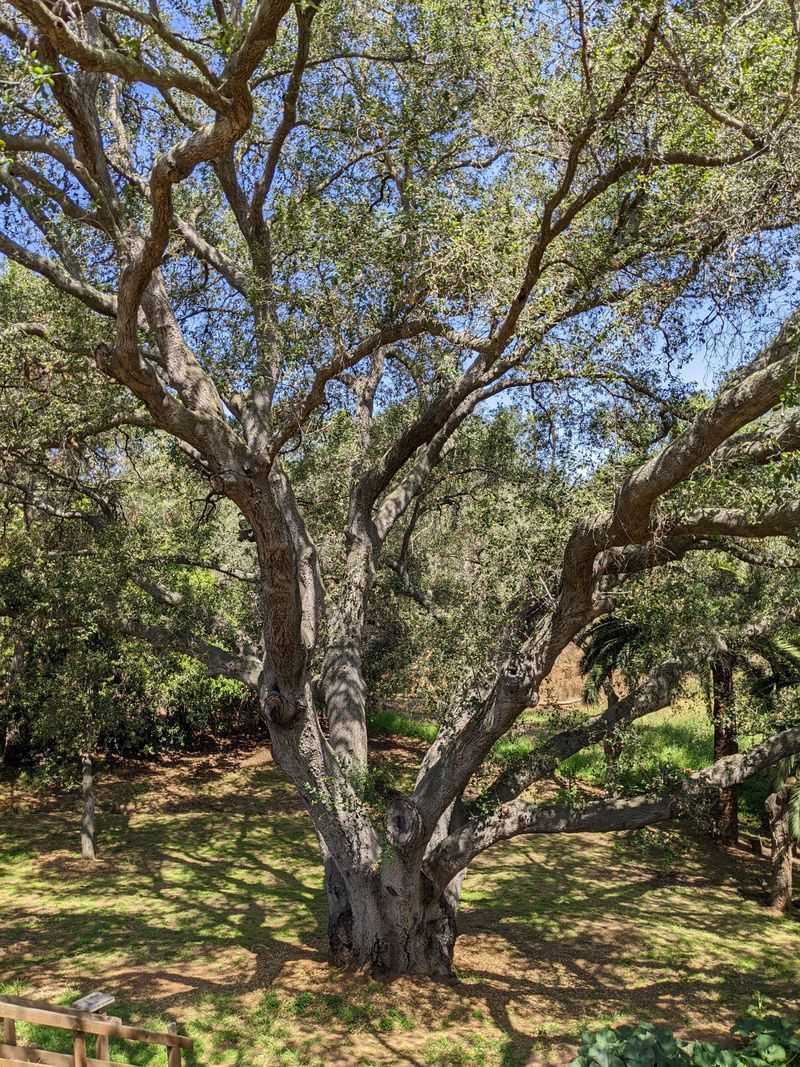
A coast live oak on a property is not just a tree.
It is a landmark, a habitat, and a source of shade that can lower the temperature around your California home noticeably on a hot August afternoon.
Quercus agrifolia has been growing across the state for centuries, and it knows how to handle this climate better than almost anything else you could plant.
That said, coast live oak is a serious commitment that requires serious planning.
It needs wide spacing from other trees and from structures.
The canopy can spread impressively broad over time, and branches that overhang a roof or press against a fence create real maintenance obligations that homeowners should understand before planting.
Leaf litter is the most important management task with coast live oak.
Fallen leaves accumulate quickly and dry out into a highly flammable layer if left unmanaged.
CAL FIRE defensible space guidance is clear about keeping the area within 30 feet of a home free of dry debris, and that absolutely includes oak leaf litter. Regular raking is not optional.
Give it full sun, good drainage, and enough room to grow into its full magnificent self over the coming decades.
Once established, it needs no supplemental irrigation and actually resents summer watering near the root zone.
Plan the surrounding landscape thoughtfully, keep the ground beneath it clean, and this tree becomes one of the most rewarding choices a California homeowner can make.
9. Toyon
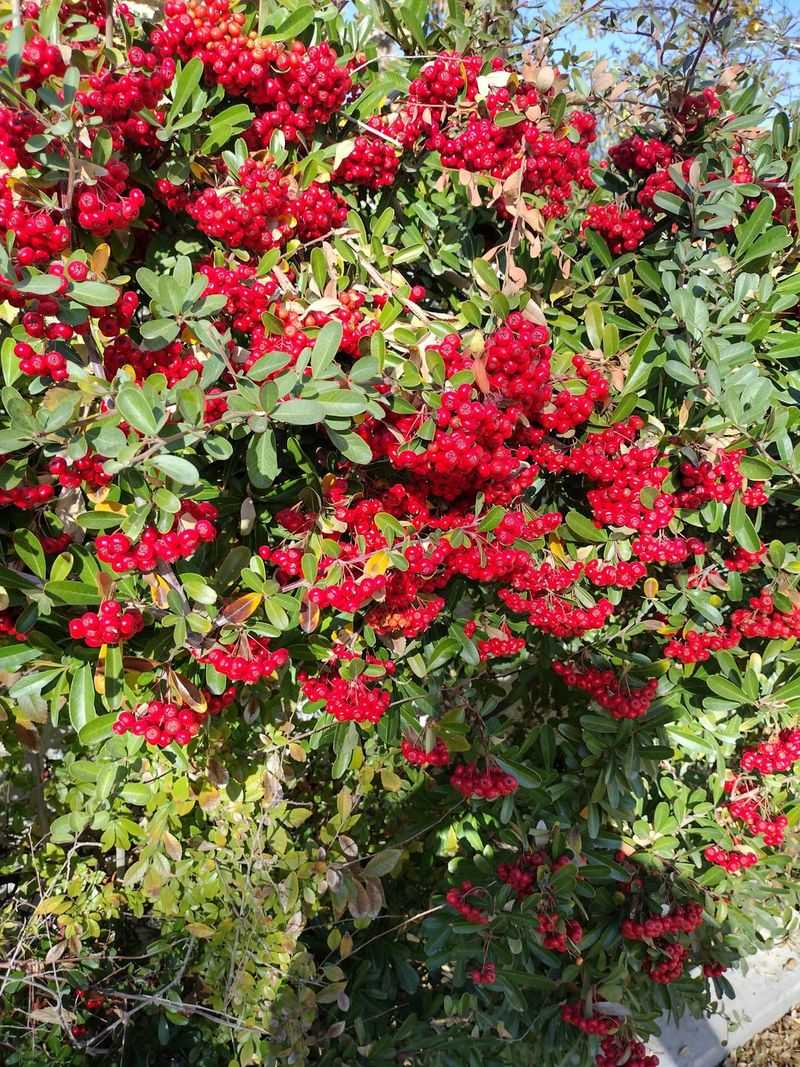
Toyon is one of those California natives that makes you wonder why it is not in every yard in the state. .
The clusters of bright red berries that ripen in fall and persist through winter are genuinely striking, and they feed cedar waxwings, robins, mockingbirds, and other birds at exactly the time when other food sources are running low.
For fire-aware landscaping, toyon brings a combination of qualities that few other natives can match.
The thick, leathery leaves hold moisture better than many drought-tolerant shrubs, and the plant responds well to the kind of regular pruning that keeps fuel loads manageable in defensible space zones.
A toyon that gets trimmed annually stays compact, tidy, and far safer than one left to grow into a dense, woody thicket.
Placement matters with toyon, as it does with every plant in a fire-conscious California yard.
It works best in Zone 2, the area between 30 and 100 feet from the home, where it can grow to its natural height of six to fifteen feet without creating problems near the structure.
On slopes, its deep root system provides genuine erosion control alongside the fire-smart benefits.
Toyon thrives in full sun to part shade and handles poor, rocky, or clay soils without complaint.
Once established, it needs almost no supplemental water, which makes it one of the most practical large shrubs available for California homeowners trying to build a yard that looks beautiful, supports wildlife, and takes fire season seriously all at once.
The white flower clusters that appear in early summer attract native bees and other pollinators before the berries set in fall.
Three full seasons of interest, genuine wildlife value, and a growth habit that responds well to maintenance make toyon one of the strongest arguments for going native in any California landscape that takes its fire risk seriously.