What Oregon Blueberry Growers Should Be Doing In July For The Biggest Late-Season Harvest
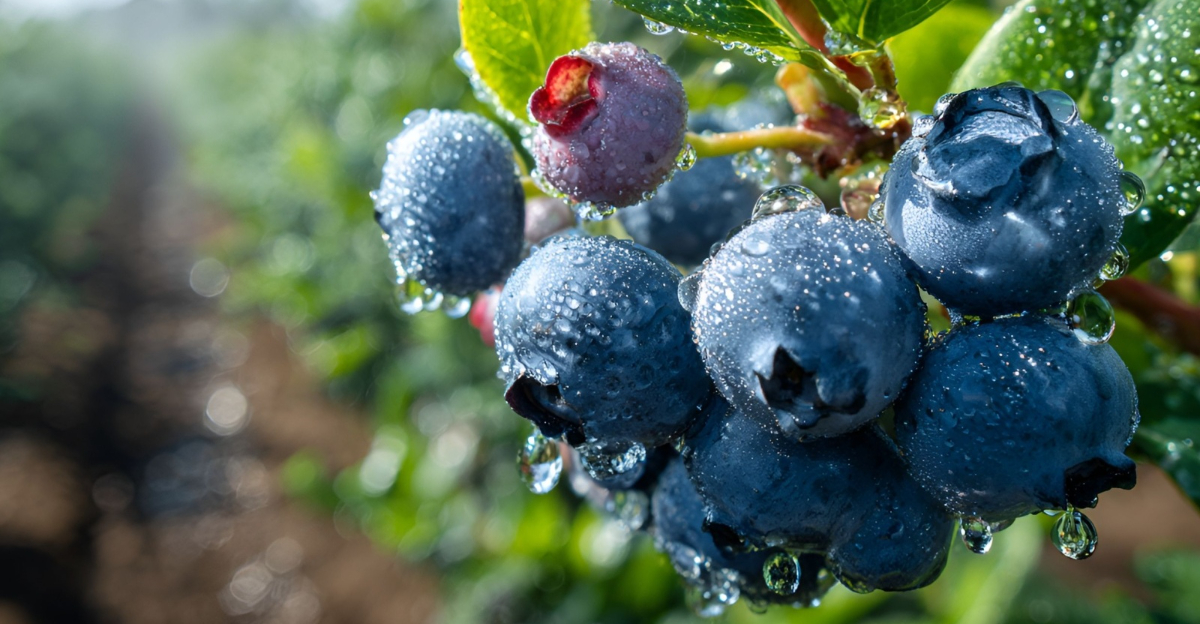
July in an Oregon blueberry patch is equal parts exciting and demanding. The fruit is coming in fast, the days are hot and dry, and those shallow roots are working harder than they look to keep up with the pace of ripening.
Blueberries are not particularly forgiving when moisture gets inconsistent during this stretch, and the window between perfect and overripe can feel surprisingly short when summer heat is doing its thing.
Add birds eyeing your bushes like a free buffet and spotted wing drosophila becoming a genuine concern across much of Oregon, and July starts to feel like a month that rewards attention.
This is not the time for heavy pruning or aggressive fertilizing. It is the time to protect what is already there and keep your plants as comfortable as possible through the driest weeks of the season.
1. Water Deeply Through July Heat
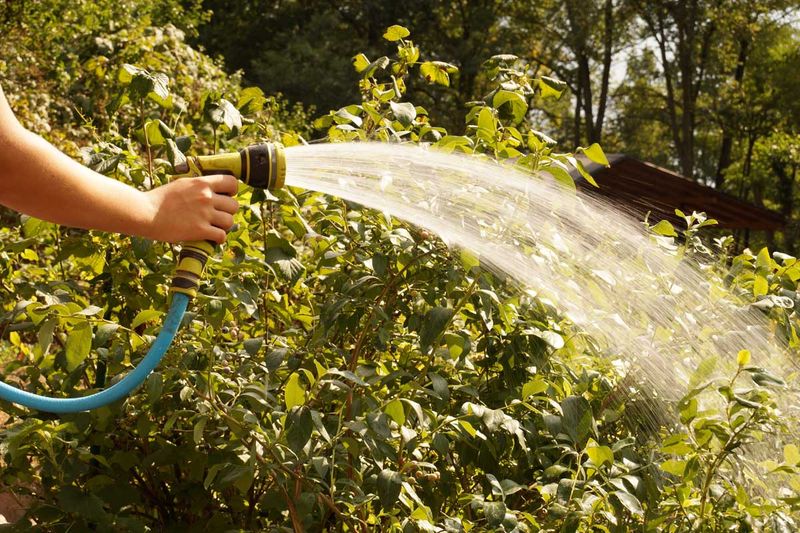
Dry soil around blueberry roots is one of the fastest ways to lose fruit quality during an Oregon summer. Blueberries have a shallow, fibrous root system that sits close to the surface, which means they pull moisture from only the top several inches of soil.
When that zone dries out during July heat, the plant starts to stress, and ripening berries can shrink, soften too quickly, or drop before you get a chance to pick them.
Most established blueberry bushes in Oregon need about one to two inches of water per week during the summer growing season. Sandy or well-drained soils may need more frequent watering, while heavier soils hold moisture longer.
The key is to water deeply and thoroughly rather than giving light, frequent sprinkles that barely reach the root zone.
Check the soil a few inches below the surface before watering. If it feels dry at that depth, it is time to water.
Early morning is the best time to run irrigation so the plant has moisture available through the heat of the afternoon. Container blueberries and raised bed plantings dry out faster than in-ground bushes, so check those more often.
Consistent moisture through July is one of the most reliable ways to support good berry size, firm texture, and overall plant health heading into the rest of the harvest season.
2. Refresh Mulch Around Shallow Roots
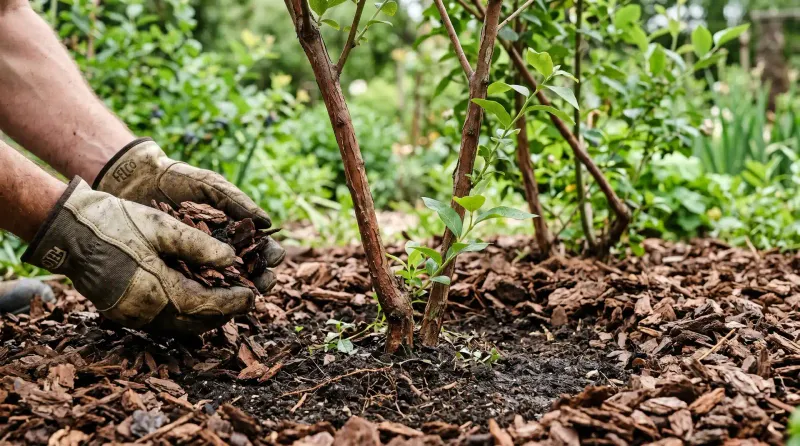
Mulch has a quiet but powerful effect on blueberry plants during Oregon’s dry summer months.
A good layer of organic mulch helps hold moisture in the soil, keeps root temperatures from spiking on hot afternoons, and slows down weed growth that would otherwise compete with your bushes for water and nutrients.
Over time, mulch also breaks down and adds organic matter to the soil, which blueberries appreciate.
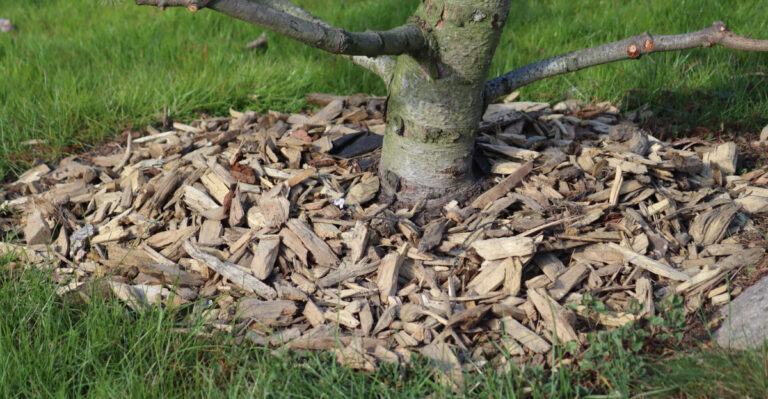
Wood chips, sawdust, pine bark, or shredded leaves all work well around blueberry plants. Aim for a layer about three to four inches deep, spread out to the edge of the plant’s canopy.
If your existing mulch has thinned out or decomposed significantly since spring, July is a reasonable time to top it off before the hottest weeks arrive.
Your Oregon Garden Changes Every Week. Your Plan Should Too.
Gardening in Oregon changes quickly throughout the season. Every Friday you’ll receive a simple weekly plan showing exactly what to plant, prune, fertilize, harvest, and protect so you never miss the right timing.
One important detail is to keep mulch pulled back a few inches from the crown of the plant, which is the point where the stems meet the soil. Piling mulch tightly against the crown can hold unwanted moisture there and create conditions that encourage rot or disease.
Spreading the mulch in a donut shape around the base rather than mounding it against the stems is a simple habit that protects the plant.
Fresh mulch in July is a low-effort task that pays off in reduced watering needs, cooler roots, and stronger plants through the rest of the Oregon summer.
3. Use Drip Irrigation Instead Of Sprinklers
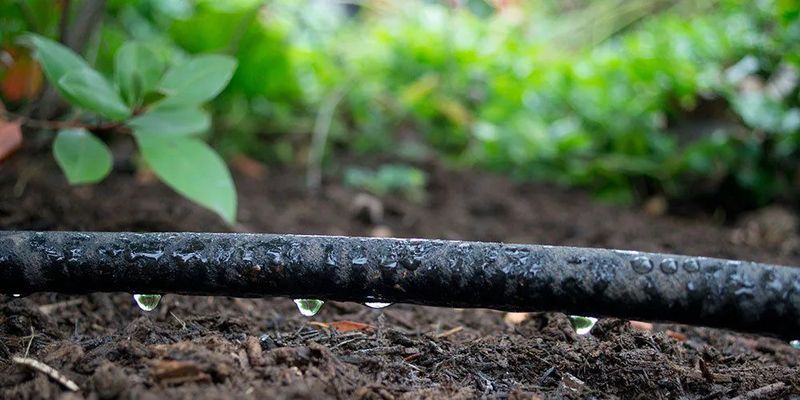
Overhead sprinklers can feel like an easy solution on a hot Oregon afternoon, but they are not the best tool for blueberry plants during the fruiting season.
When water is sprayed over the top of the canopy, it wets the leaves and fruit, which can encourage fungal problems and may speed up fruit decay on berries that are close to ripe.
Water that lands on foliage also evaporates quickly without ever reaching the roots where it is actually needed.
Drip irrigation and soaker hoses deliver water slowly and directly to the root zone. This approach wastes less water overall, keeps the canopy dry, and allows the soil to absorb moisture gradually rather than running off the surface.
For home growers in Oregon with small berry patches or raised beds, a basic drip system or soaker hose setup is usually affordable and easy to install.
Running drip irrigation in the early morning gives the soil time to absorb moisture before afternoon temperatures rise.
Most blueberry roots are concentrated within the top twelve inches of soil and within a foot or two of the crown, so placing drip emitters close to the base of each plant makes good use of the water you are putting out.
Keeping the fruit and foliage dry through careful irrigation is a straightforward way to reduce disease risk and improve the overall quality of your Oregon late-season harvest.
4. Wait Until Berries Are Truly Ripe
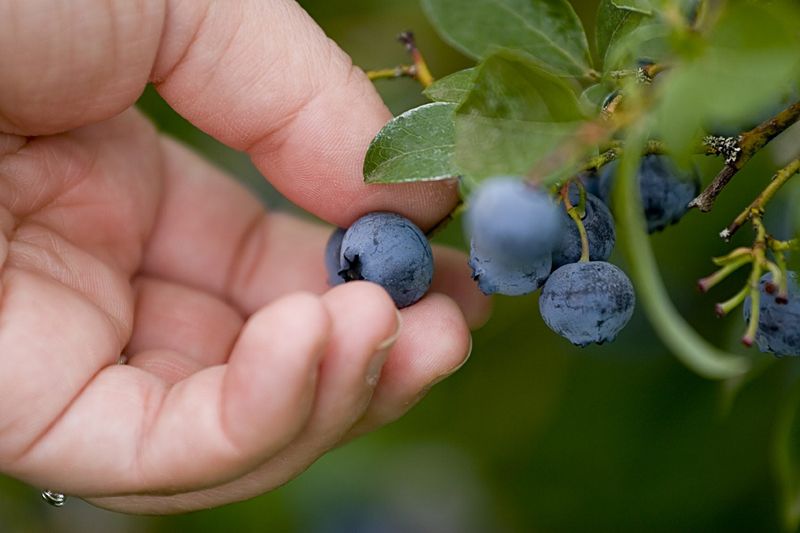
Pulling berries off the bush too soon is one of the most common mistakes home growers make during July. A blueberry that has just turned blue is not the same as one that is fully ripe.
After the skin shifts from green to blue or purple, the berry often needs a few more days on the bush to develop its full sweetness, reach its best size, and soften to the right texture.
A ripe blueberry separates from the stem with very little effort. If you have to tug or twist the berry to get it off, it probably needs more time.
Ripe fruit also tends to have a dusty, powdery bloom on the skin rather than a shiny appearance. Tasting a few berries from different parts of the bush is one of the most reliable ways to judge where you are in the ripening process.
That said, waiting too long has its own risks. Overripe berries can split, ferment in the heat, or attract spotted wing drosophila and other insects.
Birds in Oregon can also work through a ripe cluster faster than most growers expect. The goal is to find the window between fully ripe and overripe, and check the bushes every couple of days during peak July ripening.
Learning to read the berry rather than just its color leads to a noticeably better harvest in both flavor and fruit condition.
5. Pick Regularly As Fruit Colors Up
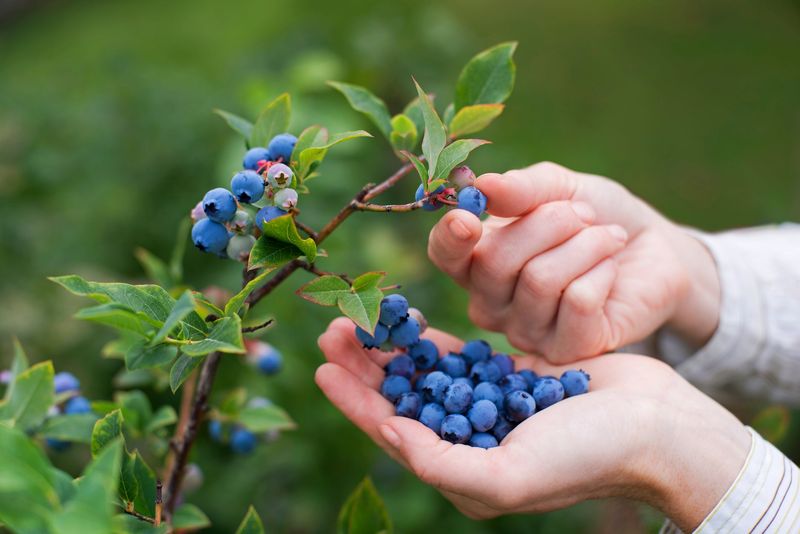
Letting ripe fruit sit on the bush too long during Oregon’s warm July weather is a recipe for waste. Berries that reach peak ripeness and are not picked within a few days can become overripe quickly, especially when temperatures climb.
Overripe fruit softens, loses its firm texture, and becomes more attractive to insects and birds. In some cases it can begin to ferment right on the branch.
Picking every two to three days during peak ripening keeps the harvest moving at a steady pace and reduces the chance of fruit going bad before you get to it.
It also helps you spot any problem berries early, like those showing signs of insect damage or disease, so you can remove them before they affect nearby healthy fruit.
Regular harvesting also gives you a clearer picture of how much fruit is left on each bush and how the season is progressing.
For home growers in Oregon with just a few bushes, regular picking does not take long. Bringing a shallow container rather than a deep bucket helps avoid bruising the fruit at the bottom of the pile.
Handle berries gently and refrigerate them promptly after picking to extend their shelf life. Berries picked at the right stage and cooled quickly will last longer and taste better than those left to linger in the heat.
Building a steady picking habit through July is one of the simplest ways to get the most from your Oregon blueberry plants.
6. Net Bushes Before Birds Find Them
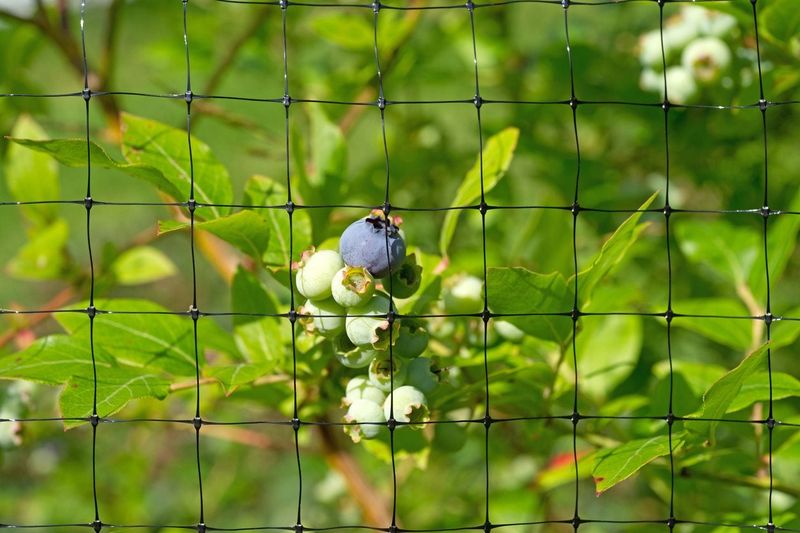
Birds have a talent for discovering ripe blueberries before most gardeners even realize the fruit is ready. Robins, cedar waxwings, and other fruit-eating birds common across Oregon can strip a bush remarkably fast once they find a reliable food source.
By the time you notice the damage, a significant portion of your crop may already be gone.
Netting is the most reliable physical barrier for protecting blueberry fruit from bird pressure. The key is to get the netting up before the fruit reaches full ripeness, not after the birds have already discovered the bush.
Fine mesh bird netting draped over the entire plant and secured at the base works well for individual bushes. For rows of plants, a simple frame made from stakes or PVC pipe can hold the netting up off the canopy so it does not press against the fruit.
Make sure the netting is secured at the soil level so birds cannot slip underneath. Check the netting regularly for gaps or sagging spots where birds might find an opening.
Also inspect the netting itself for any birds that may have become tangled inside, which can happen with loose or improperly secured mesh.
Lightweight, UV-resistant netting is easy to find at garden centers and can be reused for several seasons if stored properly after harvest.
In Oregon’s berry-rich summer, a few dollars spent on netting can mean the difference between a full harvest and an empty bush.
7. Watch For Spotted Wing Drosophila
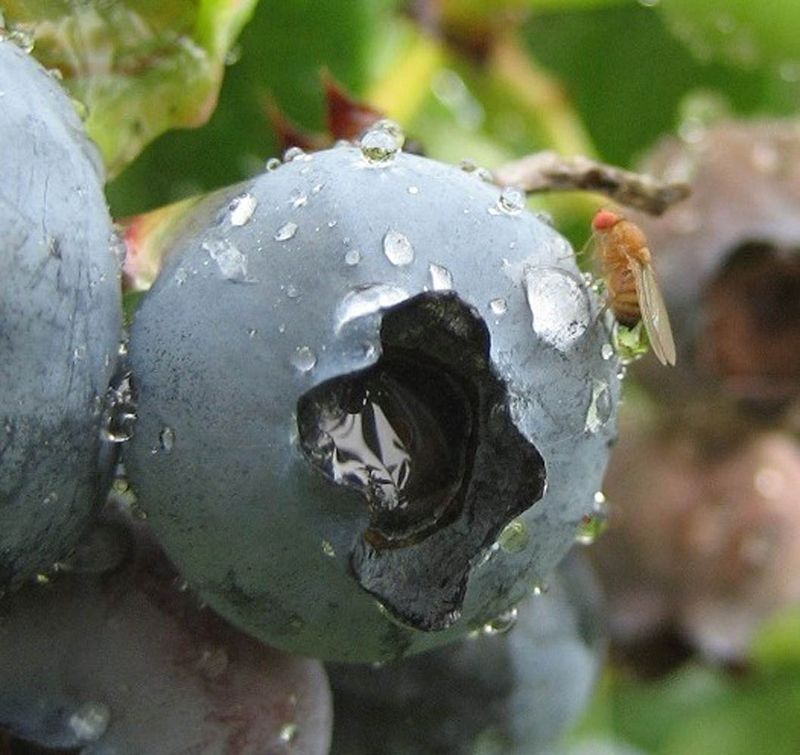
Spotted wing drosophila, often called SWD, is a small fruit fly that has become a real concern for berry growers across western Oregon over the past decade.
Unlike common fruit flies that target overripe or damaged fruit, SWD females use a serrated egg-laying structure to cut into healthy, ripening fruit and deposit their eggs.
The larvae then develop inside the berry, often before any visible damage appears on the outside.
July is a month to stay alert because SWD populations tend to build as the season progresses and more ripe fruit becomes available. Soft-skinned fruits like blueberries are especially vulnerable.
Berries that look fine on the outside may already have larvae inside, which is why monitoring matters more than waiting for obvious signs of damage.
Simple monitoring traps made from plastic containers with small holes, baited with apple cider vinegar or a commercial lure, can help you detect adult flies before the infestation gets out of hand. Check the traps weekly and record what you find.
Picking fruit promptly and removing any dropped or overripe berries from the ground reduces the number of breeding sites available to the flies.
In Oregon’s mild and humid western valleys, SWD pressure can be more consistent than in drier inland areas, so growers in those regions may want to monitor more closely.
Staying aware of the pest early in July gives you more options for managing it through the rest of the season.
8. Keep Weeds Away From Blueberry Roots
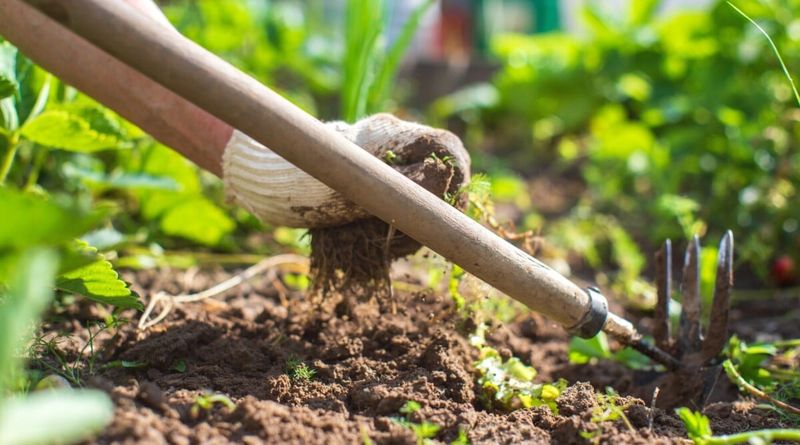
Weeds growing close to blueberry plants are more than just an eyesore. They compete directly with the shallow root system for water and nutrients at a time when the plant is already working hard to ripen fruit through Oregon’s dry summer heat.
A dense patch of weeds around the base of a blueberry bush can pull away meaningful amounts of soil moisture, especially in lighter soils that dry out quickly.
Hand weeding is one of the safest approaches for home growers because it avoids the risk of accidental herbicide contact with blueberry roots or foliage.
Blueberries are sensitive to certain herbicides, and the shallow root zone makes it easy for chemicals to reach the plant even when applied carefully.
Pulling weeds by hand while they are still small is much easier than dealing with established plants that have developed deep roots of their own.
A fresh layer of mulch, as discussed earlier, is one of the best preventive tools for reducing weed pressure through July and into August. Mulch blocks light from reaching weed seeds in the soil and slows germination significantly.
For weeds that do push through, remove them before they flower and set seed, which helps reduce the weed population over the coming seasons.
Keeping a clean, mulched row around your Oregon blueberry plants takes less effort than it sounds and pays off in reduced competition, better moisture retention, and healthier root conditions through the late-season harvest window.