Massachusetts Gardeners Should Follow These Fence Etiquette Basics
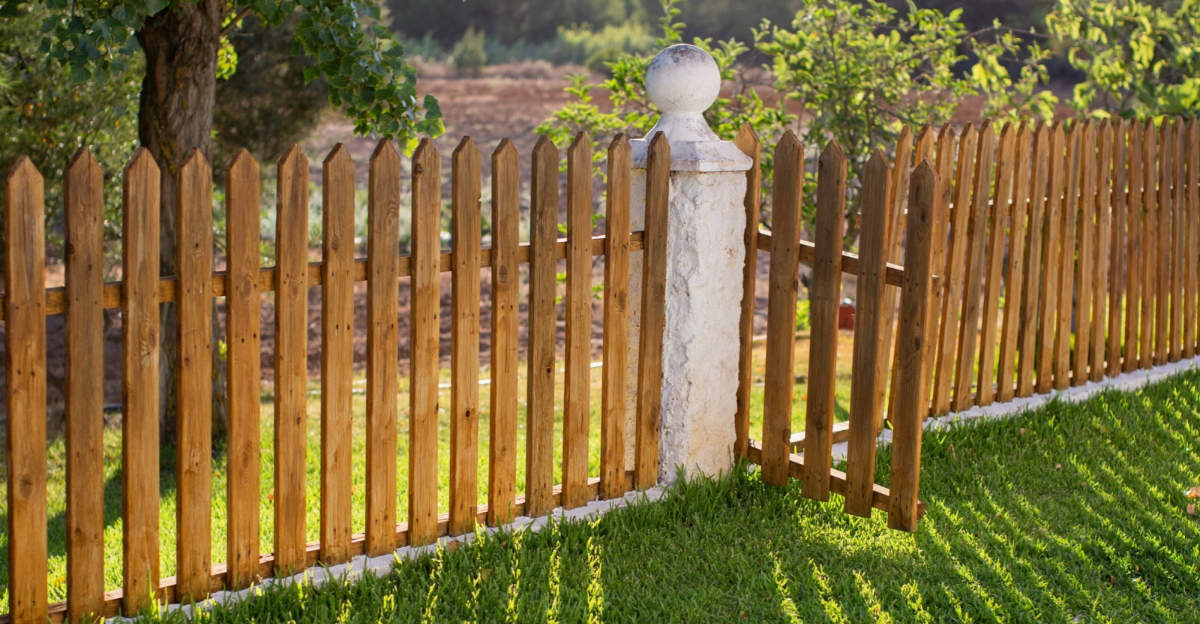
A new fence can quietly redraw the emotional map of a neighborhood. One wrong post, one inch over the line, and suddenly the person who used to wave every morning is avoiding eye contact.
In Massachusetts, this isn’t just about strained feelings. Fence rules here blend old colonial-era statutes with modern town bylaws.
The two don’t always agree. Skip the homework and you might end up rebuilding a fence you just finished. Or worse, facing a small claims dispute over six inches of grass.
Homeowners in the Bay State often treat fencing like a casual weekend project. That assumption rarely holds up.
Setback requirements, height limits, and shared-cost obligations vary from town to town, sometimes street to street.
Before the first post hole gets dug, it pays to understand how local law, basic courtesy, and plain common sense fit together. Do that well, and your yard stays a retreat instead of a source of tension.
1. Discuss Fence Plans First
Before a single nail goes in, talk to your neighbor. Skipping this step is one of the biggest fence mistakes Massachusetts gardeners make every season.
A quick conversation can prevent months of tension. Share your ideas about style, height, and materials before you finalize anything.
Your neighbor might have concerns you never considered. Maybe they worry about shade hitting their vegetable beds or blocking their view of the yard.
Listening goes a long way here. Even if you are not legally required to ask permission, showing courtesy builds goodwill that lasts for years.
Bring a rough sketch to the conversation. Visuals help both sides understand the plan without confusion or misreading written descriptions.
Pick a relaxed time to chat, not when they are rushing to work. A calm setting makes the conversation feel collaborative rather than confrontational.
Some towns in the Bay State require neighbor notification as part of the permit process. Checking local rules ahead of time protects you legally and socially.
Good neighbor relations in Massachusetts start with this simple act of communication. Neighbors who feel included tend to support the project, sometimes even lending a hand.
The best fences do not just mark property lines. They reflect the mutual respect shared between two households who want to coexist peacefully and beautifully.
2. Confirm Boundaries Before Building
Building a fence even six inches onto your neighbor’s land can open a legal nightmare. Property disputes in Massachusetts can drag on for years and cost thousands of dollars in court fees.
Always hire a licensed land surveyor before breaking ground. Survey markers give you a documented, legal starting point that no one can argue with later.
Many homeowners assume they know where their lot ends. That assumption has caused more fence conflicts than almost any other mistake in residential neighborhoods.
Old deeds can be vague or use landmarks that no longer exist. A professional survey removes the guesswork and gives you hard numbers to work from.
Check with your local town hall for existing surveys on record. Sometimes a previous survey is already on file and can save you the cost of a new one.
Your Massachusetts Garden Changes Every Week. Your Plan Should Too.
Gardening in Massachusetts changes quickly throughout the season. Every Friday you’ll receive a simple weekly plan showing exactly what to plant, prune, fertilize, harvest, and protect so you never miss the right timing.
If a fence already exists on the property, do not assume it sits on the actual boundary. Previous owners may have placed it incorrectly years ago.
Encroachment issues are taken seriously under Massachusetts property law. Courts can order removal of structures built on another person’s land, no matter how long they have stood.
Once you have your survey results, mark the line clearly with stakes before construction begins. This simple step keeps your crew from drifting into the wrong zone during installation.
Every solid fence project begins with knowing exactly where your land ends. Certainty now prevents regret later, keeping your garden free of drama all season.
3. Face The Good Side Outward
Here is an unwritten rule that carries serious social weight: the finished side of your fence should face outward. This means your neighbor sees the clean, smooth, attractive face of the structure.
The structural side, with its posts and rails, traditionally faces your yard. Many people do not know this until a neighbor points it out with visible frustration.
Consider it the unspoken code every fence builder learns eventually. You would want to look at something pleasant, so offer your neighbor that same experience.
Some towns in the state have made this practice part of their local fencing ordinances. Check with your municipality to see if the rule is written into local code.
Choosing a fence style that looks attractive on both sides solves the problem entirely. Double-sided privacy fences have become increasingly popular for exactly this reason.
A shadowbox fence, for example, alternates boards on each side. Both households get a finished look without any awkward negotiation about who gets the pretty side.
Even if your neighbor never complains, the aesthetic choice says something about your character as a homeowner. Small gestures of consideration build a neighborhood culture everyone benefits from.
Painting or staining both sides of the fence also extends its lifespan. Moisture protection on all surfaces keeps wood from warping or rotting prematurely in New England’s wet seasons.
Good fencing manners mean thinking beyond your own yard. A fence that looks good from both sides is a gift to the whole street.
4. Split Shared Costs Fairly

Shared fences mean shared responsibility, and splitting costs fairly is often the trickiest part of the whole process. Massachusetts has laws that speak directly to this issue, and knowing them helps you avoid awkward money conversations.
Under the state’s fence law, neighbors who both benefit from a boundary fence may be required to share maintenance costs. This applies especially to fences that sit directly on the property line.
Start the cost conversation early, ideally during your initial planning chat. Bringing it up late in the process can feel like an ambush and damage the goodwill you have built.
Get everything in writing before construction begins. A simple signed agreement outlining each party’s financial share prevents misunderstandings when the invoice arrives.
Be transparent about the full cost of the project. Share quotes from contractors and explain what each line item covers so your neighbor feels informed, not pressured.
If your neighbor cannot afford half upfront, consider a payment plan. Flexibility on your end often leads to greater cooperation and a stronger long-term relationship.
Some gardeners choose to cover the full cost themselves in exchange for full design control. That is a fair trade if both parties agree and document the arrangement clearly.
Avoid assumptions about what your neighbor can or cannot contribute. A direct, respectful conversation is always more productive than guessing or making unilateral decisions.
Handling money matters with honesty keeps neighborhoods running smoothly. Fair cost-sharing turns a solo project into a shared investment both households can feel proud of.
5. Respect Height Limits
Taller is not always better when it comes to garden fencing. Massachusetts towns each set their own height restrictions, and ignoring them can result in fines or forced removal of your new structure.
Most residential areas cap front yard fences at around four feet. Backyard fences are often allowed up to six feet, but rules vary significantly from town to town.
Before purchasing materials, call your local building department or check the town’s zoning bylaws online. A five-minute search can save you from a very expensive mistake.
Permit requirements often kick in at certain heights. Some towns require a building permit for any fence over four feet, while others set that threshold higher.
Height limits exist partly to protect sight lines and neighborhood character. They also prevent fences from casting excessive shade onto neighboring properties and ruining carefully tended gardens.
If you need more privacy than the height limit allows, consider planting a hedge or adding a trellis with climbing plants. These natural options add beauty while respecting local rules.
Arborvitae, for instance, grows tall and dense without triggering most zoning restrictions. A row of them can create a lush, green privacy screen that blends naturally into any garden setting.
Variance requests are possible if your situation is unusual. Your local zoning board can grant exceptions, but the process takes time and is not guaranteed.
Height rules exist for everyone’s benefit, not just to limit your view. Staying within height limits shows respect for the community and keeps the whole project on solid legal ground.
6. Notify Before Removing Fences
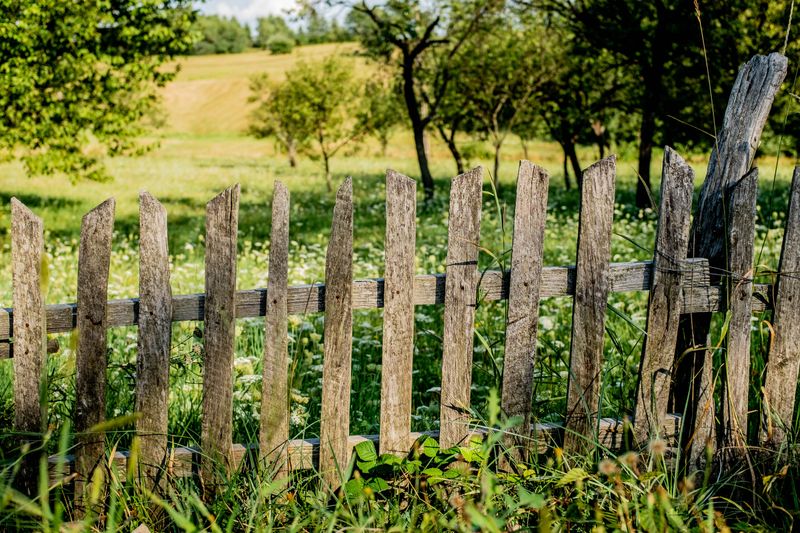
Pulling down an existing fence without warning is a surprisingly common source of neighbor conflict. What feels like a simple yard project to you might feel like a sudden invasion of privacy to the person next door.
Always give your neighbor advance notice before removing any shared or boundary-line fence. A few weeks of lead time shows respect and gives them a chance to prepare.
They may want to install their own fence before yours comes down. Without warning, they could find their yard suddenly exposed to foot traffic, pets, or wind damage to their plantings.
Check whether the fence is actually yours to remove. If it sits on the property line or was jointly installed, your neighbor may have legal standing to object to its removal.
Review any written agreements made when the fence was first built. Documents from previous owners can sometimes limit what the current owner is allowed to do with a shared structure.
If you plan to replace the fence rather than eliminate it entirely, share those plans during your notification. Knowing a new structure is coming often eases any anxiety about the removal.
Offer a timeline for when the old fence will come down and when the new one will go up. A clear schedule prevents the property from sitting open and unprotected for an extended period.
Transparency during this process reflects well on you as a neighbor and as a community member. People remember how they were treated during moments of change, and that memory shapes every future interaction.
The same courtesy that applies to building a fence applies to tearing one down. Kindness costs nothing, and a little communication pays off in neighborhood harmony.
7. Maintain Your Own Side

Once your fence is up, the work is not over. Maintenance is a core part of good fence ownership, and neglecting it sends a message to your neighbors that you do not care about shared spaces.
Peeling paint, leaning posts, and rotting boards are eyesores that affect more than just your yard. Your neighbor looks at your fence every single day, whether they say anything or not.
Plan a seasonal inspection routine to catch problems early. New England winters are hard on wood, and spring is the perfect time to assess any damage caused by frost and moisture.
Staining or sealing wood fences every few years dramatically extends their lifespan. This upkeep protects your investment and keeps the structure looking sharp through all four seasons.
Vines and climbing plants can look beautiful on a fence but cause hidden damage over time. Check regularly for moisture trapped behind plant growth, which accelerates rot in wooden boards.
If a section of your fence leans toward your neighbor’s yard, fix it promptly. A leaning fence can eventually fall and cause damage to their property or, worse, injure someone.
Weeds and overgrowth along the fence line also need attention. Tall weeds trap moisture at the base of posts and speed up deterioration significantly in humid summer months.
Keeping your side clean and well-maintained shows pride in your home and consideration for the people around you. It is a small effort that makes a big impression on everyone who sees it.
It all circles back to personal responsibility, where good fencing habits began in the first place. A well-kept fence quietly benefits your garden, your neighbors, and the whole street.
A quick note before you start digging. This article covers general Massachusetts fence law and common local practices, but rules shift from town to town and change over time.
Before finalizing your plans, check with your local building department or a real estate attorney to confirm what applies to your specific property.