Why Massachusetts Homeowners Should Stop Planting Japanese Barberry This Summer
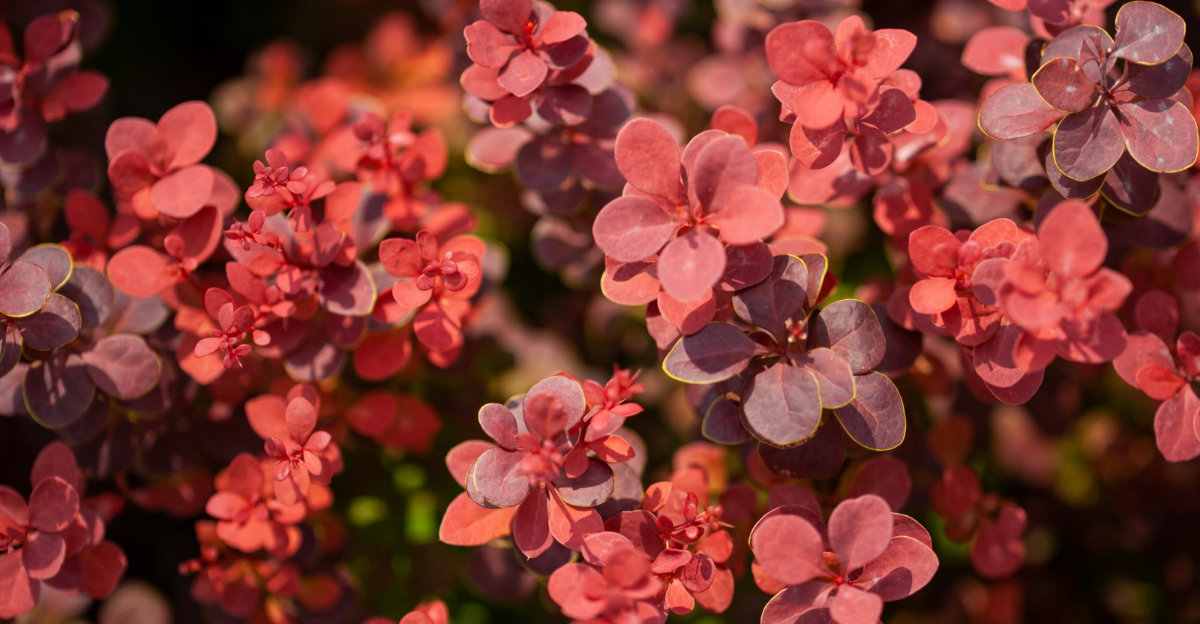
That dense, thorny shrub lining your front walkway might seem like the perfect low-fuss landscaping choice. It handles drought just fine, deer leave it alone, and it turns a brilliant red every fall.
But Japanese barberry has a dark side that most Massachusetts gardeners never see coming.
This invasive plant doesn’t just outcompete the native species your local ecosystem depends on, it also creates the exact humid, sheltered microclimate that blacklegged ticks love to breed in.
Research has linked dense barberry thickets to noticeably higher tick populations, and with them, a real spike in Lyme disease risk for anyone living nearby.
That’s exactly why Massachusetts moved to ban the sale and planting of this shrub statewide.
If you’ve got barberry growing in your yard right now, here’s what you actually need to understand before deciding what to do next.
1. Massachusetts Homeowners Are Ditching It This Year
Something big is happening in backyards all across the Bay State. Homeowners are pulling out their Japanese barberry plants, and the reasons go far deeper than just following a rule.
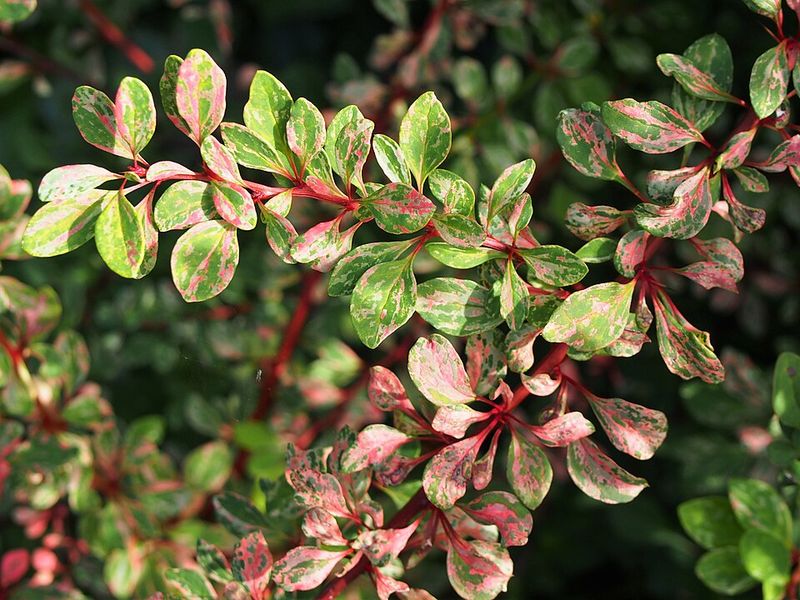
Japanese barberry, known scientifically as Berberis thunbergii, was once a garden favorite. Its deep-red leaves and compact shape made it look sharp in any landscape design.
But looks can be deceiving. This shrub has been spreading aggressively into forests, fields, and wetlands since it was first introduced from Asia in the 1800s.
Massachusetts added Japanese barberry to its prohibited plant list as part of a statewide ban that began in 2006 and was fully phased in by 2009.
That regulation marked a clear shift in how the state treats this plant: it can no longer be sold, imported, or propagated here.
Nurseries pulled it from shelves, and landscapers stopped recommending it. Slowly but surely, homeowners began asking what they should do with the barberry already growing in their yards.
The answer from conservation experts is simple: remove it now. Waiting only allows the shrub to spread further into your soil and your neighbors’ land.
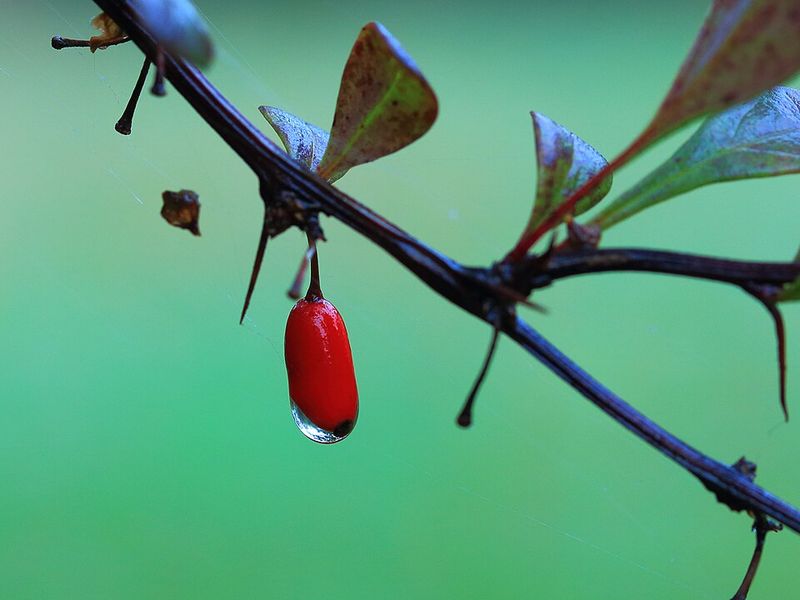
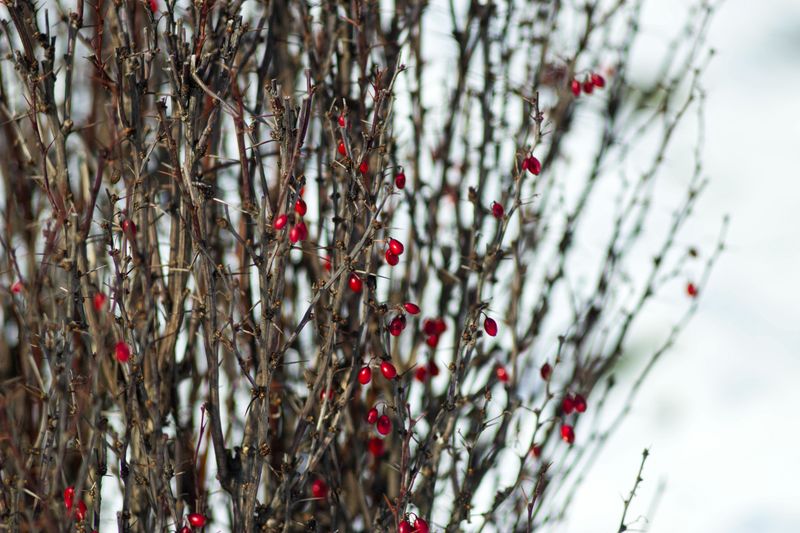
Barberry produces hundreds of berries each season, and birds eat them eagerly. Those birds then fly off and drop seeds far from your garden, spreading the problem fast.
Getting ahead of the issue this summer is the smartest move any Massachusetts homeowner can make. Your yard, your neighborhood, and your local ecosystem will all be better for it.
2. What The Barberry Ban Means For Your Legal Liability
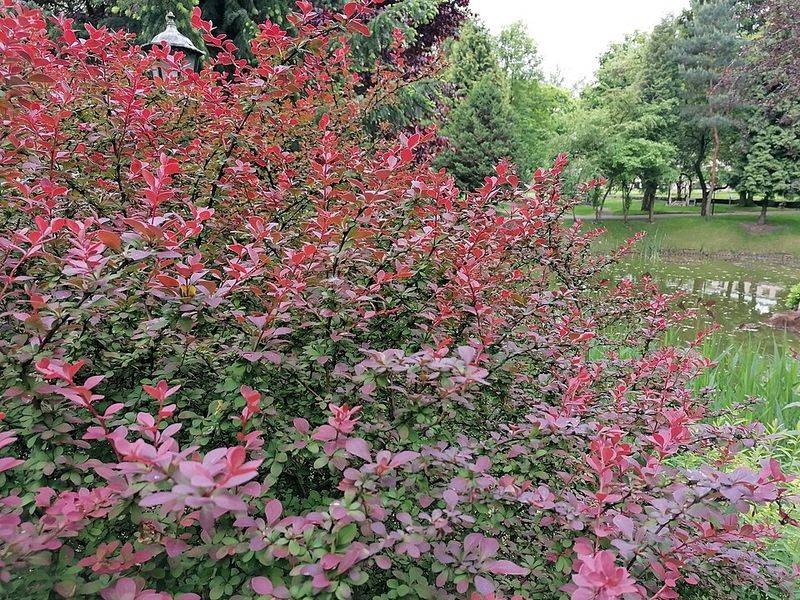
Most people do not think about plant laws when they head to the hardware store. But in Massachusetts, planting Japanese barberry is now against state regulations, and the consequences are real.
The Massachusetts Department of Agricultural Resources lists barberry under its statutory authority in Chapter 128, Sections 2 and 16 through 31A.
That means selling, importing, or propagating it is a violation. Penalties vary depending on the nature and severity of the violation, and commercial sellers face the steepest enforcement risk.
While individual homeowners face smaller penalties, the legal exposure is still something to take seriously. Some residents worry about plants already in the ground before the ban.
Your Massachusetts Garden Changes Every Week. Your Plan Should Too.
Gardening in Massachusetts changes quickly throughout the season. Every Friday you’ll receive a simple weekly plan showing exactly what to plant, prune, fertilize, harvest, and protect so you never miss the right timing.
Existing shrubs are not automatically illegal, but allowing them to spread seeds beyond your property can create liability.
If barberry from your yard invades a neighbor’s land or a protected natural area, you could face complaints or even legal action. That is a headache no one wants from a decorative shrub.
Landscaping companies operating in the state face added scrutiny when handling banned species.
Pesticide applicators and other licensed professionals risk regulatory penalties, and any business caught selling or planting prohibited plants faces direct enforcement action under state law.
Staying informed about plant regulations protects you legally and financially. Checking the state’s updated prohibited plant list each season takes only a few minutes online.
Swapping out your barberry for a legal native alternative eliminates the risk entirely. Choosing compliant plants keeps your yard beautiful and your record clean throughout the growing season.
It’s worth noting that the ban applies to sale, import, and propagation, not to barberry shrubs already growing in your yard.
You won’t face penalties simply for owning an existing plant, though letting it spread seed onto neighboring or protected land can still create liability.
3. Ticks Find Perfect Shelter In Barberry Thickets
Tick season is no joke in New England. Studies show that Japanese barberry thickets harbor dramatically higher numbers of blacklegged ticks than open, native landscapes do.
A University of Connecticut study found significantly higher numbers of infected ticks inside barberry patches than in surrounding areas.
Researchers documented roughly 120 infected ticks per acre where barberry was uncontrolled. In areas without barberry, that number dropped to just 10 ticks per acre.
That is not a small difference, and it matters for your family’s health. Barberry creates a microclimate that ticks absolutely love.
The dense, low branches trap moisture and shade, keeping humidity levels high enough for ticks to survive and reproduce all season long.
Deer also use barberry thickets as cover, and deer carry ticks from one location to another. More deer traffic through barberry means more ticks deposited right in your backyard.
Lyme disease remains a persistent public health concern across Massachusetts. Reducing tick habitat in your own yard is one of the most direct actions you can take to lower your family’s exposure.
Children playing outdoors near barberry hedges face a higher risk of tick bites. Removing the shrub eliminates one of the most hospitable tick environments you can control.
Replacing barberry with open, native ground covers reduces hiding spots for ticks significantly. Sunlight and airflow are natural tick deterrents that native plants support far better than barberry does.
Your yard should feel like a safe space to spend time outdoors. Taking out barberry this summer is one of the most protective steps you can take for everyone who spends time outside.
4. Native Species Struggle To Survive Near Barberry
Walk into a forest invaded by Japanese barberry and you will notice something immediately. The ground beneath it is almost completely bare, stripped of the wildflowers and ferns that belong there.
Barberry changes the soil chemistry around it through a process called allelopathy. It releases chemicals that suppress the growth of nearby plants, giving itself a competitive edge over native species.
Wild ginger, trillium, and native ferns struggle to establish themselves where barberry has taken hold. These plants are not just pretty; they anchor soil, feed insects, and support entire food webs.
When native understory plants disappear, the animals that depend on them follow. Pollinators lose food sources, ground-nesting birds lose cover, and salamanders lose the moist leaf litter they need to survive.
Barberry also alters soil nitrogen levels in ways that favor other invasive species. Once it moves in, Japanese stiltgrass and garlic mustard often follow close behind, compounding the damage rapidly.
Forest managers in Massachusetts spend enormous resources fighting barberry in protected lands.
The shrub has been found in state forests, wildlife sanctuaries, and conservation areas across the entire region.
Every barberry removed from a residential yard reduces the seed pressure on nearby natural areas. Homeowners who act now become part of the solution to a statewide ecological challenge.
Healthy native ecosystems begin at the edges of our own properties. Choosing to remove barberry from your yard sends ripples of benefit far beyond your fence line.
5. Spreading Roots Make Barberry Hard To Control
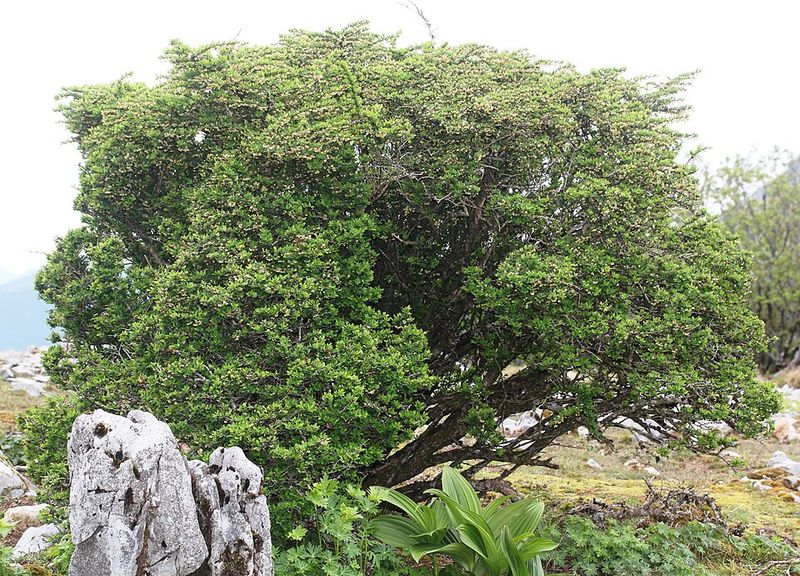
Barberry is notoriously difficult to remove completely. Anyone who has tried to clear an established shrub knows it pushes back with sharp thorns, dense root masses, and stubborn regrowth from leftover root fragments.
The root system of a mature barberry spreads widely and anchors deeply. Even after cutting the main stems, roots left in the ground will send up new shoots within weeks.
Each tiny root fragment left in the soil has the potential to become a new plant. Partial removal can actually stimulate the plant to grow back more aggressively than before.
Complete removal requires digging out the entire root ball, which is exhausting work in rocky New England soil. Thick gloves are essential because the thorns can puncture standard garden gloves with ease.
Smaller plants removed early are far easier to handle than mature shrubs. A seedling that has been growing for one season takes minutes to pull; a five-year-old shrub can take hours.
Some homeowners use a combination of cutting and targeted herbicide application for stubborn plants. Consulting a licensed landscaper familiar with invasive plant removal is a smart move for large infestations.
Monitoring the removal site for an entire growing season is critical. New sprouts from dormant root fragments must be pulled immediately before they establish a new foothold.
Starting the removal process this summer gives you the best chance of full eradication before next spring. The longer you wait, the more entrenched the root system becomes beneath your soil.
6. Removing Barberry Now Prevents Bigger Problems Later
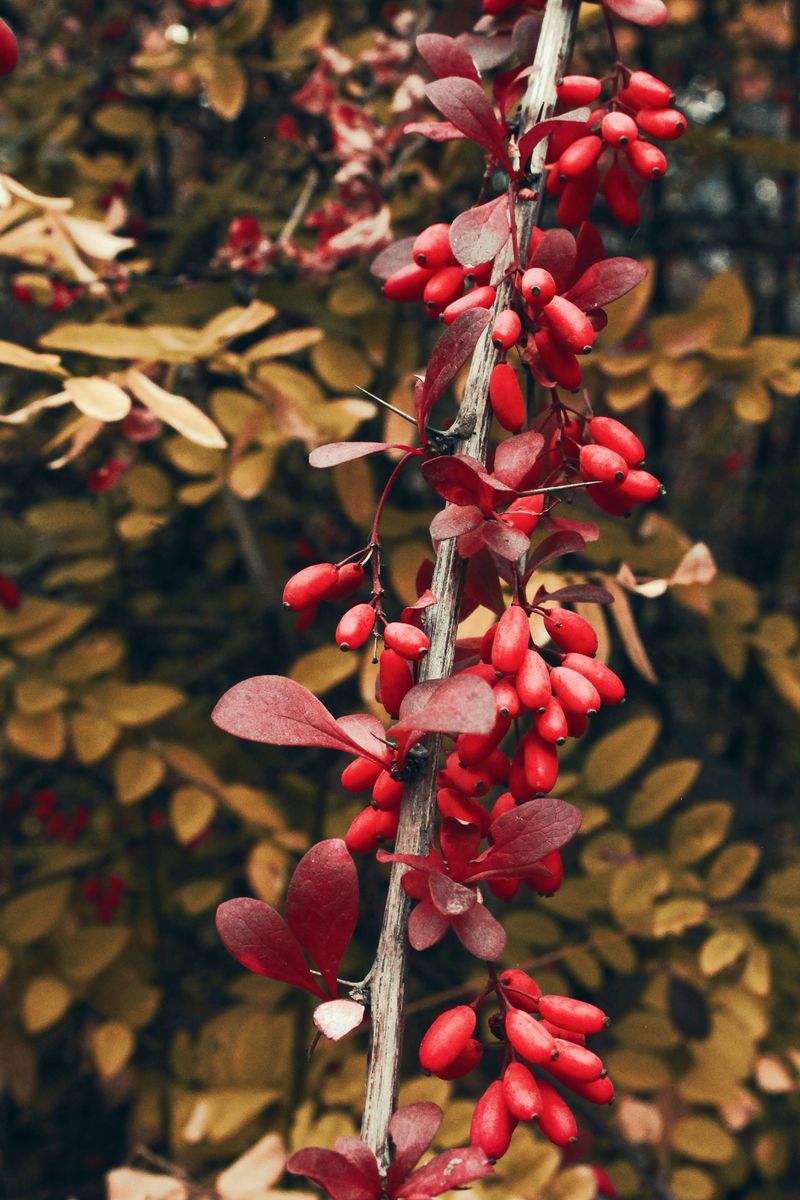
Timing matters enormously when tackling invasive plants. Removing Japanese barberry before it sets seed this season stops hundreds of potential new plants from sprouting in and around your yard next year.
A single barberry shrub can produce thousands of seeds per year, with some cultivars generating well over 8,000 seeds annually, according to invasive plant researchers.
Multiply that across several shrubs, and you are looking at a seed bank that takes years to exhaust.
Seeds remain viable in the soil for several years after the parent plant is gone. That is why early removal combined with consistent monitoring gives you the best long-term results.
Summer is actually an ideal removal window because the plant is actively growing and clearly visible. Identifying and targeting every stem is easier when the leaves are full and bright.
Waiting until fall might seem practical, but by then the berries have ripened and birds have already spread seeds across your property. Acting before that happens breaks the reproductive cycle effectively.
Removing barberry also opens up growing space that native shrubs can quickly colonize. Planting replacements immediately after removal helps prevent weeds from filling the gap before natives establish themselves.
Neighbors who coordinate their removal efforts see faster results across shared landscapes. A block-level approach to barberry removal is far more effective than isolated individual efforts.
Every shrub you take out this summer is one less problem compounding through next year. Small action now prevents an expensive, labor-intensive restoration project down the road.
7. Choosing Native Plants Protects Local Ecosystems
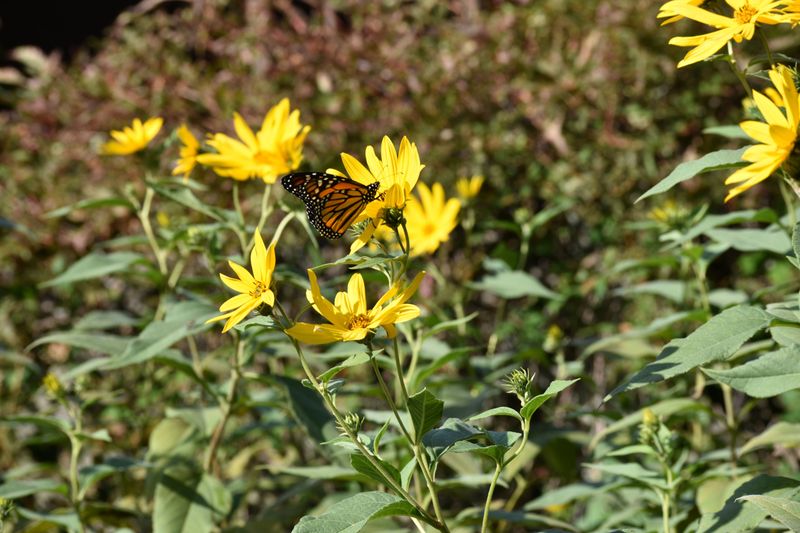
Once the barberry is out, the exciting part begins. Choosing native shrubs to fill the space transforms your yard into a genuine habitat that supports the local food web from the ground up.
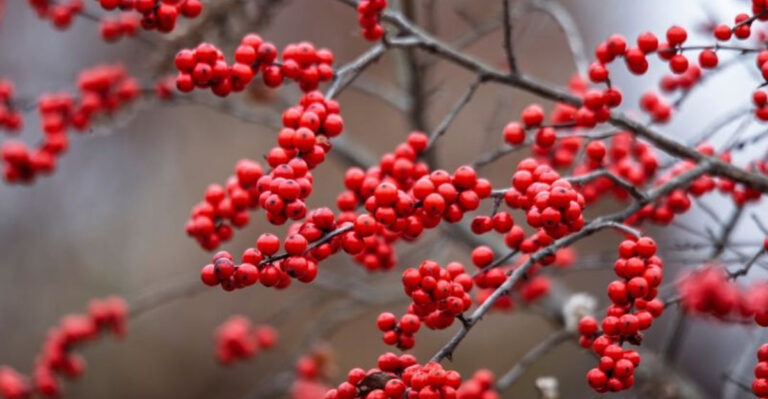
Inkberry holly is a top recommendation from New England native plant nurseries. It thrives in wet or dry conditions, produces berries that birds love, and grows into a tidy, attractive form.
Native viburnums offer stunning spring flowers, brilliant fall color, and berries that support migrating birds through autumn. They fill roughly the same visual role that barberry once played in a landscape design.
Chokeberry, also called aronia, is another powerhouse native shrub gaining popularity with Massachusetts gardeners. It tolerates poor soil, attracts pollinators heavily, and produces striking red or black berries depending on the variety.
Spicebush is a wonderful choice for shadier spots where barberry once dominated. Its yellow spring flowers and bright red fall berries are beloved by spicebush swallowtail butterflies and thrushes alike.
Native plants require far less maintenance once established because they evolved alongside local rainfall patterns and soil types. Fewer supplements, less watering, and minimal pest pressure make them genuinely easier to manage long-term.
Local nurseries specializing in native plants can help you match species to your specific yard conditions. Many offer free consultations and regional planting guides tailored to Massachusetts growing zones.
Filling your yard with native plants is one of the most impactful garden decisions you can make this season. Your local ecosystem will reward that choice for decades to come.
8. Ignoring The Ban Could Affect Your Property Value
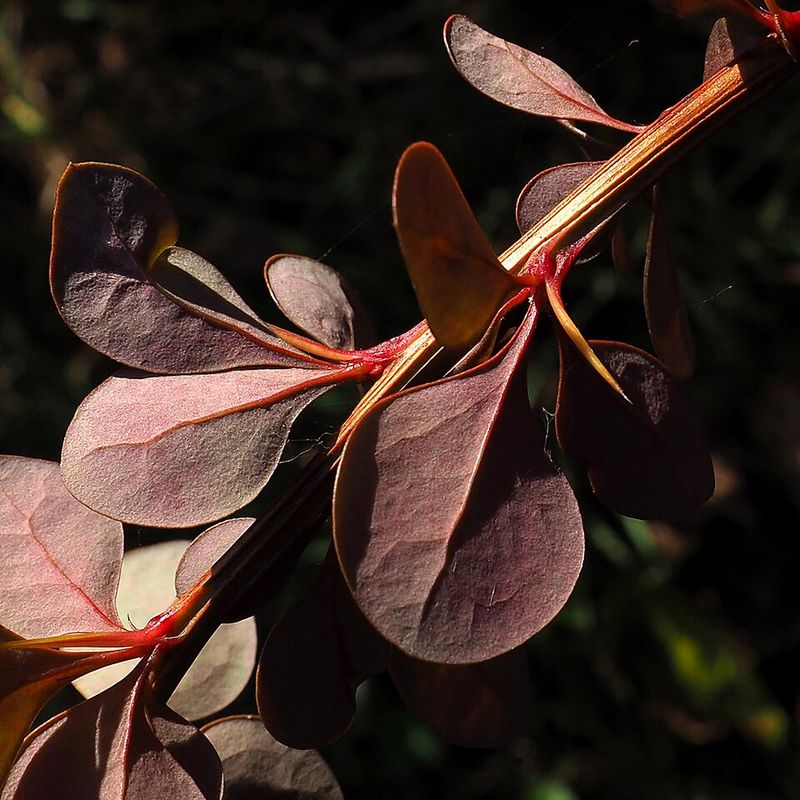
Here is something most homeowners never consider when they skip yard maintenance: invasive plants can quietly drag down your property’s appeal and market value. Buyers and inspectors are paying closer attention than ever.
Invasive plants can factor into how a property is perceived during a sale, particularly when an overgrown hedge signals years of neglected landscaping.
Invasive plant issues, like any landscaping concern, can come up during the home-selling process and are worth addressing before listing a property.
Invasive plants encroaching on structures or drainage areas can sometimes draw attention during a home inspection, which is worth keeping in mind if a sale is on the horizon.
Barberry thorns can also damage siding, window screens, and outdoor furniture when shrubs grow close to the house. Physical damage from neglected shrubs adds repair costs that reduce your net return at resale.
That kind of upkeep signals to buyers that the home has been thoughtfully maintained, which can work in a seller’s favor in a competitive market.
Protecting your investment in Japanese barberry removal is also protecting your future. A yard free of invasive plants is a yard that works for you, not against you, when it is time to sell.