What It Really Means When Cooper’s Hawks Target Your North Carolina Bird Feeders
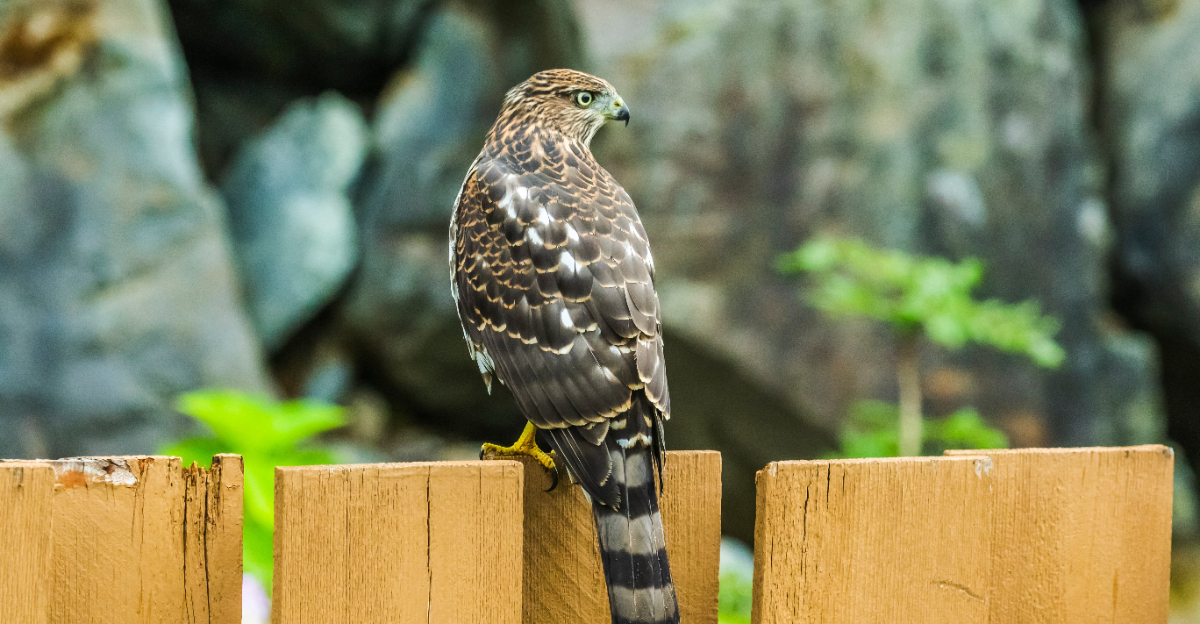
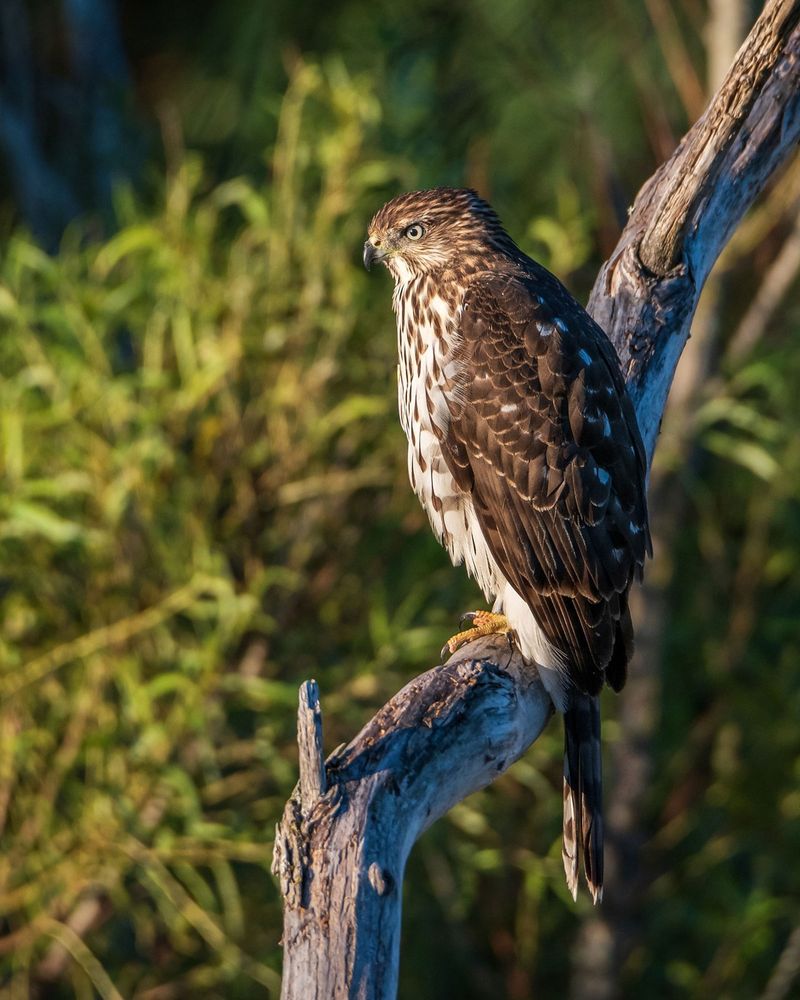
A Cooper’s hawk showing up at a bird feeder is not the random misfortune it feels like in the moment. These hawks are deliberate, intelligent hunters, and a feeder that draws their repeated attention has specific qualities that make it worth returning to.
Cooper’s hawks have adapted to suburban hunting across North Carolina with remarkable success. The feeders they target consistently share identifiable characteristics related to placement, surrounding vegetation, and prey concentration.
Understanding what is making a particular feeder attractive to a Cooper’s hawk gives a North Carolina gardener real options for modifying the situation rather than simply hoping the hawk moves on to someone else’s yard.
1. Your Feeder Has Become A Reliable Bird Gathering Spot
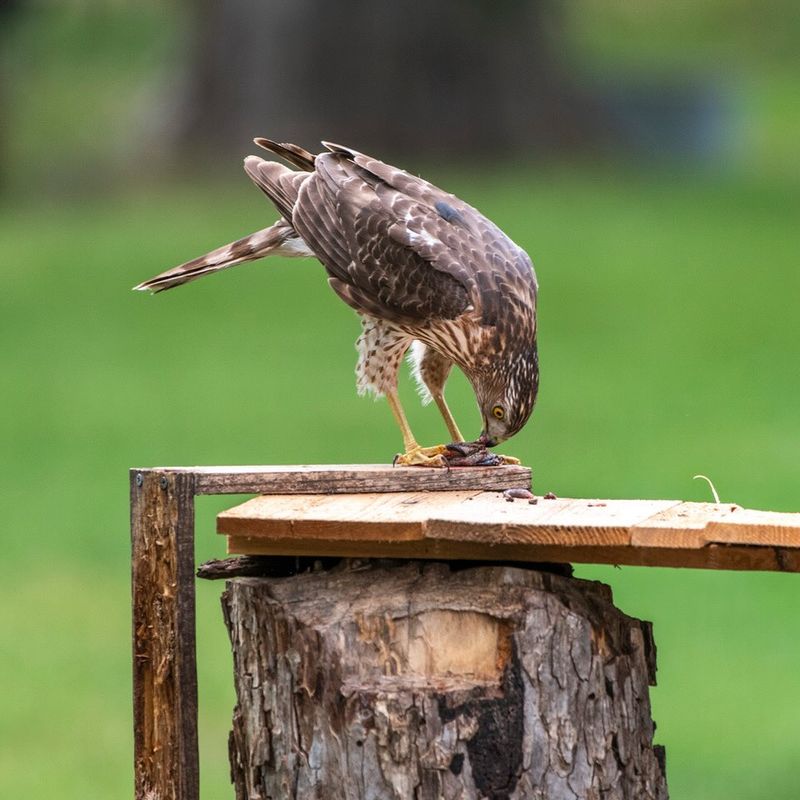
Bird feeders do something really powerful without you even realizing it. Over time, they turn your backyard into a reliable, predictable gathering place for small birds, and that kind of steady activity sends a clear signal through the local food web.
A Cooper’s hawk is not interested in your birdseed at all. What it notices is the movement, the noise, and the concentration of small birds in one spot.
Cooper’s hawks are built for exactly this kind of hunting opportunity. They are fast, agile fliers that can weave through trees and shrubs with impressive precision.
When a feeder draws in sparrows, finches, and doves day after day, it becomes a known location on the hawk’s mental map of your neighborhood. The hawk is simply responding to what your feeder has created.
North Carolina backyards that run active feeders year-round tend to attract more raptor attention than yards with occasional feeding. That does not mean you have done anything wrong.
It actually means your yard has become a functioning part of the local backyard ecosystem, which is genuinely exciting for any nature lover. The feeder brought the songbirds, and the songbirds brought the hawk.
Try to see it as a sign that your yard is thriving. A visit from a Cooper’s hawk confirms that your backyard supports real wildlife activity.
Staying calm and observing what happens naturally is often the best first move before deciding whether any changes are needed.
2. Your Yard May Have The Trees Cooper’s Hawks Like
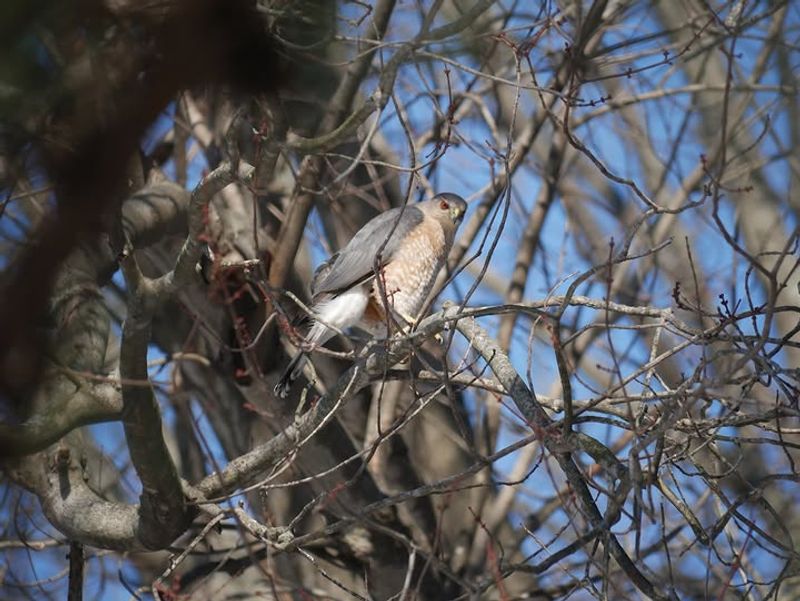
Not every backyard attracts Cooper’s hawks equally. These birds have strong preferences when it comes to habitat, and a yard filled with mature trees, wooded edges, and layered shrubs checks almost every box on their wish list.
North Carolina’s mix of suburban neighborhoods and natural woodland makes it one of the most appealing regions for this species in the entire eastern United States.
Cooper’s hawks are woodland hunters by nature. They evolved to chase prey through dense tree cover, using their short wings and long tail to steer around branches at high speed.
A shaded yard with plenty of vertical structure, meaning trees of different heights growing close together, gives them exactly the kind of environment they feel comfortable moving through. Open, treeless yards rarely attract them the same way.
Your North Carolina Garden Changes Every Week. Your Plan Should Too.
Gardening in North Carolina changes quickly throughout the season. Every Friday you’ll receive a simple weekly plan showing exactly what to plant, prune, fertilize, harvest, and protect so you never miss the right timing.
If your feeder sits near a tree line, a hedgerow, or a cluster of tall oaks or pines, your yard is offering both food and cover from the hawk’s point of view. That combination is hard for a Cooper’s hawk to pass up.
Many North Carolina gardeners are surprised to learn that their carefully planted, bird-friendly yards are also raptor-friendly by design.
Appreciating this overlap is part of understanding how backyard ecosystems really work. Your trees are not causing a problem.
They are doing exactly what good habitat is supposed to do, supporting a wide range of wildlife at every level of the food web, from tiny insects all the way up to sharp-eyed raptors.
3. The Hawk May Be Patrolling A Regular Route
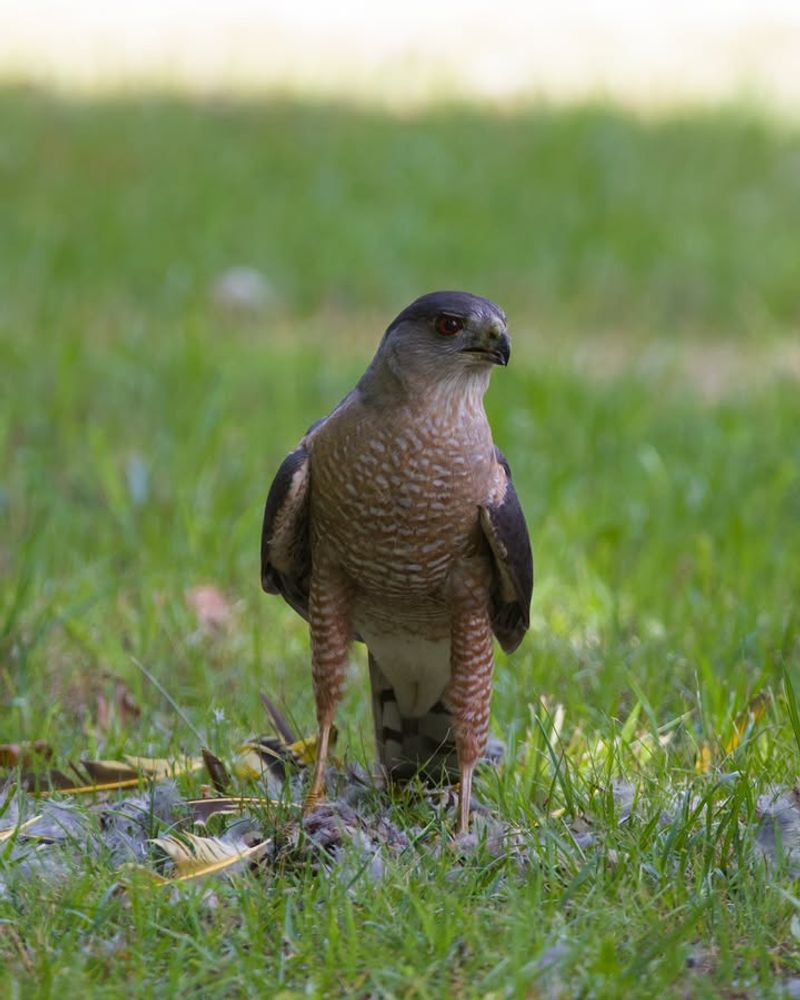
Cooper’s hawks are not random wanderers. When a yard offers steady bird traffic, good perching spots, and nearby tree cover, a hawk can begin including it in a regular patrol route that it follows day after day.
If you have noticed the same hawk showing up around the same time each morning or afternoon, that is almost certainly what is happening in your yard.
These raptors are territorial and creatures of habit during certain seasons. A Cooper’s hawk that finds consistent hunting success in a neighborhood will map out a loop that hits the most productive spots on a reliable schedule.
Your feeder, if it stays busy with small birds, becomes one of those stops. The hawk is essentially running its own version of a daily routine, much like a delivery driver following the same street every morning.
Watching the pattern before making any changes is genuinely smart birdwatching. Notice what time the hawk appears, where it perches first, and how long it stays.
This kind of observation tells you a lot about whether the visits are increasing, holding steady, or already tapering off on their own. Many North Carolina birders find that hawk activity naturally shifts with the seasons.
Patience pays off here. Rushing to rearrange your entire yard after one or two visits may not be necessary.
Give yourself a week or two of quiet observation first, and you will have a much clearer picture of whether the hawk has truly settled into a regular pattern or is simply passing through on occasion.
4. Fewer Songbirds For A While Can Be Normal
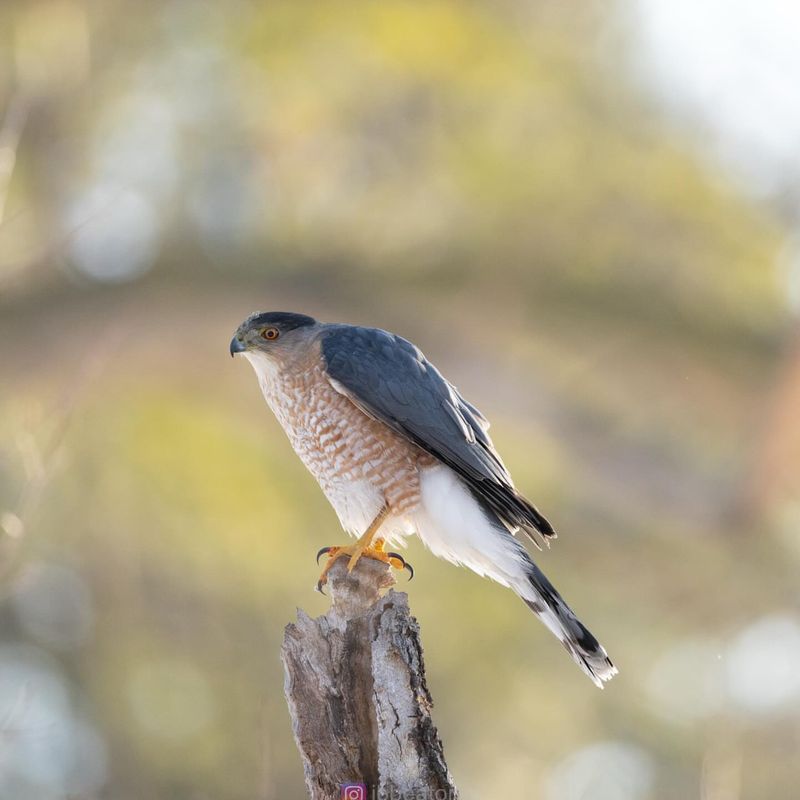
One of the most noticeable things that happens after a Cooper’s hawk visits a feeder is that the yard goes quiet. Songbirds have excellent instincts, and the moment they sense a predator nearby, they scatter fast and find cover.
That sudden silence at the feeder can feel alarming if you are not expecting it, but it is actually a completely normal and healthy response.
Small birds like chickadees, sparrows, and house finches have a strong alarm communication system. One sharp call from a watchful bird can send the entire flock into the nearest bush within seconds.
They will stay hidden, sometimes for twenty minutes or longer, until the area feels safe again. The feeder does not need to be empty for hours before you start to worry.
Most of the time, feeder activity bounces back once the hawk moves on. Birds are remarkably good at reading their environment, and they will return to feeding as soon as their instincts tell them the coast is clear.
If your yard has dense shrubs or small trees nearby, the birds are probably sheltering right there, just a few feet from the feeder, waiting things out.
For backyard birders in North Carolina, this quiet period is actually a great time to observe. Watch the shrubs carefully and you might spot the hiding birds.
Knowing that the pause is temporary makes it much easier to enjoy the whole experience rather than feeling frustrated by the empty feeder. The birds will come back, and often sooner than you expect.
5. Your Feeder Placement May Be Too Exposed
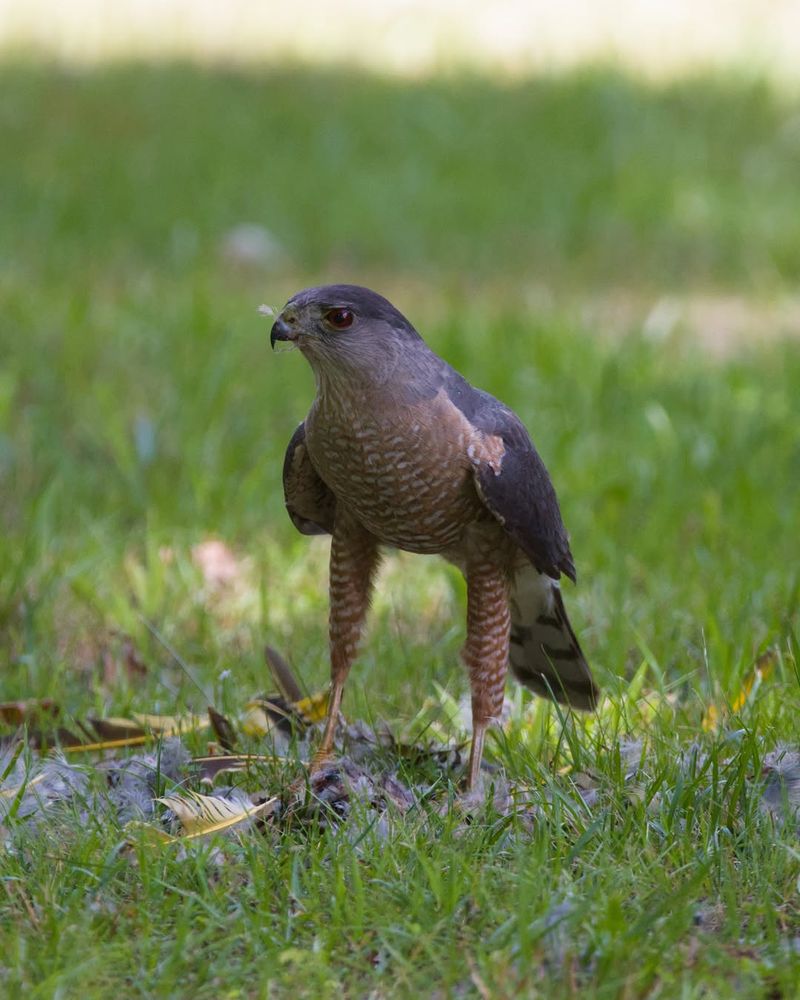
Where you place your feeder matters more than most people realize. A feeder mounted in the wide open center of a lawn, far from any shrubs or low branches, leaves visiting birds with very few quick escape options when a hawk appears.
Cooper’s hawks are fast and highly maneuverable, so every extra second a small bird needs to reach cover counts against it.
Feeders work best when they are positioned near natural shelter without being dangerously close to windows. Placing a feeder within about ten feet of dense shrubs or small trees gives birds a quick path to safety the moment they sense trouble.
That short flight to cover can make a real difference. On the other hand, placing a feeder within three feet of a window creates a different hazard, since birds may fly toward the glass when startled.
The sweet spot for feeder placement is roughly ten to twelve feet from a window and close enough to a shrub or small tree that birds can reach cover in just a second or two.
North Carolina gardeners who adjust feeder placement with this in mind often notice that their feeder stays busier even during periods of hawk activity, because the birds feel more secure.
Think of feeder placement as part of your overall yard design rather than an afterthought. A well-placed feeder does not just attract more birds.
It supports them more thoughtfully, giving them the kind of environment where they can feed with confidence and retreat quickly when they need to. Small adjustments to placement can make a surprisingly big difference over time.
6. A Short Feeder Break May Reset The Pattern
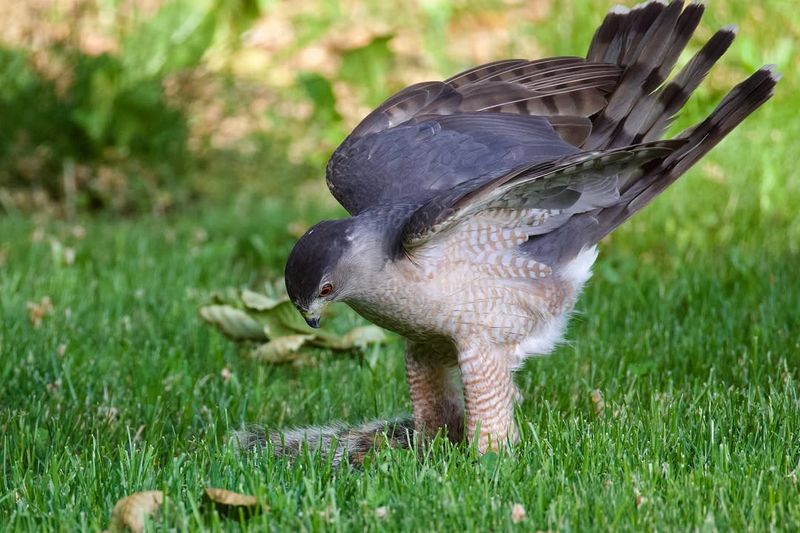
Sometimes the most practical move is also the simplest one.
If a Cooper’s hawk has been visiting your yard so frequently that the feeder birds are constantly stressed and hiding, taking the feeders down for a short stretch can genuinely help reset the situation.
It sounds counterintuitive, but it works by removing the one thing drawing birds into that concentrated, predictable spot.
A break of about one to two weeks is usually enough to disrupt the hawk’s patrol pattern. Without a steady gathering of small birds in one place, there is less reason for the hawk to keep circling back to that specific spot.
Many North Carolina birders have tried this approach and found that when they bring the feeders back out, the hawk visits become less frequent or stop altogether for a while.
Before you hang the feeders back up, give them a good cleaning. Feeders that sit out for weeks can collect mold, bacteria, and old seed debris that is not healthy for birds.
A thorough scrub with a mild soap and water solution, followed by a complete rinse and dry, gets everything fresh and ready. Clean feeders also attract birds back more quickly once you put them out again.
Taking a feeder break does not mean giving up on backyard birding. Think of it as a short reset that benefits both the songbirds and your overall yard experience.
When the feeders go back up in a slightly adjusted location with better shelter nearby, the whole setup tends to work more smoothly and feel more balanced for everyone sharing the space.
7. Native Plantings Make The Yard Safer And More Balanced
A yard that relies entirely on one feeder as its main bird attraction is putting a lot of pressure on a single spot.
When dozens of birds crowd around one feeding station day after day, it creates a concentrated target that is very easy for a hawk to notice and remember.
Spreading that activity out through the yard changes the whole dynamic in a really positive way.
Native plants are one of the best tools North Carolina gardeners have for doing exactly that. Berry-producing shrubs like beautyberry, native hollies, and serviceberry give birds natural food sources scattered throughout the yard.
Seed-producing native grasses and wildflowers like black-eyed Susans and coneflowers draw in birds at ground level and mid-height, spreading activity away from any single feeder location.
Layered plantings also create hiding places that birds can use the moment they feel threatened. A yard with groundcover plants, mid-height shrubs, and tall trees gives birds multiple levels of shelter to choose from.
That kind of structural variety makes small birds feel much more secure, and it reduces the frantic scramble for cover that happens when a hawk appears near an exposed feeder.
Beyond the safety benefits, native plantings support insects, pollinators, and a whole range of wildlife that makes your yard feel genuinely alive.
North Carolina has a rich native plant palette to choose from, and even adding just a few well-chosen shrubs or perennials can noticeably shift how birds use your space. A more natural yard is a more resilient yard, and that is good for every creature in it.
8. The Best Response Is Respectful Adjustment
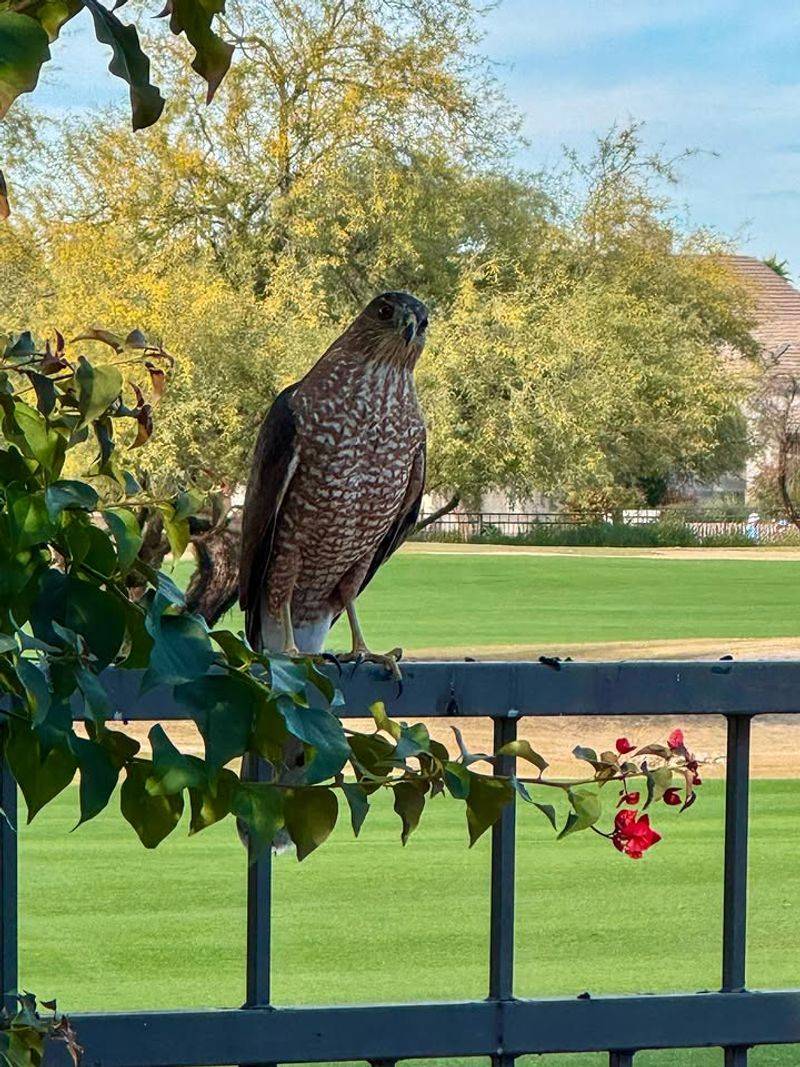
Cooper’s hawks are federally protected under the Migratory Bird Treaty Act, which means harming, trapping, or disturbing them is not a legal option. The good news is that you do not need to do any of that.
The most effective responses to hawk visits are all about thoughtful, practical adjustments to your yard setup rather than anything dramatic or disruptive.
Start with feeder placement. Moving your feeder closer to dense shrubs gives birds faster access to cover without putting the feeder so close to windows that collisions become a risk.
Adding a brush pile or a few native shrubs near the feeding area gives small birds more hiding options. These are small changes that can make a real difference in how secure your feeder birds feel during a hawk visit.
Reducing window strike risk is worth addressing at the same time. Window strikes are one of the biggest hazards for backyard birds, and a startled bird fleeing a hawk is especially vulnerable.
Window decals, exterior screens, or simply repositioning feeders can significantly cut down on this risk. Keeping feeders clean between uses is another simple step that supports bird health year-round.
When hawk visits feel too frequent and the yard tension gets high, a short feeder break remains one of the most reliable tools available.
Combine that with better shelter planting and smarter feeder placement, and your yard will settle into a healthier, more balanced rhythm.
The hawk is just doing what hawks do. Your job is simply to make thoughtful choices that work well for everyone sharing your North Carolina backyard.