Pawpaws And Persimmons Are North Carolina Natives Almost Nobody Plants But Everyone Should
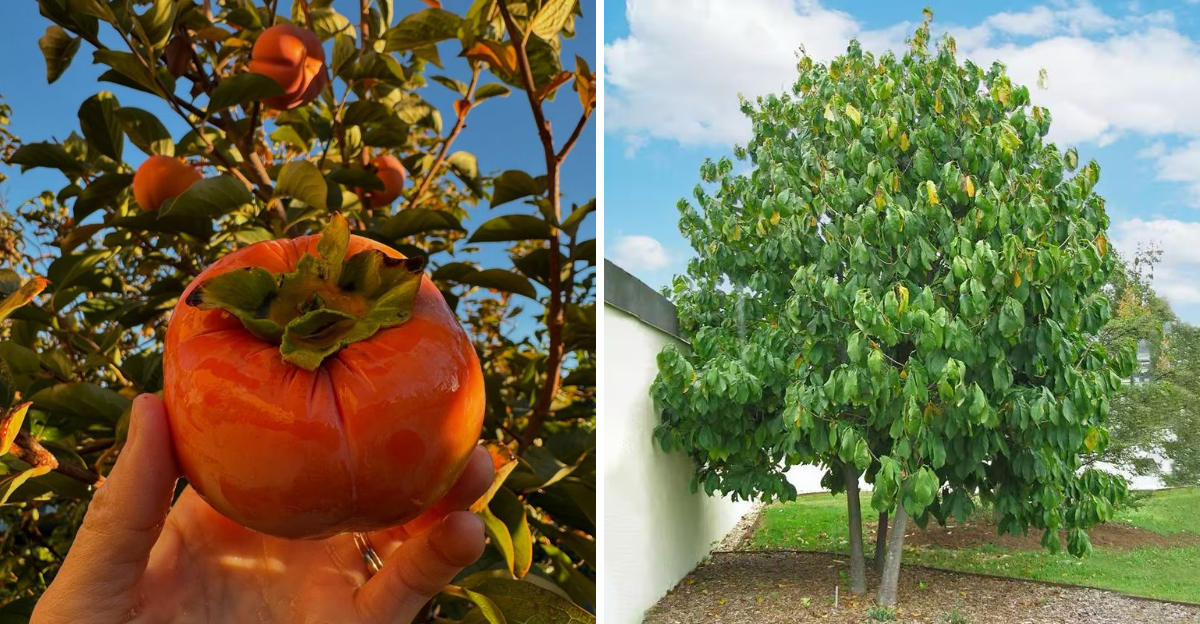
Two of the most interesting and productive native fruit trees available to North Carolina gardeners are sitting in near-complete obscurity while imports and exotics take up space in yards across the state.
Pawpaws and persimmons evolved here, which means they handle North Carolina soils, summer humidity, and winter cold without any of the babying that non-native fruit trees regularly demand.
Both produce fruit that tastes genuinely exceptional when harvested at the right moment from a healthy tree, and neither gets anywhere near the attention that quality deserves in conversations about home orchards.
Beyond the fruit, both trees support local wildlife and native insects in ways that connect them to the broader ecosystem of a yard rather than just occupying space in it.
1. They Are Native Fruit Trees With Real North Carolina Roots
Long before grocery stores existed, native peoples and early settlers across North Carolina were eating pawpaws and persimmons straight from the wild.
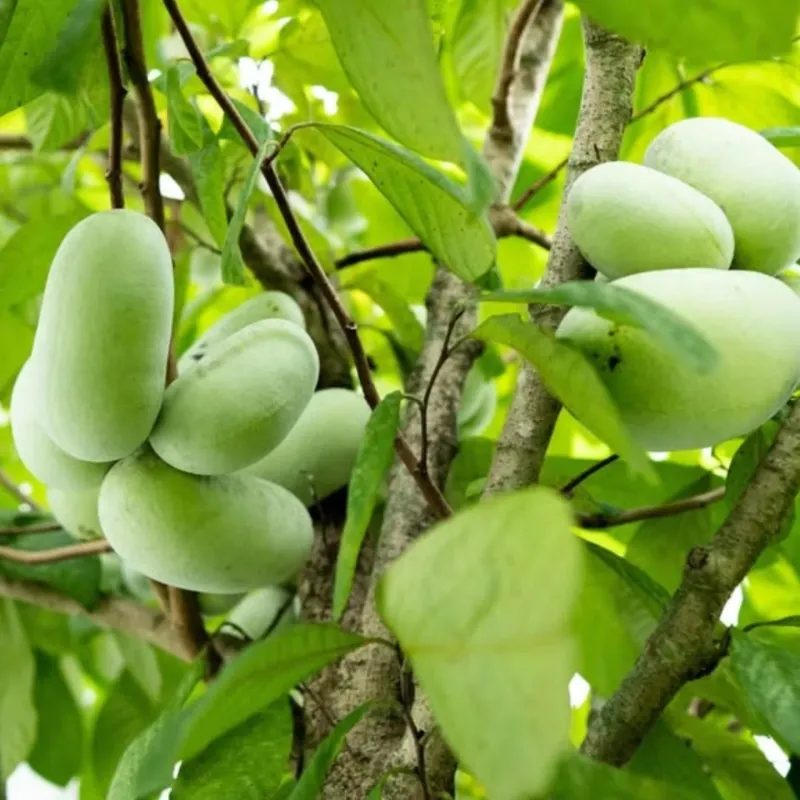
Pawpaw, known scientifically as Asimina triloba, is native to eastern North America and grows throughout much of North Carolina, from the Piedmont to the mountains.
American persimmon, Diospyros virginiana, is equally at home here, found naturally across the Coastal Plain, Piedmont, and Mountain regions of the state.
Planting native fruit trees is not just a nostalgic idea. Native trees are already adapted to local soils, rainfall patterns, humidity, and temperature swings.
That means less work for you and fewer problems with pests or diseases compared to trees that evolved somewhere else entirely.
There is also something genuinely exciting about growing a fruit tree that belongs here. These are not exotic imports struggling to survive in unfamiliar conditions.
Pawpaws and persimmons are locals in the truest sense, and that gives them a natural edge that no amount of fertilizer or special care can replicate for a non-native species.
Choosing them is a smart, grounded decision for any gardener who wants results that actually last.
2. They Give Home Gardeners Fruit Most Stores Rarely Offer
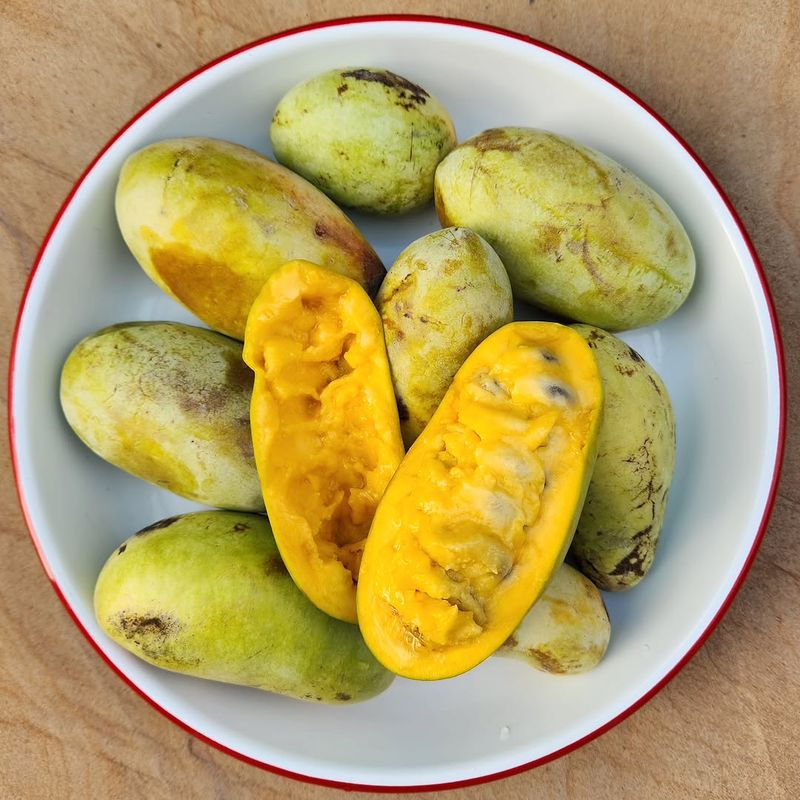
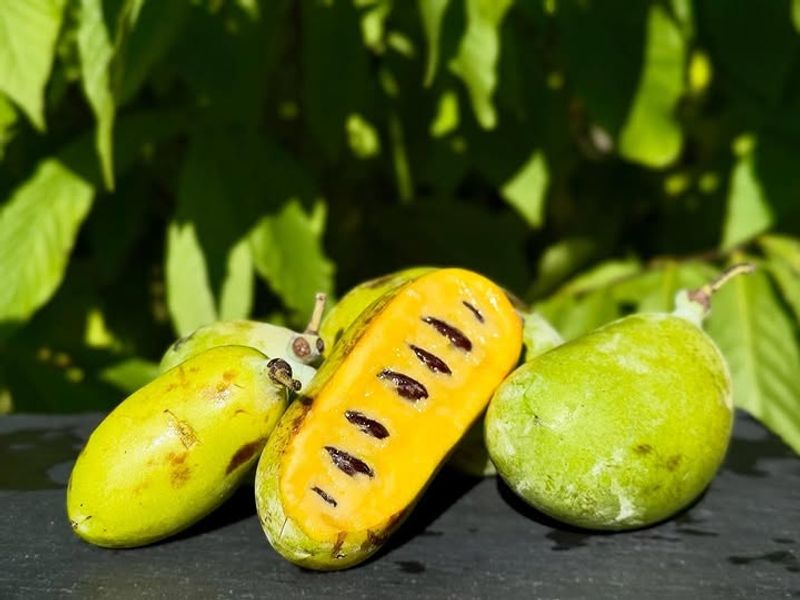
Imagine biting into something sweet, creamy, and tropical-tasting right from a tree in your own backyard. That is exactly what a ripe pawpaw delivers.
The flavor is often described as a blend of banana, mango, and vanilla custard, and the texture is smooth and soft when the fruit reaches full ripeness.
You will almost never find pawpaws at a regular grocery store because the fruit bruises easily and has a very short shelf life after harvest, making it nearly impossible to ship commercially.
American persimmon offers a completely different but equally rewarding experience.
When fully ripe and very soft, the fruit turns sweet and almost jammy, with a rich flavor that feels made for autumn. The catch is timing.
Eat a persimmon before it is truly soft and ripe, and the astringency will make your mouth pucker instantly.
Patience is the key ingredient with persimmon. Both fruits are genuine rarities in the modern food world.
Growing them at home means you get access to flavors that almost nobody else on your street has ever tasted fresh. There is real joy in that.
Your North Carolina Garden Changes Every Week. Your Plan Should Too.
Gardening in North Carolina changes quickly throughout the season. Every Friday you’ll receive a simple weekly plan showing exactly what to plant, prune, fertilize, harvest, and protect so you never miss the right timing.
Sharing a bowl of ripe pawpaws or a handful of soft persimmons with neighbors who have never tried them before is one of those small but memorable gardening rewards that keeps you coming back for more.
3. Pawpaws Can Handle Woodland-Style Garden Spots
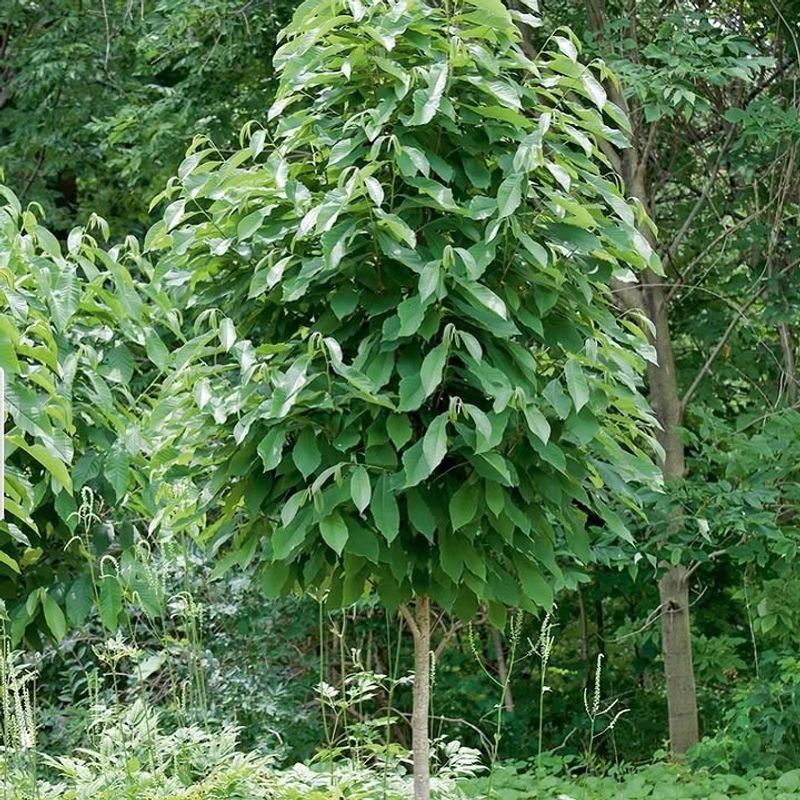
Most fruit trees demand full sun and an open planting spot, which rules out a lot of North Carolina yards. Pawpaw breaks that rule in a genuinely useful way.
In the wild, pawpaw grows as an understory tree, meaning it naturally establishes itself beneath taller trees where light is filtered and shade is common.
Young pawpaw plants actually prefer some shade when they are getting started, which makes them one of the few fruit trees that can work in a woodland-edge setting.
As pawpaws mature, they become more tolerant of full sun and will actually produce more fruit with increased light exposure. So a spot that transitions from partly shaded to sunnier over time works very well for them.
Riparian areas, the edges of wooded lots, naturalized garden sections, and spots near streams or low areas are all places where pawpaw can thrive when other fruit trees would struggle.
For North Carolina gardeners with challenging shaded corners or naturalized sections of their property, this flexibility is a big advantage.
You do not have to clear trees or completely reshape your yard to grow pawpaws successfully.
Work with what you already have, find a spot with decent moisture and some light, and a pawpaw can fill that space beautifully while eventually rewarding you with one of the most unusual fruits you will ever taste straight from your own land.
4. Persimmons Handle Tougher Yard Conditions Than People Expect
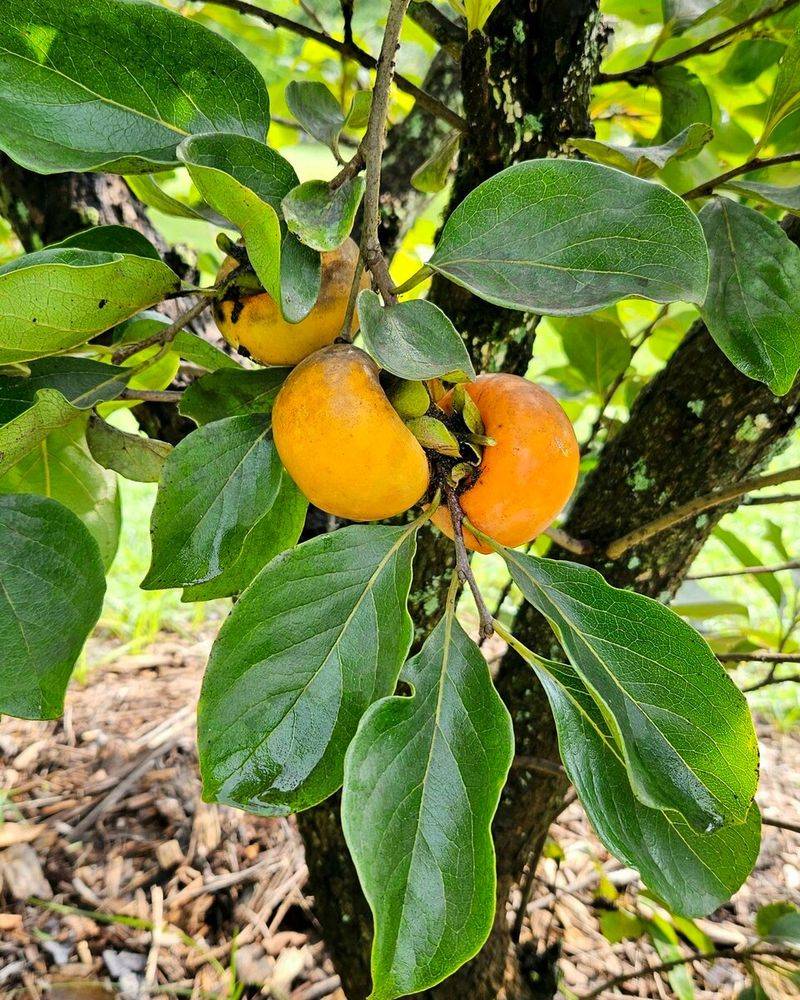
American persimmon is one of the toughest native fruit trees you can plant in North Carolina.
While many fruit trees need rich, well-drained soil and consistent moisture to stay healthy, persimmon can grow in conditions that would send other trees into serious decline.
It tolerates hot, dry summers, compacted soils, clay-heavy ground, and urban stress factors like pollution and reflected heat from pavement.
That toughness makes it genuinely valuable for real-world yards. Not every homeowner has perfect loamy soil and a well-irrigated growing area.
Many North Carolina yards have patches of heavy clay, sloped areas that dry out fast, or spots near driveways and structures where heat builds up. Persimmon handles all of that without much complaint once it is established.
The tree is also wind-tolerant and does not require the kind of careful siting that more delicate fruit trees demand. It develops a strong root system over time, which helps anchor it in exposed spots.
For gardeners who have tried and struggled with peaches, plums, or cherries in difficult areas, persimmon offers a refreshing change of pace.
You plant it, give it reasonable care during its first couple of years, and then mostly step back and let it do its thing.
Few fruit trees offer that kind of low-maintenance reliability while still delivering actual edible fruit worth looking forward to each fall season.
5. They Add Food And Beauty At The Same Time
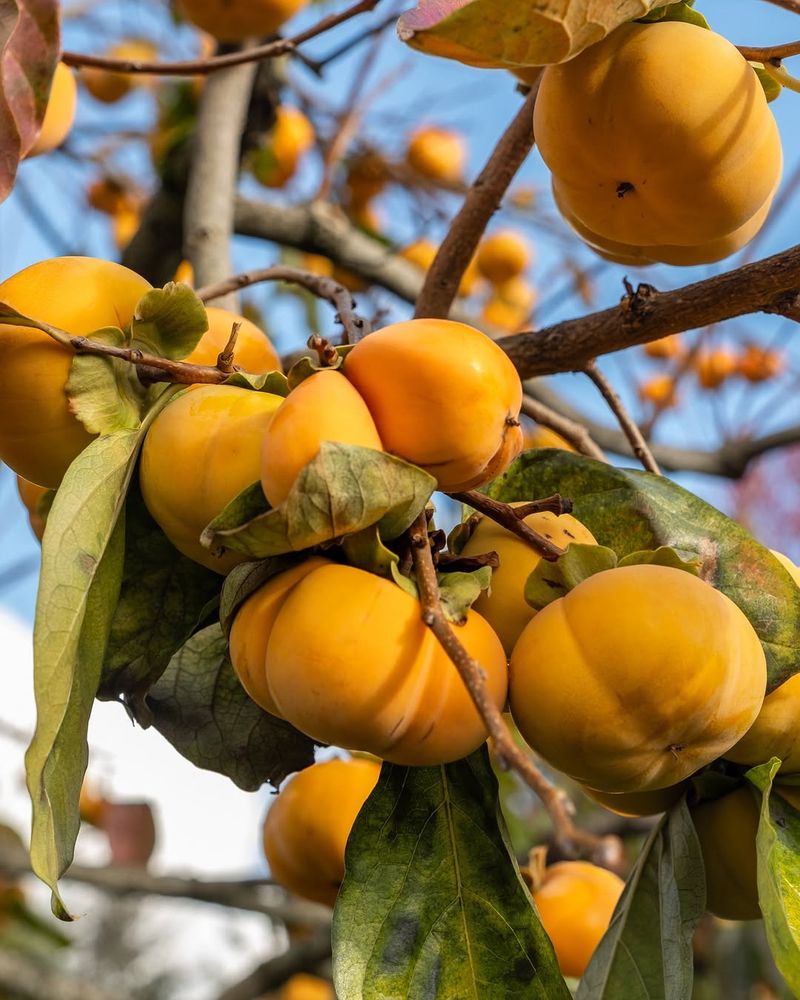
Not every fruit tree doubles as a landscape showstopper, but pawpaw and American persimmon both pull that off with ease.
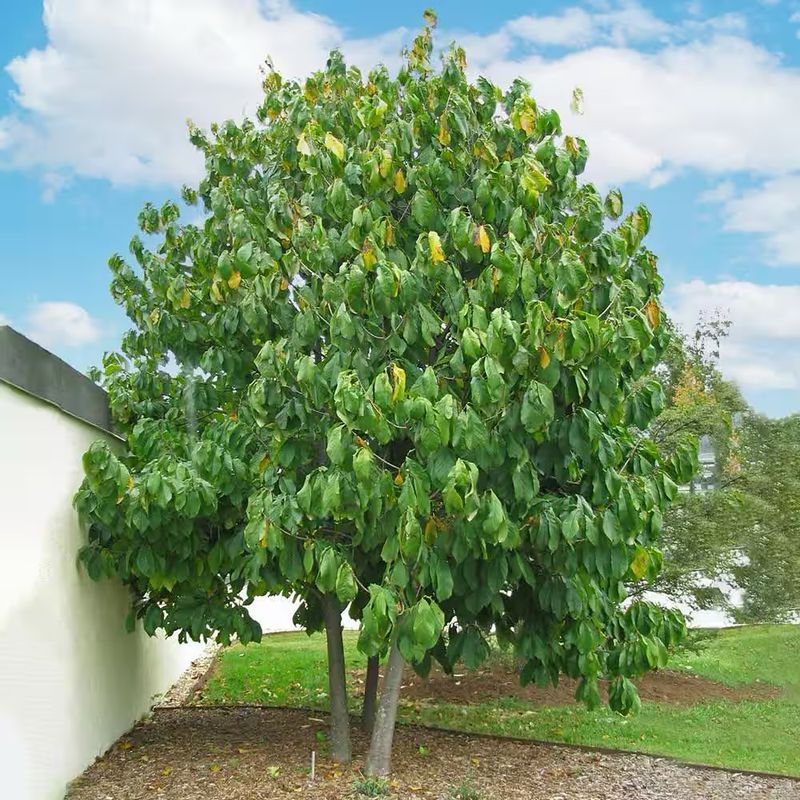
Pawpaw has some of the largest leaves of any native tree in North Carolina, giving it a lush, almost tropical look during the growing season.
In fall, those big leaves turn a warm golden yellow before dropping, adding a burst of seasonal color that feels surprisingly bold for a native understory tree. American persimmon brings its own kind of beauty.
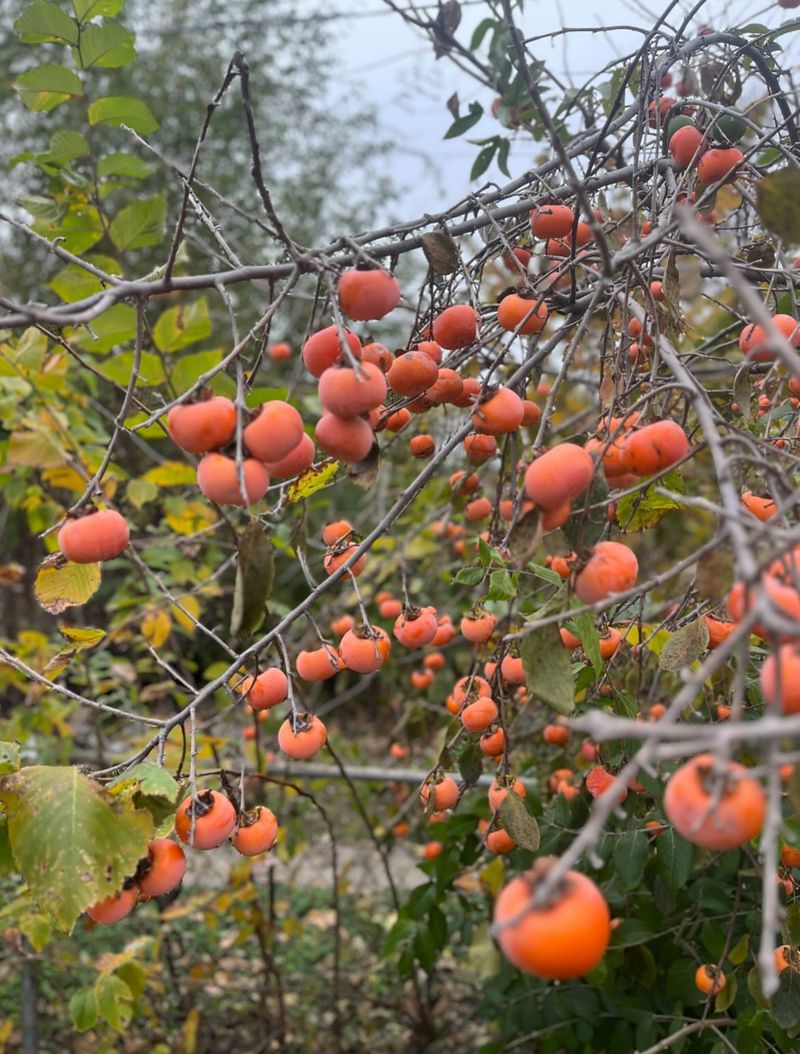
The orange fruit clings to bare branches well into late fall and early winter, creating a striking visual display even after the leaves have gone.
The bark of a mature persimmon tree is distinctively blocky and textured, adding interesting structure to a winter landscape when most other trees look plain.
Together, these two trees work beautifully in native gardens, edible landscapes, wildlife-friendly yards, and naturalized spaces.
They are not just functional food producers that you tuck into a back corner and forget about.
Both trees earn their place in a visible part of the garden by contributing real ornamental value across multiple seasons.
Gardeners who want their yard to look intentional and interesting while also producing something worth eating will find that pawpaw and persimmon deliver on both promises without requiring elaborate design work or expensive landscaping to pull it off.
6. They Support Wildlife Without Feeling Like A Wild Mess
Gardeners who care about wildlife often worry that planting for birds and animals means sacrificing a tidy, intentional-looking yard.
Pawpaw and American persimmon prove that concern wrong in a satisfying way.
Both trees support a wide range of North Carolina wildlife while still fitting into a thoughtfully designed planting space when positioned well.
Pawpaw attracts several species of pollinators, including flies and beetles that are drawn to its unusual reddish-purple flowers in early spring.
Small mammals like raccoons, foxes, and opossums are big fans of ripe pawpaw fruit, and various songbirds visit the trees during fruiting season too.
The wildlife activity around a pawpaw tree during late summer can be genuinely entertaining to watch from a nearby window or porch.
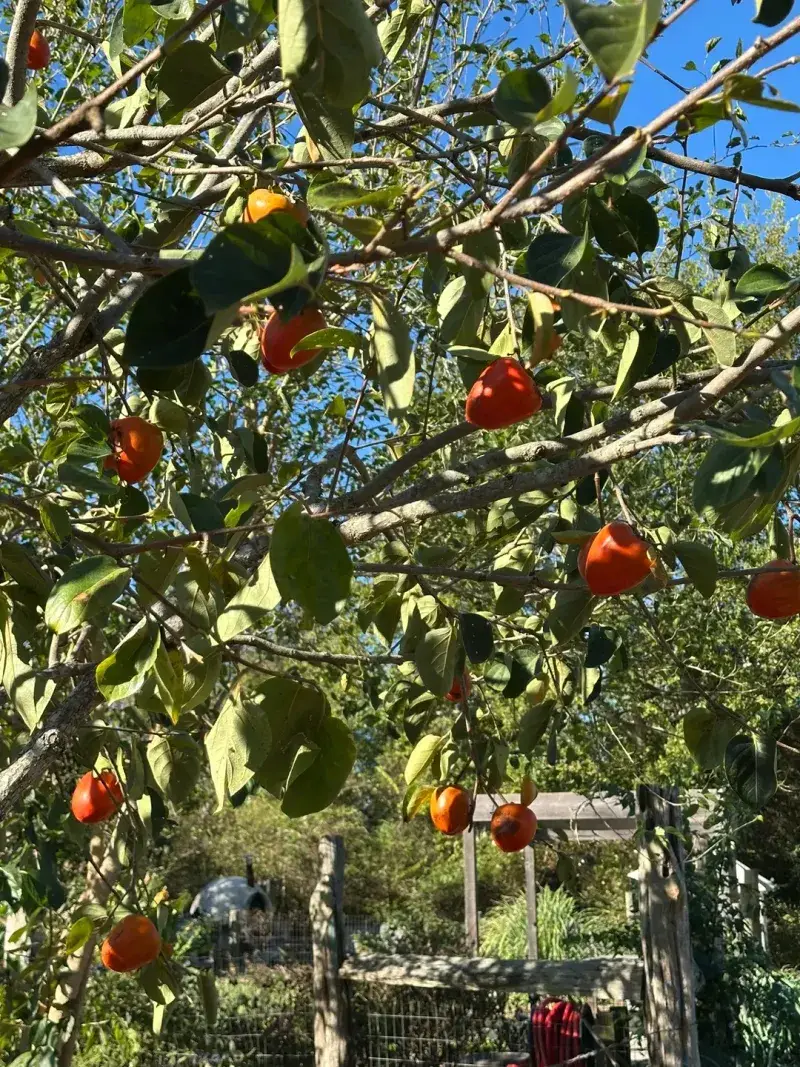
American persimmon fruit is a critical late-season food source for many birds, including cedar waxwings, mockingbirds, and robins, as well as mammals like deer, raccoons, and opossums.
Because the fruit persists into winter, it provides nutrition during a time when other food sources become scarce.
Placing either tree in a naturalized back corner, along a fence line, or at the edge of a woodland buffer creates a wildlife corridor that feels purposeful rather than accidental.
You get the benefits of a wildlife-friendly yard without sacrificing the sense that your garden has a plan behind it.
7. Pawpaws Support The Zebra Swallowtail Butterfly
Here is something that makes pawpaw stand out from almost every other fruit tree you could plant in North Carolina.
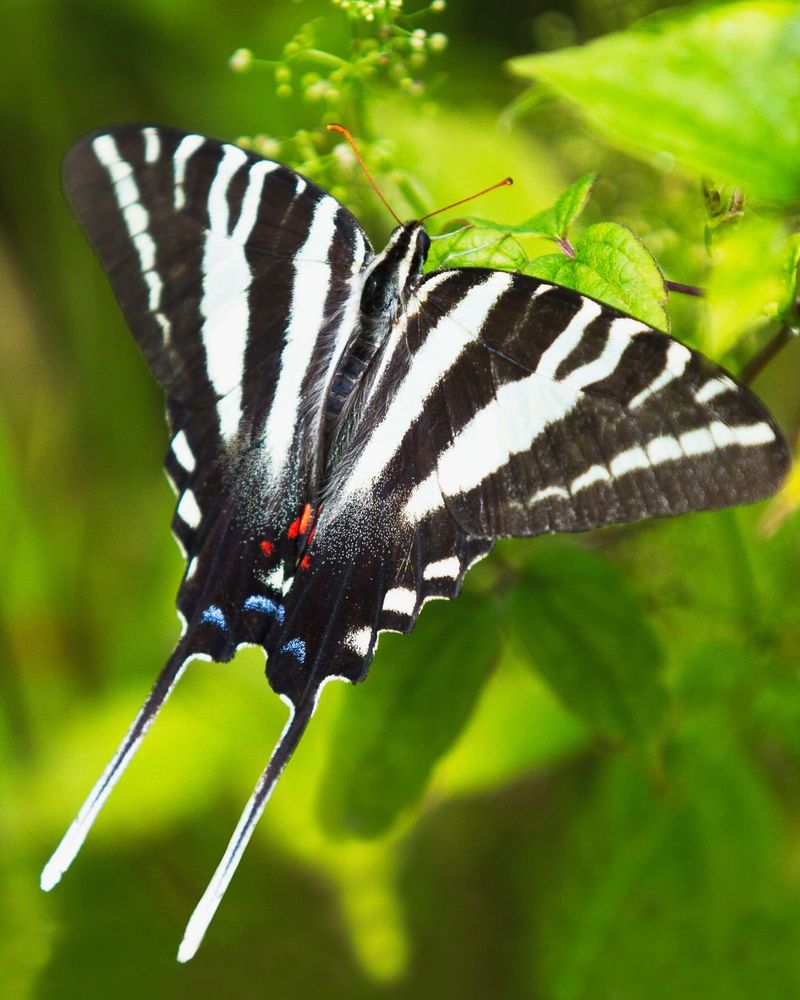
The zebra swallowtail butterfly, one of the most visually striking butterflies in the eastern United States, depends entirely on pawpaw as a host plant for its caterpillars.
Without pawpaw, zebra swallowtail populations cannot complete their life cycle. No other native plant fills that role.
Planting a pawpaw tree means you are creating habitat for a butterfly that many North Carolina gardeners genuinely love to see but rarely attract intentionally.
The caterpillars feed on pawpaw foliage and will not harm a healthy, established tree in any meaningful way.
The relationship between pawpaw and zebra swallowtail is one of those elegant natural partnerships that makes native plant gardening feel especially rewarding.
For anyone interested in butterfly gardening, pollinator support, or building a yard that functions as real habitat rather than just a pretty space, pawpaw is an easy and obvious choice.
You get edible fruit, beautiful fall color, wildlife value, and a direct role in supporting a specific butterfly species that depends on this tree to survive.
That combination of benefits is genuinely rare in any single plant.
Adding even one or two pawpaw trees to your North Carolina yard puts you in a position to make a real difference for local butterfly populations over time.
8. Persimmons Extend The Harvest Into Fall And Winter
Most backyard fruit seasons wrap up by late summer, leaving gardens quiet and bare well before the holidays arrive. American persimmon flips that timeline completely.
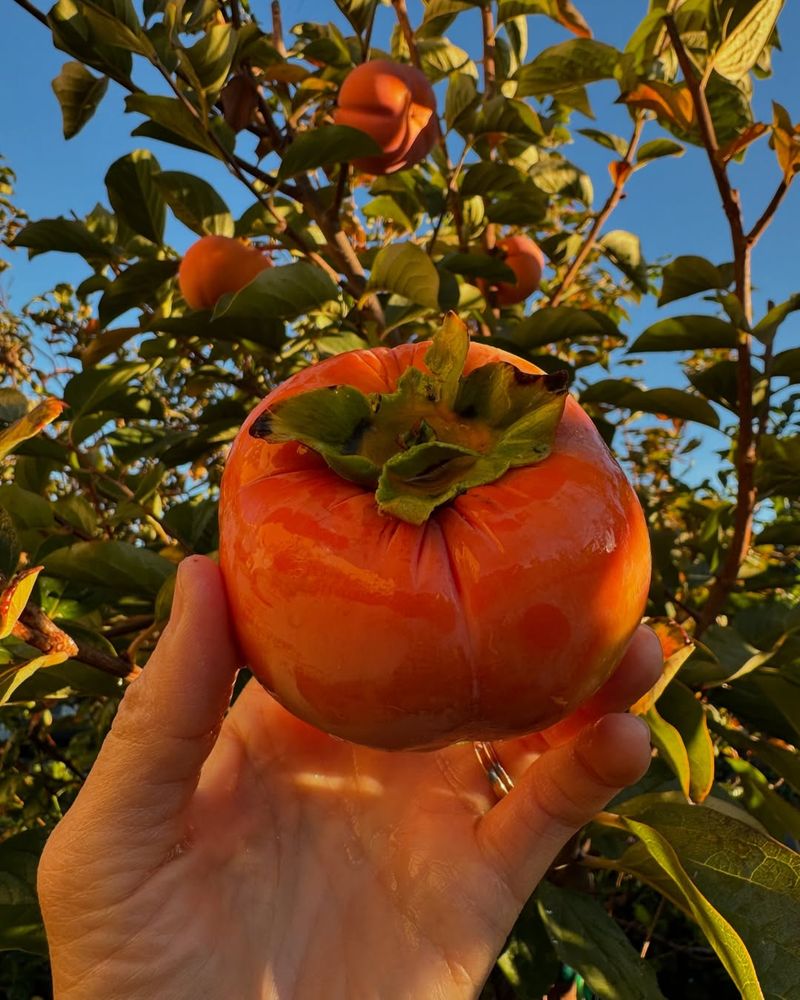
The fruit typically ripens from October through December in North Carolina, and in some years it holds on the branches well into January.
That late-season harvest window is nearly impossible to match with any other common fruit tree. Timing matters a lot with persimmon, though.
The fruit contains high levels of tannins when underripe, which creates an intensely mouth-puckering astringency that most people find deeply unpleasant.
The only way to enjoy persimmon properly is to wait until the fruit is completely soft, almost mushy, and fully colored.
After a frost, the conversion of starches to sugars accelerates, and the flavor becomes rich, sweet, and deeply satisfying in a way that feels perfectly matched to the season.
For North Carolina gardeners who want to extend their harvest calendar and add genuine seasonal interest to the late fall garden, persimmon is one of the smartest choices available.
The bright orange fruit glowing against bare branches on a cold November morning is genuinely beautiful.
It also reminds you that the garden is still productive and alive even as other plants go dormant.
Growing persimmon teaches you to appreciate a slower, more patient kind of harvest rhythm that feels deeply connected to the natural calendar of the Carolinas.
9. They Are Great For Naturalized Edible Borders
Property edges, fence lines, and the back corners of yards are often the most neglected parts of a home landscape.
Pawpaw and American persimmon are perfectly suited to transform those forgotten spaces into productive, beautiful, naturalized edible borders that work hard for you season after season.
Both trees have the right scale and character for this kind of planting when given enough room to spread naturally.
Woodland edges, riparian buffers near drainage areas, rain garden edges, and the back boundaries of larger lots are all excellent candidates.
Native garden backdrops benefit from the height and structure both trees provide, and they blend seamlessly with other native plantings like spicebush, native viburnums, and wild ginger underneath.
The key is giving them adequate space. Pawpaw can spread through root suckers to form clumps over time, and American persimmon can reach 30 to 60 feet tall at maturity in ideal conditions.
Neither tree belongs crammed against a house foundation, a narrow walkway, or a tight fence corner where growth will become a problem.
Plan for mature size from the beginning and you will never have to wrestle with them later.
Placed correctly in a naturalized border, both trees become low-maintenance anchors that provide food, beauty, wildlife habitat, and seasonal interest without requiring constant attention or intervention.
That kind of long-term, low-effort value is exactly what a well-designed edible border should deliver.
10. They Are Underplanted Because Their Pollination Needs Are Misunderstood
One of the biggest reasons pawpaws and persimmons stay off most gardeners’ planting lists is confusion about how they pollinate.
The good news is that once you understand the basics, neither tree is especially complicated to grow successfully.
Pawpaw requires cross-pollination from a genetically different pawpaw plant to set fruit reliably.
Planting two or more named cultivars, or a named cultivar alongside a seedling, gives the flowers the genetic diversity they need to produce well.
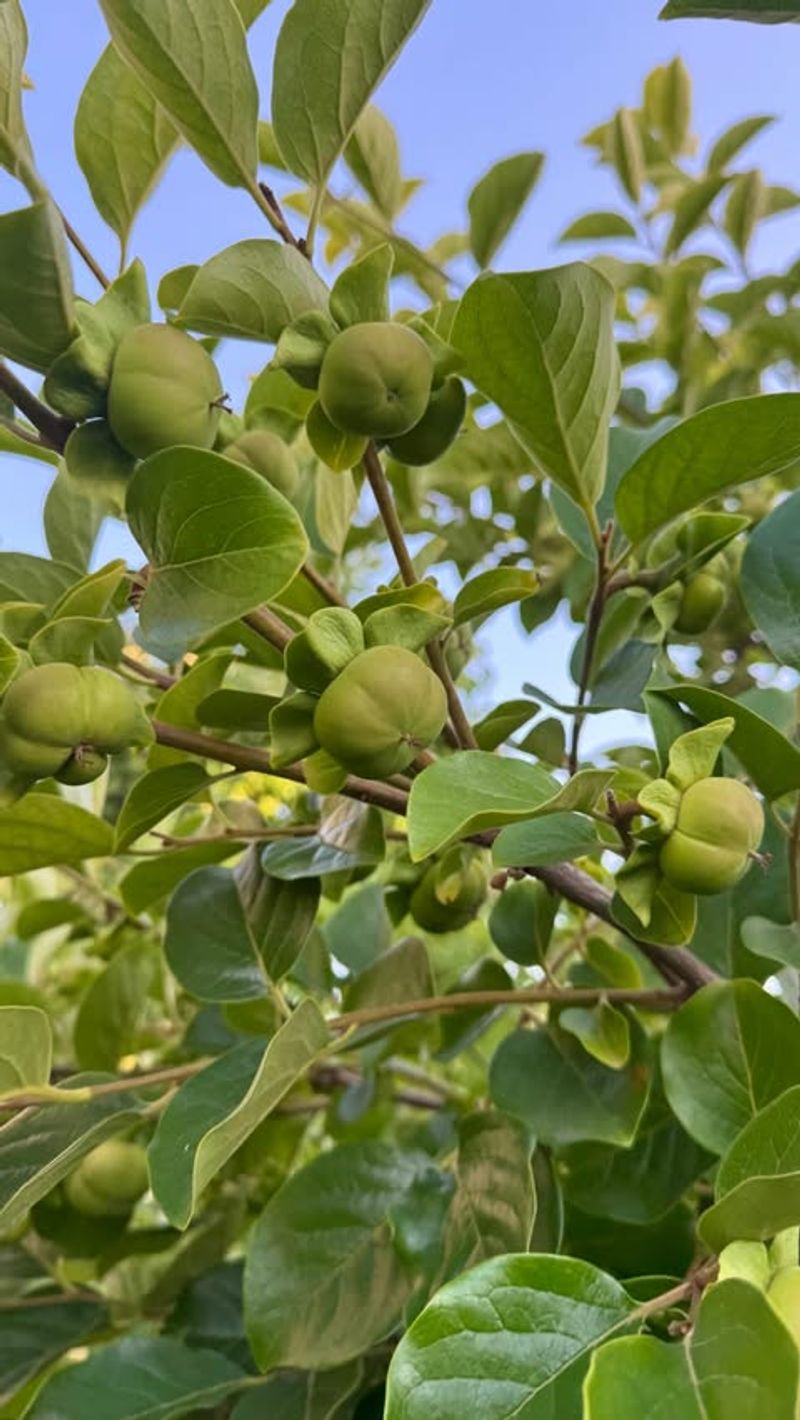
American persimmon is typically dioecious, meaning individual trees are either male or female, and you generally need both to get fruit on the female tree.
Some named cultivars, however, have been selected for self-fertility or may produce fruit without a male pollinator nearby.
Always check the specific cultivar description before purchasing to avoid planting a single female tree and waiting years for fruit that never arrives.
Understanding these details before you plant saves a lot of frustration.
A single pawpaw or a lone female persimmon can still grow into a beautiful, healthy, wildlife-friendly tree, but fruit production will be limited or absent without proper pollination partners.
The solution is straightforward: buy two or more compatible plants and give them enough space to grow comfortably.
Once the pollination puzzle is solved, both trees are genuinely rewarding producers that offer fruit most of your neighbors have probably never tasted fresh from a tree.
11. They Reward Patient Gardeners
Patience is not always the most exciting quality to celebrate in a garden, but with pawpaw and American persimmon, it is genuinely worth it. Neither tree is a quick-turnaround plant.
American persimmon grown from seed can take anywhere from three to ten years to begin producing fruit, and reaching peak production takes even longer.
Grafted named cultivars tend to fruit sooner, often within a few years of planting, but you are still not looking at a first-summer harvest.
Pawpaw also takes a few years to settle in and begin producing meaningfully.
Young pawpaw trees can be slow to establish, especially if they experience transplant stress or inconsistent moisture in their first season or two.
Once they find their footing, though, they grow with real purpose and eventually reward you with clusters of fruit that feel genuinely exciting to harvest. The waiting period is not wasted time.
While you wait for fruit, both trees are building root systems, providing shade, supporting wildlife, improving soil structure, and adding beauty to your yard.
Gardeners who think in terms of years rather than months will find these trees deeply satisfying investments.
They become more valuable with every passing season, growing stronger, more productive, and more beautiful as time goes on.
Planting one now means your future self will have something genuinely special to look forward to every single fall.
12. They Make North Carolina Gardens Feel More Local
Every garden tells a story about the place where it grows. Planting pawpaw and American persimmon in a North Carolina yard is a way of rooting your garden in something real, something that belongs here and has always belonged here.
These trees connect your outdoor space to the natural history of this state in a way that no imported ornamental or exotic fruit tree ever could.
Getting started with both trees requires a bit of planning, but nothing overwhelming.
Choose a spot with enough room for mature growth, plan for at least two compatible plants for proper pollination, and set realistic expectations about fruit timing.
Wildlife will compete for the fruit, especially persimmons in a good year, so planting more than one tree gives you a better chance of getting some for yourself.
Mature tree size matters too, so check the expected height and spread of your specific cultivars before finalizing your planting spots.
North Carolina gardeners who commit to these two native trees are making a choice that pays off on multiple levels for years to come.
You get unusual fruit, striking seasonal beauty, genuine wildlife habitat, and the satisfaction of growing something that truly fits the land you are tending.
Pawpaw and persimmon do not need to be novelties tucked into a corner. They deserve a real place in the garden, and the gardeners who give them that space will not regret it.