What Happens When You Mow A Virginia Lawn During Drought
Your Virginia lawn looks fine one week. Then the heat settles in, the rain stops, and suddenly you’re staring at brittle, straw-colored grass that crunches underfoot. Your first instinct? Grab the mower and tidy things up. That instinct is wrong.
Cutting grass during a drought doesn’t just look routine. It strips away the plant’s last defenses right when it needs them most.
Drought-stressed blades are already fighting to hold onto moisture, and mowing opens fresh wounds that invite disease and sun scorch. Homeowners across Virginia make this mistake every summer, often not realizing the damage until it’s too late.
Here’s the part that actually matters: how you mow during dry weather decides whether your yard recovers by fall or spends the rest of the season limping along. A handful of simple changes to your routine can shift that outcome entirely.
1. Mowing During Drought Puts Extra Stress On An Already Weakened Lawn
Your lawn is already fighting hard just to survive. When drought hits, grass plants pull water from deep in the soil just to stay alive.
Mowing during that struggle adds a whole new layer of pressure. Each cut forces the plant to spend energy it simply does not have.
Think of it like asking someone to sprint right after an intense workout with no rest. The body can technically do it, but the cost is steep.
Drought-stressed grass in Virginia already deals with intense summer heat and humidity swings. Cutting it removes the very leaf tissue the plant uses to capture sunlight and make food.
Less leaf surface means less food production, which means slower recovery. The lawn often ends up weaker after each pass of the mower.
Roots also suffer during dry periods. They shrink and retreat upward in the soil, making the grass even more fragile at the surface.
When you mow a lawn with shallow roots, you risk tearing and uprooting plants instead of cleanly cutting them. That kind of damage opens the door to disease and pests.
Mowing during a Virginia drought is not just unhelpful, it actively sets your lawn back. The smartest move is to understand the full picture before you fire up that engine.
2. Cutting Grass Too Short Removes Its Natural Drought Defense
Longer grass blades act like tiny umbrellas for your soil. They shade the ground, slow evaporation, and keep moisture locked in longer during hot, dry spells.
When you cut grass too short during a drought, you strip away that natural protection. The exposed soil bakes in the sun and dries out at an alarming rate.
Most Virginia lawns do best when kept at three to four inches during dry stretches. Cutting below that threshold during drought essentially shocks a lawn that is already in survival mode.
Taller grass also grows deeper roots. Deeper roots can reach moisture that shallow-rooted grass simply cannot access during dry conditions.
Lawns cut too short invite weeds too. Bare soil patches are prime real estate for crabgrass and other opportunistic plants that love hot, open ground.
Your Virginia Garden Changes Every Week. Your Plan Should Too.
Gardening in Virginia changes quickly throughout the season. Every Friday you’ll receive a simple weekly plan showing exactly what to plant, prune, fertilize, harvest, and protect so you never miss the right timing.
The one-third rule is your best friend here. Try not to remove more than one-third of the grass blade in a single mowing session, no matter how shaggy the lawn looks
If your lawn has gotten tall during a drought, resist the urge to cut it all the way down in one go. Gradually reduce the height over several sessions instead.
Keeping grass tall during a Virginia drought is one of the simplest and most effective ways to protect your yard. Height is not just cosmetic, it is a genuine survival tool for the lawn.
3. Dull Mower Blades Cause Damage That’s Worse In Dry Conditions
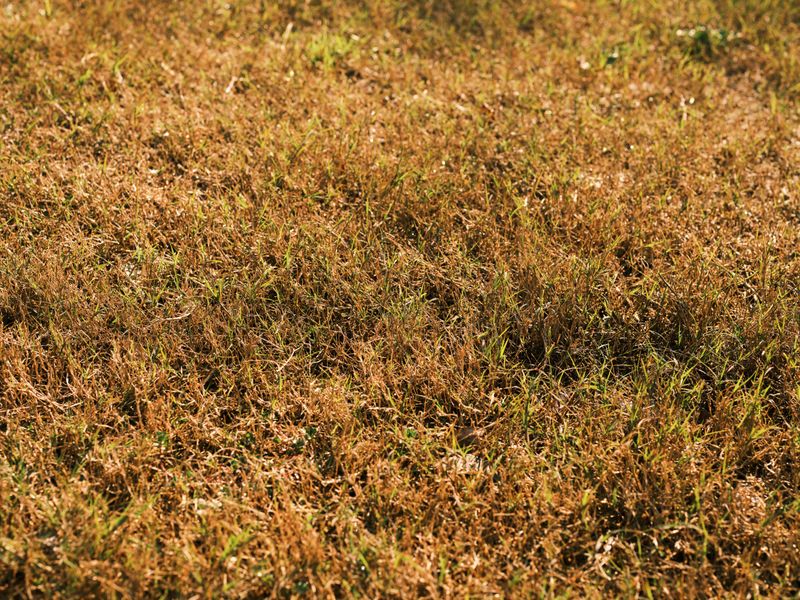
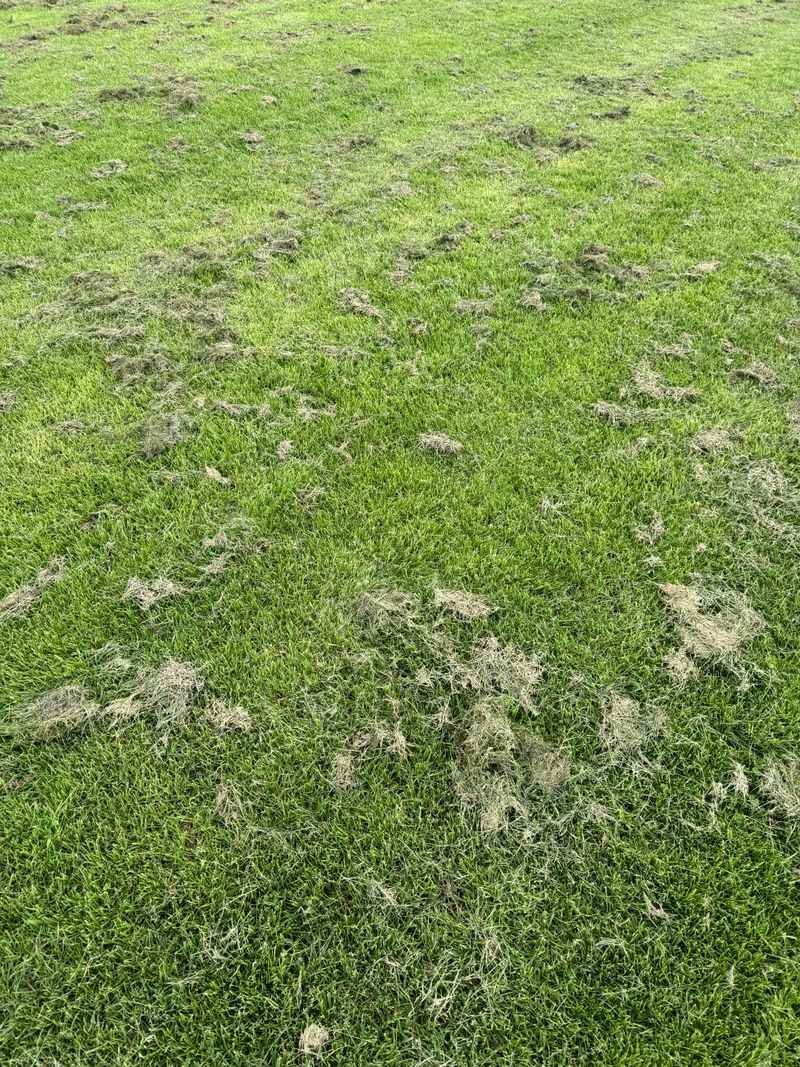
A sharp blade slices grass cleanly, like a chef’s knife through fresh herbs. A dull blade rips and tears the grass instead, leaving ragged, brown-tipped blades behind.
Under normal conditions, that kind of damage is annoying but manageable. During a drought, torn grass tips become a serious problem that can spiral fast.
Ragged cuts create larger wound surfaces on each blade. More open tissue means more moisture escapes from the plant at exactly the wrong time.
Dull blades also stress the plant’s internal system. The tearing action triggers a stress response that pulls even more energy away from root maintenance and water uptake.
You can spot dull-blade damage easily. Look for a grayish or tan cast across the lawn a day or two after mowing, caused by thousands of dried-out torn tips.
Sharpening your mower blade at least once a season is a good baseline. During drought periods, sharp blades matter even more than usual for lawn health.
Most hardware stores offer blade sharpening services for just a few dollars. Some homeowners keep a spare blade on hand so they can swap quickly without downtime.
Pairing a sharp blade with the right mowing height during a Virginia drought is a combination that protects your lawn on two fronts at once. Clean cuts close faster and lose far less moisture than torn ones do.
4. Why Mowing In The Heat Of The Day Makes Things Worse
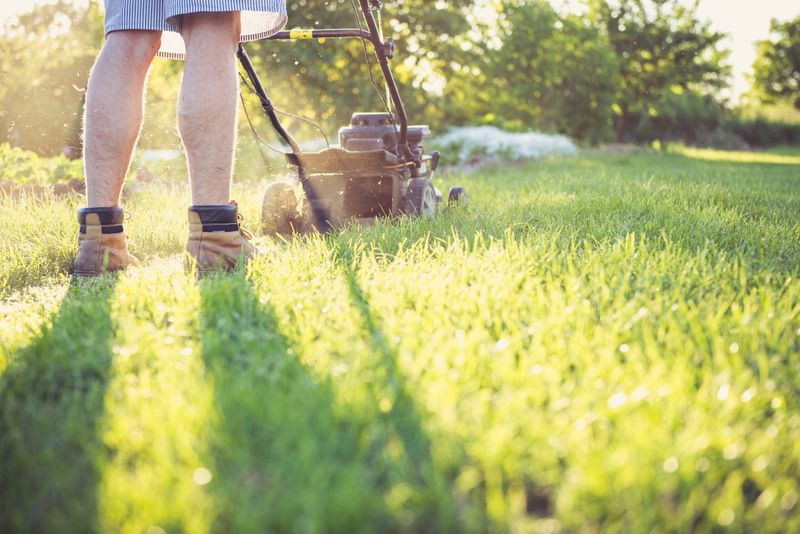
Noon in Virginia during a drought feels like standing inside an oven with the door closed. The grass feels it too, and mowing at that moment piles on the punishment.
Grass loses moisture fastest during the hottest part of the day. Cutting it then removes its ability to regulate temperature right when it needs that ability most.
The combination of heat stress and physical damage from mowing can push a struggling lawn past its recovery point. Some lawns go dormant within days of a midday summer cut.
Early morning mowing sounds ideal, but it has its own drawback. Wet morning dew on the blades can lead to fungal issues, especially in Virginia’s humid summers.
The sweet spot is late afternoon or early evening. Temperatures drop, the sun is less intense, and the grass has a full night to begin recovering before the next day’s heat arrives.
Mowing in the evening also gives cut surfaces a head start on healing overnight. Just be sure grass isn’t left damp for too long afterward, since prolonged moisture can still invite fungal issues.
Many experienced Virginia lawn owners swear by the late-afternoon window between four and seven p.m. It is a small shift in schedule that pays off in a noticeably healthier lawn.
Timing your mow correctly during a drought is free, easy, and surprisingly powerful. A simple schedule change can be the difference between a lawn that rebounds and one that does not.
5. How Often You Should Mow A Virginia Lawn During Drought
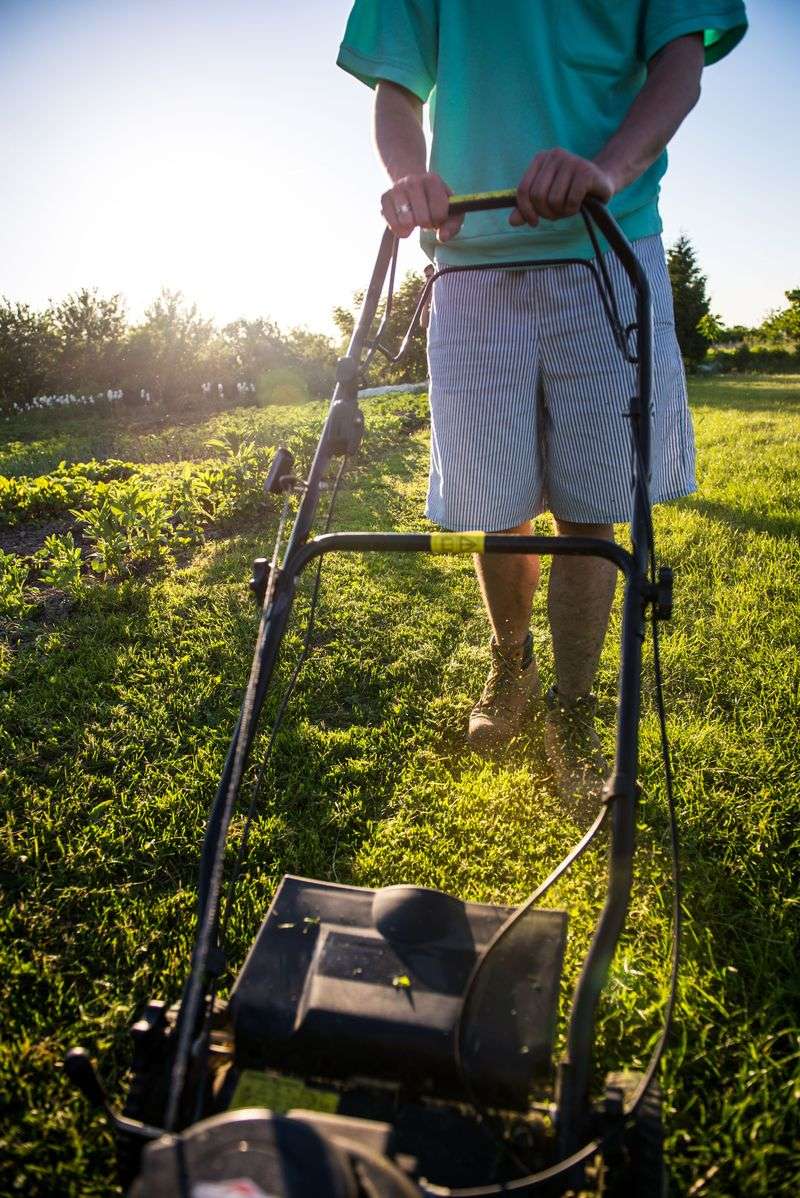
Drought slows grass growth dramatically, which means your usual weekly mowing schedule may no longer apply. Mowing out of habit instead of necessity is one of the most common drought mistakes homeowners make.
When grass is not actively growing, it does not need to be cut. Forcing a mow on dormant or barely growing turf creates wounds without any real benefit.
A good rule of thumb is to mow only when the grass actually needs it. If the lawn has not grown enough to require cutting by the one-third rule, skip the session entirely.
During a serious Virginia drought, some lawns may only need mowing once every two to three weeks. That is a significant change from the typical spring schedule of every five to seven days.
Checking the lawn before mowing takes about thirty seconds. Walk out, look at the height, and ask yourself honestly whether it actually needs a cut right now.
Overwatered or recently irrigated sections may still grow faster than the rest of the lawn. Spot-check different areas before deciding whether to mow the whole yard.
Reducing mowing frequency also reduces soil compaction from foot traffic and equipment weight. Less compaction means better water penetration when rain finally does arrive.
Letting the lawn guide your schedule instead of the calendar is a mindset shift that protects your grass when mowing a Virginia lawn during drought matters most. Let the grass tell you when it is ready.
6. Signs Your Lawn Needs A Break From Mowing Altogether
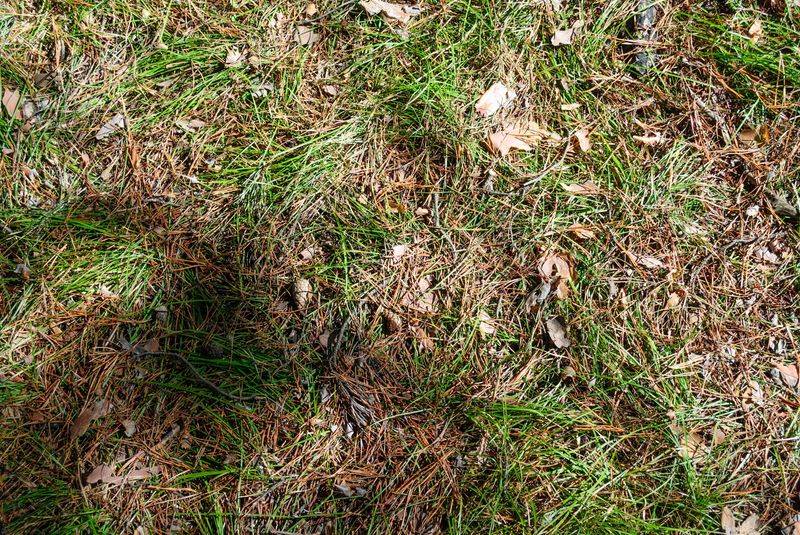
Your lawn will tell you when it has had enough, if you know how to listen. A few clear warning signs mean it is time to put the mower away for a while.
Footprints that stay visible in the grass for more than a few minutes are a red flag. Healthy grass springs back quickly, but stressed grass stays flattened because it lacks the moisture to recover.
A bluish-gray tint across the lawn is another serious signal. That color shift means the grass is losing more water than it can replace and is entering early drought stress mode.
Soil that feels rock-hard underfoot is also a warning worth taking seriously. Compacted dry soil cannot absorb water efficiently, which makes every mowing session more damaging than the last.
Patches of tan or straw-colored grass spreading across the yard suggest the lawn may be going dormant. Dormant grass is alive but barely, and cutting it can delay recovery by weeks.
Leaf blades that curl inward lengthwise are trying to conserve every drop of moisture they can hold. Mowing curled blades removes the very tissue the plant is protecting so carefully.
When you see these signs together, the kindest thing you can do is step back and let the lawn rest. Skip the mow, water deeply if possible, and give the grass a genuine chance to bounce back.
Recognizing these signals early is what separates a lawn that recovers from a drought from one that needs complete reseeding. Mowing a Virginia lawn during drought demands patience above all else.