Pennsylvania Gardeners, Your Plant Is Not Gone Yet, And Here Is How To Tell The Difference
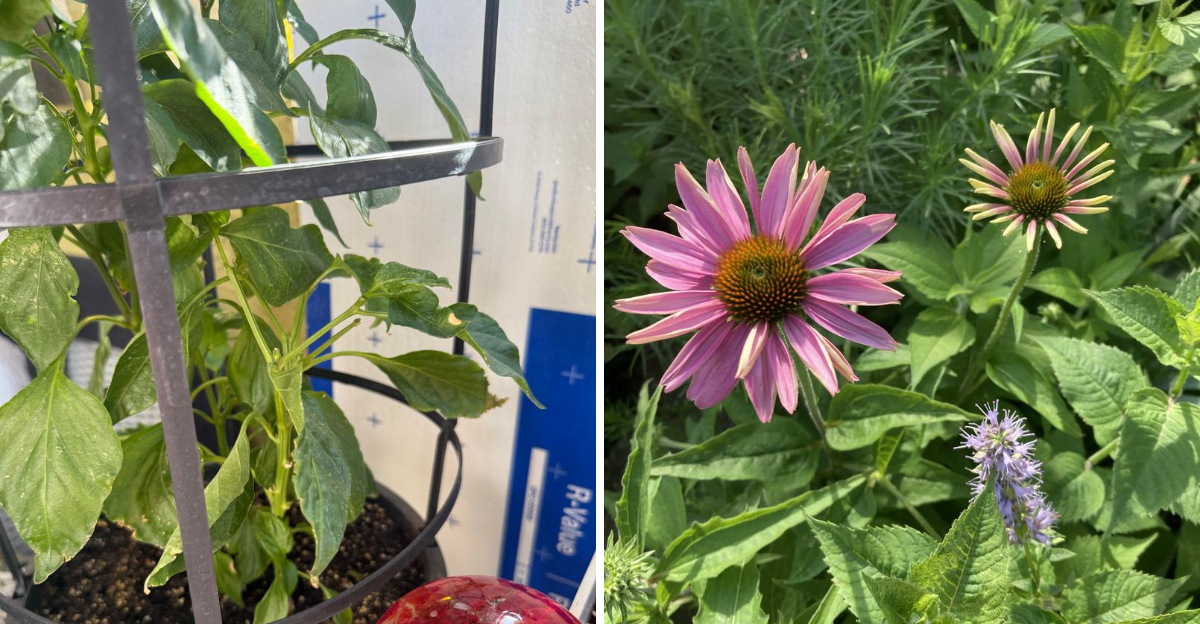
Pennsylvania gardens can be dramatic. One hot afternoon, a plant slumps like it just read bad news. By dinner, you start reaching for the shovel.
Not so fast.
The yard may be telling a quieter story, and the clues are usually tucked in plain sight. A leaf that droops at 3 p.m. can look perfectly decent by breakfast.
A brown stem may still carry green tissue under bark. A crown at soil level can sit silent for weeks, then push out a tiny sign that changes the whole mood.
Before you give up on that sad-looking perennial or shrub, take a slower look. Your plant may not need a replacement. It may need patience, water at the right depth, cooler weather, or one clean cut.
So what separates a rough patch from a real problem? The answer starts with small tests, sharp eyes, and a little garden detective work.
Your plant may have a comeback plan. Do not let a gloomy afternoon write the final line for it.
1. Check Whether Leaves Perk Up Overnight
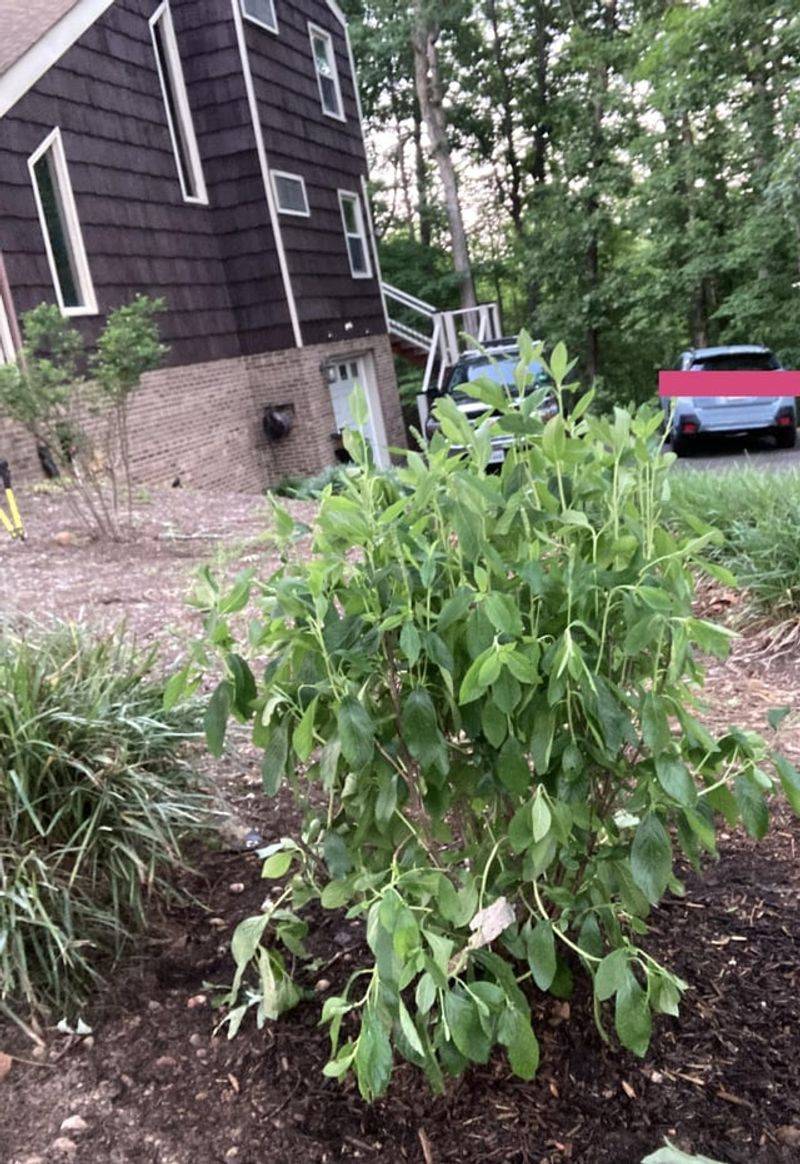
A plant can look wildly dramatic by midafternoon.
In Pennsylvania heat, that slump does not always mean trouble has won. Many plants let leaves droop during the hottest part of the day to reduce water loss and protect tissue.
The better clue comes early.
Step outside near sunrise and check the same plant before sun pressure builds again. Leaves that lift overnight usually point to heat response rather than lasting trouble.
The plant had a rough day, then pulled itself together like a gardener after iced tea.
Watch the pattern for two or three days. A plant that perks up each morning needs steady care, not panic. Water at the root zone, keep mulch even, and avoid big cuts while it copes with heat.
Leaves that stay limp through the cool morning deserve closer attention. Yellow edges, crisp tips, curled leaves, or a dull gray cast can point to deeper stress.
Do not judge from one sweaty afternoon.
Pennsylvania summers can swing from mild to muggy fast, and plants react in visible ways. Morning checks give you cleaner evidence.
That small sunrise visit works like a plant mood report. The coffee can wait one minute. Your garden may have news.
2. Feel Soil Below The Surface
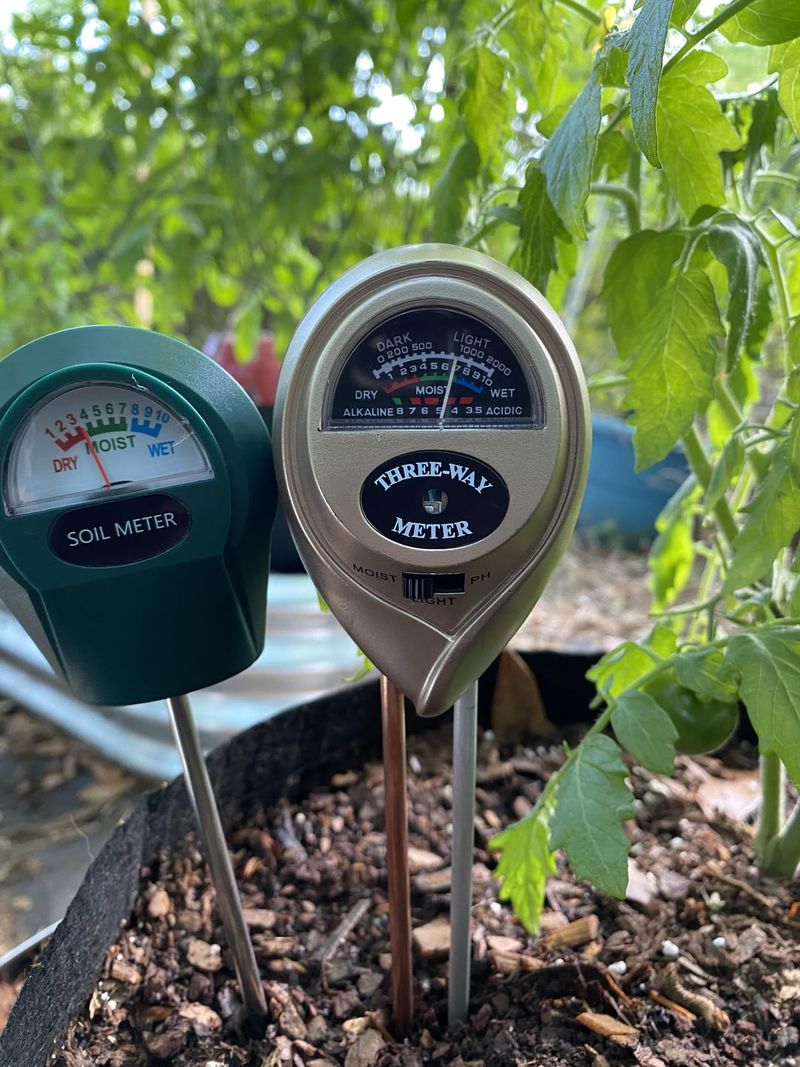
The top of the soil loves to lie.
A dry crust can form within hours during a hot Pennsylvania day, especially in exposed beds. Roots live lower, so the surface may not tell you much about the moisture that matters.
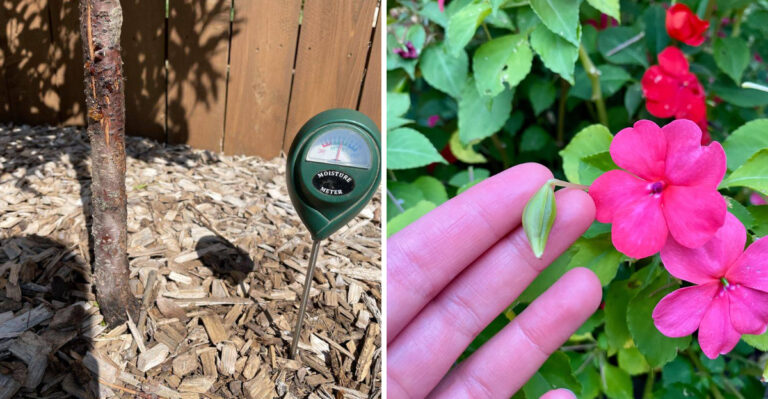
Push a finger two or three inches down near the plant. A wooden chopstick, dowel, or soil probe can reach four to six inches with less guesswork. Soil that clings to the tool still holds moisture.
A clean, dusty tool tells a different story.
Heavy clay holds water longer, but it can also form a tight cap that sheds water. Sandy soil drains faster and needs closer attention during dry spells. Either way, root depth matters more than surface color.
Your Pennsylvania Garden Changes Every Week. Your Plan Should Too.
Gardening in Pennsylvania changes quickly throughout the season. Every Friday you’ll receive a simple weekly plan showing exactly what to plant, prune, fertilize, harvest, and protect so you never miss the right timing.
Water slowly when the deeper zone feels dry. A fast splash wets the top and gives false comfort. The roots below may still be waiting with empty cups.
This works like checking the pantry before declaring dinner ruined. Look inside first.
Break crusted soil gently before watering so moisture can soak down instead of running away. Keep mulch a few inches from stems, but let it shade the root zone.
Once deeper soil stays evenly moist, many tired plants start to look far less dramatic.
3. Scratch Woody Stems For Green
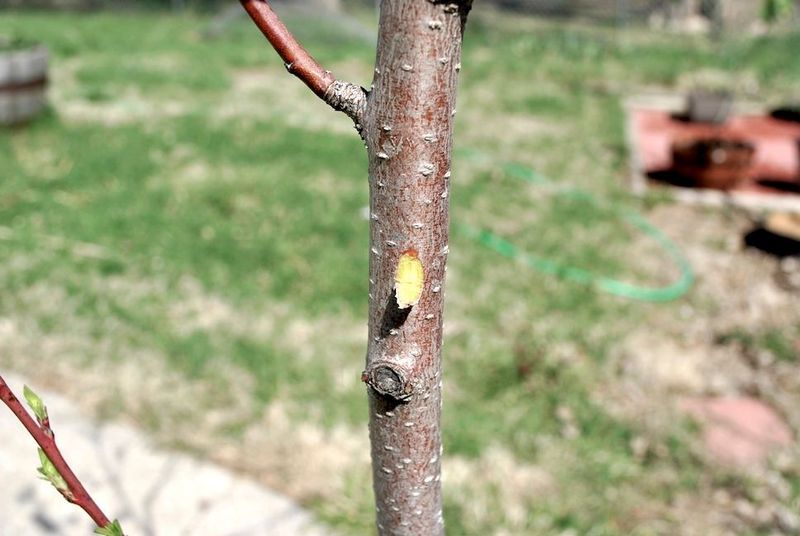
Brown stems can be terrible actors.
Roses, hydrangeas, butterfly bush, spirea, and other woody plants may look rough after winter swings, dry spells, or heat stress. The outside can seem finished while the inner layer still holds green tissue.
Use a thumbnail or clean pocketknife for a light scratch.
Pick a pencil-thin stem and scrape a tiny patch of bark. Look just under the surface. Green or moist white tissue means that section still has life. Brown, dry, papery tissue means that part no longer has useful strength.
Move down the stem a few inches and test again.
Many Pennsylvania shrubs lose upper growth yet stay active closer to the base. Finding green tissue near the lower stem is good news. That plant is not waving a white flag. It is sending a tiny green postcard.
Keep the scratch small. One clean test in each section is enough. Too many scrapes create extra wounds, and the plant already has enough paperwork.
Mark the lowest green point with tape or a small garden flag.
Later, prune back to healthy tissue with clean tools. For now, gather evidence and stay patient. The bark may look boring, but the layer beneath can change the whole decision.
4. Look For Flexible Branch Tips
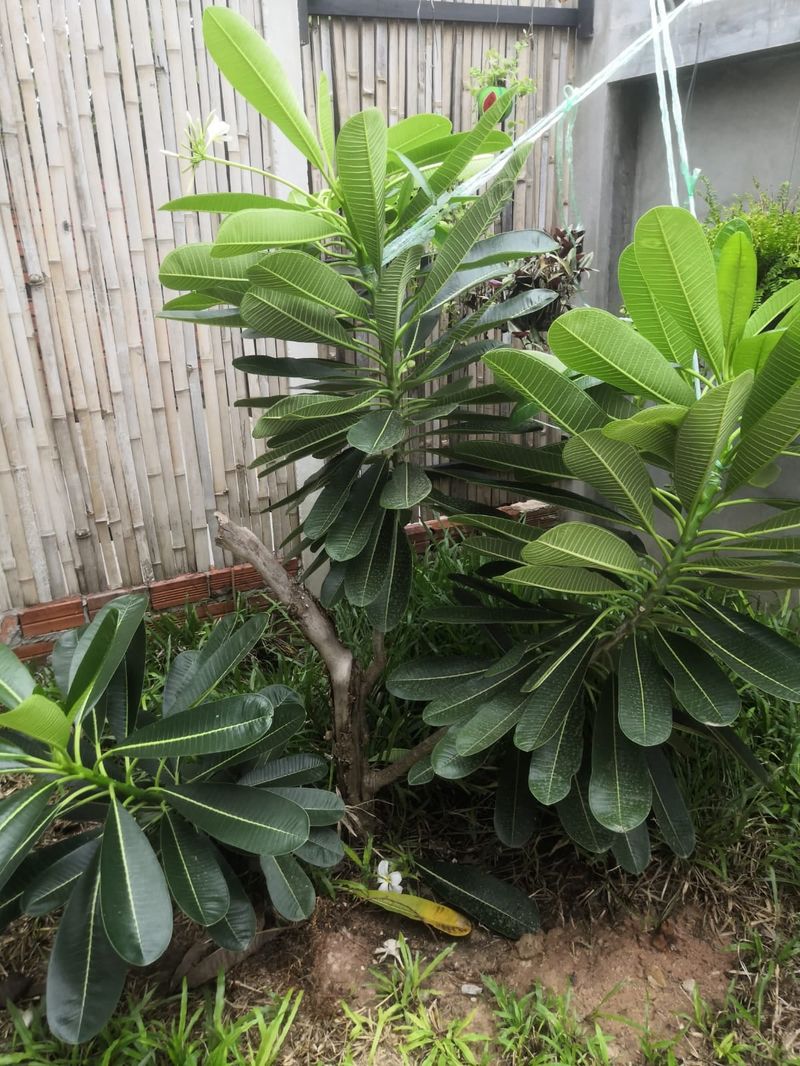
Your fingers can read a branch faster than your eyes can.
Newer branch tips often reveal moisture and flexibility before leaves give a clear answer. A brittle tip snaps with little effort. A flexible tip bends a little, then returns toward its shape.
Use a gentle hand.
Hold a thin branch near the end and arc it slightly. Do not yank, twist, or turn the test into a wrestling match. You want a clue, not a broken sample.
Flexible growth suggests water still moves through that section. Stiff sections may sit above healthier wood, so work inward toward the main stem or crown. One plant can carry rough tips and still have strong lower growth.
This is especially useful on roses, forsythia, viburnum, young fruit trees, and other common Pennsylvania yard plants.
Older wood naturally bends less, so judge newer tips first. That keeps the test fair. Even plants deserve a fair trial, and the branch is already under oath.
Pair this test with a scratch check before you prune. Flexibility alone gives a hint, not a full report.
Once you find bendy, healthy growth, stop cutting plans at that point.
A little patience now can protect the growth that helps the plant rebuild later. The branch may be quiet, but it still has body language.
5. Inspect Buds Before Giving Up
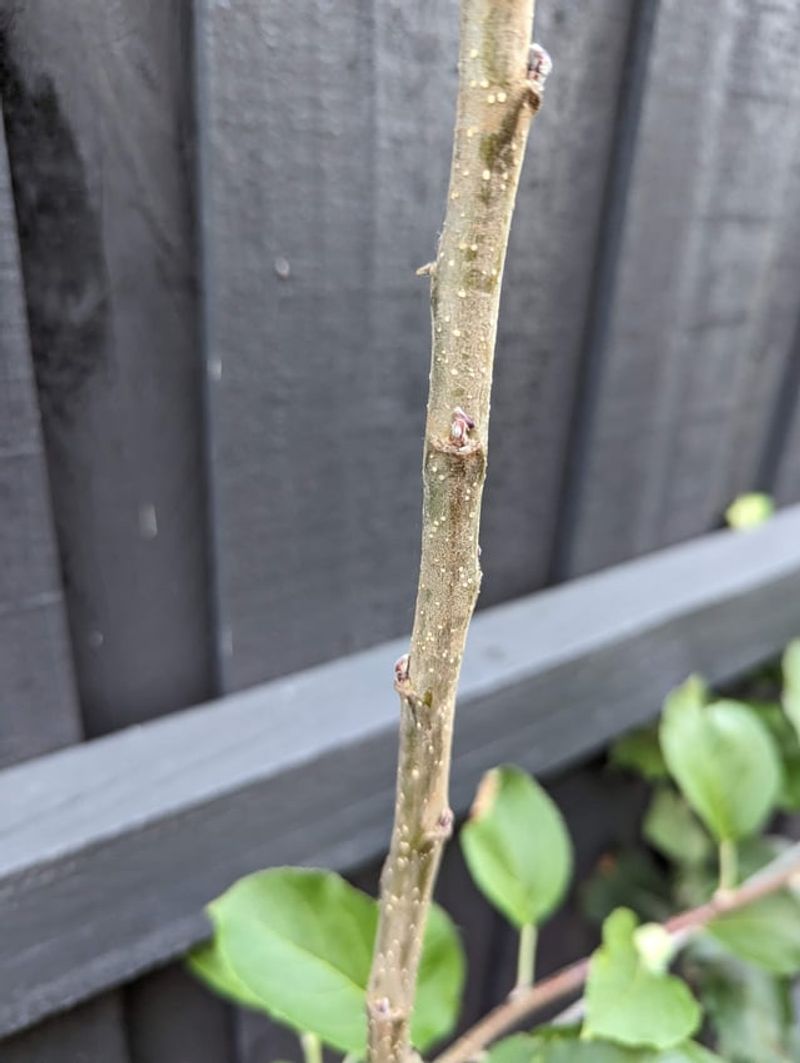
Tiny buds can carry big garden gossip.
Before leaves return, buds hold the next chapter of a shrub or perennial. A plant may look plain from a distance, but close inspection can reveal small bumps that still have promise.
Run your fingers along the stems and pause at the nodes.
Healthy dormant buds often feel firm, tight, or slightly plump. Some have a waxy look. Weak buds may look shriveled, hollow, dark, or missing from sections that once held leaves.
Do not rush the verdict in spring.
Pennsylvania weather can drag its feet. Some plants wake later than the gardener expects, especially butterfly bush, hardy hibiscus, rose of Sharon, and certain perennials. April impatience has ruined many perfectly good comeback stories.
Check once a week instead of poking daily. Buds need time, not a nervous audience with coffee breath.
A bud that swells even a little from one week to the next deserves respect. Keep soil lightly moist and avoid heavy fertilizer while the plant decides its pace.
This works like waiting for a curtain to rise. The stage may look empty, but something can still be queued backstage.
Buds do not make much noise. They still know how to deliver a plot twist.
6. Compare Top Growth To Root Moisture
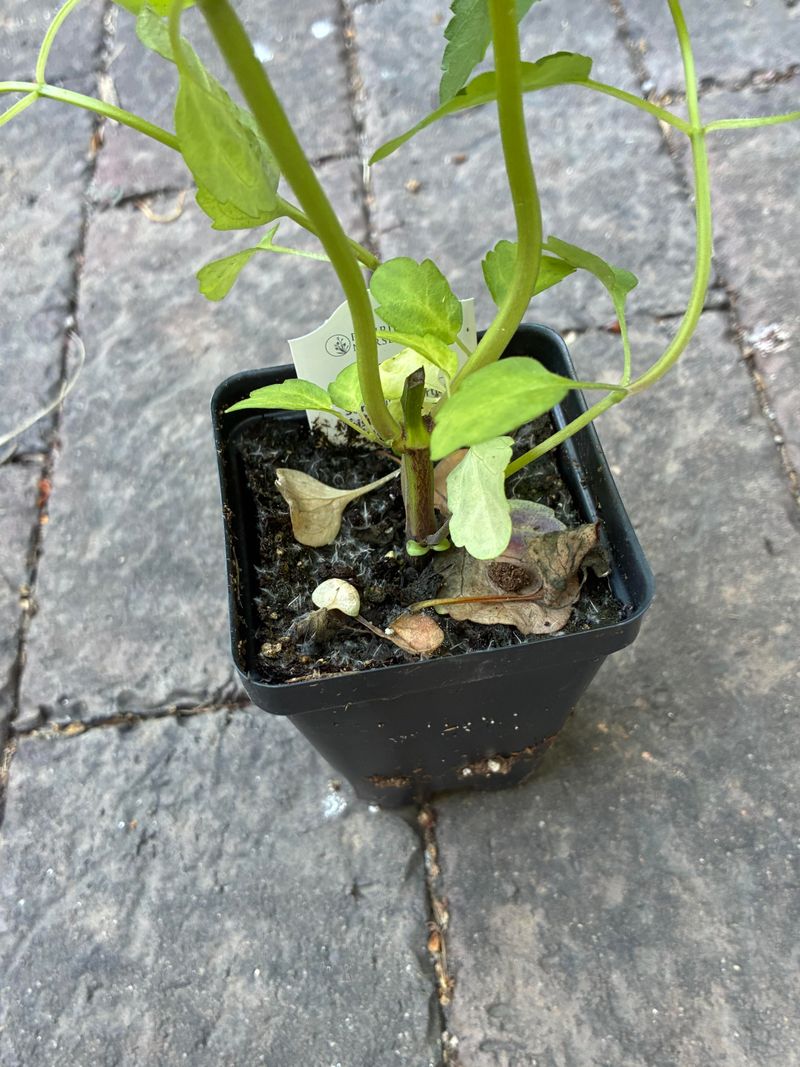
The top of a plant can exaggerate the crisis.
Wilted leaves, brown edges, and tired stems grab your attention first. Roots sit out of sight, but they often hold the real answer. A rough top does not always mean the whole plant is in serious trouble.
Check the soil where roots actually work.
For many garden plants, that means several inches below the surface. Use a trowel, probe, or narrow dowel near the outer root zone. Moist, workable soil paired with green tissue gives a much better outlook than dry soil and brittle stems.
A heat wave can scorch top growth while roots stay capable. A late cold snap can rough up leaves without ending the plant’s season. The visible part took the hit. The root system may still be ready for round two.
Gardeners love a dramatic leaf. Roots prefer quiet competence.
Avoid fertilizer during major stress. Extra nutrients can push soft growth before the plant has enough moisture or energy to support it. That is like handing someone running shoes during a nap.
Choose deep water, mulch, and observation first.
Compare what you see above with what you feel below. That simple match-up can stop you from replacing a plant that only needs a slower recovery.
7. Wait For Cooler Weather Response
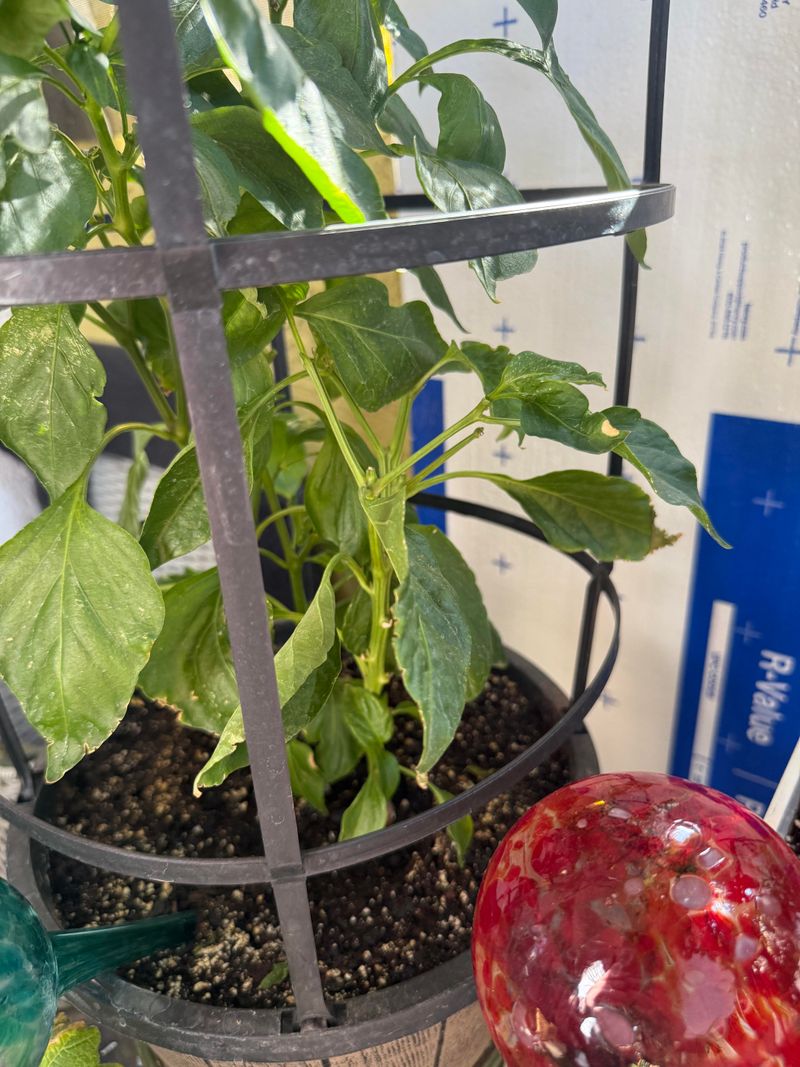
Some plants hate July with impressive honesty.
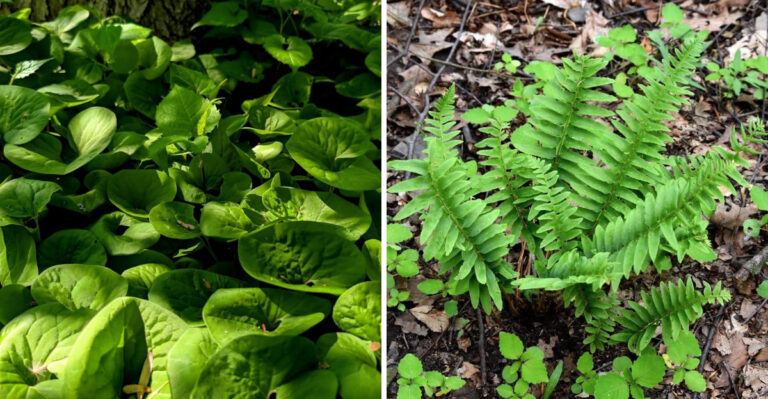
In Pennsylvania, mid-summer can make cool-loving perennials look tired, thin, or dull. Ferns, astilbe, coral bells, hostas, and hydrangeas may all sulk when heat and humidity pile up.
That rough stretch can be temporary.
Cooler nights in late August or September often bring a visible shift. Leaves may firm up. Color may improve. New growth may appear near the base or along stems. The plant was not finished. It was waiting for better working conditions.
Keep care steady during the ugly phase.
Water deeply at the root zone and keep mulch loose and even. Avoid overhead watering during hot sun. Wet leaves plus heat can create extra stress, and nobody needs a spa day that turns into soup.
Hold off on hard pruning until the weather eases. Remove only truly brittle, messy, or diseased-looking pieces as needed. Let the plant show you where it wants to restart.
Mark quiet plants with a small flag so you do not forget them during cleanup.
This is the garden version of letting someone rest before judging their performance. Fair is fair.
Cooler weather can reveal strength that summer heat hides. Give the plant a chance to answer when the forecast gets kinder.
8. Watch New Growth At The Crown

The crown is the plant’s comeback desk.
For many perennials and some shrubs, the most important clue sits right at soil level. The crown is where roots meet stems, and it can stay active after upper growth looks rough.
Pull mulch back gently and look closely.
Tiny green nubs, small rosettes, pale shoots, or fresh points near the base all suggest the root system still has energy. That little bit of green deserves attention. It is basically the plant texting, “I am still here.”
Hostas, coneflowers, black-eyed Susans, ornamental grasses, hardy hibiscus, and many other Pennsylvania perennials often restart from this zone after stress or winter rest.
Keep the area clear without scraping the crown. Remove old stems carefully so light and air reach new growth. Keep weeds away, because fresh shoots do not need neighbors stealing snacks.
Water the root zone, not the crown itself. Moist soil helps, but soggy mulch piled against the base can create problems.
Once crown growth appears, avoid celebration with a fertilizer parade. Let the plant build strength first.
A tiny shoot may not look impressive yet. Give it a few weeks, and that small green signal can turn into the comeback you almost missed.