The Worst Time To Water Your Ohio Garden (And 10 Smart Tips For Doing It Right)
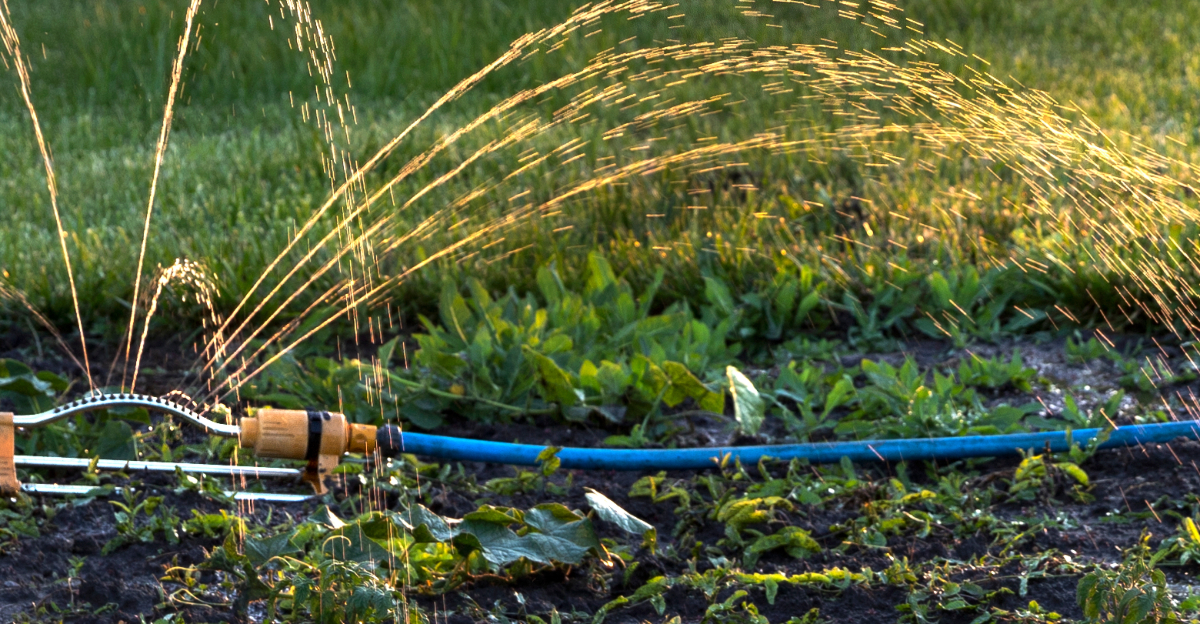
Ohio gardeners water when the plants look like they need it, which sounds reasonable until you understand how much timing actually matters.
The same amount of water delivered at the wrong hour does a fraction of the good it would have done two hours earlier, and in some cases actively makes things worse.
Most watering mistakes in Ohio gardens are not about quantity. They are about when the hose or the timer runs.
One window in particular sets up problems that show up in the plants days later and get blamed on everything except the actual cause. Getting watering right in an Ohio garden is not complicated once the logic behind it clicks.
The right timing and the right technique change what the garden looks like through the hardest months of summer. A handful of easy adjustments can make that difference even stronger.
The worst time to water is probably not when you think it is.
1. Stop Watering After Dark When Leaves Stay Wet
Late evening and nighttime watering is the single worst habit an Ohio home gardener can develop, especially when the hose or sprinkler soaks plant leaves. The real problem is not the clock on the wall.
The trouble is what happens next: wet foliage sitting in warm, still, humid air for hours with no sun to dry it off.
OSU Extension and plant disease guidance both note that long periods of leaf wetness create risky conditions. Those conditions can encourage fungal diseases like powdery mildew, leaf spots, and blights.
One late watering will not ruin a garden, but making it a nightly habit raises the risk over time, particularly during Ohio’s humid summer months.
The fix is straightforward. Shift your regular watering to morning when possible.
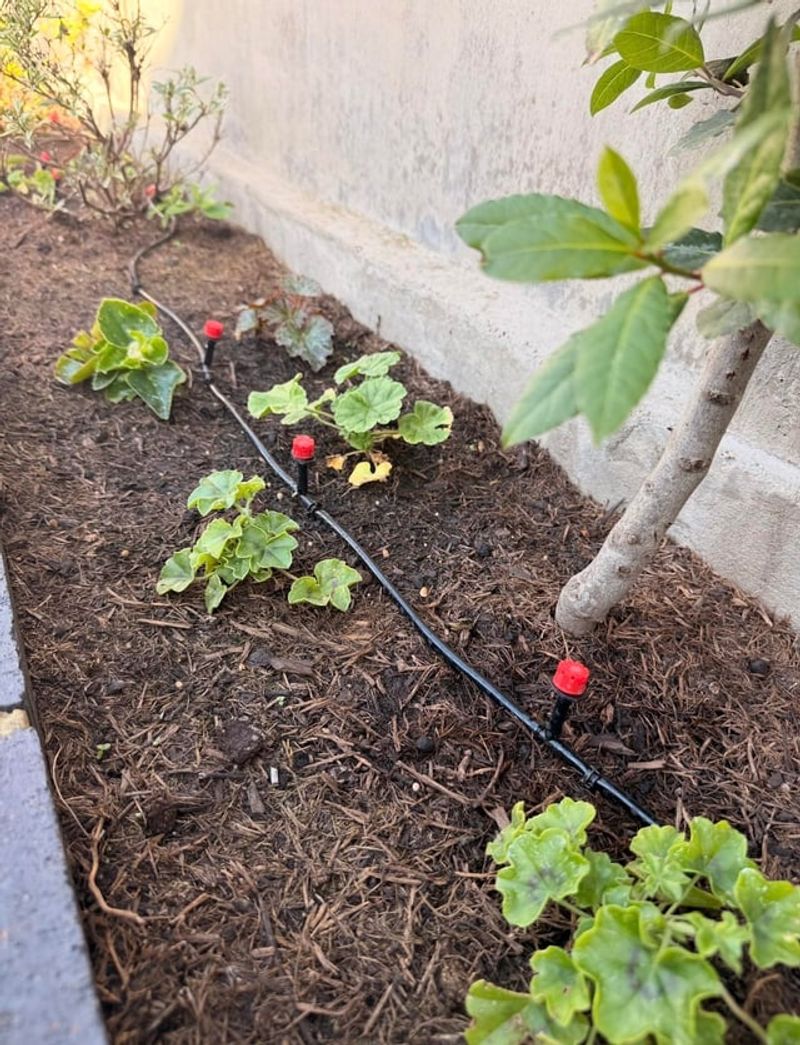
If you do water in the evening, aim the hose or watering wand directly at the soil and avoid wetting the leaves at all. Drip irrigation and soaker hoses are excellent tools for this because they deliver moisture right to the root zone without spraying foliage.
Even during a heat wave or drought, watering at the base of plants is far better than skipping water entirely. Keep the leaves dry and the roots happy.
2. Start Early So Foliage Can Dry Fast
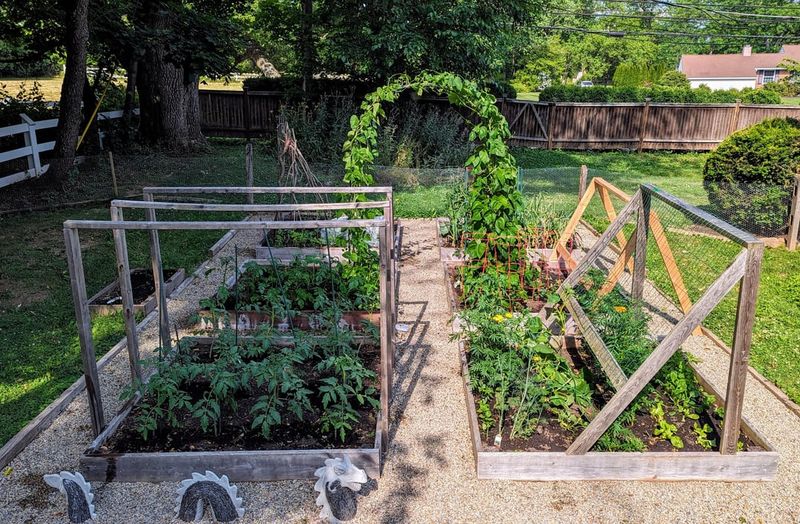
Morning watering is the routine that most university extension programs and horticulture experts recommend for good reason.
Plants get a drink before the heat of the day builds, and any foliage that gets wet has hours of sunlight and air movement to dry off completely before nightfall.
OSU Extension guidance encourages gardeners to water before the hottest part of the day, ideally in the early morning hours. This timing helps plants stay hydrated through afternoon heat without leaving wet leaves sitting in warm, humid air overnight.
It also means water soaks into the soil rather than evaporating quickly under a blazing midday sun.
Before turning on the hose, take thirty seconds to check the soil. If the top few inches still feel moist from yesterday or from a recent rain, hold off.
Your Ohio Garden Changes Every Week. Your Plan Should Too.
Gardening in Ohio changes quickly throughout the season. Every Friday you’ll receive a simple weekly plan showing exactly what to plant, prune, fertilize, harvest, and protect so you never miss the right timing.
Watering when soil is already wet does not help plants and can compact soil or cause drainage problems over time. Missing one morning is not a crisis.
The goal is to make early watering the default habit rather than a strict rule. Gardeners who build this routine into their mornings tend to catch dry spells earlier and respond before plants show real stress.
3. Water The Root Zone Instead Of The Leaves
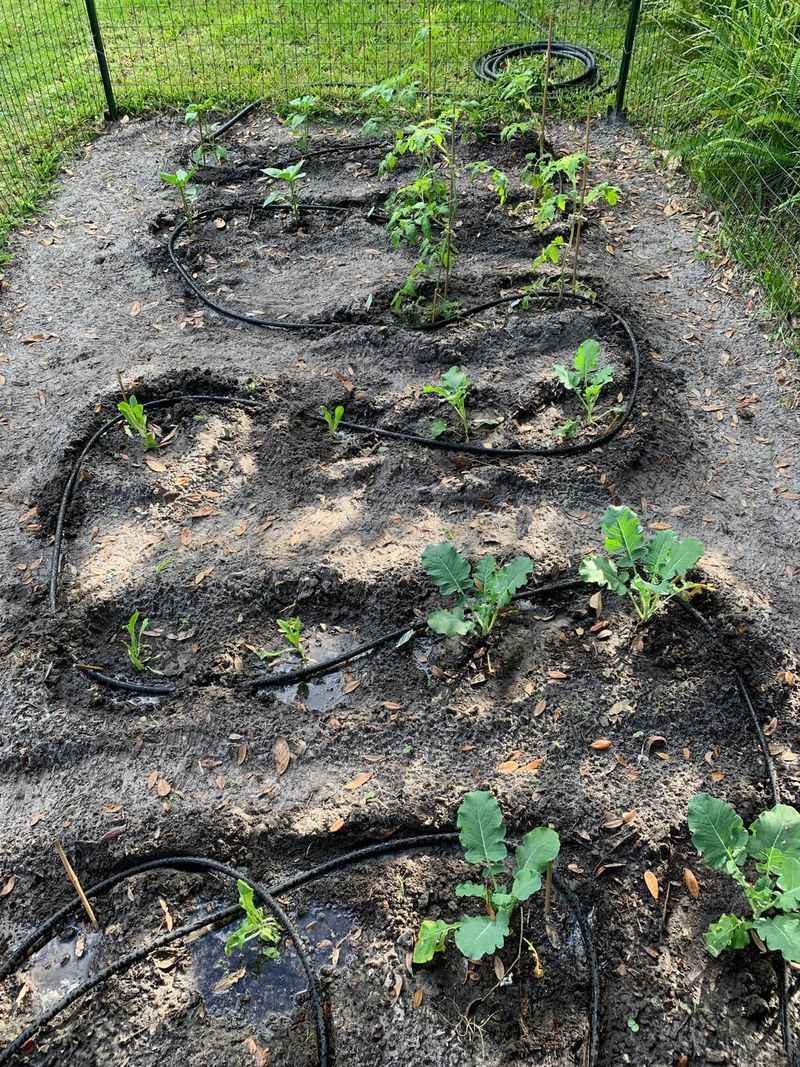
Roots are where the action happens. Plants pull water and nutrients up from the soil through their root systems, not through their leaves.
Spraying foliage might look satisfying, but it wastes water and can leave leaves wet when you do not want them to be.
Directing water to the soil around the base of plants is more efficient and more effective. Soaker hoses, drip irrigation lines, and watering cans with narrow spouts are all good tools for getting moisture to the root zone without drenching leaves.
A gentle hose setting aimed low at the base works well too. Horticulture experts note that this approach also reduces the risk of foliar disease by keeping leaf surfaces dry.
Overhead watering is sometimes unavoidable, especially with large sprinklers or during certain garden layouts. When leaves do get wet, timing matters.
Watering early in the day gives foliage time to dry before evening. It is also worth noting that rain naturally wets leaves, and plants handle that just fine most of the time.
The concern is not occasional leaf wetness. The concern is repeated, prolonged wetness in humid conditions, which is why technique and timing both play a role in keeping a garden healthy.
4. Soak Deeply Instead Of Sprinkling Lightly
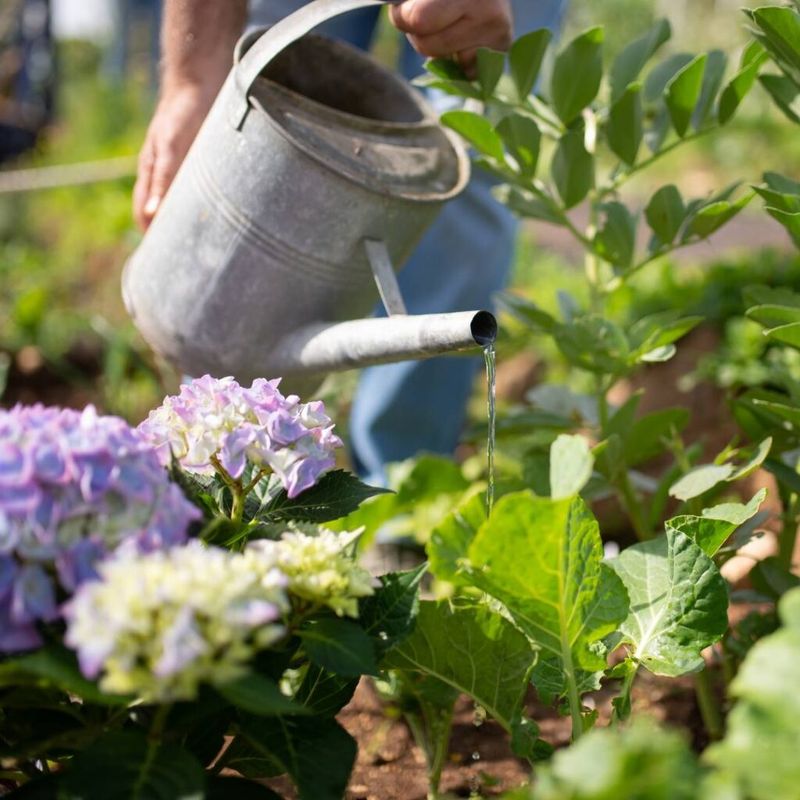
A quick sprinkle over the surface of a garden bed can feel productive, but it often does very little for the plants underneath.
Light watering wets the top inch or two of soil without reaching the deeper root zone where plants actually pull moisture during hot, dry weather.
Vegetable gardening guidance explains that shallow watering may encourage roots to stay near the surface, where they are more vulnerable to heat and rapid drying. Deep, slow watering encourages roots to grow downward into cooler, more stable soil.
This makes plants more resilient during dry spells and heat waves, which are common during Buckeye State summers.
The key is to water slowly enough that moisture has time to soak in rather than run off. If water starts pooling or running away from the bed, pause for a few minutes and let it absorb before continuing.
After watering, use a trowel or finger to check several inches down and confirm the moisture reached the root zone. Clay soils absorb water more slowly than sandy or loamy soils, so the right pace depends on what is in your beds.
Raised beds and compacted garden areas may behave differently, so checking after watering helps you learn your own soil over time.
5. Check The Top Six Inches Before You Water
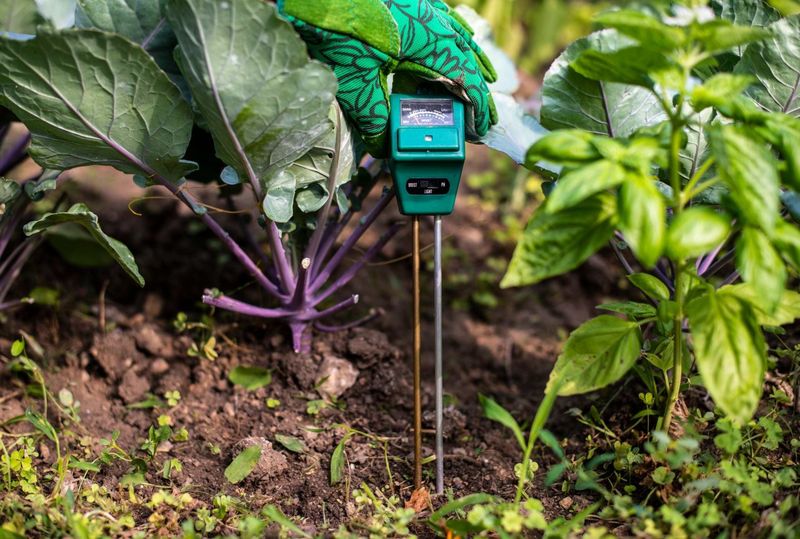
Soil has a way of being misleading. The surface can look bone dry on a hot afternoon while the soil just a few inches down still holds plenty of moisture from a recent rain or the previous day’s watering.
Watering based on looks alone can lead to overwatering, which stresses roots just as much as drought does.
Checking the top six inches before reaching for the hose is one of the most practical habits a gardener can build. Use a finger, a trowel, a soil probe, or an inexpensive moisture meter to check several inches down.
Many garden roots are active in that upper zone, so if it feels moist and cool, the plants are likely fine for now. If it feels dry and crumbly a few inches down, watering is probably needed.
This check also catches the opposite problem. After a light summer shower, the surface can feel damp while the root zone below is still completely dry.
University extension guidance notes that shallow rain events do not always provide enough moisture for established plants, especially during hot weather. Checking before watering helps prevent both underwatering and overwatering.
That is especially useful for new gardeners still learning how their soil behaves through the season.
6. Use Mulch To Keep Moisture Where Roots Need It
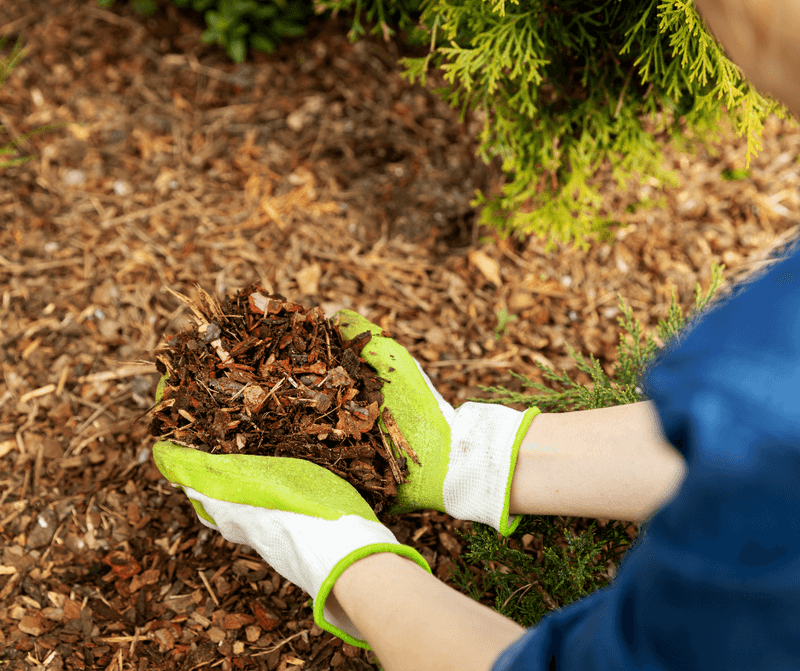
Bare soil in a summer garden loses moisture fast. Sun beats down, warm air moves across the surface, and water evaporates before roots have a chance to use it.
A layer of organic mulch acts like a protective blanket that slows that process down considerably.
OSU Extension notes that mulch can reduce soil moisture evaporation, moderate soil temperature, and help slow water runoff when applied correctly. For Ohio vegetable beds and flower gardens, two to three inches of organic mulch can make a noticeable difference.
Shredded bark, wood chips, or straw can help the soil stay moist longer after watering. This means less frequent watering during dry stretches, which saves time and water.
A few mulching rules matter here. Keep mulch a few inches away from plant stems and tree trunks.
Piling mulch directly against stems can trap moisture against the base of the plant and create conditions for rot or disease. Avoid thick piles that stay soggy and never dry out.
Also, mulch helps, but it does not replace watering during long dry spells. During heat waves or extended dry periods, even well-mulched beds need a deep drink.
Think of mulch as a helper that makes your watering go further, not a substitute for consistent moisture management.
7. Give Containers A Separate Moisture Check
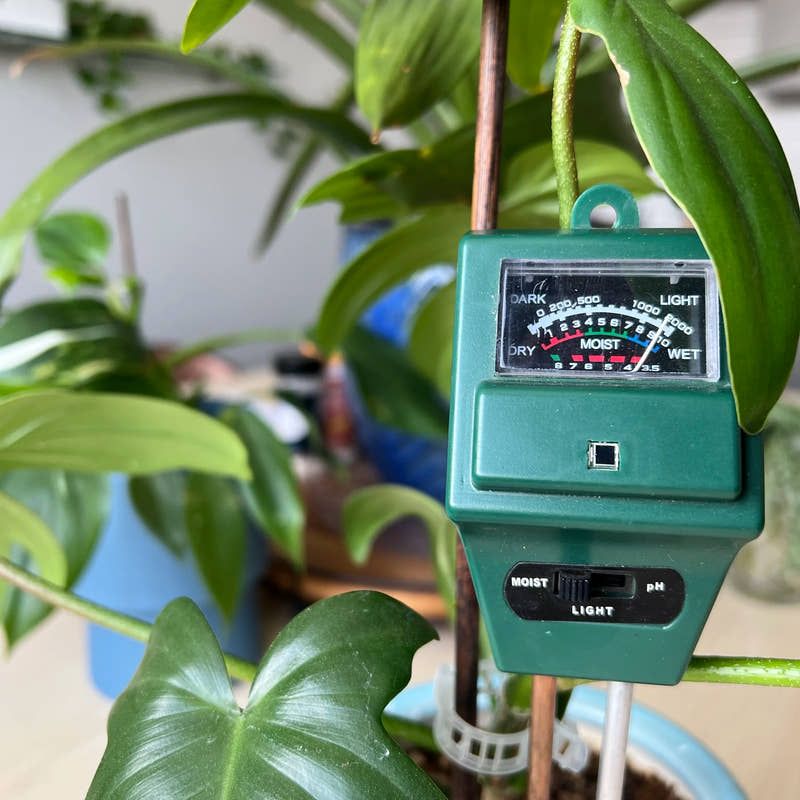
Pots and hanging baskets live by different rules than in-ground beds. A container limits how much soil is available to hold moisture.
The walls of the pot also heat up in direct sun, which dries the soil out faster than a garden bed would.
During hot summer weeks, small containers and dark-colored pots may need checking every single day. A pot that felt moist in the morning can be dangerously dry by late afternoon after sitting in full sun.
Hanging baskets are especially prone to drying out quickly because they are exposed to air movement on all sides. Horticulture guidance advises watering containers until water drains freely from the drainage holes.
That helps ensure the entire root zone gets moisture rather than just the top layer.
Not every container needs water every day. Plant size, pot size, potting mix type, and current weather all affect how quickly a container dries.
The key is to check each pot individually rather than assuming they all need the same treatment. Containers without drainage holes are a problem waiting to happen, so make sure every pot can drain freely.
Grouping containers together in partial shade during the hottest weeks can also help reduce how often they need watering.
8. Pause Before Watering After A Summer Storm
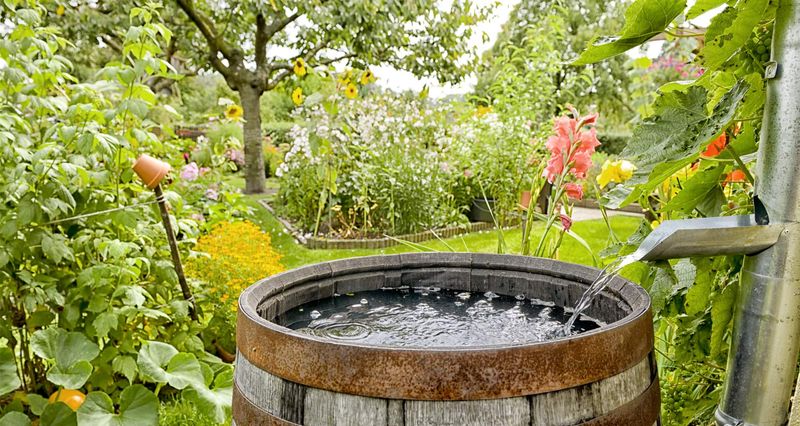
Ohio summer thunderstorms roll through quickly and can leave the garden looking thoroughly soaked. But a heavy downpour does not always mean the root zone got a deep drink.
Rain can run off compacted soil, drip from leaves without soaking in, or fall so fast that most of it disappears into drainage channels before reaching roots.
A rain gauge is one of the most useful and affordable tools in a gardener’s kit. Placing one in the garden gives a real measurement of how much rain fell, rather than a guess based on how wet the surface looks.
University extension guidance recommends checking soil moisture after storms rather than assuming the rain handled everything. Some areas of the garden may stay dry even after a storm if they sit under a dense canopy or near a structure that deflects rain.
On the flip side, heavy storms can leave some spots completely saturated. Adding more water to already soaked soil can stress roots by pushing out the air they need to function.
The smart move is to wait a day after a major storm, check the soil several inches down, and then decide if watering is needed.
This pause saves water, protects roots, and builds a habit of responding to actual soil conditions rather than guessing based on the weather report.
9. Watch Wilting Without Panicking At Noon
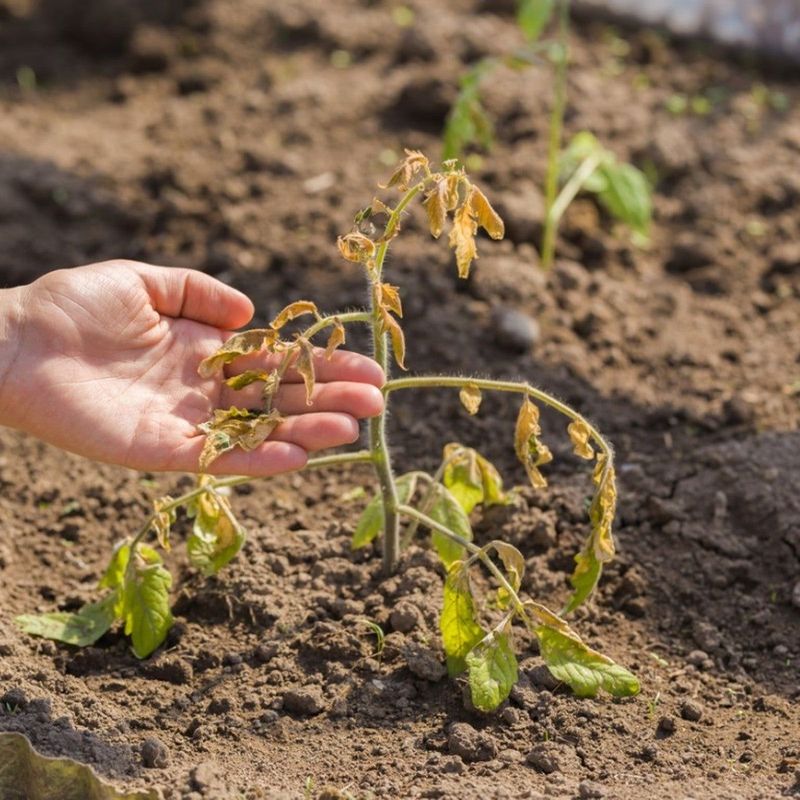
Seeing plants droop in the middle of a hot afternoon can feel alarming, but midday wilting is not always a sign that the garden is in crisis. Many plants, including tomatoes and squash, temporarily reduce leaf tension during intense heat as a way of managing water loss.
This is sometimes called heat wilting, and it can happen even when soil moisture is perfectly adequate.
Plant physiology guidance explains that this kind of temporary wilting often reverses on its own once temperatures drop in the late afternoon or evening. If plants perk back up without any watering, the soil moisture was likely fine all along.
Watering in a panic at noon, especially with overhead spraying, adds wet leaves to a hot, humid afternoon and does not always help the plant recover faster.
The better approach is to check the soil first. If the root zone feels moist and the plants recover by early evening, hold off on extra watering.
If the soil is dry several inches down, or if plants are still wilting in the morning, that is a clearer signal that water is needed. Morning wilting is generally more concerning than afternoon wilting.
Consistent early watering reduces how often midday droop becomes a real problem in the first place.
10. Build A Morning Routine That Saves Your Garden
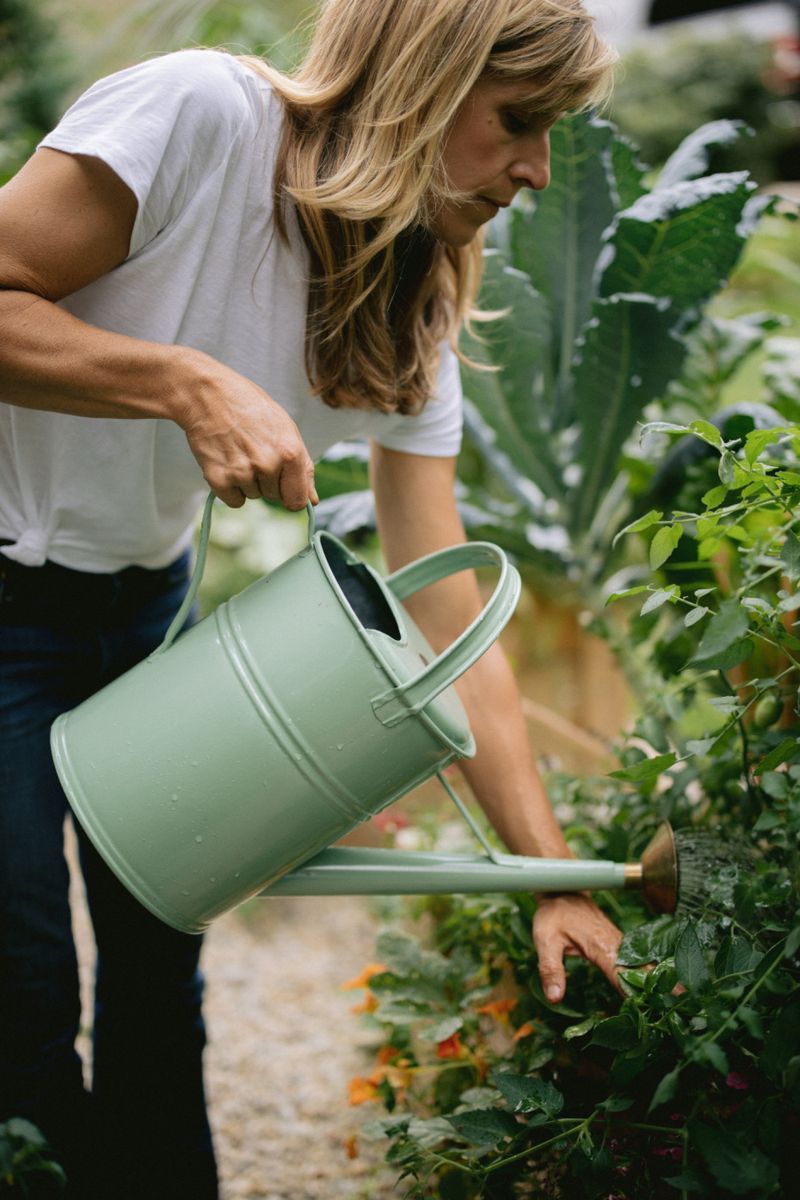
All the tips in this article come together into one simple morning habit. Check the soil before you water.
Aim at the base of plants, not the leaves. Water deeply and slowly.
Use mulch to help moisture last longer. Check containers separately.
Skip the hose after a recent storm until you know the root zone actually needs it.
The best routine is not rigid. It shifts with the weather, the season, and what is growing in the beds.
New plantings need more frequent attention than established shrubs. Heat waves demand closer soil checks.
Late summer rains may mean skipping watering for several days in a row. Grouping plants with similar water needs together makes the routine faster and more efficient over time.
The title of this article started with the worst watering mistake, and the answer is simple. Late overhead watering that leaves foliage wet in humid conditions raises disease risk and wastes effort.
The fix is just as simple. Give roots the moisture they need in the morning, keep leaves dry when you can, and let the garden start each day well-hydrated and ready to grow.
Consistent habits built on real soil checks will outperform any watering schedule that ignores what is actually happening in the ground.