The Spots In Michigan Gardens Where Mosquitoes Can Breed After Just One Rain
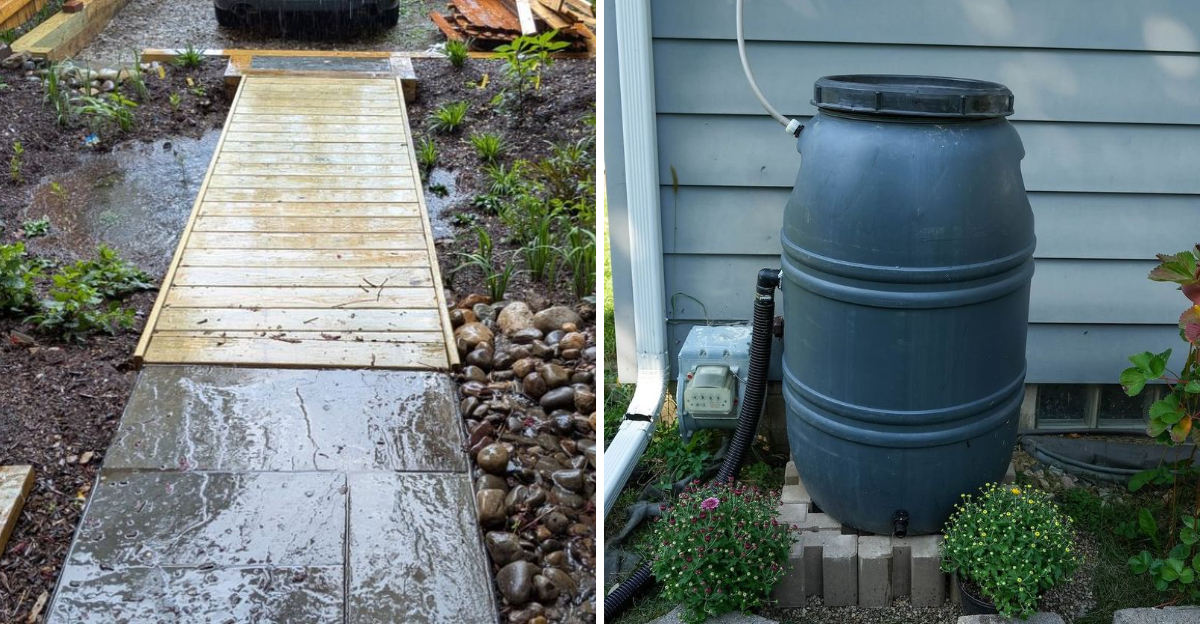
One decent rain in Michigan is all it takes, and a yard that seemed completely unremarkable the day before suddenly has active mosquito breeding happening in multiple locations at once. Most homeowners know to check the obvious spots.
What they consistently miss are the secondary locations that hold water longer than they appear to from a standing position and produce far more mosquitoes per season than a neglected birdbath ever would.
These spots are present in almost every Michigan yard regardless of how well maintained it is, and several of them are hiding in plain sight as completely ordinary features of the landscape.
Finding and addressing them after every significant rain event changes the entire mosquito pressure calculation for the rest of the summer.
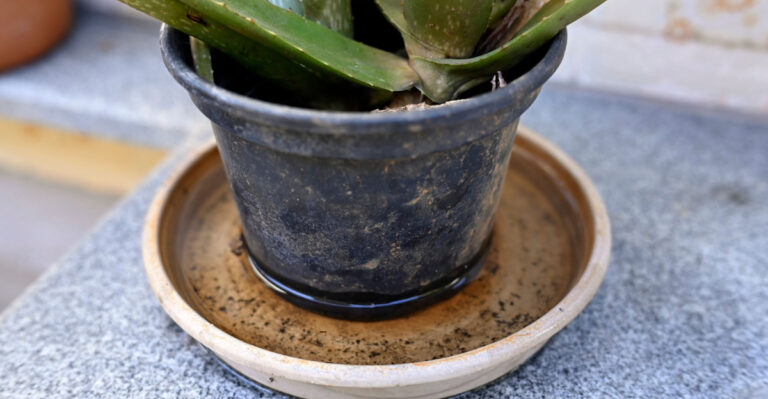
1. Flowerpot Saucers
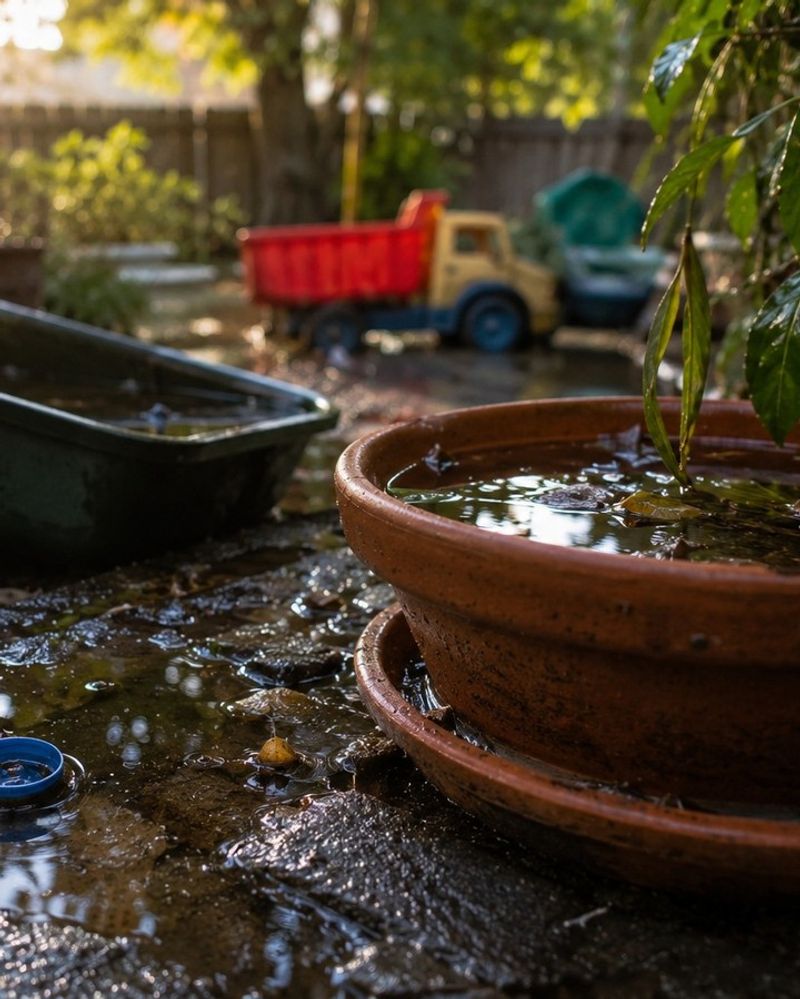
That little plastic dish sitting under your favorite patio planter might be the sneakiest mosquito spot in your entire garden.
Flowerpot saucers are designed to catch extra water so your plants stay hydrated, but that same pooled water becomes a perfect still-water nursery for mosquitoes.
It only takes about a week for mosquito eggs to hatch, and a full saucer after one Michigan rainstorm gives them exactly what they need.
Hanging baskets, herb containers, porch planters, and large decorative pots all have saucers that quietly fill up during storms. Most gardeners focus on the plants themselves and never think to check underneath.
Even a shallow layer of water sitting in the shade stays still long enough to cause problems.
The fix is surprisingly simple. After every rain, walk your patio and deck and tip out each saucer.
If you use saucers mainly during dry spells for watering checks, consider removing them entirely between those times.
You can also swap plastic saucers for ones with small drainage holes, or place a layer of gravel inside to reduce how much standing water actually sits there.
Staying in the habit of doing a quick saucer check after storms takes less than five minutes and makes a real difference in keeping your outdoor space comfortable all summer long.
2. Buckets And Watering Cans
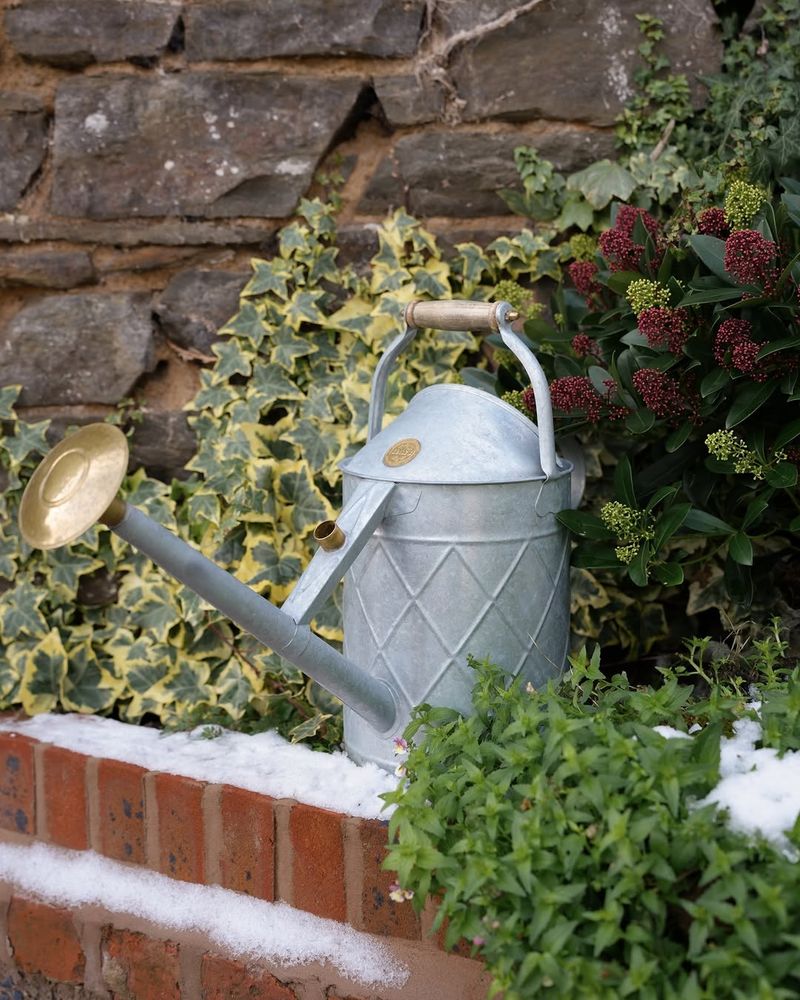
A forgotten bucket left out overnight might seem like no big deal, but after one good Michigan rainstorm, that bucket becomes a standing water problem almost immediately.
Mosquitoes are attracted to still, dark water, and the inside of a bucket or watering can is exactly the kind of sheltered spot they look for.
Even just an inch or two of collected rainwater is more than enough for them to get started.
Watering cans are especially easy to overlook because gardeners use them so often that they feel like a permanent fixture near the hose or raised bed. Garden tubs, large mixing buckets, and plastic storage containers left open face the same issue.
The water inside stays calm and undisturbed, which is just what mosquitoes prefer.
Storing these items upside down when they are not in use is one of the easiest habits you can build this season. Flip your watering can over, turn buckets upside down on a shelf or hook, and tuck containers under a covered area or inside a shed.
Your Michigan Garden Changes Every Week. Your Plan Should Too.
Gardening in Michigan changes quickly throughout the season. Every Friday you’ll receive a simple weekly plan showing exactly what to plant, prune, fertilize, harvest, and protect so you never miss the right timing.
If you need to keep buckets outdoors, a tight-fitting lid works well too. It sounds almost too simple, but this one small change can remove several breeding spots from your garden at once.
Consistent storage habits throughout the summer season add up to a noticeably more enjoyable yard.
3. Wheelbarrows And Garden Carts
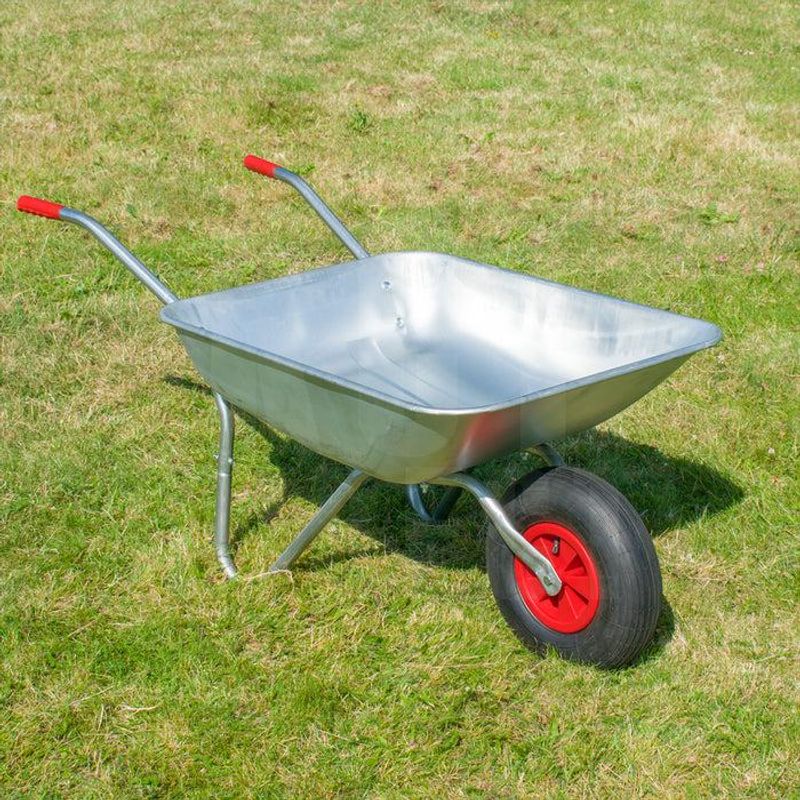
Wheelbarrows are workhorses of the garden, but when the work is done and they get left out, they quietly turn into water collectors.
After one Michigan rainstorm, a wheelbarrow sitting near your vegetable beds or compost area can hold a surprising amount of still water right in the curved bottom basin.
That sheltered bowl shape holds water longer than most surfaces in the yard, and the sides protect it from wind, keeping the water perfectly calm.
Garden carts with flat bottoms or low sides face the same problem. A cart left near a shed or fence line can fill up overnight and go unnoticed for days.
By the time you grab it for your next project, mosquitoes may have already had time to lay eggs in the water sitting inside.
Tipping your wheelbarrow upside down after each use is the most reliable solution. It takes just a second and completely removes any chance of water collecting.
If your wheelbarrow is too heavy to flip, try parking it in a tilted position against a fence or wall so the water drains out naturally. Storing garden carts under a roof overhang or tarp also helps.
Making this a part of your regular after-rain garden routine means one less breeding spot to worry about every time storm clouds roll through Michigan this summer.
4. Tarps And Patio Covers
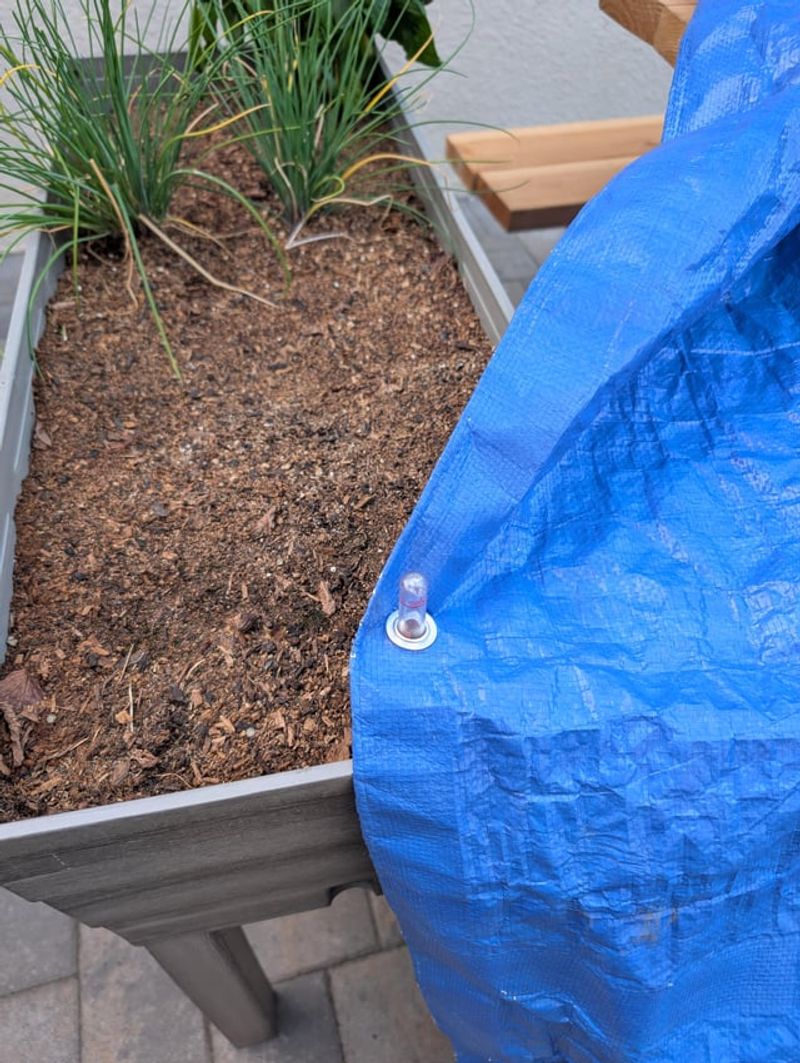
Tarps are incredibly useful in the garden for protecting plants, covering equipment, and shielding compost piles from heavy rain.
The problem is that when a tarp sags even slightly in the middle, it creates a shallow pocket that fills with water after every storm.
That small pool of still water sitting on top of a tarp is surprisingly easy to miss because it blends right into the landscape.
Grill covers, row covers stretched over raised beds, and folded patio furniture covers all have the same tendency to collect water in their folds and low points.
Even a cover that looks tight from a distance might have a hidden dip somewhere that holds a few cups of rainwater.
These spots stay wet longer than open ground because the fabric slows evaporation and keeps the water sheltered from wind.
After every rainstorm, take a walk around your yard and give tarps and covers a good shake to dump any collected water. Re-tightening the corners and sides of tarps helps prevent sagging from happening again.
If a tarp is no longer holding its shape, it might be time to replace it or store it properly when it is not needed. For row covers and garden fabric, folding and storing them in a dry shed between uses removes the problem entirely.
A little attention to these surfaces goes a long way toward a more comfortable Michigan garden season.
5. Birdbaths And Plant Water Bowls
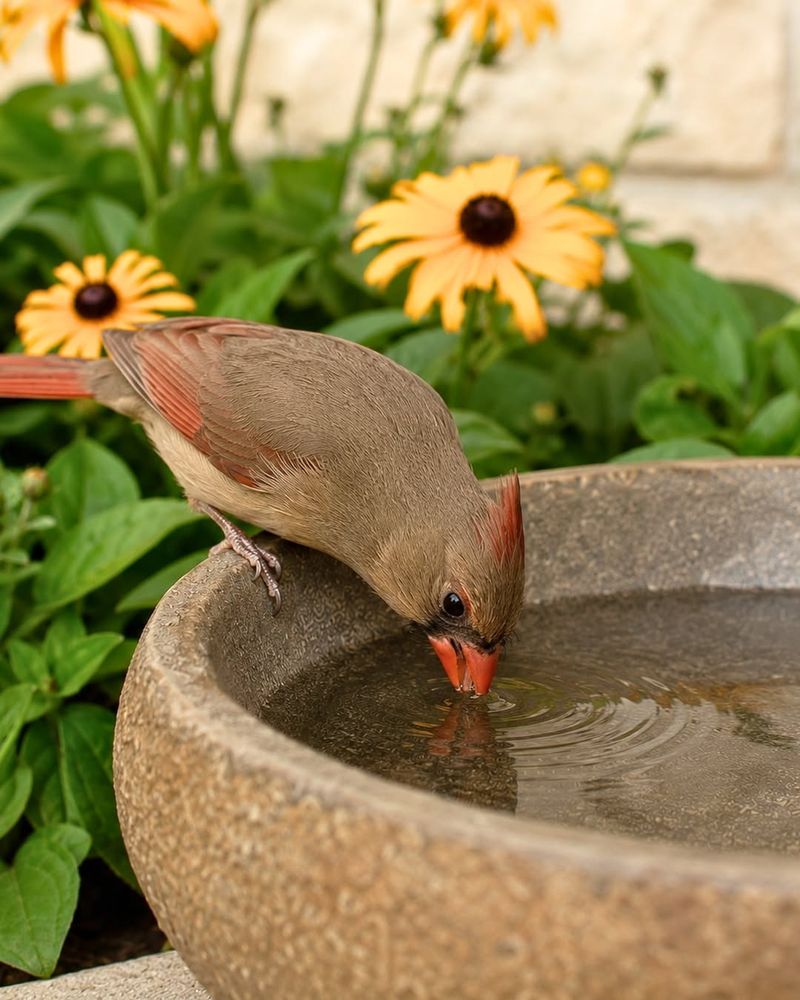
Birdbaths bring so much life and charm to a Michigan garden, attracting colorful songbirds all season long. But here is the catch: the same shallow water that birds love is also exactly what mosquitoes look for.
Still, warm water sitting in a birdbath for more than a few days becomes a breeding opportunity, especially during Michigan’s humid summer months when temperatures stay warm overnight.
Shallow plant watering dishes, pet water bowls left outside, and decorative garden bowls all face the same challenge. Water that looks clean to the eye can still be a problem if it has been sitting undisturbed long enough.
Mosquitoes do not need much time or space to take advantage of a still water source like these.
Changing the water in your birdbath at least twice a week is one of the most effective things you can do. Scrubbing the surface of the bowl each time you refill it removes any eggs or slippery buildup before they become a bigger issue.
For pet bowls and plant dishes, refreshing the water daily keeps things moving and fresh. You can also add a small solar-powered fountain or wiggler to your birdbath to keep the water moving, since mosquitoes avoid water that is not completely still.
These simple upgrades let you enjoy your birdbath all summer without any unwanted guests buzzing around your garden beds.
6. Clogged Gutters Above Garden Beds
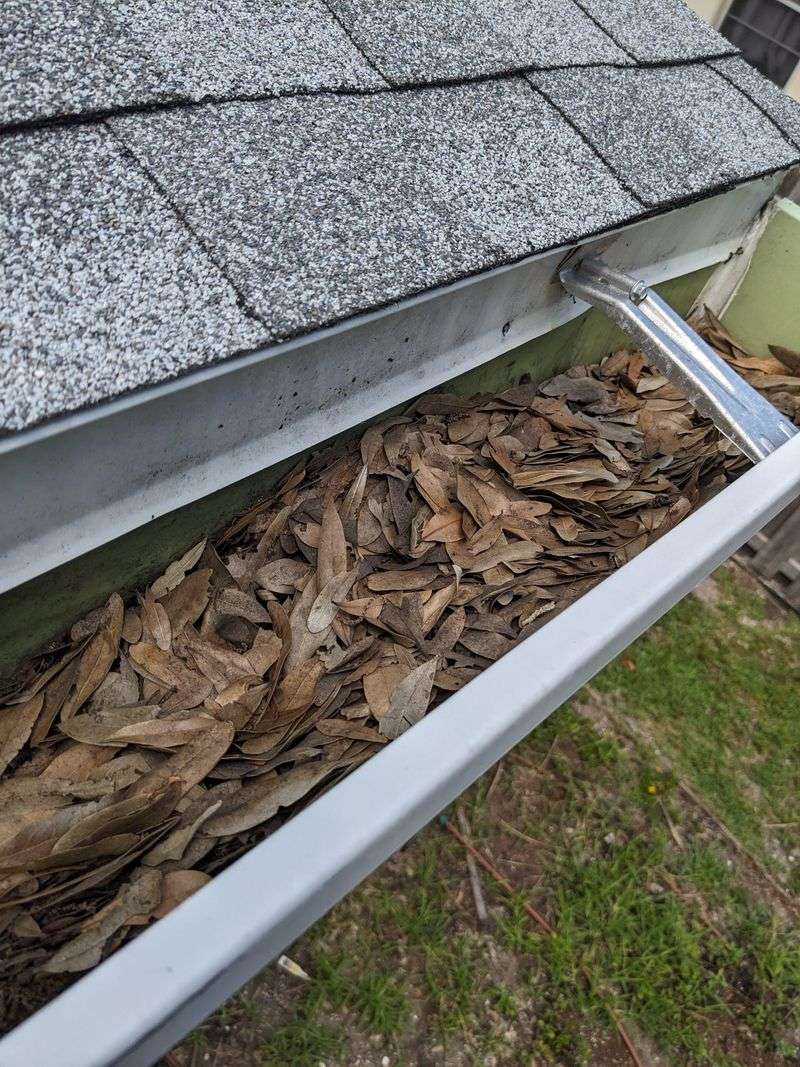
Most gardeners spend their time thinking about what is happening at ground level, but mosquito problems can actually start several feet above the garden in clogged gutters.
When gutters fill up with maple seeds, wet leaves, and roof debris, they stop draining properly and hold standing water for days after a rainstorm.
That trough of still water sits right above your foundation beds, shaded patios, and perennial gardens, creating a breeding spot that is surprisingly hard to notice from the ground.
Michigan’s spring season is especially tough on gutters because of heavy maple seed drops and frequent storms. A gutter that looked fine in April can be completely blocked by June, just when mosquito season is getting started.
The overflow from clogged gutters can also create puddles along the base of your home, adding even more standing water near your favorite garden beds.
Checking your gutters after major storms is a smart habit to build into your seasonal garden routine.
Clear out leaves and debris regularly, and make sure your downspouts are directing water away from the foundation and garden areas rather than letting it pool nearby.
Extending downspouts with splash blocks or flexible tubing helps move water further from the house. Gutter guards are a longer-term investment worth considering if your yard has heavy tree coverage.
Keeping gutters clean protects both your home and your garden from unnecessary moisture problems all season long.
7. Tree Holes And Hollow Stumps
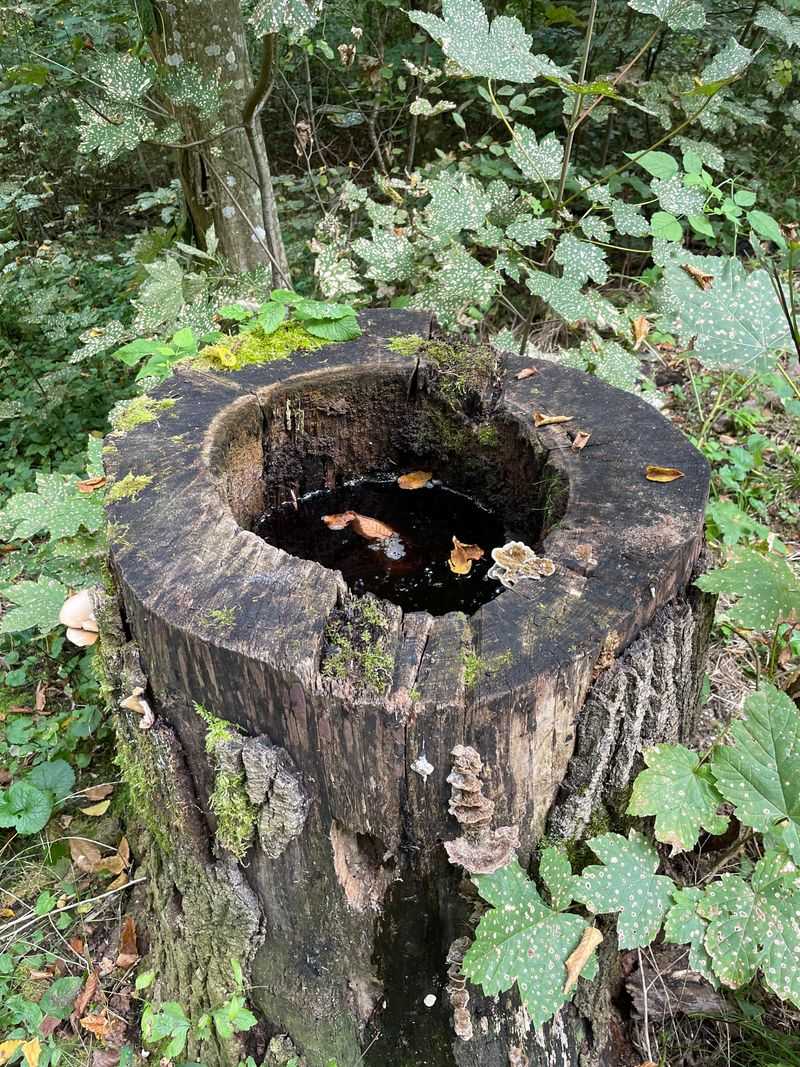
Nature creates some surprisingly effective water traps all on its own. Tree holes, hollow stumps, and old branch pockets are natural features of Michigan yards that can quietly collect rainwater after a storm.
These small cavities stay shaded and protected from wind, which means the water inside them barely evaporates and stays still for a long time. Certain mosquito species actually prefer these kinds of natural water pockets over artificial containers.
Older trees with deep bark hollows or large wounds from broken branches are the most common culprits. Hollow stumps left behind after tree removal are another spot worth checking, especially after a heavy rain.
Because these are natural features, many gardeners do not think of them as something that needs attention, but even a small amount of trapped water can be enough to cause a problem nearby.
For hollow stumps, filling them with soil or removing them entirely is the most thorough solution. If you have a tree with a large cavity, reaching out to a certified arborist for advice on the tree’s overall health is always a good idea.
In the meantime, focusing on the standing water sources around your yard that you can easily manage, like saucers, buckets, and gutters, reduces the overall mosquito pressure significantly.
Healthy, well-maintained trees are less likely to develop large cavities, so regular tree care is a smart long-term strategy for your Michigan garden and yard.
8. Low Spots In Garden Paths
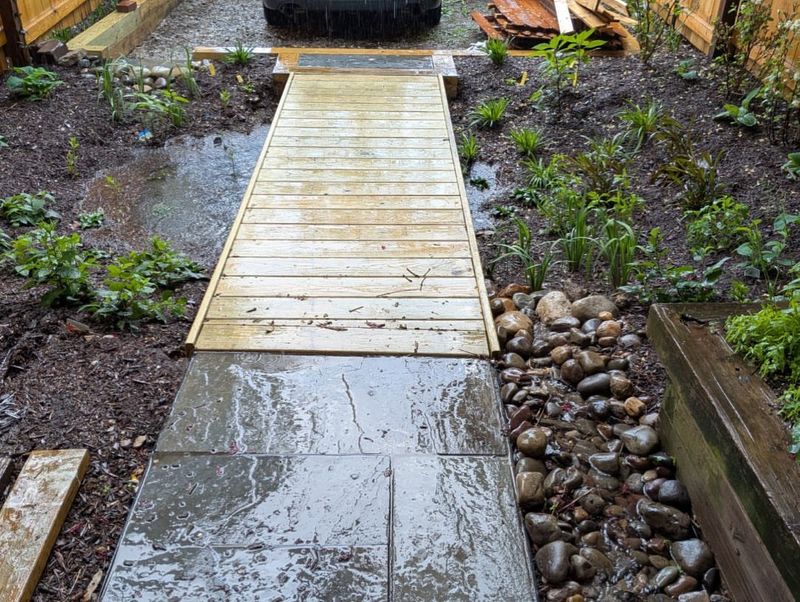
Garden paths are meant to make your yard easier to navigate, but low spots in those paths can quietly work against you every time it rains.
A slight dip in a gravel walkway, a settled area in a soil path, or an uneven paver section near your raised beds can hold a shallow puddle long after the rest of the garden has dried out.
These puddles look harmless, but still water in a warm, sheltered spot is exactly what mosquitoes seek out after a Michigan rainstorm.
Low spots near hose connection areas, garden gates, and shaded path sections tend to hold water the longest because they get less sun and airflow.
Gardeners walk past these areas every day without giving them a second thought, especially when the puddle is small and seems to disappear within a day or two.
But that window of time is long enough for mosquitoes to take advantage.
Leveling out low areas in your paths is a practical fix that improves both drainage and usability. Adding a layer of fresh gravel or coarse sand to sunken sections raises the surface and improves water flow.
For paver paths, resetting uneven stones so they sit level with each other helps water move off the path instead of pooling.
You can also add a shallow drainage channel along the edge of a path to carry rainwater away from garden beds and toward a better outlet.
Small improvements to path drainage add up to a noticeably drier and more comfortable garden space.
9. Old Tires And Tire Swings
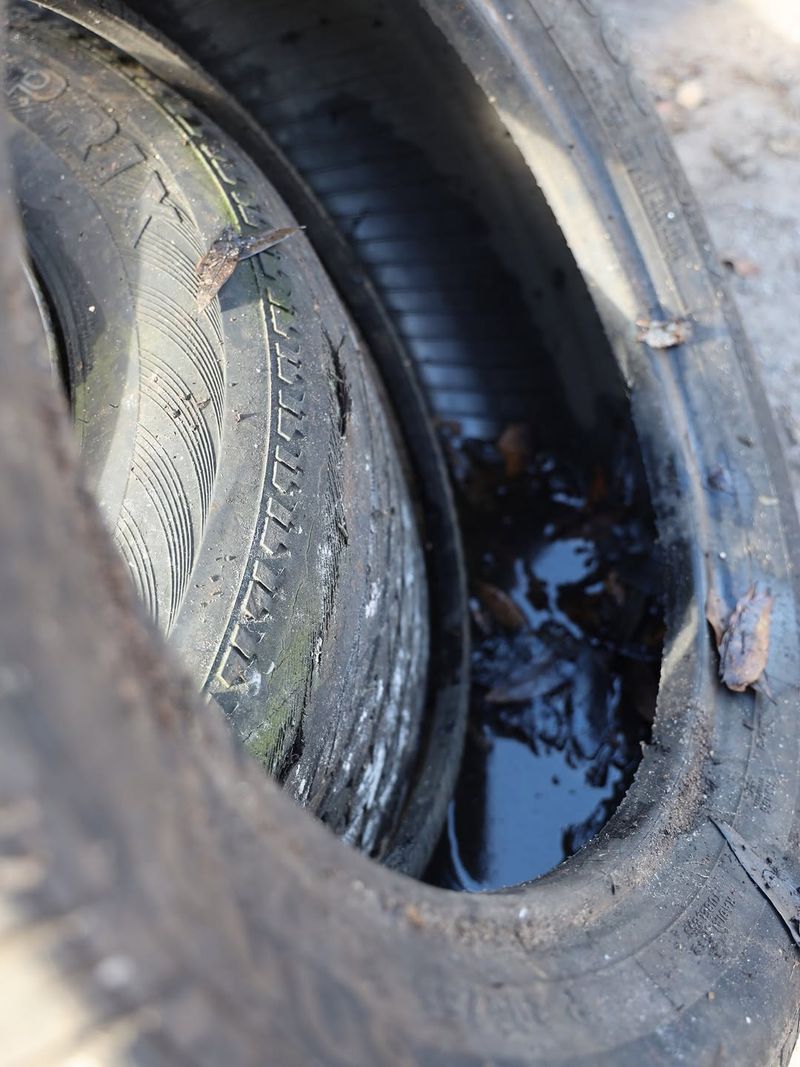
Few things hold rainwater quite as effectively as an old tire.
The curved inner rim of a rubber tire acts like a perfect bowl, collecting water and holding it in a dark, warm, protected spot that is almost impossible to drain without physically moving the tire.
Mosquitoes have actually been associated with old tires for decades, partly because the rubber absorbs heat and warms the water inside faster than other containers, speeding up their development.
Tires stored near garden sheds, stacked along fences, or sitting forgotten in a corner of the yard are a serious concern in Michigan, especially during the rainy months of June and July.
Tire swings hanging from backyard trees face the same issue since the bottom of the tire collects water every time it rains, and that water just sits there, sheltered and undisturbed.
Removing old tires from your property is the most effective solution. Many Michigan counties offer tire recycling programs or drop-off events that make disposal straightforward.
For tire swings you want to keep, drilling several drainage holes in the lowest point of the tire allows rainwater to flow out quickly after storms instead of sitting inside. You can also cover tire swings with a waterproof bag or tarp between uses.
Checking around sheds and storage areas for forgotten tires at the start of each season is a great habit that removes one of the most productive mosquito spots from your yard right from the start.
10. Rain Barrels Without Tight Screens
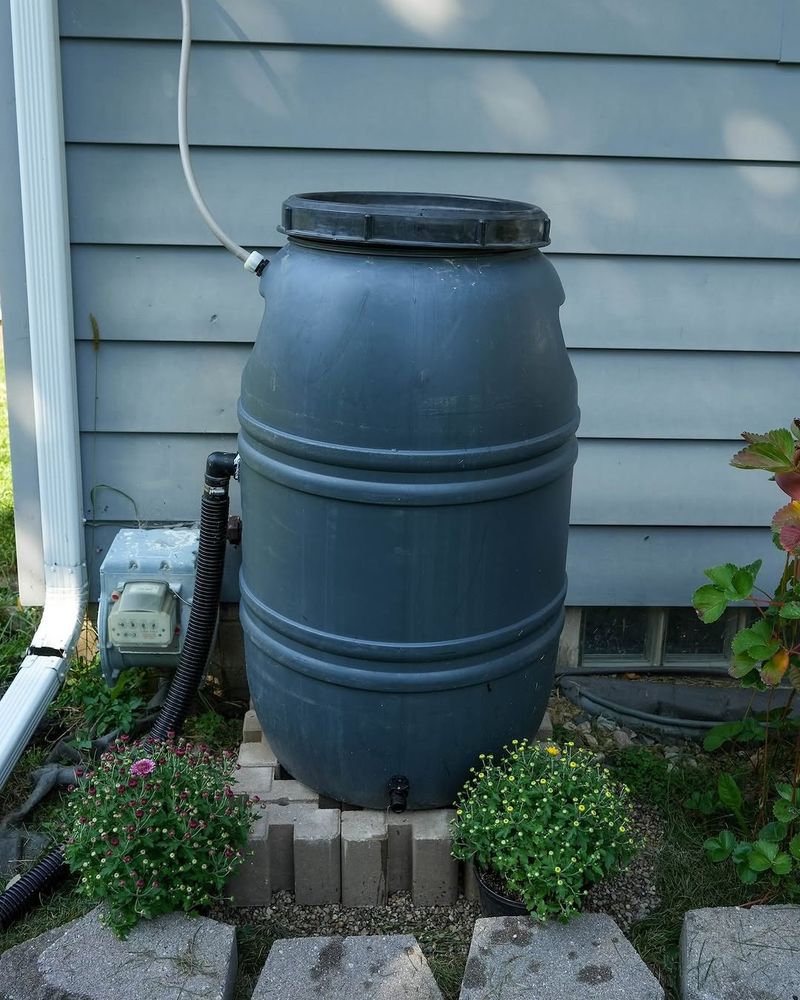
Rain barrels are one of the smartest tools a Michigan gardener can use. They save water, reduce runoff, and give your plants a natural source of soft water that they genuinely love.
The problem comes when a rain barrel is not sealed properly, because an open or loosely covered barrel is essentially an invitation for mosquitoes to move right in.
Still, standing water in a large container that sits undisturbed between watering sessions is exactly the kind of environment they prefer.
Even a small gap in a lid or a torn mesh screen is enough for mosquitoes to access the water inside. Overflow areas at the top of the barrel are another easy entry point that many gardeners overlook.
Water that spills over the edge and collects around the base of the barrel adds yet another puddle to manage after a heavy rain.
Making sure your rain barrel has a tight-fitting lid and a fine mesh screen over any openings is the most important upgrade you can make. Check the screen regularly for tears or gaps, especially after windy storms that can shift or loosen covers.
Attaching a flexible overflow hose that directs excess water away from the barrel and toward a garden bed or drainage area prevents pooling at the base.
Some gardeners also add a small amount of Bti dunks, a natural and garden-safe option, to their barrels as an extra layer of protection.
With the right setup, your rain barrel stays a helpful garden tool without becoming a seasonal problem.