The Mulch Choices That Make Rat And Tick Problems Worse In Ohio Yards
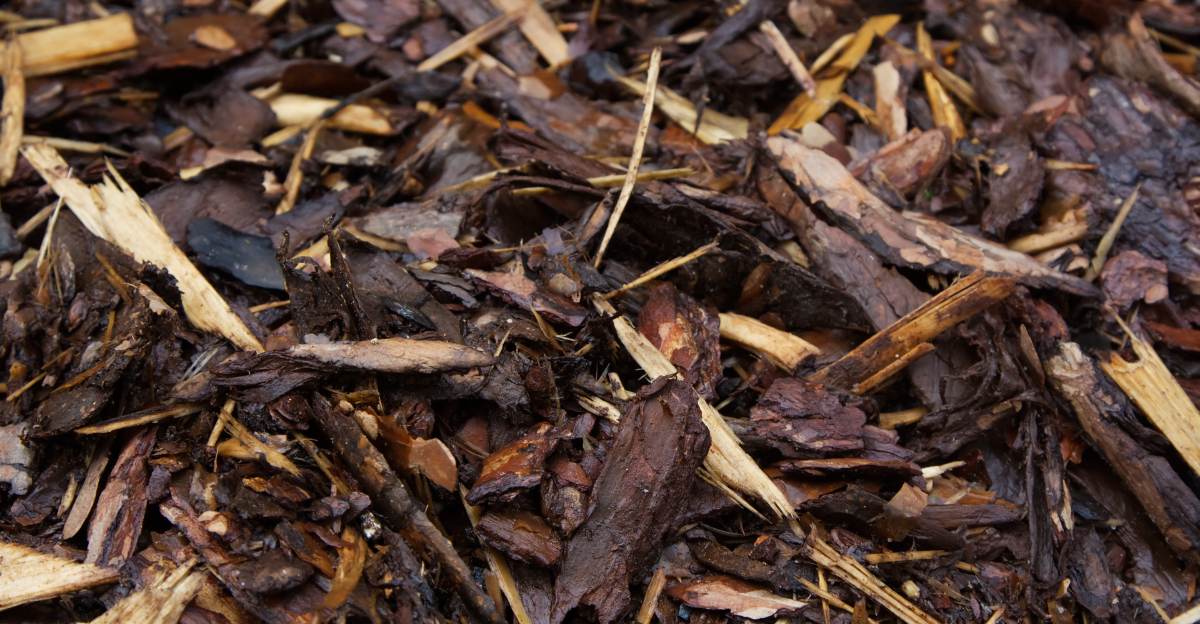
Mulch decisions in Ohio yards rarely get more thought than what looks good and what is available at the garden center. That is a reasonable approach for aesthetics.
For anyone dealing with rats or ticks, it is a choice that may be quietly making both problems significantly worse. Certain mulch types create ideal conditions for ticks at ground level.
Dense, moisture-retaining, slow to dry out after rain. Others give rats exactly the nesting material and cover they look for when scouting a yard.
Some do both at once without anyone connecting the mulch to the pest activity showing up a few weeks later. Ohio yards that switch to less hospitable mulch options tend to see real changes in both tick habitat and rat pressure over time.
The switch costs nothing extra at the garden center once you know what to look for and what to avoid.
1. Avoid Deep Damp Mulch That Turns Into Cover
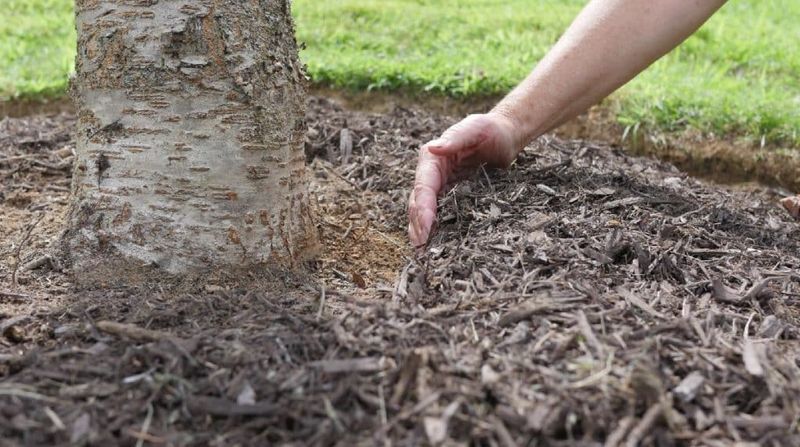
Walk through any older garden bed after a rainy week, and you might notice the mulch has turned into a soggy, compacted mat. That thick, damp layer might feel harmless, but it can quietly create conditions that make pest management harder.
OSU Extension advises keeping mulch at a depth of two to four inches for most ornamental beds. Anything deeper can compact, hold excess moisture, and reduce air circulation near the soil surface.
Damp, sheltered layers do not automatically bring rats or ticks into a yard. But when those layers are combined with nearby food sources, leaf litter, brush, or clutter, they can offer better cover for small wildlife that ticks depend on as hosts.
Rodents also prefer areas where they can move without being seen. A thick mulch mat near a fence line or brush edge gives them exactly that.
Before adding fresh mulch each season, rake the existing layer and check how deep it already is. Break up any compacted spots.
If the old mulch is still in good shape, skip adding more that year. Mulch should help your plants, not become a permanent thick carpet that never dries out.
2. Keep Mulch Away From Foundations And Sheds
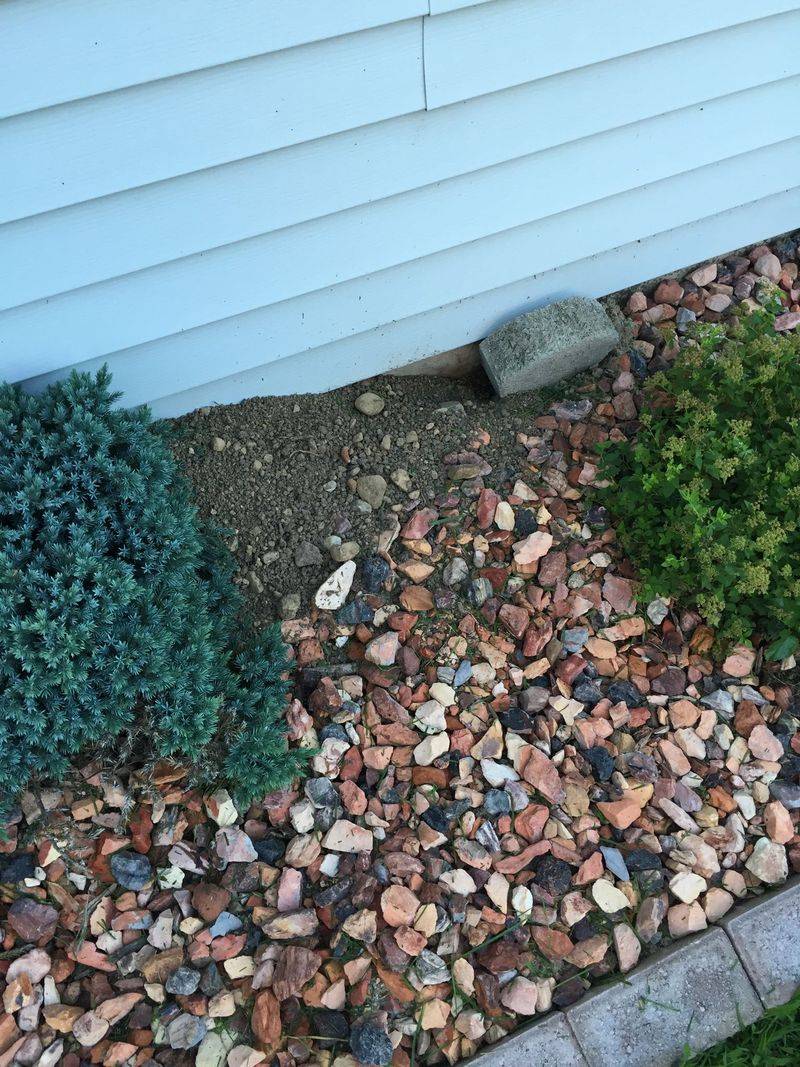
Shed corners and house foundations are some of the most overlooked spots in an Ohio yard. When mulch is pushed right up against a wall, it hides small cracks, gaps, and openings that rodents can use to get inside.
Rats do not need a large opening. According to pest management guidance, they can squeeze through a gap roughly the size of a quarter.
Mulch piled against a foundation makes it much harder to spot those entry points during a routine check.
Keeping a visible, clear gap of at least six inches between mulch and any structure is a practical starting point. That gap lets you inspect the base of walls, spot damage, and see whether anything has been digging near the foundation.
It also reduces the humid, sheltered zone that can form when organic material sits against wood or concrete for long periods.
Mulch volcanoes around tree trunks and fence posts create the same kind of problem. They trap moisture, hide pest activity, and can damage the trunk or post over time.
Your Ohio Garden Changes Every Week. Your Plan Should Too.
Gardening in Ohio changes quickly throughout the season. Every Friday you’ll receive a simple weekly plan showing exactly what to plant, prune, fertilize, harvest, and protect so you never miss the right timing.
Pull mulch back from any structure, post, or trunk so the base stays visible and dry. Rats need food, shelter, and a way in.
Removing hidden cover near structures takes away one part of that equation.
3. Stop Mixing Leaf Litter Into Pest-Friendly Beds
Fallen leaves have a place in the garden. Used intentionally in low-traffic habitat areas, they can support beneficial insects and improve soil over time.
But thick, unmanaged leaf litter mixed into ornamental beds near patios, paths, or play areas is a different story. Ohio Department of Health guidance on tick prevention consistently points to leaf litter and brush as key habitat features.
These areas support ticks and the small animals that carry them.
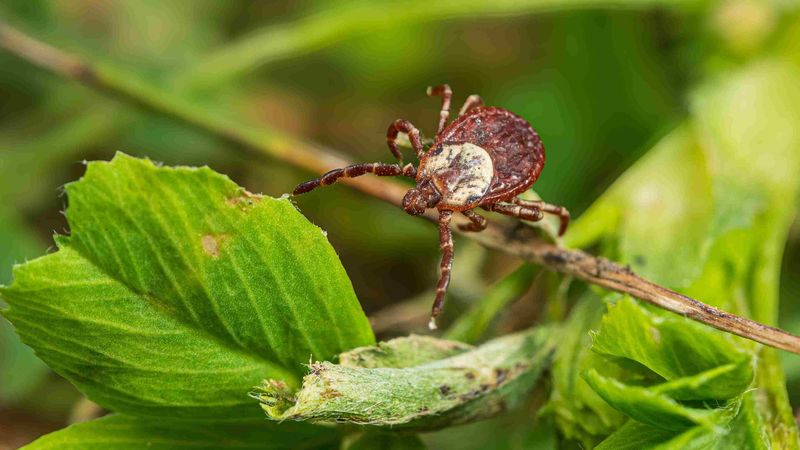
Ticks do not jump or fly. They wait on low vegetation, leaf piles, and damp edges for a host to brush past.
When leaf litter builds up in beds near the places your family uses most, it brings that risk closer to home. Mixing leaves into mulch layers without managing the depth or moisture adds to the problem.
It creates a humid, layered environment that ticks and their hosts find comfortable.
Keep play areas, lawn edges, and frequently used paths clear of heavy leaf buildup. Rake leaves out of ornamental beds near the house before they decompose into a thick mat.
If you want to use leaves as mulch in a habitat corner of the yard, keep that area separate from spaces where kids and pets spend time. Thoughtful placement matters more than total removal.
4. Skip Thick Mulch Piles Near Wooded Edges
Yard edges where lawns meet woods, brush, or overgrown areas are well-known tick zones. CDC guidance notes that ticks are commonly found in wooded areas, leaf litter, tall grasses, and brush.
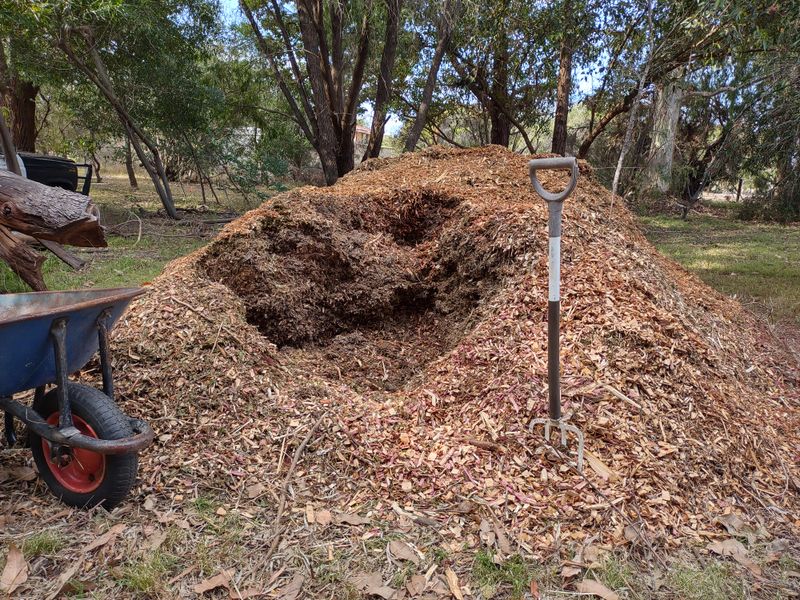
The edges between lawns and wooded areas are especially active zones. Storing extra mulch or letting mulch build up in thick piles near those edges adds organic cover right where pest activity already tends to be higher.
Wildlife hosts such as deer, mice, and other small animals move along wooded edges and carry ticks with them. A thick mulch pile near that transition zone gives those animals a comfortable resting or nesting spot.
It also blurs the boundary between a managed lawn and a brushy edge, making it harder to keep pest activity away from the areas you use most.
Some public health and extension guidance recommends placing a dry wood chip or gravel barrier between lawn areas and wooded edges. This helps reduce contact with tick-prone zones.
That is a very different approach from storing a loose, damp mulch pile against the brush. Keep extra mulch in a tidy, covered spot away from wooded edges.
Maintain a clear, visible border between your lawn and any brushy or wooded areas nearby. A well-defined edge is easier to inspect and easier to manage.
5. Use Gravel Where Rodents Need Fewer Hiding Spots
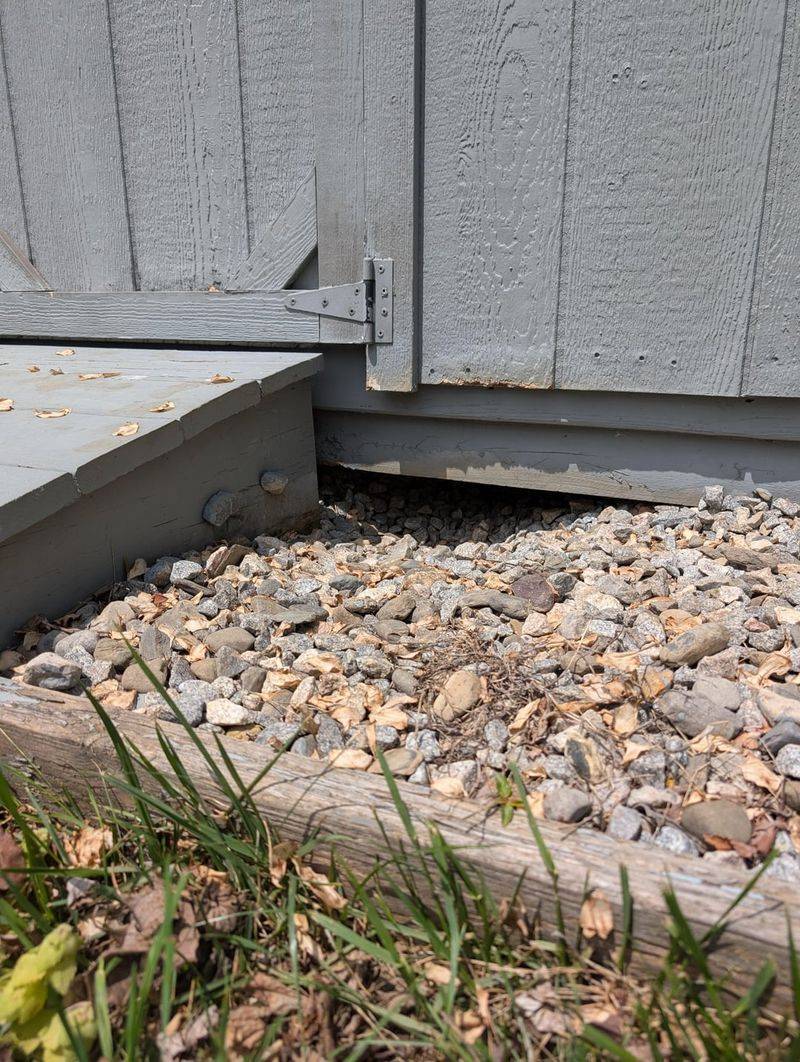
Gravel is not a magic fix for rodent problems, but it does offer something organic mulch cannot: a drier, more open surface that gives pests fewer places to hide.
Near foundations, sheds, utility meters, and storage zones, a strip of gravel or crushed stone can reduce sheltered, humid ground cover.
That is the kind of cover rodents prefer when moving around a yard.
Integrated pest management guidance notes that reducing cover and improving visibility near structures is a practical part of rodent prevention. Gravel stays visible, dries quickly after rain, and does not compact into a soft mat the way organic mulch can.
It also makes it easier to spot signs of digging or burrowing near a building’s base. That visibility matters when you are trying to catch a problem early.
Gravel works best when it is paired with good habits. Keep birdseed spills cleaned up.
Store pet food indoors. Seal trash cans tightly.
Move stacked materials away from walls. Gravel near a shed surrounded by spilled seed and open compost will not do much.
But as part of a cleaner, more organized yard setup, it can help reduce the cover and shelter that rodents look for. Use it where it makes practical sense, not as a replacement for every planting bed in the yard.
6. Choose A Dry Wood Chip Barrier For Tick Edges
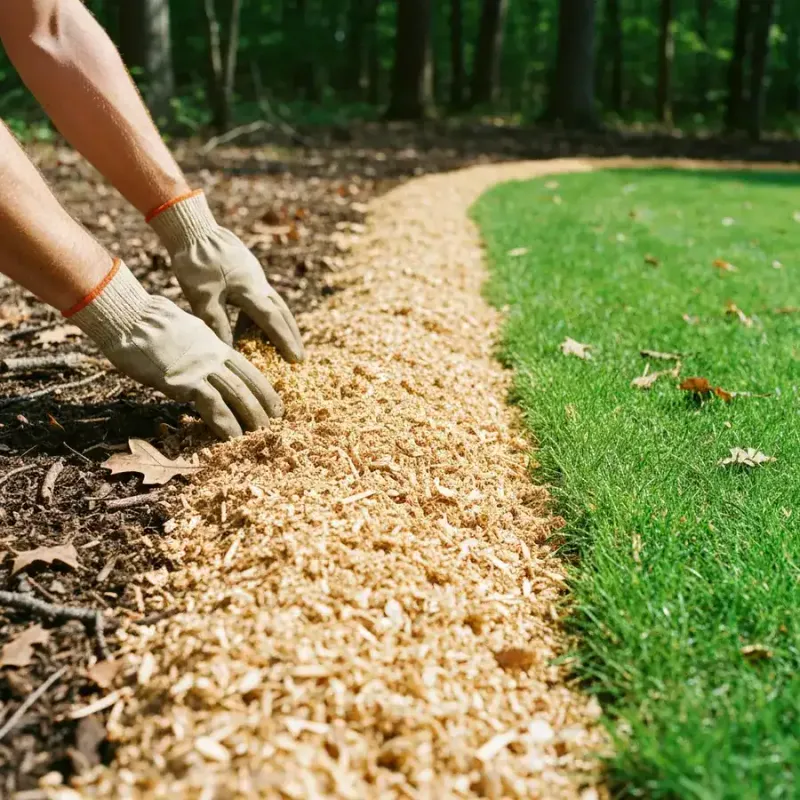
A tidy strip of dry wood chips placed between your lawn and a wooded or brushy edge serves a very specific purpose. It creates a visible boundary that discourages people, kids, and pets from casually drifting into the higher-risk zone along the yard edge.
CDC guidance on tick prevention recommends placing a three-foot-wide barrier of wood chips or gravel between lawns and wooded areas. This helps reduce tick migration into frequently used spaces.
This approach works because it creates a drier, less hospitable surface at the transition point. Ticks prefer humid, shaded environments.
A dry, open wood chip strip is not ideal habitat for them or for the small animals that carry them. The key word is dry.
A wood chip barrier that collects leaf buildup, stays shaded and damp, or gets buried under organic debris loses most of its usefulness.
Rake the barrier clear of fallen leaves regularly. Keep the strip defined and visible.
Do not let it blend into the brushy edge it is supposed to separate. A wood chip barrier is not the same as deep, damp mulch piled around plants.
It is a purposeful, maintained edge tool. Realistic expectations matter here.
A barrier reduces contact with risky edges, but it does not eliminate every tick from the Ohio yard. Pair it with regular tick checks after outdoor time.
7. Thin Out Mulch Before It Holds Too Much Moisture

Every spring, bags of fresh mulch show up at garden centers and driveways across Ohio. Many homeowners add a new layer without checking what is already in the bed.
Over a few seasons, those layers stack up. Old mulch compacts at the bottom, traps moisture, and creates a thick mat that stays wet long after the top layer looks dry.
That persistent moisture is not good for plants or for pest management.
OSU Extension guidance on mulching notes that mulch should not be allowed to build up beyond four inches in most situations.
Compacted mulch can also create a physical barrier that prevents water from reaching plant roots properly, which stresses plants and defeats the purpose of mulching.
Stressed plants are more vulnerable, and an overly wet bed is harder to manage for several reasons beyond just pests.
Before adding anything new, rake the existing mulch lightly. Break up any compacted areas.
Check how deep the layer actually is. If it is already at three to four inches and still in decent shape, skip adding more this season.
Make sure plant crowns and tree trunks are clear of mulch contact. Leaving those areas exposed helps prevent rot and keeps the base of your plants visible.
Thinning mulch is a simple habit that keeps beds healthier and drier.
8. Clean Up The Clutter That Makes Mulch Worse
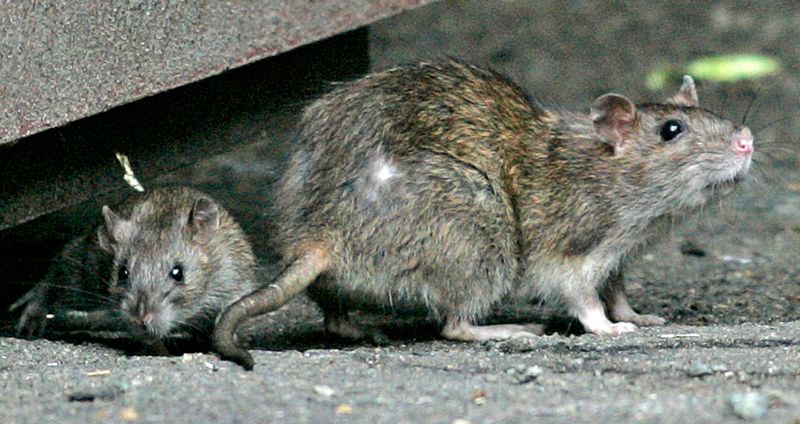
Mulch rarely causes pest problems on its own. The real trouble starts when mulch sits alongside a collection of other inviting conditions.
Stacked firewood against a wall, overturned pots, open compost bins, spilled birdseed, and unsecured trash all add food and shelter. They make the cover the mulch already provides even more attractive.
Together, those conditions create a yard that is genuinely welcoming to rodents and to the wildlife that carries ticks.
University extension sources advise storing firewood off the ground and at least a few feet away from structures when possible. Keeping compost in a sealed bin reduces food odors that attract rodents.
Cleaning up birdseed spills regularly and bringing pet food inside at night are small habits that make a measurable difference. Rats are practical animals.
They go where food and shelter are easiest to find.
Ticks follow a different path, but the principle is similar. Cluttered, brushy, damp yards with lots of leaf litter and wildlife activity give ticks more hosts and more habitat.
Cleaning up the yard reduces that habitat. Mulch placed with purpose, kept at a reasonable depth, and surrounded by a tidy yard is a tool that works for you.
Mulch sitting in a cluttered, damp, food-rich yard quietly works against you. Keep it useful, shallow enough to dry out, and placed where it belongs.