Pennsylvania Plants That Attract Robins And What That Really Means For Tick Habitat
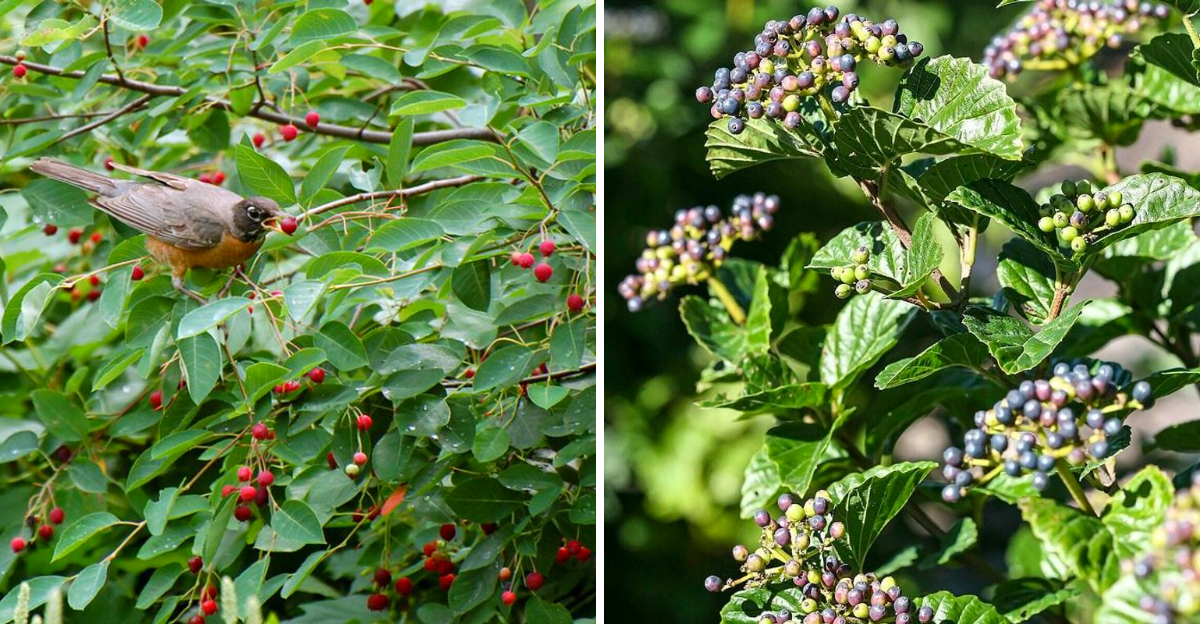
There is something genuinely satisfying about watching American robins work their way through a yard full of native fruiting plants.
Serviceberry, elderberry, flowering dogwood, winterberry holly, the list of plants that pull robins in is a long and rewarding one for Pennsylvania gardeners who have made the investment in native landscaping.
But somewhere along the way, a question started making the rounds among homeowners noticing all that robin activity near their plantings.
If robins forage through leaf litter and dense shrubs hunting for insects and earthworms, does that mean they are also picking up ticks along the way?
It is a fair and genuinely interesting question, and the honest answer is more layered than a simple yes or no.
Understanding the real connection here can help Pennsylvania gardeners think more clearly about bird-friendly planting and tick habitat management at the same time.
1. Serviceberry Brings Early Fruit For Robins
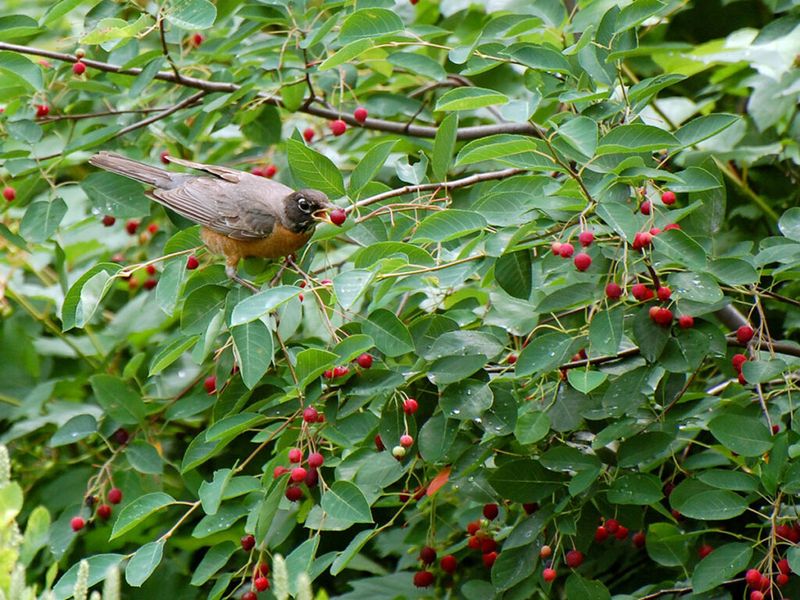
Watching robins hop through a serviceberry tree in late spring is one of the earliest signs that your Pennsylvania yard is working as wildlife habitat.
Serviceberry, known botanically as Amelanchier, produces small, sweet berries that ripen earlier than most other native fruiting plants in the region.
That early timing makes it especially valuable for birds moving through or setting up territory in spring.
American robins eat a wide mix of food, including earthworms, insects, and fruit, and serviceberry fits naturally into that diet. The berries are soft, easy to swallow, and tend to appear right when robins are actively foraging to feed nestlings.
Planting serviceberry near a lawn edge or woodland border gives robins a reliable fruit source during a window when other options are still weeks away.
For Pennsylvania homeowners, serviceberry works well in both full sun and partial shade, and it tolerates a range of soil conditions. It can grow as a multi-stemmed shrub or a small tree, making it flexible for yards of different sizes.
Beyond robins, it supports native pollinators in spring and provides cover for other songbirds throughout the warmer months.
2. American Elderberry Feeds Birds In Summer
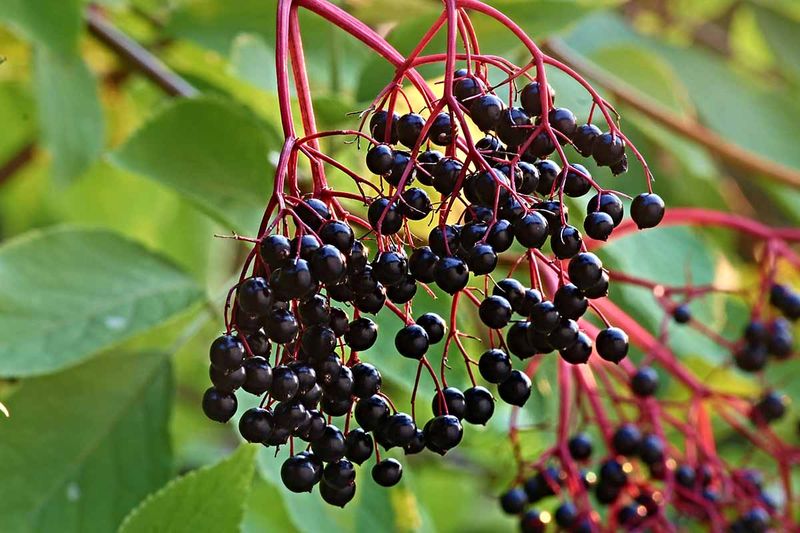
Few native shrubs in Pennsylvania offer the kind of midsummer wildlife value that American elderberry brings to a yard.
The flat-topped clusters of dark, purple-black berries ripen in July and August, right when robins and dozens of other bird species are actively foraging.
Elderberry can grow quickly into a large, spreading shrub, so it works well along fence lines, property edges, or naturalized areas where space is available.
American robins are frequent visitors to elderberry during fruiting season. The berries are soft and nutritious, and a mature elderberry can produce an impressive quantity of fruit.
Beyond fruit, the shrub supports a wide range of insects on its foliage and flowers, which matters for robins that also rely on invertebrates as a protein source, especially when raising young.
Gardeners interested in native plants often find elderberry easy to establish, particularly in moist or seasonally wet spots where other shrubs struggle. It tolerates part shade but tends to fruit more heavily in sunnier locations.
Your Pennsylvania Garden Changes Every Week. Your Plan Should Too.
Gardening in Pennsylvania changes quickly throughout the season. Every Friday you’ll receive a simple weekly plan showing exactly what to plant, prune, fertilize, harvest, and protect so you never miss the right timing.
Because it spreads readily by root suckers, giving it room to expand or planning to manage its spread is worth thinking about before planting. For wildlife value per square foot, elderberry is hard to beat in a Pennsylvania backyard habitat planting.
3. Flowering Dogwood Adds Berries And Cover
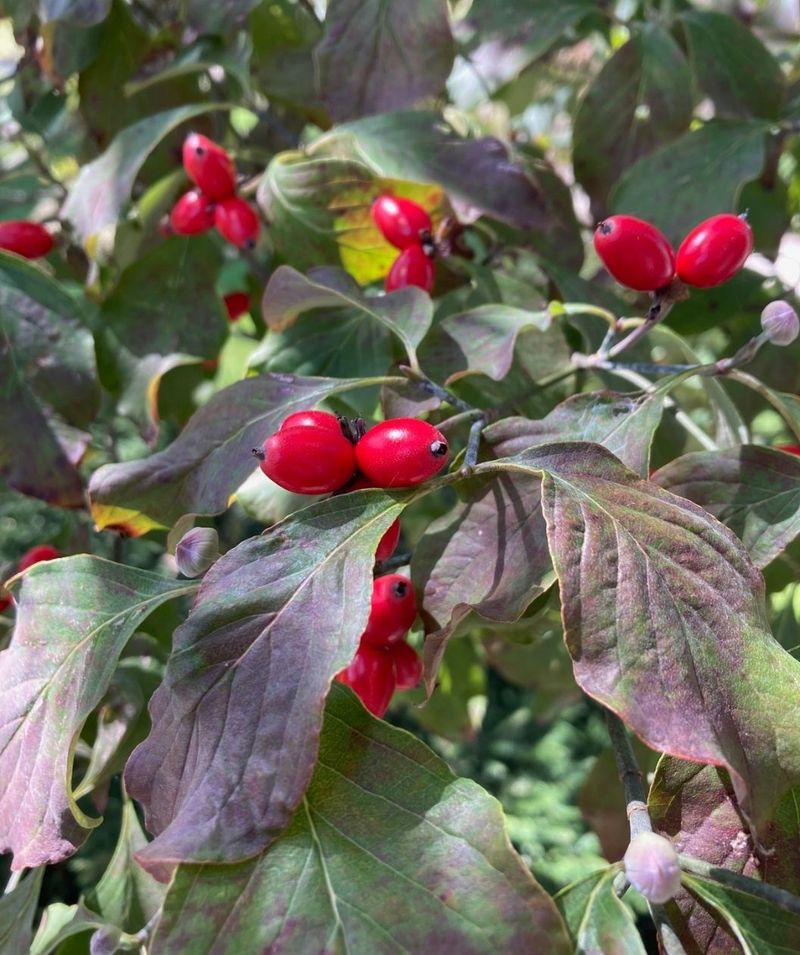
One of Pennsylvania’s most beloved native trees, flowering dogwood offers a layered kind of wildlife value that goes well beyond its spring blooms.
By early fall, the tree produces clusters of small, bright red berries that ripen just as many bird species are preparing for or moving through migration.
American robins are among the birds that visit dogwood for these berries, which are high in fat and well-suited to fueling active birds.
Beyond fruit, flowering dogwood provides excellent structural cover. Its branching habit creates sheltered spots for birds to perch, rest, and move through a yard without feeling exposed.
That combination of food and cover in a single plant makes it especially useful in Pennsylvania yards that sit near woodland edges or transition zones between open lawn and tree canopy.
Flowering dogwood grows best in partial shade with well-drained, slightly acidic soil, which mirrors the conditions found naturally along forest edges. It is a smaller tree, typically reaching 15 to 25 feet, making it manageable for residential landscapes.
Planting it where it receives morning sun and afternoon shade tends to support healthy growth. For homeowners building a layered native planting, dogwood works beautifully as an understory tree beneath larger canopy species.
4. Winterberry Holly Offers Cold-Season Fruit
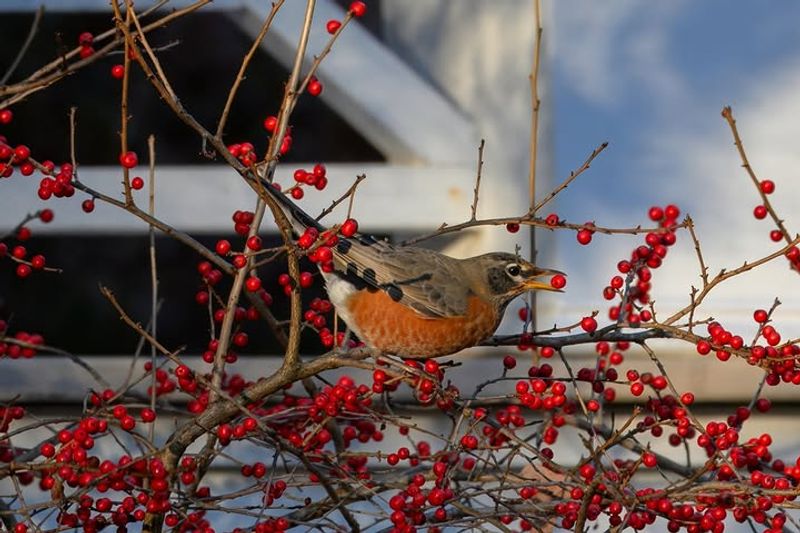
After most fruiting plants in Pennsylvania have finished for the season, winterberry holly steps in with something that stands out sharply against a gray November landscape.
This native deciduous holly drops its leaves in fall, leaving branches densely covered in small, brilliant red berries that persist well into winter.
Robins that linger later in the season or move through in loose winter flocks are among the birds that visit winterberry when other fruit sources are gone.
Winterberry holly, known as Ilex verticillata, is native to Pennsylvania and grows naturally in wet, low-lying areas along stream banks and wetland edges. In a home landscape, it thrives in moist, slightly acidic soil and tolerates occasional flooding.
It can be planted in rain garden areas, along drainage swales, or near low spots in the yard where other plants might struggle.
One practical note for homeowners is that winterberry holly requires both male and female plants nearby for berry production. Planting at least one male cultivar close to female plants ensures a good fruit set.
The shrub grows in sun or partial shade and can reach six to ten feet tall. For yards that need wildlife value in the colder months, winterberry holly fills a gap that few other native shrubs can match as reliably.
5. Highbush Blueberry Draws Fruit-Eating Birds
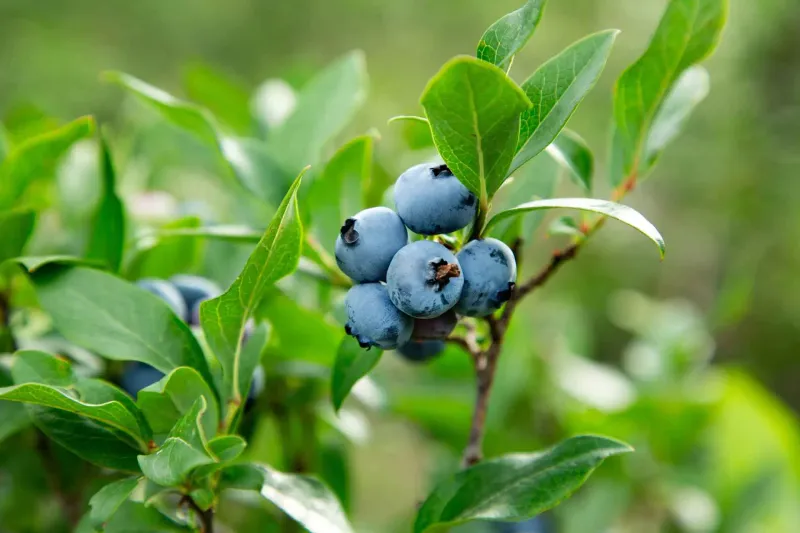
Blueberries are a favorite in Pennsylvania home gardens for obvious reasons, but the wildlife value of highbush blueberry often gets overshadowed by the harvest.
Robins and many other fruit-eating birds are just as interested in ripe blueberries as backyard gardeners are, which means a well-established highbush blueberry planting can attract steady bird activity through midsummer.
The berries ripen gradually across the fruiting season, giving birds multiple opportunities to visit.
American robins tend to forage for fruit in the morning and move to lawns for earthworms and insects later in the day.
Highbush blueberry planted along a yard border or near a lawn edge can support both behaviors, offering fruit nearby while robins also work the ground.
The shrub itself grows four to six feet tall or more and provides decent structure for birds to perch and move through.
Highbush blueberry prefers full sun and well-drained, acidic soil, and it benefits from consistent moisture during the growing season. Gardeners often plant it in groups of two or more cultivars to improve cross-pollination and berry production.
Beyond fruit, blueberry foliage supports native caterpillars and other insects, which adds invertebrate food value for robins and other insect-eating birds foraging nearby.
The fall leaf color is an added visual bonus for the landscape.
6. Black Cherry Supports Insects And Fruit
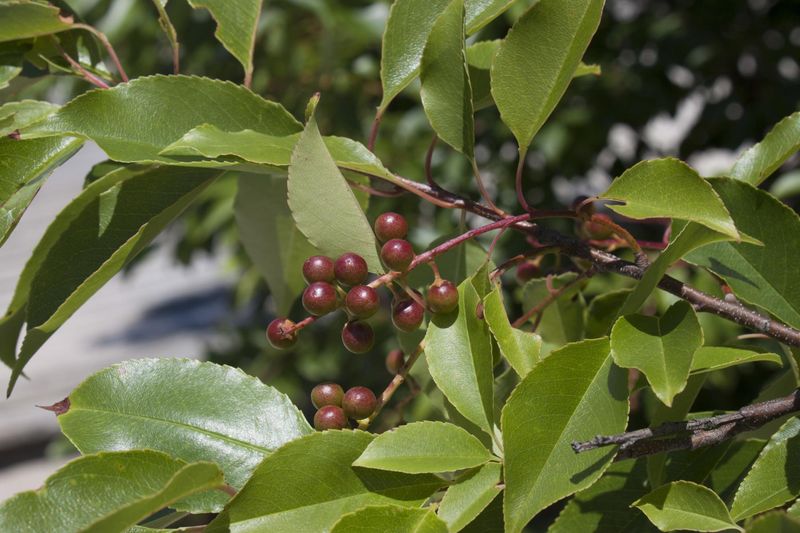
Black cherry earns its reputation as one of Pennsylvania’s most wildlife-supportive native trees not just through its fruit but through the sheer number of insects it hosts on its foliage.
Native caterpillars and other invertebrates rely on black cherry as a host plant, and that insect activity draws birds that need protein-rich food, especially during nesting season.
American robins, which eat both fruit and invertebrates, can benefit from a black cherry tree in two distinct ways across the season.
The small, dark cherries ripen in late summer and attract a wide range of fruit-eating birds. Robins move through the canopy and into the branches to reach the fruit, and the tree can produce heavily in a good year.
Black cherry tends to grow into a medium to large canopy tree over time, so it is better suited to larger yards, open woodland edges, or properties where canopy trees are part of the long-term landscape plan.
In Pennsylvania, black cherry is a native species that grows naturally in a wide range of conditions, from forest edges to old fields. It establishes well from young nursery stock and grows at a moderate rate.
Homeowners should be aware that the foliage and fruit pits contain compounds that are not safe for livestock, so placement matters on properties with animals.
For wildlife habitat value, few Pennsylvania native trees match what black cherry can provide over its lifetime.
7. Eastern Red Cedar Gives Robins Shelter
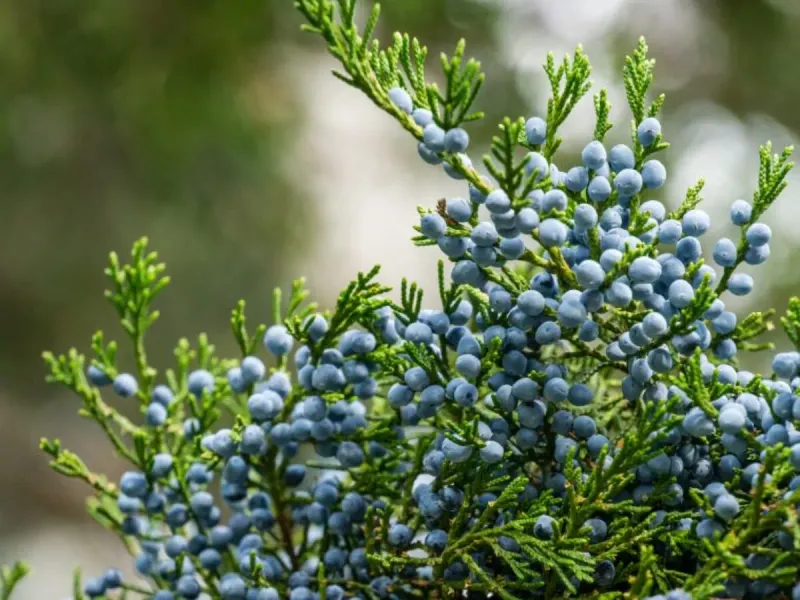
When temperatures drop across Pennsylvania and most deciduous trees stand bare, eastern red cedar keeps its dense evergreen branches full year-round, offering something most other native plants cannot: reliable winter shelter.
Robins that choose to spend the winter in Pennsylvania, or those moving through in loose flocks, often gather in red cedar stands where the thick foliage blocks wind and provides cover.
The blue-gray, berry-like cones that appear on female trees add a food source to that shelter value.
Eastern red cedar, which is actually a native juniper rather than a true cedar, grows widely across Pennsylvania in old fields, fence rows, and dry, open sites.
It is one of the more drought-tolerant native evergreens available to homeowners, making it useful in spots where other plants may struggle with dry or thin soil.
It can be planted as a single specimen, in a naturalized row, or as part of a mixed native hedgerow.
For robins specifically, the combination of dense cover and persistent fruit makes red cedar a plant worth including in a bird-friendly yard. The tree also supports other wildlife, including cedar waxwings, which share the robin’s preference for fruit.
Because red cedar can spread into open areas over time, placing it thoughtfully along edges rather than in open meadow zones helps keep the landscape balanced and manageable for Pennsylvania homeowners.
8. Arrowwood Viburnum Adds Native Bird Habitat
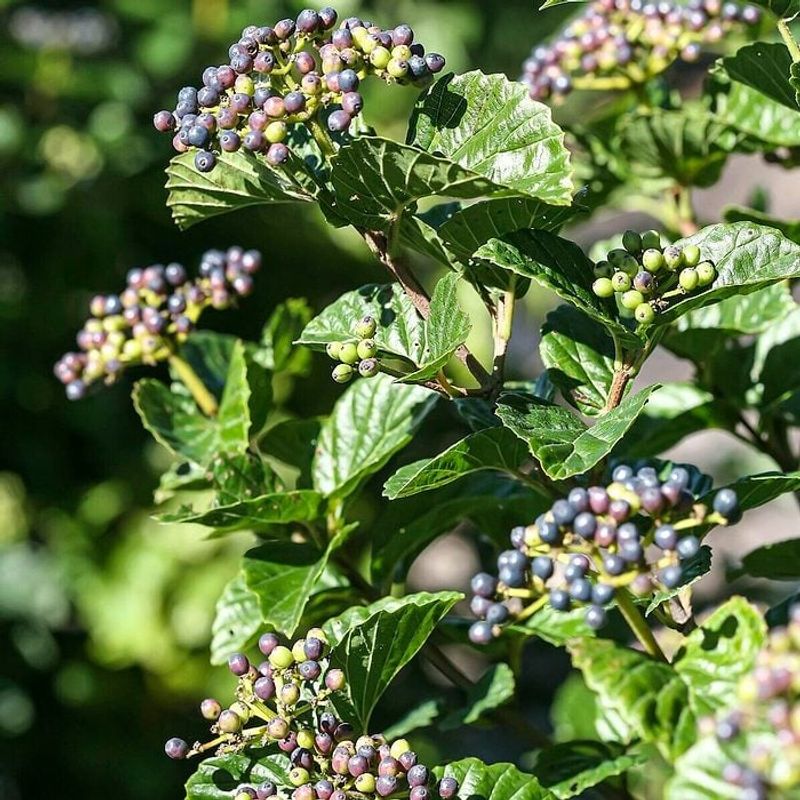
Mixed shrub borders in Pennsylvania backyards often look their best in late summer and early fall, and arrowwood viburnum is one of the native plants that makes that happen.
The clusters of blue-black berries ripen in late summer and persist into fall, attracting robins, thrushes, and other fruit-eating birds during the migration window.
Arrowwood viburnum, known as Viburnum dentatum, is native to Pennsylvania and grows naturally along stream banks, forest edges, and moist lowland areas.
For homeowners building a layered native planting, arrowwood viburnum fits comfortably into the mid-layer between groundcovers and taller canopy trees.
It grows six to ten feet tall and wide, produces white flower clusters in spring that support native pollinators, and offers decent fall color before dropping its leaves.
The shrub tolerates a fairly wide range of soil and light conditions, from full sun to part shade, which makes it adaptable to many Pennsylvania yard situations.
Robins and other thrushes tend to move through arrowwood viburnum quickly during migration, stripping berries over a short period.
Planting it in combination with other native fruiting shrubs that ripen at slightly different times can help extend the window of bird activity in a yard.
Arrowwood viburnum also provides nesting cover and structural habitat value for birds that use dense shrubs for protection during the breeding season.
9. Robins Do Not Replace Tick Habitat Control
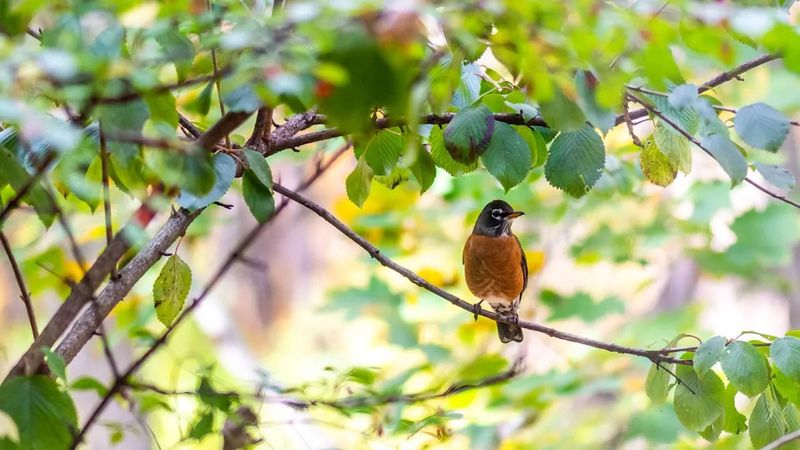
More robin activity in a Pennsylvania yard is a sign that native plants are providing real food and shelter value, but it is easy to overread what that means for ticks.
Robins do forage for invertebrates, including earthworms and insects, and they occasionally encounter ticks while moving through leaf litter and low vegetation.
However, robins should not be counted on as a meaningful or dependable form of tick population management in a residential yard.
Tick habitat in Pennsylvania depends heavily on the presence of tall grass, brushy edges, dense leaf litter, and the movement of deer, mice, and other wildlife hosts through those areas.
Managing those conditions is the most practical way to reduce tick exposure risk for people and pets.
Mowing lawn edges regularly, clearing leaf litter from areas where people spend time, and creating a dry mulch or gravel border between wooded areas and lawns are all strategies that address tick habitat more directly than bird activity can.
Bird-friendly planting and tick habitat management are not competing goals.
A Pennsylvania yard can support native fruiting shrubs and trees for robins while also being managed thoughtfully to reduce tick-friendly conditions.
Keeping shrub borders tidy, avoiding excessive leaf litter buildup near seating areas, and staying aware of where ticks tend to concentrate are all compatible with maintaining a yard that welcomes robins and other native wildlife throughout the seasons.