The Best Vegetables To Grow In Raised Beds In Arizona Heat
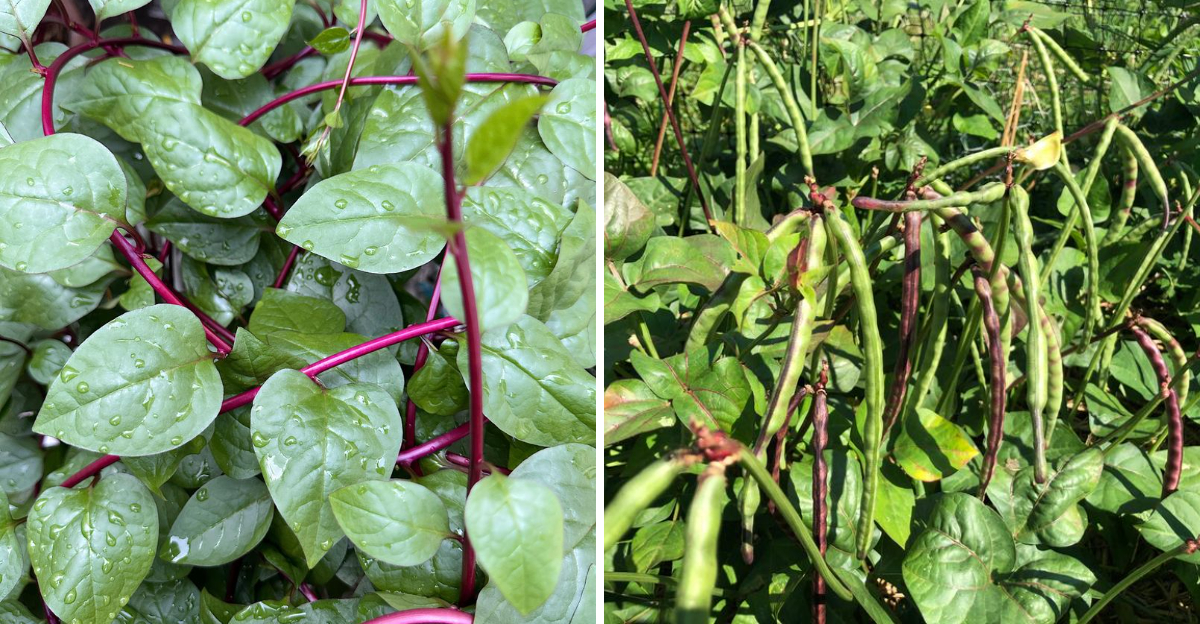
Raised beds make gardening easier in many ways, but they also create a challenge once summer temperatures begin climbing.
The soil warms up faster, dries out more quickly, and can become stressful for vegetables that prefer cooler conditions.
That often leaves gardeners wondering why some crops struggle while others seem perfectly happy in the very same bed.
The answer usually comes down to choosing vegetables that are naturally suited to the season instead of trying to force less tolerant crops through extreme heat.
Some varieties continue growing, producing, and handling dry conditions with surprising ease when given the right start.
Arizona gardeners know summer is not the time to grow every vegetable. Picking crops that thrive in high temperatures makes raised beds far more productive and much less frustrating.
The right choices can keep fresh harvests coming even when the hottest weeks of the season arrive.
1. Okra Delivers Heavy Harvests In Raised Beds
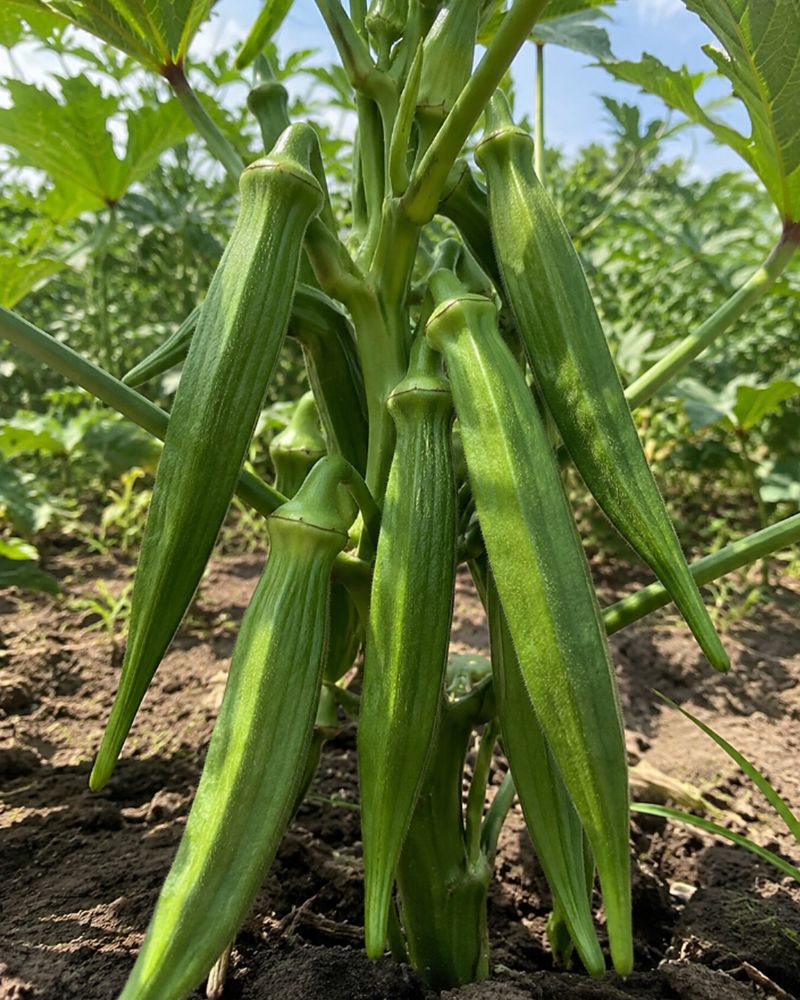
Few vegetables shrug off extreme heat the way okra does. Native to hot, dry regions of Africa, it was practically built for conditions that make other plants struggle.
Plant it in a raised bed with loose, well-draining soil and watch it take off fast.
Raised beds warm up quickly in spring, which gives okra the early soil heat it craves. Seeds germinate best when soil temps hit around 65 to 70 degrees.
Soak seeds overnight before planting to speed things up.
Once plants are established, they need surprisingly little fuss. Water deeply two or three times per week during peak summer heat.
Mulch heavily around the base to hold moisture and keep roots from overheating.
Harvest pods when they are two to four inches long. Pods left on the plant too long turn tough and woody fast in hot weather.
Check plants every day or two once production kicks in.
Plants can reach six feet tall or more in a single season. Spacing them about 18 inches apart in the raised bed gives roots room to spread.
A south or east-facing bed gets ideal sun exposure here.
Okra is also a heavy feeder, so side-dress with compost midseason. One or two plants per square foot is plenty.
Consistent harvesting actually encourages more pod production throughout the season.
Healthy plants can keep producing until temperatures cool in fall, especially when pods are picked regularly.
2. Sweet Potatoes Fill Loose Soil With Healthy Tubers
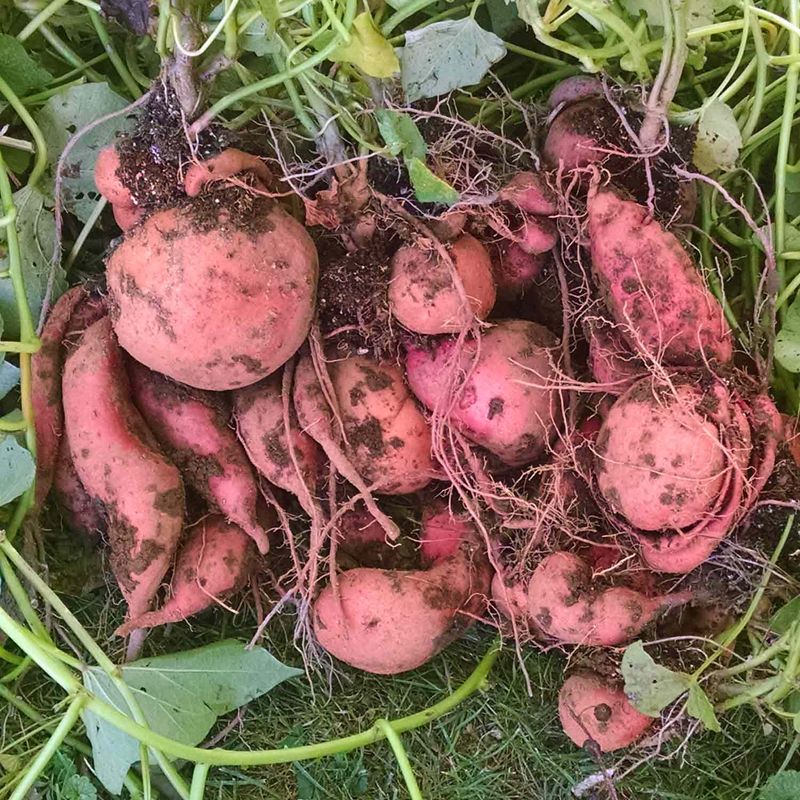
Sweet potatoes love heat, and they love loose soil even more. Raised beds offer both in one setup, making them one of the smartest choices for desert gardening.
Roots need room to expand, and compacted ground is their biggest enemy.
Fill your raised bed at least 12 inches deep with a mix of compost, sand, and native soil. Good drainage is non-negotiable.
Waterlogged roots rot quickly, especially during monsoon season in the desert Southwest.
Plant slips rather than seeds. Slips are small rooted cuttings that establish faster and produce more reliably than starting from scratch.
Space them about 12 inches apart and water them in well.
Vines spread aggressively. Expect them to crawl well beyond the bed edges as the season progresses.
Your Arizona Garden Changes Every Week. Your Plan Should Too.
Gardening in Arizona changes quickly throughout the season. Every Friday you’ll receive a simple weekly plan showing exactly what to plant, prune, fertilize, harvest, and protect so you never miss the right timing.
That is totally fine and actually signals a healthy plant doing its job underground.
Water consistently but not excessively. Once vines are established, they are fairly drought-tolerant.
Letting the soil dry slightly between waterings actually improves tuber flavor and texture.
Harvest after about 90 to 120 days, usually when leaves start to yellow. Dig carefully to avoid slicing tubers.
Cure harvested sweet potatoes in a warm, humid spot for a week or two before eating. This curing step sweetens them up considerably and extends their shelf life by months.
Handle the tubers gently during harvest and curing, since bruises can shorten their storage life.
3. Armenian Cucumbers Outlast Most Summer Cucumbers
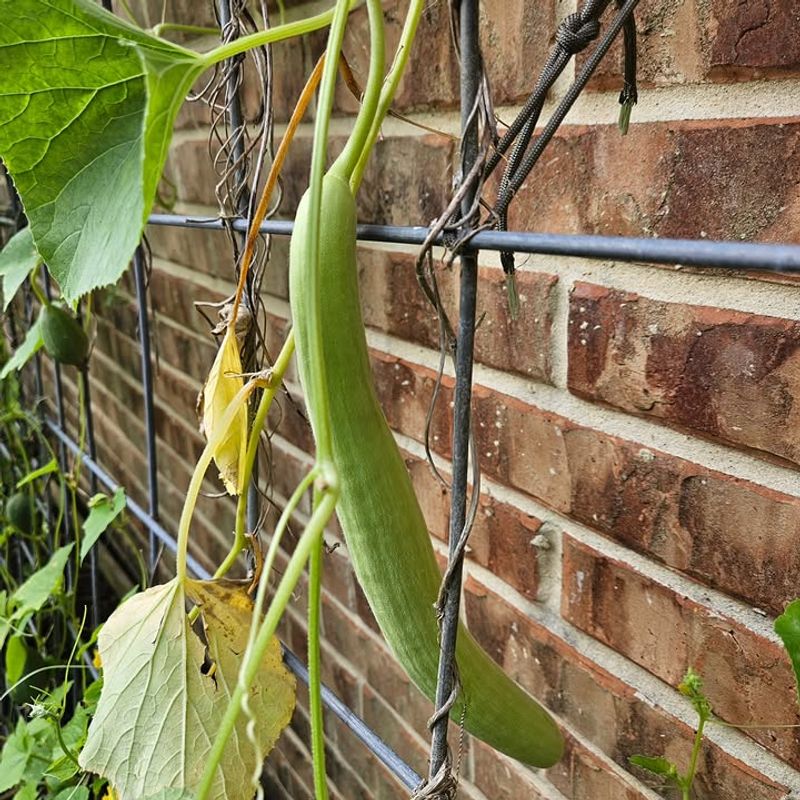
Regular cucumbers often collapse under intense summer heat. Armenian cucumbers keep going.
Technically a muskmelon, not a true cucumber, they handle extreme temperatures far better than standard varieties and rarely turn bitter even when stressed.
Set up a sturdy trellis before planting. Vertical growth keeps fruit off the soil and improves air circulation around leaves.
Both of those things matter a lot in humid monsoon conditions that can encourage mildew.
Start seeds directly in the raised bed once nighttime temps stay above 60 degrees. They germinate fast and put on growth quickly.
Within a few weeks, vines will be climbing and reaching for the trellis.
Fruits grow long, sometimes reaching 24 to 30 inches. Harvest them young, around 12 to 15 inches, for the best texture and flavor.
Older fruits get seedy and slightly tough.
Water deeply but let the top inch or two of soil dry before watering again. Overwatering causes root problems and slows fruit development.
Drip irrigation works great for keeping moisture consistent without wetting the leaves.
Armenian cucumbers are extremely productive. One or two plants in a raised bed can supply a household all summer.
Pick regularly to keep new fruit coming. Leaving overripe fruit on the vine signals the plant to slow production, so stay on top of harvesting every few days.
4. Eggplant Produces Well In Intense Heat
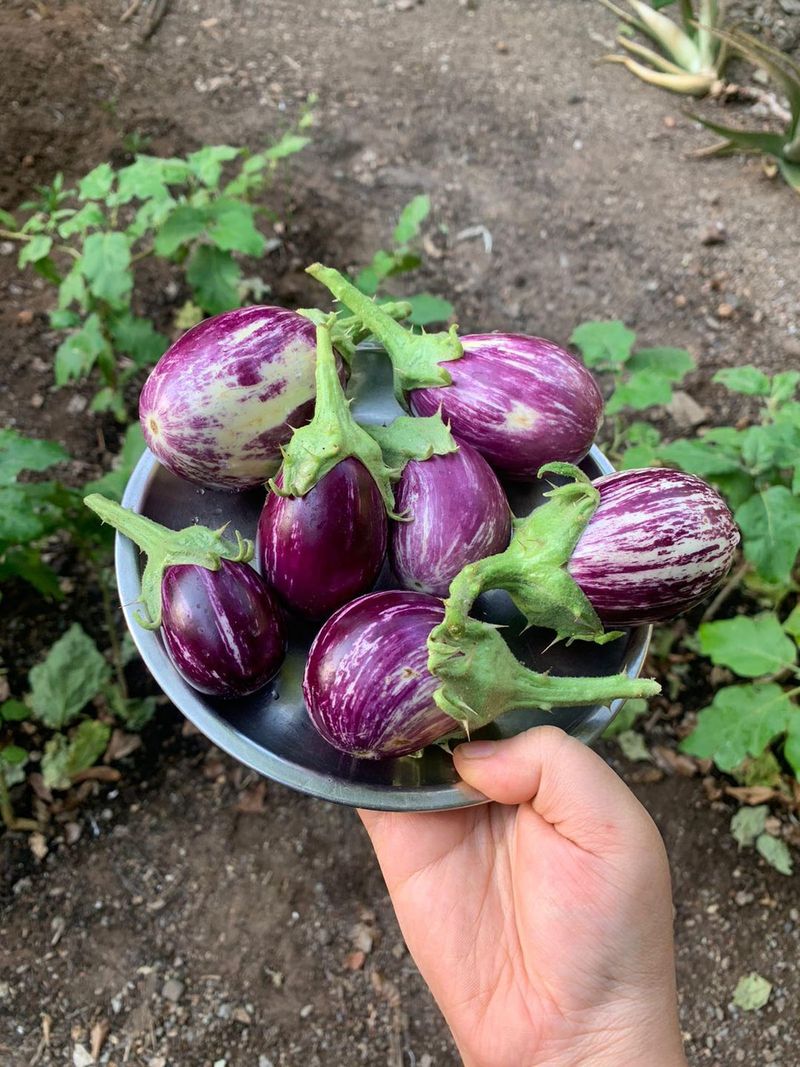
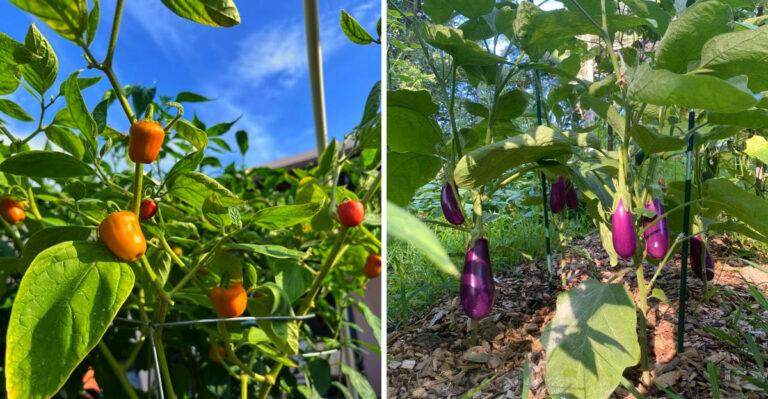
Eggplant is one of the few vegetables that actually performs better as temperatures climb. While tomatoes drop blossoms above 95 degrees, eggplant keeps setting fruit without complaint.
It is a natural fit for raised bed gardening in hot climates.
Start transplants rather than direct seeding. Eggplant needs a long growing season, and getting a head start indoors pays off.
Set transplants out once nighttime temps are reliably above 55 degrees.
Raised beds heat up fast, which eggplant roots appreciate deeply. Amend the bed with plenty of compost before planting.
Rich, well-draining soil produces noticeably bigger and more abundant fruit compared to poor soil.
Space plants about 18 to 24 inches apart. Crowding limits airflow and can invite fungal problems during monsoon humidity.
Staking taller varieties prevents heavy fruit from bending stems.
Water regularly and deeply. Inconsistent moisture causes bitter-tasting fruit and can lead to blossom drop.
Drip lines or soaker hoses work best for keeping moisture steady without splashing soil onto leaves.
Harvest when skin is glossy and firm. Overripe eggplant turns dull and develops a spongy texture inside.
Cut rather than pull fruit from the plant to avoid damaging stems. Varieties like Black Beauty and Ichiban perform particularly well in hot desert conditions and are widely available at local nurseries each spring.
5. Yardlong Beans Keep Setting Pods In Hot Weather
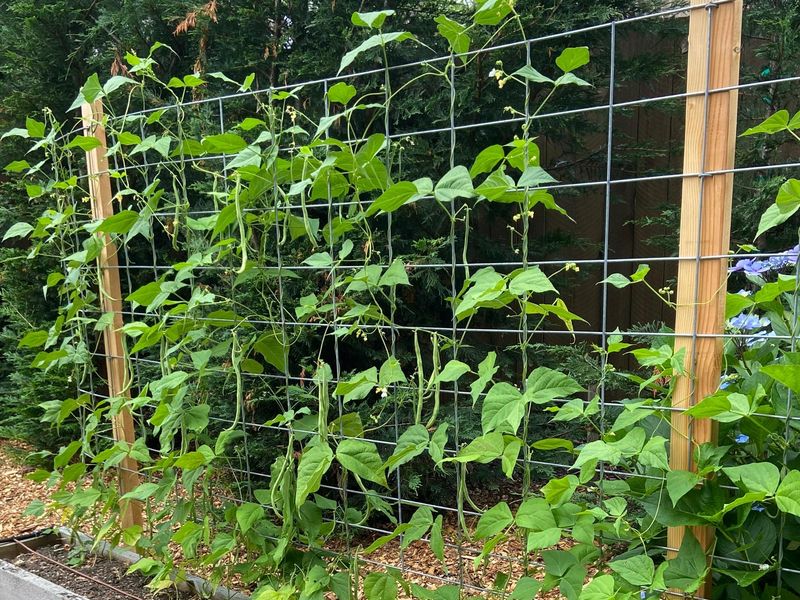
Standard green beans give up when summer heat peaks. Yardlong beans barely notice.
Originally from Southeast Asia, these vigorous vining plants were developed in climates with intense heat and humidity, which makes them surprisingly well-suited to desert conditions.
Give them a trellis or fence to climb. Vines reach six to eight feet tall and need solid support.
Planting along the north edge of a raised bed keeps the vine from shading other vegetables too heavily.
Direct sow seeds about one inch deep once soil temps are above 65 degrees. They sprout fast, often within five to seven days.
Thin seedlings to about six inches apart once they are a few inches tall.
Pods grow quickly in hot weather. Check plants every day or two once flowering starts.
Pods left too long get stringy and lose their tender texture, so harvesting young is key.
Water regularly during the first few weeks of establishment. Once vines are climbing well, they handle short dry spells better than most warm-season crops.
A layer of mulch around the base helps retain soil moisture between waterings.
Yardlong beans fix nitrogen in the soil, which benefits whatever gets planted in that raised bed spot next season. They are also heavy producers.
A short row of four to six plants can easily keep a family supplied with fresh beans for weeks during the hottest stretch of summer.
6. Malabar Spinach Replaces Traditional Greens In Summer
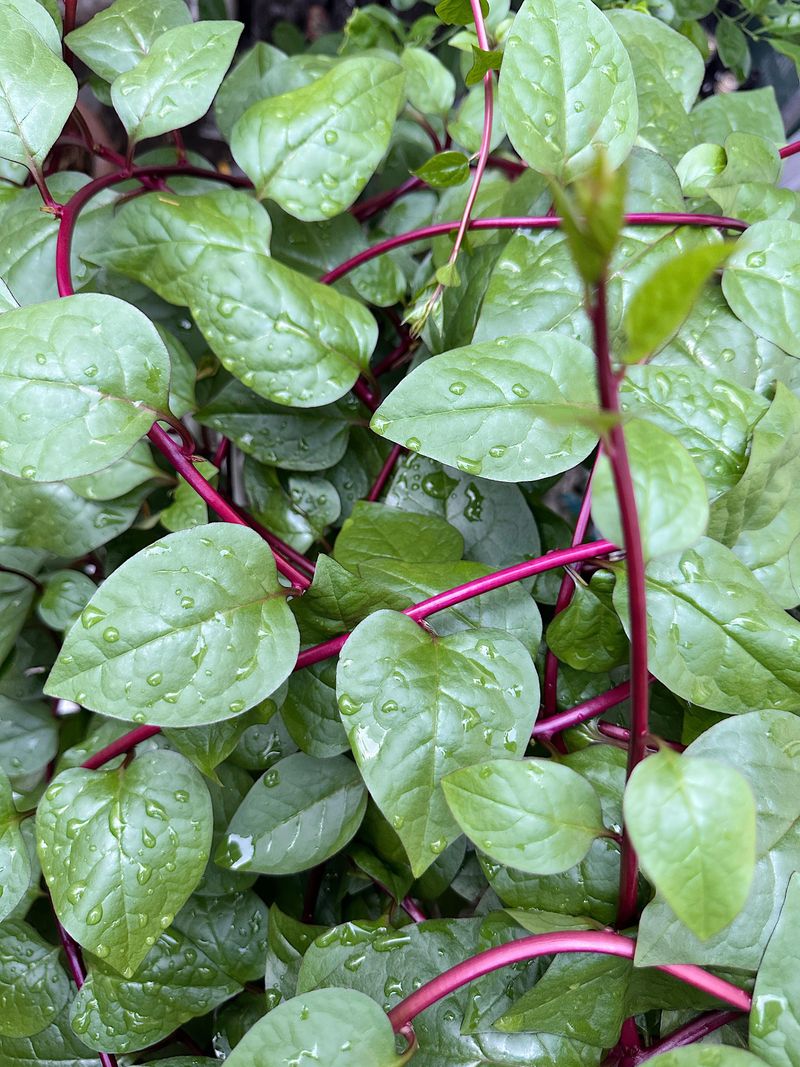
Regular spinach bolts within days once summer heat arrives. Malabar spinach thrives in those exact conditions.
It is not a true spinach, but its thick, glossy leaves taste similar and hold up beautifully in cooked dishes, stir-fries, and soups.
Vines climb enthusiastically and can reach 10 feet or more in a single season. Set up a trellis, fence, or even a simple stake structure before planting.
Vertical growth keeps leaves clean and makes harvesting much easier.
Start seeds indoors about four weeks before your last frost date, or direct sow once nighttime temps stay above 65 degrees. Soaking seeds for 24 hours before planting improves germination speed noticeably.
Malabar spinach prefers consistent moisture. Raised beds with good drainage prevent waterlogging, but the plant does not like drought stress either.
Water deeply every two to three days during peak heat stretches.
Harvest outer leaves regularly to encourage fresh growth. Picking frequently keeps the plant producing new tender leaves all season.
Avoid stripping too much at once, leaving at least half the foliage on each vine.
Red-stemmed varieties add visual interest to the garden alongside the green-stemmed types. Both perform equally well in hot conditions.
Malabar spinach is one of the most underused summer greens available to desert gardeners, and it fills a real gap when cool-season crops have long since finished for the year.
7. Cowpeas Stay Productive During Dry Spells
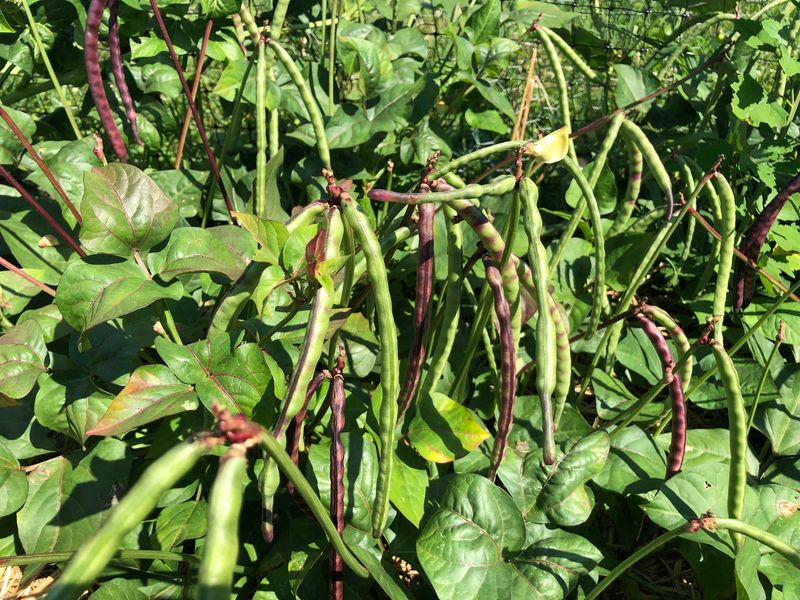
Cowpeas have been feeding people through droughts for thousands of years. Known also as black-eyed peas or southern peas, they are among the most drought-tolerant food crops a gardener can grow.
Raised beds suit them well because drainage is reliable and roots stay healthy.
Plant seeds directly in the raised bed after the last frost. Soil temps above 60 degrees get germination going within a week.
Space seeds about four to six inches apart and thin to eight to ten inches once seedlings are established.
Once plants are up and growing, they need less water than most summer vegetables. Overwatering actually reduces yields and makes plants more susceptible to root problems.
Water deeply once or twice a week and let soil dry slightly between sessions.
Cowpeas fix atmospheric nitrogen, naturally improving soil fertility for future crops. No extra fertilizer is needed once plants are established.
Adding nitrogen fertilizer actually pushes leafy growth at the expense of pod production.
Harvest green pods for fresh eating or let them dry on the vine for dried beans. Both uses are practical and rewarding.
Pods dry quickly in low-humidity desert air, making seed saving easy at season end.
Bushy varieties like Iron and Clay or California Blackeye work well in raised beds without needing support structures. Vining types produce more but need a trellis.
Either way, cowpeas are one of the most reliable summer crops available to hot-climate gardeners.
8. Roselle Rewards Gardeners With Vigorous Summer Growth
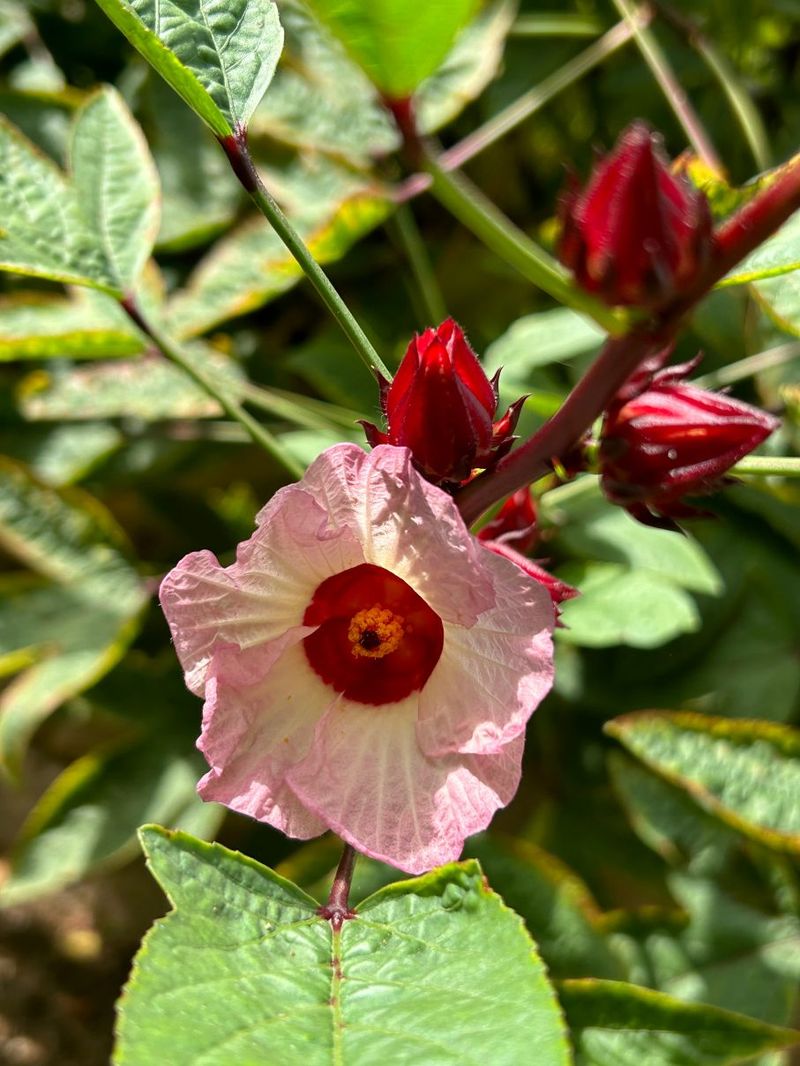
Roselle is one of those plants that surprises first-time growers with how fast and tall it gets. Related to hibiscus, it produces bold foliage and bright red calyxes that are harvested to make teas, jams, and drinks with a tart cranberry-like flavor.
It is a true heat lover.
Start seeds indoors six to eight weeks before your last frost date, or purchase transplants from specialty nurseries. Roselle grows slowly at first but accelerates dramatically once summer heat settles in.
Expect plants to reach four to six feet tall by late summer.
Raised beds with deep, rich soil give roots the space they need. Roselle develops a substantial root system, so a bed depth of at least 12 inches is ideal.
Amend generously with compost before planting.
Water consistently during the first month of growth. Once plants are established and growing vigorously, they handle dry stretches fairly well.
Reduce watering slightly as fall approaches to encourage calyx development and ripening.
Calyxes are ready to harvest when they are plump, firm, and deep red. Cut them with scissors or pruning shears.
Fresh calyxes can be used immediately or dried for later use.
Roselle is not widely grown in home gardens yet, which makes it a standout conversation piece.
It thrives in the hot desert Southwest better than many traditional garden plants, and the harvest is genuinely useful in the kitchen beyond just being decorative.