What’s Actually Causing Early Leaf Loss In Massachusetts Trees This July
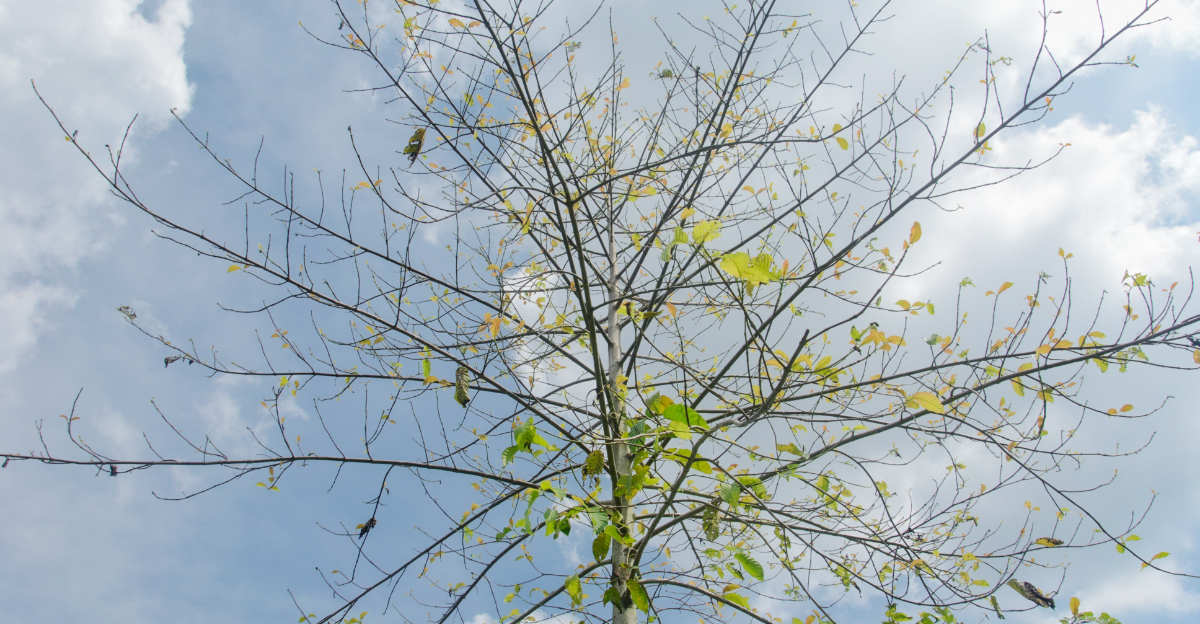
Walk through a Massachusetts backyard this July and something feels off. Maple leaves crunch underfoot weeks before they should. Oak branches look thinner by the day, and nobody called for autumn yet.
This isn’t a seasonal fluke. Trees drop leaves early for a reason, and that reason usually points to stress hiding beneath the bark or buried in the roots.
Drought, disease, insect damage, even soil compaction from last year’s construction project can all trigger this response. Ignore it, and a stressed tree can spiral fast. Catch it early, and most trees bounce back with the right care.
That’s why this premature shedding deserves more than a shrug. Your yard is talking to you right now, and it’s worth learning what it’s trying to say before the damage sets in for good.
Drought Stress Is the Main Cause This Summer
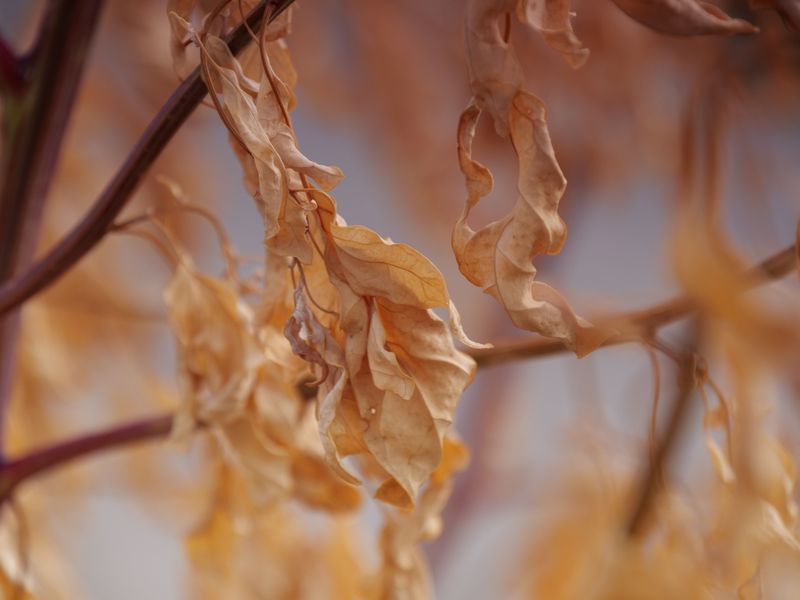
Your tree is thirsty, and it’s telling you loud and clear. Early leaf loss in Massachusetts trees this July is being driven largely by drought stress, and the signs are hard to miss.
When soil moisture drops too low, trees make a tough call. They shed leaves to reduce water loss through a process called transpiration.
Think of it like a survival budget. The tree cuts spending, leaves, to protect its core functions like root health and bark integrity.
New England saw a drier-than-average spring, and July brought intense heat without consistent rain. That one-two punch left many root systems scrambling.
Shallow-rooted trees like maples and birches feel it first. Their roots don’t reach deep enough to tap into moisture reserves underground.
You might notice leaves curling inward before they fall. That curling is the tree physically trying to reduce its surface area and slow water loss.
Sandy soils common in eastern parts of the state drain fast, leaving roots even more exposed. Clay-heavy soils in central regions hold water longer but can crack and block absorption.
The fix starts with deep, slow watering at the drip line, not at the trunk. Aim for once or twice a week, soaking six to eight inches down.
A layer of mulch around the base helps lock in moisture between watering sessions. Drought stress is fixable if you catch it early enough.
Compounding Stressors Make It Worse
Drought alone can stress a tree, but rarely does it show up alone. When multiple problems hit at once, even healthy trees start dropping leaves fast.
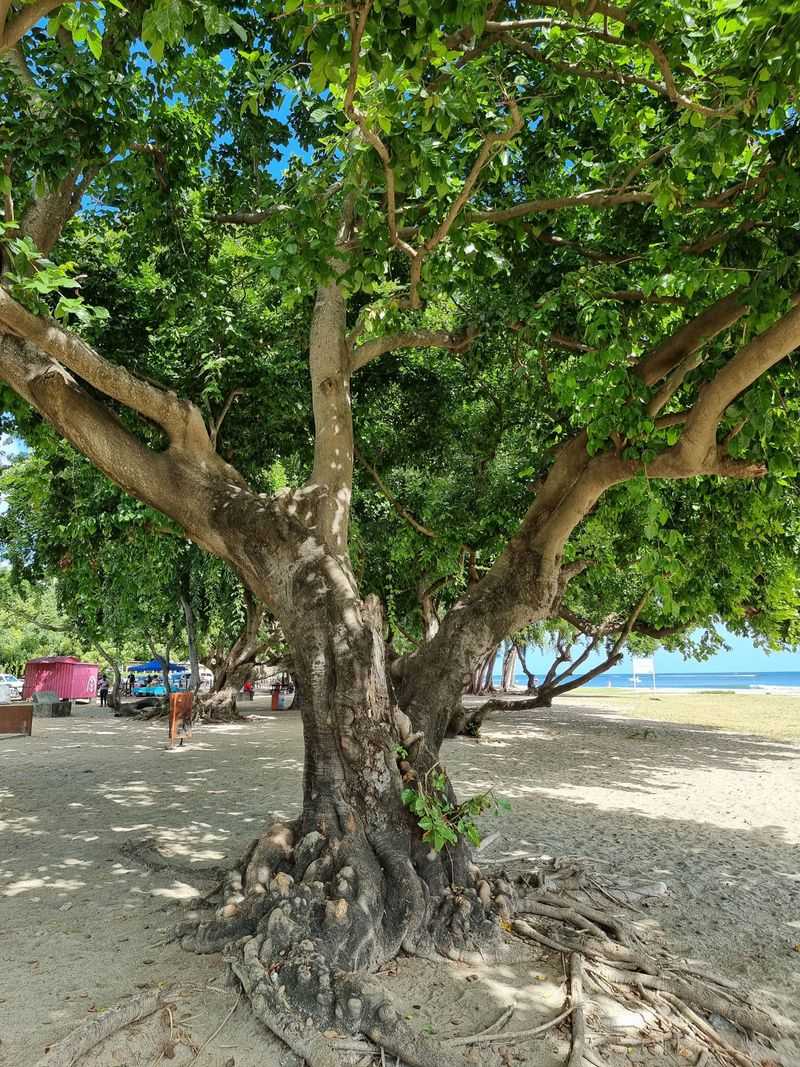
Soil compaction is a quiet troublemaker. Heavy foot traffic, parked vehicles, or nearby construction presses soil particles together, cutting off oxygen to roots.
Roots need air just as much as water. Compacted ground suffocates them slowly, weakening the tree’s ability to absorb anything useful.
Pair that with road salt damage from last winter, and you’ve got a tree already running on fumes before summer even started. Salt lingers in soil and disrupts how roots take in water.
Construction within a tree’s root zone, even a small project, can sever critical feeder roots. Those fine roots are responsible for most nutrient and water uptake.
Your Massachusetts Garden Changes Every Week. Your Plan Should Too.
Gardening in Massachusetts changes quickly throughout the season. Every Friday you’ll receive a simple weekly plan showing exactly what to plant, prune, fertilize, harvest, and protect so you never miss the right timing.
Heat reflected off pavement and buildings raises the temperature around urban trees by several degrees. That extra heat accelerates moisture loss from leaves.
Pollution from car exhaust and lawn chemicals adds another layer of chemical stress. Trees near busy roads often show leaf drop earlier than those in wooded areas.
Overcrowding is another factor people overlook. Trees planted too close together compete for the same resources, and the weakest ones show stress first.
Recognizing these layered stressors is the first step toward giving your trees a real chance. One fix rarely solves the whole problem, think of tree care as a full-system approach.
Fungal Diseases Attack Weakened Trees
A stressed tree is an open invitation for fungal diseases. When drought weakens a tree’s defenses, pathogens that would normally be held off move in quickly.
Anthracnose is one of the most common culprits in the Northeast. It causes dark, irregular spots on leaves and can trigger significant early drop, especially in oaks and sycamores.
Powdery mildew shows up as a white, dusty coating on leaf surfaces. It sounds harmless, but it blocks photosynthesis and forces the tree to shed affected leaves.
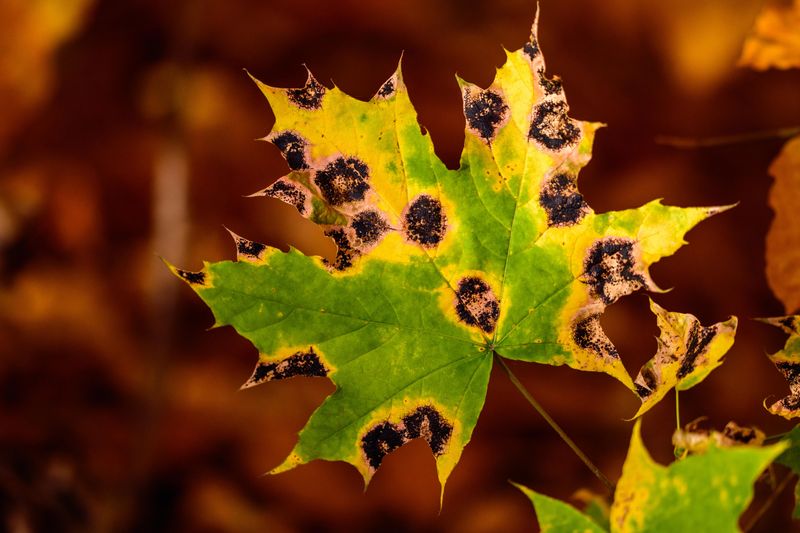
Tar spot is another fungal issue that hits maples hard. Those bold black spots might look alarming, but tar spot is usually more cosmetic than catastrophic.
Verticillium wilt is the one to take seriously. It moves through the vascular system, blocking water flow and causing branches to wilt and drop leaves starting from the tips.
Wet springs followed by hot, dry summers create favorable conditions for fungal spread. Spores thrive in humid conditions and then cause damage when heat stress kicks in.
Fallen leaves are often the main source of reinfection. Raking and bagging them, rather than composting, can break the cycle for next season.
Fungicides can help in some cases, but timing matters a lot. Preventive applications early in the season work far better than treatments applied after symptoms appear.
If you suspect a fungal issue, a local arborist can confirm it with a simple visual inspection. Getting the right diagnosis protects you from wasting money on the wrong treatment.
Overwatering Can Mimic Drought Symptoms
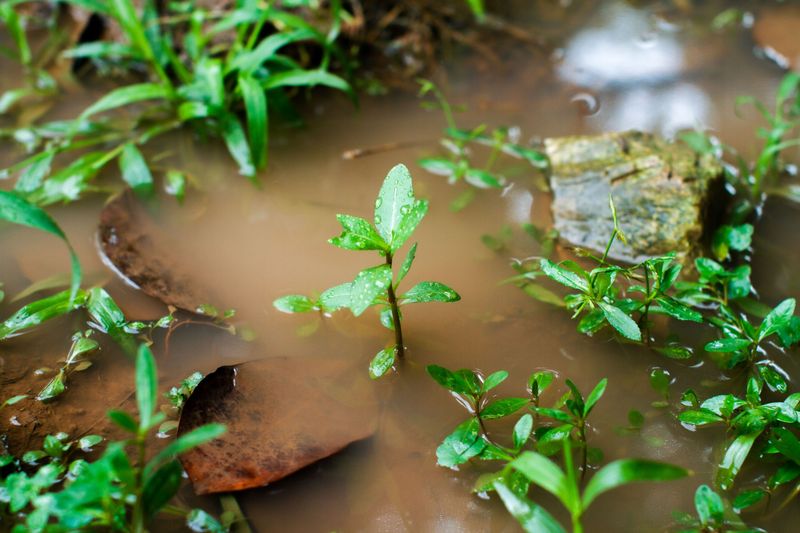
Here’s the plot twist nobody expects: too much water can look exactly like too little. Overwatered trees drop leaves, turn yellow, and look wilted, just like drought-stressed ones.
When soil stays waterlogged, roots are deprived of oxygen. Without air, root cells begin to break down, and the tree loses its ability to absorb water or nutrients.
The cruel irony is that homeowners often respond to drooping leaves by watering more. That extra water makes the problem significantly worse.
Heavy clay soils in parts of central Massachusetts are especially prone to waterlogging. Water pools around roots and has nowhere to drain, creating a suffocating environment.
Low-lying areas of a yard can also trap irrigation water. Even a tree that seems well-placed can end up sitting in a slow-draining pocket after regular watering.
Check the soil before reaching for the hose. Push a screwdriver or finger about three inches into the ground near the drip line, if it feels wet, hold off on watering.
Yellowing that starts with lower or inner leaves often signals overwatering. Drought stress, by contrast, tends to show up at leaf edges and tips first.
Improving drainage can be as simple as aerating the surrounding soil or redirecting a sprinkler head. Sometimes pulling back the watering schedule for two weeks is enough to see improvement.
Trust what the soil tells you, not just what the leaves look like. Getting the diagnosis right saves you a lot of guesswork.
Insect Pests Target Stressed Trees
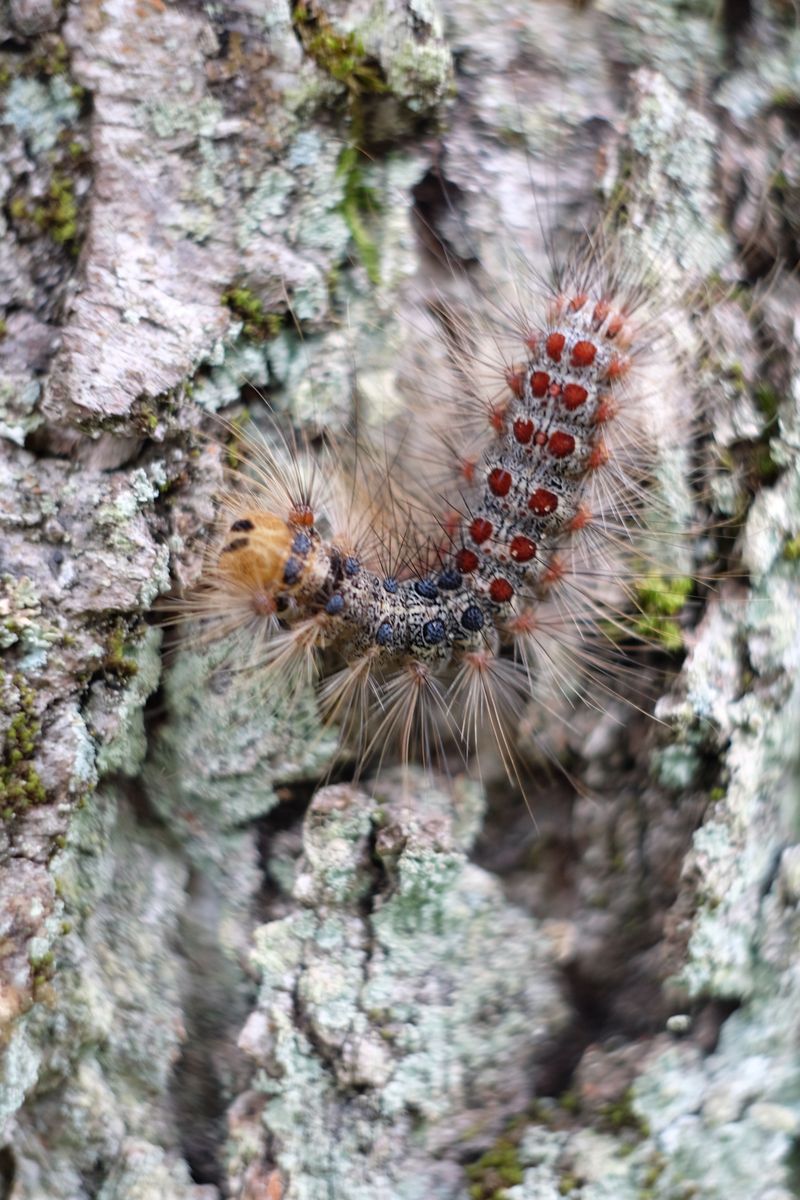
Weakened trees are an easy target for insects. Stressed trees emit chemical signals that actually attract certain insects, making pest pressure a predictable part of the early leaf loss puzzle.
Spongy moths, formerly called gypsy moths, have been a recurring problem across New England. Their caterpillars can strip a tree bare in just a few weeks during heavy outbreak years.
Defoliated trees often push out a second flush of leaves in late summer. But that regrowth costs enormous energy, and repeated defoliation over multiple seasons can permanently weaken a tree.
Lecanium scale is another pest that causes leaf drop by feeding on sap. Heavy infestations coat branches with a sticky substance called honeydew, which then grows a black sooty mold.
Bronze birch borers target birch trees specifically, tunneling beneath the bark and disrupting water flow. Birches showing leaf drop from the top down are often hiding a borer infestation.
Aphids cluster on new growth and suck moisture from tender tissue. While a small colony won’t cause major harm, large infestations in a drought year add real stress to an already struggling tree.
Look for sticky residue on leaves or sidewalks below the canopy, that’s a telltale sign of sap-sucking insects at work. Tiny holes in the bark can point to boring beetles.
Treating pest problems on stressed trees requires care. Pesticides applied to an already struggling tree can cause additional harm, so consulting a certified arborist is usually worth it.
Normal Leaf Shed Vs. A Warning Sign
Not every falling leaf is a red flag. Trees shed leaves for all kinds of reasons, and knowing the difference between normal and alarming can save you a lot of worry.
Some leaf drop in July is completely expected. Shade trees routinely shed a small percentage of interior leaves when the canopy gets crowded and light can’t reach them anymore.
This kind of drop is usually light, scattered, and limited to older leaves deep inside the canopy. The outer canopy stays full and green, and the tree otherwise looks healthy.
Warning signs look different. Rapid, widespread leaf drop across the whole canopy, especially if leaves are discolored, spotted, or wilted, points to something more serious.
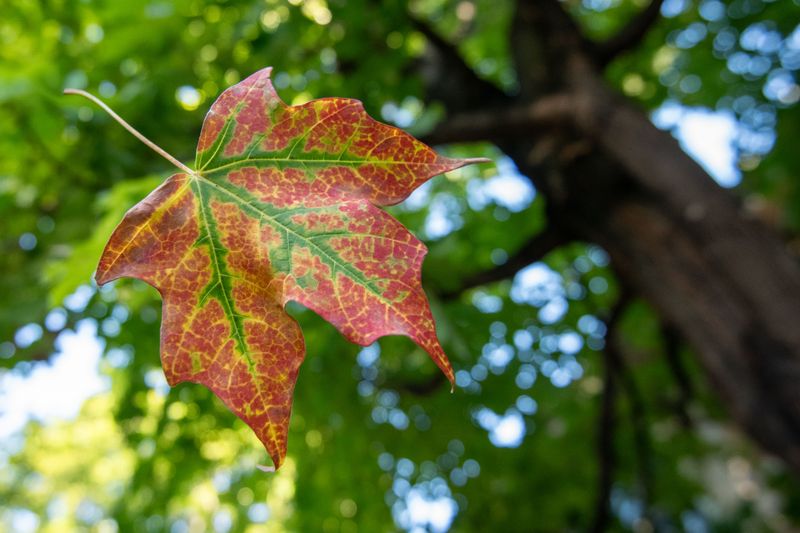
Premature color change is another signal to take seriously. If leaves are turning red, orange, or brown in July, the tree is under significant stress and needs attention now.
Bare branches combined with leaf drop are especially concerning. When twigs and small branches also show no sign of new growth, the problem has likely been building for more than one season.
Check the timing and pattern of drop. If it’s happening fast and affecting multiple species in your yard, environmental stress, like drought, is probably the shared cause.
A simple scratch test on a small twig can reveal a lot. Green tissue beneath the bark means the branch is alive; brown or dry tissue tells you that part of the tree won’t recover.
Early leaf loss in Massachusetts trees this July is worth monitoring closely. Catching problems now gives your trees the best shot at a strong recovery.