Overlooked Native Oregon Groundcovers That Replace Grass And Survive Winter
Lawn alternatives have a bit of a moment happening in Oregon gardens right now, and honestly it makes a lot of sense.
Patchy grass in a shaded side yard is nobody’s idea of a good time, and a dry slope that turns brown every July is not exactly the curb appeal anyone was going for.
The good news is that Oregon has a genuinely impressive lineup of native groundcovers that handle exactly these kinds of tricky spots with very little fuss.
Shaded corners, dry slopes, narrow strips between beds, awkward edges that the mower can never quite reach.
There is a native plant for most of those situations, and it will almost certainly look better than whatever is struggling there right now.
Low maintenance, locally adapted, and actually attractive. That is a combination worth paying attention to.
1. Kinnikinnick Covers Dry Ground
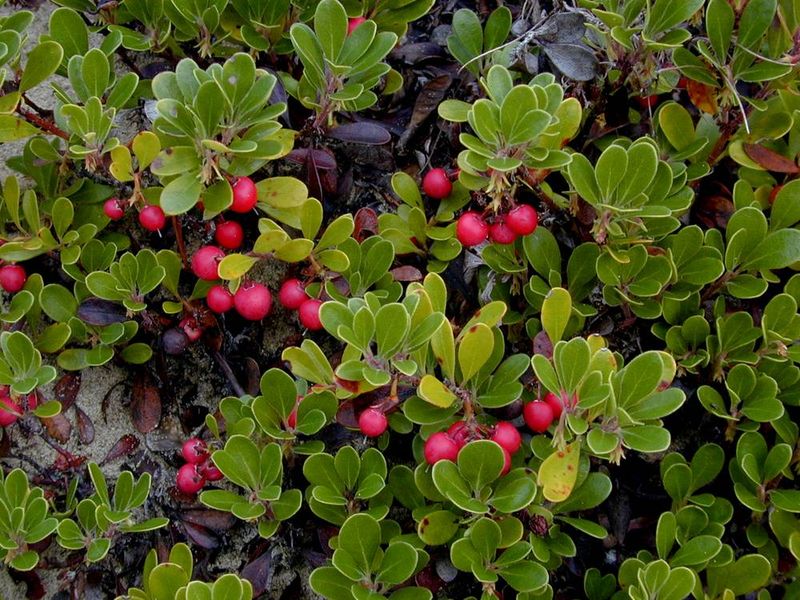
Dry, sunny slopes where grass turns brown by July are exactly where kinnikinnick earns its reputation as one of Oregon’s toughest native groundcovers.
This low, mat-forming evergreen spreads slowly across well-drained soil, staying green through winters without asking for much attention.
Its small, glossy leaves hug the ground closely, and clusters of tiny pink flowers appear in spring before giving way to bright red berries that birds appreciate well into the colder months.
Kinnikinnick works especially well on slopes, rock gardens, and dry borders where drainage is reliable.
Even in winter, its evergreen foliage helps the planting look intentional rather than bare, which makes it useful for Oregon gardeners replacing grass in visible front-yard slopes or dry entry beds.
It does not handle wet, poorly drained soil well, and it is not suited for areas where people walk regularly. Once it settles in, though, it covers ground steadily and rarely needs watering during dry Oregon summers after the first year or two of establishment.
Homeowners who have struggled to keep grass alive on a south-facing slope will find kinnikinnick far more manageable in those conditions. It also provides real wildlife value, offering both food and low cover for small birds.
Spacing plants about two to three feet apart gives each one room to fill in without crowding, and mulching lightly between new plants helps reduce weeds while the mat develops.
2. Coastal Strawberry Spreads In Mild Sites
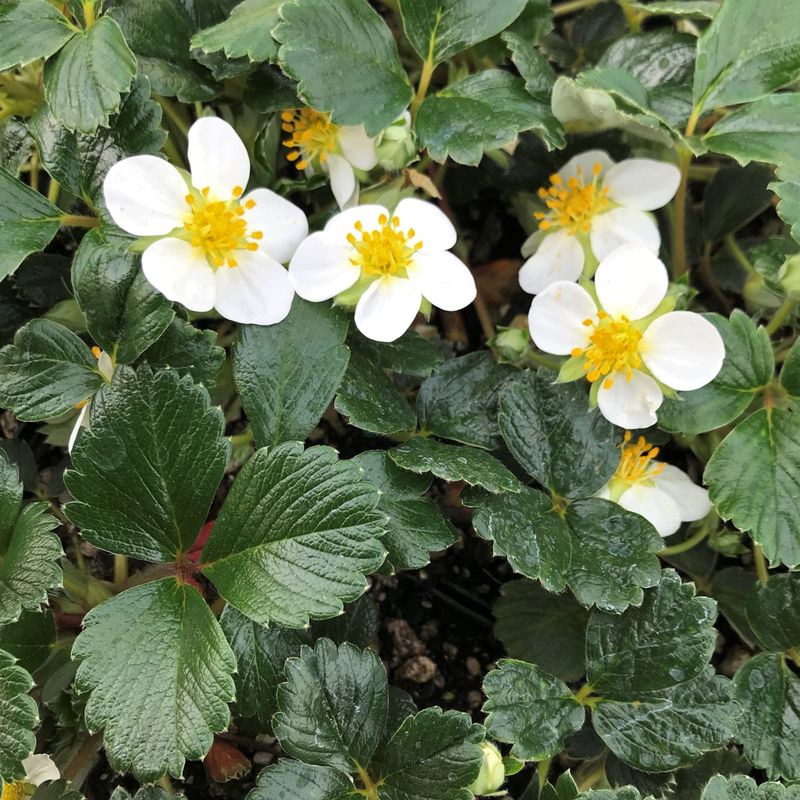
Along Oregon’s coast and in mild western gardens, coastal strawberry brings a cheerful, low-growing mat that runners spread naturally across open ground.
It produces small white flowers in spring and tiny red fruits that attract birds and other wildlife, making it more than just a visual groundcover.
The foliage stays relatively low and can handle some light shade, though it tends to look fuller and spread more readily in bright, open conditions.
Placing coastal strawberry where its spreading habit is welcome is key. Its runners can turn bare soil into a fuller-looking groundcover over time, which makes it especially useful where grass has become patchy but a strict lawn look is not needed.
Your Oregon Garden Changes Every Week. Your Plan Should Too.
Gardening in Oregon changes quickly throughout the season. Every Friday you’ll receive a simple weekly plan showing exactly what to plant, prune, fertilize, harvest, and protect so you never miss the right timing.
It can move into neighboring areas over time, so open beds, naturalized borders, and casual native gardens suit it better than tightly controlled formal spaces.
In Oregon’s mild coastal climate, it tends to hold its leaves through winter reasonably well, giving the garden some green presence even during the quieter months.
Homeowners converting a weedy lawn strip near the coast or along a mild valley edge may find coastal strawberry fills the space with less effort than maintaining turf.
Watering during the first summer helps it establish, but once roots are settled, it manages Oregon’s seasonal dry periods better than many non-native options.
It pairs nicely with other low natives along informal garden edges.
3. Wild Strawberry Forms A Low Carpet
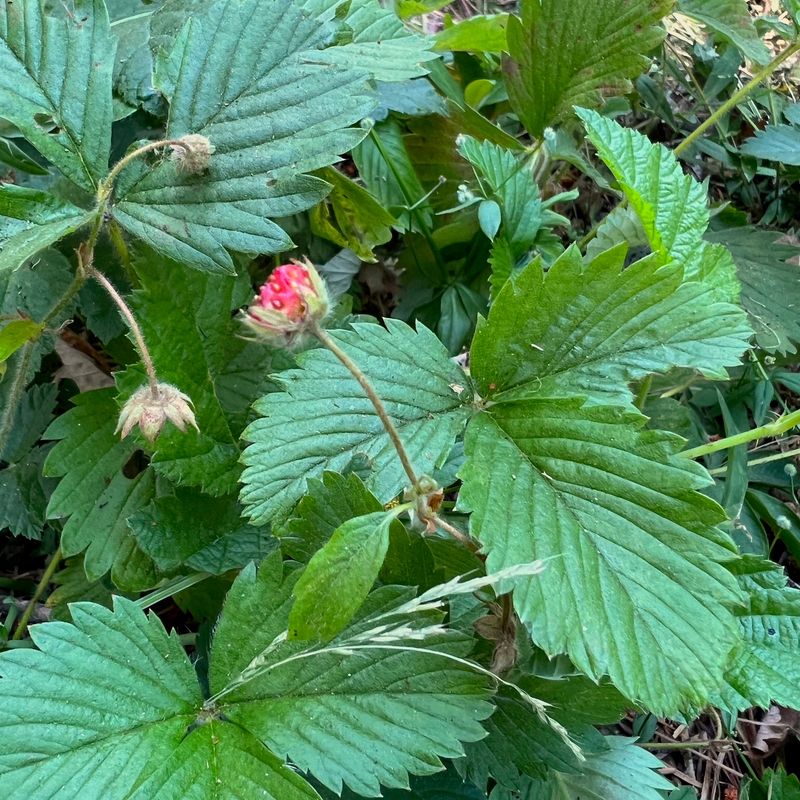
Few native plants offer as much charm in a small package as wild strawberry, which forms a soft, low carpet of three-part leaves dotted with white flowers each spring.
The tiny red fruits that follow are edible and attract birds, giving this groundcover practical wildlife value beyond its good looks.
It spreads by runners, filling in gaps in a garden bed over a season or two without requiring much encouragement.
Wild strawberry suits low-traffic areas in gardens where grass has thinned out or simply refused to grow. It can handle light to moderate shade, making it useful under open-canopy trees or along partly shaded borders.
Where the soil stays evenly moist but not soggy, the plants usually knit together more smoothly and create a fuller groundcover effect.
The foliage may look a little ragged by late winter in colder Oregon locations, but new growth tends to emerge fresh in early spring and quickly restores the carpet’s appearance.
Gardeners who want a native lawn substitute in a small front yard, a side yard strip, or a naturalized corner will find wild strawberry easier to manage than turf in many situations.
It does not hold up well under regular foot traffic, so stepping stones or a simple path through the planting help protect it.
Supplemental water during Oregon’s dry summers keeps it looking its best through the season.
4. Oregon Wood-Sorrel Fills Moist Shade
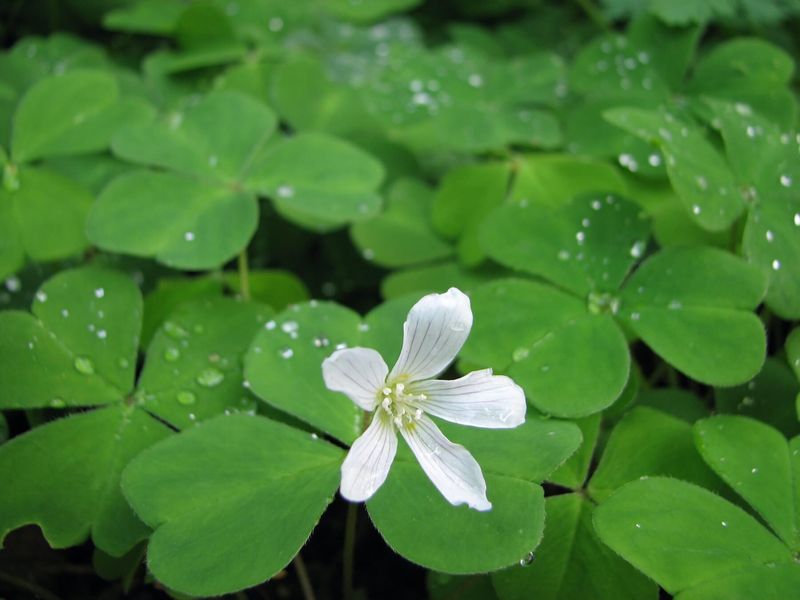
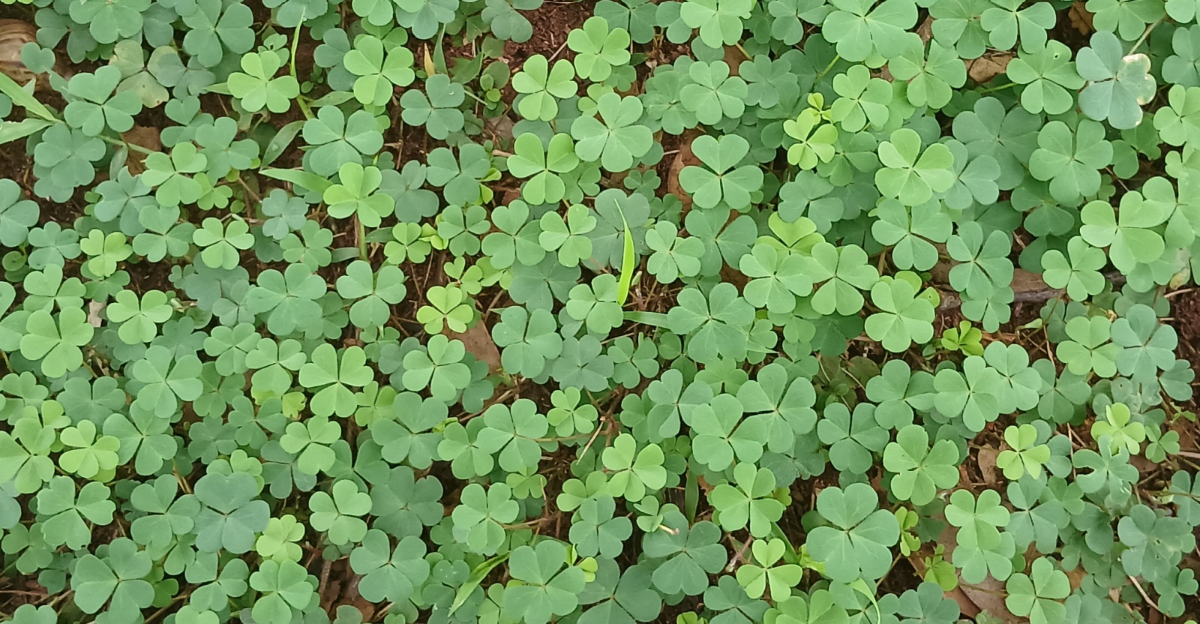
Walk into almost any moist, shaded forest and you are likely to spot Oregon wood-sorrel carpeting the ground with its delicate, clover-like leaves.
Each leaf is made up of three heart-shaped leaflets that fold slightly in low light, giving the plant a charming, animated quality throughout the day.
Small white flowers with pink veining appear in spring and add a subtle but lovely detail to shaded garden areas.
In the garden, Oregon wood-sorrel suits moist, shaded spots where little else thrives, including beneath dense conifers or along the shaded north side of a home.
It spreads reasonably quickly by rhizomes, which makes it a strong choice for naturalizing larger areas but less ideal for small, tidy mixed borders where it could outpace neighboring plants.
Gardeners who want to fill a challenging moist shade area with something native and low-maintenance often find it one of the most reliable options available.
Foot traffic is not something this delicate plant handles well, so it works better as a visual groundcover than a walkable surface. Keeping it in areas where it can spread freely without crowding out more restrained plants gives the best results.
In the right Oregon spot, it can form a lush, soft carpet that looks genuinely at home through most of the year.
5. Inside-Out Flower Covers Woodland Shade
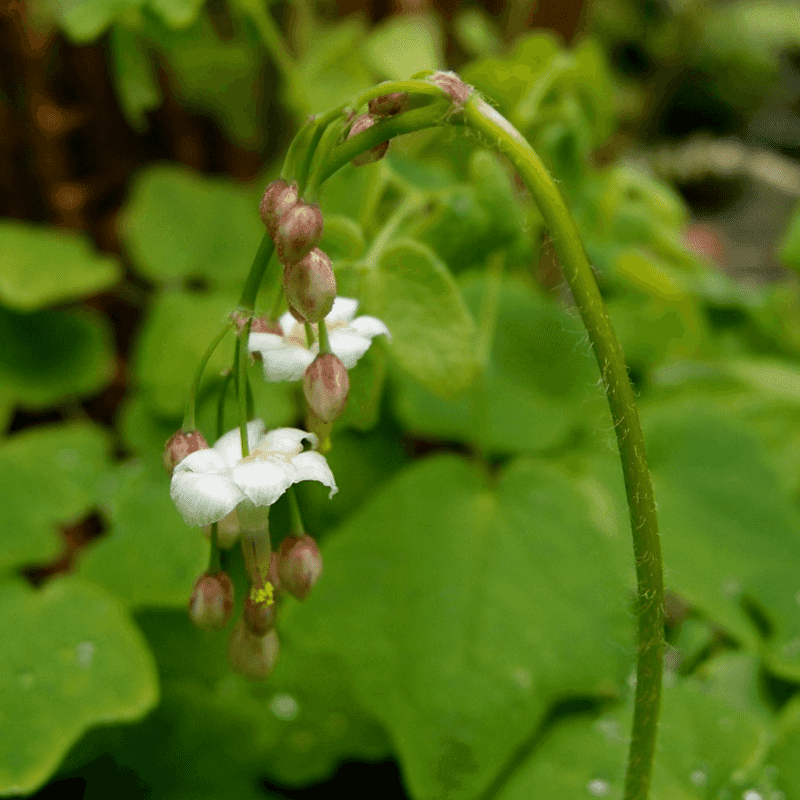
Cool, moist, organic-rich soil beneath Oregon’s native conifers can be one of the hardest spots to fill with anything that looks intentional. Inside-out flower, also known as Vancouveria, is a low-spreading native that handles those conditions with quiet reliability.
Its small, lobed leaves form a layered mat close to the ground, and in late spring it sends up delicate white flowers with reflexed petals that give the plant its memorable common name.
Inside-out flower spreads gradually by underground rhizomes, slowly filling shaded areas over several seasons.
It is not a fast spreader, so patience is part of working with it, but the result is a refined, natural-looking groundcover that suits woodland-style gardens and shaded Oregon borders well.
Because it spreads gently rather than aggressively, it works nicely around stepping stones, native shrubs, and other shade plants without quickly overwhelming the planting.
It tends to stay semi-evergreen through mild winters, though foliage may thin or look weathered by late winter in colder locations.
Gardeners who want to replace patchy grass under a heavy tree canopy will appreciate that inside-out flower genuinely thrives in the kind of deep, cool shade where turf simply cannot compete.
Keeping the soil moist but not waterlogged and enriching it with organic matter before planting gives new plants a strong start.
It pairs naturally with other shade-tolerant Oregon natives like wood-sorrel or stream violet in layered plantings.
6. Broadleaf Stonecrop Handles Dry Spots
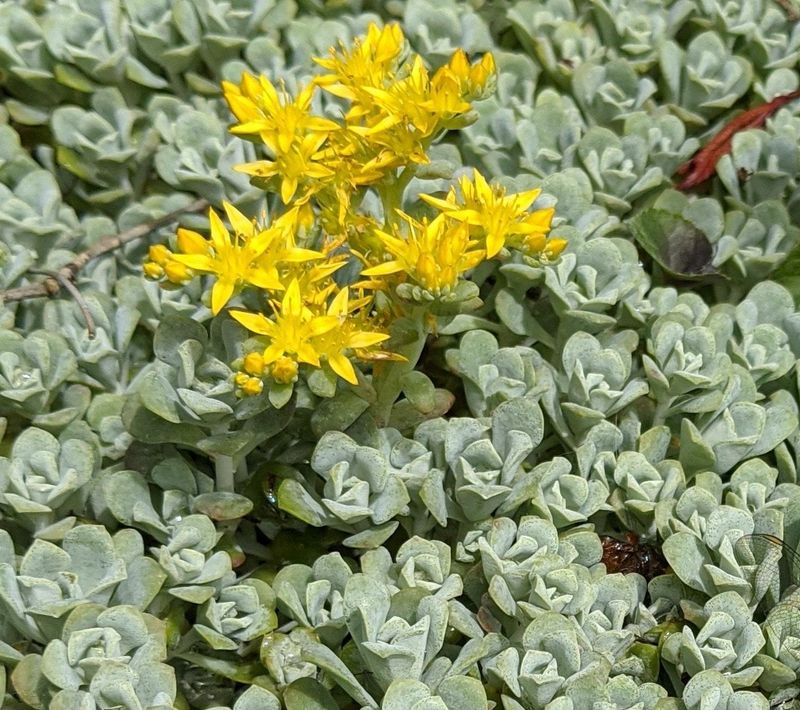
Rocky outcrops, dry garden edges, and sunny spots with thin or gravelly soil are where broadleaf stonecrop looks completely at home.
This native succulent groundcover grows low and spreads slowly across well-drained surfaces, storing water in its fleshy, blue-green leaves to get through Oregon’s dry summers without irrigation once established.
Clusters of bright yellow, star-shaped flowers bloom in late spring and early summer, adding a cheerful pop of color to otherwise challenging garden spots.
Broadleaf stonecrop suits rock gardens, dry borders, and spaces between stepping stones where drainage is excellent and foot traffic is light or occasional.
A shallow gravel mulch or open mineral surface can suit it better than rich, damp soil, especially in Oregon gardens that stay wet through winter.
It does not tolerate wet, compacted, or poorly drained soil, and it struggles in deep shade. In the right Oregon site, however, it requires very little maintenance beyond keeping weeds away during its first season of growth.
Homeowners with a dry, south-facing slope or a gravel garden area in Central Oregon or the drier parts of western Oregon will find broadleaf stonecrop one of the most low-effort native groundcovers available.
It is not a plant for high-traffic areas or regular walking, but as a visual filler in tough dry spots, it outperforms most non-native alternatives.
Its winter foliage often takes on reddish or bronzed tones, adding unexpected seasonal interest to the garden.
7. Catsfoot Forms A Sunny Mat
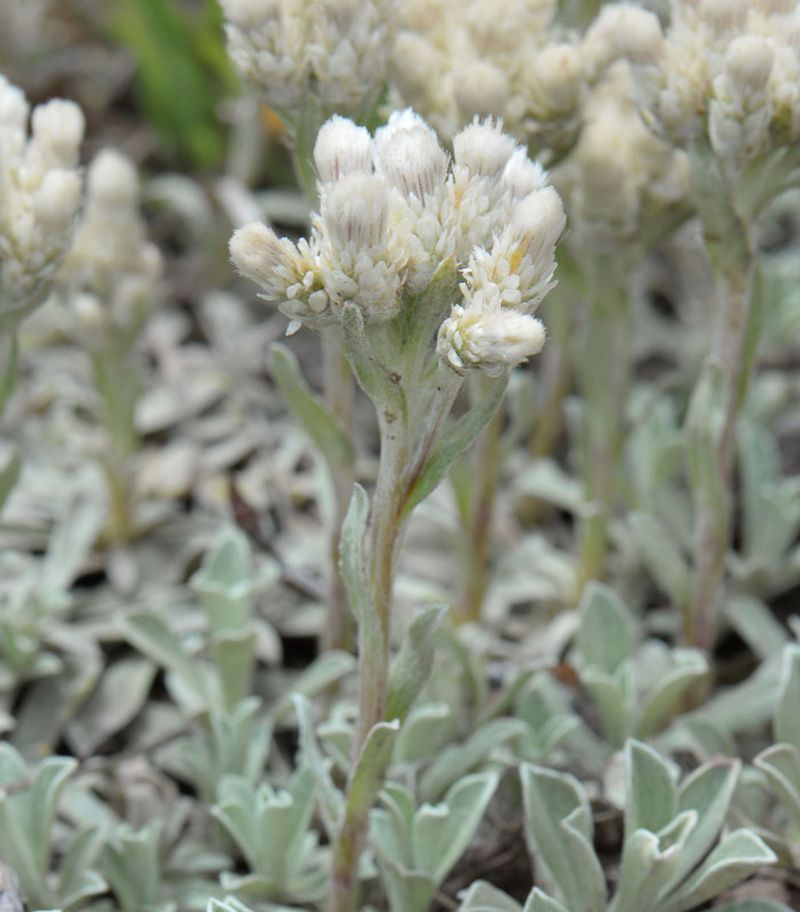
Soft, silvery-gray leaves arranged in low rosettes give catsfoot a texture that stands out immediately in a sunny Oregon garden.
The woolly foliage is what earns the plant its name, and the small, fuzzy white flower clusters that appear in spring do look remarkably like the toes of a tiny cat.
Beyond its charming appearance, catsfoot is a genuinely tough native groundcover that handles dry, sunny conditions and well-drained soil without complaint.
Catsfoot spreads by stolons to form a low, dense mat that can work well in rock gardens, dry borders, and open sunny spaces near stepping stones.
It is not suited for shaded spots, wet soil, or regular foot traffic, but in a sunny, low-use area it can replace patchy grass with something far more interesting and much easier to maintain.
Gardeners in drier regions, including parts of Central Oregon and the sunny eastern slopes of the Coast Range, often find it fits naturally into the landscape.
One practical benefit of catsfoot is its value to native pollinators, particularly certain native bee species that rely on plants in the daisy family. Planting it in groups rather than as single specimens helps it spread more evenly and creates a fuller mat more quickly.
Avoiding clay-heavy or consistently moist soils gives new plantings the best chance of establishing well through Oregon’s variable winters.
8. Stream Violet Brightens Shady Ground
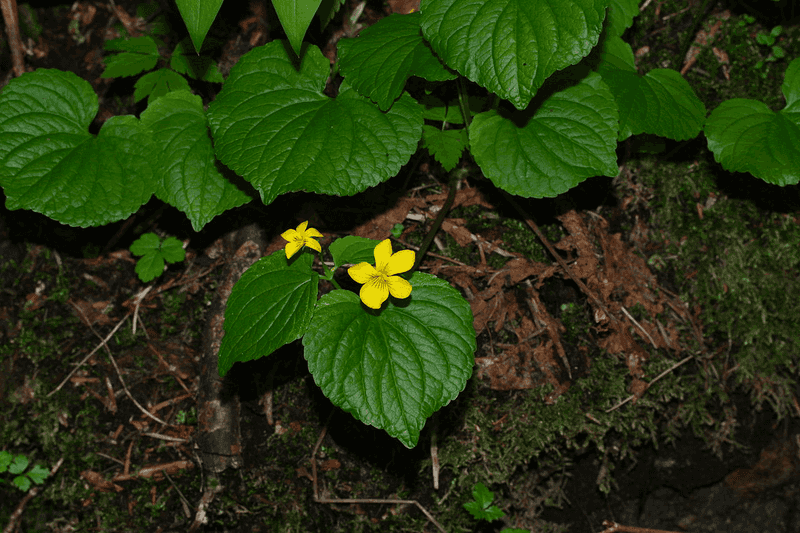
Moist, shaded corners of an Oregon garden that stay damp through spring and into early summer are exactly where stream violet feels most at ease.
This small native violet spreads by runners and self-seeding to form a soft, low groundcover of heart-shaped leaves brightened by cheerful yellow flowers in spring.
It brings a gentle, natural quality to shaded areas that larger or coarser groundcovers simply cannot replicate.
Stream violet works well along shaded paths, beneath deciduous trees, or in low spots where moisture lingers longer than surrounding areas dry out.
It is especially useful at the edge of a path or bed, where its small leaves and flowers can be noticed without being stepped on repeatedly.
It is not a plant that handles heavy foot traffic, and it should be thought of as a softer visual groundcover rather than a durable lawn substitute.
In Oregon’s mild, wet winters, it tends to persist reasonably well, though it may go somewhat dormant in colder or drier periods depending on site conditions.
Gardeners who want to brighten a dark, damp corner that has resisted every attempt at growing grass will find stream violet a rewarding and relatively easy native to establish.
Planting in groups and keeping the area consistently moist during the first season encourages quicker spreading.
Over time, it can form a charming, informal carpet that looks genuinely native to the Oregon woodland landscapes it comes from.