These Are The Reasons Witch Hazel Is A Must-Have For Massachusetts Yards
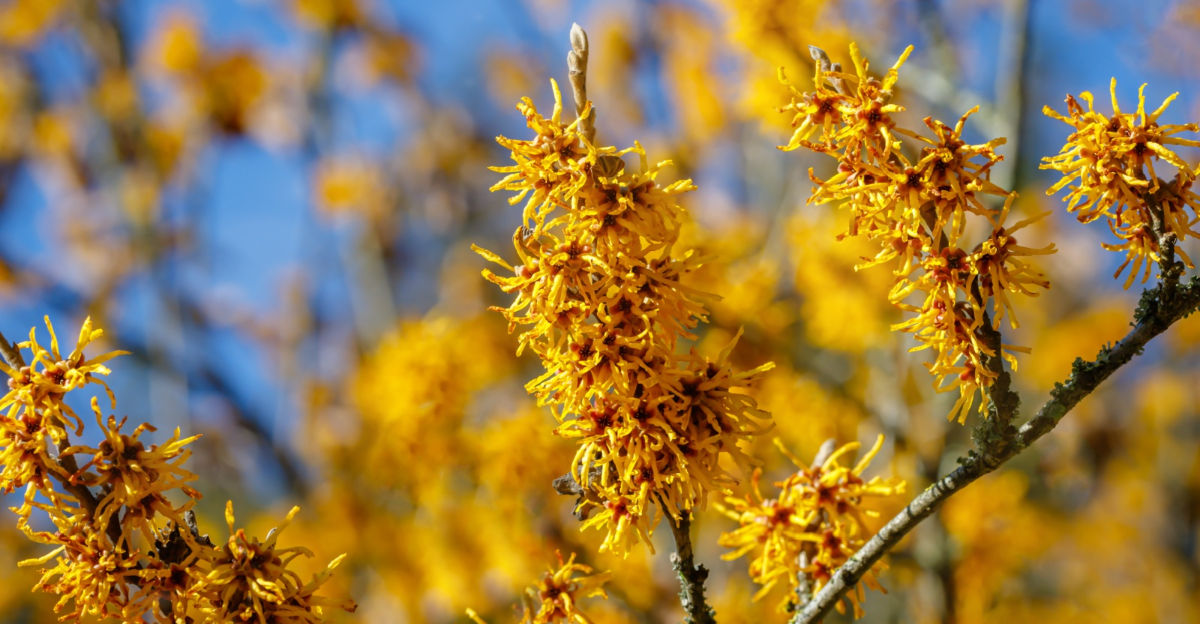
Your yard goes silent in January. Snow settles. Nothing moves. What if something bloomed right now, in the cold, before anyone expected it?
Witch hazel does exactly that. The native species, Hamamelis virginiana, lights up in October and November just as every other plant goes dormant.
Hybrid varieties like Hamamelis x intermedia carry that baton through January and into March. Together, they cover a season no other landscape shrub comes close to touching.
Spidery golden blossoms push out before any other plant dares. Fragrance follows, sharp and sweet, cutting through cold air like a signal.
Yours is the yard that stays alive when every other one gives up. Bold, rust-gold blooms glow against bare branches and white snow.
Across Massachusetts, nothing else looks like this in the cold months. Plant it once, and your yard earns something rare: a pulse when everything else has quit.
1. Blooms Reliably Through The Heart Of Fall And Winter
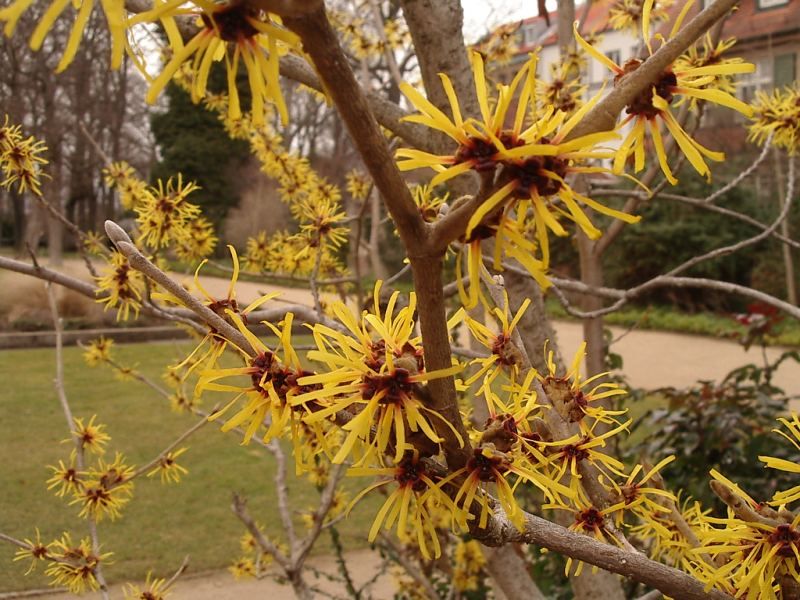
Snow is still on the ground, and your witch hazel is already opening with color. While every other shrub in the yard looks lifeless, this one bursts open with twisted, ribbon-like petals in shades of gold, orange, and red.
Most flowering shrubs bloom in spring or summer, when competition is fierce. Witch hazel skips that crowd entirely.
Depending on the variety, it blooms anywhere from October all the way through March, a window no other common landscape shrub can match.
The native species peaks in fall, while hybrid cultivars take over in late winter. Hamamelis virginiana, the species native to Massachusetts, typically blooms from mid-October through early December.
If you want color in January and February, hybrid varieties like Hamamelis x intermedia are the ones to reach for.
Arnold Promise and Jelena are two well-regarded cultivars that flower reliably in late winter, right when your yard needs it most.
Gardeners in Massachusetts often report seeing hybrid blooms push through a light dusting of snow. The flowers actually close up tight during hard freezes, then reopen when temps rise again.
That resilience is remarkable. No other common landscape shrub offers that kind of cold-weather reliability.
Think about what it means for curb appeal. Your neighbors walk past a row of brown sticks every February, then pause in front of your yard.
Planting witch hazel is one of the smartest moves a Massachusetts gardener can make. Winter interest is rare, and this shrub delivers it without fail, year after year.
2. Thrives In Cold New England Climates
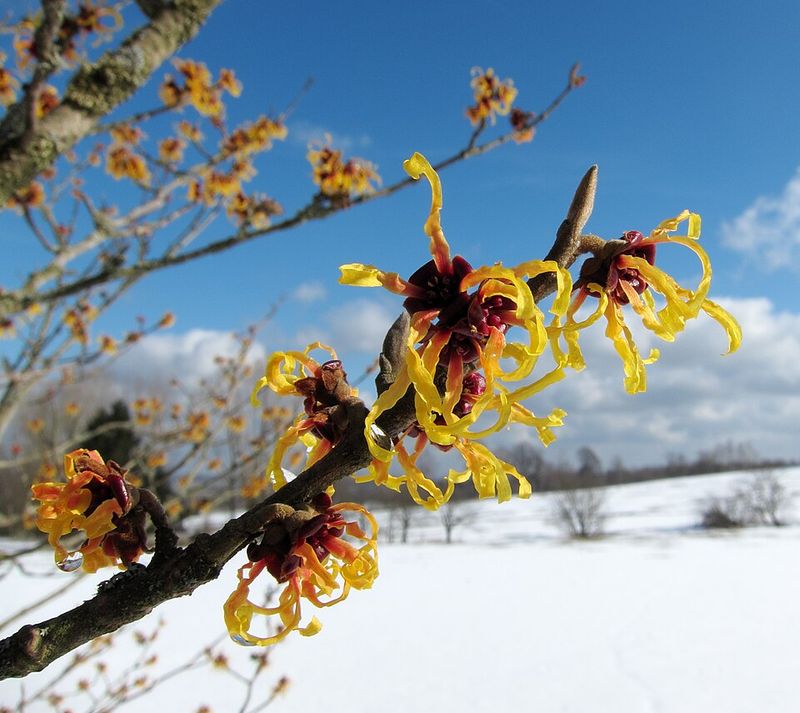
New England winters are not for the faint of heart, and neither are the plants that survive them. Witch hazel does not just survive the cold, it genuinely belongs here.
Native Hamamelis virginiana evolved in northeastern North American forests. It spent thousands of years adapting to exactly the kind of freeze-thaw cycles Massachusetts throws at it every single season.
It is rated to USDA Zone 3, meaning it handles even the harshest Berkshires winters without trouble.
Your Massachusetts Garden Changes Every Week. Your Plan Should Too.
Gardening in Massachusetts changes quickly throughout the season. Every Friday you’ll receive a simple weekly plan showing exactly what to plant, prune, fertilize, harvest, and protect so you never miss the right timing.
The ornamental hybrid cultivars Arnold Promise and Jelena are rated to Zone 5, which covers the vast majority of Massachusetts.
Gardeners in colder inland and western regions may want to give hybrids a more sheltered planting spot, or simply lean on the native species for guaranteed toughness.
Many gardeners make the mistake of planting shrubs suited for warmer zones, then watching them struggle every March. Witch hazel never causes that disappointment.
The root system is deep and sturdy, anchoring the plant through nor’easters and ice storms. Branches are flexible enough to bend under snow load without snapping.
Spring cleanup after a tough winter is minimal. You will not find dieback, frost damage, or the sad, mushy stems that plague less hardy shrubs.
Choosing plants native or well-adapted to your climate is the foundation of smart gardening. Witch hazel is proof that you can have stunning beauty and exceptional hardiness in one package.
3. Attracts Pollinators And Supports Local Wildlife
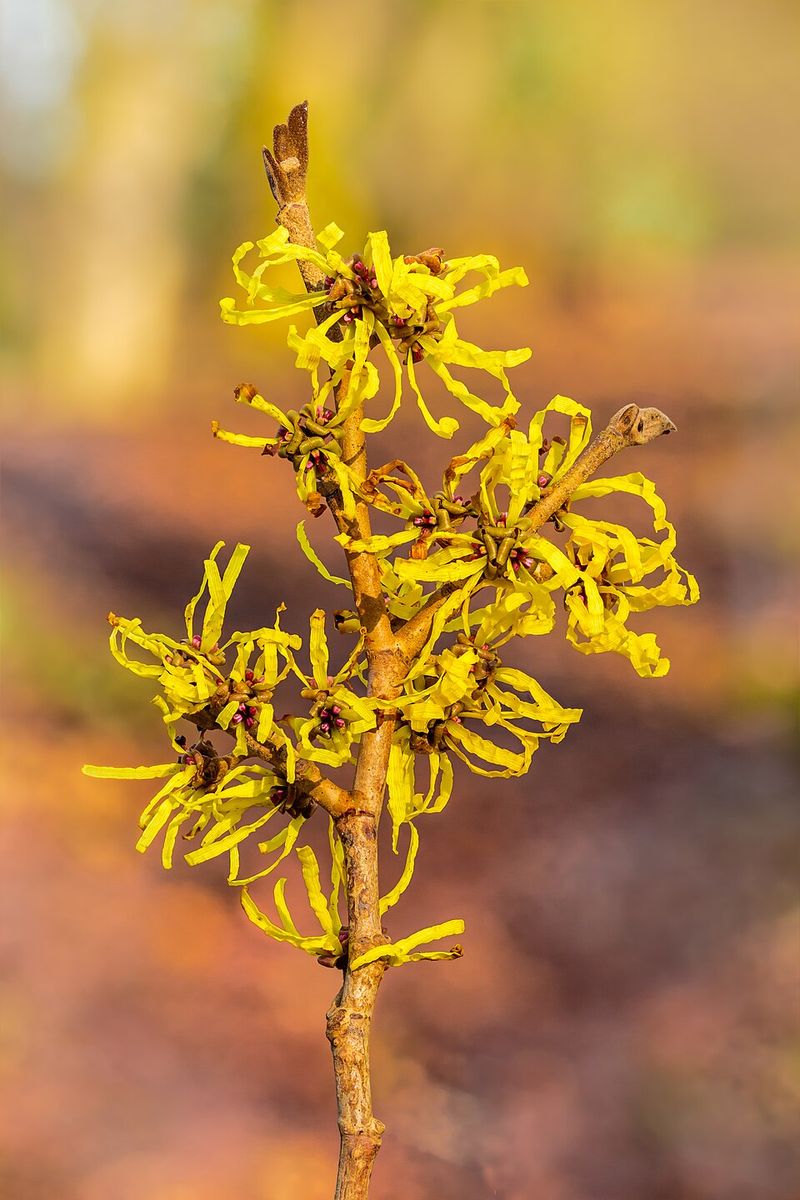
Witch hazel occupies a genuinely unusual ecological niche when it comes to pollination. Its primary pollinators are not bees but cold-tolerant owlet moths and geometrid moths that remain active on mild autumn nights.
These insects are uniquely adapted to function at low temperatures, and witch hazel flowers provide some of their last feeding opportunities before winter dormancy sets in.
Bees do visit on warmer fall days and carry a high percentage of witch hazel pollen when they do, making them meaningful contributors even if they are not the primary pollinators.
The overall picture is one of the most specialized pollinator relationships in the eastern forest.
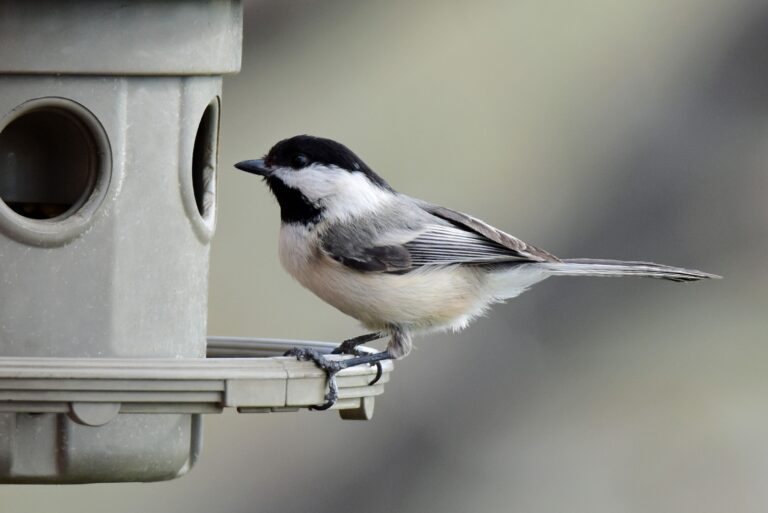
Beyond pollinators, the plant supports other wildlife in meaningful ways. Native birds forage among the branches for overwintering insects sheltering in the bark.
The seed capsules, which ripen the following fall, are eaten by white-tailed deer and small mammals, and have been documented as a food source for several game birds including ruffed grouse and wild turkey.
The plant essentially feeds wildlife across multiple seasons. Dense branching also provides shelter for songbirds during storms.
Sparrows and juncos often tuck into the interior of a mature shrub when wind picks up. Supporting local ecosystems matters more now than ever.
Habitat loss has reduced native plant populations, and every shrub planted makes a difference for the creatures that depend on them.
Adding witch hazel to a Massachusetts yard is a meaningful contribution to local ecology. You get beauty and fragrance, and the local wildlife gets a lifeline during the hardest months of the year.
4. Fills The Garden With Delicate Fragrance
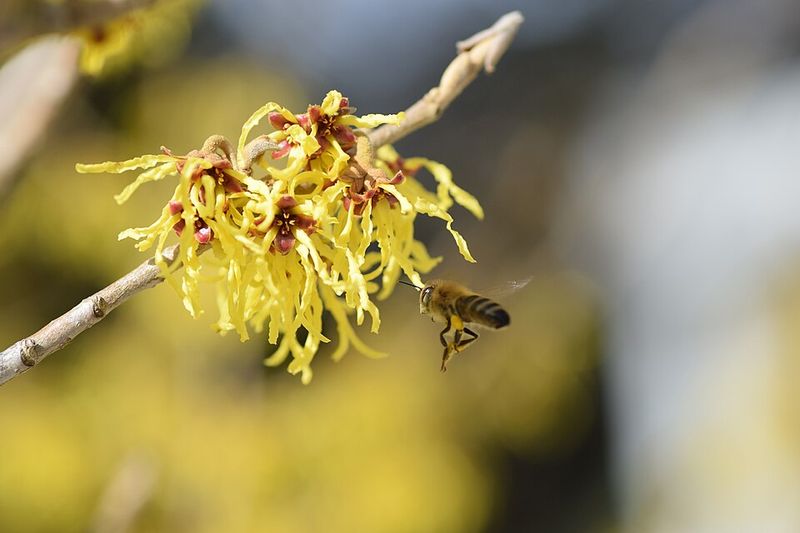
Step outside on a cold November or February morning and catch a whiff of something sweet and unexpected. That is witch hazel doing what most people never expect a cold-season plant to do.
The fragrance is soft, warm, and slightly spicy, like a distant memory of autumn leaves mixed with honey. It carries on the cold air in a way that feels almost magical.
Different varieties offer slightly different scent profiles. Hamamelis mollis, the Chinese witch hazel, is considered one of the most powerfully fragrant.
Arnold Promise and Pallida are also celebrated for strong, pleasant scent. The native Hamamelis virginiana has a lighter fragrance, but it is still noticeable on still days.
Planting near a path or entryway lets you catch it every time you walk past. Fragrance in the cold-season garden is a rare luxury.
Most plants that bloom outside the main growing season have little to no scent, so witch hazel stands out immediately.
Positioning the shrub near a south-facing wall or close to a frequently used door maximizes the sensory experience. You will smell it before you see it on the best days.
Gardeners who focus only on visual interest often miss the emotional power of scent. A fragrant garden feels alive in a way that a purely visual one simply does not.
Witch hazel brings that aliveness to Massachusetts yards in the seasons when gardens feel most forgotten. That sweet perfume is a reason all on its own.
5. Tolerates Shade In Wooded Massachusetts Yards
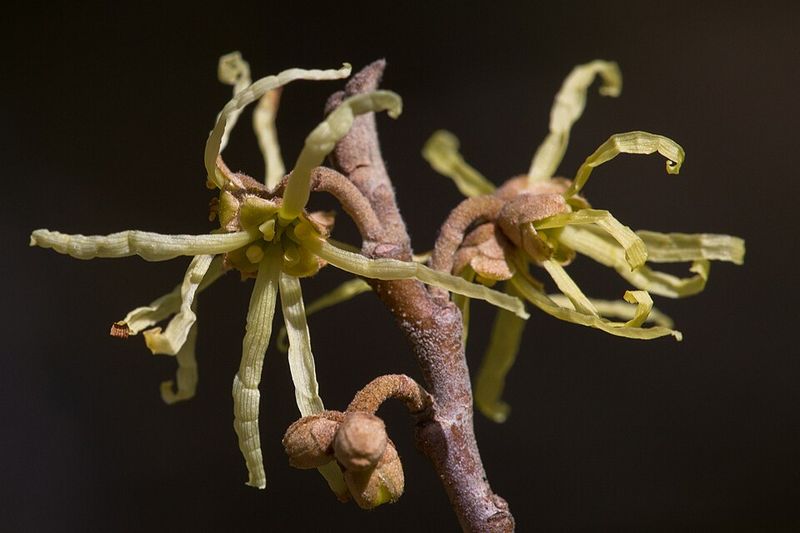
Not every yard in Massachusetts is a sun-drenched open lawn. Many properties sit under towering oaks, maples, and pines that cast deep shade for most of the year.
Finding shrubs that genuinely thrive in those conditions is a real challenge for gardeners. Witch hazel meets that challenge head-on.
In its natural habitat, witch hazel grows as an understory shrub beneath taller forest trees. That means shade is not a problem to overcome, it is the environment the plant evolved to love.
Partial shade to full shade is perfectly acceptable for most varieties. You may see slightly fewer blooms in deep shade, but the plant will remain healthy and attractive.
For wooded lots common across central and western Massachusetts, this is a game-changer. Many popular ornamental shrubs simply sulk and struggle without at least six hours of direct sun.
Witch hazel asks for far less. A few hours of dappled light is enough to keep it thriving and blooming each season.
The foliage is also attractive in shaded spots during the warmer months. Large, oval leaves with wavy edges create a lush, layered look beneath a forest canopy.
If your yard feels like a shady puzzle with no good plant solutions, this shrub is the missing piece. It fills gaps that nothing else can, and it does so with effortless, quiet confidence year after year.
6. Delivers Vivid Fall Foliage Color
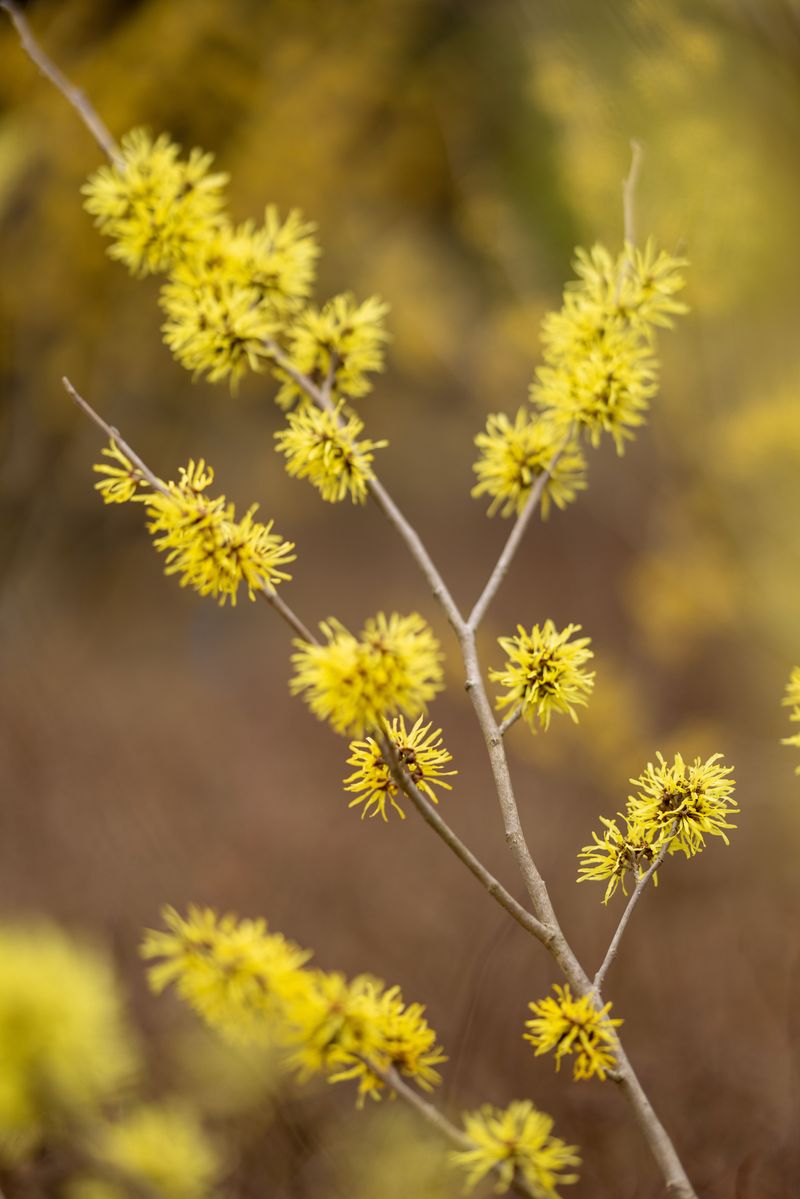
Everyone talks about maple trees when fall color comes up, but witch hazel deserves a spot in that conversation. The fall foliage on this shrub is genuinely spectacular.
Leaves turn brilliant shades of yellow, orange, and red depending on the variety and the light conditions. In full sun, the colors glow warmly in afternoon light.
What makes this extra special is the timing overlap on the native species. Hamamelis virginiana blooms at the same time its leaves turn golden yellow, so you get fragrant flowers and fall color simultaneously.
The hybrid varieties hold their colorful leaves while flower buds are already swelling, giving you a preview of the winter show to come.
Most ornamental shrubs offer only one season of visual interest. Witch hazel stacks multiple seasons on top of each other, making it one of the best performers per square foot in the landscape.
For a Massachusetts yard already surrounded by fall color, adding witch hazel builds depth and layers. It shines at a different height and scale than the towering maples around it.
The shrub also tends to hold its leaves a bit later into the season than many others. That extended color window stretches the enjoyment well into November.
Few plants earn their space in a garden the way witch hazel does. From vivid fall leaves to winter blooms, this shrub keeps giving long after others have called it a season.
7. Requires Minimal Maintenance Once Established
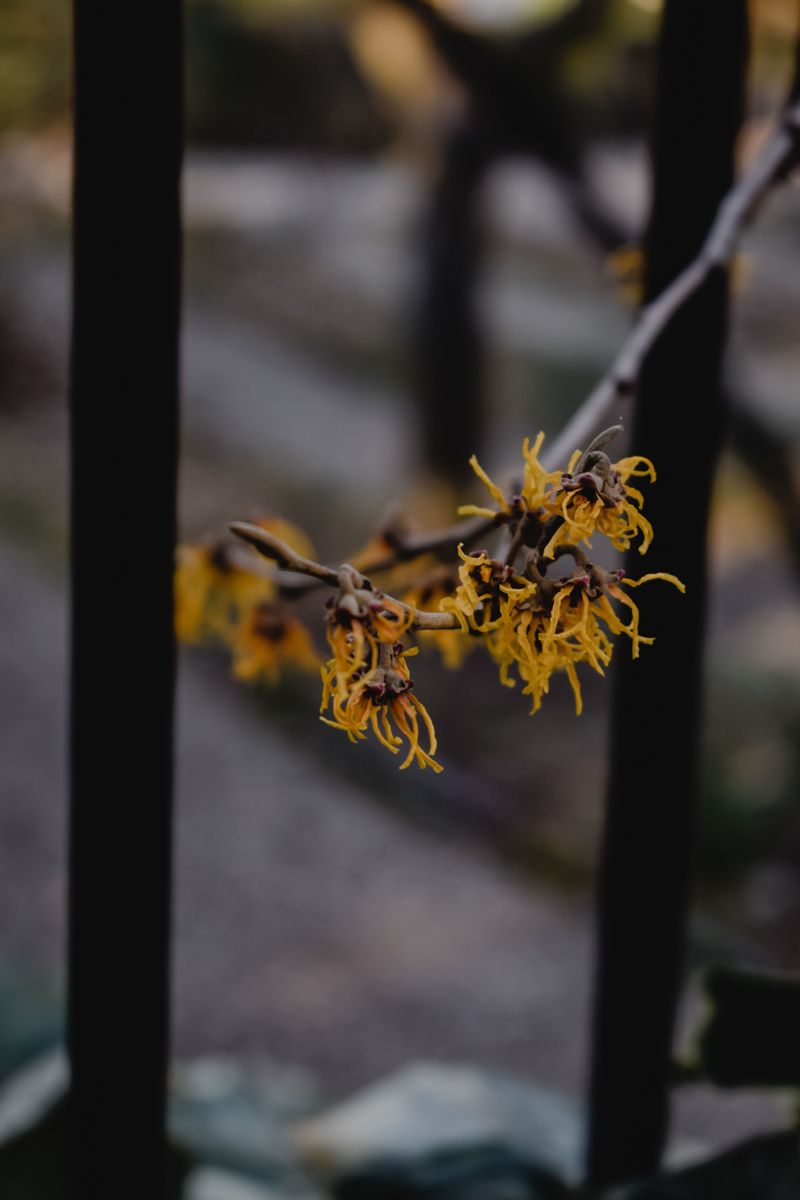
Some plants demand constant attention, and others just grow. Witch hazel falls firmly in the second category, and that is a huge selling point for busy homeowners.
Once established, which usually takes one to two growing seasons, witch hazel is remarkably self-sufficient. It does not need regular pruning, fertilizing, or fussing to look great.
Watering during the first season is important to help the root system settle in. After that, established plants handle dry spells without drama, especially in Massachusetts where summer rainfall is generally adequate.
Pruning is rarely necessary and should be done sparingly. Witch hazel has a naturally graceful, arching form that looks best when left to grow on its own terms.
If you do need to shape it, prune right after flowering ends. That timing protects next season’s flower buds from accidental removal.
For the native species that means pruning in December. For hybrid winter-bloomers, wait until late winter or early spring.
Fertilizer is optional for most established plants. A light application of compost around the base in early spring gives a boost without overwhelming the shrub.
Mulching the root zone helps retain moisture and suppress weeds during the growing season. A two to three inch layer of wood chips is all it takes.
For Massachusetts homeowners who want a stunning yard without spending every weekend on garden chores, witch hazel is the answer. Plant it right, give it a good first year, and then step back and enjoy the show.
8. Resists Deer And Remains Largely Pest-Free
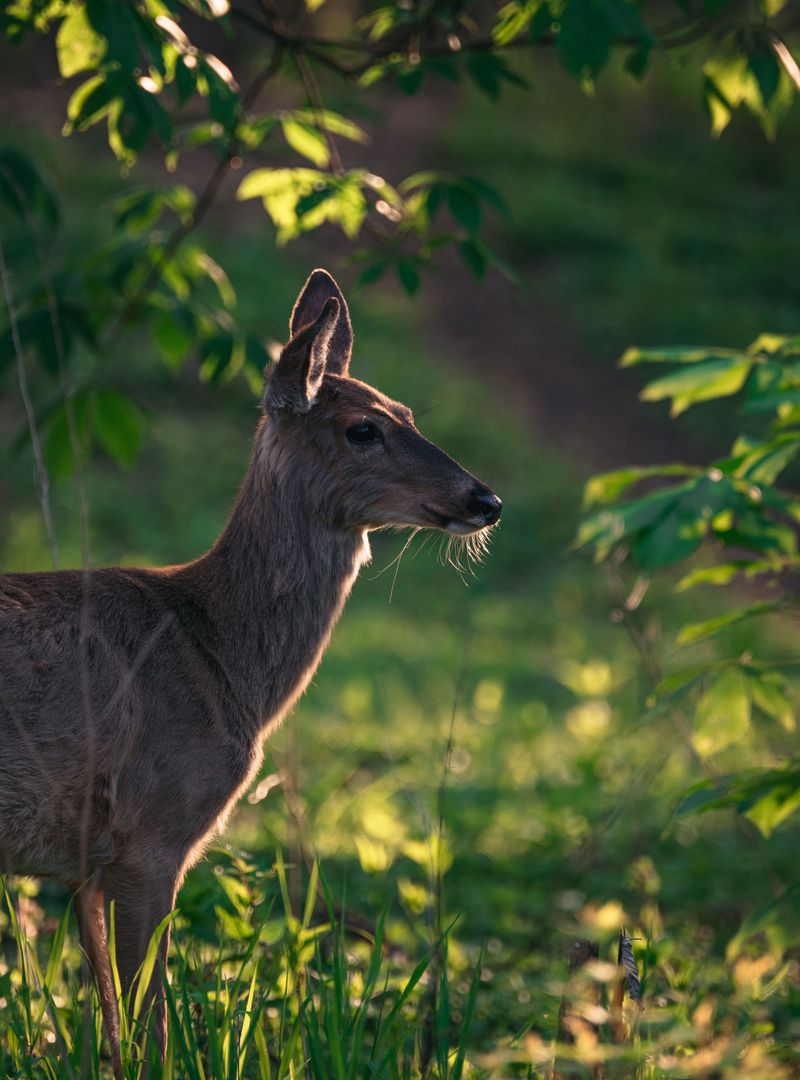
Deer pressure is a real problem for Massachusetts gardeners, especially in suburban and rural areas where herds roam freely. Finding shrubs that deer consistently leave alone is worth its weight in gold.
Witch hazel is one of those rare finds. Deer tend to avoid it, likely due to the aromatic oils in the leaves and bark that make it unappealing as a snack.
That does not mean deer never touch it, but compared to hostas, arborvitae, or azaleas, witch hazel holds up remarkably well. Most gardeners with established plants report little to no browse damage.
Beyond deer resistance, the shrub is also largely free of serious pest and disease problems. It does not attract the kind of insect pressure that plagues roses or fruit trees.
Aphids occasionally appear on new growth in spring, but natural predators like ladybugs usually handle the problem without any intervention from you. Spraying is rarely needed.
Powdery mildew can show up in hot, humid summers, especially in crowded planting conditions. Good air circulation around the shrub prevents most fungal issues before they start.
Leaf spot diseases are minor and cosmetic at worst. They do not threaten the overall health or long-term performance of an established plant.
For Massachusetts gardeners exhausted by the constant battle against pests and deer, witch hazel offers welcome relief. Plant it, enjoy it, and spend your energy on something other than damage control.