Why Your Georgia Hydrangeas May Stop Blooming In Mid-Summer
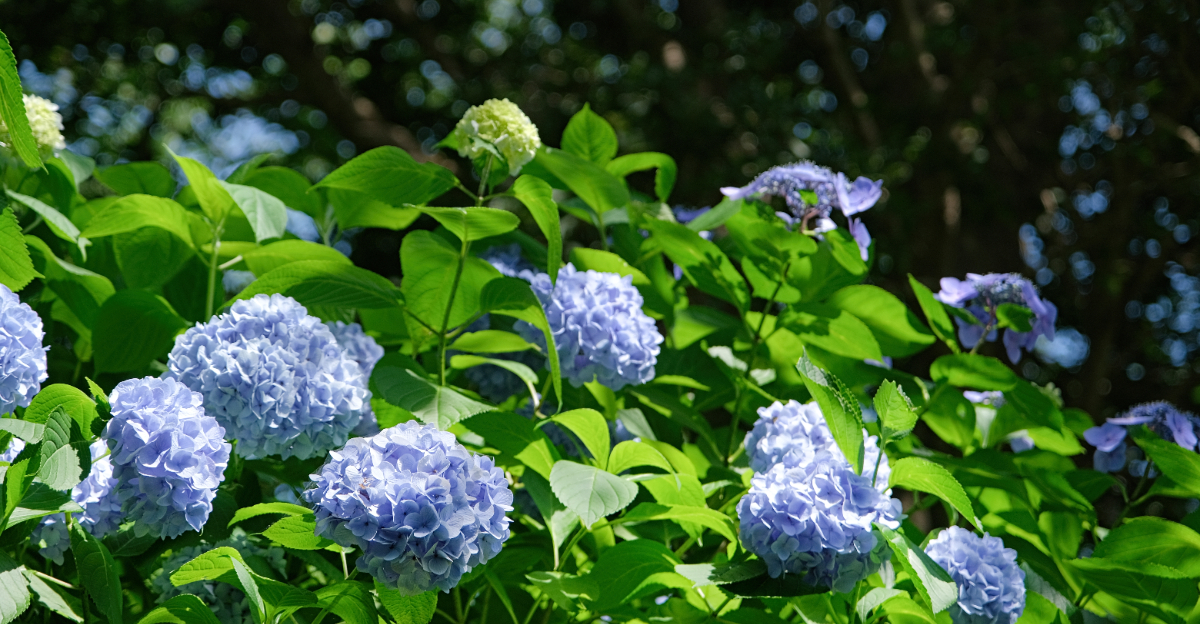
Few garden disappointments are as frustrating as waiting for hydrangeas to bloom and seeing the flowers suddenly disappear from the show.
The shrub still looks healthy, the leaves stay green, and everything seems normal at first glance. That is what makes the change so confusing.
It often feels like the plant has stopped blooming for no clear reason, even though it looked beautiful only a short time earlier.
Georgia’s long, hot summers can make that situation even more noticeable. Heat plays a role, but it is rarely the only reason blooms become scarce during the middle of the season.
Small details that seem harmless can have a much bigger impact than many gardeners expect.
A closer look usually reveals why flowering slows down. Catching the cause early gives your hydrangeas the best chance to stay healthy and keep putting on a beautiful display.
1. Heat Stress Can Slow Down Flower Production
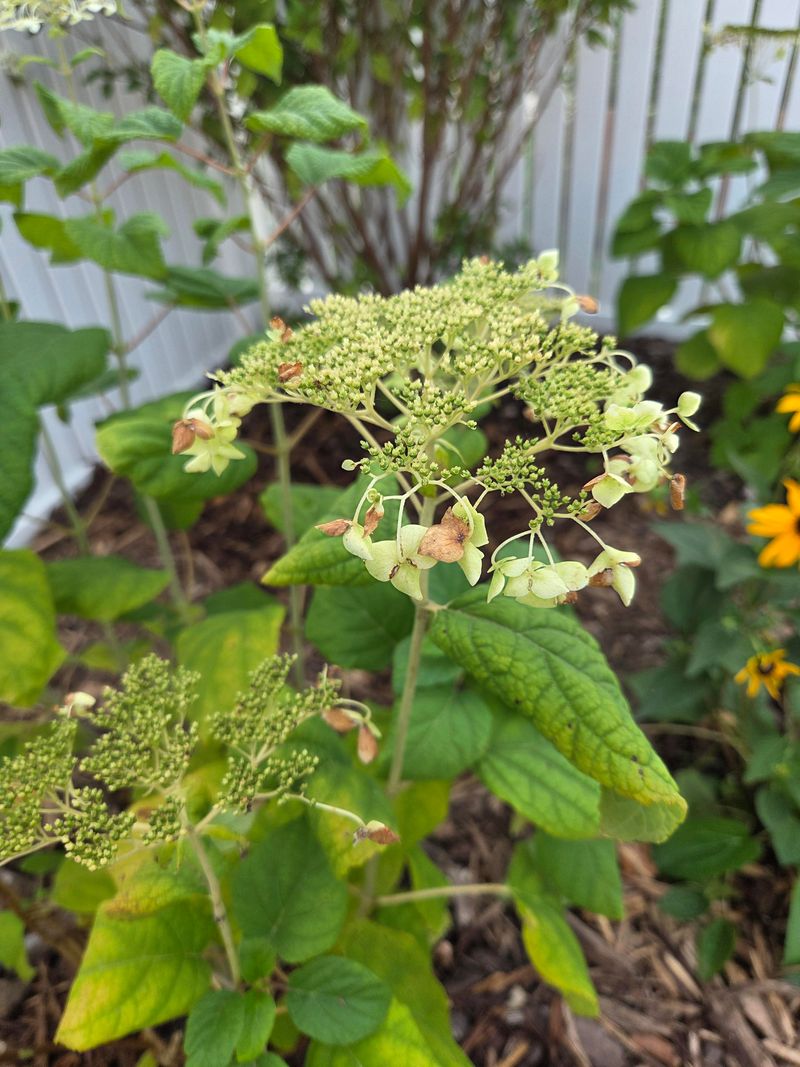
Scorching summer heat does not just make you uncomfortable. It puts real pressure on hydrangeas too.
When soil temperatures climb and air stays hot for days straight, the plant shifts its energy away from blooming and toward basic survival.
Hydrangeas are not built for extreme heat. Once temperatures push past 90 degrees regularly, bud development slows or stops.
Roots struggle to pull enough water up through the plant to keep everything functioning the way it should.
Wilting leaves are a clear warning sign. When a plant wilts before noon on a hot day, that is stress talking.
Pushing through that kind of heat without enough water means flower buds get dropped before they ever open.
Gardeners in hot Southern climates often notice this pattern in late July and August. It is not a disease or pest problem.
It is simply the plant protecting itself under conditions it was not designed to handle.
Providing shade cloth during the hottest weeks can make a real difference. Even a few hours of afternoon shade helps reduce heat load on the plant.
Watering deeply in the early morning gives roots the moisture they need before the day gets brutal.
Heat stress is temporary. Once cooler weather returns in early fall, many hydrangeas will push out a fresh round of blooms.
2. Too Much Afternoon Sun Can Reduce Blooms
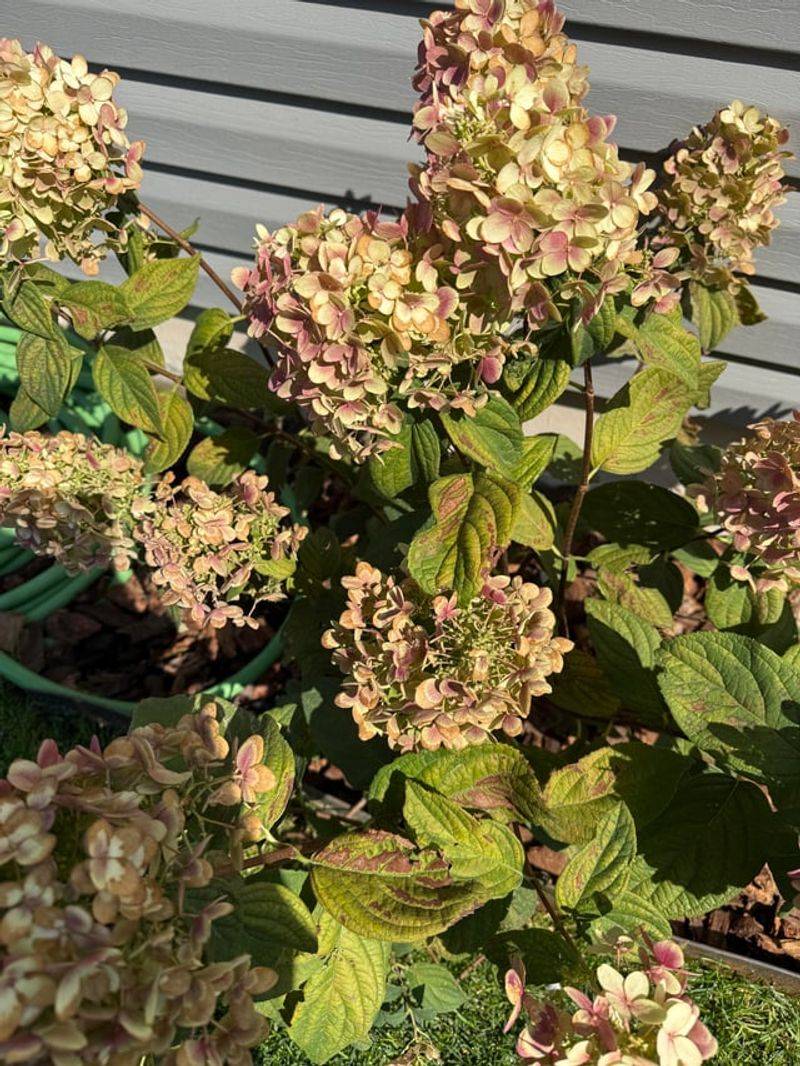
Placement matters more than most gardeners realize. A hydrangea sitting in full afternoon sun is fighting an uphill battle every single day from June through August.
Morning sun is fine. Hydrangeas actually need light to bloom.
But that harsh afternoon sun, especially from 2 p.m. onward, creates conditions that work against the plant. Leaf tissue overheats, moisture evaporates fast, and flower buds get stressed before they can open properly.
Sun scorch shows up as brown crispy edges on leaves. Sometimes blooms fade quickly or turn papery and dry.
These are signs the plant is getting more direct sun than it can handle during peak heat hours.
Relocating a hydrangea is possible but takes planning. If moving the plant is not practical, creating shade with nearby tall plants or a temporary shade structure can help.
Your Georgia Garden Changes Every Week. Your Plan Should Too.
Gardening in Georgia changes quickly throughout the season. Every Friday you’ll receive a simple weekly plan showing exactly what to plant, prune, fertilize, harvest, and protect so you never miss the right timing.
Even a lattice panel placed to block western sun makes a noticeable difference.
Choosing the right spot from the start saves a lot of trouble. Dappled light under a tall tree or a north-facing bed usually works well.
The goal is bright indirect light for most of the day without that brutal direct afternoon exposure.
Hydrangeas planted in spots with good morning sun and afternoon shade tend to bloom longer and look healthier through summer.
3. Improper Pruning Removes Next Season Buds
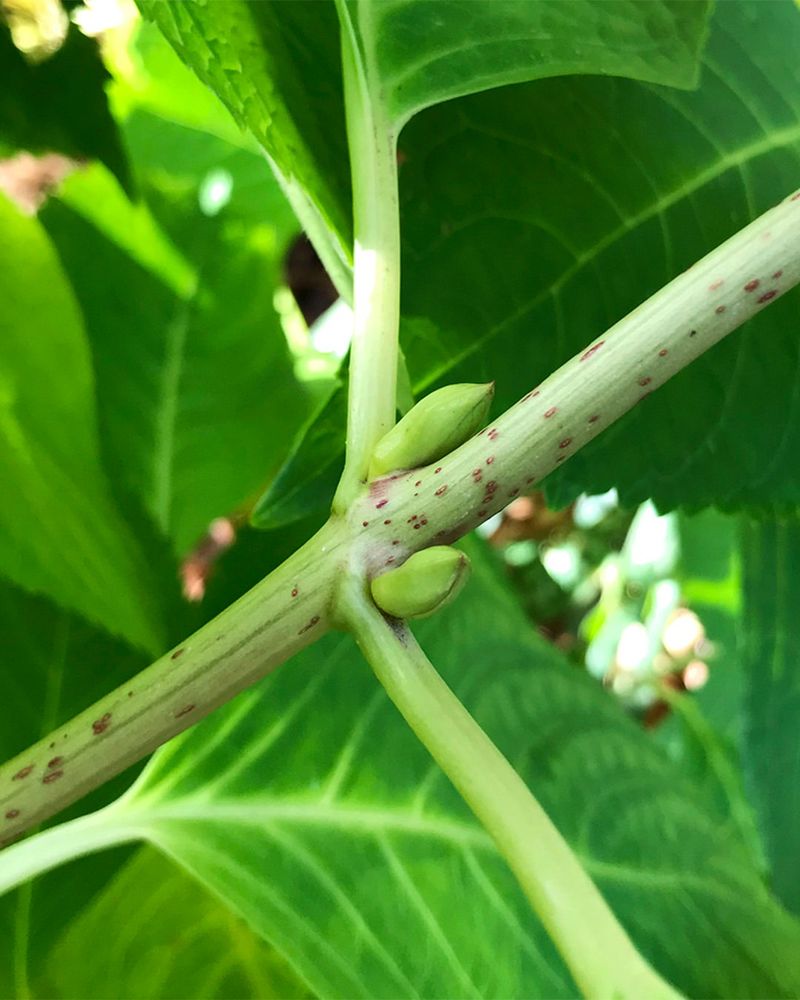
Grabbing the pruning shears at the wrong time is one of the most common reasons hydrangeas stop blooming. Timing is everything with these plants, and a well-meaning trim can wipe out an entire season of flowers.
Certain hydrangea varieties set their buds in late summer and fall on old wood, meaning last season’s growth. Cutting those stems back in fall or early spring removes the exact buds that would have opened the following summer.
Bigleaf and oakleaf hydrangeas are especially sensitive to this. Many gardeners in the South grow these varieties without realizing they need a very specific pruning window.
Cutting them back hard after August is almost guaranteed to reduce next summer’s blooms significantly.
If pruning is needed, do it right after flowering ends. That short window, usually late June into early July for old wood types, gives the plant time to set new buds before winter.
After that, put the shears away.
Smooth hydrangeas and panicle types bloom on new wood, so they handle late-season pruning better. Knowing which variety you have changes everything about how you care for it.
A simple label check or quick research on your specific plant can prevent a frustrating bloomless summer. Pruning is not bad.
4. Lack Of Consistent Moisture Weakens Flowering
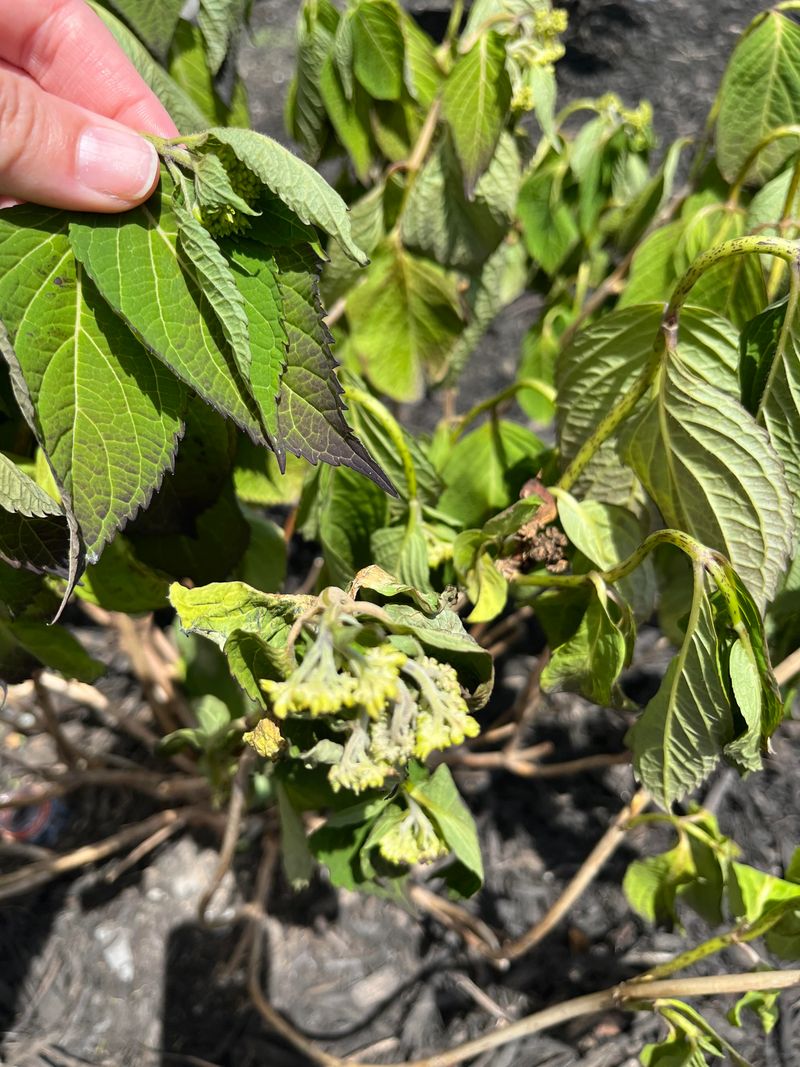
Water is not optional for hydrangeas. Their name literally comes from the Greek word for water, and that tells you something important about what they need to thrive.
Inconsistent watering is a bloom-stopper. Getting soaked one week and bone-dry the next puts the plant under constant stress.
Roots cannot establish a reliable rhythm, and bud development suffers as a result.
Sandy soils found in many parts of the South drain quickly. A plant that looks fine after watering can be moisture-stressed again within 24 hours.
Clay soils hold water longer but can become waterlogged, which creates a different set of problems for root health.
Deep, slow watering two to three times per week during summer is usually more effective than light daily watering. Getting moisture down to the root zone where it counts matters far more than wetting the surface.
Soaker hoses or drip irrigation are worth considering. They deliver water directly to the root zone without wasting moisture on leaves and surrounding soil.
Less evaporation means more water actually reaches the plant.
Wilting by mid-morning is a strong signal that the plant is not getting enough consistent moisture.
Catching that early and adjusting your watering schedule can prevent bud drop and keep flowering on track through the hottest months.
5. Excess Nitrogen Encourages Leaves Over Blooms
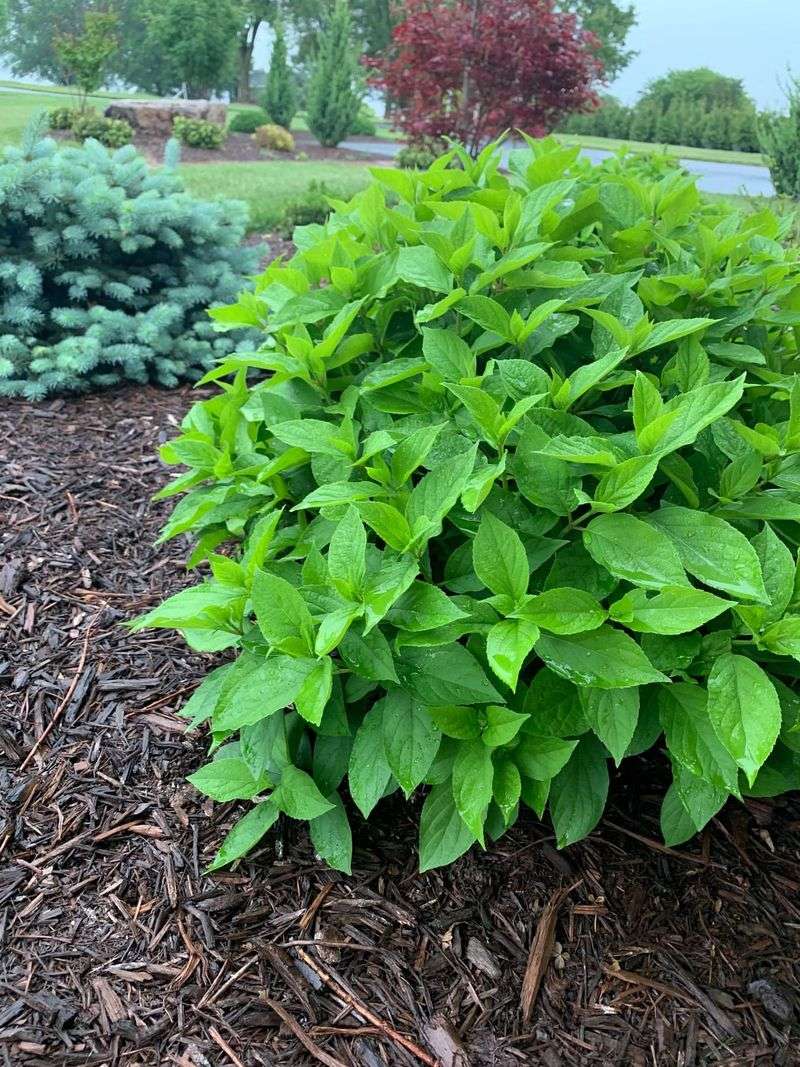
Gorgeous green leaves with zero flowers is a frustrating combination. When a hydrangea is pumping out thick, dark foliage but skipping the blooms entirely, excess nitrogen is often the reason.
Nitrogen fuels leaf and stem growth. Plants need it, but too much pushes the plant into a constant vegetative state.
Energy goes into building more leaves instead of producing flower buds.
Over-fertilizing with a high-nitrogen lawn fertilizer is a common cause. Lawn products are designed to green things up fast, not encourage flowering.
Using them near hydrangea beds can throw off the nutrient balance in the soil significantly.
A balanced fertilizer with lower nitrogen and higher phosphorus supports better bloom production. Phosphorus is the nutrient most directly connected to root strength and flower development.
Look for a fertilizer labeled for flowering shrubs rather than general lawn use.
Timing fertilizer applications matters too. Feeding in early spring is generally fine.
Fertilizing heavily in summer, when the plant is already stressed by heat, can do more harm than good. Holding off on feeding during peak summer heat is usually the safer approach.
Getting a basic soil test done can take the guesswork out of fertilizing. Extension offices across Georgia offer affordable testing that shows exactly what your soil has and what it needs.
Feeding based on actual soil data beats guessing every time.
6. Old Wood Varieties Bloom Only On Last Season Growth
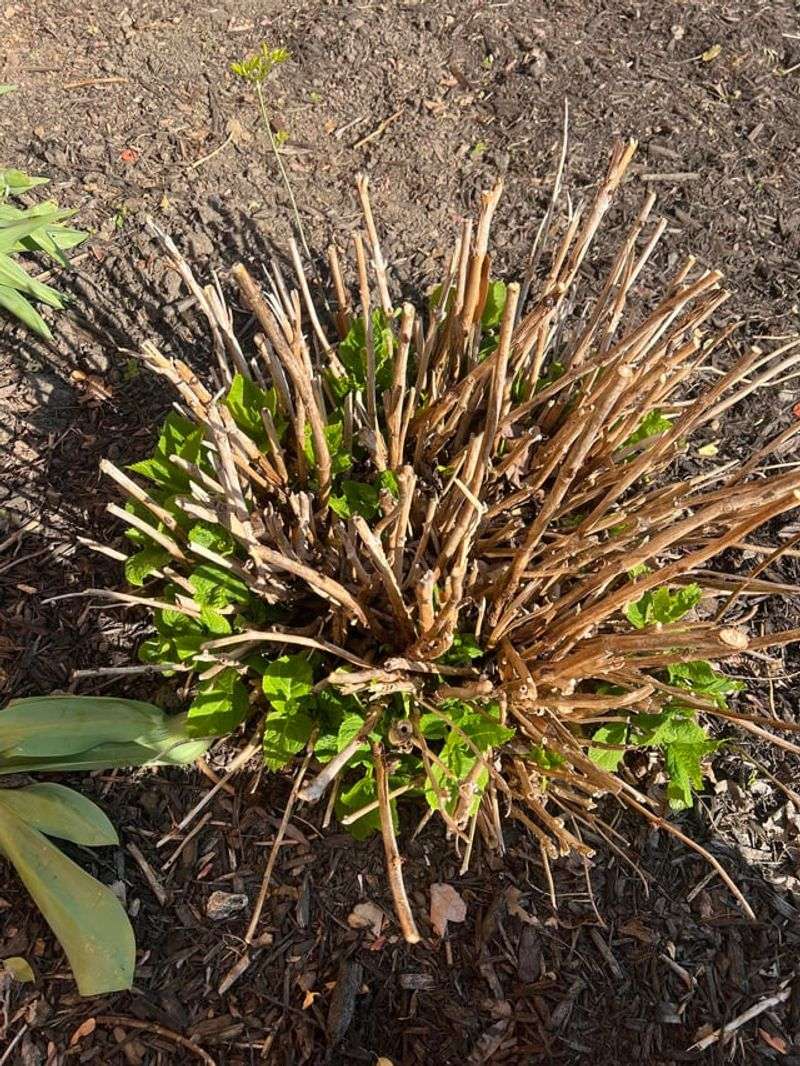
Not all hydrangeas work the same way. Understanding the difference between old wood and new wood bloomers changes how you care for your plants and why they may go silent in summer.
Old wood varieties, like most bigleaf hydrangeas, set their flower buds in late summer and fall on stems that grew the previous season. Those buds sit dormant through winter and open the following summer.
Anything that damages those buds before they open means no flowers that year.
Late freezes are a major culprit in the South. A hard frost in March or early April can wipe out buds that were perfectly intact all winter.
The plant looks healthy, but the buds are already gone. No buds mean no blooms, even when summer conditions are otherwise ideal.
Heavy mulching over the root zone helps protect buds on low-growing stems during cold snaps. Wrapping the shrub loosely with burlap during late freezes is another option that many gardeners swear by.
Neither method is perfect, but both improve the odds of bud survival.
Reblooming varieties like Endless Summer were developed specifically to address this problem. They set buds on both old and new wood, giving them a second chance to bloom even after late frost damage wipes out the first set.
Knowing which variety you have is the starting point. Once you know that, you can adjust your care routine to match how that specific plant actually blooms.
7. Mulch And Care Adjustments Can Restore Blooming
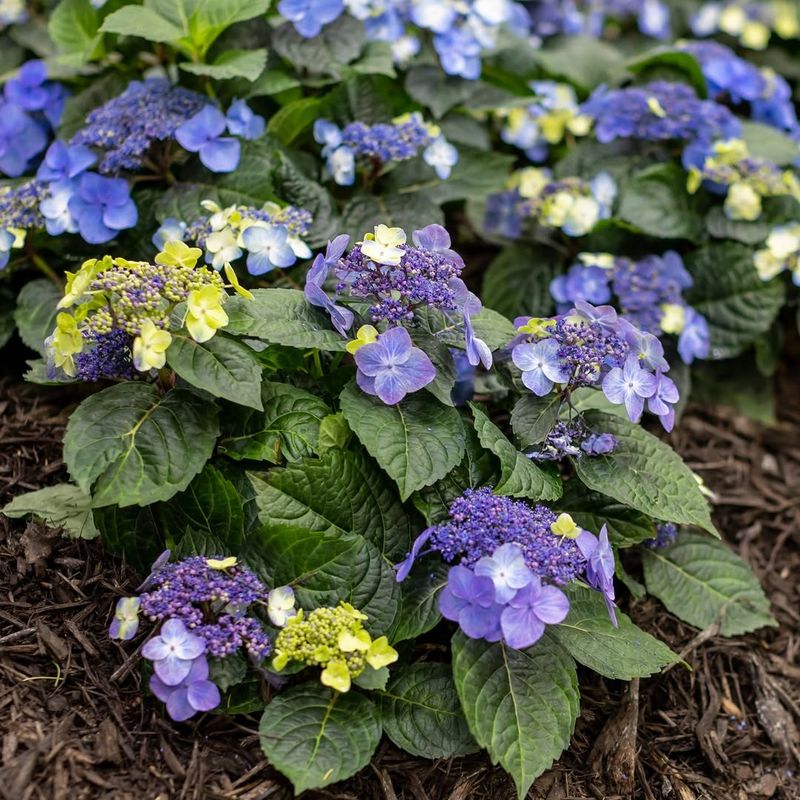
A few targeted changes can turn a non-blooming hydrangea around faster than most gardeners expect. Mulch is one of the most underrated tools in any summer care routine.
A two to three inch layer of organic mulch around the base of the plant does several things at once. It holds soil moisture longer between waterings, keeps root temperatures cooler during hot days, and slowly feeds the soil as it breaks down.
All of those benefits support better bloom production.
Wood chips, pine bark, or shredded leaves all work well. Keep the mulch pulled back a few inches from the main stem to avoid moisture buildup against the bark.
A clean gap right at the base is a simple habit that prevents rot issues.
Beyond mulch, reviewing your overall care routine helps identify what might be off. Watering schedule, fertilizer type, pruning timing, and sun exposure all interact.
Fixing one factor without looking at the others sometimes produces limited results.
Walking through the garden regularly and paying attention to what the plant is telling you speeds up troubleshooting. Yellowing leaves, wilting patterns, and bud drop each point toward different causes.
Observation beats guessing every time.
Hydrangeas are resilient. With the right adjustments, most struggling plants respond within a season.