Mistakes Georgia Gardeners Make With Knockout Roses That Stop Them From Blooming
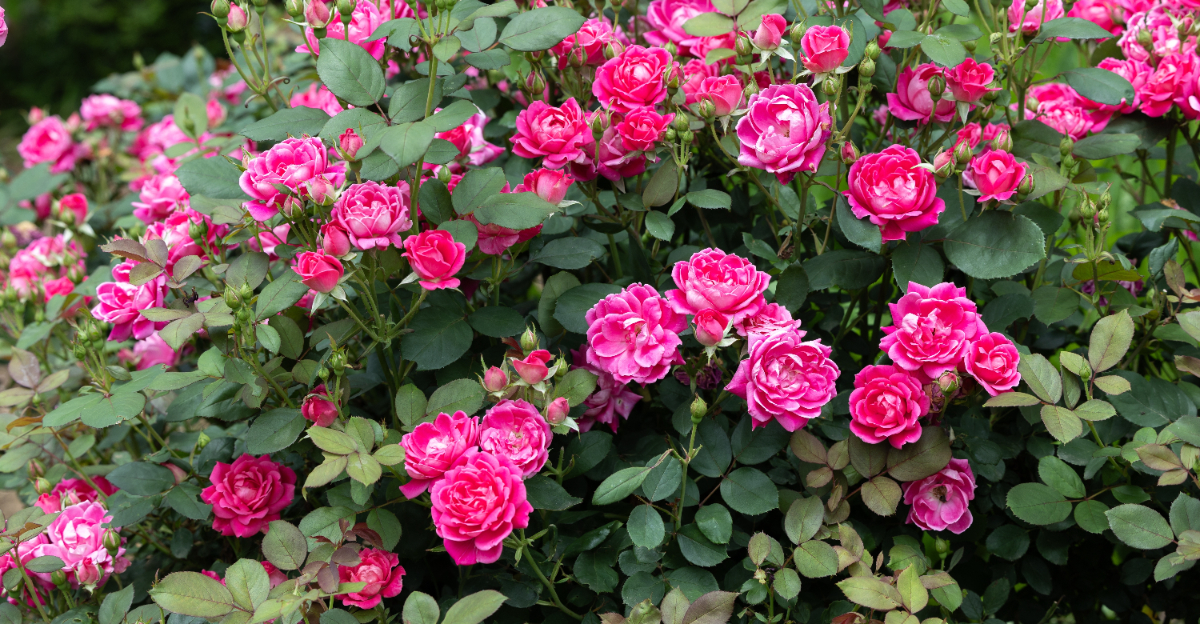
Nothing is more frustrating than a Knock Out rose covered in healthy green leaves but producing far fewer flowers than expected. The shrub looks fine at first glance, yet week after week the big flushes of color never arrive.
The surprising part is that the problem is often not the plant itself. Small habits repeated throughout the growing season can quietly interfere with blooming without causing obvious damage.
A little extra fertilizer, the wrong pruning cut, or even a watering routine that seems helpful can change how the plant responds.
Georgia gardens put roses through long stretches of heat, humidity, and fast growth, which means minor mistakes can have a bigger impact than they would in milder climates.
When blooms start slowing down, there is usually a reason behind it, and some of the most common ones are easy to overlook until flowering drops off noticeably.
1. Pruning At The Wrong Time Of Year
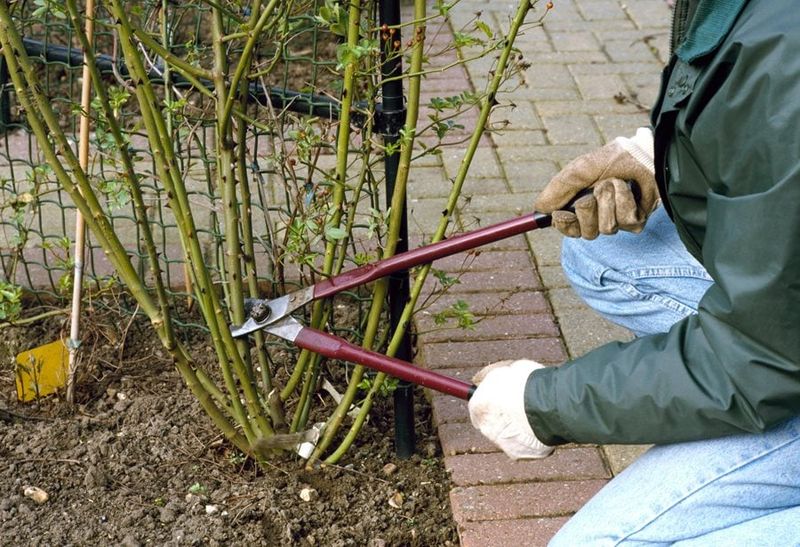
Grabbing your pruners at the wrong time can set your roses back by an entire season. Knockout Roses bloom on new growth, so timing your cuts correctly makes a real difference in how many flowers you get.
Late winter, right before new growth begins, is the sweet spot for heavy pruning in the South. Around late February to mid-March works well across most of the region.
Cutting too early during a cold snap can expose tender new shoots to frost damage.
Fall pruning is one of the biggest mistakes gardeners make. Cutting back hard in September or October signals the plant to push out fresh growth right before cold weather arrives.
That new growth is fragile and can suffer when temperatures drop.
Light deadheading throughout the season is fine and actually encourages more blooms. Snipping off spent flower clusters keeps the plant focused on producing new buds rather than setting seed.
Heavy shaping cuts, though, should wait until late winter. Skipping that annual pruning entirely is also a problem.
Without it, Knockout Roses become woody and dense, and flowering slows down significantly over time.
Sharp, clean tools matter more than most people realize. Dull blades crush canes instead of cutting cleanly, leaving ragged wounds that invite disease.
2. Planting In A Spot With Too Little Sun
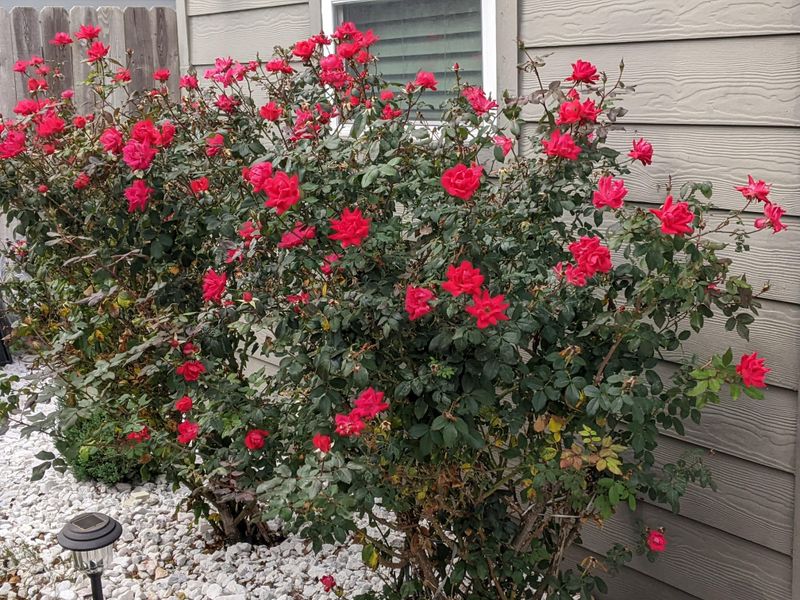
Shade is quietly one of the most common reasons Knockout Roses underperform. People plant them near fences, under tree canopies, or along the north side of a house and then wonder why blooms are sparse.
Knockout Roses need at least six hours of direct sunlight daily to bloom well. Less than that, and flower production drops noticeably.
Eight hours or more is even better if you want the most color possible.
Partial shade does not ruin the plant, but it absolutely limits blooms. You might get a few flowers here and there, but nothing close to the dense flushes these shrubs are capable of producing in full sun.
Low light also makes the canes stretch and become leggy as the plant reaches for sunlight. That open, airy growth structure reduces the number of flowering stems and makes the shrub look thin and weak rather than full and lush.
Your Georgia Garden Changes Every Week. Your Plan Should Too.
Gardening in Georgia changes quickly throughout the season. Every Friday you’ll receive a simple weekly plan showing exactly what to plant, prune, fertilize, harvest, and protect so you never miss the right timing.
Moisture issues become worse in shaded spots too. Areas under tree canopies tend to stay damp longer, which raises the risk of fungal problems like black spot.
Poor air circulation in shaded locations adds to that problem.
Before planting, spend a day watching how sunlight moves across your yard. Note which spots get consistent direct sun from morning through early afternoon.
3. Skipping Water During Extended Dry Spells
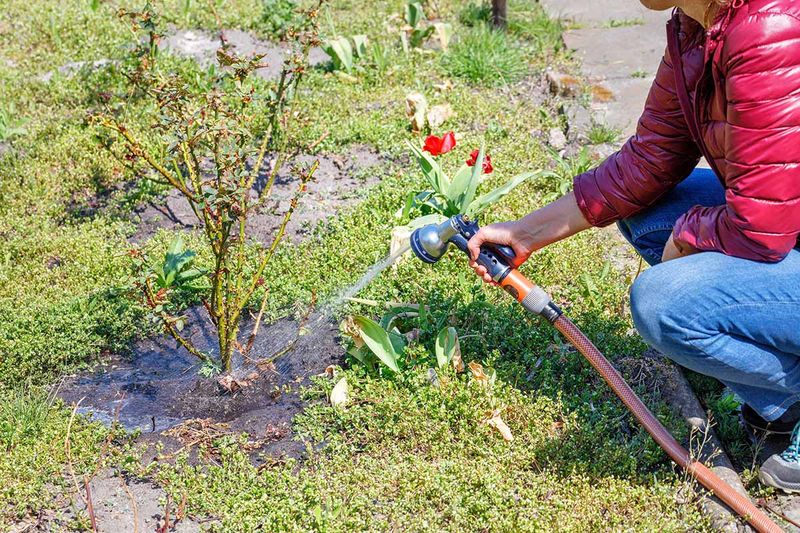
Knockout Roses are drought-tolerant once established, but that label gets misread constantly. Drought-tolerant does not mean drought-proof, and skipping water during a long dry stretch will stall blooming fast.
Once established, roughly after the first full growing season, these shrubs handle dry periods better than many plants. Before that point, consistent moisture is critical for root development and healthy flower production.
Summer in the South brings stretches of intense heat with little rain. During those periods, even established Knockout Roses benefit from supplemental watering.
A deep soak once or twice a week is far better than shallow, frequent watering.
Shallow watering keeps roots near the soil surface. Deep watering encourages roots to push downward, which makes the plant more resilient during dry spells.
Aim to wet the soil at least six to eight inches deep when you water.
Mulching around the base of the plant helps hold soil moisture and regulate temperature. A two-to-three-inch layer of shredded wood mulch works well.
Keep it pulled back slightly from the main canes to reduce moisture buildup right at the base.
Signs of water stress include drooping leaves, smaller blooms, and premature flower drop.
4. Applying Too Much Nitrogen Fertilizer

Green and leafy sounds healthy, but with Knockout Roses, it is often a warning sign. Too much nitrogen pushes the plant to produce foliage at the expense of flowers, and heavy-handed fertilizing is a surprisingly common mistake.
Nitrogen is the first number on any fertilizer bag. High-nitrogen products like lawn fertilizers are especially problematic near rose beds.
Even accidental overspray from lawn feeding can cause a flush of green growth with very few blooms.
Knockout Roses do not need heavy feeding to perform well. A light application of a balanced, slow-release fertilizer in early spring is usually sufficient for most established shrubs in average soil conditions.
If your soil is already reasonably fertile, you may not need to fertilize much at all. A simple soil test from your local cooperative extension office can tell you what your soil actually needs rather than guessing.
Mid-summer feeding can help support continued blooming, but use a product with moderate nitrogen and higher phosphorus. Phosphorus supports flower and root development, which is exactly what you want during the blooming season.
Stop fertilizing by late summer. Feeding too late in the season encourages tender new growth that has no time to harden off before cooler temperatures arrive.
5. Crowding Shrubs And Restricting Airflow
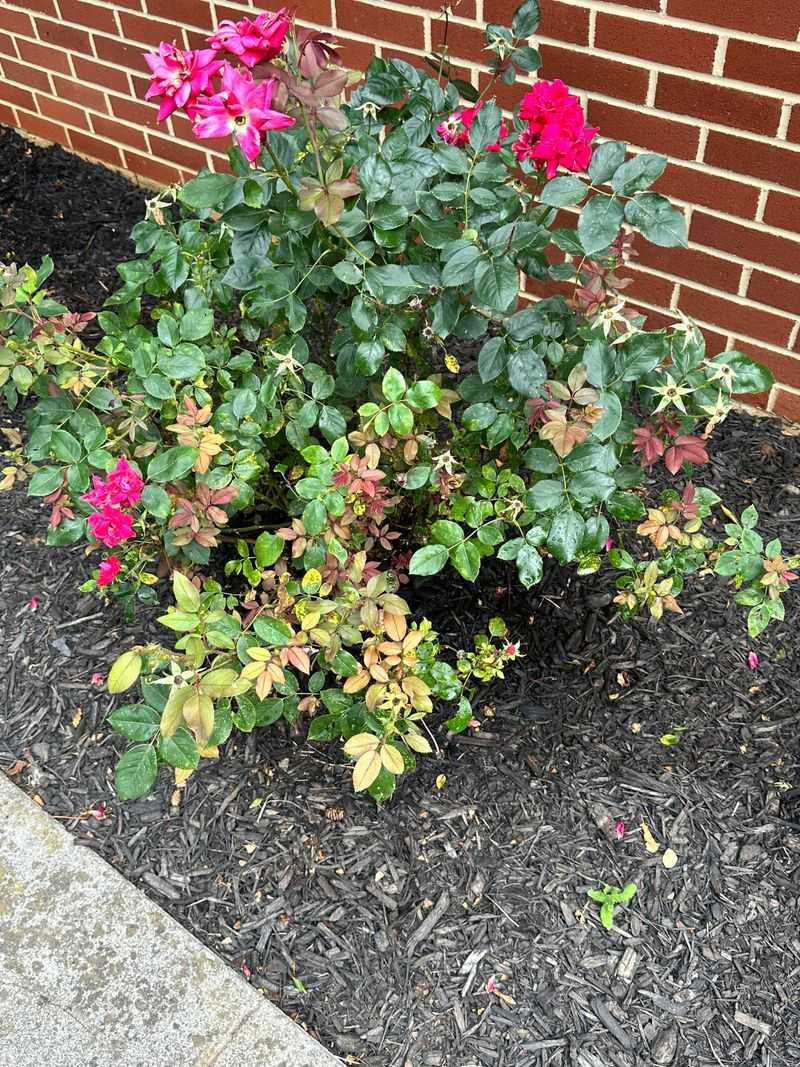
Planting Knockout Roses too close together feels like a smart way to fill a space quickly. In reality, crowding these shrubs creates a cluster of problems that reduce blooming and invite disease.
Standard Knockout Rose varieties typically spread three to four feet wide at maturity. Double Knockouts can reach four to six feet across.
Planting them eighteen inches apart might look fine at first, but within two seasons those plants are competing hard for space, light, and nutrients.
Poor airflow is one of the most direct consequences of crowding. When branches overlap and foliage stays dense and packed together, moisture lingers on leaves after rain or irrigation.
That wet environment is exactly what fungal diseases need to spread.
Black spot and powdery mildew both thrive in low-airflow conditions. While Knockout Roses have better disease resistance than many other rose varieties, they are not immune.
Crowding weakens that resistance significantly over time.
Root competition is another real issue. Tightly spaced shrubs compete for water and nutrients in the same soil zone.
That competition stresses the plants and reduces their energy for flower production.
Proper spacing at planting is the easiest fix. For most Knockout varieties, four feet apart center to center gives each plant room to grow without crowding.
6. Allowing Disease Problems To Spread Unchecked

Spotting a few yellowing leaves and brushing it off as normal is a mistake that catches up with gardeners fast. Disease problems on Knockout Roses move quickly when left alone, and blooming is usually the first thing to suffer.
Black spot is the most common culprit across the Southeast. It shows up as dark circular spots on leaves, often surrounded by yellow halos.
Infected leaves drop early, and repeated defoliation weakens the plant significantly over time.
Rose rosette disease is a more serious threat that has been spreading across the region. It is caused by a virus transmitted by microscopic mites.
Symptoms include distorted growth, unusual red coloring, and excessive thorniness. There is no cure, and affected plants should be removed promptly to protect nearby shrubs.
Catching problems early makes a real difference. Walk through your garden regularly and look at the foliage closely.
Catching disease at the first sign gives you a much better chance of controlling it before it spreads.
For fungal issues like black spot, removing affected leaves and disposing of them in the trash rather than composting helps reduce the spread of spores. Avoid overhead watering, which splashes spores from the soil onto leaves.
7. Overlooking Root Competition From Nearby Plants
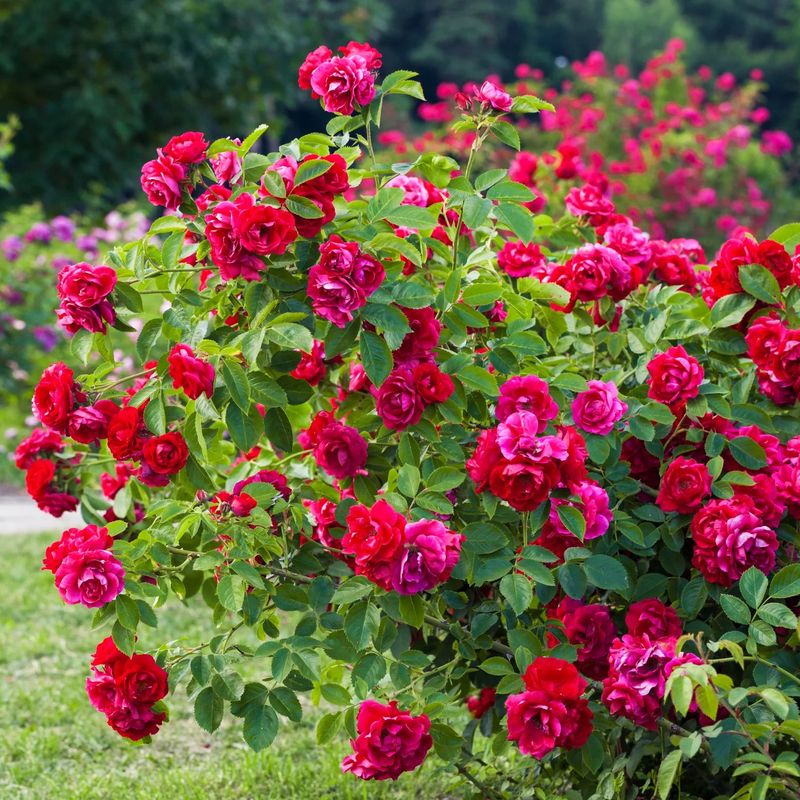
Planting Knockout Roses next to a large established tree can look great on paper but cause real headaches once the roots start competing.
Underground competition is invisible, which is exactly why so many gardeners overlook it.
Mature trees have aggressive, wide-spreading root systems that pull moisture and nutrients from a large area of soil.
Roses planted within that root zone often struggle to get enough of either, even when you water and fertilize regularly.
Shallow-rooted trees like maples and sweet gums are especially problematic neighbors. Their surface roots can physically crowd out rose roots and make it nearly impossible to establish a healthy, productive shrub nearby.
Signs of root competition include slow growth, smaller-than-normal leaves, reduced blooming, and plants that wilt quickly after watering. Those symptoms often get blamed on disease or poor soil when the real issue is underground competition.
Ornamental grasses, aggressive ground covers, and large shrubs can cause similar problems.
Anything with a dense, spreading root system planted too close to your roses will compete for resources.
Raised beds offer a practical solution in tight spaces. Building up the planting area with quality amended soil gives rose roots a zone to establish without immediately running into competition from nearby plants.