The Underrated Texas Native Perennial That Makes Fire Ants Less Welcome In Garden Beds
Bare patches of soil in a Texas garden bed are basically a welcome sign for things you did not invite.
Fire ants, in particular, have a well-documented appreciation for sunny, disturbed, open ground, and if your beds have gaps between plants, those spots are going to get noticed.
Not exactly the garden vibe anyone is going for. Here’s where Texas Frogfruit quietly enters the conversation.
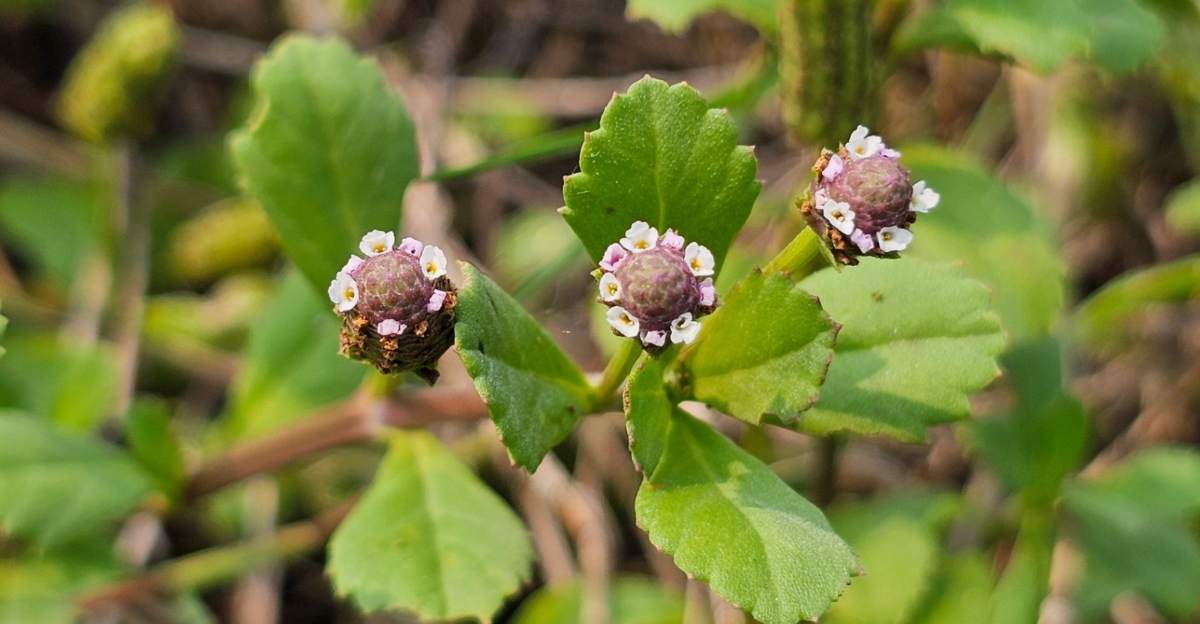
This low-growing native perennial spreads across bare soil with creeping runners, tiny flowers, and dense green mats that make beds look fuller and feel a lot less open.
Will it single-handedly solve a fire ant situation? No, and anyone who tells you otherwise is being a little generous with the truth.
But as part of a broader yard care approach, this underrated native covers ground, supports pollinators, and makes your beds genuinely less inviting to unwanted guests.
1. Texas Frogfruit Covers Bare Soil In Garden Beds
Bare soil between garden plants is one of the most common frustrations gardeners deal with from spring through fall.
When nothing is covering that exposed ground, it bakes in the heat, dries out faster, and becomes the kind of open, disturbed surface that fire ants tend to favor when they are scouting for a new home base.
Texas Frogfruit steps in as a low-growing native perennial that spreads across those open patches by sending out runners along the soil surface. Over time, the plant forms a dense mat that covers what was once bare ground.
That mat does not fix a fire ant problem, but it does change the surface conditions of your beds in a meaningful way.
Gardeners in Texas who have tried Frogfruit in their beds often notice that the plant fills in gradually, especially in spots that get full sun or partial shade. It works well along bed edges, between larger perennials, and in areas where mulch tends to thin out.
The coverage it provides can also help retain soil moisture, which matters a lot during hot Texas summers.
Frogfruit is not a magic solution, but as a ground-cover choice in a native plant bed, it earns its spot by simply being there and doing the quiet work of keeping soil covered and beds looking fuller than they would otherwise.
2. Low Growth Makes Open Ground Less Exposed
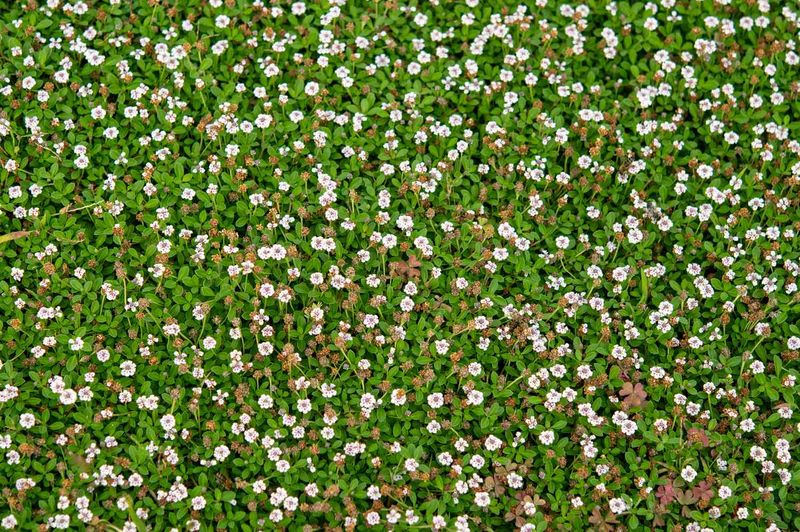
Walk along the edge of a Texas garden bed where Frogfruit has settled in, and you will notice something right away.
The plant stays remarkably low to the ground, rarely growing taller than a few inches, which means it does not compete visually with taller perennials nearby.
That low profile is one of its most useful traits.
When ground is left open and flat in a Texas garden bed, it tends to stay warm and undisturbed in a way that attracts fire ants looking for a place to establish a mound.
Covering that flat, exposed surface with a low-growing plant like Frogfruit does not repel fire ants outright, but it does change what the ground looks and feels like from an ant’s perspective.
Your Texas Garden Changes Every Week. Your Plan Should Too.
Gardening in Texas changes quickly throughout the season. Every Friday you’ll receive a simple weekly plan showing exactly what to plant, prune, fertilize, harvest, and protect so you never miss the right timing.
Dense, low plant cover creates a different kind of environment than bare, open soil.
The low growth habit also means Frogfruit can tuck itself into spots that other plants simply cannot reach. It fills in along the base of taller plants, creeps along bed borders, and works well in narrow strips between walkways and planting areas.
Gardeners who want coverage without height often find that Frogfruit fits those tricky low spots better than almost any other native option.
Keeping the ground covered at that low level is one of the simplest cultural practices you can use to make a bed feel more complete and less exposed throughout the growing season.
3. Spreading Runners Fill Gaps Between Plants
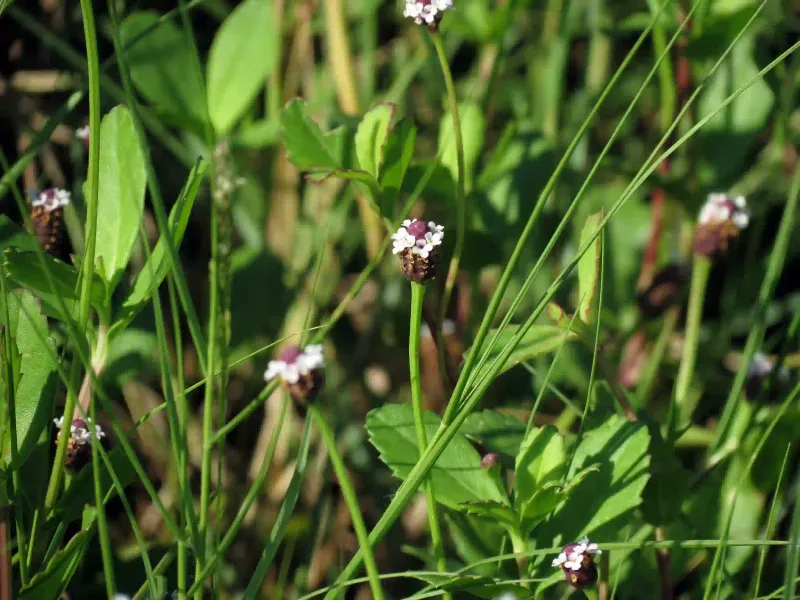
Runners creeping quietly across the soil surface are one of the things that make Texas Frogfruit so useful in a garden bed. Unlike plants that stay in one clump, Frogfruit sends out horizontal stems that move outward and root at nodes as they go.
That spreading habit is exactly what you want when you are trying to cover gaps between larger plants.
Those gaps are a common problem in Texas beds, especially during the first year or two after planting when new perennials have not yet filled in fully. Open spaces between plants look patchy, lose moisture faster, and tend to attract fire ants and weeds.
Frogfruit runners move into those spaces naturally, knitting the bed together in a way that mulch alone cannot replicate.
The spreading is gradual rather than aggressive, so Frogfruit is unlikely to overtake nearby plants if you give it reasonable attention.
You can redirect runners by hand or trim the edges of the patch when needed, which keeps it from wandering too far into areas where you do not want it.
In beds with mixed native perennials, Frogfruit works as a kind of living connective tissue that ties the planting together visually and physically.
It is not a fast fix, but over a full growing season, those runners can cover a surprising amount of ground and make a once-patchy bed look considerably more put together and complete.
4. Living Ground Cover Adds More Habitat Diversity
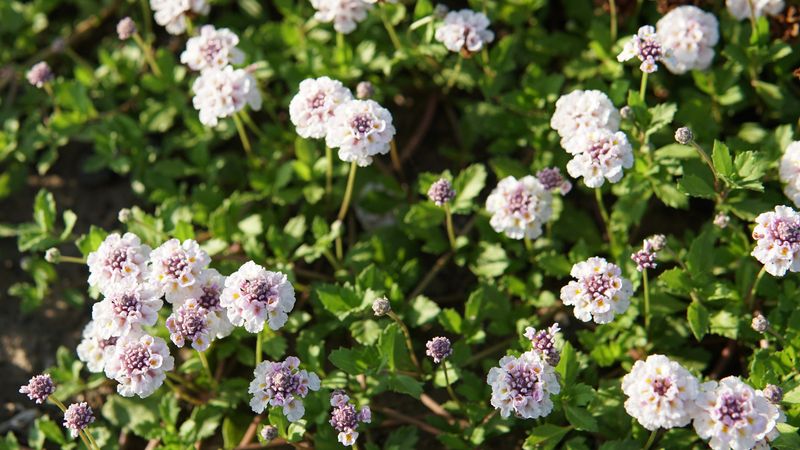
A garden bed with several layers of plant life is generally a healthier and more resilient space than one with just a few tall plants and a lot of bare soil between them.
Adding a low-growing native like Texas Frogfruit to an existing bed introduces another layer that benefits the overall habitat without requiring much space or effort.
Plant diversity matters because different plants support different insects, soil organisms, and small wildlife in different ways. A mat of Frogfruit at ground level creates microhabitat that bare soil simply cannot offer.
Spiders, ground beetles, and beneficial insects that help with natural pest management often prefer areas with some low plant cover rather than open, exposed ground.
From a broader garden health perspective, more plant diversity at the soil surface can also support better soil biology over time.
Roots from low-growing plants like Frogfruit help hold soil in place, reduce compaction from rain, and add organic matter as the plant grows and sheds material through the seasons.
None of this eliminates fire ants, but it contributes to a more complex garden environment where no single pest has an easy foothold.
Texas gardeners who are working toward a more naturalistic landscape often find that adding a ground-cover layer is one of the most effective ways to shift a bare, simplified bed into something that feels genuinely alive and layered throughout the year.
5. Tiny Flowers Support Pollinators While Covering Soil
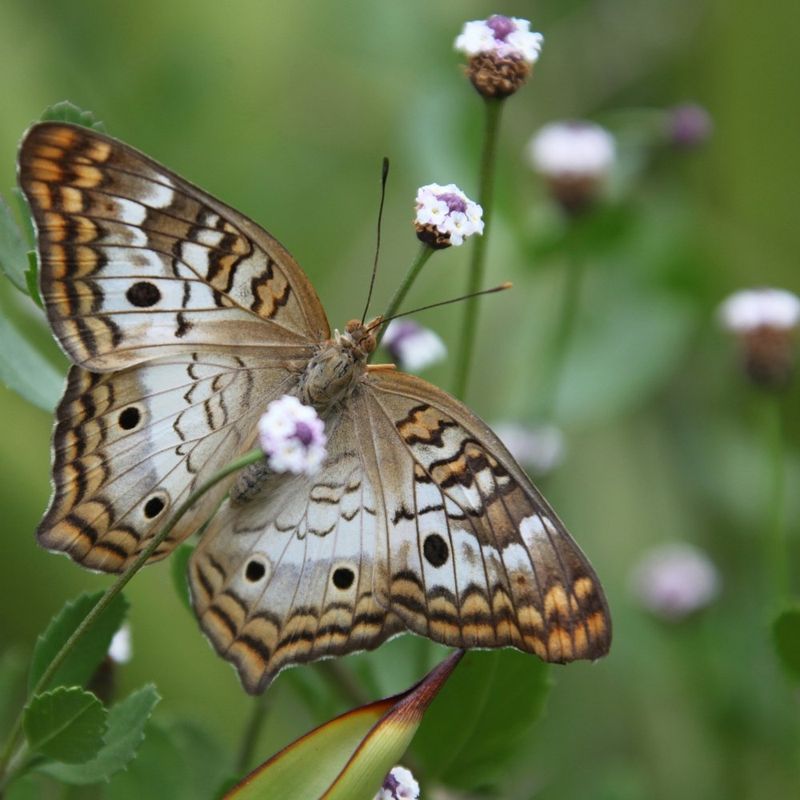
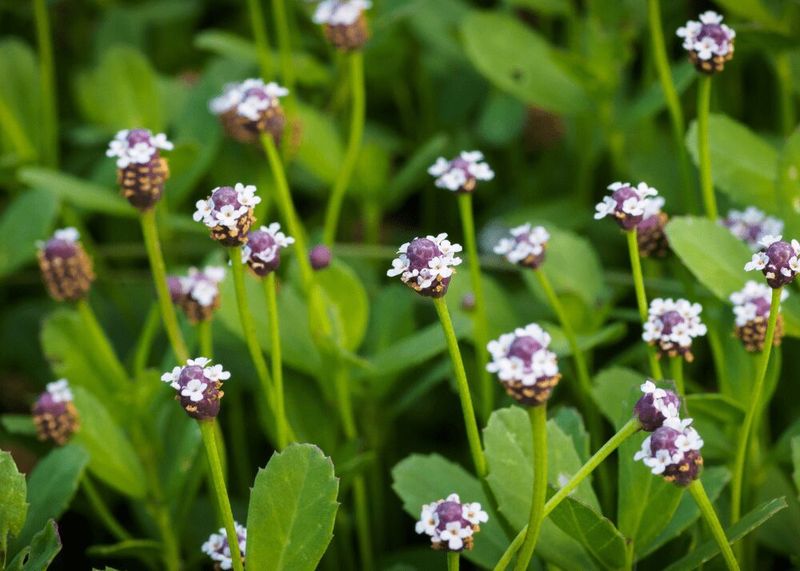
Up close, the flowers of Texas Frogfruit are surprisingly pretty for such a small plant. Each bloom is tiny, white, and clustered on short upright stalks that rise just above the mat of leaves.
They are easy to overlook from a distance, but get down to ground level and you will often find small bees, butterflies, and other pollinators working those blooms with real enthusiasm.
Frogfruit is known to support a range of native pollinators in Texas, including small native bees and the caterpillars of certain butterfly species that use the plant as a host. That ecological role gives the plant value beyond just covering soil.
A garden bed that supports pollinators is more active, more connected to the local landscape, and more interesting to watch through the growing season.
The flowering period for Frogfruit can stretch across a good portion of the warm season, which means pollinators have access to those small blooms for an extended stretch of time.
That consistency matters for supporting insect populations that need reliable food sources.
Adding a plant that covers bare soil and feeds pollinators at the same time is a straightforward way to get more out of a small garden space.
Texas native plant gardeners often appreciate that Frogfruit pulls double duty without needing much in return, making it a low-effort, high-value addition to almost any pollinator-friendly bed.
6. Warm Years May Keep It Looking Green Longer
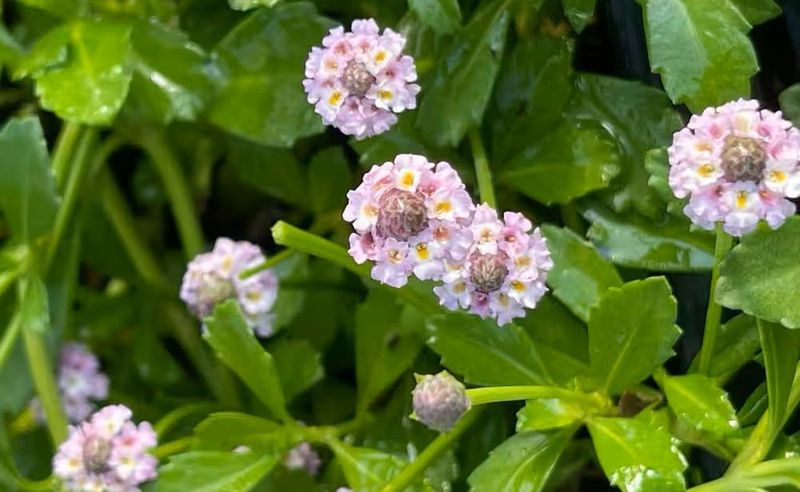
One of the quieter benefits of growing Texas Frogfruit is what can happen during mild winters and extended warm stretches.
In parts where winters stay relatively gentle, Frogfruit may hold onto its green color well into the cooler months, giving garden beds a little visual life when most other plants have gone dormant or pulled back for the season.
That extended greenery is not guaranteed. How long Frogfruit stays green depends heavily on your specific location in Texas, your local frost patterns, and how cold a given winter turns out to be.
In the southern parts of the state, it may stay green nearly year-round in warm years. In central or north Texas, it may go dormant during hard freezes and come back in spring.
Either way, the plant tends to be reliable about returning.
For gardeners who are tired of looking at brown, bare beds from November through February, even a few extra weeks of ground-level green can make a difference in how a yard feels.
Frogfruit does not promise year-round coverage everywhere in Texas, but in beds where winters are mild, it can be one of the last plants to fade and one of the first to show new growth in spring.
That kind of seasonal reliability is worth considering when you are choosing native ground covers for a landscape that you want to look cared-for across multiple seasons.
7. Light Mowing Can Keep The Patch Tidier
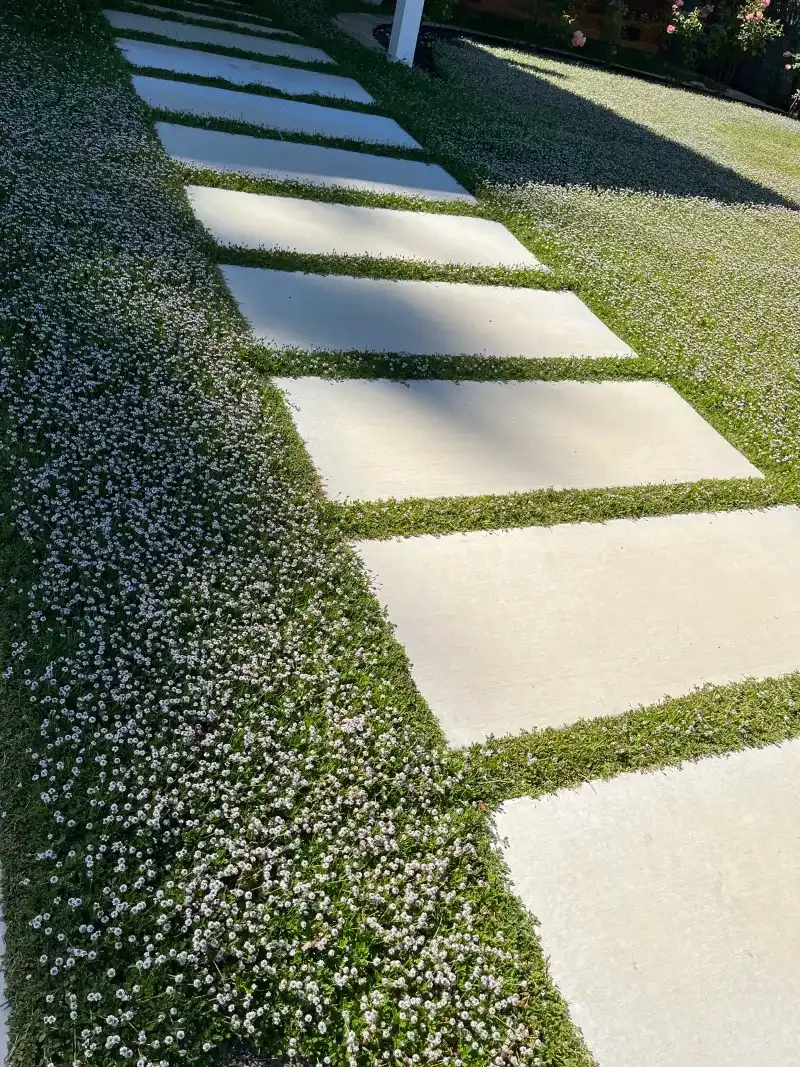
One thing that surprises some gardeners about Texas Frogfruit is how well it handles a light pass from a mower. Because the plant stays low and spreads horizontally, it can be trimmed occasionally to keep a patch looking neat without causing it much setback.
A mower set to a higher cutting height can skim the top of a Frogfruit mat and tidy up any runners that have gotten a little shaggy at the edges.
This is especially useful in beds that are visible from the street or along front walkways where you want the ground cover to look intentional rather than overgrown.
Light mowing is not something Frogfruit needs regularly, and cutting it too short or too often could stress the plant, so occasional and gentle is the right approach.
Trimming the edges by hand is another option for smaller patches or areas near other plants where a mower would be awkward to use.
Keeping a Frogfruit patch tidy also helps the plant look like a deliberate garden choice rather than a weed taking over the bed.
Texas gardeners sometimes hesitate to try native ground covers because they worry the plants will look messy or out of control.
With a little light maintenance, Frogfruit can stay compact, green, and clearly intentional. That kind of easy-care tidiness makes it a practical option for gardeners who want native coverage without spending a lot of time on upkeep throughout the season.
8. Frogfruit Works Well With Smart Fire Ant Management
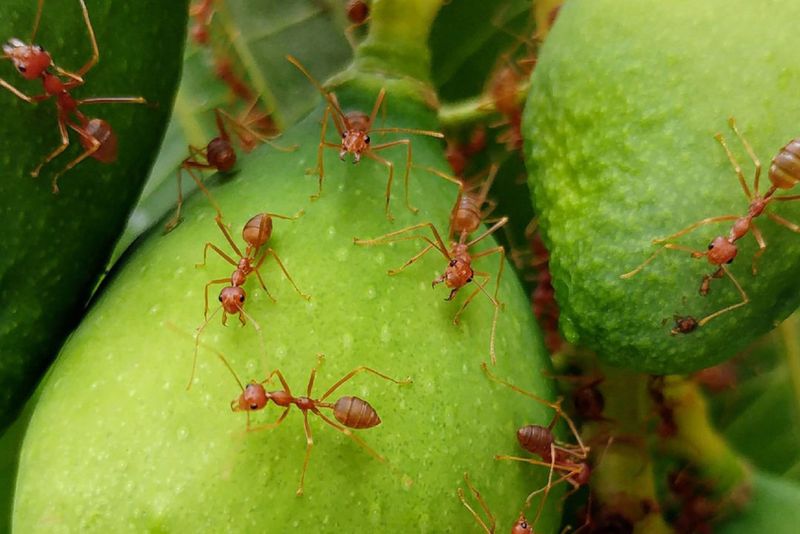
Frogfruit works best when it is treated as part of smart fire ant management, not as a plant that handles the problem by itself.
This Texas native perennial spreads by runners and forms a low ground cover, which can help fill bare spaces between plants and make a garden bed feel less open and exposed.
That matters because red imported fire ants often favor open, sunny areas, especially where soil is disturbed.
A living ground cover like frogfruit can add plant diversity, soften bare soil, and bring in tiny flowers that support pollinators while still keeping the bed low and manageable.
The key is to stay realistic. Frogfruit does not repel fire ants, and Texas A&M fire ant guidance notes that cultural practices alone will not take care of fire ants on their own.
It works better as one layer in a broader plan that may include monitoring mounds, managing irrigation, avoiding unnecessary soil disturbance, and using properly labeled fire ant products when needed. Frogfruit also needs practical care.
Its runners can spread into open gaps, and occasional light mowing or edging can help keep the patch tidier.
In a Texas garden bed, the real value is that frogfruit turns empty ground into useful living cover while still leaving room for a thoughtful fire ant strategy.