The One Thing Michigan Gardeners Should Do To Hibiscus Before August Or Bud Drop Ruins The Bloom
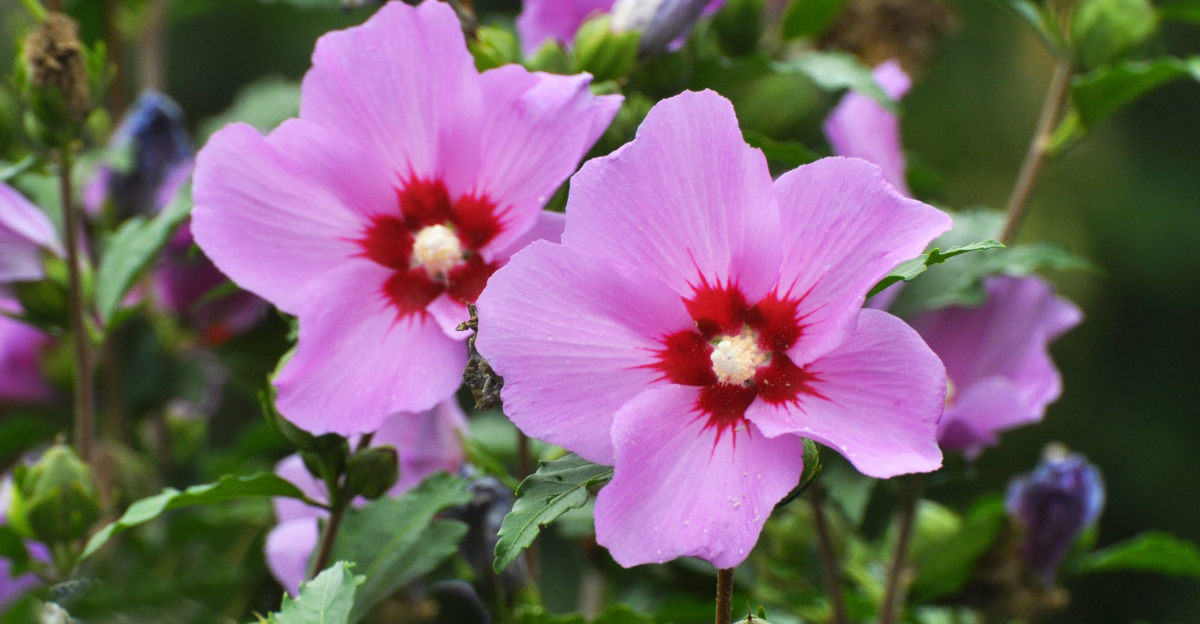
Hardy hibiscus builds anticipation all season long with those enormous buds that promise something spectacular, which makes bud drop hitting right before peak bloom one of the most frustrating moments in the Michigan garden calendar.
It happens fast and it looks devastating, but it is almost never random. Bud drop in Michigan hibiscus traces back to one specific unmet need that creates enough plant stress to trigger defensive bud shedding before flowers ever open.
August arrives quickly, and the window for addressing this before it becomes a problem is shorter than most gardeners expect.
Getting this one thing done now is what separates a hibiscus that delivers its full summer display from one that drops its best buds before anyone gets to enjoy them.
1. Keep The Soil Consistently Moist
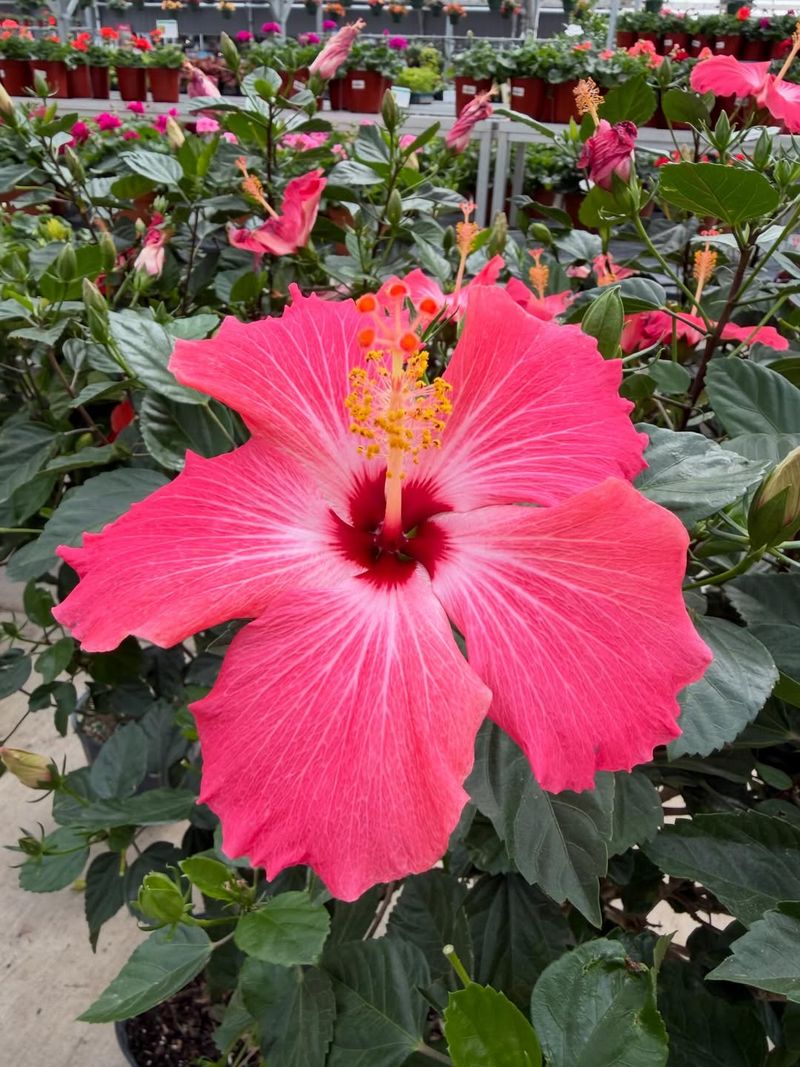
Hibiscus plants are surprisingly sensitive to the way their soil feels from one day to the next. When the ground swings between bone dry and suddenly soaking wet, the plant gets confused and stressed.
That stress shows up fast, and the first thing to go is usually the buds.
Uneven watering is one of the most common reasons Michigan gardeners find their hibiscus dropping buds before August even arrives.
The plant puts so much energy into forming those buds, and when moisture becomes unpredictable, it pulls back resources to protect itself. Buds become the first sacrifice.
The fix is simpler than most people expect. You want the soil to stay evenly moist, like a well-wrung sponge, not dripping wet and not dusty dry.
Checking the soil every day or two during July heat helps you stay ahead of the problem before it starts.
Consistency is truly the key word here. A steady watering routine gives hibiscus roots the reliable moisture they need to keep pushing energy into buds and blooms.
Think of it as giving your plant a dependable daily rhythm it can count on. Once you build that habit, your hibiscus will reward you with big, bold flowers all the way into late summer and beyond.
2. Check Containers Every Day
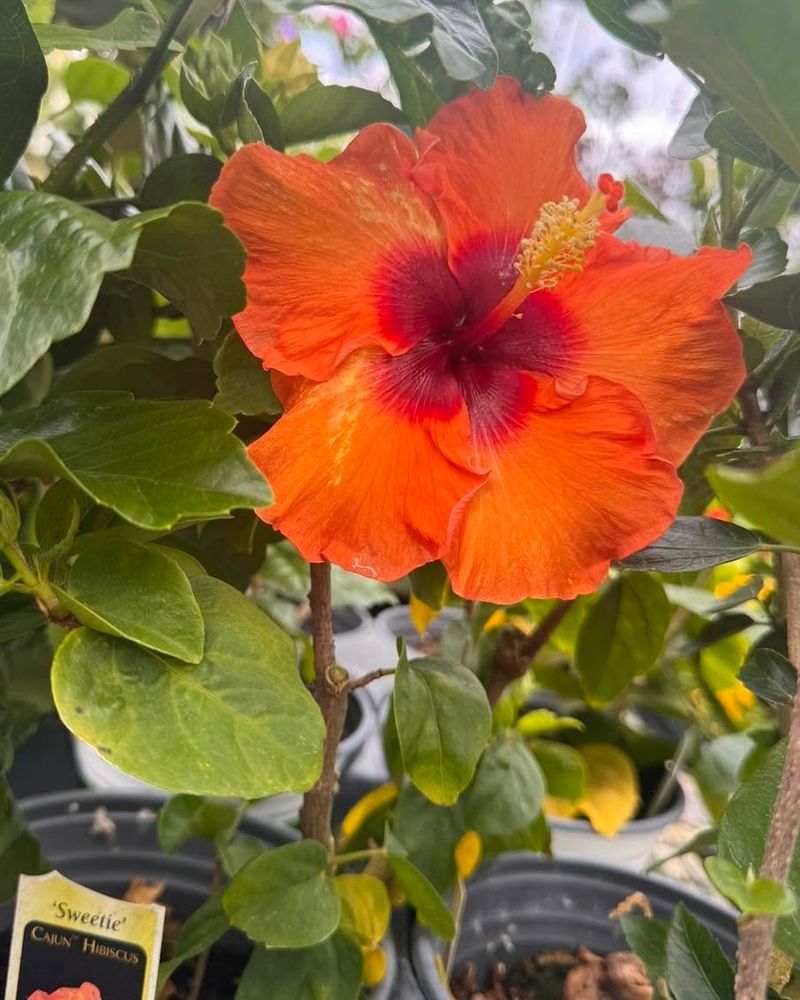
Potted hibiscus on a Michigan patio can go from nicely moist to dangerously dry in just a few hours on a hot July afternoon. Containers simply do not hold water the way an in-ground garden bed does.
Add in a breezy, sunny deck or a south-facing balcony, and that drying process speeds up even more.
Most gardeners water their pots every couple of days and assume that is enough. During the peak of Michigan summer heat, that schedule often falls short.
A container sitting in full sun on a concrete patio can lose moisture rapidly, leaving roots parched by midday even if you watered that morning.
Building a daily check into your routine takes less than two minutes. Just press your finger about an inch or two into the potting mix.
If it feels dry at that depth, go ahead and water thoroughly right then. That small habit can prevent a major bud drop event before it starts.
Your Michigan Garden Changes Every Week. Your Plan Should Too.
Gardening in Michigan changes quickly throughout the season. Every Friday you’ll receive a simple weekly plan showing exactly what to plant, prune, fertilize, harvest, and protect so you never miss the right timing.
Potted hibiscus are heavy bloomers, but they need consistent attention to perform at their best. The reward for those daily checks is a plant covered in gorgeous flowers rather than a pot full of fallen buds on the ground.
Make checking your containers part of your morning coffee routine, and your hibiscus will absolutely show off for you all summer long.
3. Water Deeply Instead Of Splashing Lightly
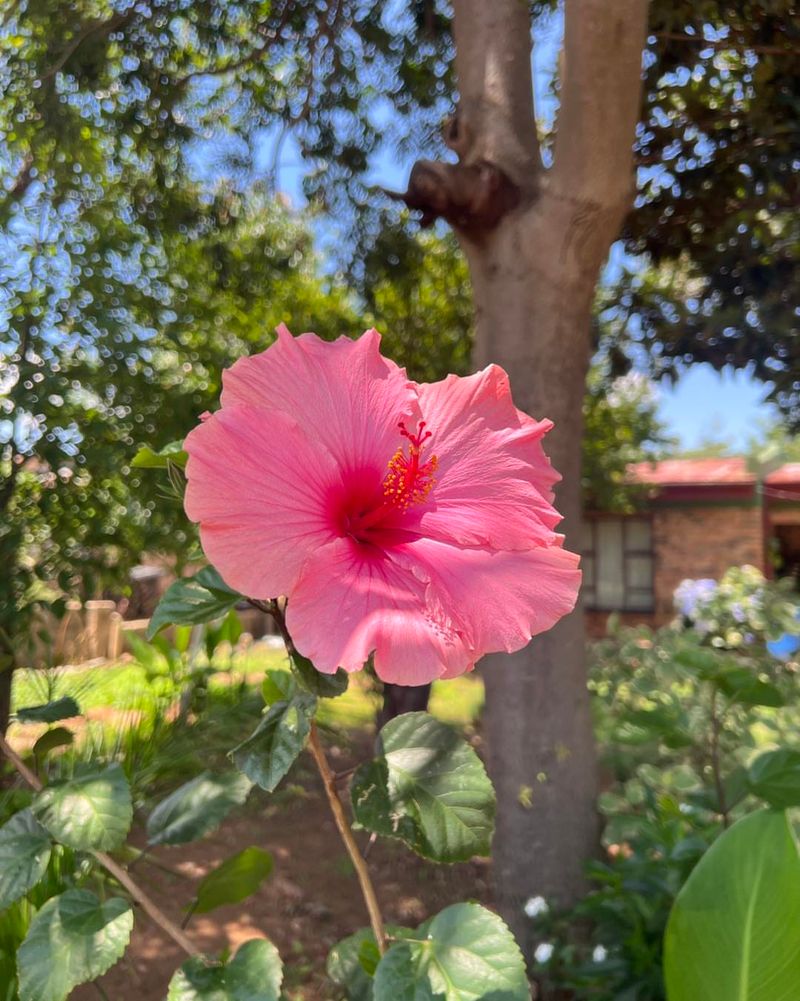
Quick surface watering might look like enough, but it rarely gets moisture where hibiscus actually needs it most. The root zone sits several inches below the surface, and a light splash barely reaches that depth.
Roots that stay dry cannot support the energy demands of forming and holding buds.
Deep watering means letting water soak slowly into the soil until the entire root zone is evenly moist. You can check this by digging a small hole a few inches down after watering to see if the moisture reached the roots.
If the lower soil still feels dry, you need to water longer or more slowly.
A soaker hose or a slow trickle from a garden hose works better than a quick blast from above. Slow watering allows the soil to absorb moisture evenly rather than letting it run off the surface.
This approach also reduces the chance of water stress swings that trigger bud drop.
After a deep watering session, let extra water drain away completely before the next watering cycle. Hibiscus roots need oxygen as much as they need moisture, so soggy soil is not the goal.
The sweet spot is deep, even moisture that supports every part of the plant, from roots all the way up to those beautiful buds waiting to open. Deep watering done consistently keeps hibiscus strong, stable, and ready to bloom.
4. Do Not Let Hibiscus Sit In Water
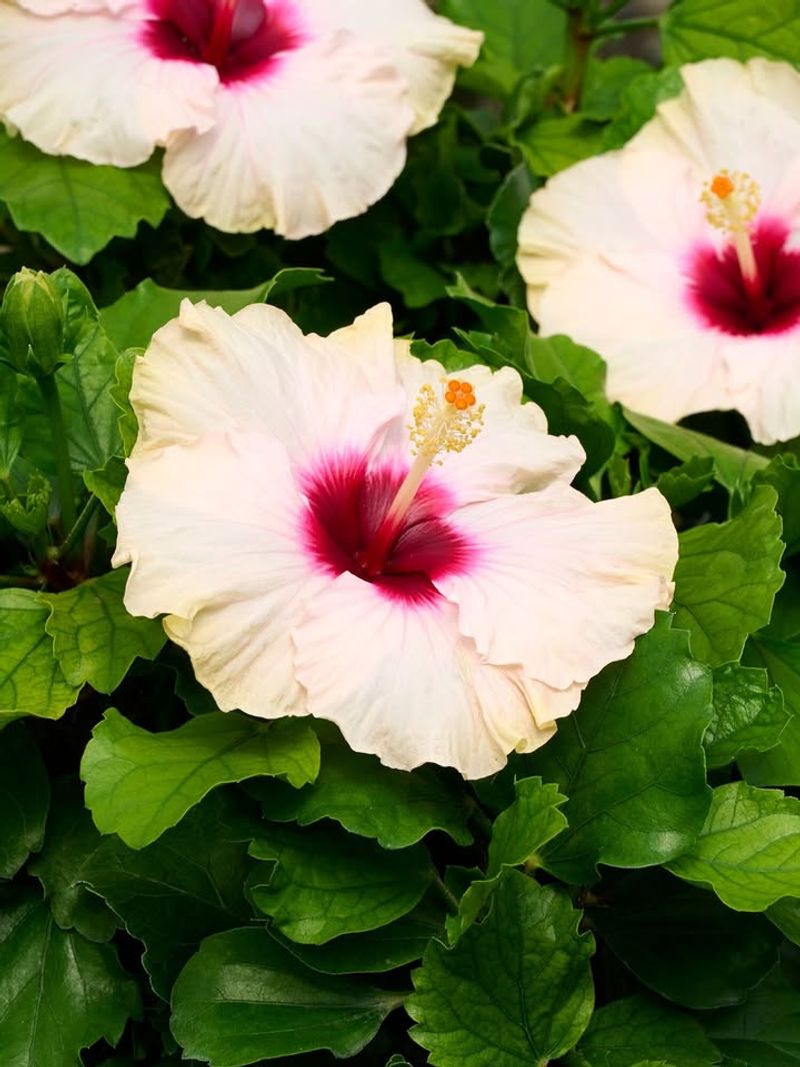
Steady moisture and soggy soil are two very different things, and hibiscus absolutely knows the difference.
Roots sitting in standing water cannot breathe properly, and a plant under that kind of root stress will start dropping buds just as quickly as one that dried out completely.
Overwatering is a sneaky problem because it looks like care but acts like damage.
Check the drainage holes at the bottom of your containers regularly. If water is not flowing freely out the bottom after watering, the holes may be blocked or the potting mix may be too dense.
Good drainage is just as important as good watering habits when it comes to keeping hibiscus healthy.
Saucers under pots are a common culprit. They collect water, and if the pot sits in that collected water for hours, the roots start to suffer.
Empty saucers after every watering session, especially during rainy stretches in Michigan when extra moisture accumulates without warning.
Garden beds can also stay too wet if the soil has poor drainage or if the planting area collects rainwater. Amending heavy clay soil with compost or coarse material before planting improves drainage significantly.
The goal for hibiscus is soil that holds enough moisture to stay evenly damp but never becomes waterlogged. Nail that balance, and bud drop from root stress becomes far less likely all the way through the hottest part of summer.
5. Mulch Garden Hibiscus Before Heat Builds
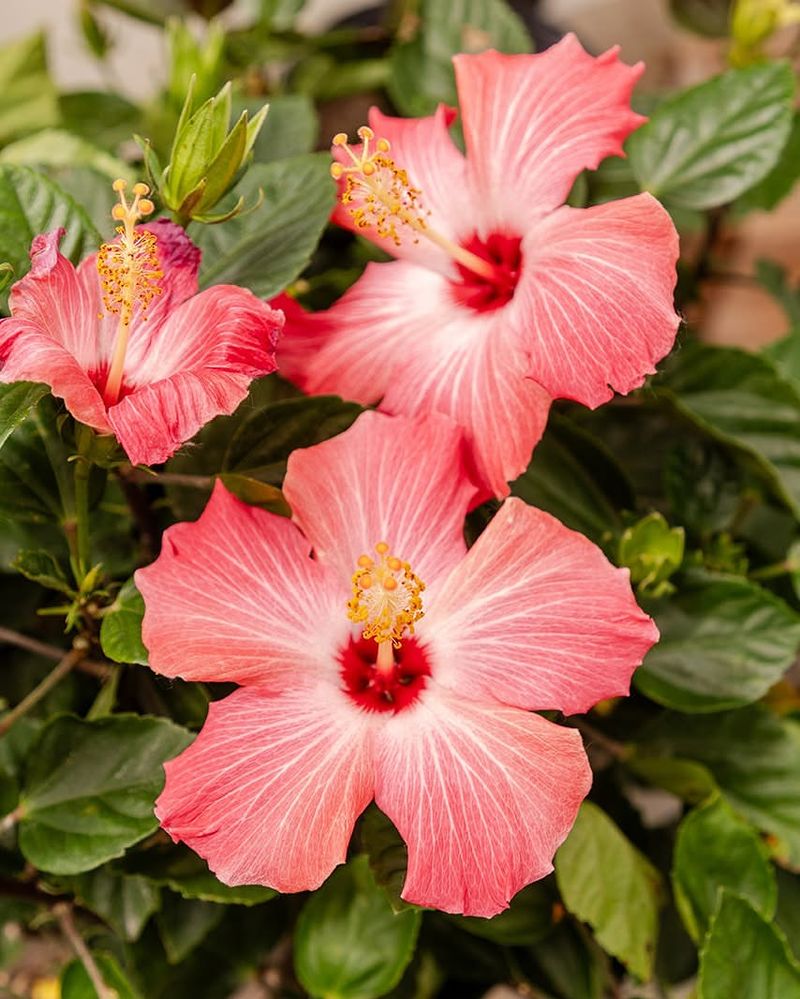
Mulch might be the most underrated tool in a Michigan gardener’s summer toolkit.
A good layer of mulch around in-ground hibiscus acts like a protective blanket for the root zone, slowing moisture evaporation and keeping soil temperatures from spiking during hot afternoons.
That stability means roots stay comfortable even when the air temperature climbs.
Hardy hibiscus growing in Michigan garden beds can benefit enormously from two to three inches of organic mulch applied before the real August heat sets in. Wood chips, shredded bark, or even straw all work well.
The key is getting it down early, before the soil has a chance to dry out and heat up significantly.
One important detail that gardeners sometimes overlook: keep mulch pulled back a few inches from the crown and base stems of the plant. Mulch piled directly against the stem can trap moisture against the tissue and create conditions that weaken the plant over time.
A small gap around the base lets air circulate freely. Beyond moisture retention, mulch also suppresses weeds that compete with hibiscus for water and nutrients.
Fewer weeds mean more resources available to the plant for what really matters during July, which is holding onto every bud and opening every bloom.
A well-mulched hibiscus bed simply performs better through summer heat, and the effort to lay it down takes only a few minutes per plant.
6. Move Potted Hibiscus Out Of Harsh Stress
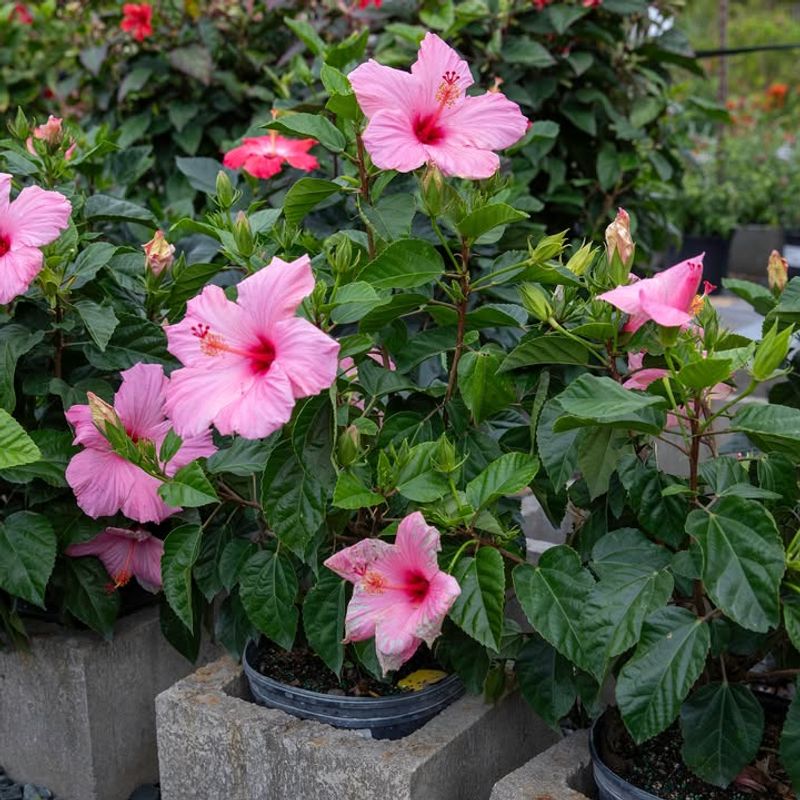
Potted hibiscus gives Michigan gardeners a flexibility that in-ground plants simply cannot offer. If buds keep dropping despite regular watering, the location itself might be the problem.
Extreme afternoon heat bouncing off concrete walls, dry wind whipping across an exposed balcony, or a spot that shifts between deep shade and blazing sun can all push a hibiscus into stress mode fast.
Tropical hibiscus thrives in bright sunlight, but there is a difference between good sun and punishing heat. A south-facing wall that reflects intense afternoon heat onto a pot can push soil temperatures high enough to stress roots even when the top of the soil feels moist.
Moving the pot just a few feet can change everything. Wind is another factor that often gets ignored. A steady dry wind pulls moisture out of both the soil and the leaves faster than most gardeners realize.
Positioning potted hibiscus in a spot with some wind protection while still receiving plenty of morning sun gives the plant the best of both worlds.
If you do need to move a potted hibiscus from a shadier spot to more sun, do it gradually over several days rather than all at once. Sudden light changes shock the plant and can trigger immediate bud drop.
Slow transitions, steady moisture, and thoughtful placement add up to a hibiscus that stays calm, comfortable, and covered in blooms right through the hottest Michigan summer days.
7. Watch Buds As A Moisture Warning
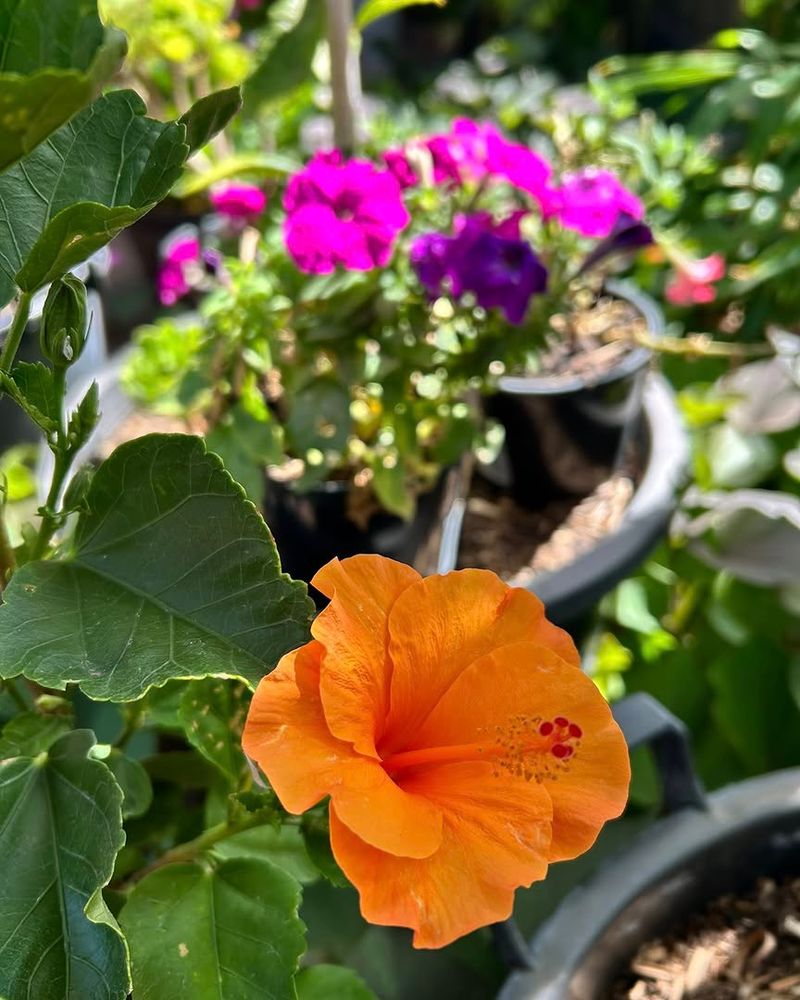
Hibiscus buds are like tiny reporters sending you real-time updates on how the plant is feeling. When buds start yellowing before they open or fall off the plant entirely, that is the plant telling you something is off.
Most of the time, the first thing worth investigating is soil moisture, because uneven watering is the most common trigger.
Yellowing buds can point to a few different problems, including heat stress, low light, sudden temperature swings, or root issues. Before jumping to conclusions, check the soil first.
Is it dry several inches down? Has the plant gone without water for longer than usual? Solving a moisture problem is almost always the right first step before anything else.
Bud drop is the plant’s way of managing its own survival. When resources feel limited, hibiscus prioritizes the root system and main stems over flowers and buds.
Understanding that logic helps you respond with the right fix rather than guessing at solutions that may not address the actual cause.
Keep a close eye on your hibiscus through July, especially during hot stretches or after a few days without rain. Catching early warning signs like slightly drooping leaves or buds that look dull and pale gives you time to adjust watering before a full bud drop happens.
Your hibiscus communicates clearly if you pay attention, and responding quickly to those signals makes the difference between a disappointing summer and a spectacular bloom show.
8. Avoid Heavy Feeding As The First Fix
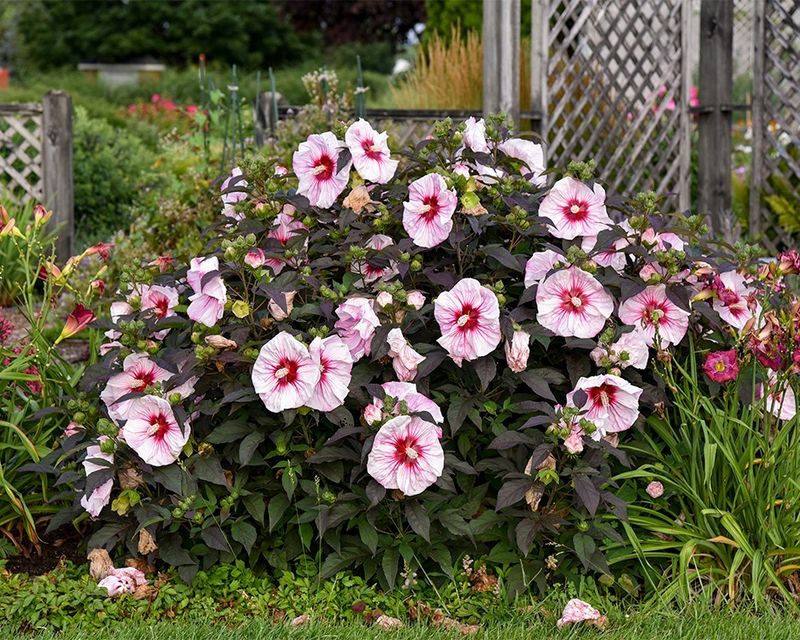
When hibiscus starts dropping buds, the instinct to reach for fertilizer is completely understandable. More nutrients should mean a stronger plant, right?
The reality is a bit more nuanced, and in many cases, pouring fertilizer onto a stressed or dry hibiscus can actually make the situation worse rather than better.
A plant under moisture stress cannot properly absorb or process fertilizer. Roots that are struggling to find adequate water are not in a good position to take up concentrated nutrients efficiently.
Adding fertilizer to that situation can create a salt buildup in the soil that adds yet another layer of stress to an already struggling plant.
The July priority for Michigan hibiscus is straightforward: get the moisture right first. Steady, consistent watering that keeps the root zone evenly moist should always be the first response to bud drop.
Once the plant is stable and well-hydrated, it will naturally start using whatever nutrients are already available in the soil.
Hibiscus does benefit from regular feeding during the growing season, and a balanced fertilizer with good potassium levels supports strong blooming once the plant is healthy and stable. But feeding comes after watering, not instead of it.
Think of fertilizer as a bonus for a plant that is already thriving, not a rescue tool for one that is struggling. Fix the moisture first, and your hibiscus will likely reward you without needing anything else right away.
9. Use Morning Watering For Better Stability
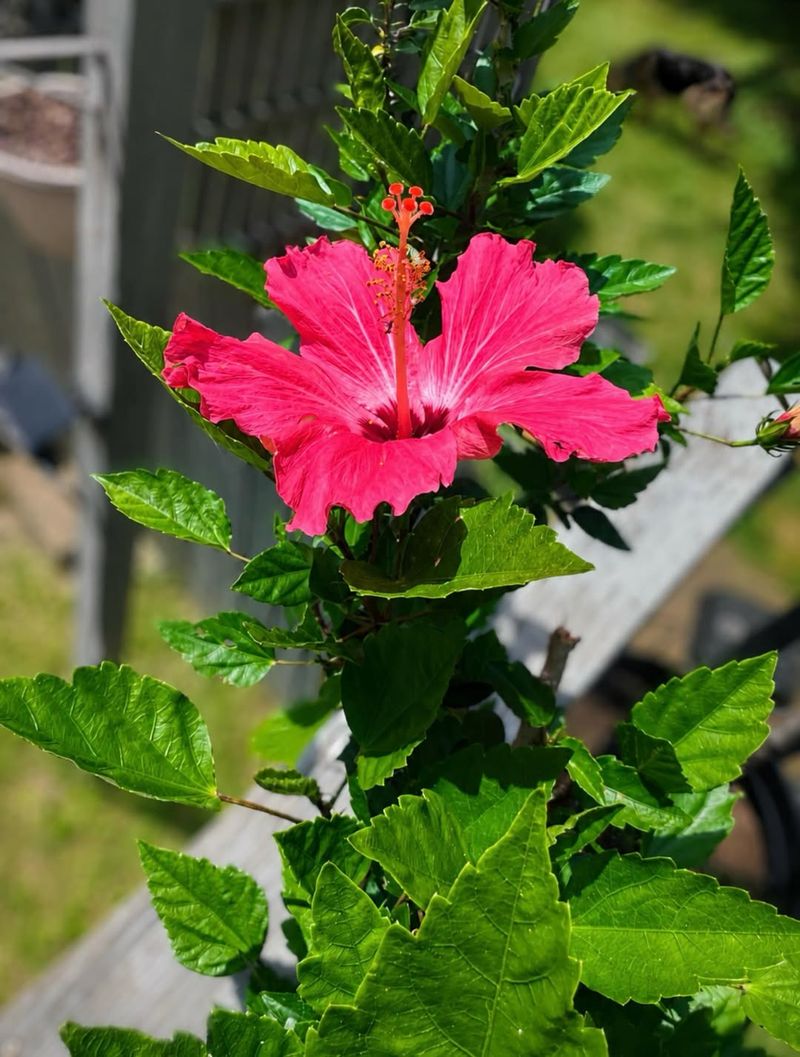
Timing your watering might seem like a small detail, but it genuinely matters for hibiscus during Michigan summers. Morning watering gives the plant a full tank of moisture right before the hottest and most demanding part of the day begins.
By the time afternoon heat peaks, the roots are already working with good hydration instead of playing catch-up.
Watering in the evening is not harmful, but it can leave foliage and the soil surface damp overnight, which sometimes encourages fungal issues in humid Michigan summers.
Morning watering allows the leaves to dry naturally during the day while keeping the root zone well-supplied with moisture when the plant needs it most.
For potted hibiscus on patios and decks, morning watering is especially valuable. Containers heat up quickly in full sun, and starting the day with thoroughly moist soil gives the pot a better chance of staying adequately hydrated through the afternoon.
You can always do a quick afternoon check and add a little water if the top of the soil has dried significantly.
Building a consistent morning watering routine also helps you notice changes in how quickly your hibiscus is using water. During a hot, dry stretch, you may find containers need water every single morning.
During a cooler, cloudier week, every other day might be plenty. Paying attention to those patterns helps you give your plant exactly what it needs without overwatering or underwatering.
That attentiveness is what keeps hibiscus blooming beautifully all the way through summer.
10. Protect The Bloom Show Before August
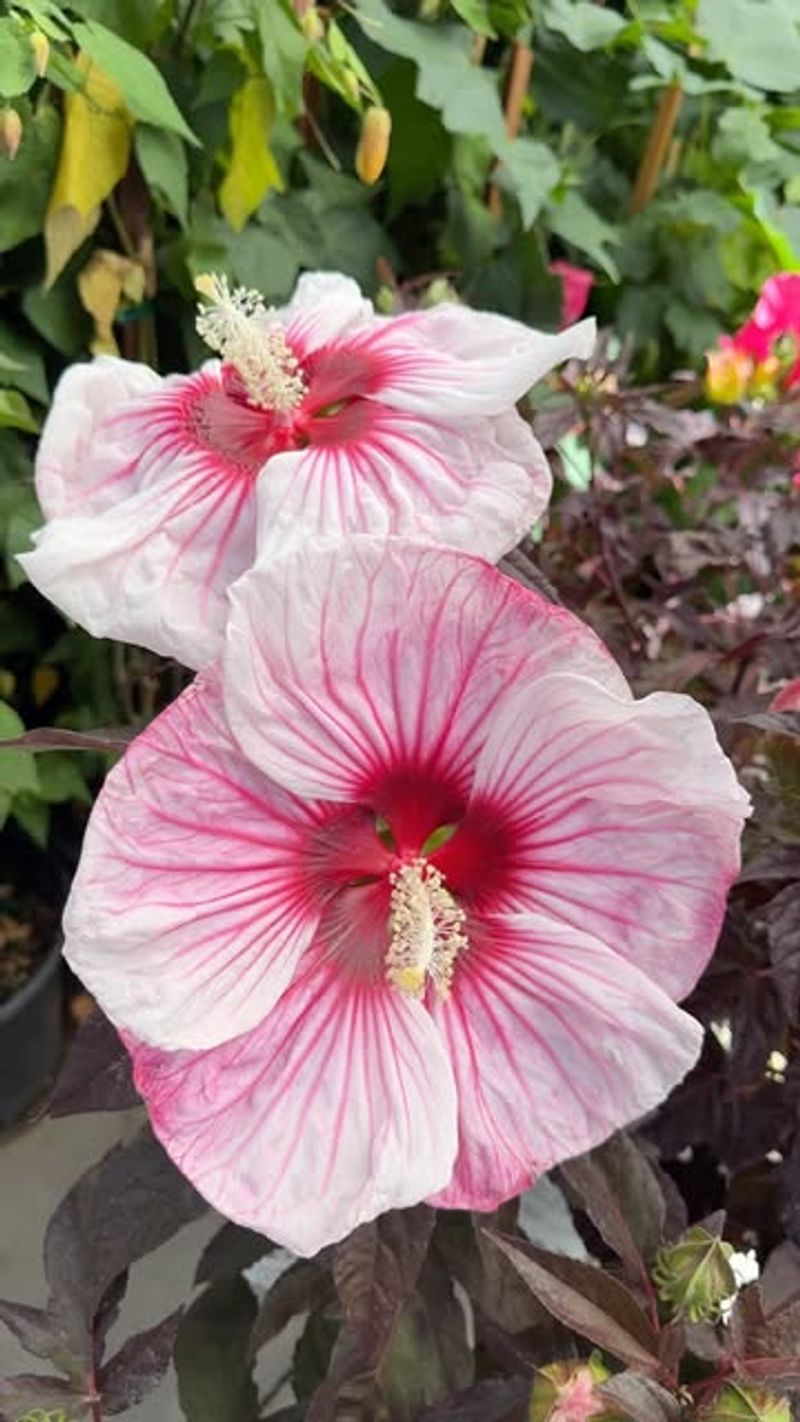
Everything you do for your hibiscus in July sets the stage for what happens in August. The buds forming right now on your plant are the bloom show you have been waiting for all season.
Protecting those buds means staying consistent with the habits that keep the plant stable, healthy, and well-supported through the hottest weeks of the year.
Steady soil moisture is the foundation of it all. Whether your hibiscus is growing in a garden bed or sitting in a pot on the patio, evenly moist soil is what keeps buds on the plant and flowers opening on schedule.
Add good drainage to that equation, and you eliminate two of the biggest bud drop triggers at once.
Mulch in the garden bed, daily checks on containers, deep watering instead of surface splashing, and smart placement for potted plants all work together as a simple but powerful care system.
None of these steps is complicated, and none requires special equipment or expertise. They just require consistency and a little attention each day.
August hibiscus blooms are absolutely worth the effort. Those enormous, tropical-looking flowers are one of the most rewarding sights in any Michigan summer garden.
The window to protect them is right now, in July, before bud drop has a chance to take hold. Keep the soil evenly moist, stay observant, and your hibiscus will reward every bit of care you put in with a bloom show that lasts well into the warmth of late summer.