The Herb New Jersey Gardeners Are Overlooking For A Stunning Blue Ground Cover
Somewhere between a ground cover and a secret, there is a plant that most gardeners walk right past. They never give it a second glance.
It spills over stone walls like a green and violet waterfall. It blankets dry slopes that nothing else seems to want.
Its scent hits somewhere between a pine forest and a lemon grove. New Jersey gardeners see it in nurseries constantly.
Yet few ever stop to ask what it actually is. This mystery plant handles the problems that make people give up on landscaping altogether. Eroding hillsides. Gravel beds that look bare all winter.
Yards that demand color without a constant hose in hand. It can thrive in the coastal, temperature swinging climate found in parts of New Jersey, especially milder zones.
It almost seems made for the region. Once you learn its name, you will wonder how you never noticed it before. Ready to find out what it is?
The Fragrant Ground Cover Hiding In Plain Sight
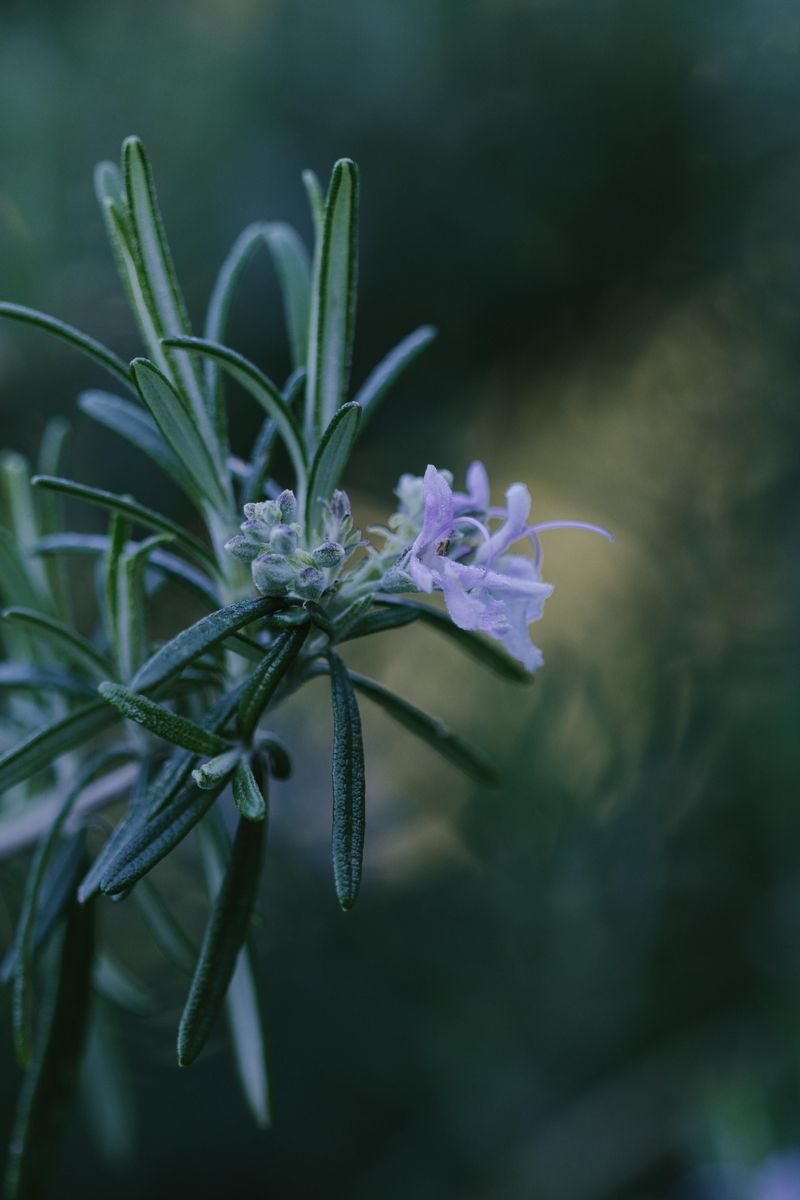
Walk past any garden center in spring, and it is easy to miss it. Creeping rosemary sits low on the shelf, overshadowed by flashier annuals and taller herbs.
Yet this plant is doing something remarkable. It spreads outward instead of upward, forming a dense, weed-suppressing mat that smells like a Mediterranean hillside on a warm afternoon.
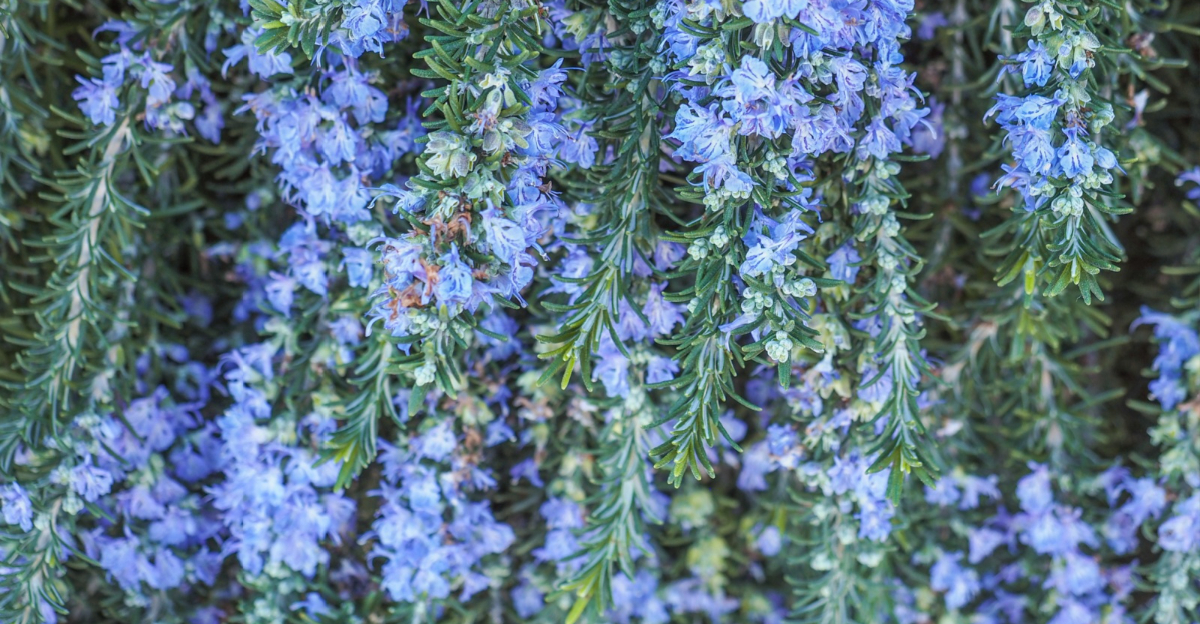
The blue ground cover aspect is what stops people mid-step when it blooms. Tiny flowers in shades of violet, lavender, and soft blue appear along every stem from late winter through spring.
That early bloom time is a serious advantage in colder climates. When most plants are still dormant, creeping rosemary is already putting on a show for pollinators and passersby alike.
The foliage itself earns its keep year-round. Needle-like leaves stay evergreen through most winters, giving the garden structure and color even when snow is nearby.
Gardeners who discover this plant tend to become enthusiastic converts fast. One season with creeping rosemary and the idea of planting plain mulch on a slope starts to feel like a missed opportunity.
The scent alone makes it worth growing. Brush against the stems while weeding nearby and the air fills with that sharp, clean rosemary fragrance that feels instantly energizing.
This is a herb that performs reliably across several garden uses. It asks for very little and gives back color, fragrance, texture, and ground coverage that most ornamental plants simply cannot match.
What Makes This Herb Different From Upright Rosemary
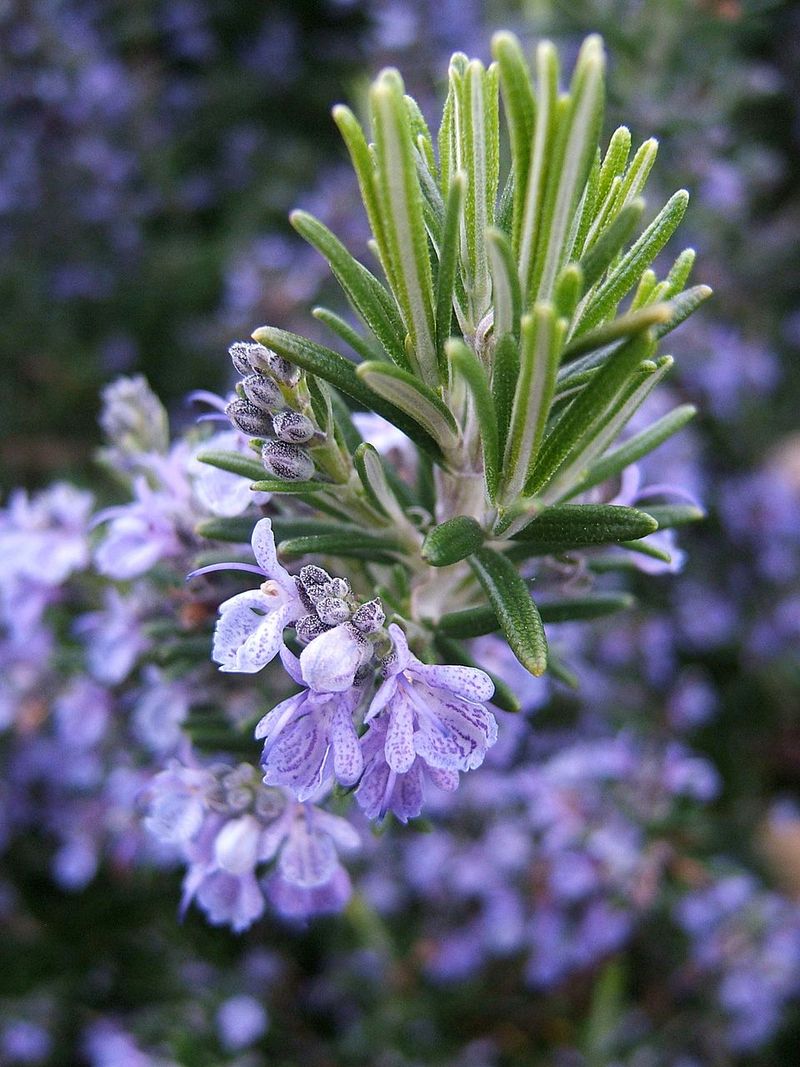
Upright rosemary grows tall and proud, like a small shrub with ambitions. Creeping rosemary took a completely different path, deciding to hug the earth instead.
The growth habit is the most obvious difference between the two. Upright varieties can reach four feet tall, while the creeping type rarely exceeds two feet in height.
What it lacks in height, it more than makes up for in spread. A single plant can extend six feet or more across a garden bed over several growing seasons.
Your New Jersey Garden Changes Every Week. Your Plan Should Too.
Gardening in New Jersey changes quickly throughout the season. Every Friday you’ll receive a simple weekly plan showing exactly what to plant, prune, fertilize, harvest, and protect so you never miss the right timing.
The stems on creeping rosemary are more flexible and trailing than those on upright types. They drape beautifully over walls, cascade down slopes, and weave between rocks with a natural, relaxed elegance.
Flavor-wise, both are equally useful in the kitchen. Snip a few stems from your ground cover and season a roast chicken or focaccia with the same confidence you would use with any rosemary.
The root systems differ too, and that matters for erosion control. Creeping rosemary anchors soil on slopes where upright varieties would simply wash away in a heavy rain. Cold hardiness is another area where the two types diverge slightly.
Most creeping varieties are rated for USDA zones 8 through 10, with some success in sheltered zone 7 spots. That means gardeners in central and northern New Jersey may need extra winter protection.
Understanding this distinction helps gardeners make smarter choices at the nursery. Once you know what the creeping form offers, the upright version starts looking like the lesser option for ground coverage.
Where It Thrives Best Climate And Growing Zones
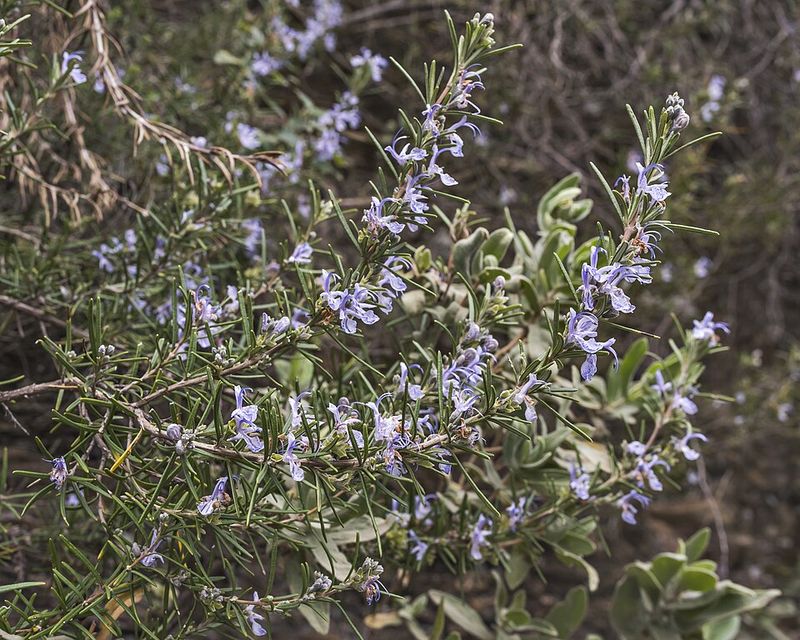
Full sun and sharp drainage — those two conditions are basically all creeping rosemary needs to flourish. Give it both and it will reward you for years without much fuss.
Most of New Jersey falls within USDA hardiness zones 6 through 7. This means many local gardeners fall outside its most reliable range and should treat it as a marginal perennial rather than a guaranteed one.
Zone 7 areas, including parts of southern New Jersey, can work well with some winter protection. The milder winters there allow the plant to stay evergreen and come back strong each spring.
In zone 6 regions, creeping rosemary is best treated as an annual or a container plant that can be moved indoors for winter. Ground protection alone often is not enough.
Sandy, coastal soils that frustrate many gardeners are actually perfect for this plant. Creeping rosemary evolved in the rocky, poor soils of the Mediterranean coast, so lean conditions feel like home.
Clay-heavy soils are the one real challenge. Amending with coarse sand or crushed gravel before planting dramatically improves drainage and gives roots the environment they prefer.
Humidity can be a concern during hot, wet summers. Spacing plants generously and avoiding overhead watering helps prevent the fungal issues that occasionally affect rosemary in humid climates.
The coastal breezes and sandy terrain found across much of the Garden State actually mimic Mediterranean conditions quite closely. That natural compatibility makes creeping rosemary a promising option for warmer, well-sheltered spots in local landscapes.
Best Uses In The Garden For Slopes, Xeriscapes, And Rock Gardens
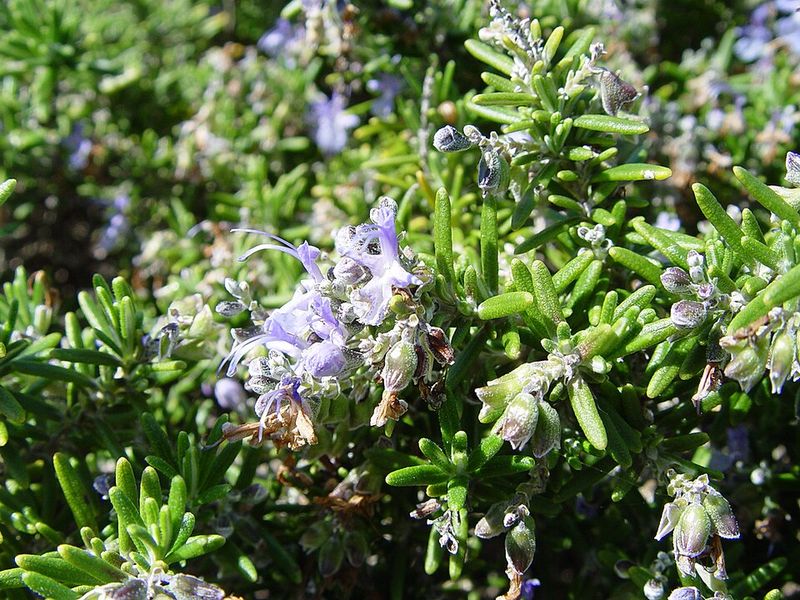
Slopes are where creeping rosemary truly earns its reputation. The trailing stems root as they spread, locking soil in place and reducing erosion far better than mulch alone.
A hillside that loses topsoil every time it rains becomes stable and attractive with a few seasons of creeping rosemary coverage. The transformation is both practical and genuinely beautiful.
Xeriscaping is gaining serious traction among water-conscious homeowners. Creeping rosemary fits perfectly into these low-water designs, thriving on rainfall alone once it establishes its root system.
Pair it with lavender, salvia, and ornamental grasses for a xeriscape planting that looks intentional and polished. The blue tones in the rosemary blooms tie the whole palette together effortlessly.
Rock gardens are another natural home for this trailing herb. It weaves between boulders and spills over stone edges in a way that looks like it has been growing there for decades.
The contrast between soft, aromatic foliage and hard stone creates a textural combination many garden designers aim for. Here, the plant does the work for free.
Container gardening is an underrated use that deserves more attention. Planted in a large pot or raised planter, creeping rosemary drapes over the sides and blooms prolifically with almost no extra care.
From driveways to terraced beds to front-yard hardscaping, the versatility of this blue ground cover is hard to overstate. Wherever drainage is good and sun is plentiful, this plant belongs.
Popular Varieties ‘Lockwood De Forest’ And ‘Blue Boy’
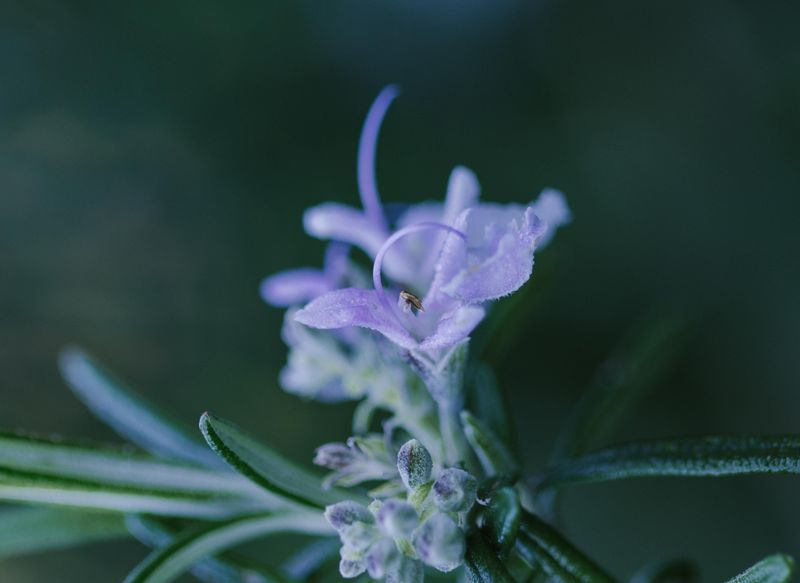
Not all creeping rosemary is created equal, and variety selection makes a real difference. Two names come up again and again among experienced gardeners: Lockwood de Forest and Blue Boy.
Lockwood de Forest is the showstopper of the group. It produces an abundance of bright, true-blue flowers that are more vivid than most other trailing varieties available at nurseries.
The spread on Lockwood de Forest is impressive too. Given space and sun, it can cover a six-foot area in just a few growing seasons without becoming invasive or difficult to manage.
Blue Boy takes a different approach entirely. This compact variety stays smaller and tidier, making it ideal for container planting, edging pathways, or filling smaller garden pockets between pavers.
The blooms on Blue Boy lean toward soft lavender rather than deep blue. That slightly softer tone pairs beautifully with silver-leafed plants like artemisia or dusty miller in mixed borders.
Both varieties share the same tough, drought-tolerant character that makes creeping rosemary such a reliable performer. Neither one demands much attention once it settles into well-drained soil with full sun exposure.
Other varieties worth exploring include Prostratus and Huntington Carpet. Each has its own flower color, spread rate, and cold tolerance, giving gardeners plenty of options for different site conditions.
Choosing the right variety for your specific spot is the first step toward a stunning, low-maintenance ground cover. Get that match right, and the plant practically takes care of itself from there.
Planting And Maintenance Tips For A Thriving Ground Cover
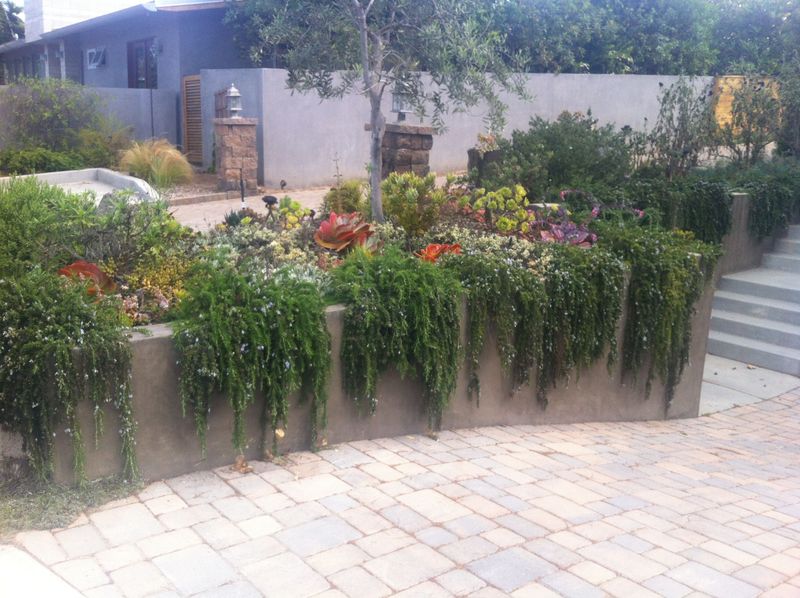
Spring planting gives creeping rosemary the longest possible establishment window before winter arrives. Set plants out after the last frost and they will have months to anchor their roots firmly.
Spacing matters more than most gardeners realize at first. Place plants about 24 to 36 inches apart to allow for their natural spread without overcrowding from the start.
Amend heavy or clay soil with coarse sand and perlite before planting. That single step prevents the root rot that is the most common reason creeping rosemary struggles in garden beds.
Water deeply once or twice a week during the first growing season. After that first year, rainfall alone is usually sufficient for an established plant in most climates.
Fertilizing is rarely necessary and can actually cause problems. Too much nitrogen pushes leafy growth at the expense of flowers and weakens the plant’s natural drought resistance over time.
Light pruning after the main bloom period keeps plants tidy and encourages fresh new growth. Avoid cutting back into old, woody stems since rosemary does not regenerate well from hard pruning.
Mulching with gravel or crushed stone rather than bark chips improves drainage and reflects heat. That extra warmth near the crown of the plant mimics the Mediterranean conditions it naturally prefers.
With the right setup, creeping rosemary becomes one of the most rewarding plants in the garden. For anyone seeking a stunning blue ground cover that asks for little and delivers everything, this overlooked herb is the answer.