8 Tasks On July Garden Checklist Massachusetts Gardeners Should Be Focused On Right Now
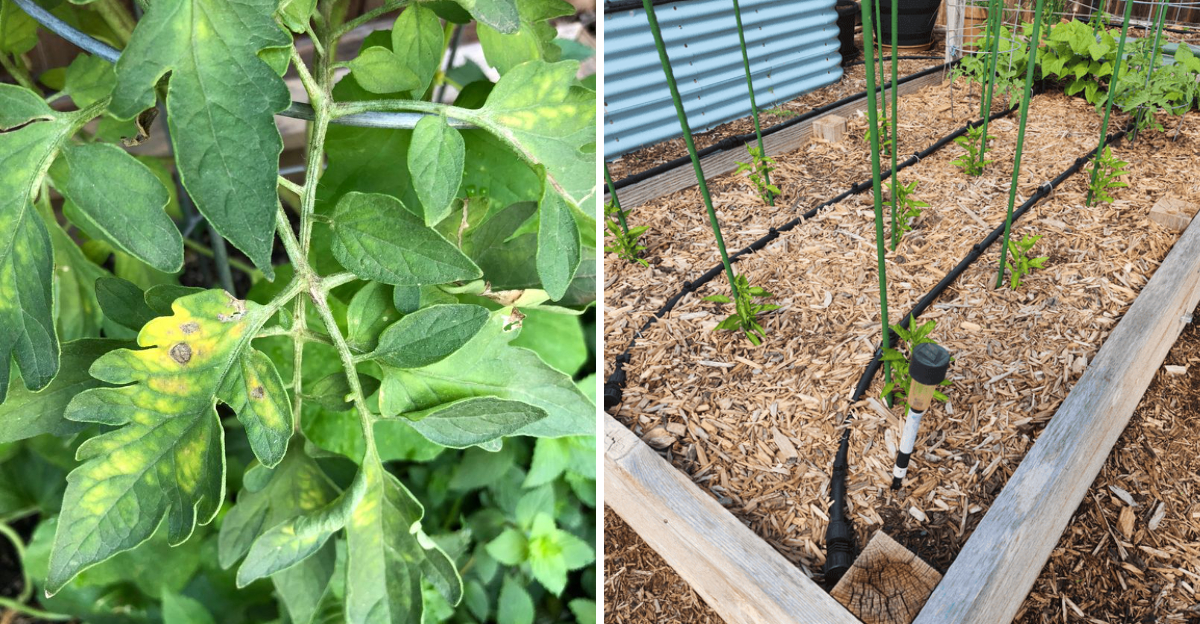
Blink and July has already rewritten your garden’s entire agenda. The seedlings you babied through June are suddenly sprawling, thirsty, and under attack from three directions at once.
Massachusetts summers don’t ease you in, they just show up, humid and relentless, and expect your plants to keep pace. Tomatoes are setting fruit while cucumber beetles circle, and one skipped watering day can undo weeks of careful growth.
This is the month where small oversights turn into real setbacks, and where a little attention pays off fast. Think of July less as maintenance and more as damage control with rewards attached.
Every hour you spend now, checking soil moisture, scouting for pests, staying ahead of the heat, comes back to you in August’s harvest. Skip this checklist and your garden will still survive. Follow it, and it thrives.
1. Watering Deeply And Consistently
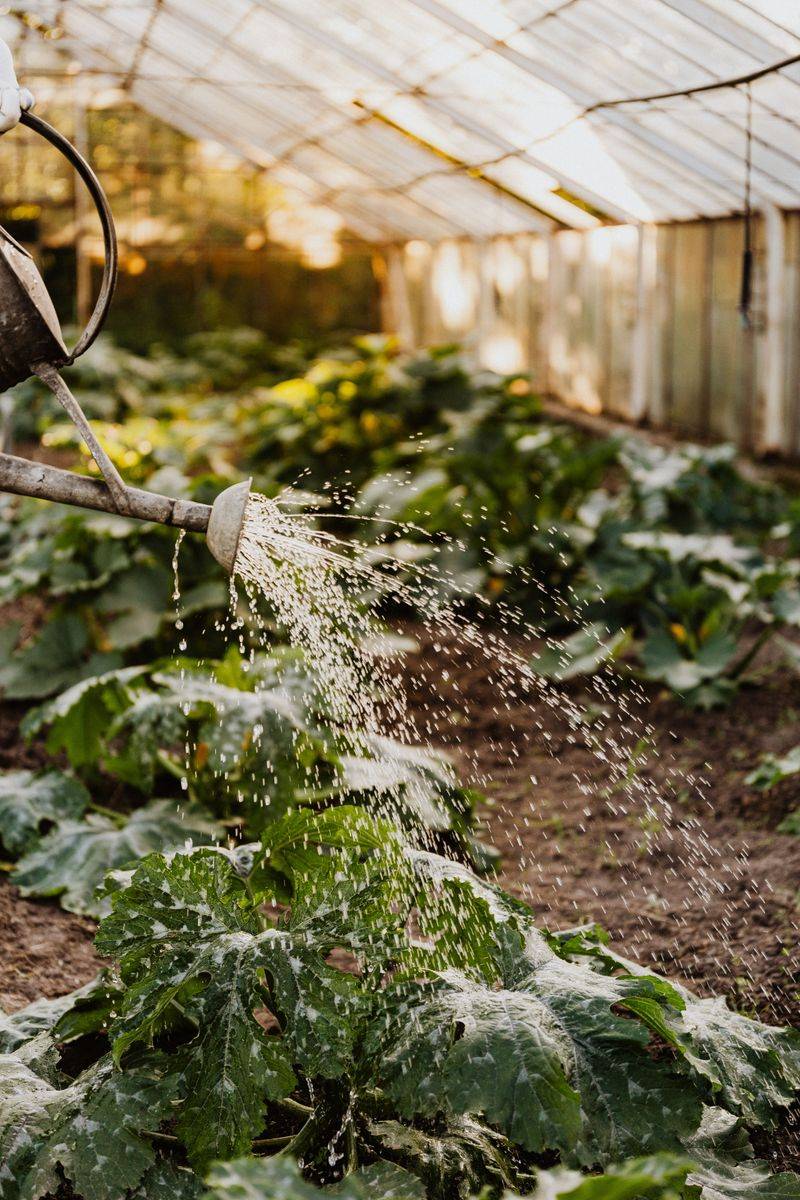
Shallow watering is a trap that fools a lot of gardeners every summer. Plants look fine on top, but their roots stay weak and stressed underneath.
Deep watering means soaking the soil at least six to eight inches down. That depth pushes roots further into cooler, more stable ground.
Massachusetts summers bring stretches of dry heat that can bake raised beds fast. Checking soil moisture two inches down before reaching for the hose is a smart habit.
Drip irrigation pays off fast in July. It delivers water right to the root zone and skips the leaf surfaces where fungal problems love to start.
Early morning is one of the best times to water your garden. Soil absorbs moisture before the afternoon sun can evaporate it away.
Overhead watering in the evening leaves foliage wet overnight. That damp environment invites disease quickly in a summer garden.
Clay soils hold moisture longer, but sandy loam drains quickly. Knowing your soil type helps you decide how often to water each bed.
Consistency matters more than volume. A steady schedule helps avoid the wet-dry cycles that trigger blossom end rot and cracked tomato skins.
Your garden will tell you when it is thirsty. Wilting in the morning, not just the afternoon heat, is a clear signal roots are struggling.
2. Succession Sowing Beans And Warm-Season Crops
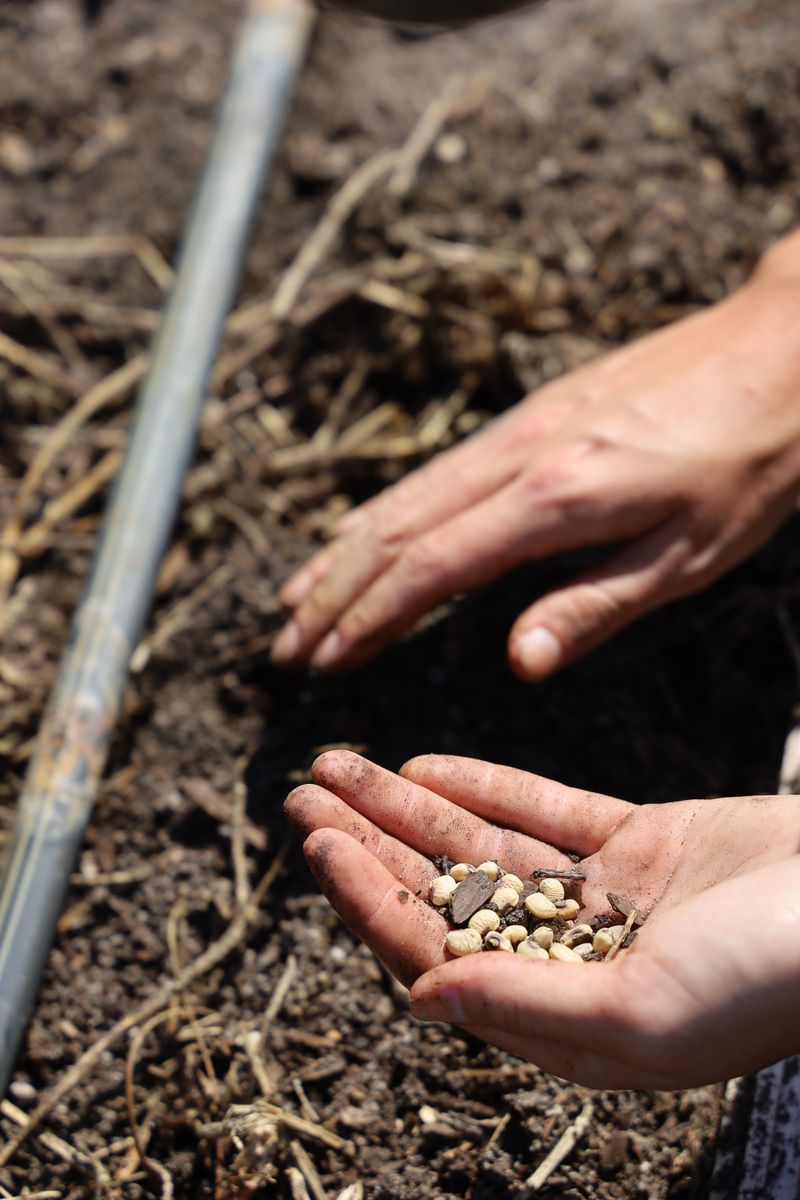
Most gardeners plant beans once and call it done. That single planting gives you one big flush of pods, then nothing for the rest of summer.
Succession sowing changes the whole game. Planting a new row every two to three weeks keeps fresh beans coming until frost threatens in fall.
Bush beans work well for this strategy because they mature fast, usually within 50 to 55 days. That timeline fits neatly into Massachusetts summers even when starting in mid-July.
Cucumbers and summer squash also respond well to succession planting. A second sowing now means fresh production when your first planting starts slowing down from age and heat stress.
Warm soil in July actually speeds up germination compared to spring. Seeds that took ten days to sprout in May might pop up in just five days now.
Your Massachusetts Garden Changes Every Week. Your Plan Should Too.
Gardening in Massachusetts changes quickly throughout the season. Every Friday you’ll receive a simple weekly plan showing exactly what to plant, prune, fertilize, harvest, and protect so you never miss the right timing.
Keep the newly seeded rows consistently moist until seedlings emerge. Dry soil at this stage will stall germination and set your whole timeline back.
Direct sowing works best for beans rather than transplanting. Their roots do not love being disturbed once they have started reaching into the ground.
Mark each sowing date with a small stake right in the row. Tracking your intervals makes it easy to know exactly when to sow the next batch.
A continuous harvest keeps your kitchen stocked and your garden productive. That rolling rhythm is one of the most satisfying tricks any home grower can master.
3. Watching For Blossom End Rot
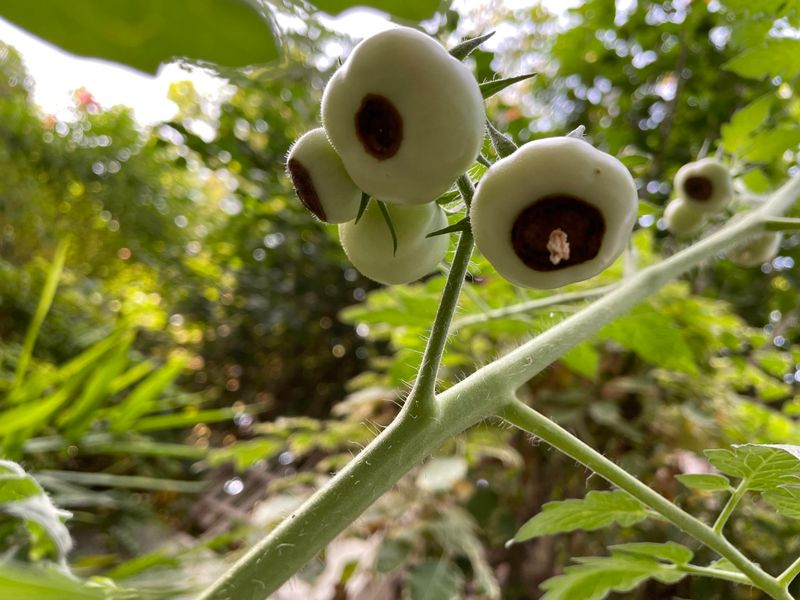
Nothing stings quite like spotting that dark, sunken patch on the bottom of a perfect-looking tomato. Blossom end rot is one of July’s most frustrating garden surprises.
It is not a disease, and no spray will fix it. It’s mainly caused by a calcium uptake problem triggered by inconsistent watering.
When soil moisture swings between too dry and too wet, roots cannot absorb calcium efficiently. The developing fruit pays the price with that ugly blackened base.
Peppers, and to a lesser extent squash, can show it too. Checking the bottoms of your developing fruit regularly makes catching the problem early much easier.
Adding calcium to the soil rarely solves the issue if watering is uneven. Focus on moisture consistency first before reaching for any soil amendments.
Mulching heavily around affected plants helps stabilize soil moisture between waterings. A two to three inch layer of straw or shredded leaves makes a noticeable difference fast.
Removing affected fruit right away is important. Leaving it on the plant wastes energy the plant could direct toward healthy new growth.
Some tomato varieties are more prone to this problem than others. Large paste types like Roma tend to show blossom end rot more often than cherry varieties.
Once you stabilize your watering routine, new fruit on the same plant often comes in clean. Steady moisture is the most effective fix in your July garden checklist toolkit.
4. Managing Fungal Disease Pressure
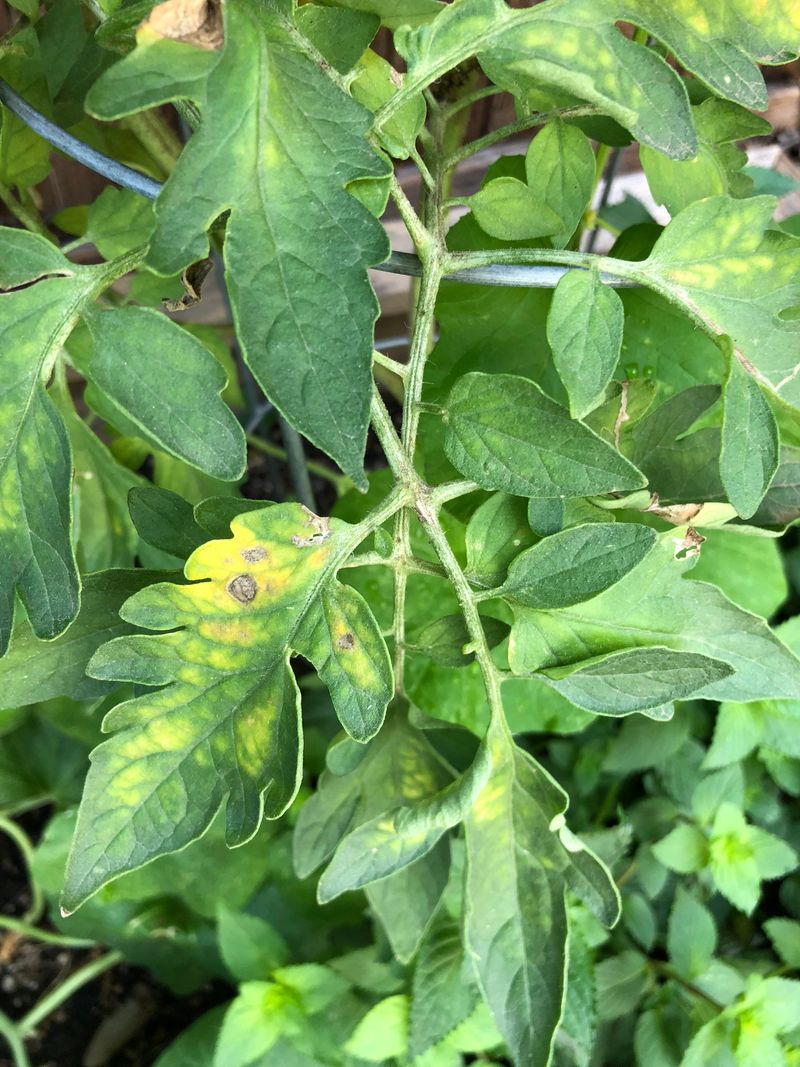
July humidity in Massachusetts creates the perfect breeding ground for fungal problems. Early blight, powdery mildew, and downy mildew all love warm nights and wet mornings.
Spotting trouble early is one of the fastest ways to stay ahead of it. Check the lower leaves of tomatoes and squash every few days for yellowing or dark spots.
Air circulation is your first line of defense. Crowded plants trap moisture and heat between leaves, giving fungal spores exactly the conditions they need to spread.
Pruning the lower leaves of tomato plants up to twelve inches off the ground reduces splash-back from soil. Watering on the leaves makes this problem significantly worse.
Copper-based fungicide sprays are approved for organic gardens and work well as a preventive measure. Applying before you see heavy infection gives you much better results than waiting.
Rotating crops each season is a long-term strategy that starves soil-borne fungi of their preferred hosts. Planting tomatoes in the same spot every year builds up disease pressure fast.
Neem oil is another option that tackles both fungal issues and some soft-bodied insects. Spray in the early morning so leaves dry before the afternoon heat arrives.
Baking soda mixed with water and a small amount of dish soap can treat powdery mildew on squash leaves. It shifts the pH on the leaf surface enough to slow fungal growth.
A garden that breathes well stays healthier through the whole season. Staying proactive now saves your plants from serious decline in August.
5. Harvesting Daily, Morning Or Evening
Zucchini left on the plant for two extra days turns into a baseball bat. July is the month when harvest windows are shorter than you expect.
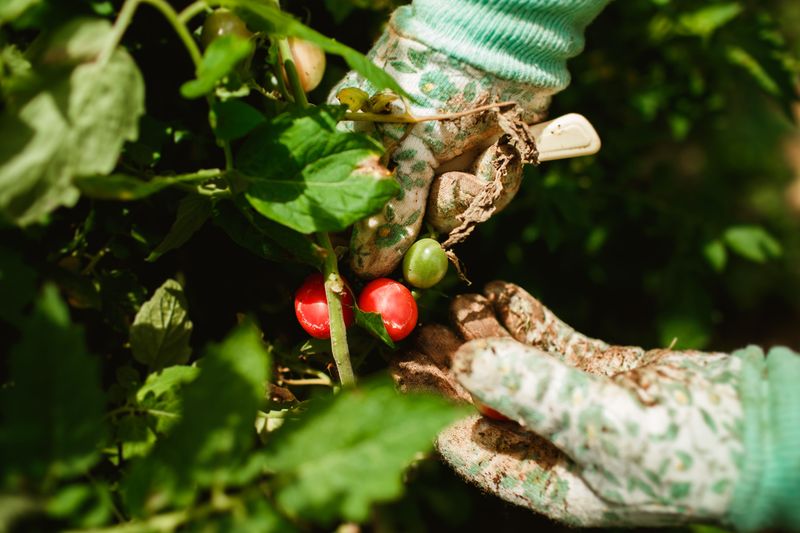
Picking produce daily keeps plants in active production mode. Once a plant feels its fruit maturing, it starts slowing down new flower development.
Morning harvests are ideal because produce is cool and firm. Heat built up during the day makes fruits softer and more prone to bruising during picking.
Evening is the second-best option if mornings are not possible. The temperature drops enough that vegetables hold their texture better than they would at midday.
Beans, cucumbers, and summer squash are the most demanding harvesters on the July garden checklist. Skipping a day can mean missing the peak eating window.
Tomatoes are a little more forgiving, but leaving ripe ones on the vine invites cracking and pest damage. Picking them slightly underripe and letting them finish indoors is perfectly fine.
Bringing a sharp pair of scissors or pruning snips to the garden reduces stem damage. Yanking fruit off can break branches and stress the plant more than necessary.
Keeping a harvest basket or bag near the garden entrance makes it easier to grab on the way past. Convenience removes the excuse for skipping a daily check.
For most of these crops, the more you pick, the more they produce. That simple truth makes daily harvesting one of the highest-return habits in a summer garden.
6. Transplanting Late Tomatoes, Peppers, And Eggplants
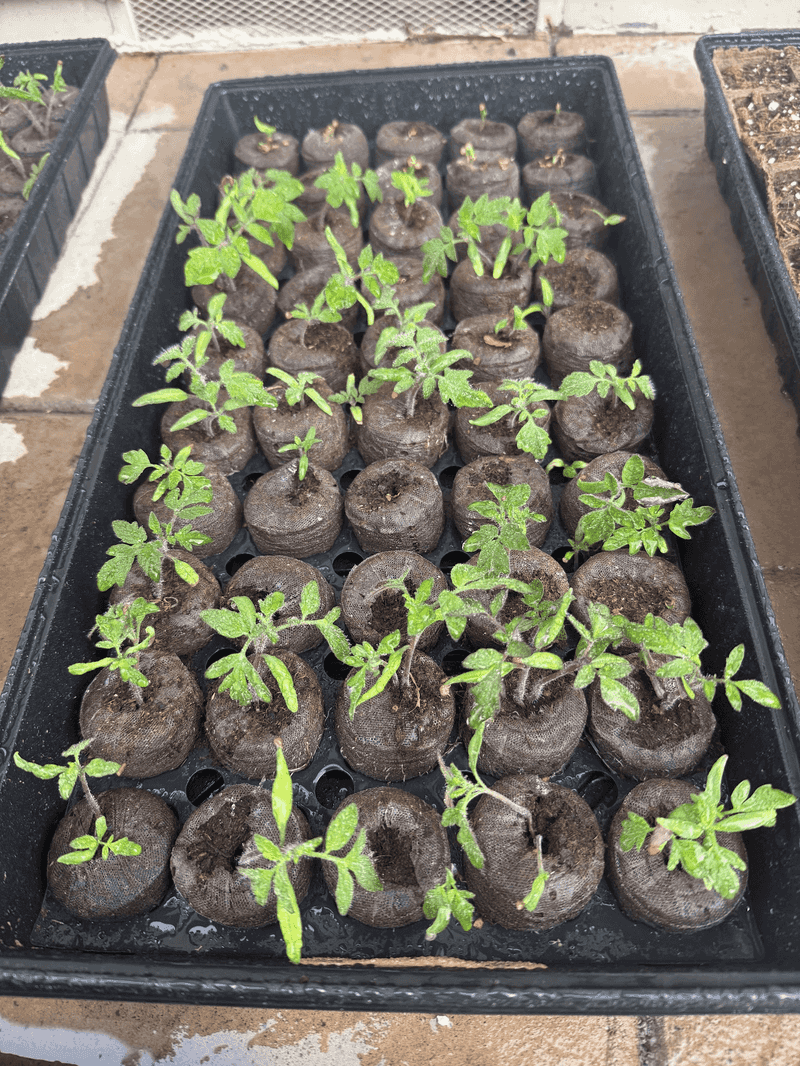
If you missed the May planting window, July is not too late for a second chance. Tomatoes, peppers, and eggplants transplanted now can still deliver a solid harvest before frost.
The key is choosing fast-maturing varieties. Look for tomatoes under 70 days, peppers under 65 days, and eggplant under 65 days to give yourself a real shot before October.
Transplanting in the heat of July requires some extra care at planting time. Setting seedlings in the ground during the coolest part of the day reduces transplant shock significantly.
Water the transplant hole before placing the seedling in. That pre-soaking gives roots immediate access to moisture as they begin adjusting to their new spot.
Shading new transplants for the first few days with a floating row cover or shade cloth helps them settle in. Direct July sun on a freshly moved plant can cause serious wilting.
Burying tomato stems deeply encourages extra root development along the buried portion. More roots mean better water uptake during the heat of August.
Peppers and eggplants prefer not to be buried as deeply as tomatoes. Planting them at the same depth they were growing in their container is the right approach.
Feeding transplants with a diluted liquid fertilizer within the first week gives them a gentle push. Avoid high-nitrogen blends at this stage since you want fruit, not more leaves.
Late transplants are a gamble worth taking. A warm Massachusetts fall can stretch the growing season well into October for a solid harvest.
7. Starting Fall Brassicas Indoors
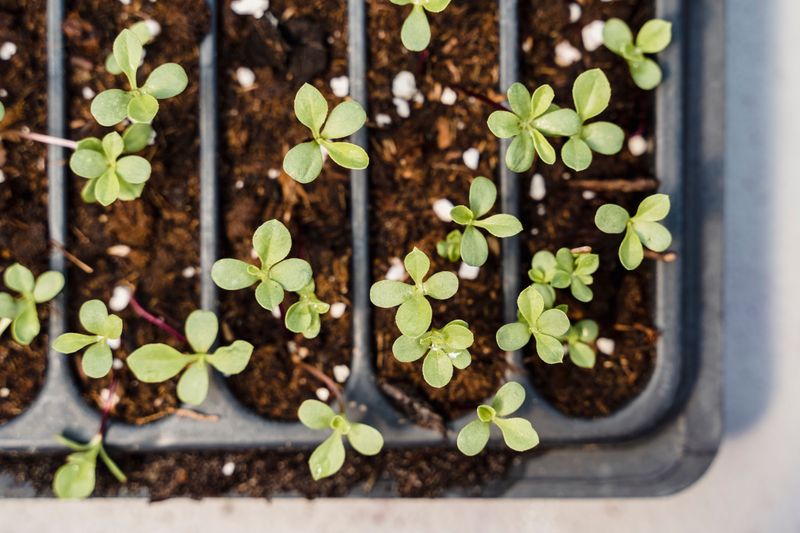
July feels like the last place your brain goes when thinking about fall broccoli. But starting brassica seeds indoors right now is exactly what gets them to the garden on time.
Broccoli, cabbage, kale, and Brussels sprouts all need to be transplanted outdoors by late August to early September. That means starting seeds indoors around six to eight weeks before your target transplant date.
Massachusetts gardeners aim for transplanting in late August to early September. Counting back puts your seed-starting window squarely in mid-July, which is right now.
Brassica seeds germinate quickly in warm July conditions, often within four to six days. The heat that slows down your spring crops actually speeds up fall seed starting.
Use a clean seed-starting mix rather than garden soil. Garden soil compacts in trays and can harbor pathogens that wipe out tender seedlings fast.
Place trays near a bright window for at least six hours of light daily, or under grow lights for 12 to 16 hours daily. Leggy, stretched seedlings struggle to establish well after transplanting.
Keeping the mix consistently moist but not waterlogged is critical during germination. A spray bottle works better than a watering can for these tiny seedlings.
Harden off transplants gradually before moving them to the garden. About a week of increasing outdoor exposure prepares them for full sun and wind without shock.
Fall brassicas are some of the most rewarding crops in a Massachusetts garden. A light frost actually sweetens kale and Brussels sprouts, making the wait absolutely worth it.
8. Mulching And Weeding Through The Heat
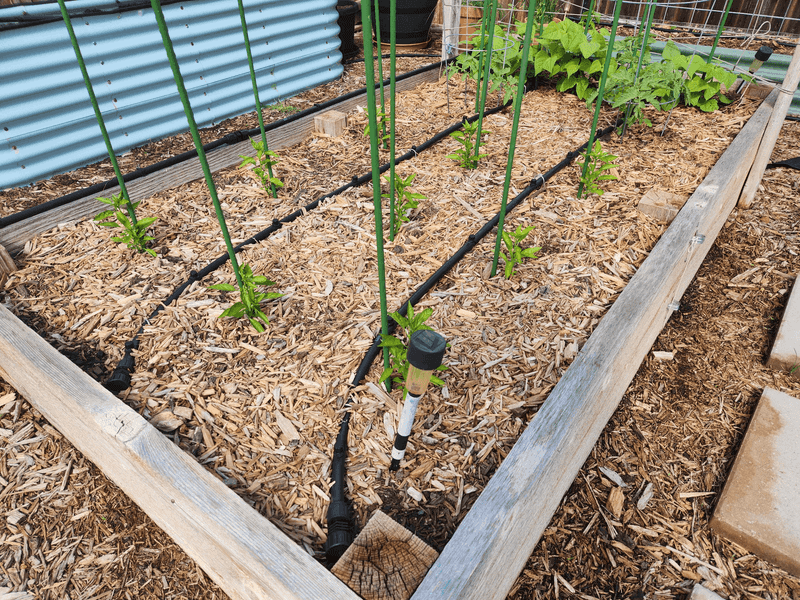
Weeds in July do not politely wait for you to get around to them. They sprint ahead of your vegetables and steal water, nutrients, and light at the worst possible time.
Pulling weeds after a rain is far easier than fighting dry, hard-packed soil. Keeping an eye on the forecast and timing your weeding sessions saves a lot of effort.
Getting weeds out before they flower is one of the most important habits. A single weed going to seed can drop hundreds of future problems right into your garden bed.
Mulching right after weeding locks in your progress. A fresh layer of mulch blocks light from reaching weed seeds that are still waiting in the soil.
Straw, shredded leaves, and wood chips all work well as mulch materials. Each one breaks down over time and adds organic matter back into the soil.
A two to three inch layer is enough to suppress weeds without suffocating plant roots. Piling mulch directly against plant stems can cause rot, so keep it pulled back slightly.
Mulch also plays a huge role in soil temperature regulation. It keeps roots cooler during the hottest weeks of the season, which reduces stress on the entire plant.
Moisture retention is another major benefit of mulching in July. Beds with good mulch coverage can go an extra day or two between waterings compared to bare soil.
Staying consistent with these two tasks now pays off through August and beyond. A well-mulched, weed-free garden is the foundation of a strong July garden checklist finish.