7 North Carolina Shrubs Worth Fertilizing In July And 3 That Should Never Be Fed Mid-Summer
July fertilizing in North Carolina is one of those garden tasks where doing the right thing for one shrub is exactly the wrong thing for the one planted next to it.
The heat and the position in the growing season matter enormously here. Some shrubs are actively building energy reserves during this period and respond visibly well to a nutrient boost heading into late summer.
Others are in a state of heat-driven stress where fertilizing pushes new soft growth that the plant cannot support and that becomes vulnerable the moment temperatures shift in fall.
Knowing which category each shrub belongs in before reaching for the fertilizer bag protects a lot of plants that would otherwise be set back by well-intentioned midsummer feeding.
1. Repeat Blooming Shrub Roses
Few garden plants put on a show quite like repeat blooming shrub roses in the height of summer.
When your landscape roses are actively flowering and pushing out new growth, a careful July feeding can keep that energy going strong.
Many of the most popular landscape rose groups are considered heavy bloomers, and NC State plant profiles describe several rose varieties as benefiting from both spring and summer fertilizer applications.
Before you reach for the fertilizer bag, check the plant first. If the foliage looks wilted, stressed, or dry, hold off and water thoroughly before doing anything else.
Heat-stressed roses do not absorb nutrients well, and pushing them with fertilizer during a hot dry spell can actually make things worse rather than better.
When the plant looks healthy and the soil has steady moisture, a light feeding at label rates is the way to go.
A balanced granular rose fertilizer or a slow-release formula both work well for summer applications.
Always water the fertilizer in after applying, and keep a layer of mulch around the base to hold moisture in the soil.
Stop feeding by late July or early August so the plant can begin easing into fall naturally without being pushed into tender new growth that might struggle later in the season.
2. Groundcover Roses
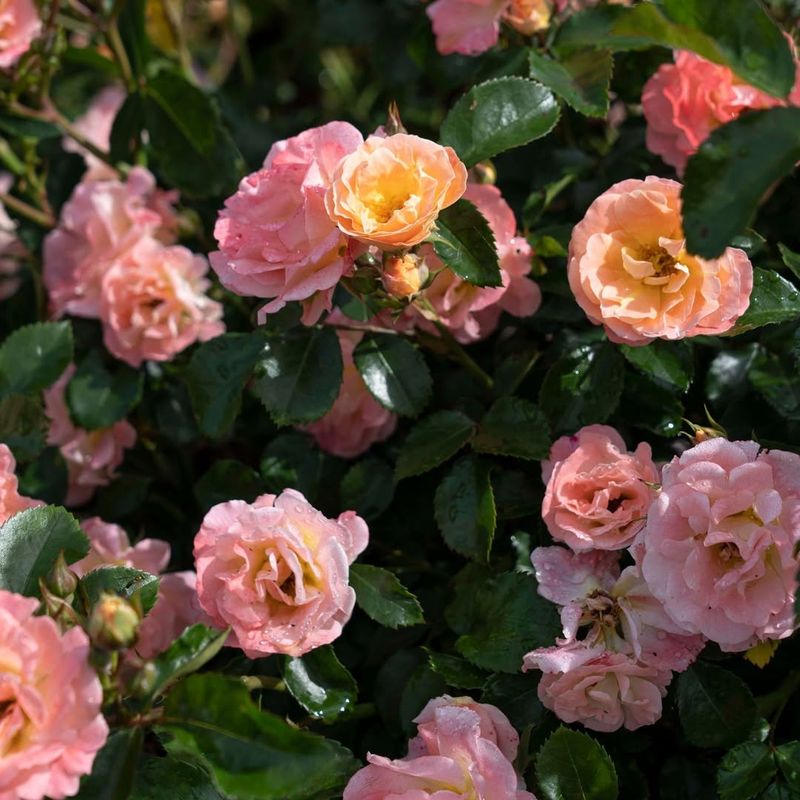
Groundcover roses are one of the hardest-working plants you can put in a landscape.
Compact varieties like the popular Drift series bloom from spring all the way into fall, which means they are spending a lot of energy producing flowers through some of the hottest months of the year.
A modest summer feeding in July can help support that bloom cycle and set the stage for a strong fall flush of color. The key word here is modest.
Groundcover roses do not need a heavy dose of fertilizer in mid-summer, and too much can actually push the plant into producing lots of leafy growth at the expense of flowers.
A slow-release fertilizer applied at a conservative rate works best, giving the plant a steady, gentle supply of nutrients rather than a sudden surge it cannot use efficiently.
Pairing that feeding with consistent moisture and a good layer of mulch makes a real difference.
Mulch keeps the soil cooler and helps retain water during July heat, which allows the roots to actually take up what you are offering.
Your North Carolina Garden Changes Every Week. Your Plan Should Too.
Gardening in North Carolina changes quickly throughout the season. Every Friday you’ll receive a simple weekly plan showing exactly what to plant, prune, fertilize, harvest, and protect so you never miss the right timing.
If the soil around your groundcover roses has been dry and cracked, water deeply first and give the ground a day to recover before applying any fertilizer.
Healthy, hydrated roots are far more receptive to feeding than dry, stressed ones trying to survive the summer heat.
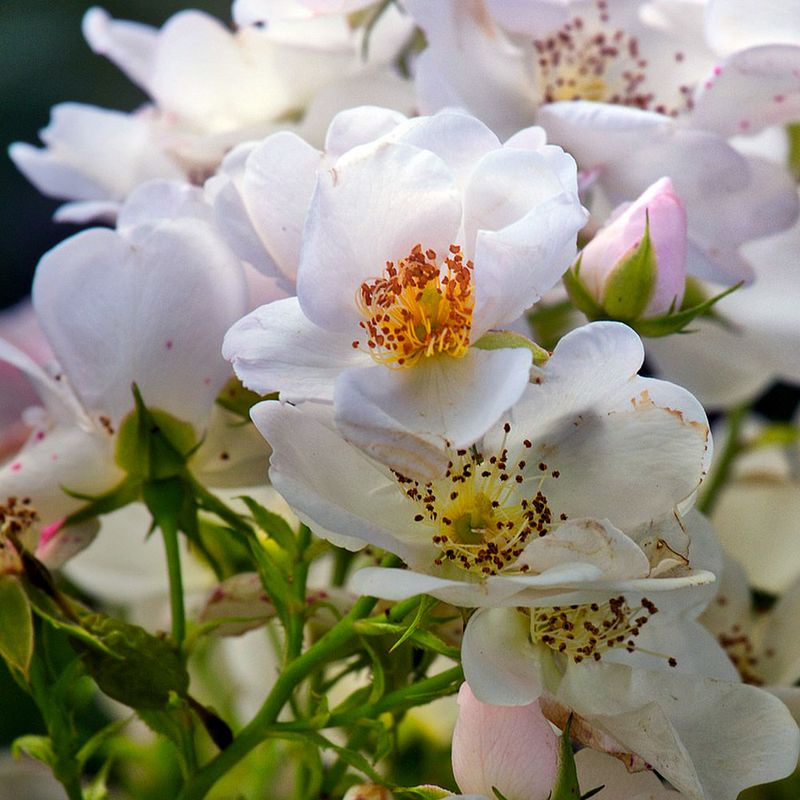
3. Fairy Rose
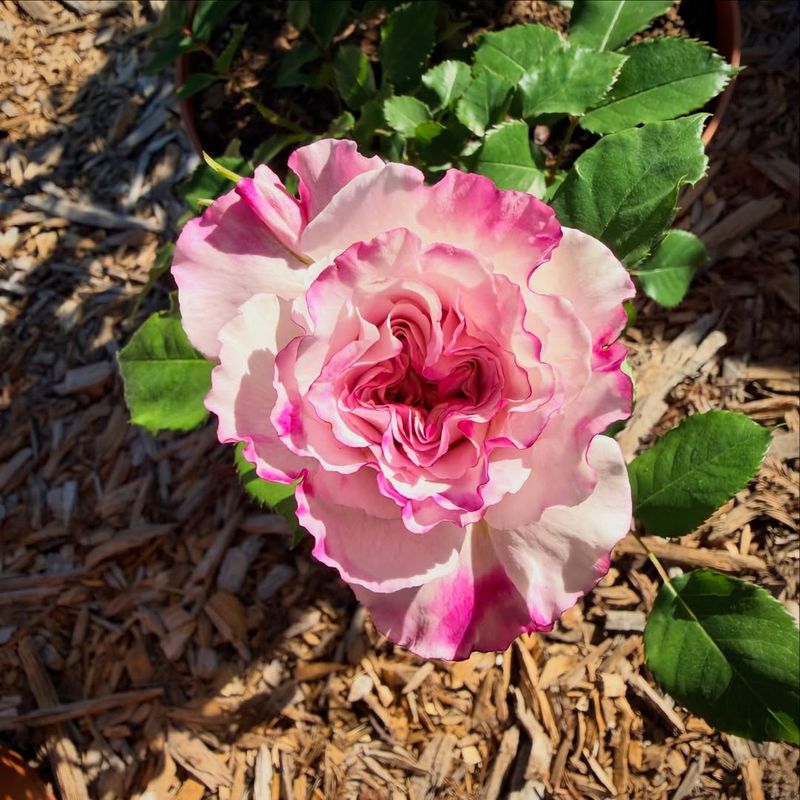
The Fairy rose has been charming gardeners for generations, and there is a very good reason it has stayed popular for so long.
NC State describes this compact shrub rose as blooming from May all the way until frost, which puts it squarely in the category of plants that can genuinely benefit from a thoughtful mid-summer feeding.
When a plant is working that hard to produce flowers month after month, it appreciates a little extra support.
July feeding for Fairy rose works best when the soil is consistently moist and the plant is visibly healthy and blooming.
If you notice the leaves looking pale or growth has slowed more than usual, a gentle application of a balanced rose fertilizer at a conservative rate can give it a nice boost.
The goal is to encourage continued flowering, not to push aggressive new growth in the hottest part of the year. Keeping the soil moist before and after fertilizing is really important for this variety.
Fairy rose has a relatively compact root system, and dry soil around the roots makes it much harder for the plant to absorb nutrients effectively.
Water thoroughly, apply fertilizer at a gentle rate, and top off the mulch around the base to hold that moisture in.
As the season winds down toward late summer, ease off the feeding so the plant can start transitioning naturally into its fall rhythm.
4. Glossy Abelia
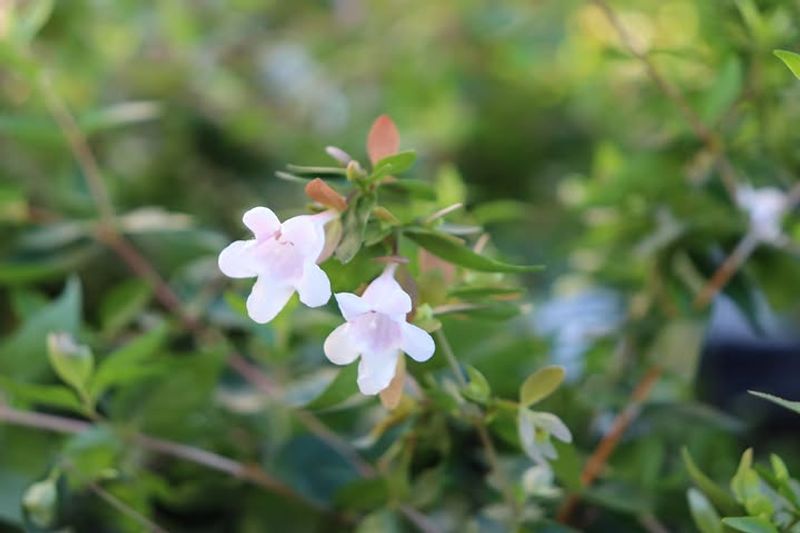
Glossy abelia is one of those shrubs that earns its place in the landscape by simply never stopping.
Many cultivars bloom from late spring all the way through fall, producing clusters of small tubular flowers that attract pollinators and add soft color to the garden for months at a time.
When a shrub is flowering that consistently, it makes sense that it might appreciate a little nutritional support during the growing season.
NC State profiles for abelia mention fertilizer during the growing season as a way to encourage continued flowering and healthy growth. The good news is that abelia is not a demanding plant, and you do not need to go heavy.
A light application of a slow-release granular fertilizer or a top dressing of compost around the drip line is often all it takes to keep the plant looking its best through the summer months.
If your abelia already looks lush, green, and full of flowers, it may not need much at all. Compost works particularly well in this case because it feeds slowly and also improves soil structure over time.
Water the plant well before and after any feeding, and make sure the mulch layer is intact to keep roots cool and moist.
Abelia is a tough, adaptable shrub, but like any plant it performs best when its basic soil and moisture needs are consistently met before fertilizer ever enters the picture.
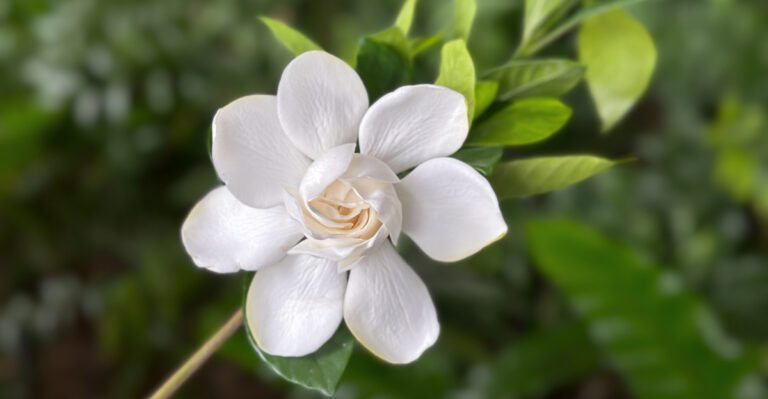
5. Gardenia
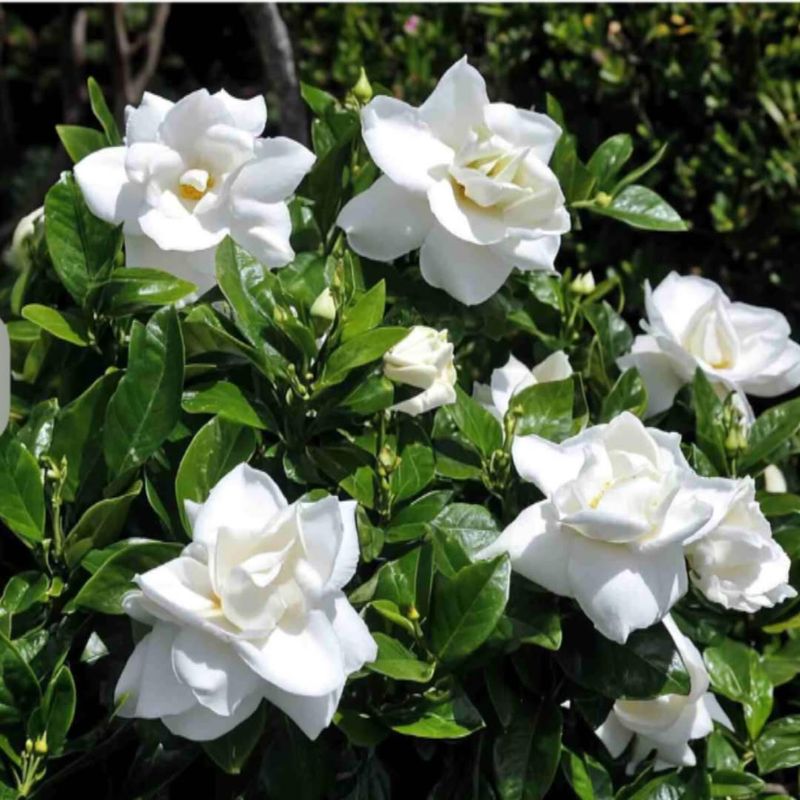
Gardenias are beloved for their rich fragrance and beautiful white blooms, but they are also known for being a little particular about their growing conditions.
In North Carolina, gardenias thrive in rich, acidic, well-drained soil with consistent moisture and a good layer of mulch to protect their shallow roots.
When all of those conditions are met, gardenias can look absolutely stunning through the summer months. A July feeding for gardenia should only happen when there is a clear reason for it.
If the leaves are turning yellow, growth looks weak, or the soil has become depleted of the acidity gardenias prefer, a careful application of an acid-forming fertilizer can help address those specific issues.
Outside of those situations, the focus should stay on moisture, mulch, and soil conditions rather than routine fertilizing.
Gardenias have shallow, sensitive roots that can be easily overwhelmed by heavy fertilizer applications, especially in summer heat.
Go light on the rates, water thoroughly before and after feeding, and never apply fertilizer to dry or heat-stressed plants.
One thing worth remembering is that fall feeding should always be avoided with gardenias.
Pushing new tender growth late in the season leaves the plant vulnerable, and that soft new growth does not have time to harden before cooler temperatures arrive.
Keep summer feeding minimal and targeted, and let the plant focus on what it does best.
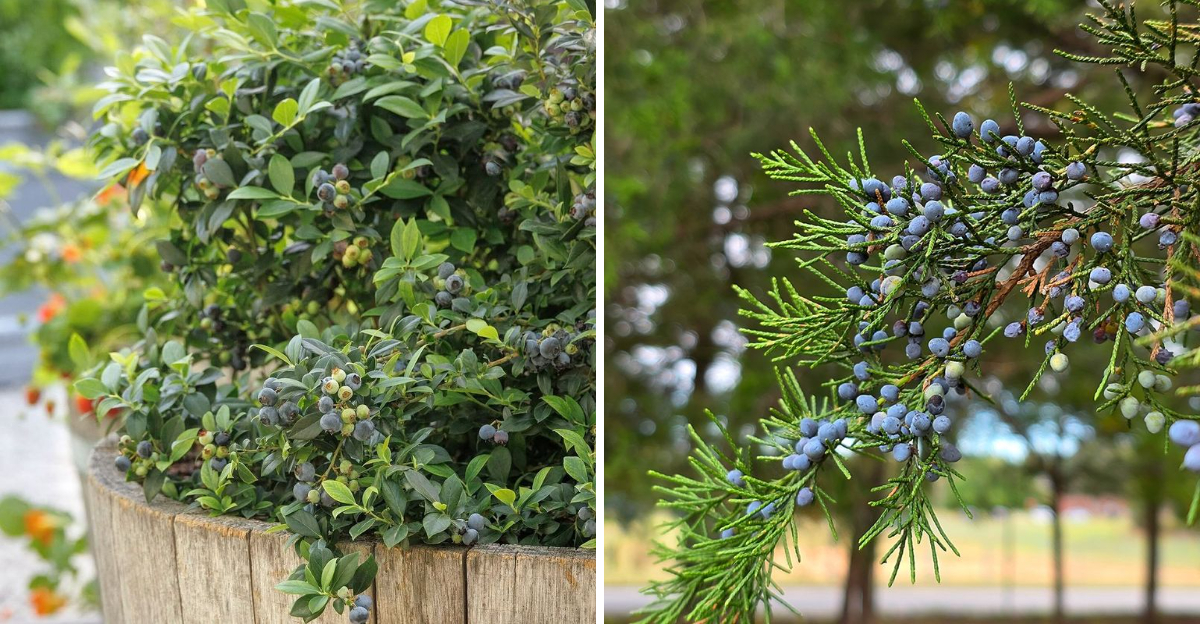
6. Blueberry Shrubs
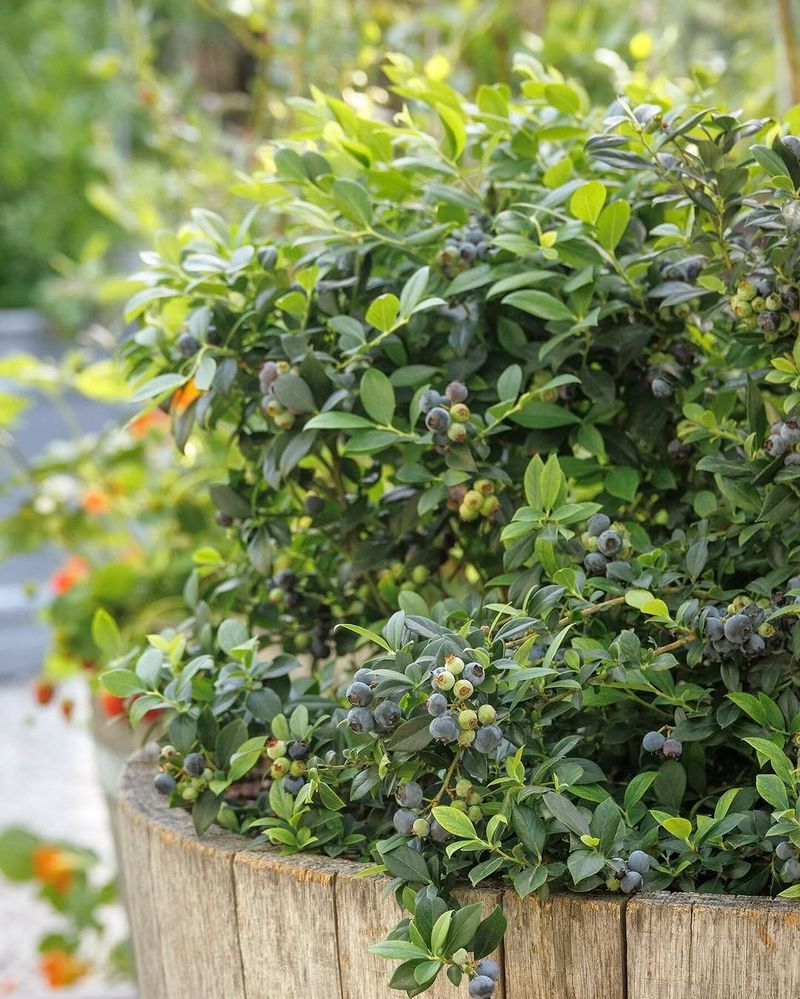
Blueberries are one of the most rewarding shrubs you can grow in North Carolina, but they are also one of the easiest to over-fertilize.
These plants are genuinely sensitive to excess nutrients, and getting the timing and rate wrong can cause real problems.
The good news is that NC State blueberry guidance does allow for light summer fertilizer applications, but the rules depend heavily on where you are in the state and how old your plants are.
For young blueberry plants in the Coastal Plain, light applications can continue up to mid-August. In the Mountains, that window closes around mid-July.
Mature plants are handled differently, with fertilizer decisions based on shoot growth and ideally guided by a soil test rather than a general schedule.
That soil test is not optional advice for blueberries. It is genuinely the most reliable way to know what your plants actually need rather than guessing.
When you do fertilize blueberries in July, keep the rates conservative and use a fertilizer formulated for acid-loving plants.
Blueberries prefer a soil pH between 4.5 and 5.5, and using the wrong fertilizer type can throw that balance off.
Water the plants well before and after any feeding, and make sure the mulch around the base is several inches deep.
Pine bark mulch or pine straw are both excellent choices that also help maintain the acidic soil conditions blueberries need to truly flourish.
7. Reblooming Hydrangeas
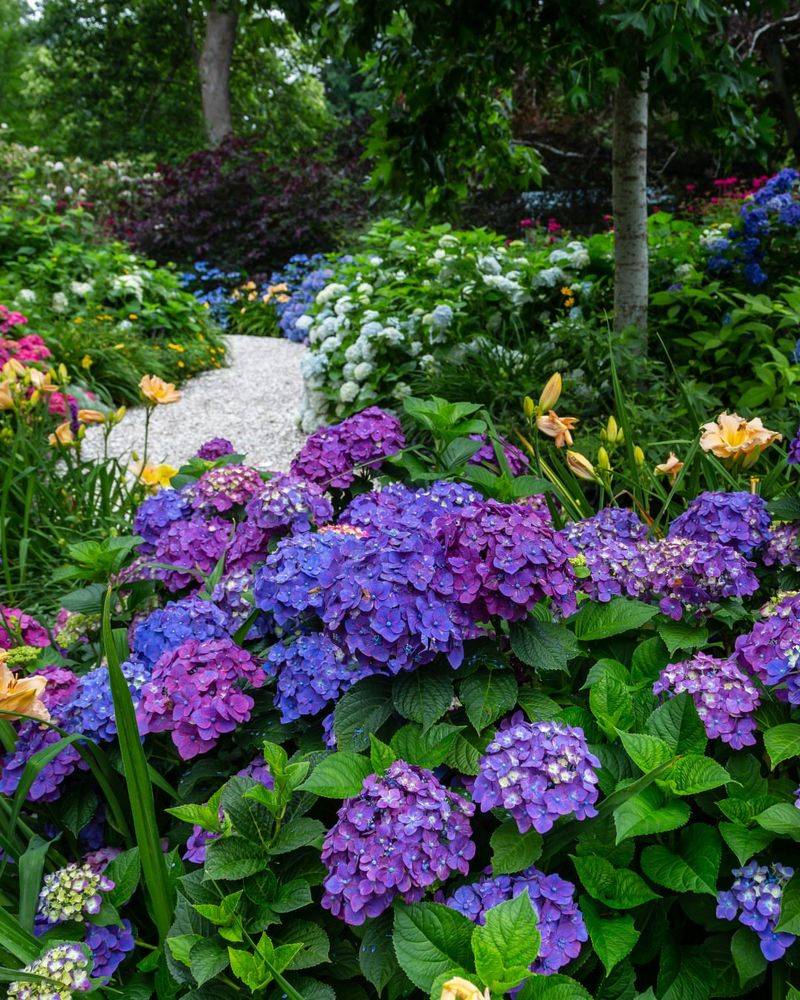
Reblooming hydrangeas have become incredibly popular in North Carolina landscapes because of their ability to produce flowers beyond the typical spring flush.
Varieties like Endless Summer and Incrediball Blush can continue setting buds and blooming through the season when conditions are right, which opens the door for a careful July feeding under the right circumstances.
The emphasis there is on careful, because hydrangeas in July need a very thoughtful approach.
A light feeding in July makes the most sense for reblooming hydrangeas that are actively blooming, showing pale foliage, growing in containers, or clearly lacking nutrients based on their appearance.
Before fertilizer even enters the conversation, moisture and mulch should be the first priorities.
Hydrangeas can struggle badly in North Carolina’s summer heat, and a plant that is wilting by two in the afternoon every day is telling you it needs water and shade far more than it needs food.
If your reblooming hydrangea genuinely looks healthy, has moist soil, and is still pushing out new buds, a light application of a slow-release balanced fertilizer can support that continued bloom cycle.
Keep the rate conservative, water it in well, and avoid feeding a plant that looks heat-exhausted or stressed.
Turning a struggling hydrangea into a fertilizer project in July almost always backfires. Focus on the fundamentals first, and let fertilizer play a supporting role rather than a starring one.
8. Camellias Should Not Be Fed Mid-Summer
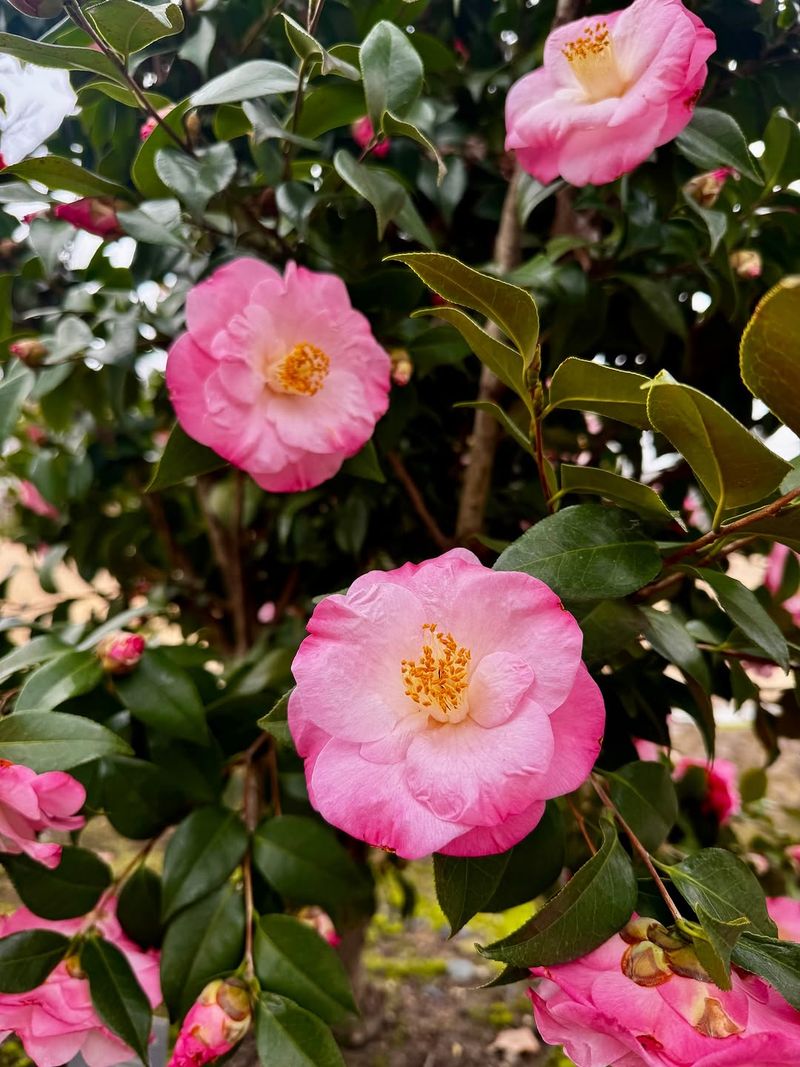
Camellias are some of the most elegant shrubs in the Southern landscape, and they have a well-earned reputation for being low maintenance when planted in the right spot.
NC State is clear on this point: camellias do not require much fertilizing, and mid-summer is absolutely not the time to start experimenting with feeding schedules.
These plants prefer partial shade, consistently moist and well-drained acidic soil, and protection from harsh afternoon sun and drying winds.
In July, camellias are not in active bloom and are not pushing the kind of vigorous growth that would benefit from a nutrient boost.
Feeding them during this period can stress the roots, encourage soft growth that is vulnerable to problems, and disrupt the plant’s natural rhythm heading into fall and winter.
The risks outweigh any potential benefit, and most established camellias in good soil simply do not need the extra input.
What camellias really want in July is attention to their environment rather than their fertilizer schedule.
Check that the mulch layer is thick enough to keep roots cool and moist through the heat. Make sure the plant is getting consistent water without sitting in soggy soil.
If the leaves look pale or growth has been consistently weak over several seasons, a soil test will tell you far more than a mid-summer fertilizer application ever could.
Good site conditions are the foundation of a healthy camellia.
9. Azaleas And Rhododendrons Should Not Be Fed Mid-Summer
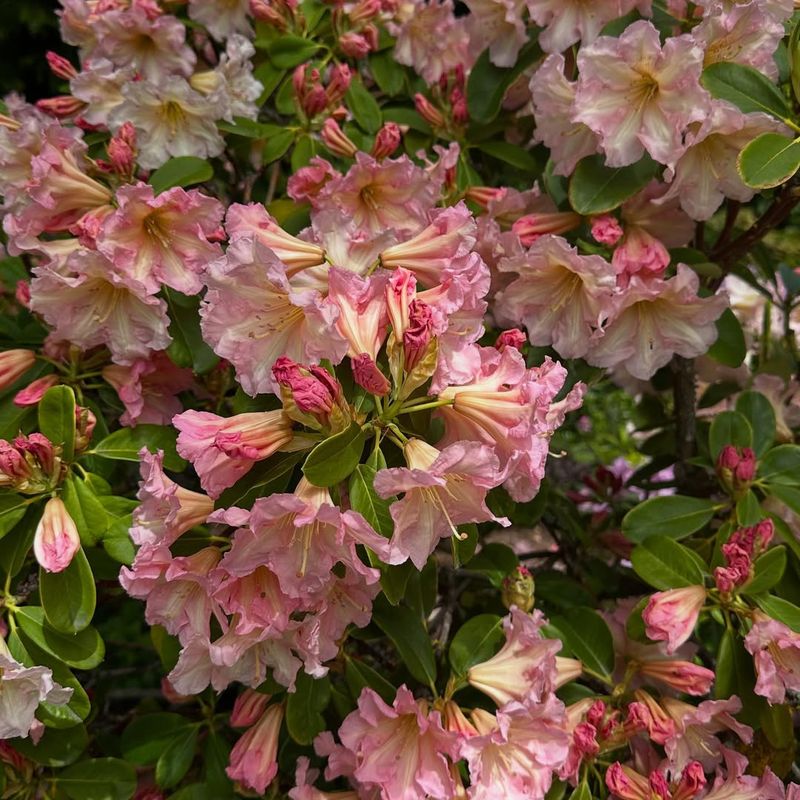
Azaleas and rhododendrons are some of the most iconic flowering shrubs in North Carolina, painting landscapes with brilliant color every spring.
But by July, their big performance is long finished, and something important is happening quietly beneath the surface.
These shrubs are in the process of setting next year’s flower buds, and that is a process that should not be interrupted by a mid-summer fertilizer application.
NC State plant profiles are clear about the risks of overfertilizing these shrubs. Both azaleas and rhododendrons have shallow, fibrous root systems that are sensitive to excess nutrients and soil disturbance.
Pushing them with fertilizer in mid-summer can burn those delicate roots, disrupt bud development, and even reduce next spring’s flower display.
The timing is simply wrong, and the potential for harm is real. What these shrubs genuinely need in July is moisture, mulch, and the right soil pH.
Azaleas and rhododendrons thrive in acidic, well-drained soil with consistent moisture, and a thick layer of organic mulch goes a long way toward keeping their shallow roots cool and comfortable through the heat.
If the foliage looks off or growth has been poor for multiple seasons, a soil pH test is the smart first step.
Adjusting soil conditions is far more effective and far safer than reaching for fertilizer when these plants are quietly doing their most important summer work.
10. Eastern Redcedar Should Not Be Fed Mid-Summer
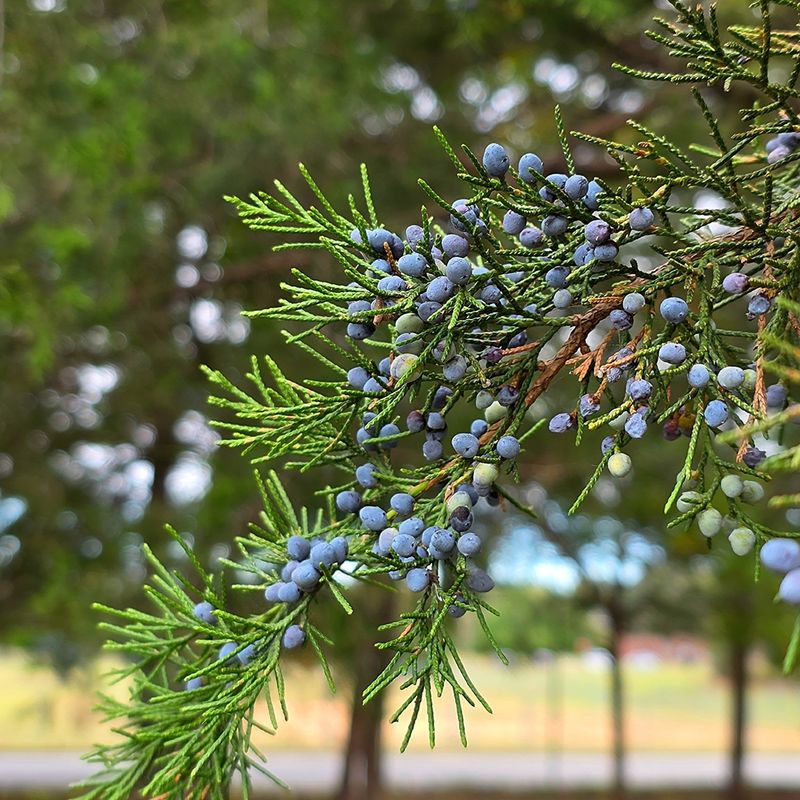
Eastern redcedar and narrow juniper-style screen plants are some of the toughest, most self-sufficient shrubs and trees you can plant in North Carolina.
NC State describes the Taylor Eastern redcedar in particular as highly tolerant of poor soil, drought, and difficult growing conditions.
That hardiness is one of its greatest strengths, and it also means this plant has very little need for fertilizer, especially in the middle of a hot July.
Feeding an Eastern redcedar in mid-summer is not just unnecessary, it can actually work against the plant.
These trees are naturally adapted to lean soils and do not respond well to being pushed with nutrients during periods of heat and stress.
If your redcedar or juniper screen looks stressed in July, the cause is almost certainly not a lack of fertilizer.
Poor drainage, incorrect planting depth, inconsistent moisture, or overcrowding are far more likely culprits worth investigating first.
Before anything else, check the basics. Is the planting area draining properly after rain? Was the tree planted too deeply? Is it getting enough space for air circulation?
Are nearby plants competing heavily for water? Answering those questions will get you much further than any fertilizer application.
Eastern redcedar thrives on neglect in the best possible way, and respecting its natural preferences by keeping the soil lean and the conditions simple is truly the best thing you can do for this rugged, reliable plant.