8 Gardening Mistakes New Jersey Homeowners Keep Paying For
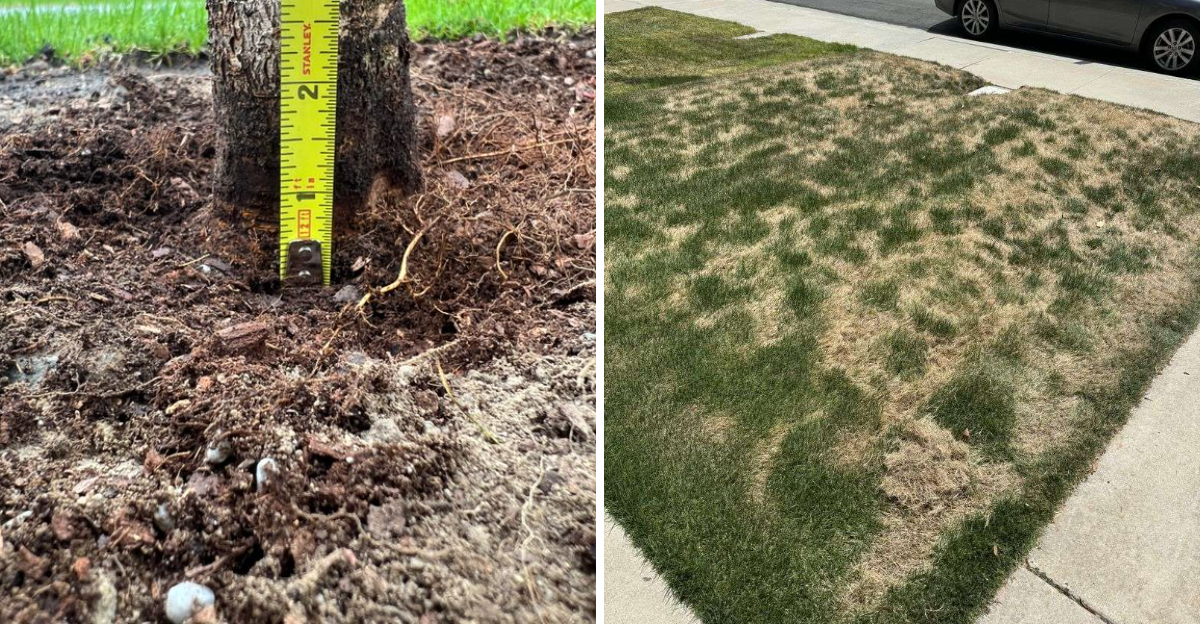
Your yard was thriving back in April. Now something looks off, whether it’s the lawn, the flower beds, or the vegetable patch you were so proud of in early spring.
New Jersey’s weather swings hard between soggy springs and brutal summer dry spells, and that combo exposes every shortcut you didn’t know you were taking. A little too much water here, a plant crammed in too tight there, and the whole yard starts paying for it.
Some of these habits get passed down like family recipes, which is why nobody questions them until things start going wrong. The damage sneaks up slowly, then all at once.
Here are eight mistakes quietly wrecking New Jersey yards right now, and the small adjustments that turn things around faster than you’d expect.
1. Watering On Top Of Recent Rainfall
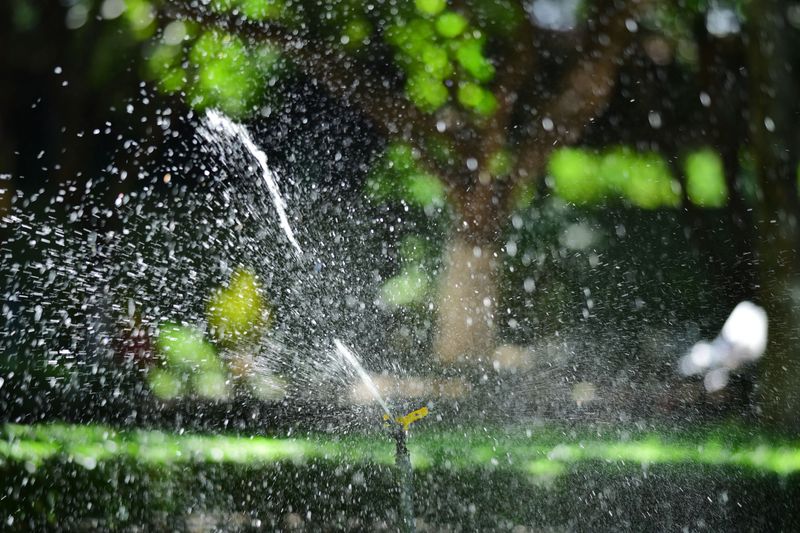
Your sprinkler just ran, and it rained last night. Watering on top of recent rainfall is one of the most wallet-draining habits a homeowner can have.
Grass roots need air just as much as they need moisture. When soil stays soaked too long, roots start to suffocate and weaken.
Fungal diseases love wet conditions. Overwatered lawns in humid New Jersey summers become breeding grounds for mold, root rot, and brown patch disease.
A simple rain gauge costs under ten dollars at any hardware store. Place one near your garden bed and check it before you ever touch that hose.
Most lawns in this region only need about one inch of water per week. If nature already delivered that, your sprinkler should stay off.
Smart irrigation controllers can detect recent rainfall automatically. Upgrading to one can meaningfully reduce your water bill each season.
Check the soil before watering by pushing a screwdriver six inches into the ground. If it slides in easily, the ground is wet enough.
Overwatering also washes away fertilizer before grass roots can absorb it. That means you pay twice: once for the product, once for the wasted effort.
Breaking this habit takes about two weeks of mindful checking. After that, it becomes second nature and your lawn will thank you visibly.
2. Mowing The Lawn Too Short
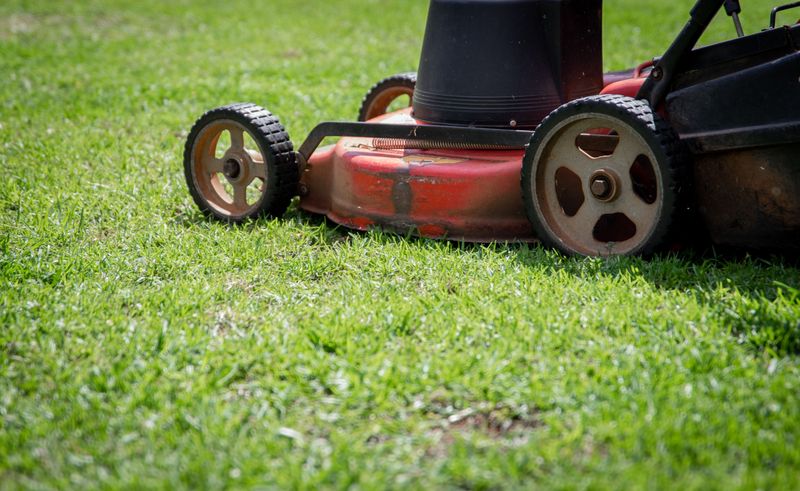
Scalped lawns are a tell-tale sign of a well-meaning but misguided homeowner. Cutting grass too short is one of the fastest ways to invite weeds, stress, and bare patches into your yard.
Most cool-season grasses common in this region thrive at three to four inches tall. Dropping below two inches puts the entire root system under serious stress.
Short grass loses moisture quickly in summer heat. The soil beneath dries out faster, forcing you to water more often and spend more on your utility bill.
Weeds absolutely love short, thin turf. When grass is cut low, sunlight hits the soil directly and weed seeds germinate with almost no competition.
Taller grass blades shade the soil naturally. That shade keeps moisture in, keeps soil temperatures lower, and blocks weed seeds from sprouting.
Your New Jersey Garden Changes Every Week. Your Plan Should Too.
Gardening in New Jersey changes quickly throughout the season. Every Friday you’ll receive a simple weekly plan showing exactly what to plant, prune, fertilize, harvest, and protect so you never miss the right timing.
The one-third rule is your best friend here. Try not to remove more than one-third of the blade length in a single mowing session.
If your lawn got away from you and grew tall, mow it down in stages over several days. Cutting it all at once causes immediate shock to the grass.
Mowing frequency matters more than mowing low. A lawn cut at the right height every five to seven days stays thick, green, and naturally weed-resistant.
Adjust your mower deck before the season starts. That one simple step protects your lawn through the growing season and keeps your weekends looking sharp.
3. Letting Invasive Plants Take Over The Garden
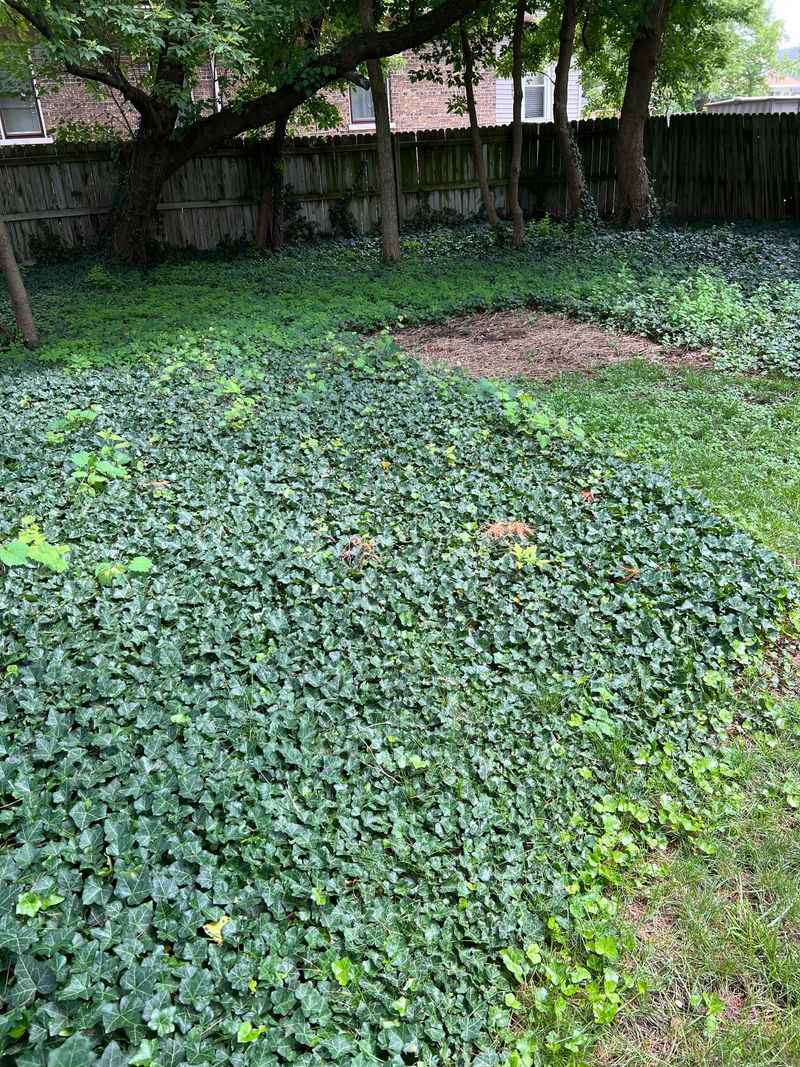
That fast-growing vine looked like a great way to fill an empty corner of the yard. A few seasons later, it has climbed the fence, smothered the perennials, and shows no sign of stopping.
Invasive plants spread aggressively because they have no natural predators or competition in this region. What starts as one attractive plant often turns into a garden-wide takeover within a few years.
English ivy, Japanese barberry, and Bradford pear are common offenders found in yards across the state. Each one was originally planted for its looks, then quietly spread into problem territory.
Birds and wind carry seeds from these plants far beyond the original garden bed. That means an invasive species on your property can spread into nearby woods and neighboring yards.
Removing invasive plants early, before they establish deep root systems, is far easier than dealing with a mature infestation. Some species can regrow from even small root fragments left in the soil.
Native alternatives exist for almost every invasive plant on the market. Local nurseries can point you toward options that offer similar looks without the spreading problem.
Checking plant tags before buying is the easiest way to avoid this mistake altogether. Look for the word invasive on the label or search the species name before adding it to your cart.
A little research before planting saves years of removal work later. Choosing the right plant from the start keeps your New Jersey garden looking good without taking over everything around it.
4. Ignoring Grub And Chinch Bug Damage
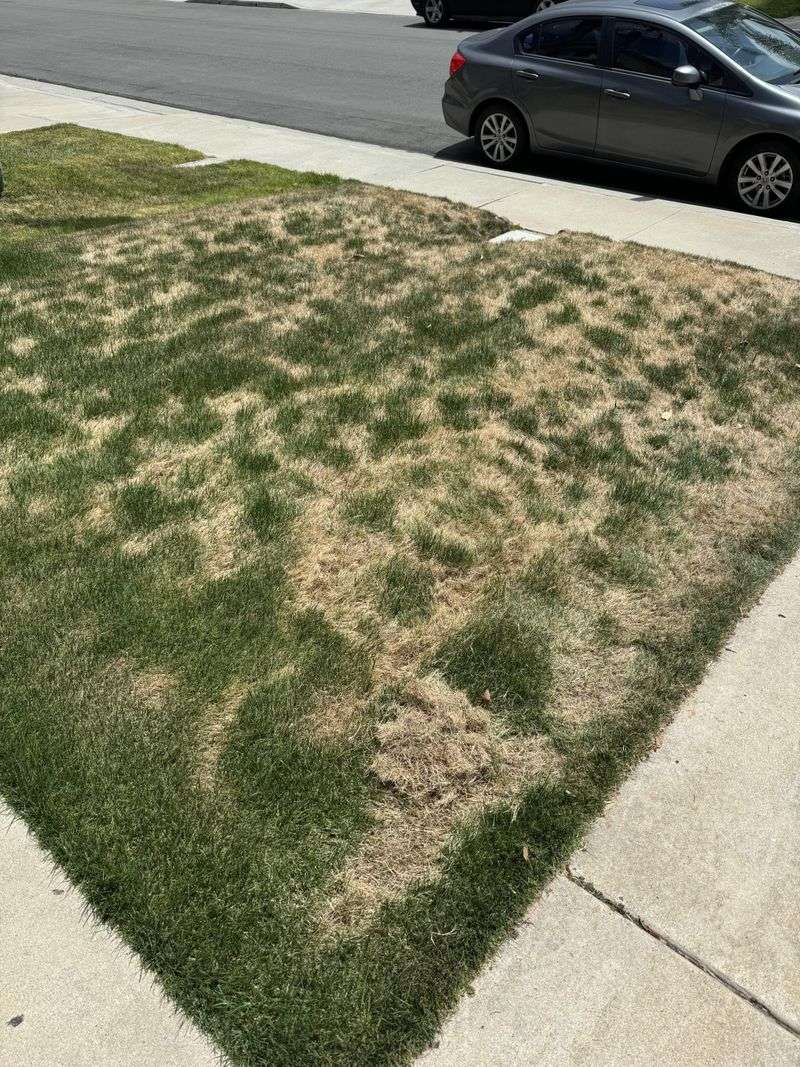
Something is eating your lawn from underneath, and you probably have no idea it is happening. Grub and chinch bug damage often gets mistaken for drought stress or disease until it is far too late.
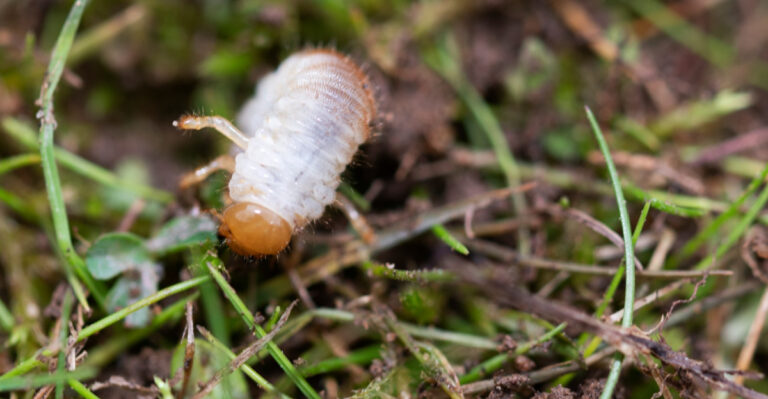
White grubs are the larvae of Japanese beetles, which are extremely common across this region. They feed on grass roots just below the soil surface during late summer and early fall.
A grub-damaged lawn feels spongy underfoot. You can actually roll back sections of turf like a carpet because the roots have been badly damaged.
Chinch bugs work differently, attacking above ground by sucking moisture from individual grass blades. They thrive in hot, dry conditions and spread fast through a lawn.
Both pests cause irregular brown patches that expand over time. The key difference is that drought-stressed grass recovers with water, but pest-damaged grass does not.
Check for grubs by cutting a one-foot square of turf and flipping it over. More than five grubs per square foot means treatment is necessary right away.
Preventive grub treatments applied in early summer work much better than curative ones applied after damage appears. Timing is everything with these particular pests.
Beneficial nematodes offer an organic treatment option that works well in moist soil. They are safe for pets, children, and the rest of your garden ecosystem.
Spotting these pests early saves hundreds of dollars in lawn repair costs. A few minutes of investigation each month makes a massive difference in your yard.
5. Planting Too Deep In The Ground
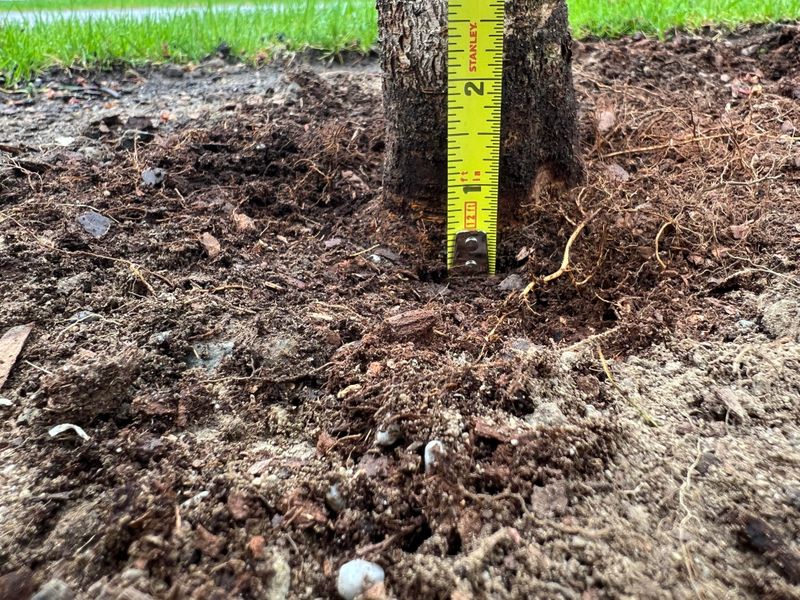
That new shrub looked perfect at the nursery, but something changed the moment it went into your yard. Planting too deep is one of those mistakes that does not show up right away, which makes it especially frustrating to diagnose later.
Roots need oxygen just as much as they need soil contact. When a plant sits too low, the base gets buried under extra soil and the roots start suffocating slowly over time.
The root flare, the point where the trunk widens into roots, should sit right at soil level. Burying it even two or three inches deeper can stress a tree or shrub for years.
Bagged and containerized plants often come with too much soil piled on top of the root ball already. Always check where the actual root flare is before you dig the hole and set the plant in.
A too-deep planting hole traps moisture around the stem or trunk. That constant dampness invites rot, fungal disease, and pest issues that a properly planted specimen would never face.
Digging the hole only as deep as the root ball, and no deeper, keeps the plant sitting at the right level. Width matters more than depth when you are digging for a new addition.
If a plant already in the ground looks like it might be sitting too low, check for a visible flare at the base. Gently removing excess soil around the trunk can often correct the issue without replanting.
Getting the planting depth right the first time saves years of slow decline. It is a five-minute check that protects an investment that took months or years to grow.
6. Skipping Soil Tests Before Planting
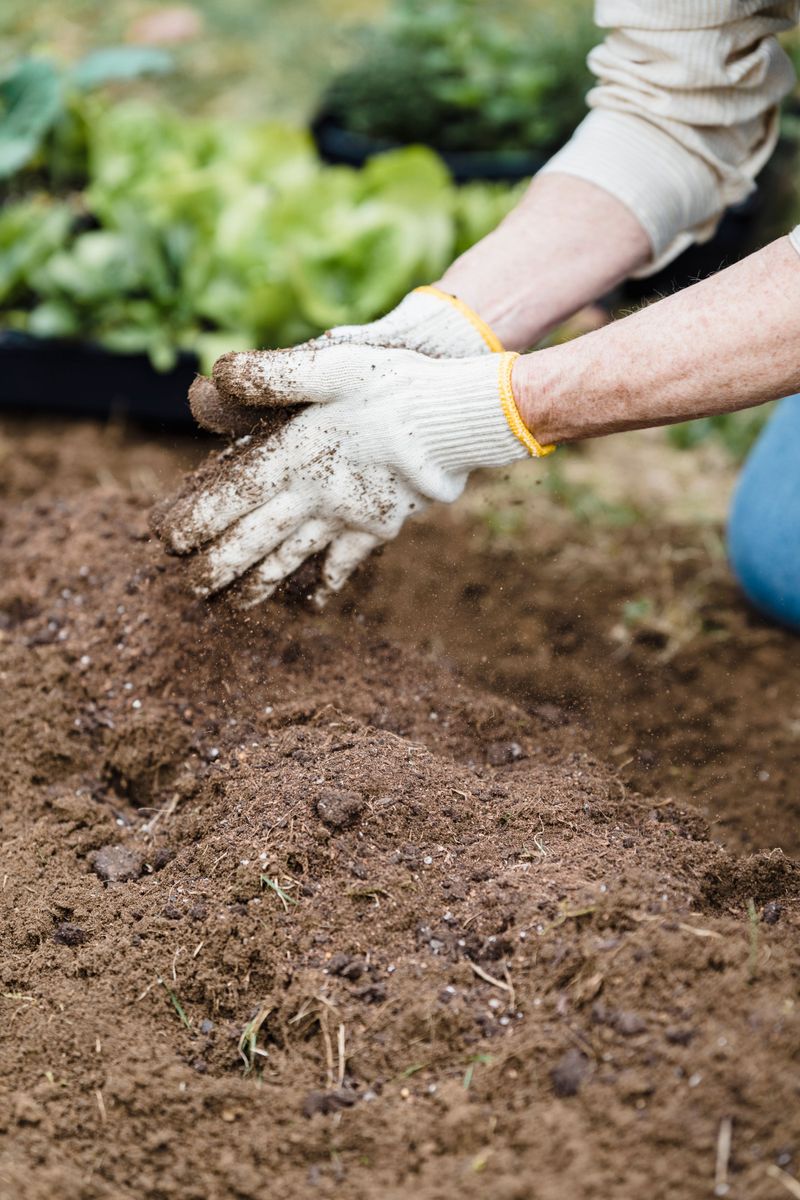
Planting without a soil test is like cooking a recipe without tasting anything first. Skipping this step leads to struggling plants, wasted money on amendments, and a whole lot of frustration.
Soil pH controls whether plants can absorb nutrients at all. Even if your soil is packed with fertilizer, the wrong pH locks those nutrients away from roots completely.
This region has naturally acidic soil in many areas. Acid-loving plants like blueberries thrive here, but vegetables and most flowers need pH adjustments to perform well.
Lime raises pH in acidic soil, while sulfur lowers it in alkaline conditions. Without a test, you are just guessing and likely applying the wrong product entirely.
Cooperative extension offices across the state offer soil testing for a small fee. The results come back with specific recommendations tailored to exactly what you want to grow.
Heavy clay soil, common in many parts of this state, compacts easily and drains poorly. A test reveals this issue and guides you toward the right organic matter additions.
Compost, peat moss, and sand each serve different corrective purposes. Knowing which one your soil actually needs saves you from buying all three unnecessarily.
Nutrient deficiencies show up as yellowing leaves, stunted growth, or poor fruit production. A soil test identifies these gaps before they become visible and expensive problems.
Testing your soil once every three years gives you a reliable foundation for every planting decision. That small investment protects every dollar you spend on seeds and plants.
7. Overcrowding Garden Beds
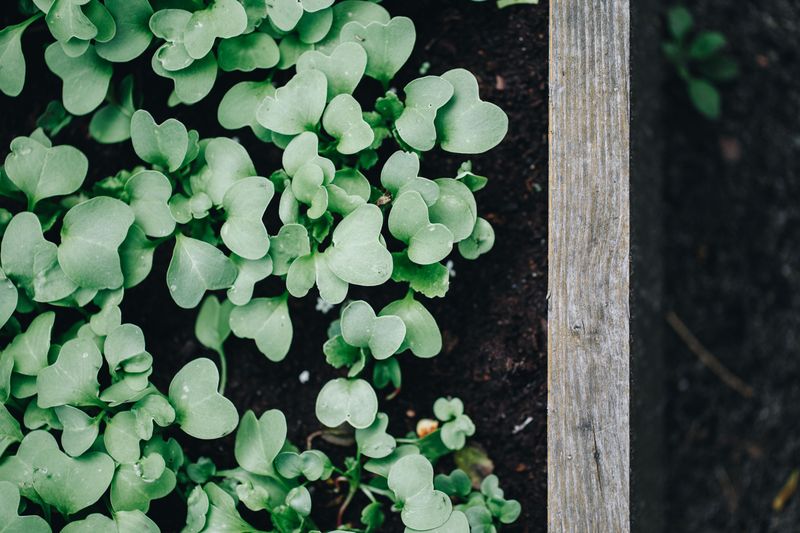
You bought six tomato plants at the nursery and figured they would all fit in one raised bed. Overcrowding is one of the most satisfying-looking mistakes right up until everything goes wrong.
Plants that are too close together compete fiercely for water, nutrients, and light. The result is usually a collection of weak, underperforming specimens instead of a few thriving ones.
Poor air circulation between crowded plants creates a humid microclimate at ground level. Fungal diseases like powdery mildew and botrytis spread rapidly in those conditions.
Tomatoes need at least two feet of space between plants. Peppers, squash, and most flowering perennials have similarly specific spacing requirements that many gardeners simply ignore at planting time.
Seed packets and nursery tags include spacing guidelines for good reason. Those numbers are based on research, not suggestion, and ignoring them costs you yield and plant health.
Crowded roots tangle and compete underground just as aggressively as above-ground foliage does. One dominant plant often starves its neighbors slowly over the course of a season.
Thinning seedlings feels wasteful but produces dramatically better results. Removing one plant early allows the remaining ones to reach their full productive potential by harvest time.
Vertical gardening is a smart solution for small spaces. Trellises, cages, and wall planters allow you to grow more without sacrificing the airflow each plant genuinely needs.
Plan your garden bed on paper before you buy a single plant. Spacing it correctly from the start saves you the heartbreak of pulling out overcrowded plants mid-season.
8. Neglecting Mower Blade Maintenance

A dull mower blade does not cut grass; it tears it. That distinction might sound small, but it creates serious and lasting damage to your lawn with every single pass.
Torn grass blades turn brown at the tips within a day or two. Your lawn can look diseased or drought-stressed when the actual culprit is a blade that needs sharpening.
Ragged cuts also create open wounds on each grass blade. Those wounds are entry points for fungal pathogens and bacterial infections that spread quickly in warm, humid weather.
Mower blades should be sharpened at least once per season, and twice if you mow frequently. A blade sharpening service costs around ten to fifteen dollars at most hardware stores.
Sharpening a blade yourself takes about twenty minutes with a metal file or bench grinder. Balancing the blade after sharpening is equally important to prevent uneven cutting and mower vibration.
Hitting a rock or root dulls a blade instantly. Always inspect the blade after any impact before continuing to mow the rest of your lawn.
A balanced, sharp blade also reduces strain on your mower engine. Engines that work harder due to dull blades wear out faster and cost significantly more to repair or replace.
Replace blades entirely every two to three seasons depending on usage. New blades are inexpensive and make a noticeable difference in how clean and healthy your lawn looks.
A sharp blade is such a small thing to check, yet it quietly shapes how healthy your whole lawn looks. Keeping your mower blade sharp is one of the simplest upgrades your lawn can get.