Why Dividing Bearded Iris Now Matters And What Skipping It Costs New Jersey Gardeners Next Spring
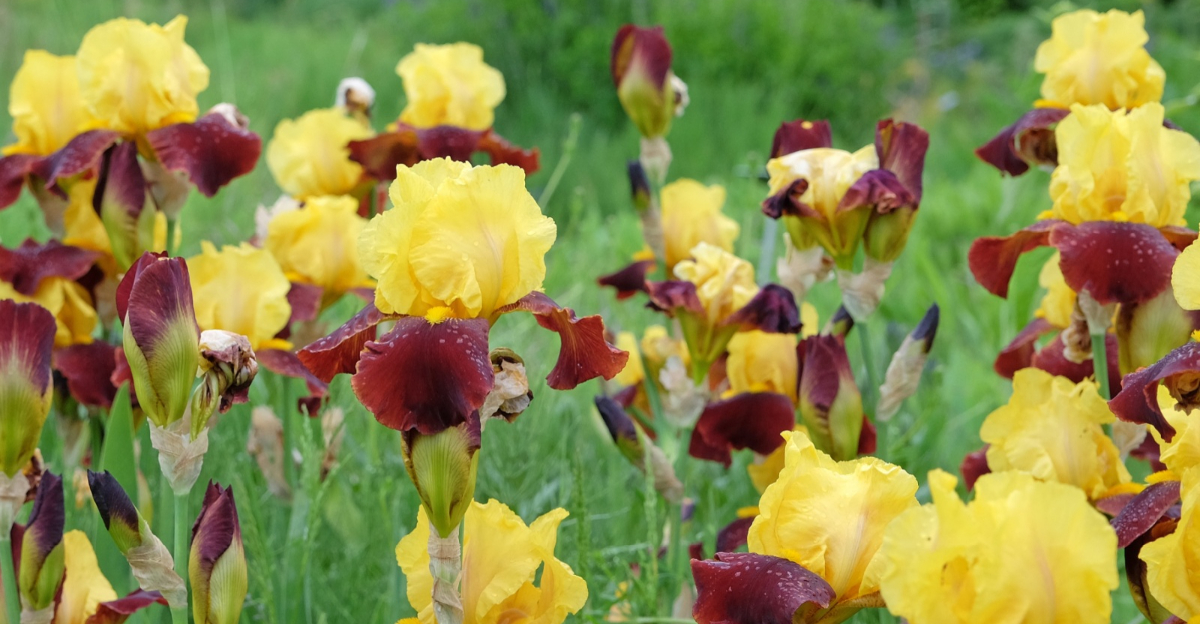
Bearded iris are dramatic, a little vain, and completely unforgiving. Pack them too tightly and they will sulk.
Fewer blooms, weaker stems, that unmistakable look of a plant that has quietly checked out. You probably noticed it this spring across New Jersey gardens: more green than flower, more crowd than color.
That is not a disease. That is a conversation worth having. The rhizomes underneath have been slowly elbowing each other out for years.
Each new fan nudges the old ones aside, and the old ones gradually stop performing. It is a gentle takeover you do not notice until the blooms start whispering instead of shouting.
Here is the good news, and it is cheaper than buying new plants: a sharp knife, an afternoon, and the willingness to cut something that looks perfectly healthy.
Late summer is the window for New Jersey gardeners. Miss it, and you are locked out until next year, watching another spring go by with half the show it could have been.
Late Summer Heat Has Subsided Enough For Roots To Establish
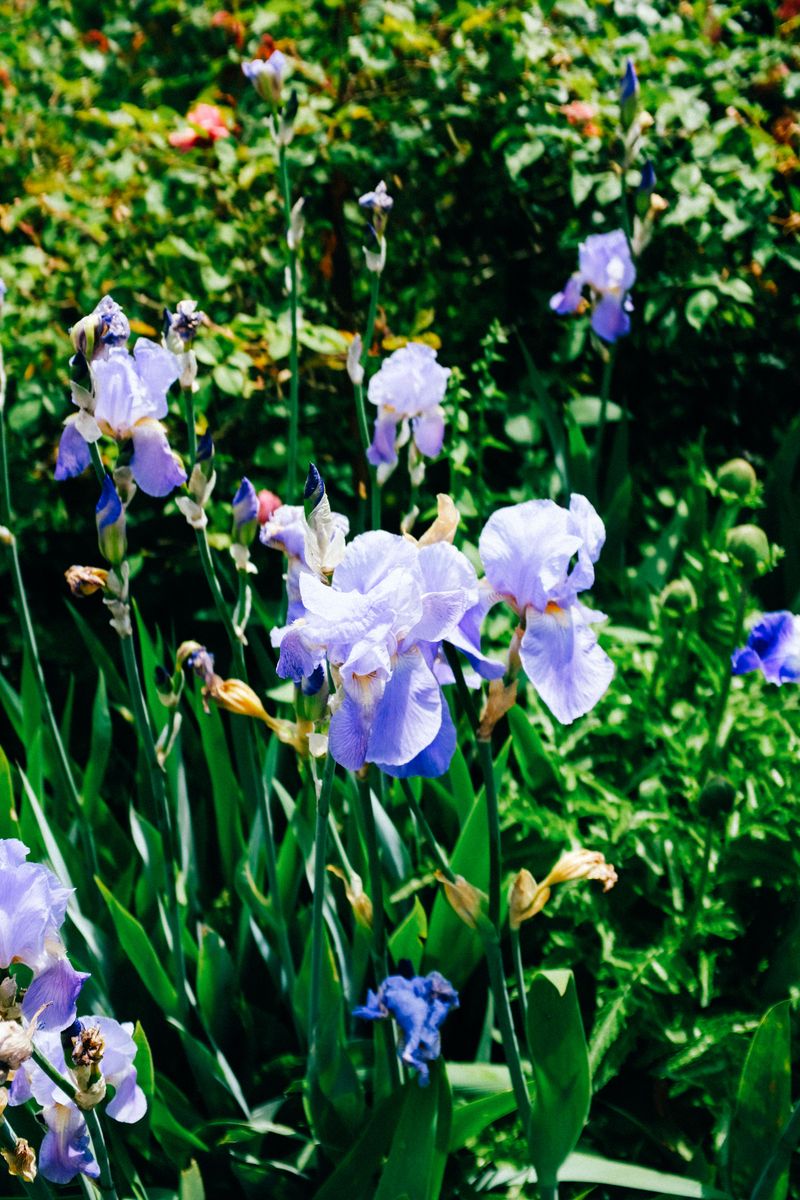
The ground finally exhales in late summer. Soil temperatures drop just enough to welcome new roots without shocking them.
When New Jersey gardeners divide bearded iris after the worst heat passes, the roots get a fair chance. They spread slowly into warm but manageable soil before the first frost arrives.
Think of it like moving into a new home. You want the timing to feel settled, not frantic. Roots planted in cooler late-summer soil anchor themselves within weeks. That early anchoring is what fuels strong stem growth come spring.
Gardeners who wait for a true cool snap often miss the window entirely. The sweet spot in New Jersey sits right between intense August heat and October chill.
Dividing bearded iris during this transition period gives each new fan a fighting chance. The soil is still loose, workable, and biologically active enough to support fresh growth.
You can almost feel the difference when you kneel down and press a rhizome into late-summer earth. That slight warmth beneath the surface tells you the timing is right.
Roots that establish now will be invisible heroes by March. You will not see them working, but your New Jersey spring blooms absolutely will.
Rhizomes Are Fully Mature And Ready To Separate Cleanly
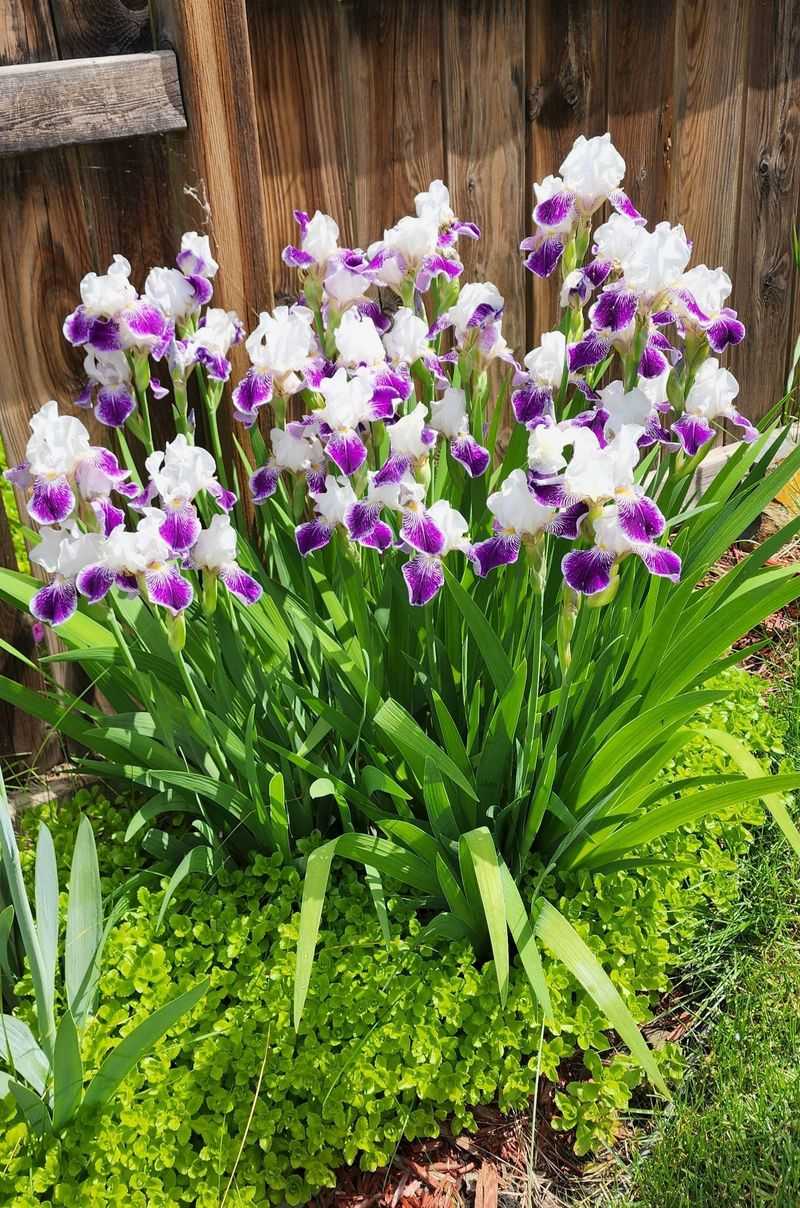
Pull back the leaves and you will find something remarkable underneath. Mature rhizomes look like plump, tan fingers reaching outward from a central crown.
By late summer, those rhizomes have fully hardened off. They are no longer soft or vulnerable the way they were back in June.
A firm rhizome separates cleanly with one confident cut. You get a smooth edge rather than a ragged, torn surface that invites rot.
Timing your division around this maturity window is not accidental gardening. It is strategic, and the results show up in April when your neighbors are asking what your secret is.
Soft or immature rhizomes tend to bruise and break poorly. Waiting until they are fully developed makes the whole process faster and cleaner.
Your New Jersey Garden Changes Every Week. Your Plan Should Too.
Gardening in New Jersey changes quickly throughout the season. Every Friday you’ll receive a simple weekly plan showing exactly what to plant, prune, fertilize, harvest, and protect so you never miss the right timing.
Each healthy fan you separate carries its own stored energy. That energy feeds the first bloom spike of the following season.
Experienced iris growers describe the satisfying snap of a mature rhizome separating correctly. It sounds small, but it signals that everything is going exactly as planned.
Dividing bearded iris at peak rhizome maturity is the difference between struggling transplants and thriving ones. Nail the timing, and next spring practically takes care of itself.
August Through September Is The Optimal Mid-Atlantic Window
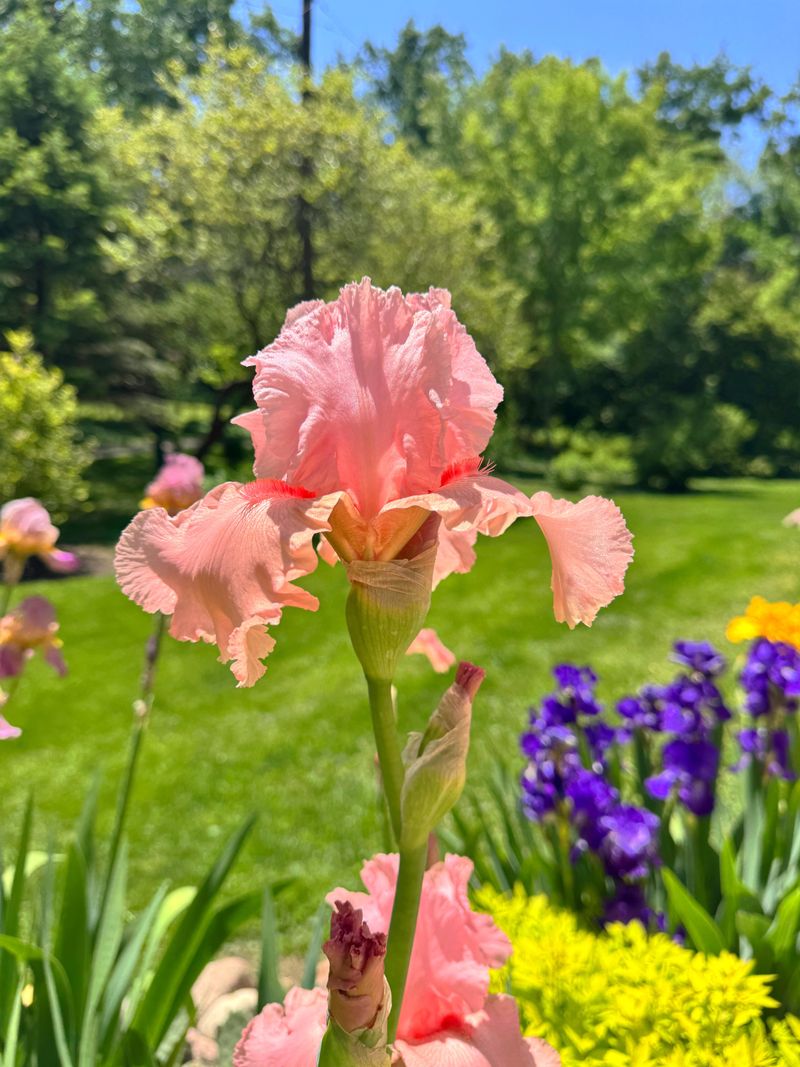
The Mid-Atlantic has its own gardening rhythm, and iris division fits right into it. August through September is not just a suggestion here, it is the proven sweet spot.
Summers in Virginia, Maryland, and Pennsylvania hold heat deep into the soil. By mid-August, that heat softens just enough for new roots to push outward without stress.
Gardeners in this region have a narrow but reliable window. Miss it, and you are gambling with your spring display.
The Mid-Atlantic also gets enough fall rainfall to support newly divided plants. That natural moisture reduces how much supplemental watering you need to do.
Planting in August gives roots six to eight full weeks before hard frost. That timeline is enough for solid establishment in most years.
Dividing bearded iris during this window also lets you see the full clump while the foliage is still visible. You can identify healthy fans from struggling ones much more easily.
September divisions can work too, but push it past the 15th and you are cutting it close. Roots need time, not just soil temperature, to anchor properly.
Think of August as the opening of a short but generous invitation. Accept it on time, and your garden beds will look spectacular when spring finally rolls back around.
Crowded Clumps Are Visibly Blooming Less, Signaling It’s Time
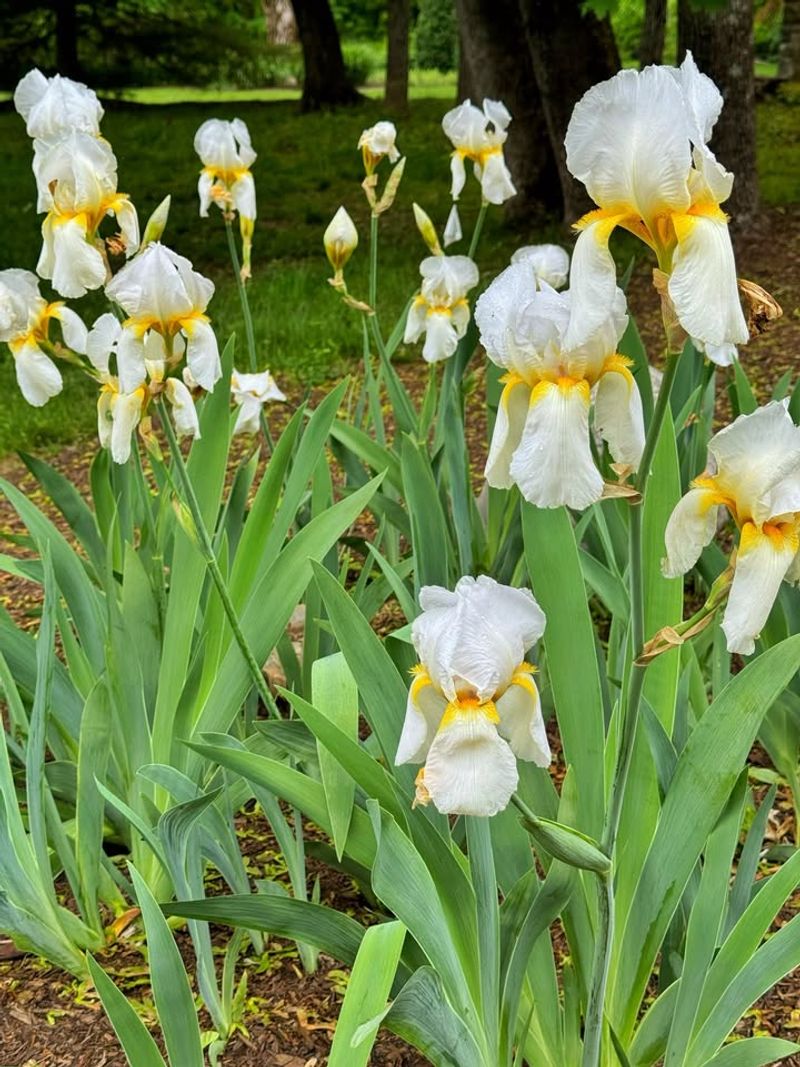
Something shifts when an iris clump gets too crowded. The flower count drops, the fans look squeezed, and the whole bed starts to feel tired.
That visible decline is not a coincidence. Overcrowded rhizomes compete for water, nutrients, and light in a way that leaves everyone losing.
When you notice fewer blooms than last year, the clump is already past its peak. It has been quietly struggling for a season or two before you caught on.
Crowding also creates bare zones in the center of older clumps. Those inner rhizomes are often spent, woody, and no longer capable of producing flowers.
A healthy iris bed looks open, with individual fans spaced about twelve to eighteen inches apart. Crowded beds look like tangled mats with no clear structure.
Dividing bearded iris when you first notice the bloom count slipping is the proactive move. Waiting until the bed looks completely exhausted means you have already lost a season.
New gardeners sometimes mistake fewer flowers for a soil problem. The real issue is almost always spacing and competition underground.
Once you separate those fans and replant them with room to breathe, the transformation is fast. Next spring, your iris bed will look like it got a full renovation, because it did.
Frost Hardens The Ground Before New Divisions Can Root
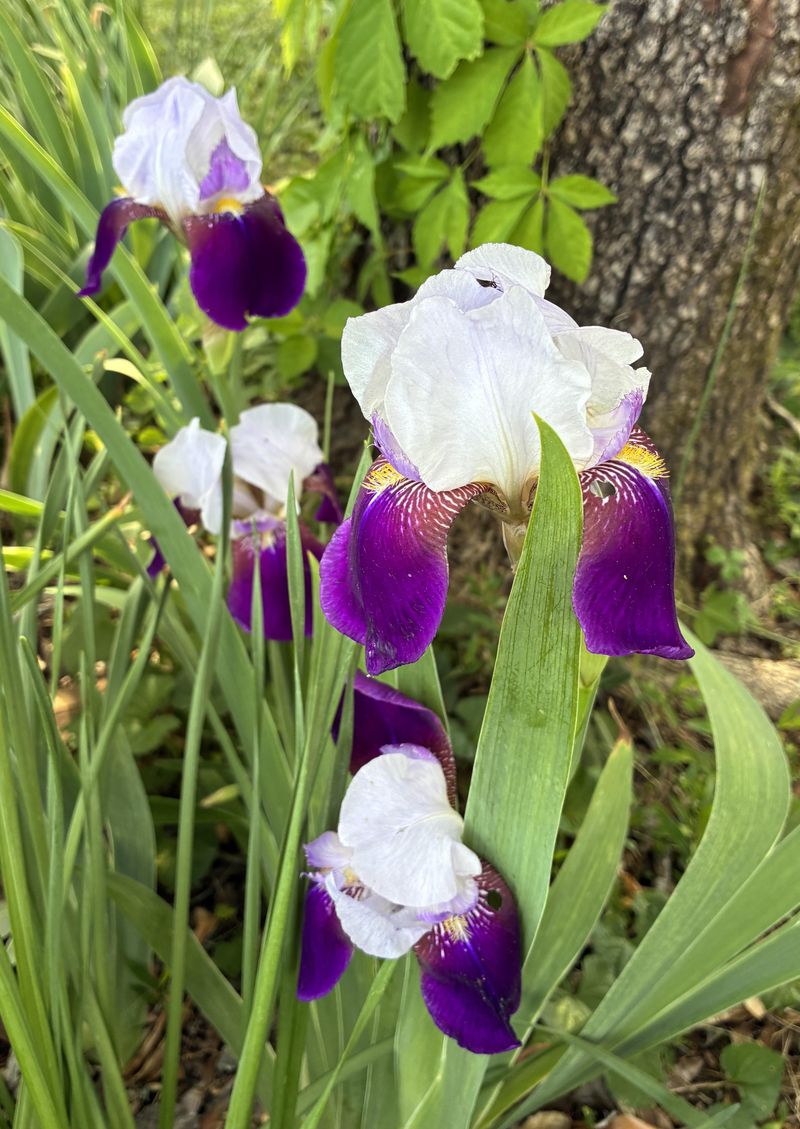
Frost does not negotiate with gardeners. When it arrives, the soil hardens fast and new roots have nowhere left to go.
Divisions planted too close to the first frost date face a significant challenge. The ground locks up before roots can spread even an inch.
In most Mid-Atlantic zones, the first hard frost lands somewhere between late October and mid-November.
That gives late planters almost no margin for error. A rhizome sitting in frozen soil is not establishing, it is just waiting and hoping.
Roots need at least four to six weeks of workable soil to anchor properly. Shave that window too thin and the plant enters winter on unstable footing.
Dividing bearded iris well before frost is not overcaution, it is basic plant logic. Roots move at their own pace and cannot be rushed by wishful thinking.
Gardeners who procrastinate often find their late-planted fans heaving out of the soil after the first freeze-thaw cycle. That shallow anchoring is a direct result of not enough root time.
Frost is coming whether you are ready or not. Getting your divisions in the ground by early September means you are working with the season, not scrambling against it.
Weakened Rhizomes Become Vulnerable To Rot And Disease
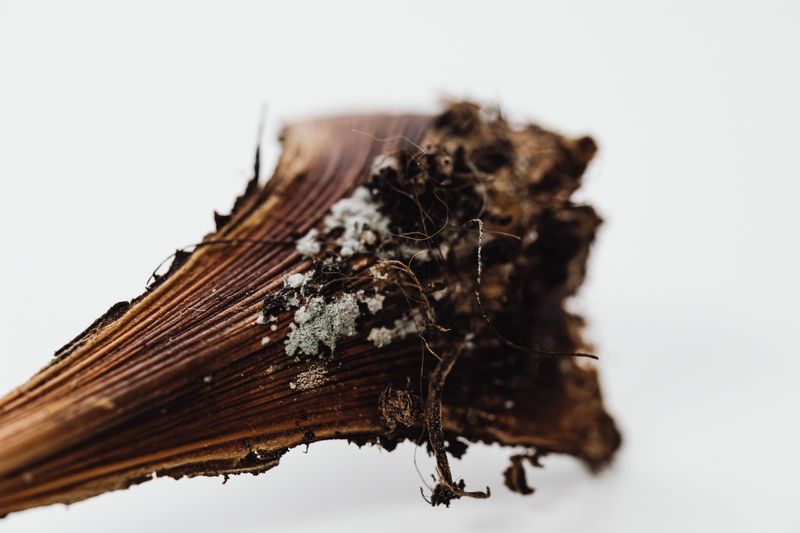
Soft rot is one of the more recognisable signs of a clump that has gone too long without division. The smell hits you the moment you break ground.
Crowded conditions trap moisture between rhizomes. That trapped dampness becomes a breeding ground for bacterial and fungal pathogens.
Iris borers make the problem even worse. They tunnel through rhizomes and leave open wounds that rot fungi eagerly colonize.
A healthy, well-spaced rhizome dries quickly after rain. It gets airflow and sunlight, which are the two best natural defenses against disease.
Neglected clumps lose both of those advantages. Dense foliage blocks air and sun while rhizomes press against each other in the dark.
Dividing bearded iris on schedule is as much about disease prevention as it is about bloom production. Clean cuts, fresh soil, and proper spacing reset the health of the entire planting.
When you separate a clump and spot soft, discolored tissue, cut it away immediately. Dust the wound with a little powdered sulfur and let it dry for a day before replanting.
Skipping division does not just reduce flowers, it creates a gradual health decline underground. By the time rot is visible above the soil line, it has often already spread further than it appears.
Overcrowded Plants Keep Declining With Fewer Blooms Next Spring
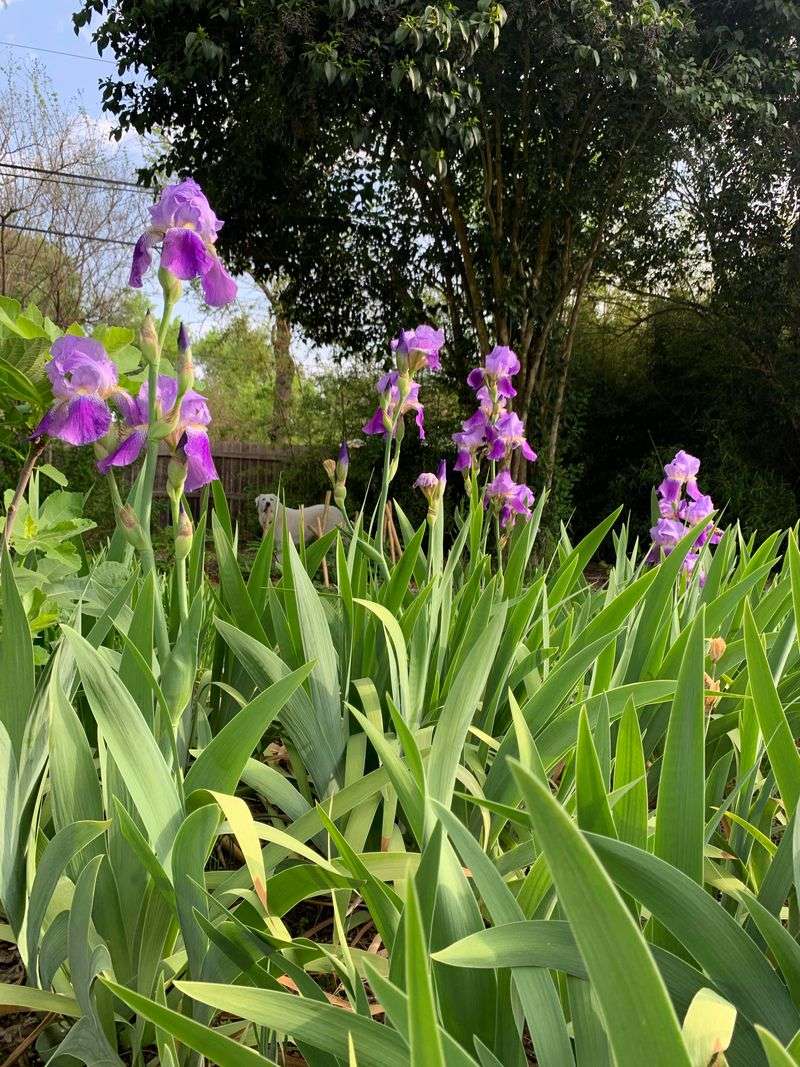
Year three is often when the decline becomes impossible to ignore. The bed that once looked like a painting now looks like a forgotten corner.
Overcrowding is a slow thief. It takes a little more color each season until the spring display is noticeably reduced from what it once was.
Each rhizome in a crowded clump is fighting for the same finite pool of nutrients. Nobody wins that fight, and the blooms are the first casualty.
Plants under that kind of stress also produce smaller fans and shorter bloom stalks. The whole aesthetic collapses quietly over two or three seasons.
Dividing bearded iris every three to four years prevents this gradual slide. It resets the spacing, refreshes the soil contact, and gives each fan its own territory.
Gardeners sometimes add fertilizer hoping to reverse the decline. Fertilising can help, but it does not solve the underlying problem of not enough space.
Think of it like a crowded apartment building where everyone shares one bathroom. No matter how nice the building is, the system breaks down under that kind of pressure.
Replanting divided fans with proper spacing is the only real fix. Do it now, and next spring will remind you exactly why you fell for bearded iris in the first place.
Divisions Planted Too Late May Heave Out Over Winter
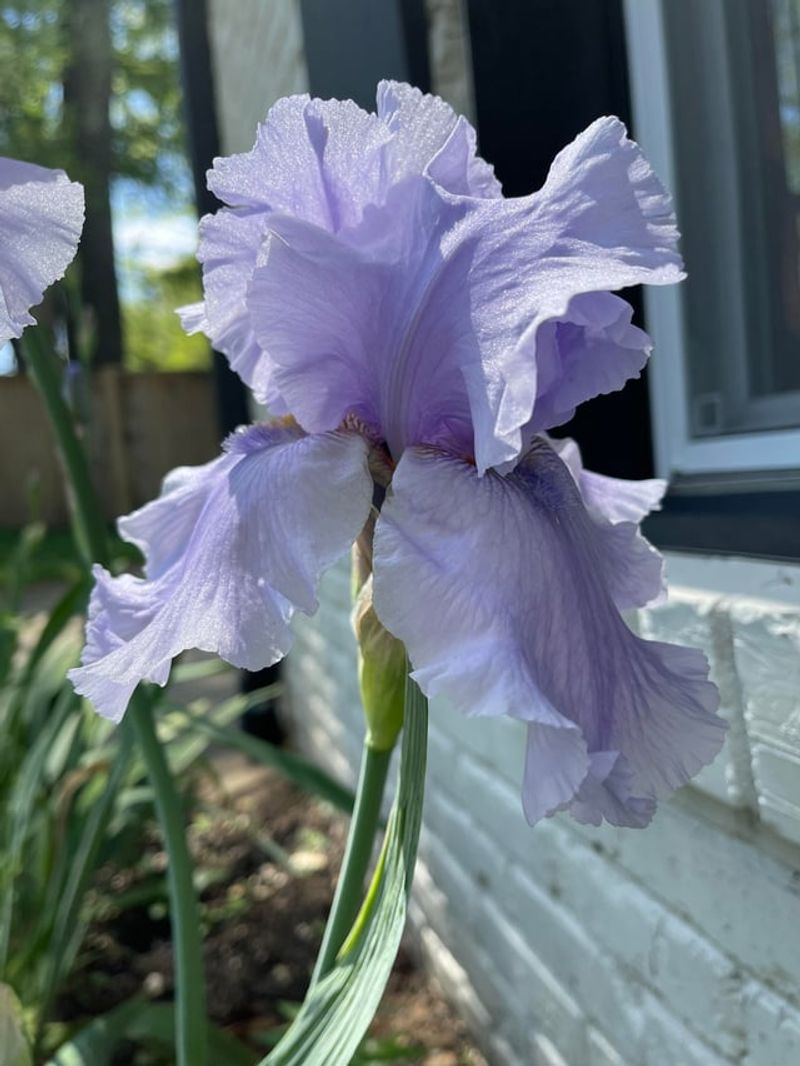
Heaving sounds like a minor inconvenience, but it can uproot an entire planting. When soil freezes and thaws repeatedly, it pushes shallow-rooted plants right out of the ground.
Divisions that did not have time to anchor before winter are the most vulnerable. Their roots are short, their grip is weak, and the frost cycle exploits both.
You might walk out to your New Jersey garden in March and find rhizomes sitting on top of the soil like they were never planted. That is heaving, and it means you planted too late.
Exposed rhizomes in early spring face a tough road. They are dehydrated, stressed, and often damaged enough that recovery takes most of the growing season.
Divisions planted in late July or early August develop two to three inches of root spread before frost arrives. That modest anchoring is enough to resist most freeze-thaw pressure in New Jersey winters.
Late September or October plantings rarely achieve that depth. They go into winter half-rooted and hope for the best, which is a gamble most New Jersey gardeners lose.
Mulching helps buffer the freeze-thaw cycle for late divisions. But mulch is a band-aid, not a substitute for proper timing.
Dividing bearded iris on schedule is the cleanest solution to winter heaving. Plant early, root deep, and let your iris greet spring exactly where you left them.