12 Perennials Illinois Gardeners Can Still Plant For Late-Summer Color
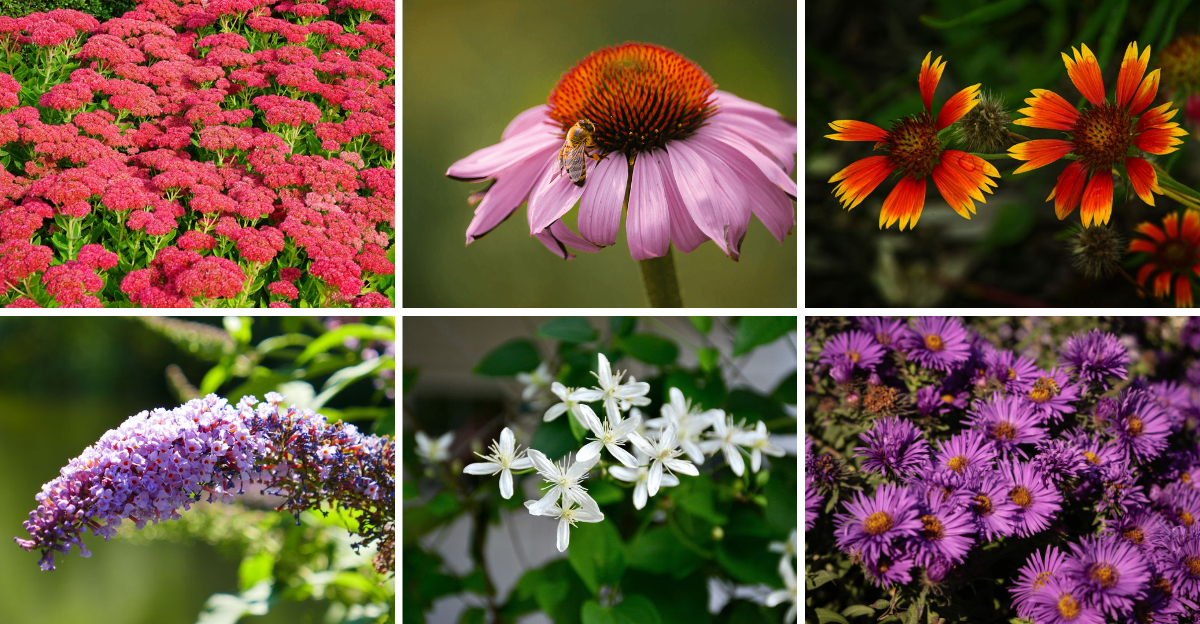
August in Illinois has a reputation problem. Everyone assumes the garden’s best days are behind it once the tomatoes stop producing and the peonies turn to mush. That assumption is costing you weeks of color.
Truth is, late summer is prime planting season for a handful of perennials. They thrive on heat and shrug off the first cool nights of September.
Plant them now, and you get roots settling in before winter, then a burst of blooms while your neighbors’ yards fade to brown and beige. Bees and butterflies notice too, showing up in numbers you won’t see in June.
This isn’t about scrambling to save a tired bed. It’s about picking plants built for this exact window, ones that reward a little effort with weeks of payoff.
1. Hardy Hibiscus
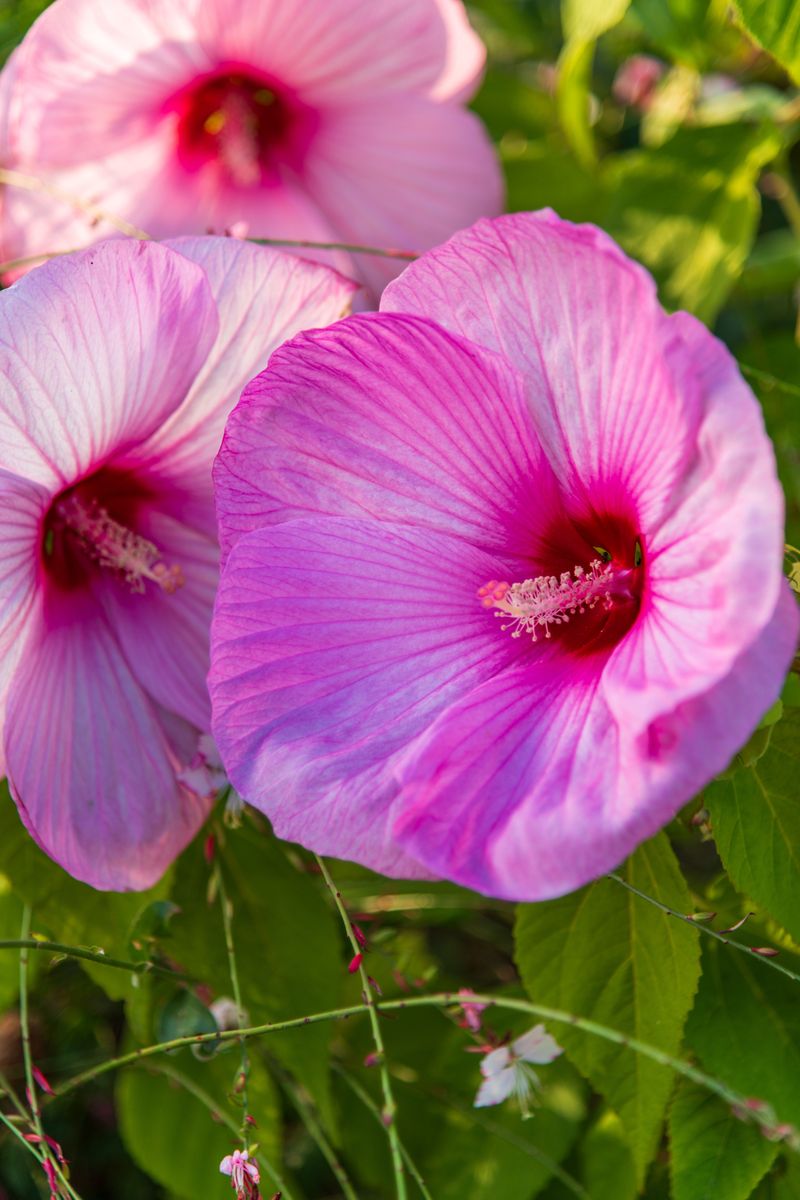
Picture a flower the size of a dinner plate exploding with tropical color right in your backyard. Hardy hibiscus makes that happen every single summer.
This showstopper thrives across Illinois, surviving winters that would flatten most tropical plants. It comes back stronger each year, rewarding patient gardeners with blooms up to 12 inches wide.
Plant yours in full sun for the best flower production. Well-drained soil and regular watering keep it happy through the hottest weeks of August.
Colors range from deep crimson to soft pink and even white with dramatic red centers. Pollinators absolutely flock to these blooms, so expect butterflies and bees as regular visitors.
Hardy hibiscus is a late riser in spring, so do not panic if it takes its time emerging. Once it gets going, growth is fast and the payoff is enormous.
You can find container-grown plants at most Illinois nurseries right now. Planting in late summer still gives roots time to establish before the first frost hits.
Cut stems back to about six inches in late fall. New growth will emerge from the base next spring, ready to put on another spectacular show for years to come.
2. Dahlia
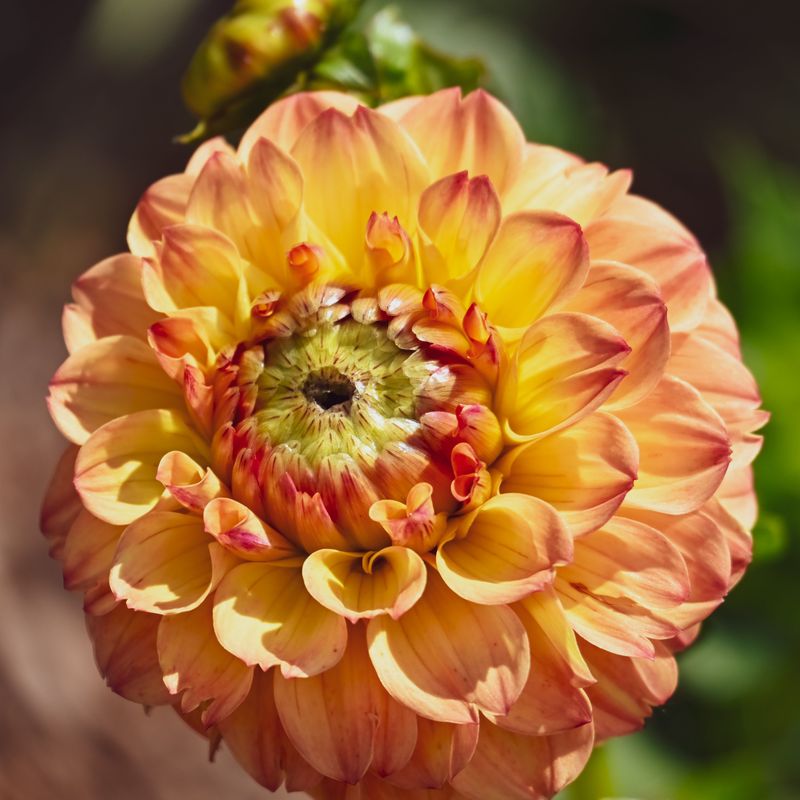
Dahlias are the overachievers of the flower world, blooming harder the longer summer stretches on. Few plants deliver this much variety in one tidy package.
From pompom-shaped minis to giant dinner-plate blooms, dahlias come in hundreds of forms. You can find colors ranging from deep burgundy to neon orange and creamy white.
Illinois gardeners planting now can still catch weeks of glorious late-summer color. Container-grown tubers establish quickly in warm August soil.
Choose a spot with at least six hours of direct sunlight daily. Dahlias are sun-hungry and will produce fewer blooms in shady conditions.
Amend your soil with compost before planting for best results. Good drainage matters most because waterlogged roots cause serious problems fast.
Stake taller varieties right at planting time to avoid disturbing roots later. A simple bamboo stake and soft garden twine do the job perfectly.
Remove spent flowers regularly to encourage continuous new blooms. The more you cut, the more the plant pushes out fresh buds.
Dahlias are not winter-hardy in most of Illinois, so plan to dig tubers after the first frost. Store them in a cool, dry location and replant next spring for another season of jaw-dropping blooms.
Your Illinois Garden Changes Every Week. Your Plan Should Too.
Gardening in Illinois changes quickly throughout the season. Every Friday you’ll receive a simple weekly plan showing exactly what to plant, prune, fertilize, harvest, and protect so you never miss the right timing.
3. Garden Phlox
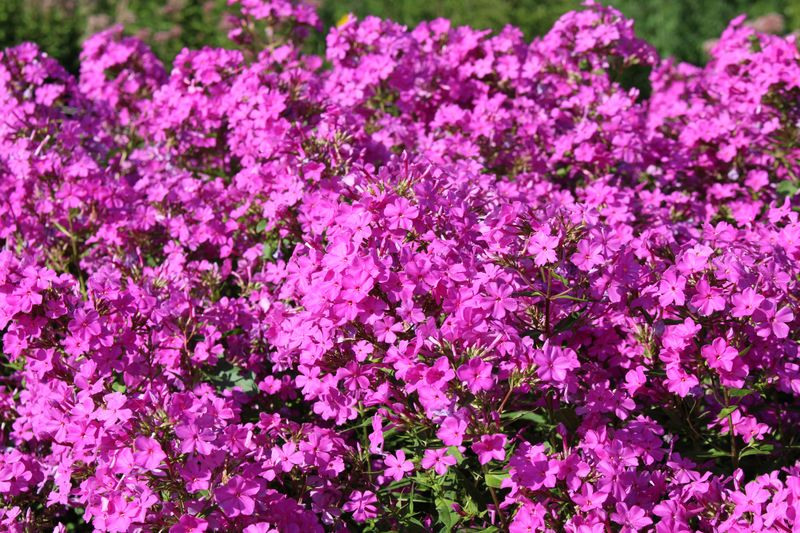
Walk past a patch of garden phlox on a warm evening and the sweet fragrance will stop you in your tracks. Few perennials deliver that kind of sensory punch.
This classic cottage-garden plant grows three to four feet tall and produces dense clusters of flowers. Shades of pink, purple, white, and coral make it one of the most versatile plants in the late-summer lineup.
Garden phlox thrives in full sun across Illinois and tolerates the humid summers well. Give it good air circulation to prevent powdery mildew, which is its main weakness.
Space plants at least 18 inches apart to let air move freely around each stem. Avoid overhead watering and focus the hose at the base of the plant.
Butterflies treat phlox like a buffet, visiting bloom after bloom throughout the day. Hummingbirds are also known to stop by for a quick sip of nectar.
Remove the spent flower heads to push the plant into producing a second flush of blooms. A light trim after the first wave of flowers fades can extend the show into September.
Select mildew-resistant varieties like David or Laura for the easiest experience. These modern cultivars keep their foliage clean and attractive all season long.
Phlox spreads slowly over time, creating fuller and more impressive clumps each year. Divide the clumps every three or four years to keep plants vigorous and blooming at their best.
4. Sedum ‘Autumn Joy’
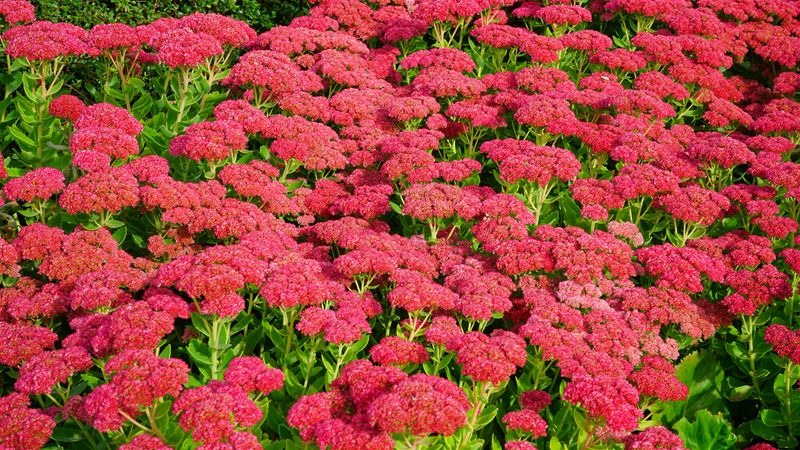
Sedum Autumn Joy is the plant that earns its keep from spring through winter without asking much in return. It is the dependable friend every Illinois garden needs.
In late summer, flat-topped flower heads shift from pale pink to a rich rosy red. By fall, those heads deepen into rusty bronze tones that look stunning even after frost.
This succulent-like perennial stores water in its thick leaves, making it remarkably drought-tolerant. Once established, it rarely needs supplemental watering even during dry Illinois summers.
Plant Autumn Joy in full sun for the most compact and upright growth habit. Shade causes stems to flop and lose that tidy mounded shape gardeners love.
The flower heads attract late-season pollinators like monarch butterflies and native bees. Leaving the seed heads standing through winter provides food for birds and structural beauty in a snowy landscape.
Sedum is nearly pest-free and resistant to deer browsing, which is a big bonus in suburban Illinois. It also handles clay-heavy soils better than most perennials.
Plant now and it will settle in quickly before cooler weather arrives. The root system is efficient, and the plant wastes no time getting comfortable in its new home.
Cut stems back to about two inches in early spring to make room for fresh new growth. Each year the clump gets slightly wider, eventually becoming a bold focal point in any perennial bed.
5. Purple Coneflower
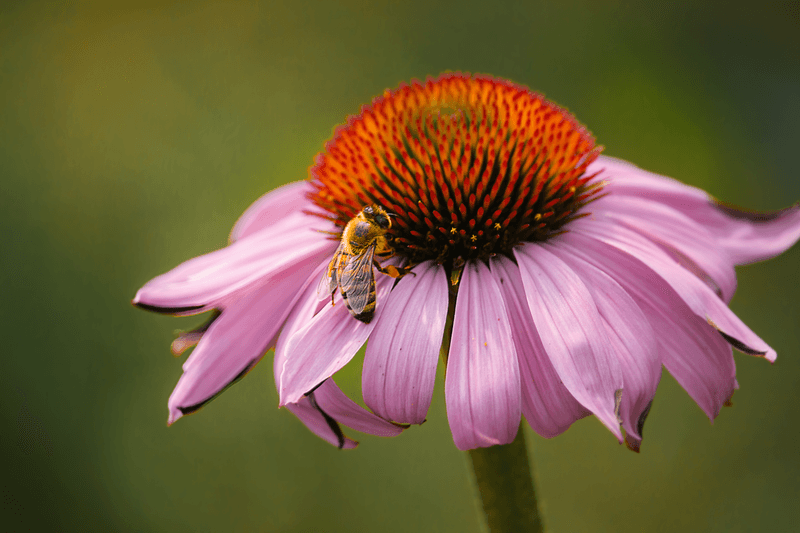
Purple coneflower is basically the mascot of the American prairie garden, and Illinois soil feels like home to it. It belongs here in a way few plants truly do.
Echinacea purpurea produces bold daisy-like flowers with spiky orange centers and swept-back purple petals. The blooms appear from midsummer and keep going strong well into September.
This native perennial handles heat, humidity, and occasional drought without complaint. Once established, it is one of the most self-sufficient plants you can grow in the Midwest.
Plant in full sun or partial shade for reliable blooming. Too much shade reduces flower production, but coneflowers are forgiving and adaptable across a wide range of conditions.
Goldfinches absolutely adore the seed heads and will cling to them through late fall. Leaving the spent blooms standing is both wildlife-friendly and visually interesting in the winter garden.
Purple coneflower spreads gradually by self-seeding, slowly filling in bare spots over time. You can also divide established clumps in spring to multiply your planting for free.
Illinois gardeners can plant container-grown coneflowers right now and expect blooms this season. The roots establish fast in warm late-summer soil, making it one of the smartest investments for late-season color in any perennial garden.
6. Black-Eyed Susan
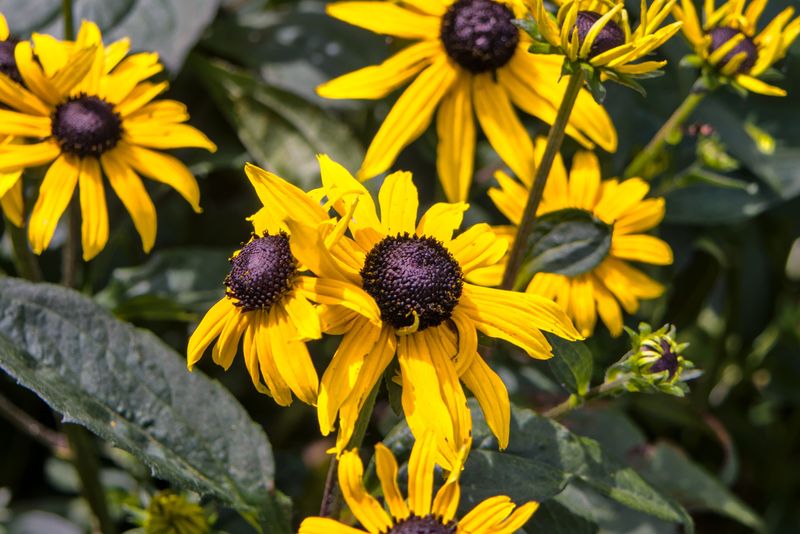
Few flowers say Midwest summer quite like black-eyed Susans blazing golden yellow across a sunny garden bed. They are cheerful, tough, and unfailingly reliable.
Rudbeckia hirta and its cultivars bloom from midsummer through fall, making them perfect for planting right now. The bright yellow petals surrounding dark chocolate-brown centers are instantly recognizable and endlessly attractive.
Black-eyed Susans thrive in full sun and tolerate poor soils better than most perennials. They are also notably drought-tolerant once their roots settle into the ground.
Plant container-grown specimens now and you will likely see blooms within weeks. The warm soil of late summer actually speeds up establishment and encourages faster flowering.
These plants are native to the Illinois landscape, meaning local pollinators already know exactly where to find them. Bees, butterflies, and even small beetles visit the flowers throughout the day.
Removing spent blooms extends the bloom period, but leaving seed heads in place feeds birds through autumn. Striking a balance between the two keeps both your garden and local wildlife happy.
Black-eyed Susans spread by both seeds and root division, gradually forming larger clumps over time. Thin or divide clumps every few years to maintain good air circulation and vigorous blooming.
Combine them with purple coneflowers and blue salvia for a bold, classic Midwestern color scheme. That trio is one of the most celebrated combinations in Midwestern perennial gardening, season after season.
7. Blanket Flower
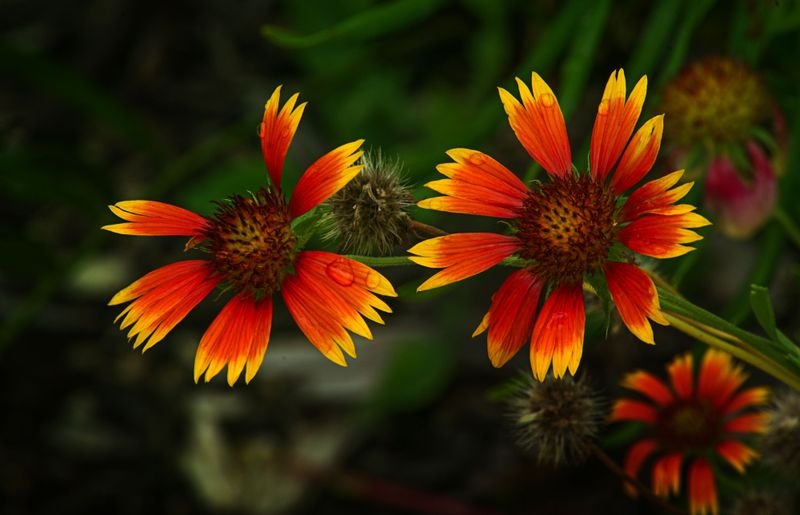
Blanket flower is said to have earned its name from the bold patterns found on traditional Native American blankets, and the resemblance is unmistakable. These blooms are warm, vivid, and full of energy.
Gaillardia produces red, orange, and yellow flowers that look like tiny suns scattered across the garden. The color intensity actually deepens as summer temperatures rise.
This perennial loves hot, sunny spots and performs best in well-drained or even sandy soils. Heavy clay or waterlogged ground is its biggest enemy, so amend your bed before planting if needed.
Blanket flower is exceptionally drought-tolerant once established, making it a smart choice for low-maintenance Illinois gardens. It keeps blooming even when other plants start to fade under summer stress.
Pollinators visit blanket flower constantly throughout the day. Bumblebees and native sweat bees seem particularly fond of the wide, open flower heads.
Remove spent blooms regularly to encourage continuous flowering from now through October. Each removed flower signals the plant to push out another round of fresh buds.
Blanket flower is short-lived as a perennial, often lasting two to three years before needing replacement. However, it self-seeds freely, so new plants tend to appear right where the old ones stood.
Plant a generous grouping of at least five to seven plants for maximum visual impact. A bold sweep of blanket flower in late summer creates a fiery focal point that stops neighbors in their tracks.
8. Sweet Autumn Clematis
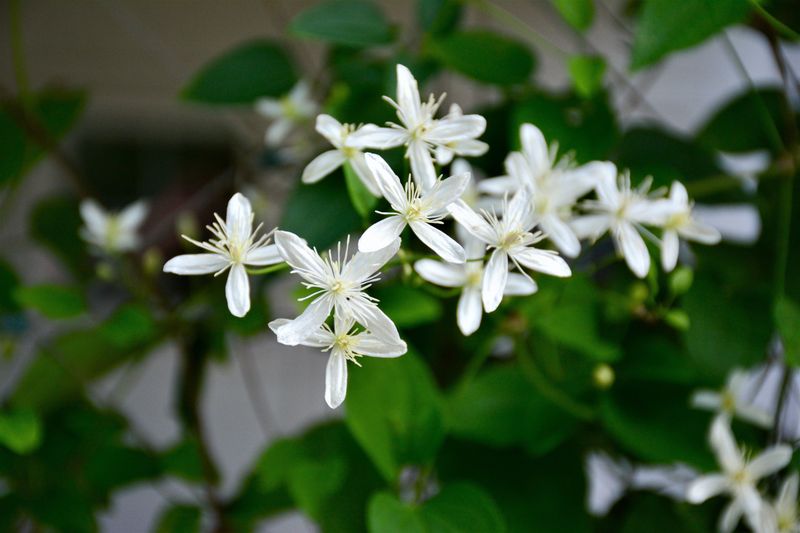
Sweet autumn clematis waits patiently all season long and then explodes in a cloud of tiny white flowers just when everything else is slowing down. The timing alone makes it a garden hero.
This vigorous vine can cover a fence, trellis, or arbor with thousands of star-shaped blooms in August and September. The sweet vanilla-like fragrance drifts across the yard on warm evenings.
Plant sweet autumn clematis in full sun to partial shade for reliable performance. It adapts well to most Illinois soils as long as drainage is reasonable.
Give it something to climb right at planting time because this vine moves fast. A simple wire trellis, wooden fence, or even an old shrub can serve as a support structure.
After blooming, the plant produces feathery silver seed heads that shimmer in autumn light. Those seed heads are almost as decorative as the flowers themselves.
Fair warning: this clematis self-seeds prolifically and can spread aggressively in ideal conditions. Remove spent blooms before seeds fully mature if you want to control its spread in your garden.
Despite its enthusiastic growth, it is easy to manage with an annual hard cutback in early spring. Cut it all the way back to about 12 inches and it will regrow quickly and vigorously.
For Illinois gardeners who want a dramatic late-season statement with minimal effort, sweet autumn clematis is hard to beat. Few plants deliver that much coverage and fragrance so effortlessly.
9. Butterfly Bush
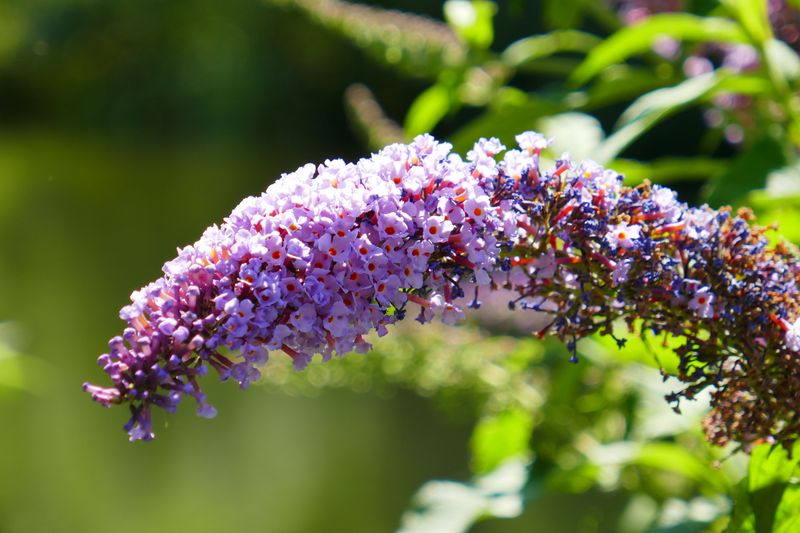
If you want to feel like you are living inside a nature documentary, plant a butterfly bush and wait. Within days, monarchs and swallowtails will treat your yard like a five-star restaurant.
Buddleia davidii produces long arching spikes of tiny flowers in shades of purple, pink, white, and deep magenta. The blooms carry a light honey fragrance that is pleasant without being overwhelming.
Butterfly bush grows quickly and can reach four to six feet tall in a single season. Planting now gives it enough time to establish and produce blooms before Illinois temperatures drop.
Choose a spot with full sun and good drainage for the best performance. It handles heat exceptionally well and actually blooms more intensely during hot, dry stretches.
Remove the spent flower spikes regularly to keep new blooms coming through September. Each removed spike encourages the plant to push out two or three fresh ones in its place.
Some butterfly bush varieties are considered invasive in certain states, so choose sterile or low-seed cultivars. Look for varieties like Pugster Blue or Miss Molly, which are bred to produce little to no viable seed.
Cut the entire shrub back hard in early spring, down to about 12 inches from the ground. This dramatic pruning encourages the strongest new growth and the most prolific blooming each season.
Watching a dozen butterflies work the blooms on a warm August afternoon is genuinely one of gardening’s greatest rewards. Plant one and experience it yourself.
10. Salvia
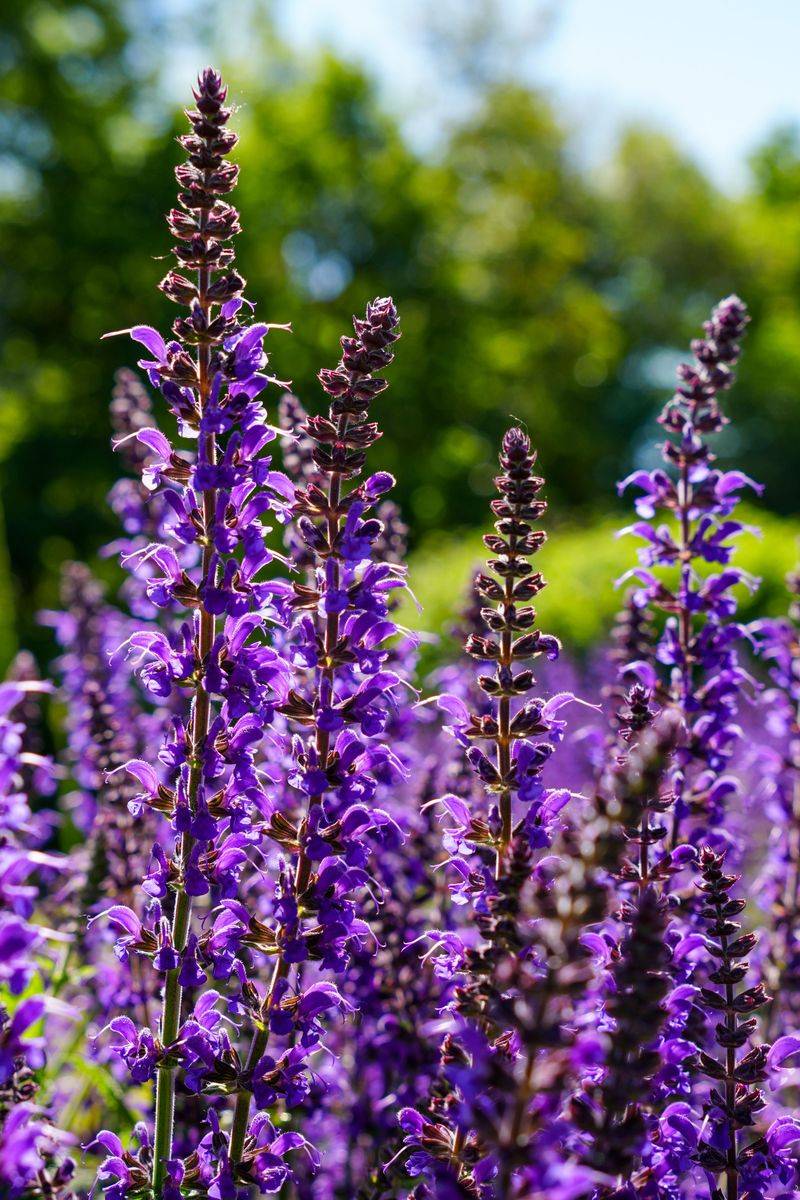
Salvia is the quiet professional of the perennial world, always showing up, always blooming, and never causing drama. Gardeners who discover it tend to plant it everywhere.
Perennial salvias produce tall vertical spikes of tubular flowers in shades of blue, purple, and violet.
Salvia nemorosa and its cultivars are among the most reliable choices for Illinois conditions. They handle summer heat, humidity, and occasional dry spells without missing a beat.
Plant in full sun for the strongest bloom production and most compact growth. Partial shade is tolerable, but flower numbers will decrease noticeably in lower light conditions.
After the first flush of blooms fades in early summer, cut plants back by about half. This simple step triggers a second and sometimes third round of flowering that stretches well into fall.
Hummingbirds and bumblebees are particularly attracted to the tubular flower shape. Planting salvia near a window or patio gives you a front-row seat to the daily pollinator action. Salvia is also remarkably deer-resistant thanks to its aromatic foliage.
Popular cultivars like May Night, Caradonna, and Blue Hill perform beautifully across Illinois planting zones. Any of these planted now will establish quickly and reward you with color through the rest of the growing season.
11. New England Aster
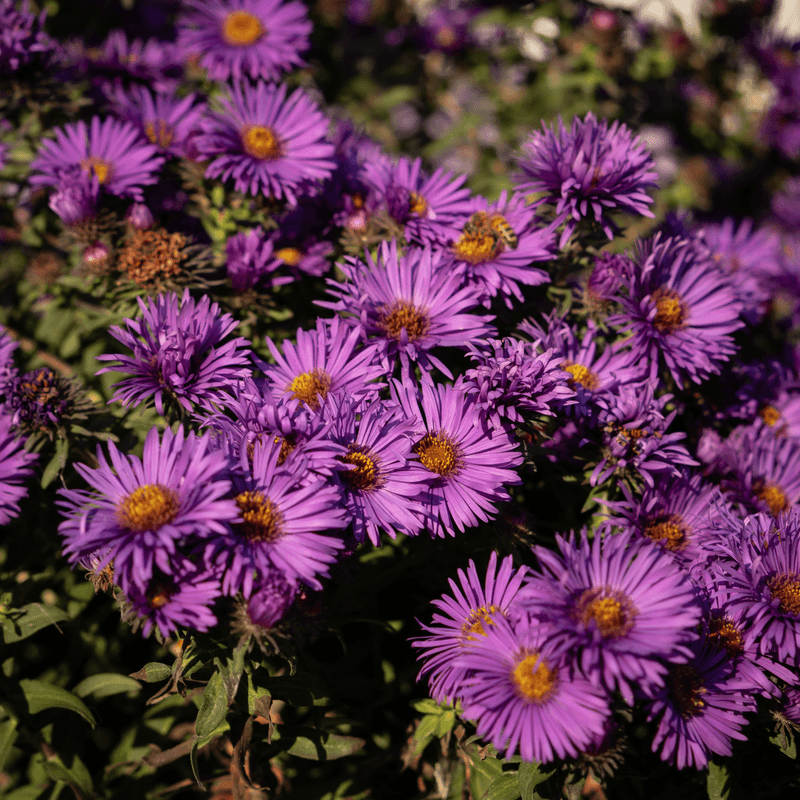
New England aster is like the grand finale of the perennial garden, saving its best performance for the very end of the season. When other flowers fade, this one is just getting started.
Symphyotrichum novae-angliae bursts into bloom in late August and September, covering itself in daisy-like flowers. Colors range from soft lavender to deep violet and rich magenta pink.
This native perennial is perfectly adapted to Illinois conditions, having evolved on the very same landscape. It handles clay soils, summer humidity, and fluctuating temperatures without complaint.
Plant in full sun for the most abundant blooming and most upright growth habit. Taller varieties may need staking or a supportive neighbor plant to stay standing through autumn winds.
Pinching the growing tips back in June encourages bushier, more compact plants with more flower buds. Stop pinching by mid-July so the plant has time to set its late-summer blooms.
Monarch butterflies rely heavily on asters during their fall migration south. Planting a generous patch of New England aster is a direct way to support one of nature’s most remarkable journeys.
The seed heads that follow the blooms attract goldfinches and sparrows through late fall. A patch of asters in October is essentially a wildlife feeding station disguised as a beautiful garden plant.
12. Liatris
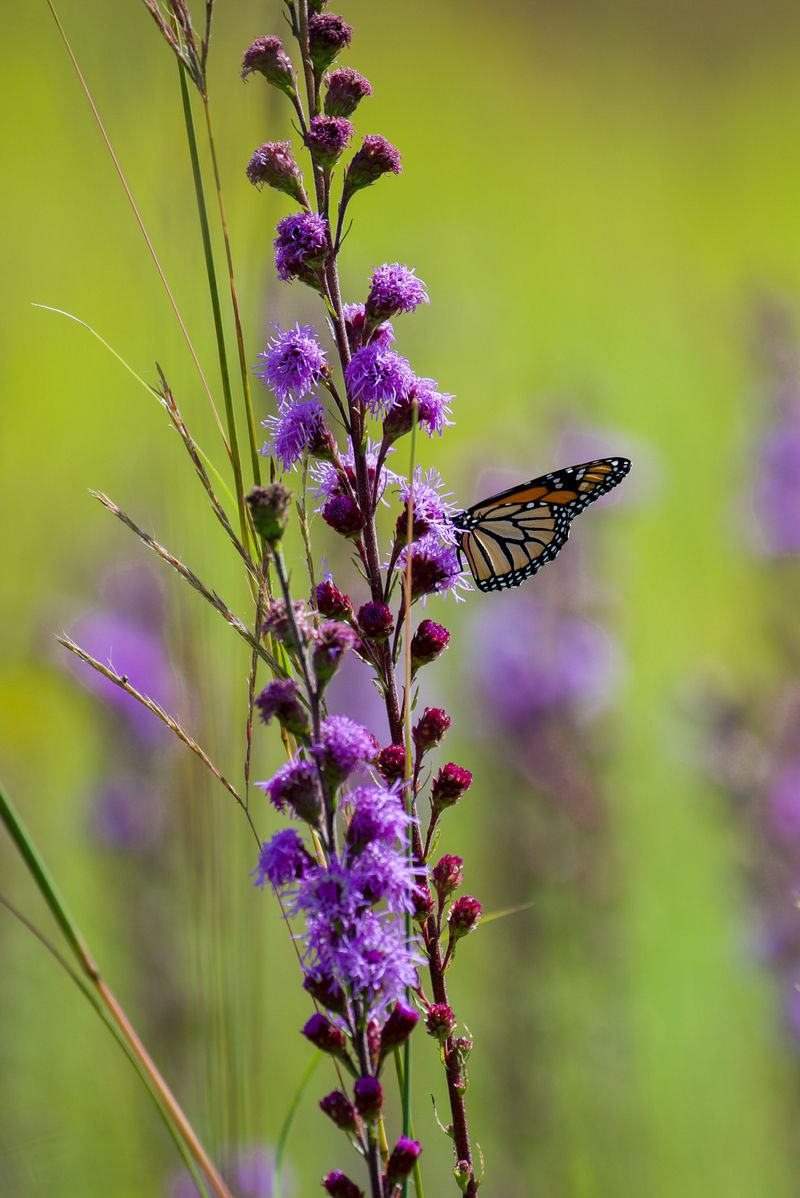
Liatris blooms from the top down, which is the exact opposite of almost every other flower on the planet. That quirky detail alone makes it worth a second look.
Also called blazing star or gayfeather, liatris produces tall wands of fluffy purple flowers that rise dramatically above the surrounding foliage. The vertical form adds a striking architectural element to any garden bed.
This native prairie plant is completely at home in Illinois soil and climate. It evolved here, which means it handles summer heat, drought, and heavy clay without batting an eye.
Plant liatris corms or container-grown plants now in a full sun location. The roots establish quickly in warm late-summer soil, and established plants are remarkably low-maintenance.
Monarch butterflies and swallowtails are strongly drawn to the purple blooms during migration season. A row of liatris along a fence or border becomes a busy butterfly highway in August and September.
Goldfinches love the seed heads after flowering and will cling to the stems to feed. Leaving the stalks standing through winter supports wildlife and adds vertical interest to the dormant garden.