Here’s What It Means When A Mourning Dove Visits Your Illinois Yard
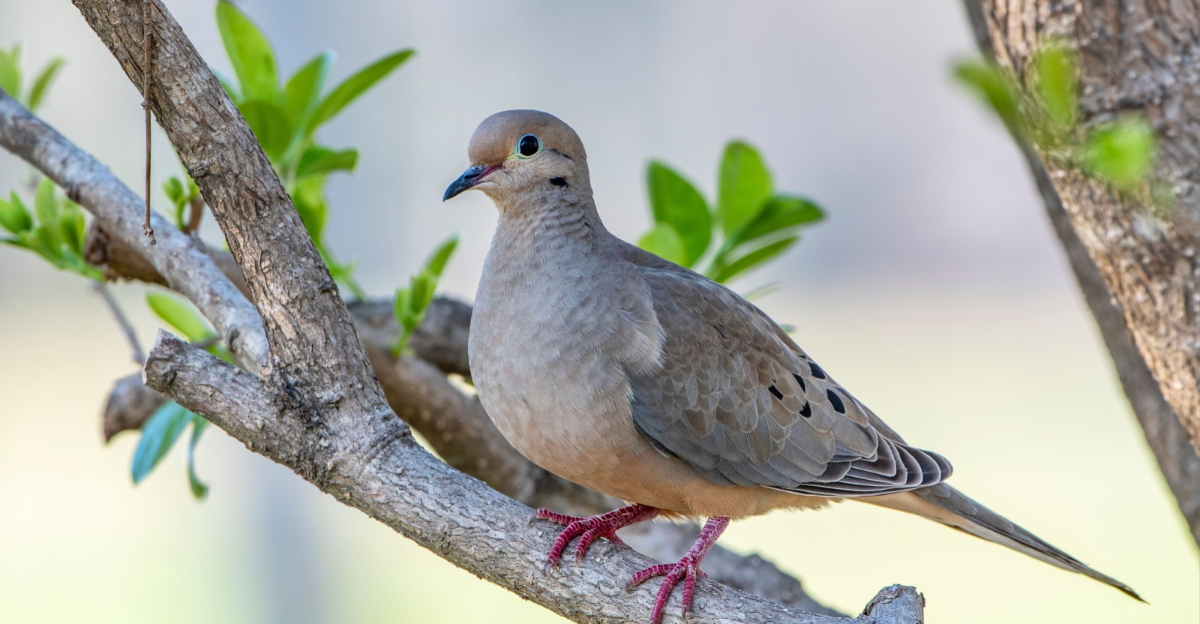
A mourning dove lands in your yard. You stop what you are doing. You are not sure why.
They are selective about where they spend their time, and if one chose your yard, there is a reason for that.
Across Illinois, homeowners spot them pecking along the ground, perched on low branches, or cooing from a fence post in the early morning.
Some see one once. Others notice the same bird coming back, season after season. Mourning doves are year-round Illinois residents. Most stay put year-round, which makes a winter visit feel even more personal.
But what does it actually mean when one shows up? The answer says more about your yard than you might expect.
A Mourning Dove Chose Your Yard For A Reason
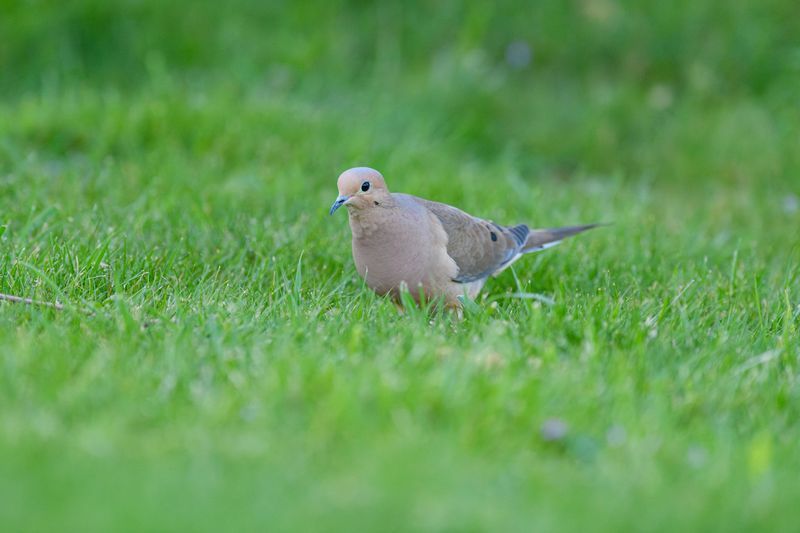
Something drew that bird straight to your property. Mourning doves are not random about where they land.
They are careful, observant creatures that scout locations before settling in. Your yard likely offers something they need, whether that is food, shelter, water, or open ground.
These birds prefer yards with a mix of trees, shrubs, and open lawn space. They feel safest where they can see predators coming from a distance.
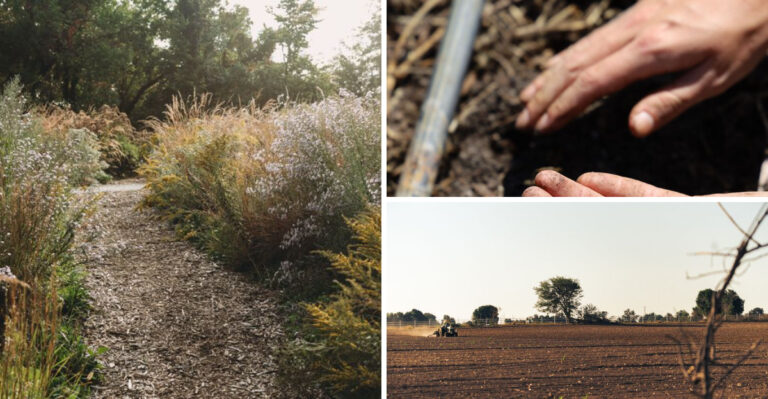
Flat, open areas near seed-bearing plants are especially attractive to them. If your yard has a gravel path, a bare garden patch, or a low-lying feeder, you have basically rolled out a welcome mat.
Mourning doves are ground foragers, meaning they prefer eating seeds directly off the soil. An Illinois yard with mature trees and a quiet atmosphere checks nearly every box.
Noise, heavy foot traffic, and aggressive pets can push them away fast. A calm environment signals safety, and safety is everything to a mourning dove.
Spotting one in your yard is genuinely a good sign about your outdoor space. It means your yard feels balanced and inviting to wildlife.
Think of it as a small endorsement from nature itself. Once a mourning dove finds a safe spot, it tends to return.
Your yard just made someone’s shortlist, and that is worth paying attention to.
How To Identify A Mourning Dove
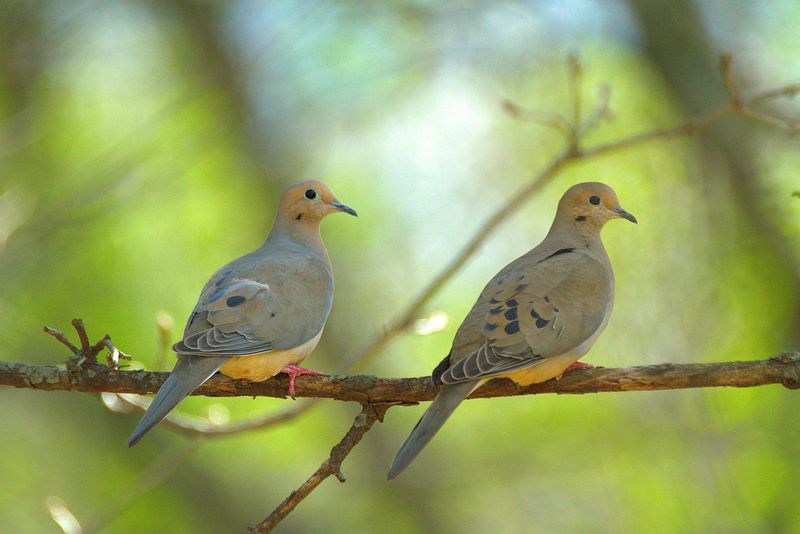
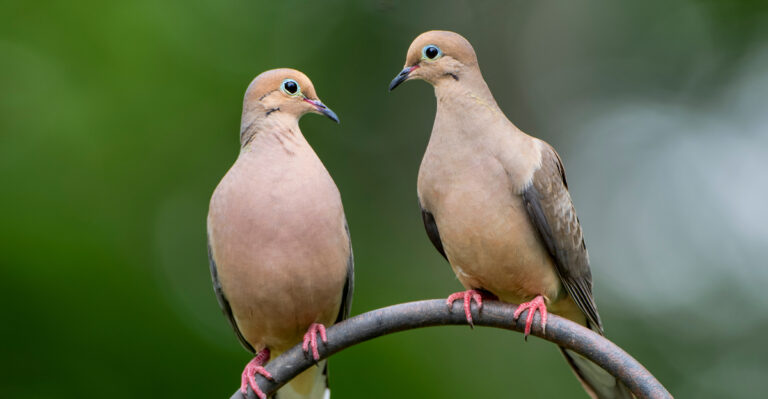
Soft tan feathers, a tiny round head, and a long tapered tail make this bird unmistakable once you know what to look for.
Soft tan feathers, a tiny round head, and a long tapered tail make this bird unmistakable once you know what to look for. Mourning doves are medium-sized, roughly the length of a robin but more slender.
Their plumage is a warm blend of brown, gray, and buff tones. Look closely and you will notice a small black spot just below each eye.
Their wings often show scattered dark spots as well. In sunlight, the neck feathers shimmer with a faint rose or green iridescence that catches people off guard.
The call is what most people recognize first. That low, mournful cooing sound floats across yards in the early morning and at dusk.
Many people mistake it for an owl at first listen, but the rhythm is slower and more melodic than most owl calls. In flight, mourning doves make a distinctive whistling sound with their wings.
Your Illinois Garden Changes Every Week. Your Plan Should Too.
Gardening in Illinois changes quickly throughout the season. Every Friday you’ll receive a simple weekly plan showing exactly what to plant, prune, fertilize, harvest, and protect so you never miss the right timing.
That sharp, fluttery noise as they take off is a quick way to confirm what you just spotted. They fly fast and in straight lines, which also sets them apart from other backyard birds.
Males and females look almost identical, so telling them apart takes practice. Males tend to have a slightly bluer crown and a pinker chest tone.
Once you identify one mourning dove, you will start noticing them everywhere.
Mourning Dove Diet And How To Feed Them
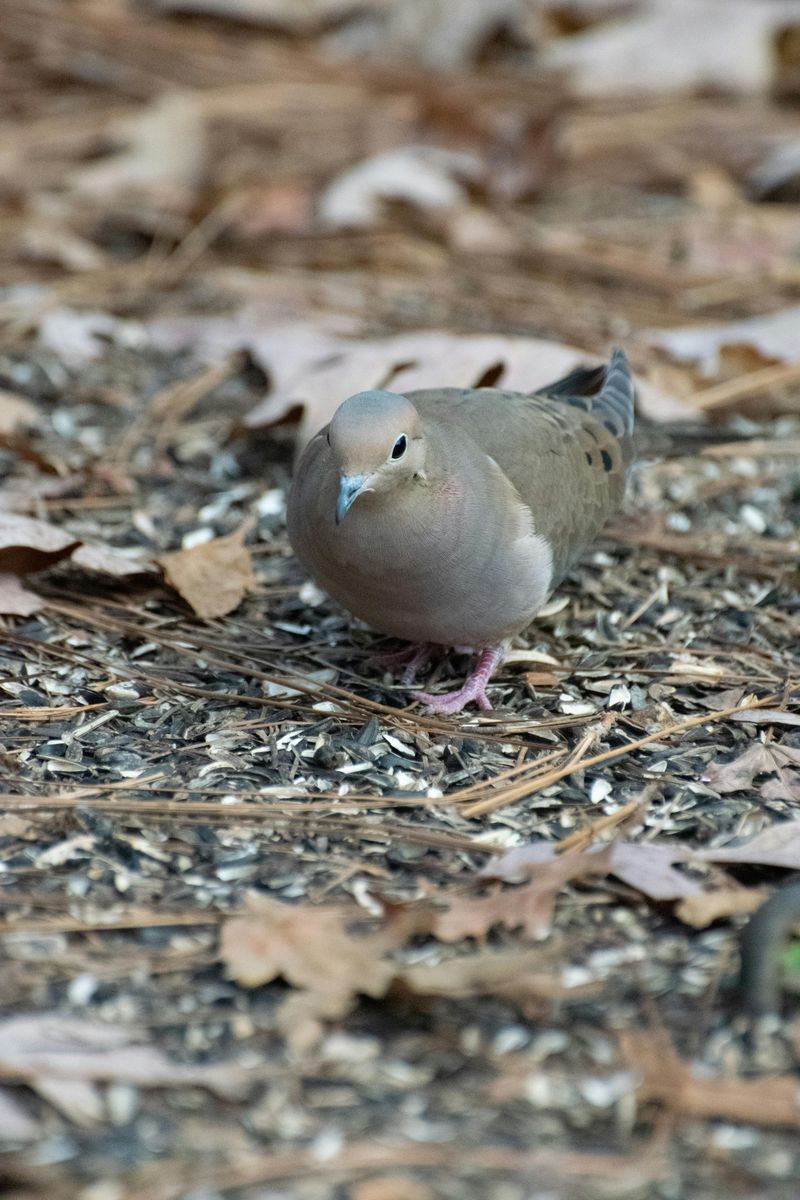
Mourning doves are almost entirely seed-eaters. They consume a wide range of seeds from grasses, weeds, and cultivated plants.
Millet, milo, cracked corn, and sunflower seeds are among their top choices at backyard feeders. One quirky fact about them is how they eat.
Mourning doves can drink water by sucking it up continuously, unlike most birds that have to tilt their heads back. They feed the same way with seeds, loading up their crop quickly and then flying off to digest in peace.
Ground-level feeding works best for attracting them. A platform feeder set low to the ground or seeds scattered directly on a clean, flat surface will bring them in reliably.
Tube feeders are not their style since they are not built for perching on narrow rods. Avoid seed mixes heavy in fillers like oats or wheat.
Mourning doves will pick through and toss those aside, creating a mess and attracting unwanted pests. A simple mix of white millet and cracked corn is affordable and highly effective.
Consistency matters more than quantity. Putting out a small amount of seed at the same time each day trains doves to visit on a schedule.
Once they learn your yard is a reliable food source, they will show up like clockwork every single morning.
Nesting Habits You Might Notice In Your Yard
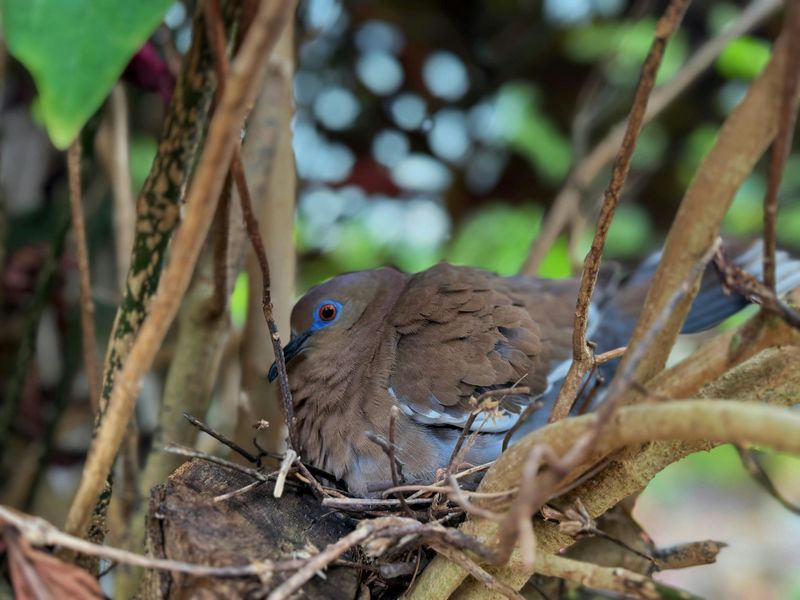
Mourning dove nests are famously minimalist. Calling them flimsy might actually be generous.
A loose platform of thin twigs, barely woven together, is all they build. From below, you can sometimes see the eggs right through the gaps in the nest floor.
They prefer low-to-mid-height spots, typically between five and twenty-five feet off the ground. Dense shrubs, ornamental trees, and even window ledges have all hosted mourning dove nests in Illinois yards.
They are not picky about species of tree, just about feeling hidden enough to feel safe. A mourning dove pair raises multiple broods per season, typically two to three broods per season in Illinois.
Each clutch contains exactly two eggs, almost without exception. Incubation lasts around two weeks, and chicks leave the nest within two more weeks after hatching.
Both parents share nesting duties in a clear pattern. The male sits on the nest during daytime hours, and the female takes the night shift.
Watching this swap happen is one of the more charming things you can witness in a backyard setting. If you spot a mourning dove sitting perfectly still in the same tree spot day after day, look closer.
There is a good chance a nest is tucked right beneath it. Resist the urge to investigate too closely, as disturbance can cause the parents to abandon the nest.
When A Mourning Dove Keeps Returning
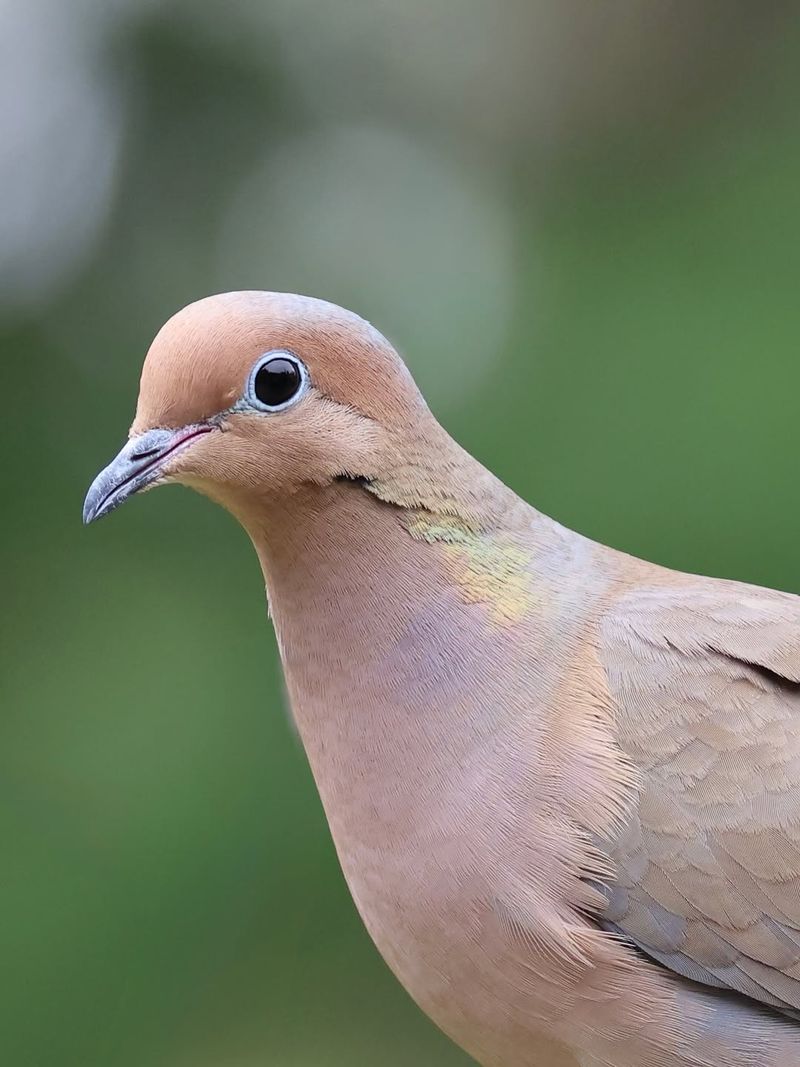
A mourning dove that returns to your yard regularly is not just passing through. Repeat visits signal that your yard has earned a spot in that bird’s mental map of safe, reliable places.
That is a meaningful distinction in the bird world. Mourning doves have strong site fidelity, which means they tend to return to locations where they have found food, water, or shelter before.
Once your yard makes that list, you may see the same individual bird for months or even years. Banded dove studies have shown some individuals returning to the same feeding spots across multiple seasons.
Symbolically, many people across different cultures view a returning mourning dove as a sign of peace, loyalty, or comfort. Across many American traditions and cultures, these birds have long been associated with calm and reassurance.
Whether or not you lean into the symbolism, there is something genuinely soothing about a familiar bird showing up each morning. Practically speaking, a returning dove means your yard is doing something right.
The habitat you have created is working. Food is consistent, the environment feels safe, and the bird trusts your space.
Pay attention to whether the same dove brings a mate or offspring over time. That pattern is one of the most rewarding things a backyard birder can witness.
And it all starts with one bird deciding your yard is worth revisiting.
Making Your Illinois Yard More Welcoming To Mourning Doves
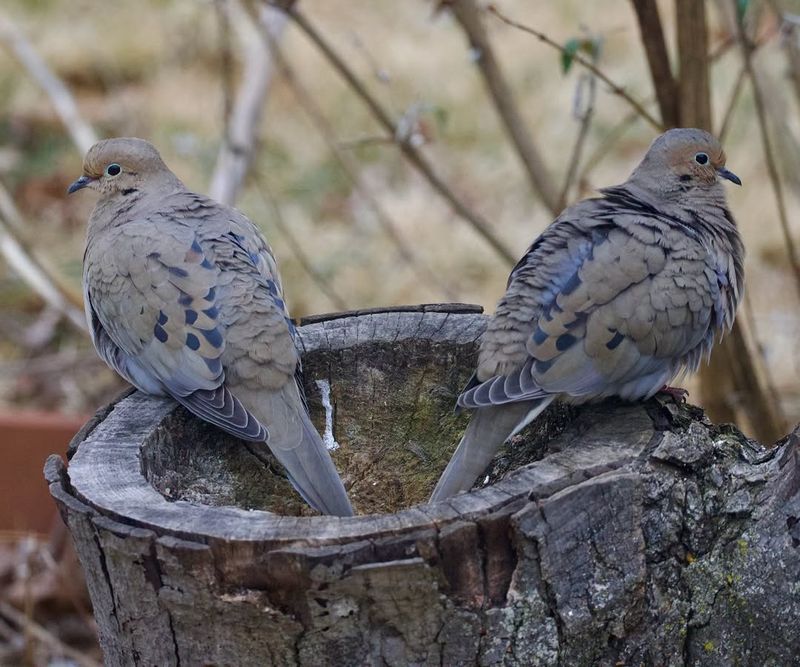
Creating a mourning dove-friendly yard does not require a major renovation. Small, thoughtful changes make a big difference.
Start with food, water, and open ground, and you are already most of the way there. Scatter white millet or cracked corn on a flat platform feeder or directly on a clean patch of soil.
Keep the feeding area away from dense shrubs where cats or other predators could hide. Open sightlines help doves feel confident enough to stay and eat rather than flushing away at every small sound.
A shallow birdbath placed near ground level is one of the best investments you can make. Mourning doves prefer drinking from low water sources rather than tall pedestal baths.
Change the water every two to three days to keep it fresh and prevent mosquito breeding. Plant native grasses and wildflowers that produce seeds naturally throughout the season.
Species like coneflower, black-eyed Susan, and native millet grasses are excellent choices for Illinois yards. These plants feed doves while also supporting other local wildlife.
Reduce pesticide use as much as possible. Chemicals can taint seeds and harm birds indirectly through the insects they occasionally consume.
A yard that leans toward natural growing methods tends to attract more wildlife across the board. A mourning dove in your Illinois yard is a sign that something good is already happening outside your door.
Keep building on it.