This Michigan Groundcover Stabilizes Slopes Without Constant Mowing
If you have a slope in your Michigan yard, you already know the struggle.
Mowing it is awkward, sometimes dangerous, and the grass never seems to hold the soil the way you hope.
Every heavy rain washes a little more dirt downhill, leaving bare patches and ruts that keep getting worse season after season.
Many homeowners try to solve this with more grass seed or more mulch, and neither one quite works.
There is a better option that Michigan gardeners are quietly discovering, and it does not involve a single push of a lawn mower.
It spreads on its own, stays green through Michigan winters, holds the soil from below with its roots and from above with its branches, and once it establishes, it largely takes care of itself.
One plant. One planting. Years of relief from a problem that used to take hours every weekend to manage.
The sections below explain exactly how this groundcover works, what it needs to perform well, and what realistic expectations look like during the first few years after planting.
Meet The Creeping Juniper
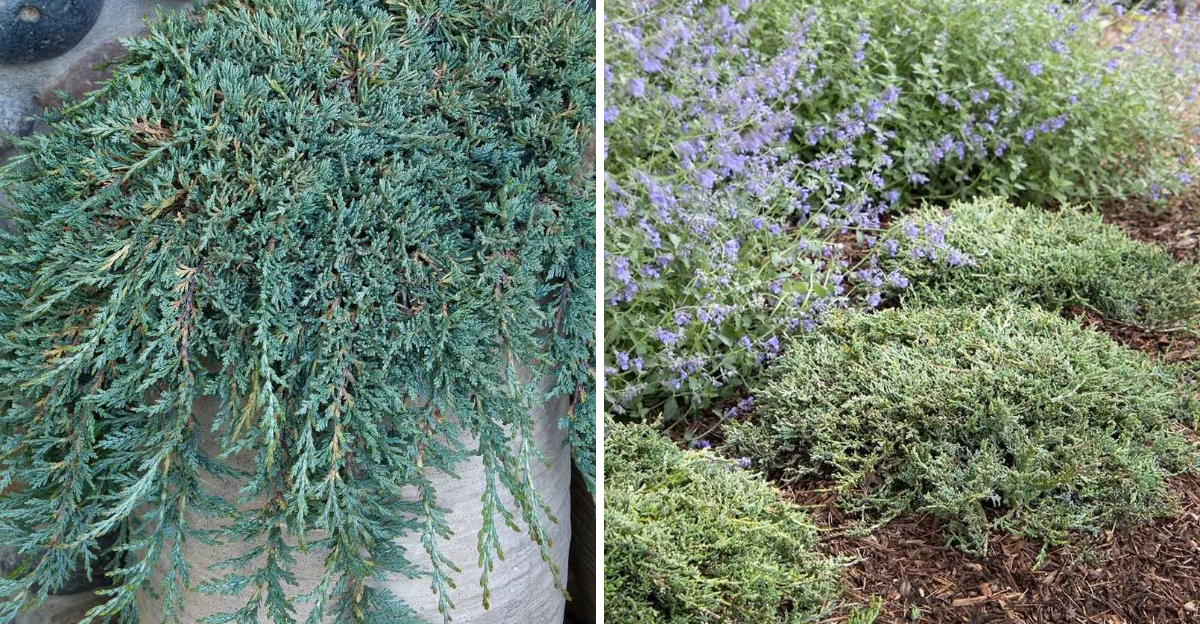
Many people picture a tall, bushy evergreen when they hear the word juniper, but creeping juniper is a completely different plant.
Juniperus horizontalis is its formal name, and the word horizontalis tells you everything. This plant grows outward, not upward, hugging the ground and spreading its branches in a wide, flat mat that rarely exceeds one foot in height.
Native to North America and well adapted to Michigan conditions, creeping juniper thrives in USDA hardiness zones 3 through 9.
That means it handles brutal Michigan winters without any extra protection. It also tolerates the dry, rocky, or sandy soils that are common on slopes where other plants struggle to get established.
The foliage is a blue-green to steel-blue color, and some varieties shift to a purplish tone in winter, which adds visual interest during the months when most of the yard looks brown and bare.
Popular cultivars like Bar Harbor, Wiltonii, and Prince of Wales each have slightly different growth habits, but all of them share the same low, spreading character that makes this plant so useful on slopes.
Michigan State University Extension recognizes creeping juniper as one of the more reliable groundcovers for erosion-prone sites.
It is widely available at Michigan nurseries and establishes well when planted in spring or early fall. For homeowners tired of fighting a grassy slope every weekend, this plant is a genuinely practical starting point.
Low Branches Slow Surface Runoff
Water moving across bare soil is the engine behind most slope erosion.
When rain hits an open hillside, it picks up speed as it travels downhill and carries soil particles with it. The faster the water moves, the more damage it does.
Slowing that water down is one of the most effective ways to protect a slope, and this is exactly where creeping juniper earns its keep.
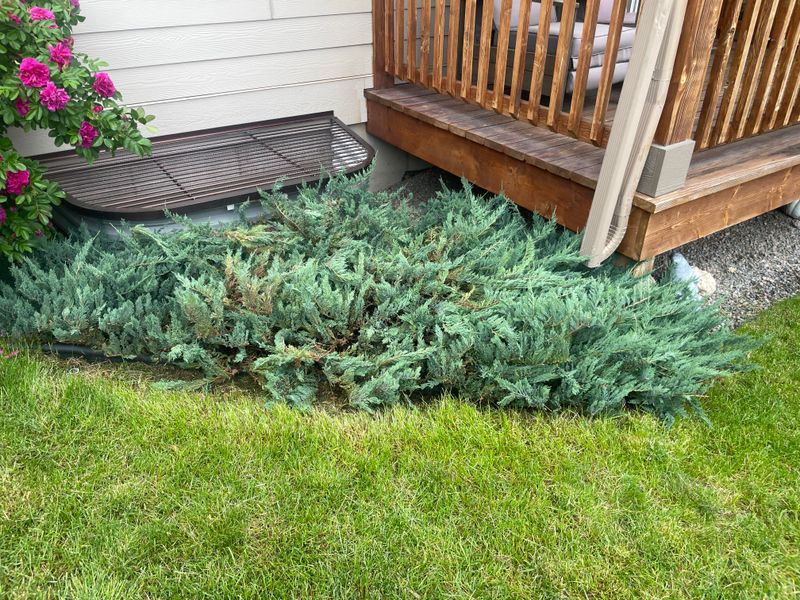
The plant’s branches grow close to the ground and spread outward in overlapping layers.
Your Michigan Garden Changes Every Week. Your Plan Should Too.
Gardening in Michigan changes quickly throughout the season. Every Friday you’ll receive a simple weekly plan showing exactly what to plant, prune, fertilize, harvest, and protect so you never miss the right timing.
When rain falls, those branches act like a series of small speed bumps across the slope. Water hits the foliage, slows down, and filters through the mat instead of rushing straight downhill.
That slower movement gives water more time to soak into the soil rather than carrying it away.
On a bare slope, water slides fast and takes soil with it. On a juniper-covered slope, it slows and absorbs.
Creeping juniper creates that effect across the whole slope surface, and the denser the mat grows over time, the better that effect becomes.
It is worth noting that this benefit works best on moderate slopes where water flow is manageable.
On very steep banks where water is already channeling and cutting grooves, creeping juniper alone will not solve the problem.
Soil conservation professionals recommend pairing groundcovers with proper grading or drainage solutions on high-erosion sites before planting any groundcover.
Spreading Stems Shield Bare Soil
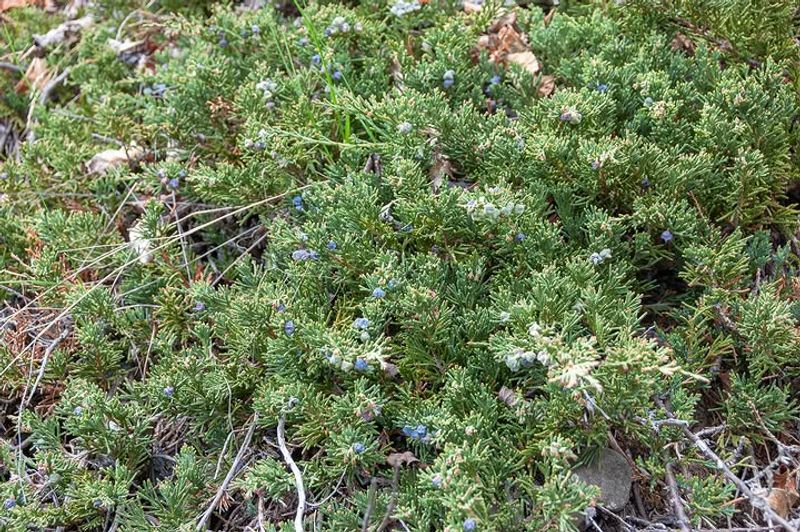
Bare soil is an open invitation for weeds, and on a slope, exposed ground is also vulnerable to splash erosion where individual raindrops hit the surface and dislodge tiny soil particles.
Creeping juniper addresses both problems at once by simply covering the ground with a thick, living mat that gets denser with every passing season.
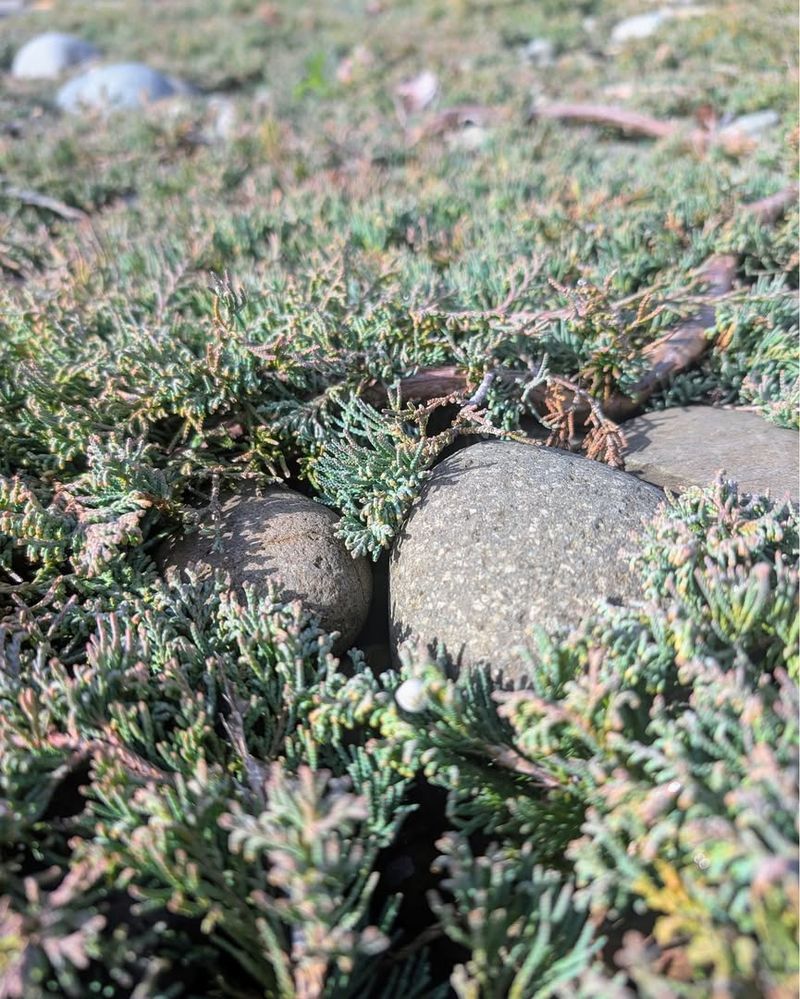
As the plant spreads, its stems layer over each other and press close to the soil surface.
This coverage shades out weed seeds by blocking the sunlight they need to sprout. Fewer weeds mean less competition for water and nutrients, which in turn helps the juniper itself stay healthy and keep expanding.
A newly planted creeping juniper will not cover the ground overnight.
In the first year, plants mostly focus on root development. By year two, visible spreading begins, and by years three and four, a well-spaced planting will start to close in and form a continuous mat.
Mulching the bare soil between plants during those early years is a smart move.
It reduces weeds and holds moisture while the juniper fills in. Once the mat is established, maintenance drops dramatically.
You are not pulling weeds every weekend or reseeding bare patches after storms. The plant does that work for you by simply being there and spreading further.
Evergreen Coverage Works All Winter
Michigan winters are long, cold, and often wet.
From November through March, most groundcovers go completely dormant and leave slopes bare for months at a time.
That bare period is actually one of the most erosion-prone stretches of the year because freeze-thaw cycles loosen soil, and late-winter rain or snowmelt can move a surprising amount of dirt before spring plants wake up.
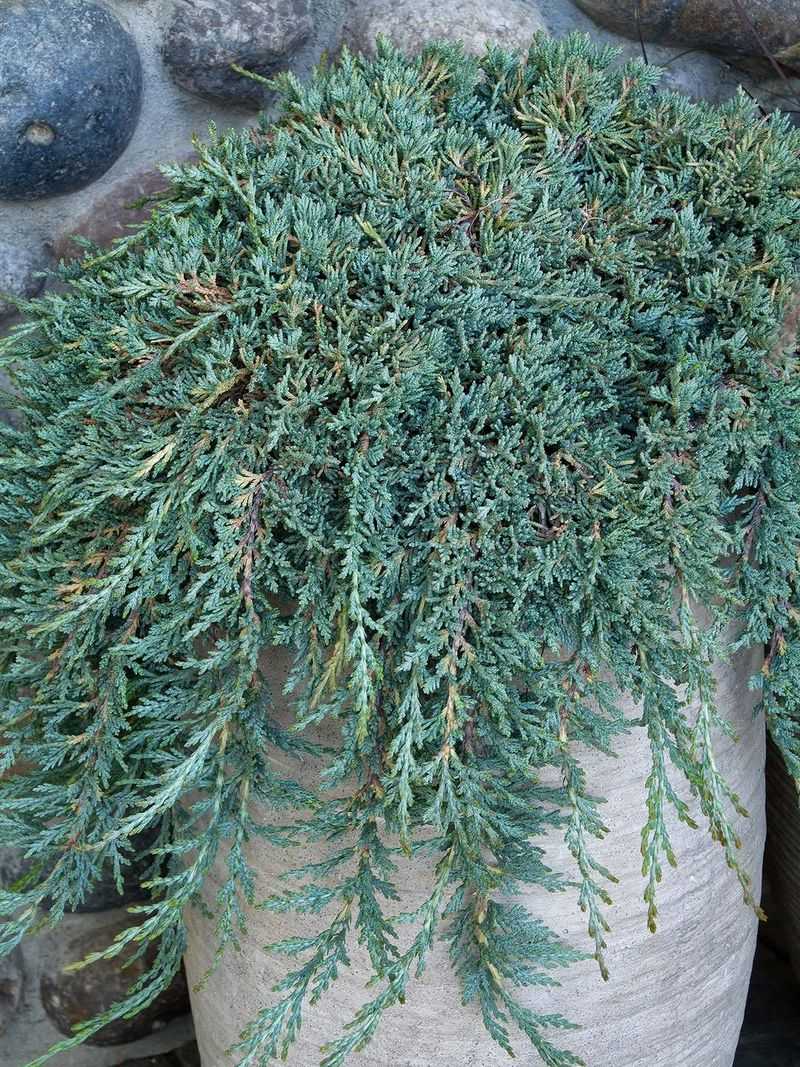
Creeping juniper stays green all year.
Its foliage does not drop in fall, and its stems stay anchored to the ground even under snow. That means the slope has continuous physical coverage through every season, including the vulnerable late-winter period when other plants offer nothing.
The roots also remain active in the soil during winter, holding particles in place even when the ground above is frozen.
This is a meaningful advantage over deciduous groundcovers or ornamental grasses that go completely brown and offer little physical resistance to soil movement during the off-season.
There is also a visual benefit worth mentioning.
A slope covered in green juniper looks intentional and cared-for even in January, while a slope covered in dead grass or bare mulch just looks neglected.
For Michigan homeowners who care about curb appeal year-round, that winter color is a genuine bonus that signals thoughtful landscaping rather than whatever survived the last frost.
Roots Grip Where Mowers Struggle
Anyone who has tried to mow a steep slope knows the feeling.
The mower wants to slide, your feet keep slipping, and the whole job feels more like a survival exercise than yard maintenance.
On slopes steeper than about 15 to 20 degrees, push mowing becomes genuinely awkward, and riding mowers can tip on grades that exceed 15 degrees. Every mowing season carries some level of risk when the terrain fights back.
Creeping juniper removes that problem entirely.
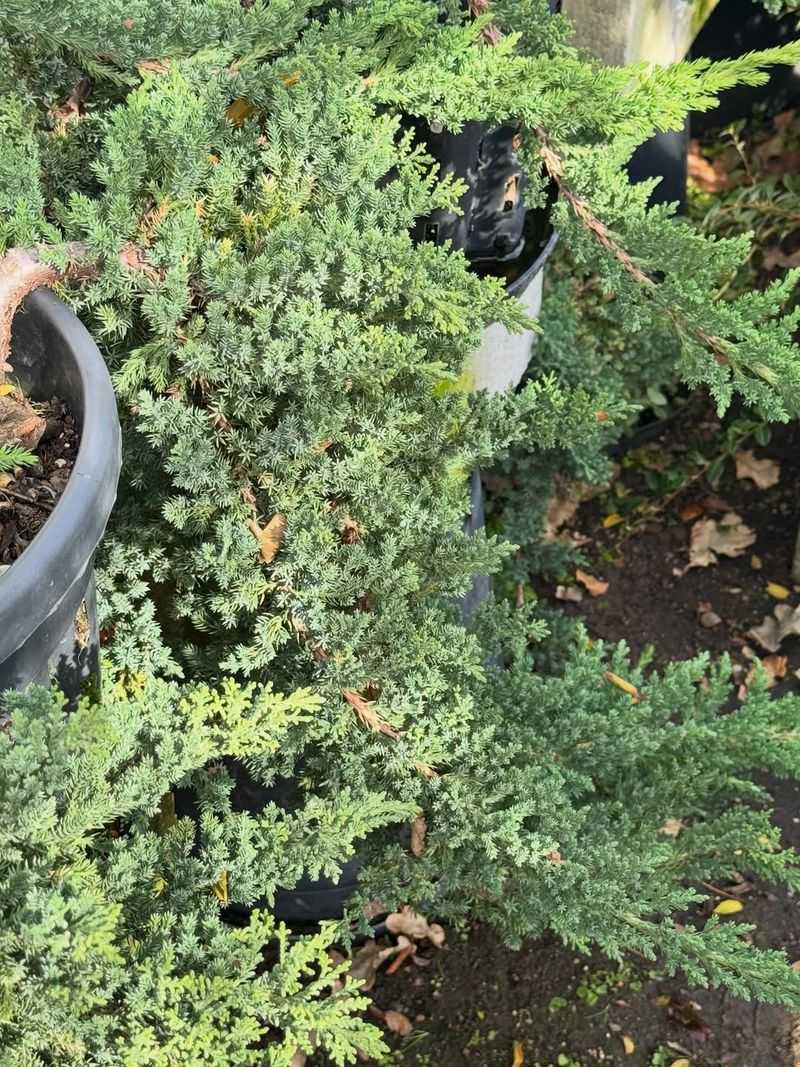
Once established, the plant covers the slope and holds the soil without any mowing at all. Its fibrous root system spreads through the upper layers of the soil, weaving around particles and anchoring the ground from below.
The stems above ground press against the surface and add additional physical resistance to soil movement.
This dual-layer grip, roots below and stems above, is part of what makes creeping juniper more effective than simple mulch or straw on a slope.
Mulch can wash away. Stems and roots stay put through rain, wind, and Michigan snowmelt.
On a typical residential slope where the main issue is slow surface erosion and the headache of mowing, creeping juniper handles the job reliably once it gets established.
On severely eroded banks where soil is already failing in large chunks, retaining walls or drainage improvements may need to come first.
Full Sun Keeps The Mat Dense
Creeping juniper is a sun-lover, plain and simple.
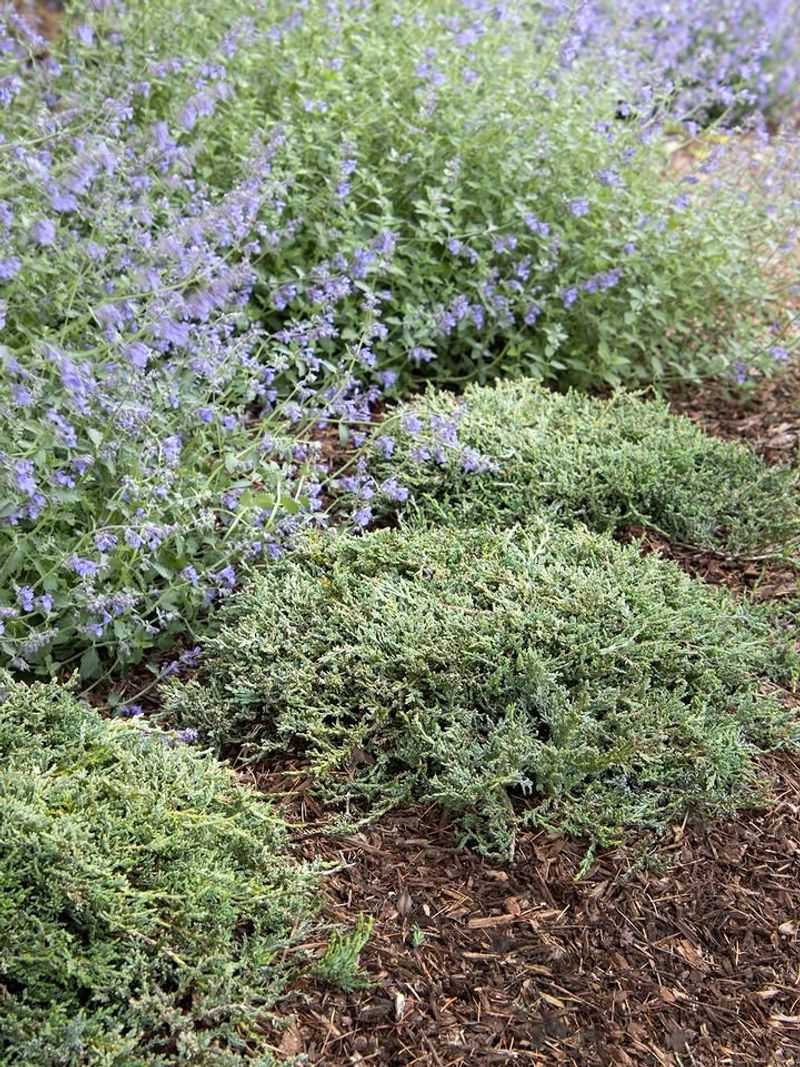
It performs best with at least six hours of direct sunlight per day, and south-facing or west-facing slopes in Michigan usually deliver exactly that.
In those conditions, the plant grows compactly, the foliage stays thick, and the mat spreads steadily year after year without much encouragement.
Put creeping juniper in shade, and the story changes fast.
Plants grown under tree canopy or on north-facing slopes where sunlight is limited tend to grow thin and leggy.
The branches stretch outward searching for light, but the foliage coverage becomes sparse. A thin mat does not suppress weeds as well, and it provides less physical protection for the soil beneath it.
If your slope has partial shade from a nearby structure or tree, assess the daily light hours honestly before committing to creeping juniper.
Spots that get four to five hours of direct sun can sometimes work, depending on the cultivar, but anything less than that is likely to disappoint.
For shaded slopes, other groundcovers like wild ginger, pachysandra, or native ferns may be better choices.
Matching the plant to the actual light conditions of the site is one of the most important decisions you will make.
Planting a sun-loving species in deep shade wastes time, money, and effort, and it leaves the slope unprotected while the struggling plants slowly decline.
Wide Spacing Prevents Crowded Growth
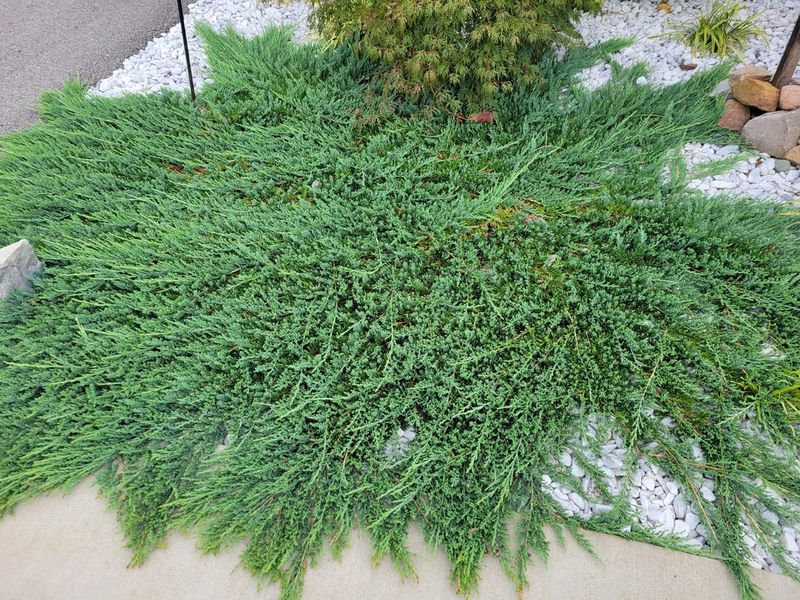
One of the most common mistakes people make when planting creeping juniper is putting the plants too close together.
It is tempting to space them tightly so the slope looks covered quickly, but crowded plants compete for water, nutrients, and air circulation.
That competition weakens individual plants and can lead to patchy, uneven coverage over time.
Standard spacing recommendations suggest planting creeping juniper about five to eight feet apart, center to center, depending on the cultivar.
Some spreading varieties like Wiltonii can eventually cover six to eight feet of ground per plant. Giving each plant room to reach its natural spread allows the mat to develop properly without plants fighting each other for space.
Yes, the slope will look sparse in year one. That is completely normal and expected.
Filling the bare areas between young plants with a two to three inch layer of shredded bark mulch keeps weeds down and holds moisture while the junipers grow into their space. By year three or four, the plants will start touching and filling in naturally.
Proper air circulation between plants also matters for disease prevention.
Junipers can develop tip blight or other fungal issues when foliage stays wet and air cannot move through the planting.
Wide spacing allows wind to dry the foliage after rain, which reduces the conditions that favor disease. A little patience during the establishment phase pays off with a healthier, longer-lasting planting on the slope.
Light Trimming Keeps Slopes Clean
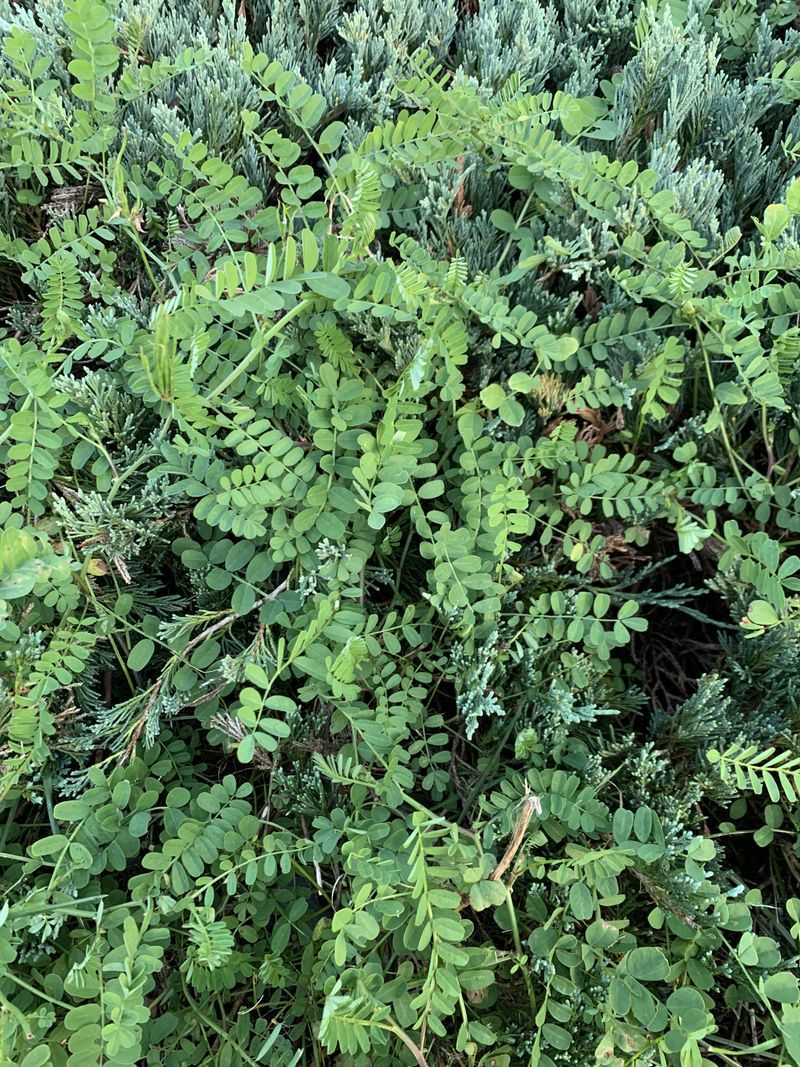
One of the biggest selling points of creeping juniper is that it asks for very little once it is established.
But low maintenance does not mean zero maintenance. A small amount of trimming each year keeps the planting looking neat and prevents branches from creeping into areas where you do not want them, like sidewalks, driveways, or garden beds.
The best time to trim creeping juniper in Michigan is late winter or very early spring, just before new growth begins.
At that point you can see the overall shape of the planting clearly, and any cuts you make will be covered quickly by fresh spring growth.
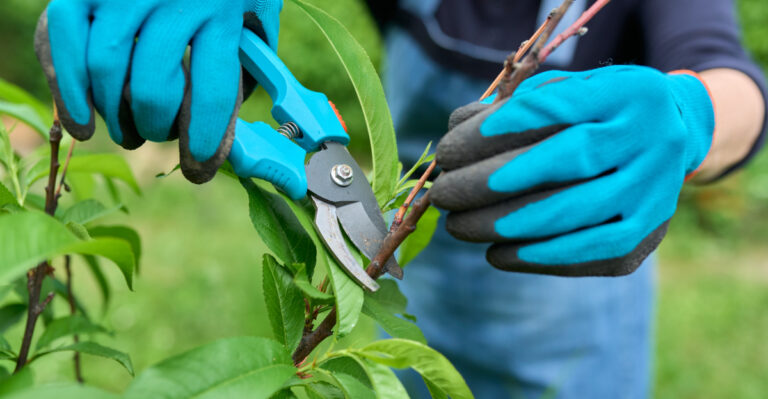
Use sharp hand pruners for individual stems and loppers for any thicker branches that have gotten out of hand over the years.
Avoid cutting back into old wood with no green growth on it.
Creeping juniper does not regenerate well from bare, brown wood the way some shrubs do. Always trim back to a point where green foliage is still present on the branch.
This keeps the plant looking full rather than leaving bare stubs that take a long time to fill back in.
Cleaning up any fallen needles or debris from inside the mat once a year also helps with air circulation and reduces hiding spots for pests.
A slope planted with creeping juniper and given this small annual attention will stay tidy, healthy, and functional for many years.
Choosing the right plant for the sun, soil, and slope angle makes all the difference between a slope that fights you and one that practically takes care of itself.