How To Remove Heat-Damaged Tips In Florida Gardens Without Causing More Stress
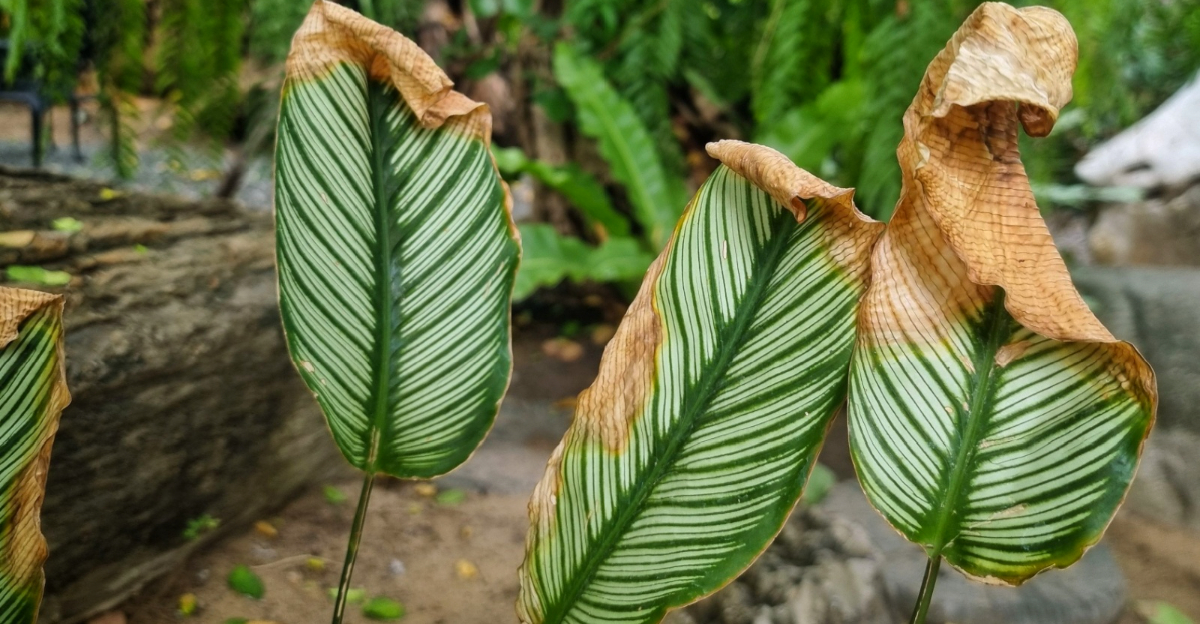
Florida summers have a way of making gardens look like they have been through something, and a few hot afternoons in a row can leave plants with browned tips, scorched edges, and wilted foliage that practically beg to be cleaned up.
The pruners come out, the good intentions kick in, and suddenly a stressed plant is dealing with something else on top of everything it was already handling.
Trimming too much too soon is one of those well-meaning moves that can backfire fast, especially in sandy soil, warm containers, and patio planters where roots heat up quickly and recovery takes longer than most people expect.
Taking a close look at the plant’s overall condition and soil moisture before making any cuts is genuinely the smarter starting point, and the difference between light cosmetic cleanup and heavy pruning matters more than it might seem.
1. Wait Until The Plant Looks Stable
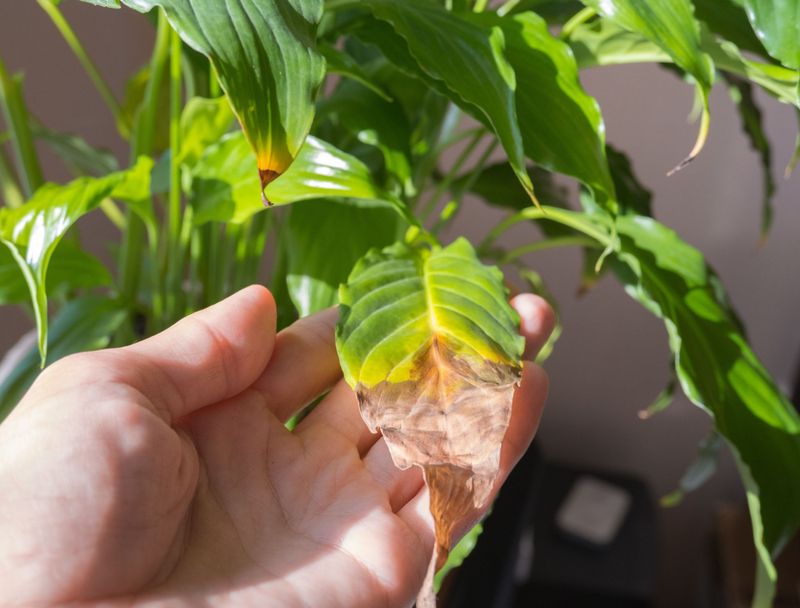
Crispy tips on a shrub that is still drooping badly in the afternoon heat can be a sign that the plant needs more than just a trim.
Cutting into a plant that is still showing active stress can push it further in the wrong direction, especially during Florida’s hottest weeks when temperatures stay high overnight and recovery is slower.
Trimming too early can also remove leaf tissue the plant may still be using to support itself. If the newest growth still looks soft or wilted, waiting a little longer is usually the safer move.
Before reaching for pruners, take a day or two to watch how the plant responds. Does it perk up in the early morning when temperatures are cooler?
Does it wilt again by midday? A plant that recovers slightly overnight is in better shape than one that stays limp around the clock.
That difference matters when deciding whether cleanup is appropriate.
Check for recent heat exposure, drainage issues, and whether the container or planting spot gets afternoon sun with no shade relief.
Florida gardeners working with pots on concrete patios should pay extra attention since containers heat up faster than ground beds.
Once the plant looks steadier, holds its leaves without drooping for a full morning, and shows no signs of worsening, that is a reasonable moment to consider light cosmetic trimming. Stability first, scissors second.
2. Check Soil Moisture Before Cutting
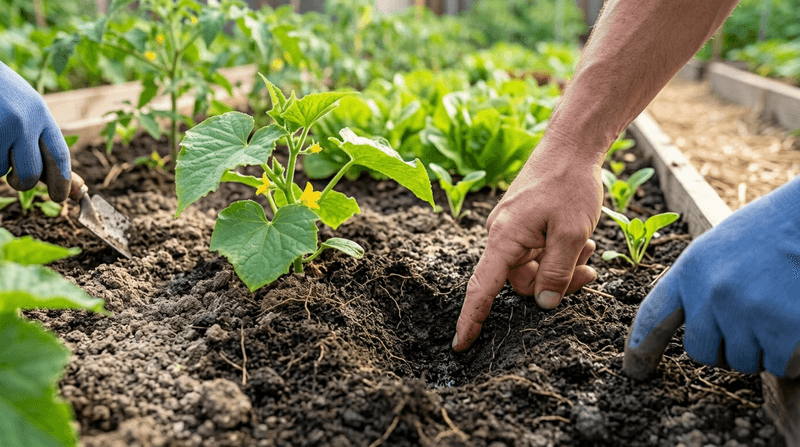
Hot patio pots sitting in direct Florida sun can fool you. The surface soil might look dry and crumbly while the root zone a few inches down holds enough moisture, or the opposite can be true when fast-draining sandy soil pulls water away quickly.
Browned tips and heat damage can look almost identical to drought stress, and cutting the plant before addressing moisture needs skips the most important step.
A quick root-zone check gives you a clearer picture than judging the plant by the top layer of soil alone.
Press a finger about two inches into the soil near the base of the plant. For containers, check the drainage holes to see if water flows freely or sits.
Your Florida Garden Changes Every Week. Your Plan Should Too.
Gardening in Florida changes quickly throughout the season. Every Friday you’ll receive a simple weekly plan showing exactly what to plant, prune, fertilize, harvest, and protect so you never miss the right timing.
Sandy Florida soil drains fast, which means plants in ground beds may need more frequent watering during heat events than gardeners expect. If the soil is bone dry several inches down, the plant likely needs moisture adjustment more than it needs trimming.
Overwatering during heat stress is also a real concern, particularly in clay-heavy spots or poorly draining raised beds. Root zones that stay soggy in high heat can develop problems that look similar to drought damage from the outside.
Getting the moisture balance right before picking up the pruners gives the plant a better foundation for recovery.
Trimming a thirsty or waterlogged plant without fixing the root issue first usually does not lead to the improvement gardeners are hoping for.
3. Trim Only Fully Brown Tips
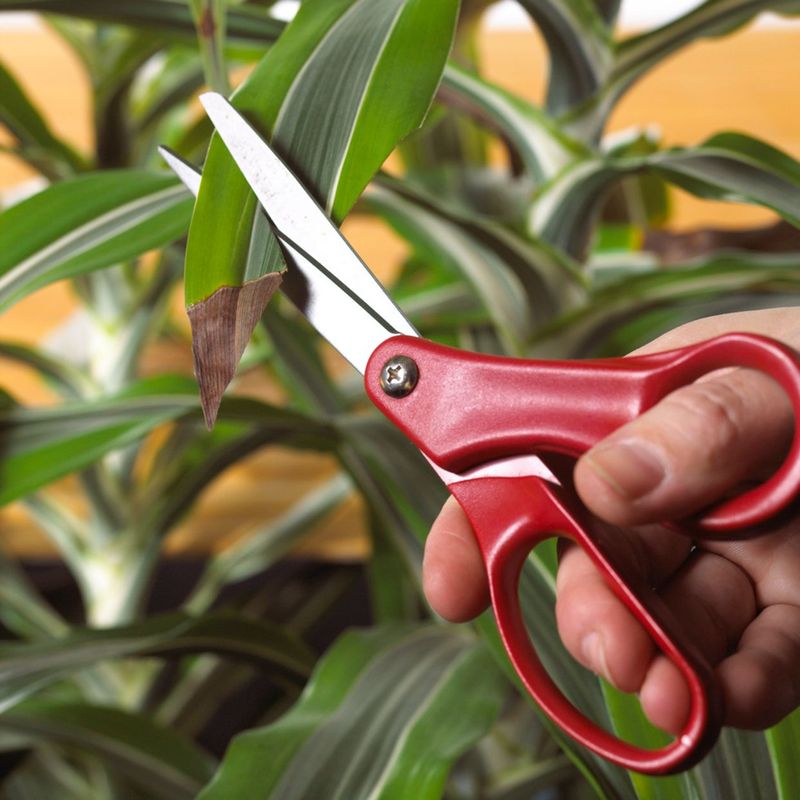
Brown-tipped leaves can look messy, but not every discolored edge needs to come off right away. The safest approach after a Florida heat event is to focus trimming only on the sections that are completely brown, dry, and clearly no longer functioning.
Cutting into tissue that still holds some green color removes material the plant may still be using.
When trimming brown tips, follow the natural shape of the leaf rather than cutting straight across in a harsh line. A slight angle that mirrors the leaf’s original point looks more natural and causes less visual disruption.
This approach works well on ornamental grasses, tropical foliage plants, and broad-leafed shrubs that are common in Florida landscape beds and container gardens.
Resist the urge to tidy every single leaf at once. Going through the whole plant in one session and clipping every slightly discolored tip is more like heavy pruning than light cleanup, even if each cut seems small.
Work through the most obvious fully brown sections first, then step back and look at the plant as a whole. If most of the remaining tips still hold green color, that is a good stopping point.
Keeping the session short and selective reduces the amount of working tissue removed and gives the plant more resources to recover from Florida’s relentless summer heat.
4. Leave Green Tissue On The Plant
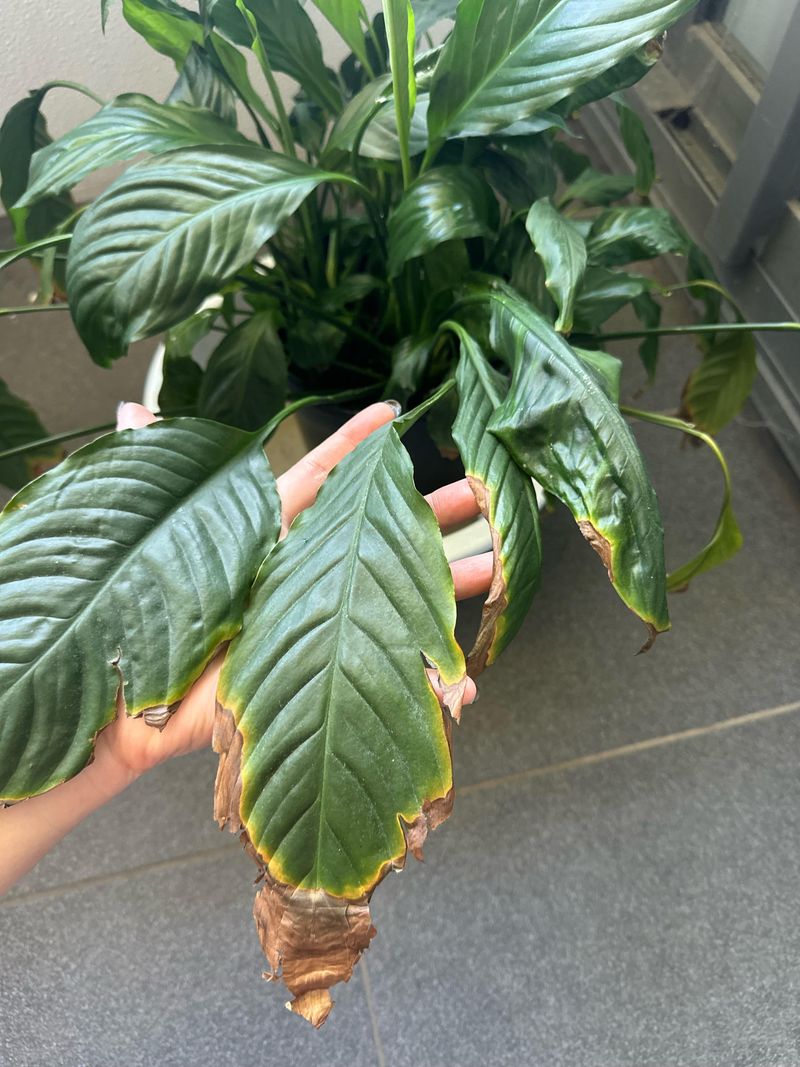
Partly green leaves are still doing work. Even a leaf that is half brown along the edges is likely still producing some energy for the plant through the green sections that remain.
Florida plants dealing with summer heat stress are already working harder to maintain themselves, and removing functional foliage adds to that workload at the worst possible time.
Think of it this way: a plant with fewer working leaves has fewer tools available to support root recovery, new growth, and basic maintenance. Shrubs, perennials, and tropical foliage plants in Florida gardens all rely on existing leaf area to keep functioning after a heat event.
Stripping away partly green tissue in the name of tidiness trades appearance for recovery capacity.
There is a cosmetic tradeoff, of course. A plant with some half-brown leaves does not look its best.
But choosing to leave partly green sections in place for a few more weeks, while the plant stabilizes and possibly pushes new growth, tends to produce better long-term results than aggressive cleanup that removes too much at once.
When new growth starts to appear and the plant looks steadier, gardeners can reassess which older leaves have fully browned and remove those selectively.
Patience with green tissue pays off in Florida gardens where summer stress is a regular seasonal challenge rather than a rare event.
5. Use Clean Sharp Pruners
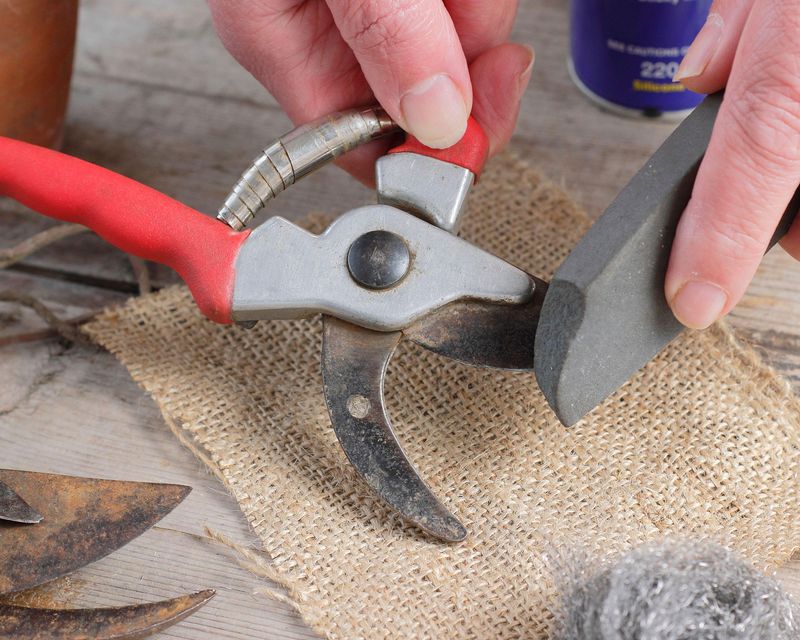
Dull pruners do more damage than most gardeners realize. When blades are not sharp, they tend to crush and tear plant tissue rather than cut cleanly through it.
That ragged edge is harder for the plant to seal off, and on a plant already dealing with Florida heat stress, a rough cut adds one more thing to manage during recovery.
Sharp, clean pruners make a noticeable difference in cut quality. The blade slides through the stem or leaf tip with minimal pressure, leaving a smooth edge that heals more efficiently.
For light tip trimming, small bypass pruners or even clean scissors work well and are easy to handle precisely on individual leaves and small stems.
Cleaning the blades matters too, especially when moving between plants. A quick wipe with a diluted solution appropriate for garden tools removes residue and reduces the chance of transferring anything from one plant to another.
This is a simple habit that takes only seconds and adds a layer of care to the process. Florida gardeners working through multiple containers or landscape beds in one session benefit most from keeping tools clean throughout rather than just at the start.
Sharp, clean tools are a small investment that makes every cut count, and when plants are already under stress, every detail of the trimming process is worth getting right.
6. Make Small Cuts Instead Of Big Ones
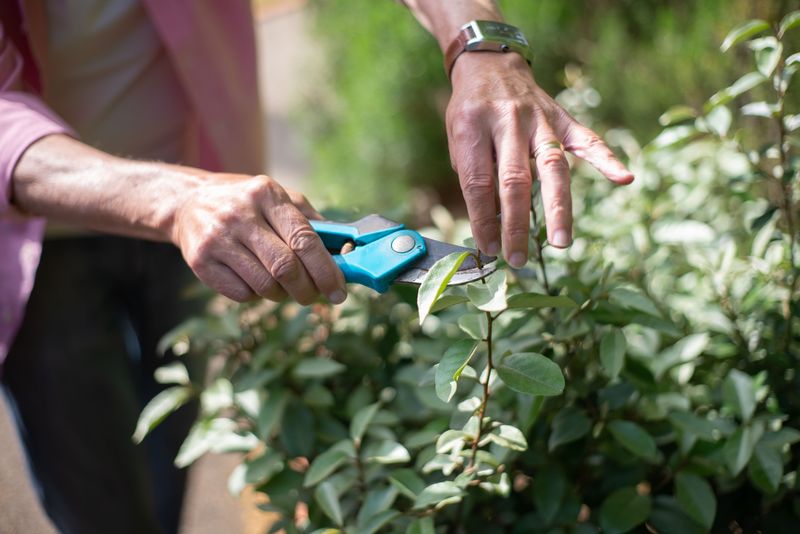
Sun-stressed shrubs in Florida landscape beds can look rough after several days of extreme heat, and the temptation to reshape them all at once is understandable.
But removing large amounts of foliage in a single session right after a heat event takes away the plant’s ability to recover on its own terms.
Small, selective cuts spread across multiple sessions are usually far less disruptive.
Start with the most obviously damaged tips, the ones that are fully brown and dry, and remove only those. Then step back from the plant entirely.
Looking at the whole plant from a few feet away gives a better picture of what actually needs to go versus what just caught your eye up close. Many gardeners find that after removing the worst tips, the plant looks acceptable enough to leave alone for a while.
Working in small increments also prevents accidental over-trimming, which can expose shaded inner growth to stronger direct sun.
In Florida’s summer conditions, inner leaves that have been shaded by outer foliage are not adjusted to full sun exposure.
Removing too much outer growth at once can lead to additional stress on that inner tissue.
Keeping cuts small, pausing between sessions, and focusing on the clearest damage first gives the plant room to stabilize and lets gardeners make better decisions without the pressure of trying to fix everything in one afternoon.
7. Avoid Heavy Pruning In Peak Heat
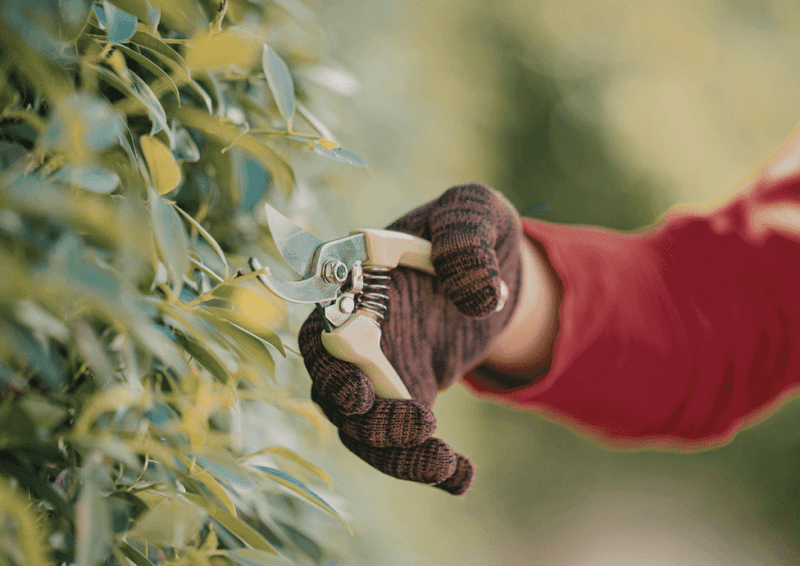
Major reshaping and heavy pruning sessions are best saved for cooler, more stable weather.
Cutting large amounts of foliage during peak Florida heat can expose inner stems and leaves to sun intensity they are not prepared for, which adds a new layer of stress on top of the existing heat damage.
The timing of pruning matters just as much as the technique.
Light cosmetic cleanup, like removing a handful of fully brown tips, is generally manageable even during warm months as long as it is done early in the morning when temperatures are lower and the plant has had overnight recovery time.
Heavy pruning that removes significant portions of the canopy is a different situation and carries more risk during summer.
Florida’s peak heat months tend to run from late spring through early fall, and that long stretch means gardeners sometimes feel pressure to address damaged plants before conditions improve.
Waiting for a slightly cooler week, a stretch of overcast days, or the transition into fall is a reasonable strategy for plants that need more than cosmetic cleanup.
Giving a stressed plant time to stabilize before cutting it back significantly improves the chances of a smoother recovery.
Keeping a light touch during the hottest part of the year and saving bigger cuts for better conditions is one of the more practical habits a Florida gardener can develop.
8. Save Palm Fronds Unless They Are Fully Brown
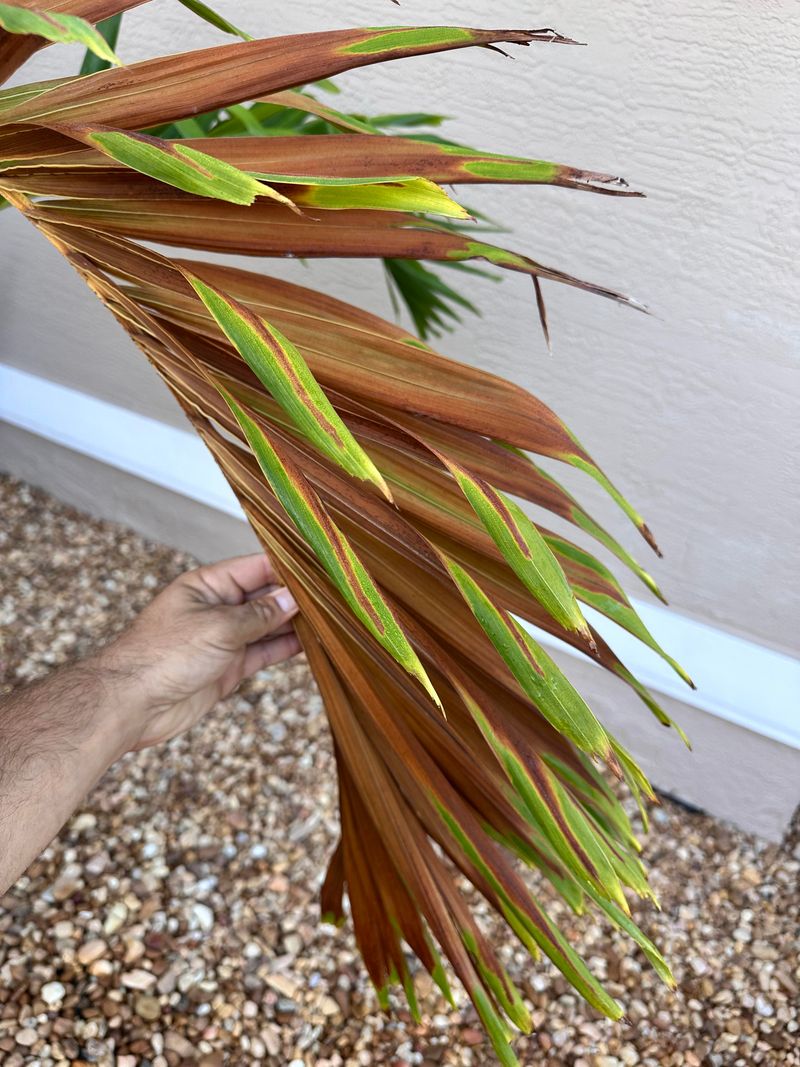
Palms are a different story from most shrubs and flowering plants in Florida gardens. A partly green frond is still providing the palm with energy and nutrients, and removing it before it has fully browned takes away resources the palm is actively using.
Over-pruning palms is a common issue in Florida, and it tends to do more harm than leaving a slightly discolored frond in place for a few more weeks.
Fully brown, dry fronds that hang downward and no longer hold any green color are the appropriate targets for cleanup.
These fronds are no longer contributing to the palm’s health and can be removed carefully without affecting the plant’s ability to function.
Fronds that are still partially green, even if they look rough or have brown edges, are worth leaving until they complete their natural cycle.
One practical tip for Florida homeowners is to avoid the temptation to remove fronds simply for the sake of a tidy appearance after a heat event. Palms that are regularly over-pruned can develop nutrient deficiencies and structural problems over time.
If a frond is not fully brown or posing a safety concern, leaving it in place is the more supportive choice.
When fronds do need to come down, using clean, sharp tools and cutting close to the trunk without cutting into the trunk itself keeps the process safer for the palm.