Texas Native Wildflowers That Bring Dragonflies In And Send The Mosquito Population Looking Elsewhere
If you have ever stood in your backyard swatting mosquitoes while wishing something would just eat them, you are not alone.
Dragonflies are one of nature’s most effective mosquito hunters, capable of catching prey more than 95 percent of the time.
They are faster, more precise, and more relentless than any spray or citronella candle you will ever find at the hardware store.
The trick to bringing them to your yard is not just adding a pond.
It is about building a living, insect-rich habitat that gives dragonflies a reason to patrol your space and keep coming back.
Dragonflies do not feed on flower nectar, but they do feed on the gnats, midges, and small flies that wildflowers attract. When you plant the right Texas natives, you are essentially stocking the pantry for these incredible fliers.
Eight Texas native wildflowers support dragonfly-friendly habitat in ways most gardeners never think about.
Pair them with a shallow water source, skip the broad-spectrum pesticides, and let the garden do the work that chemical solutions never quite manage on their own.
1. Blue Mistflower Brings In Flying Insects
Walk past a patch of blue mistflower on a warm Texas afternoon and you will notice something right away.
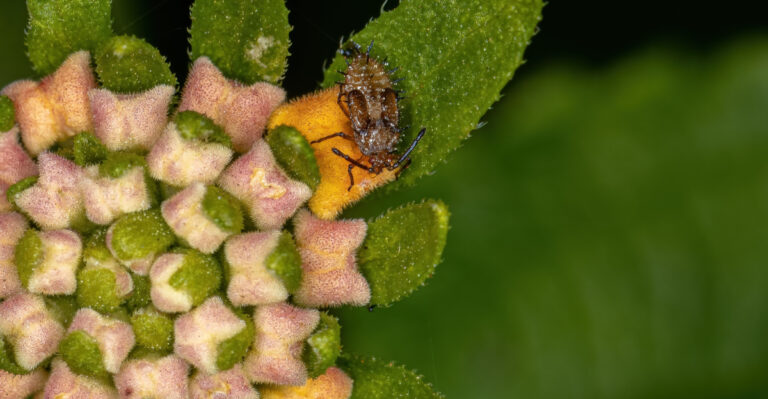
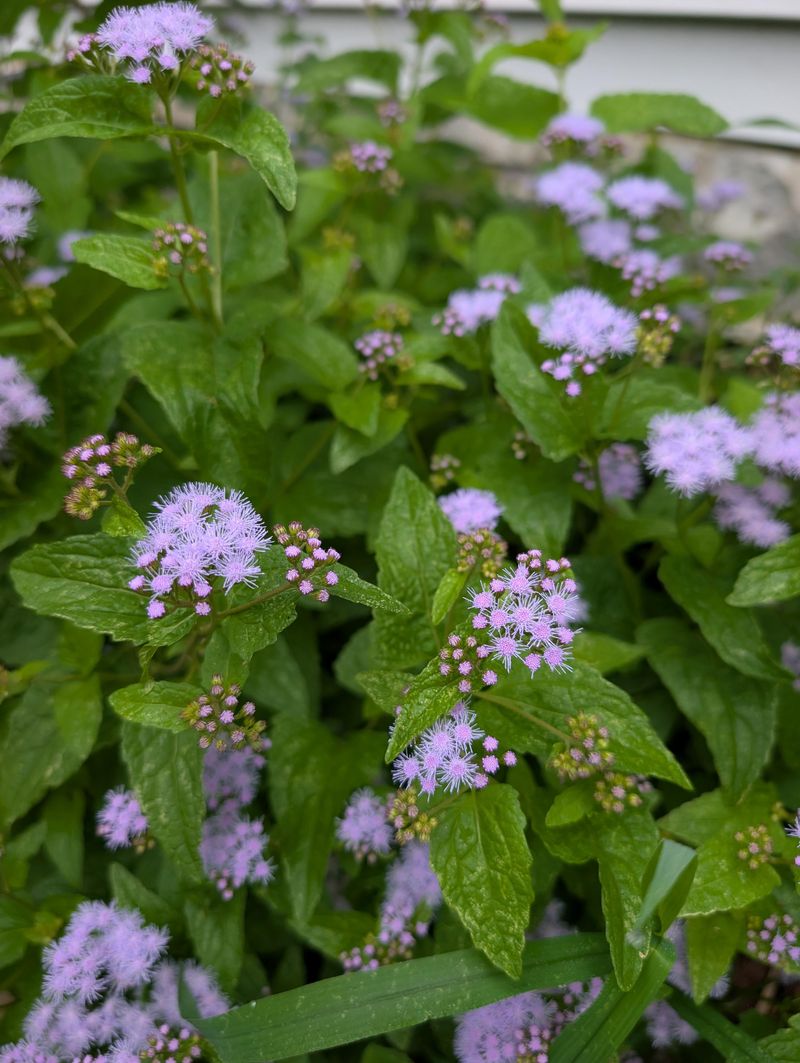
The blooms are absolutely buzzing. Small flies, gnats, native bees, and midges crowd around those soft lavender-blue clusters like it is a buffet, and that is exactly what makes this wildflower so valuable in a dragonfly-friendly yard.
Blue mistflower, known scientifically as Conoclinium coelestinum, is a native Texas perennial that blooms from late summer into fall.
That timing matters a lot. Most garden flowers are winding down by September, but blue mistflower is just hitting its stride. It fills a gap in the season when flying insects need late nectar sources and dragonflies are still actively hunting.
The plant grows about two to three feet tall and spreads naturally through rhizomes, making it a good candidate for filling in low, moist areas near water features.
It thrives in part shade and tolerates clay soils, which is a real bonus in Texas gardens. Plant it along pond edges or near birdbaths and you create a natural hunting corridor that dragonflies will patrol regularly.
Because it attracts such a wide range of small flying insects, blue mistflower essentially builds the prey layer that makes your yard worth visiting for a dragonfly.
The insects come for the flowers, and the dragonflies come for the insects. Everyone benefits except the mosquitoes.
2. Indian Blanket Keeps Pollinators Moving
Few wildflowers say Texas summer quite like Indian blanket.
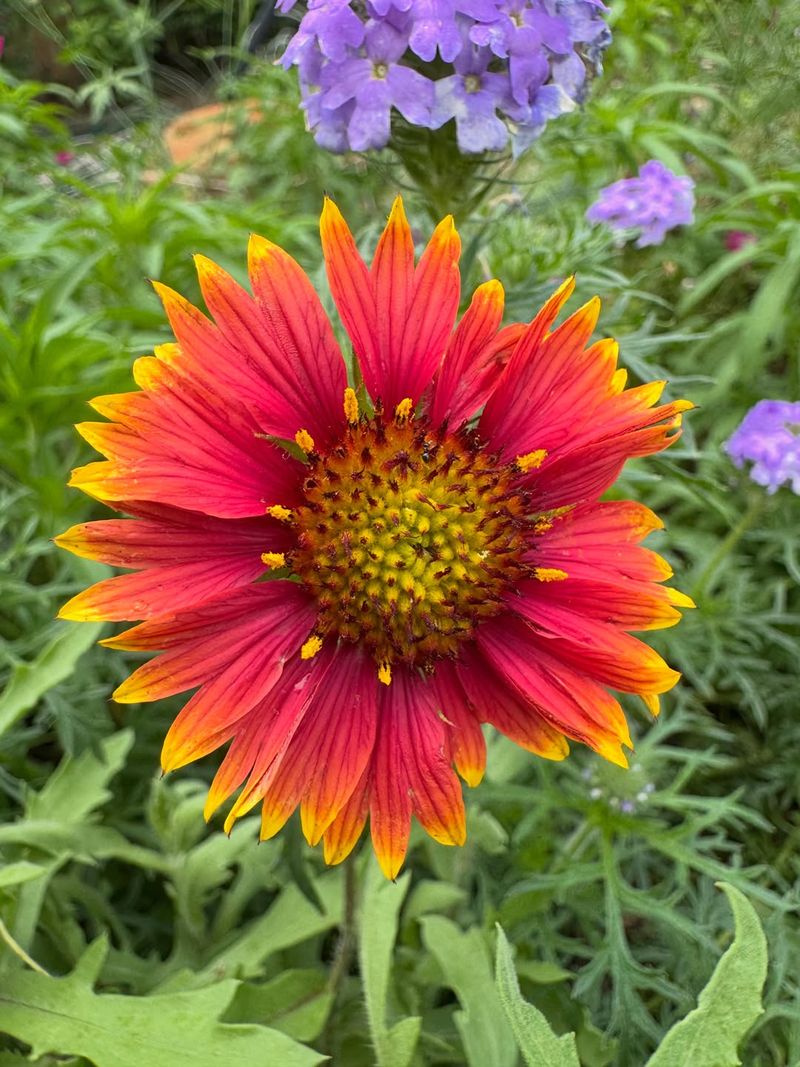
Those bold red and yellow blooms light up roadsides and prairies from May through July, and they have been doing it long before anyone planted a garden. Gaillardia pulchella is tough, cheerful, and completely at home in the Texas heat.
What makes Indian blanket useful in a dragonfly-friendly yard is its ability to keep pollinators moving through the space.
Bees, butterflies, and small flies visit the flowers constantly throughout the day. That steady movement and insect activity creates a lively, layered habitat.
Your Texas Garden Changes Every Week. Your Plan Should Too.
Gardening in Texas changes quickly throughout the season. Every Friday you’ll receive a simple weekly plan showing exactly what to plant, prune, fertilize, harvest, and protect so you never miss the right timing.
Dragonflies are visual hunters and they key in on movement. A yard full of buzzing, flying activity near open sunny patches is exactly the kind of environment they prefer to hunt in.
Indian blanket grows best in full sun and well-drained, even sandy soil.
It actually performs better with less water and no fertilizer, which makes it perfect for low-maintenance Texas landscapes. Direct sow seeds in fall for the best spring germination, or transplant established plugs in early spring.
One underrated quality of this wildflower is its long bloom window.
Plants that bloom for weeks rather than days give insects a reliable food source, which keeps them coming back to the same area. That consistency is what builds a functioning habitat rather than just a pretty garden.
3. Black-Eyed Susan Feeds The Bug Layer
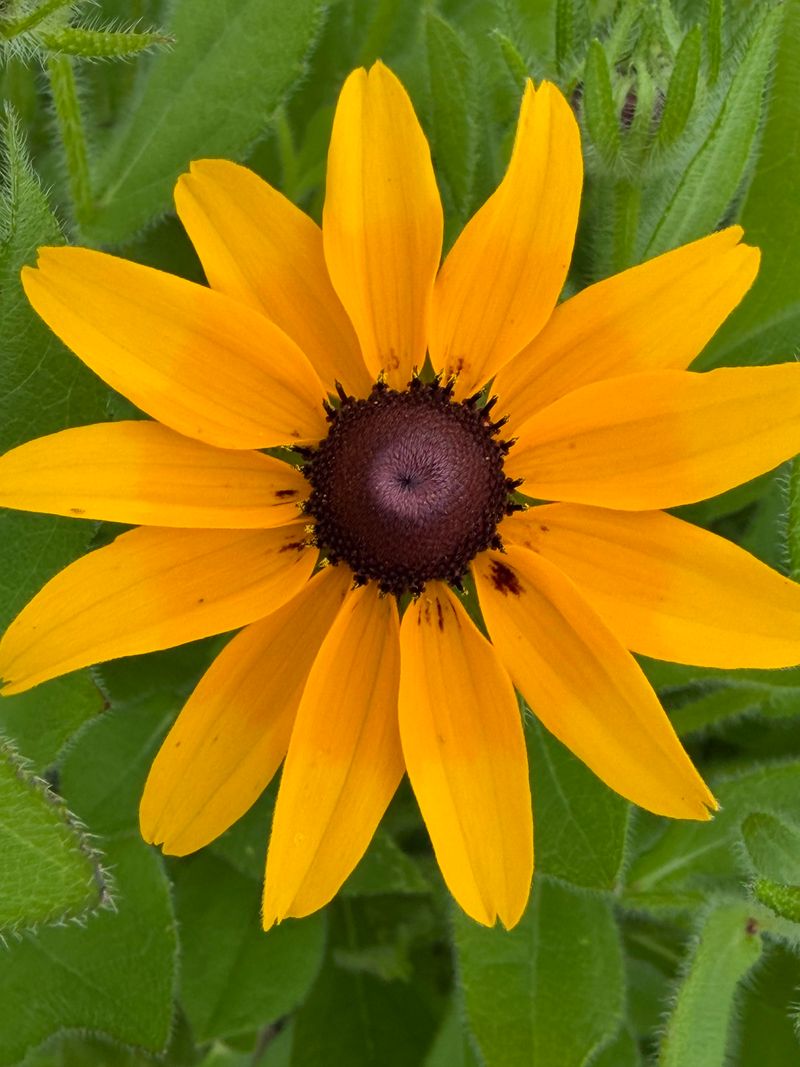
There is a reason black-eyed Susan shows up on almost every Texas native plant list.
Rudbeckia hirta is dependable, cheerful, and genuinely useful in a wildlife garden. But its biggest contribution might not be the one you expect.
Beyond the good looks, this wildflower is a key building block in what entomologists call the insect layer, the diverse community of bugs that supports everything above it in the food chain.
Small bees, beetles, flies, and wasps all visit black-eyed Susan for pollen and nectar.
Some insects use the stems for nesting. Others feed on the foliage. That diversity of insect activity is exactly what dragonflies need nearby. A flower that draws a crowd of small flying insects is essentially ringing the dinner bell.
Black-eyed Susan blooms from late spring through fall in Texas, giving it one of the longest display windows of any native annual or short-lived perennial.
It reseeds reliably, so a single planting can become a lasting patch. Grow it in full sun with decent drainage and it will largely take care of itself.
Planting black eyed Susan alongside other natives like blue mistflower or coreopsis creates overlapping bloom times and overlapping insect communities.
That layered approach builds real habitat density. The more insect variety you support at ground and flower level, the more attractive your yard becomes to a patrolling dragonfly looking for an easy meal.
4. Lemon Beebalm Pulls In Small Prey
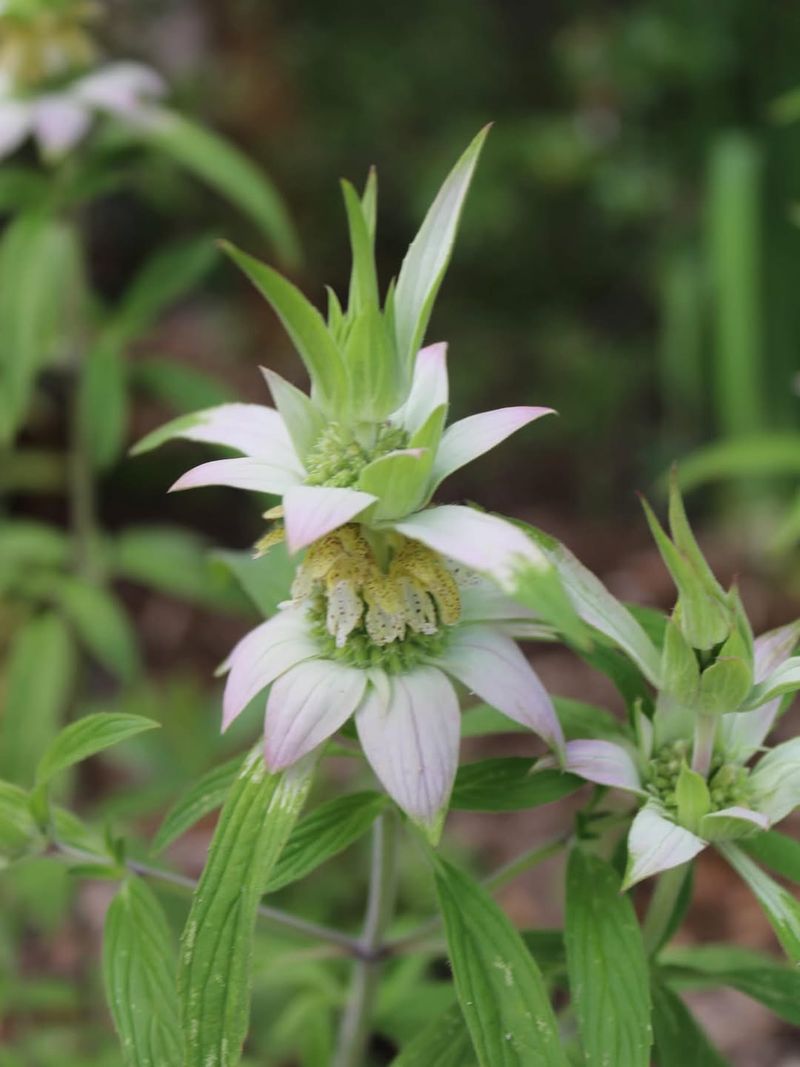
Lemon beebalm has a scent that stops you in your tracks.
Monarda citriodora smells like a cross between oregano and lemons, which is part of why so many small insects find it irresistible.
Native bees, sweat bees, small wasps, and hoverflies all swarm around the tiered lavender and white blooms from spring through early summer, creating exactly the kind of low-level insect activity that supports a dragonfly hunting zone.
This wildflower is one of Texas’s most adaptable natives.
It grows across a wide range of soil types, handles both clay and sandy ground, and asks for almost nothing beyond full sun and occasional rainfall.
It is an annual that reseeds generously, so once you plant it, you are likely to have it year after year without replanting.
What sets lemon beebalm apart from other nectar plants is the sheer variety of small insects it pulls in.
Hoverflies, in particular, are a group that often gets overlooked in garden planning. They look like tiny bees but are actually flies, and they are a common prey item for dragonflies.
Planting lemon beebalm near a water feature or open sunny patch gives dragonflies a predictable hunting area stocked with small, fast-moving targets.
Scatter seeds in fall along sunny edges, paths, or near birdbaths.
Let it naturalize and fill gaps in your planting scheme. The more relaxed and layered the planting, the better it functions as real habitat rather than just decoration.
5. Coreopsis Brightens Dragonfly Patrol Zones
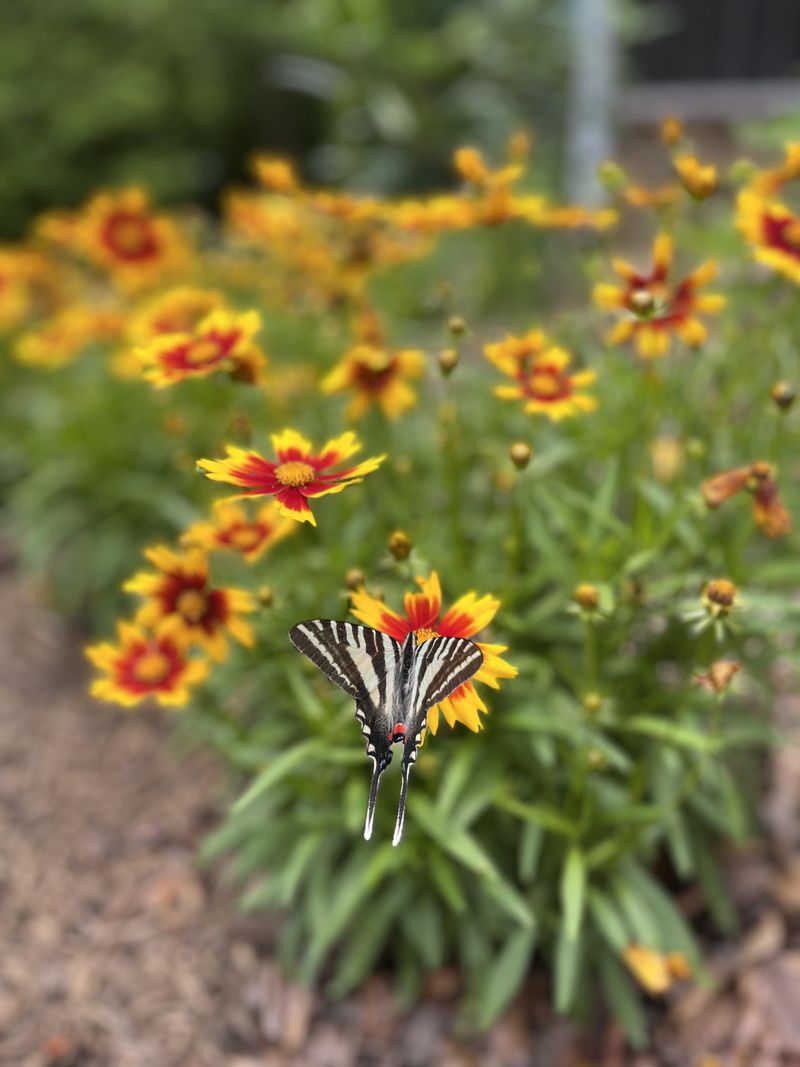
Sunny, open, and full of movement. That is what a dragonfly patrol zone looks like, and coreopsis is one of the best wildflowers for creating that kind of space.
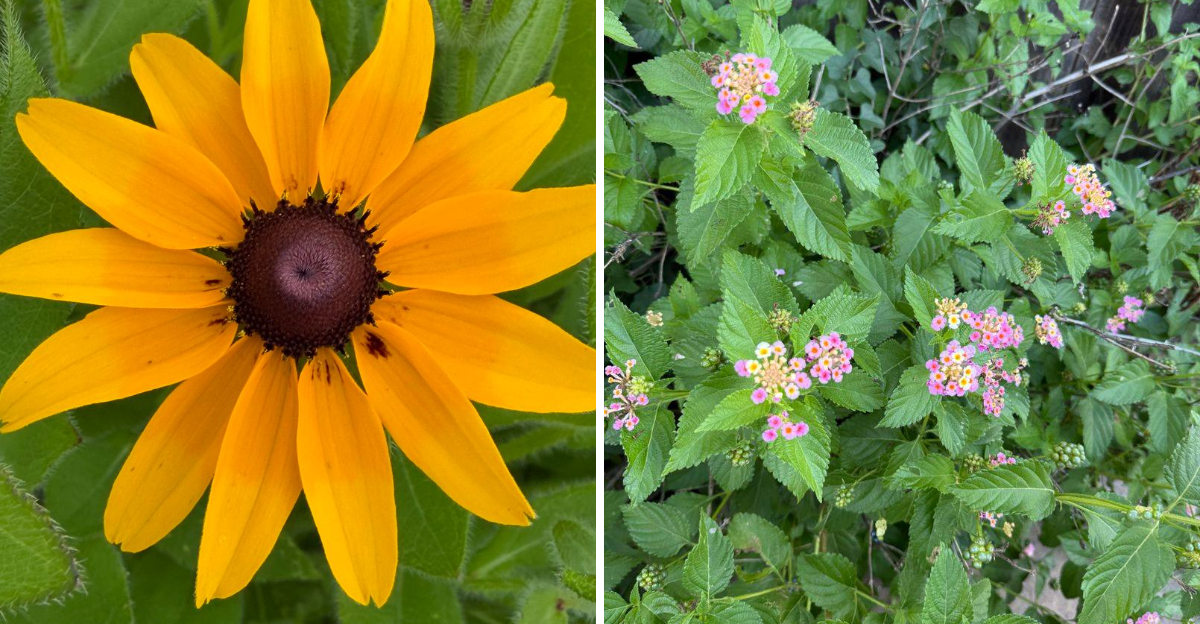
Texas has several native coreopsis species, including Coreopsis tinctoria and Coreopsis lanceolata, and both are excellent choices for filling bright, open garden areas with color and insect activity.
Dragonflies are highly visual hunters.
They scan open airspace for small flying insects and then launch incredibly fast, precise attacks. What they need is open flight space near reliable insect activity, and a patch of coreopsis near a water source checks both boxes.
The flowers attract a steady stream of small bees, flies, and beetles throughout their long bloom season.
Coreopsis tinctoria, sometimes called plains coreopsis, blooms from spring into summer and reseeds prolifically.
Coreopsis lanceolata is a perennial that returns each year and blooms even longer. Either species works beautifully in a wildlife border or meadow planting.
Place coreopsis in the sunniest part of your yard, especially near a pond, rain garden, or shallow water dish.
That combination of open sunlit space, water nearby, and consistent insect traffic is exactly what encourages dragonflies to set up regular patrol routes.
A yard with regular dragonfly activity is a yard with noticeably fewer mosquitoes over time, and that trade is worth every seed packet.
6. Texas Lantana Works Around Sunny Edges
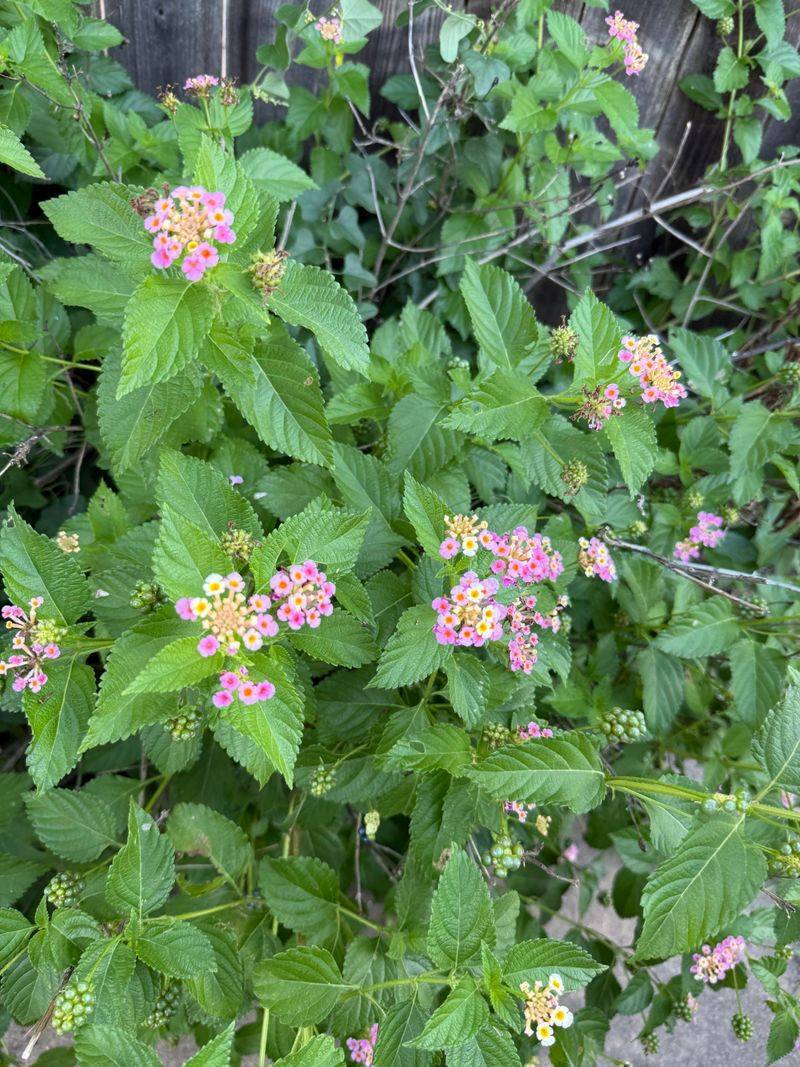
Texas lantana is the kind of plant that earns its place without asking for much.
Lantana urticoides is native to Texas and the Gulf Coast region, and it is built for heat.
Unlike the cultivated lantana varieties sold at big box stores, the native species is deeply adapted to Texas summers, droughts, and rocky alkaline soils.
It blooms from spring through fall without missing a beat, even when temperatures push past 100 degrees.
The flowers come in clusters of orange and yellow that shift in color as they age, creating a multicolored effect on each stem.
That visual variety attracts an impressive range of pollinators. Butterflies, native bees, skippers, and small flies all visit the blooms regularly.
That consistent pollinator traffic along sunny garden edges creates the kind of open, insect-rich airspace that dragonflies like to hunt through.
One thing worth knowing about Texas lantana is that the berries are toxic to pets and children, so placement matters.
Use it along fence lines, back borders, or open garden edges away from high foot traffic areas. It grows two to four feet tall and wide, making it a solid mid-border plant with real presence.
Pair it with lower-growing natives like frogfruit at its feet and taller plants like standing cypress behind it to build a layered planting that supports insects at every height.
7. Frogfruit Supports Low Insect Traffic
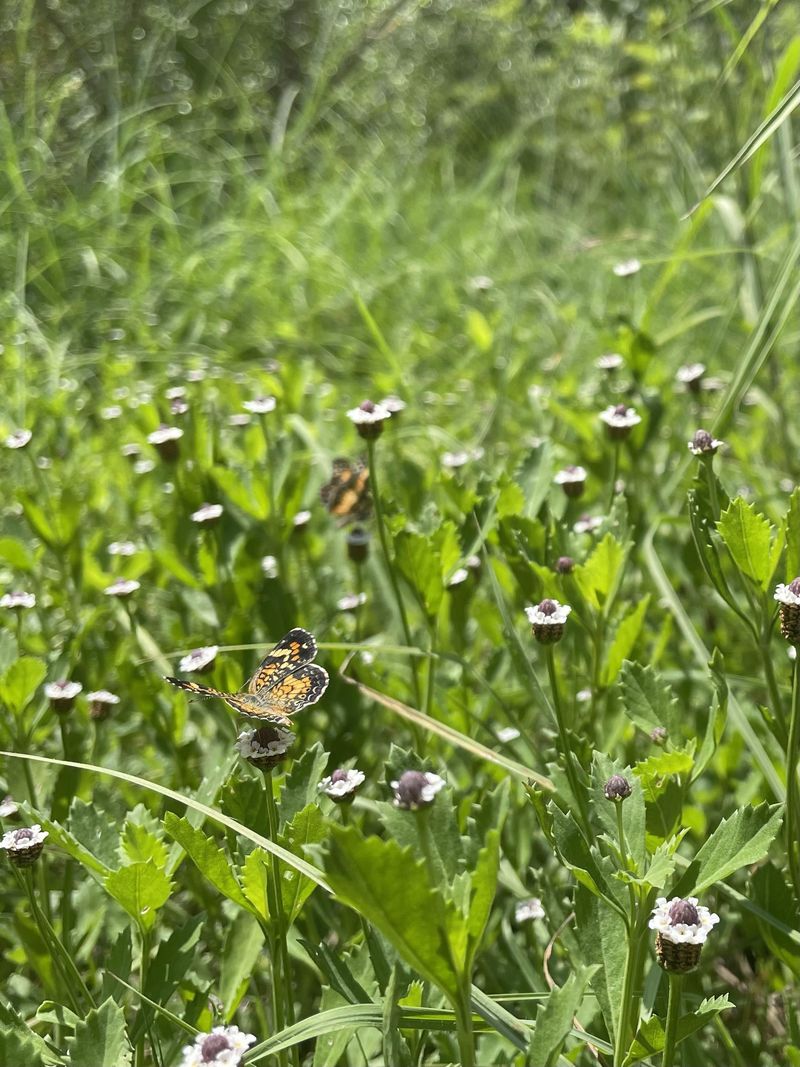
Not every wildlife plant needs to be showy. Frogfruit is one of those quiet workhorses that does a lot of heavy lifting without ever demanding attention.
Known scientifically as Phyla nodiflora, it grows low to the ground, spreads across open areas, and produces tiny white flowers that are surprisingly popular with small insects.
Gnats, small bees, native flies, and miniature wasps all visit the blooms regularly. That small-insect traffic at ground level is genuinely valuable in a dragonfly-friendly yard.
Dragonflies do not only hunt high in the air. They also swoop low, skimming over groundcover and open soil to catch small insects resting or flying near the surface.
A carpet of frogfruit near a shallow water source creates exactly that kind of low-level hunting zone.
Frogfruit is also a larval host plant for several butterfly species, including the White Peacock and Phaon Crescent.
That means it supports caterpillars and the insects that feed on them, adding another layer to the food web in your garden. More insect diversity at every level means more food available for dragonflies working the space.
It tolerates foot traffic better than most groundcovers, making it a smart choice for filling gaps between stepping stones or along garden paths near water.
Plant it in sun to part shade and give it occasional water while it establishes. Frogfruit fills the spaces that other plants miss, and in a wildlife garden, those gaps matter more than most people realize.
8. Standing Cypress Adds Tall Nectar Signals
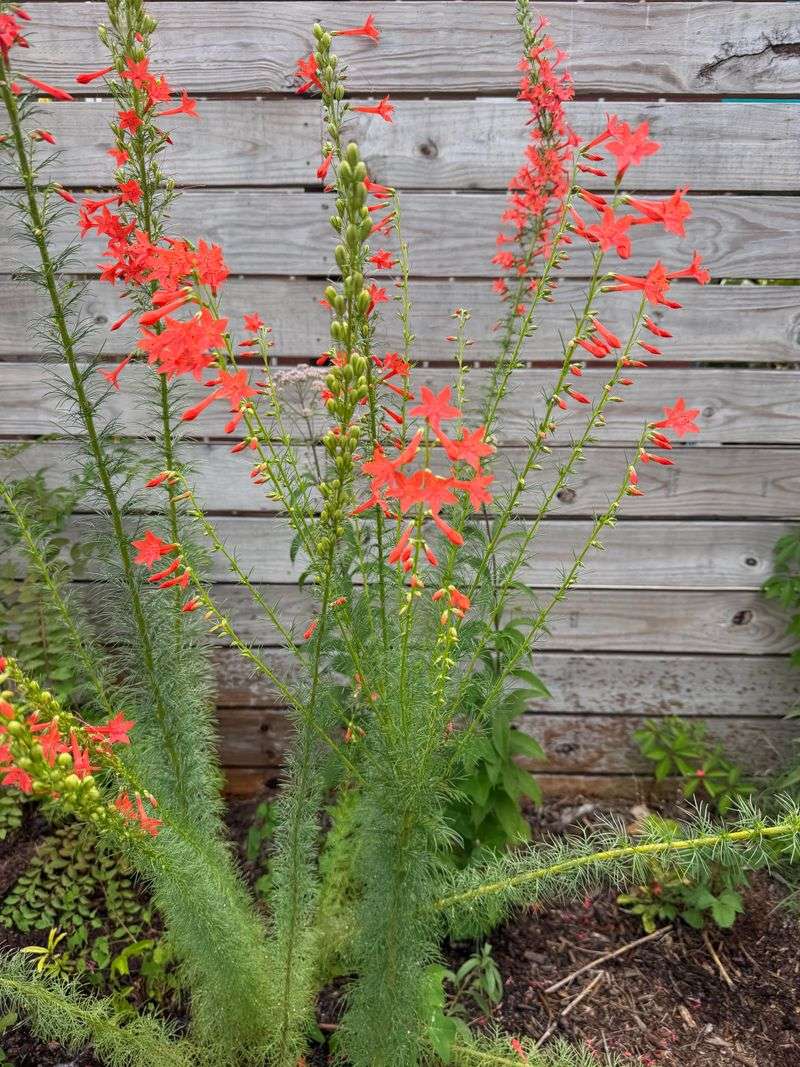
Height matters in a wildlife garden, and standing cypress makes the most of it.
Ipomopsis rubra shoots up like a bright red exclamation point in the summer landscape, sometimes reaching six feet tall.
Those vivid tubular flowers are built for hummingbirds, but they also attract a range of flying insects including native bees, hawk moths, and long-tongued flies that hover around the blooms in the upper airspace of the garden.
That upper insect activity creates a vertical hunting lane for dragonflies.
While most garden plants keep insect activity close to knee or waist height, standing cypress pulls flying insects higher into the open air.
Dragonflies regularly patrol at mid to upper height, especially in yards with good open space and airflow. Tall nectar plants like this one give them more territory to work through.
Standing cypress is a biennial, meaning it grows a leafy rosette in its first year and then sends up its spectacular flowering stalk in its second.
Once established in your yard, it reseeds reliably and creates a self-sustaining population. Plant it in full sun with well-drained soil and it will handle Texas heat without complaint.
Use it at the back of borders or along fences where its height becomes an asset rather than a problem.
Combined with mid-height plants like Texas lantana and low groundcovers like frogfruit, standing cypress completes a layered planting that supports insect activity from the ground up.
That vertical diversity is what transforms a flower bed into a functioning wildlife habitat.