The Drought-Smart Native Grass Texas Homeowners Love Near Entryways
First impressions matter, especially right at your front door where every detail sets the tone for your home. In Texas, that space has to look good without demanding constant watering, mowing, or fuss.
That is why more homeowners are turning to a tough, low-maintenance native grass that fits perfectly into the climate while still keeping things welcoming and polished.
This grass has a soft, natural look that feels relaxed but never messy. It handles heat like a pro, shrugs off dry spells, and does not need the same level of care as traditional lawns.
Around entryways, it creates a clean, inviting frame that stays green with far less effort. Instead of battling brown patches or sky-high water bills, you get a space that works with Texas conditions, not against them.
Once you see how well it performs, it is easy to understand why this native favorite is showing up in more and more front yard designs across the state.
Why Buffalograss Stands Out
Not every grass can handle the Texas sun without a fight, but buffalograss was practically built for it. Native to the Great Plains and widely found across Texas, this grass has been thriving in tough conditions long before anyone thought to plant it in a front yard.
It is one of the few truly native grasses that can double as a lawn, and Texas homeowners are starting to take notice.
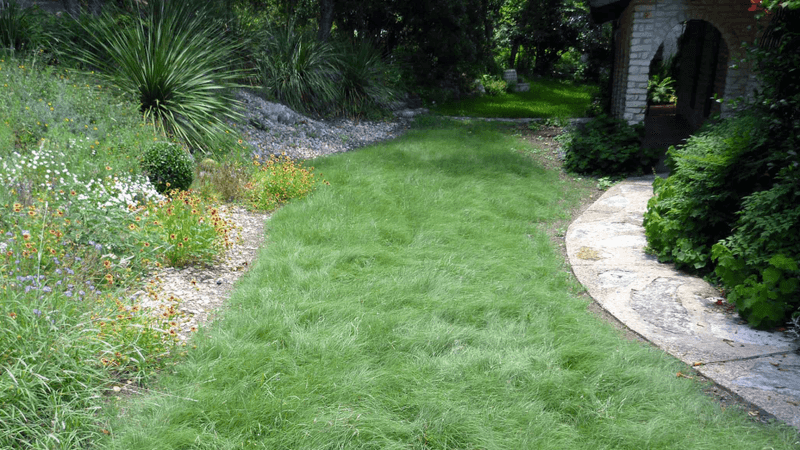
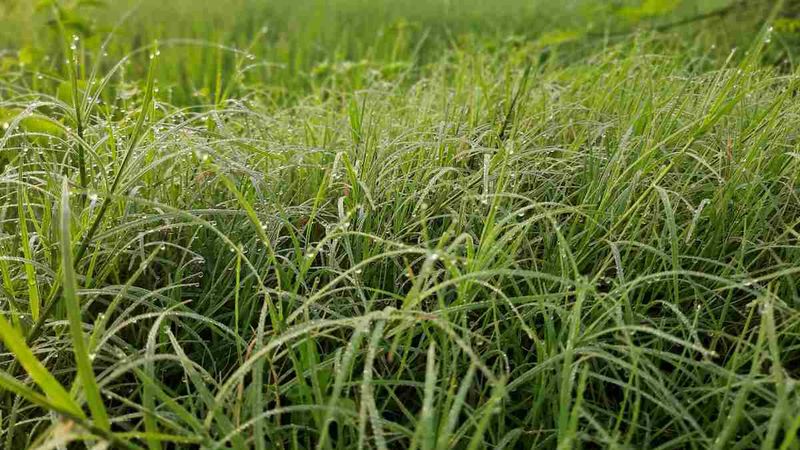
Buffalograss grows with a fine, soft texture that gives your yard a natural, relaxed look. The blades are thin and curl slightly, which creates a gentle, meadow-like appearance without looking messy or overgrown.
It stays relatively low on its own, which means less mowing and more time enjoying your outdoor space.
Compared to thirstier turf grasses like St. Augustine or Bermuda, buffalograss uses a fraction of the water. Once it gets established in your Texas landscape, it can survive on rainfall alone during many parts of the year.
That is a huge advantage when water bills climb during dry spells. It also handles heat without much stress. While other grasses turn brown and crispy in July, buffalograss keeps its cool.
For homeowners who want a lawn that looks respectable without constant babying, this grass is a standout option. It is not just a practical choice. It is a smart one that connects your yard to the natural beauty of Texas landscapes.
Why It Works So Well Near Entryways

Walk up to a home with a perfectly trimmed entryway and you immediately get a good feeling about the place. Buffalograss near a front door or walkway creates that same welcoming vibe, but without the high-maintenance routine that usually comes with it.
It is one of the reasons Texas homeowners are using it more and more in their front landscape designs.
One of the biggest perks is that buffalograss stays naturally low. Most of the time, it tops out at just three to five inches without any mowing.
That tidy, compact growth habit makes it perfect for lining walkways, filling in entry beds, or softening the edges around a front porch. You get a clean, finished look without constantly reaching for the lawn mower.
Your Texas Garden Changes Every Week. Your Plan Should Too.
Gardening in Texas changes quickly throughout the season. Every Friday you’ll receive a simple weekly plan showing exactly what to plant, prune, fertilize, harvest, and protect so you never miss the right timing.
It also pairs beautifully with the kinds of materials common in Texas landscaping. Stone pavers, decomposed granite, river rock, and native shrubs all look great alongside buffalograss.
The soft green color of the grass complements earthy tones really well, giving your entryway a polished but natural appearance.
Another reason it works so well near entryways is that it does not sprawl aggressively into beds or cracks the way some grasses do. It spreads at a manageable pace, which keeps your entryway looking intentional and well-planned.
For Texas homeowners who want their front yard to make a great first impression without a lot of effort, buffalograss near the entryway is a reliable and attractive solution that checks every box.
The Drought-Smart Advantage
Texas summers are no joke. Temperatures can stay above 100 degrees for weeks at a time, and water restrictions are common in many cities and towns across the state.
That is exactly why the drought-smart nature of buffalograss is such a big deal for homeowners who want a yard that holds up without breaking the bank on water bills.
Once buffalograss is fully established, it needs far less water than traditional lawn grasses. Bermuda grass and St. Augustine both require regular irrigation to stay green and healthy during Texas summers.
Buffalograss, on the other hand, can go much longer between waterings. In many parts of Texas, it can survive on natural rainfall alone during cooler months.
The secret is in its roots. Buffalograss develops a deep root system that reaches down into the soil to find moisture that other grasses cannot access.
This deep rooting is what allows it to stay green and resilient even when the top layer of soil dries out completely. It is a survival strategy that has been refined over thousands of years on the Texas plains.
For homeowners who care about water conservation, this grass is a genuinely responsible choice. Using less water is good for your wallet and good for the environment.
Some Texas municipalities even offer rebates for homeowners who replace high-water turf with native or drought-tolerant alternatives.
Choosing buffalograss near your entryway is not just a smart landscaping move. It is a step toward a more sustainable home overall.
Where It Grows Best
Sunlight is everything when it comes to buffalograss. You can do everything else right, but if you plant it in the wrong spot, it will struggle.
Knowing where this grass performs best will save you a lot of frustration and help your entryway look its absolute best year after year.
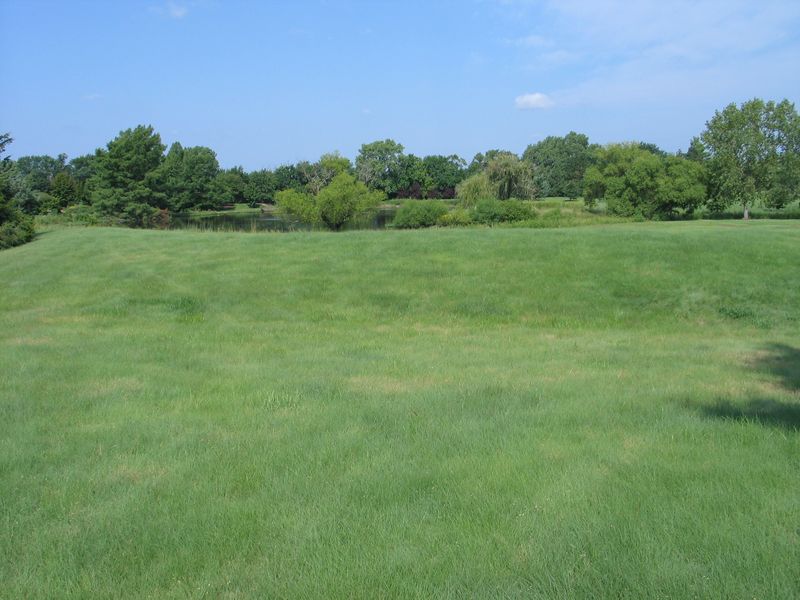
Buffalograss loves full sun. It needs at least six to eight hours of direct sunlight each day to grow thick and healthy.
Fortunately, most front yards and entryways in Texas get plenty of sun, especially in open suburban neighborhoods where there are few large shade trees blocking the light. Areas near driveways and front walks are usually ideal growing spots.
The grass also does well in the kind of hot, open conditions that are common across central, north, and west Texas. It tolerates clay soils, which are found in many parts of the state, as long as the soil drains reasonably well.
Waterlogged spots are not ideal for buffalograss, so areas with good drainage will always give you better results.
One thing to keep in mind is that buffalograss is not the right fit for heavily shaded entryways. If large trees or an overhanging porch block most of the sun near your front door, a different native grass like inland sea oats might serve you better.
But for the majority of Texas homes with sunny, open entryways, buffalograss is genuinely one of the best options available. Matching the right plant to the right place is always the first step toward a thriving, low-maintenance landscape.
How To Help It Establish
Getting buffalograss off to a strong start takes a little patience, but the payoff is absolutely worth it. The establishment phase is really the only time this grass needs extra attention.
Once it roots in and fills out, you can step back and let it do its thing with very little help from you.
Timing matters a lot with buffalograss. Plant it during warm weather, ideally in late spring or early summer when soil temperatures are reliably above 60 degrees.
Texas homeowners have a good window from May through July to get plugs or seeds in the ground. Warm soil helps the roots establish quickly and gives the grass the best possible start before cooler temperatures arrive.
During the first few weeks after planting, water regularly to keep the soil moist. This is not the time to test its drought tolerance.
Young grass needs consistent moisture to develop strong roots. Water every two to three days at first, then gradually stretch the time between waterings as the grass starts to fill in and look more established.
Weed control is also important during this early phase. Weeds compete with new grass for water and nutrients, which can slow down the whole process.
Pull weeds by hand or use a pre-emergent herbicide before planting to give your buffalograss a fair chance. Avoid heavy foot traffic on new plantings while they settle in.
With a little care during those first few months, you will have a thick, healthy stand of buffalograss near your Texas entryway that practically takes care of itself going forward.
How To Use It For The Best Curb Appeal
Curb appeal does not have to mean a perfectly manicured lawn that demands hours of weekly upkeep.
Buffalograss gives Texas homeowners a way to create a front yard that looks thoughtful and attractive without turning yard care into a second job. The key is pairing it with the right design elements to bring out its natural charm.
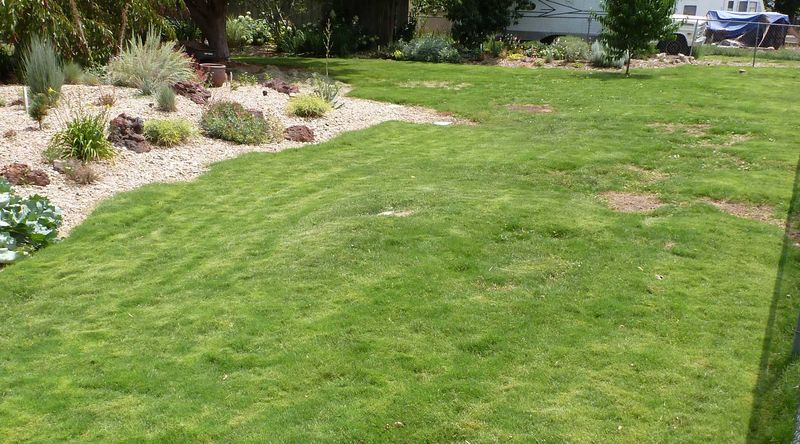
Stepping stones are a fantastic companion for buffalograss near entryways. Flagstone or concrete pavers set into the grass create a defined path while letting the soft green blades fill in around them naturally.
The combination looks both intentional and relaxed, which is exactly the kind of aesthetic that works so well in Texas home landscapes. Add a low border of native shrubs like Texas sage or black-eyed Susans, and you have a front yard that turns heads.
Using buffalograss to soften edges is another great trick. Hard lines around walkways, driveways, and foundation plantings can look harsh on their own.
Letting buffalograss grow along those edges creates a gentle transition that makes everything feel more cohesive and welcoming. It blurs the line between the hardscape and the garden in the best possible way.
The real beauty of using buffalograss for curb appeal is that it looks polished without constant effort. You are not fighting the Texas climate.
You are working with it. Mow it occasionally if you want a neater look, or let it grow naturally for a more relaxed style.
Either way, your entryway will reflect the natural beauty of the Texas landscape while staying low-maintenance and genuinely drought-smart all season long.