What It Really Means When A Coyote Shows Up In Your Texas Garden
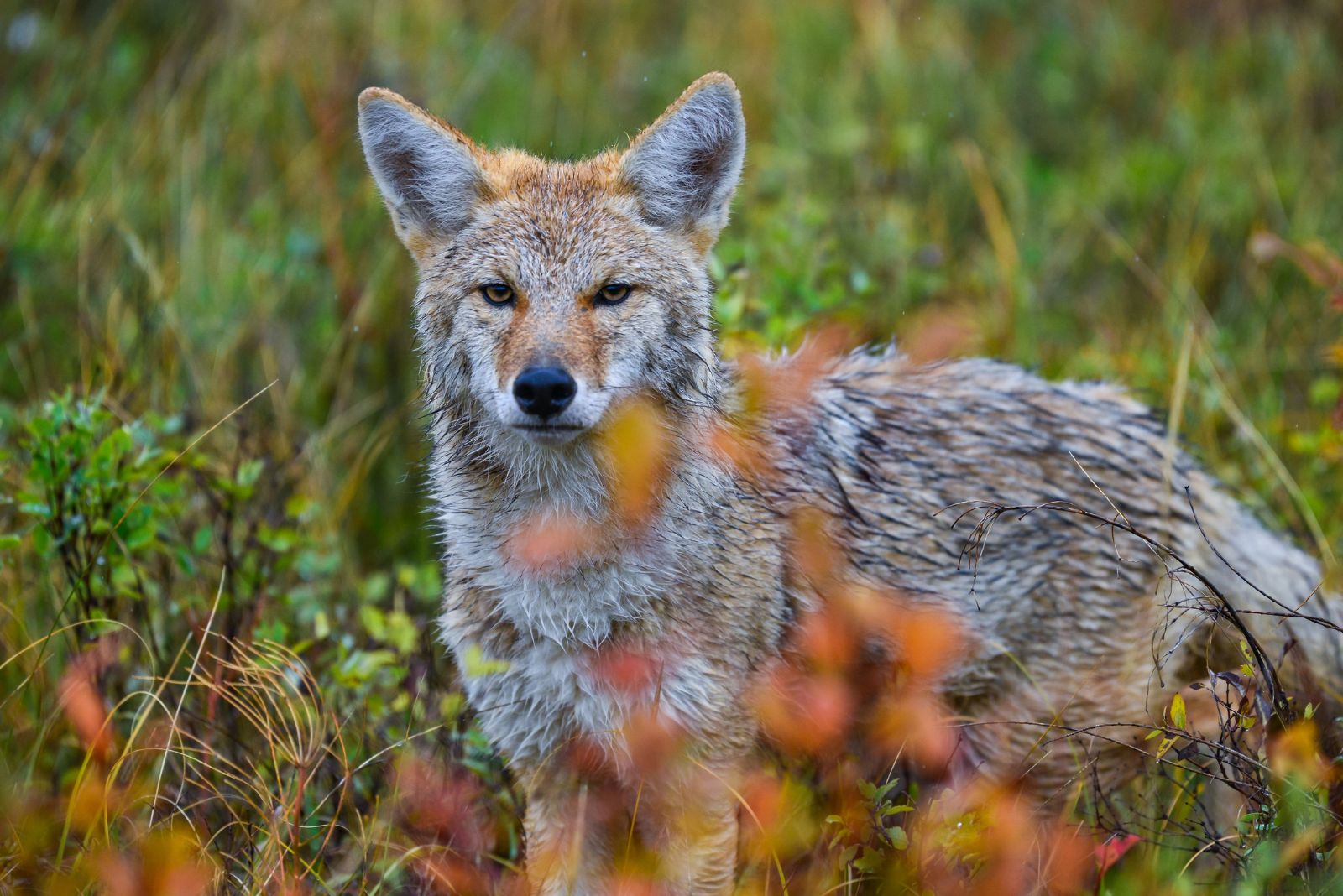
Have you ever walked out to your Texas garden in the early morning and locked eyes with a coyote standing right there like it owns the place? That moment of stillness before it turns and disappears is equal parts thrilling and unsettling.
And once it happens, the questions start. Why was it there? Will it come back? And what does it actually mean for your yard and the animals in it?
A coyote showing up in your garden is rarely just a random visit. These are highly intelligent, highly adaptable animals, and they move through residential areas with purpose.
Their presence tells you something real about your local ecosystem, your yard’s food and water sources, and the broader wildlife activity happening around your property.
Beyond the practical side, coyotes carry deep cultural and symbolic meaning that stretches back centuries across many traditions. Here’s what a coyote visit to your Texas garden is really telling you, and what to do about it.
1. Food Is Nearby
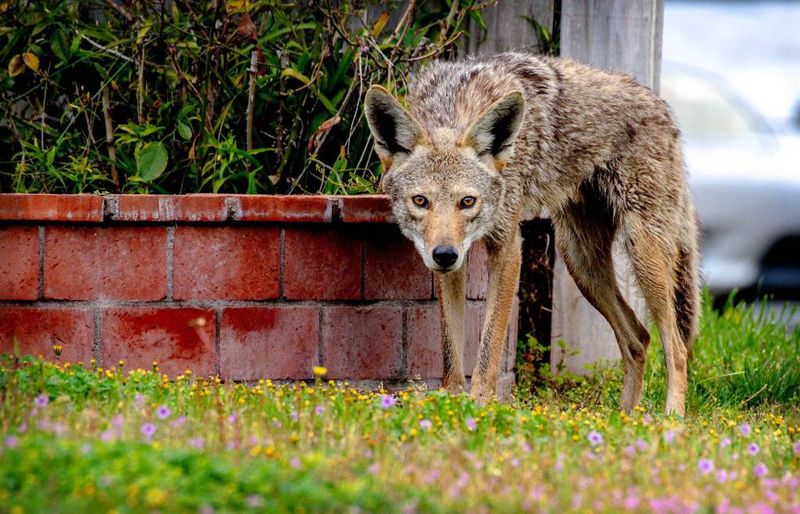
Ever wonder why that coyote keeps coming back to the same yard? The answer is almost always food.
Coyotes are opportunistic eaters, which means they will eat just about anything they can find without working too hard for it.
Common food sources that attract coyotes to gardens include mice, rats, rabbits, and squirrels.
But they are also drawn to things people leave behind without thinking, like fallen fruit from trees, open compost bins, unsecured trash cans, leftover pet food, and spilled birdseed. If your yard has any of these, a coyote may see it as a free buffet.
The tricky part is that coyotes learn fast. If a yard feeds them once, they remember it and return again and again. Over time, they lose their natural caution around people, which can become a real problem.
The good news is that removing food sources is one of the most effective ways to discourage coyote visits. Pick up fallen fruit daily.
Use trash cans with tight-fitting lids. Bring pet food inside after feeding time. Clean up spilled birdseed from the ground. These small habits make a big difference.
A well-managed yard sends a clear message to a coyote: there is nothing easy to eat here, so keep moving. Coyotes prefer low-effort meals, and if your garden stops offering them, most will simply move on to easier territory.
Staying consistent with cleanup is key because one slip, like leaving trash out overnight, can undo weeks of good habits and invite a coyote right back in.
2. Your Yard Has Prey
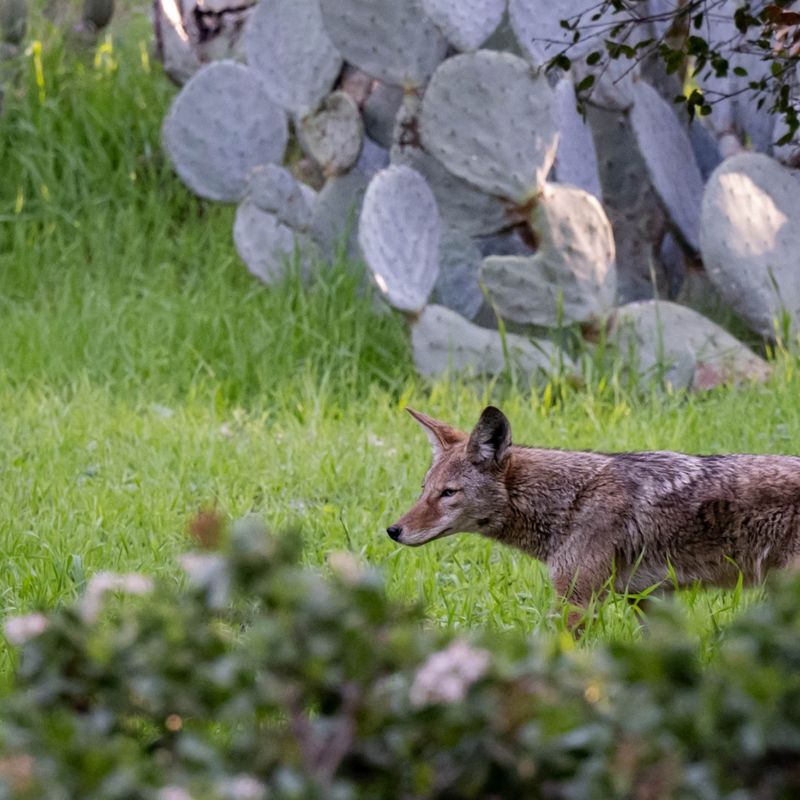
Surprise: a coyote in your garden might not be interested in your tomatoes or squash at all. Most of the time, it is there because something else is already living in your yard, and that something is prey.
Rodents like mice and rats love garden beds. They hide under mulch, burrow near plant roots, and snack on seeds and vegetables.
Rabbits also treat gardens like a personal salad bar. Insects, lizards, and even ground-nesting birds can all take up residence in a lush, overgrown garden. To a coyote, your backyard is not a garden. It is a hunting ground full of easy targets.
Your Texas Garden Changes Every Week. Your Plan Should Too.
Gardening in Texas changes quickly throughout the season. Every Friday you’ll receive a simple weekly plan showing exactly what to plant, prune, fertilize, harvest, and protect so you never miss the right timing.
Understanding this changes how you think about coyote visits. Rather than seeing the coyote as the main problem, consider that the real issue might be the prey population already living in your yard.
A garden that shelters a lot of small animals will naturally attract larger predators like coyotes.
You can reduce prey populations by keeping the garden tidy. Remove tall weeds and dense brush piles where rodents like to hide.
Use wire mesh around the base of garden beds to block burrowing animals. Store seeds and birdfeed in sealed containers. If you have a compost pile, make sure it is enclosed and not attracting rats or mice.
Reducing the prey that lives in your garden naturally reduces the reason a coyote has to visit. It is a chain reaction.
Fewer rodents and rabbits mean fewer reasons for a coyote to stop by. Keeping the garden clean and less sheltered makes it far less appealing to the entire food chain.
3. Water May Be Drawing It In
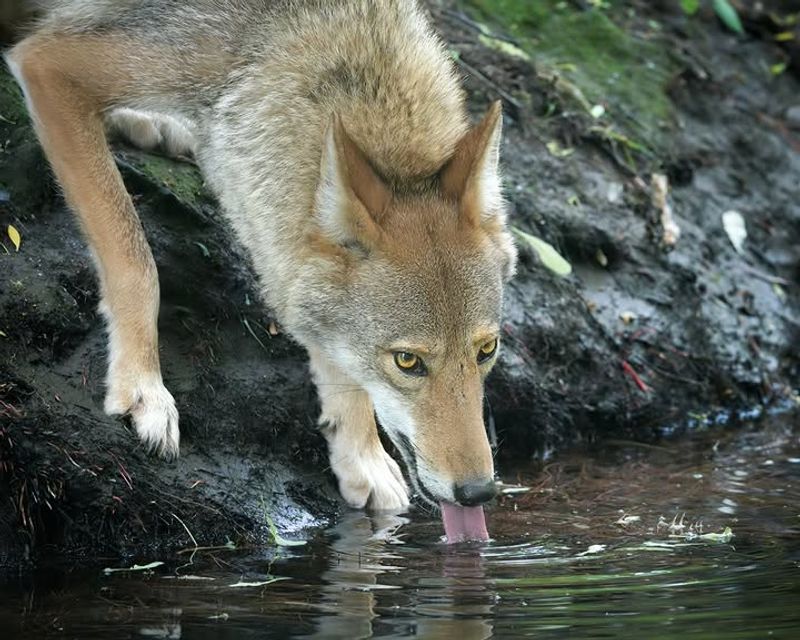
Texas summers are brutal. Temperatures regularly climb past 100 degrees, and natural water sources dry up fast.
When that happens, wildlife starts looking for water wherever it can find it, including in your backyard.
Birdbaths, garden fountains, pet water bowls, shallow decorative dishes, and even leaky irrigation systems can become water stops for thirsty animals.
A coyote that wanders through your yard during a hot Texas summer might not be hunting at all. It could simply be stopping for a drink.
This is actually one of the more overlooked reasons coyotes show up in neighborhoods during the summer months. People set out water for birds and squirrels without realizing that the same water source attracts larger wildlife too.
A coyote that finds a reliable water source will return to it regularly, sometimes bringing others along. The fix is straightforward. Bring pet water bowls inside at night.
Empty birdbaths and decorative water dishes in the evening and refill them in the morning. Fix any leaky irrigation lines or outdoor faucets. If you have a fountain, consider turning it off at night when coyotes are most active.
Removing easy water access does not mean leaving birds and good wildlife without resources.
You can keep water available during daylight hours and simply remove it before dusk. This small adjustment can significantly reduce nighttime coyote activity in your yard.
Staying aware of what your yard offers, not just in terms of food but also water and shelter, helps you see your garden through a coyote’s eyes.
That perspective makes it much easier to figure out why one keeps showing up and what simple changes will encourage it to move on.
4. Pets Need Protection
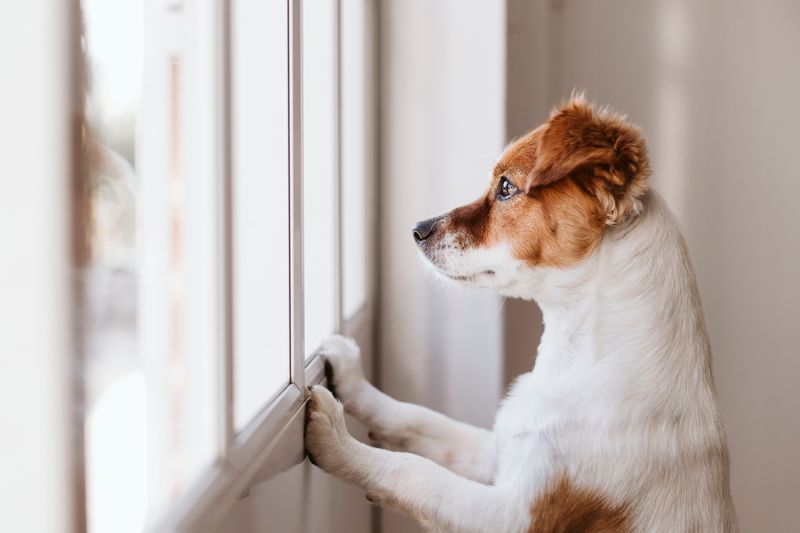
A coyote sighting in the garden is a clear signal that it is time to step up pet safety. Small dogs and cats are especially vulnerable, and too many pet owners do not realize the risk until something bad happens. Acting early is always the smarter move.
Coyotes are naturally cautious around people, but they are bold when it comes to small animals. A cat left outside overnight or a tiny dog playing alone in the yard can attract a coyote’s attention quickly.
Even a fenced yard is not always enough, since coyotes can jump over or dig under many standard backyard fences.
The safest rule is simple: never leave small pets outside unsupervised, especially at dawn, dusk, or nighttime when coyotes are most active. If you have a cat, keep it indoors.
Walk small dogs on a leash and stay alert to your surroundings. Avoid walking near brushy areas, creek beds, or greenbelts where coyotes tend to travel. Do not leave pet food outside. Even an empty bowl with leftover scent can draw wildlife in.
Store pet food in sealed containers indoors. If you feed outdoor cats, pick up any uneaten food right away and do not leave it out overnight.
Some homeowners use coyote rollers on fence tops or install coyote-proof fencing to add an extra layer of protection. Motion-activated lights and sprinklers can also help deter coyotes from entering a yard regularly.
Keeping pets safe around coyotes does not have to be complicated. A few consistent habits, like bringing pets in before dark and securing food, go a long way toward reducing risk and keeping the whole family protected.
5. It May Be Passing Through
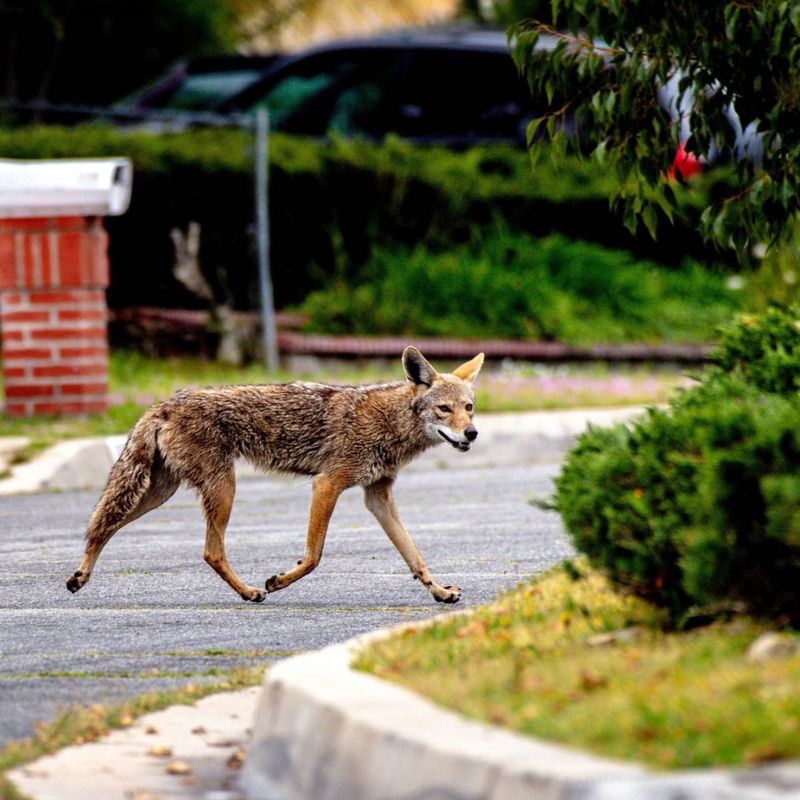
One coyote sighting does not automatically mean danger or that a pack has moved in next door. In fact, many coyote visits are nothing more than a quick pass-through.
Coyotes travel wide territories every day in search of food, water, and shelter, and your yard may simply be part of the route.
Urban and suburban coyotes in Texas have adapted remarkably well to living near people. They use greenbelts, creek corridors, parks, and even alleyways as travel paths.
A coyote moving through your garden on a Tuesday night might be miles away by Wednesday morning. Single sightings are common and do not always indicate a den or a permanent presence nearby.
That said, repeated sightings at the same time of day or in the same location can signal something different.
If a coyote is showing up consistently, it has likely found a reliable food or water source on or near your property. That is when it is worth investigating what might be drawing it back.
Knowing the difference between a passing coyote and a regular visitor helps you respond appropriately. For a one-time sighting, simply observe from a safe distance and make sure there are no obvious attractants in the yard.
There is no need to call animal control for a single, calm coyote that keeps its distance and moves along.
Coyotes play a real role in the local ecosystem by controlling rodent populations and keeping nature in balance.
Respecting their presence while maintaining clear boundaries is a healthy and realistic approach. Most coyotes want nothing to do with people and will avoid contact whenever they can.
6. Your Yard Needs A Cleanup
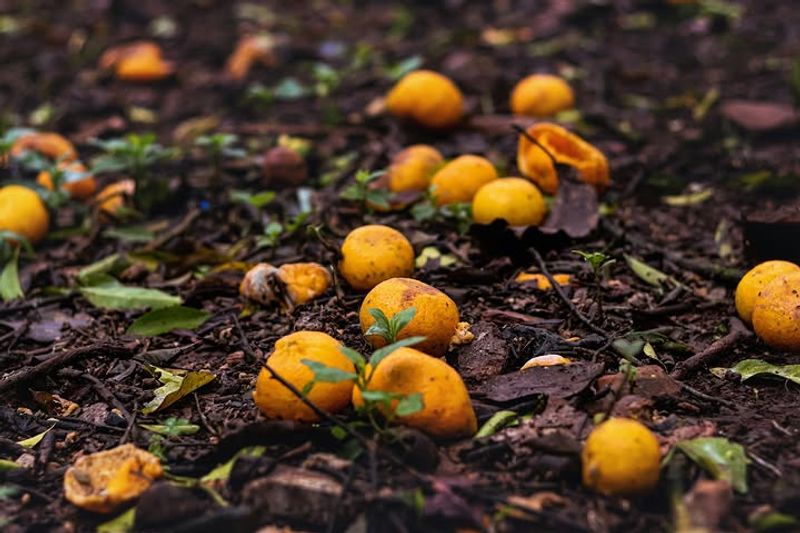
If a coyote has shown up in your garden, the most practical response is to make that space less attractive to wildlife. A clean, well-managed yard sends a clear message: there is nothing here worth stopping for. And that message works.
Start with the basics. Pick up fallen fruit from trees every day, since rotting fruit on the ground is a major wildlife magnet.
Secure all trash cans with tight-fitting, locking lids. Never leave pet food or water outside overnight.
Sweep up spilled birdseed from the ground beneath feeders, or switch to feeders designed to reduce spillage.
Next, look at the structure of your garden itself. Dense shrubs, thick brush piles, and overgrown areas give small animals places to hide, which in turn gives coyotes a reason to come looking.
Thin out heavy vegetation where possible and keep the lawn mowed regularly. Remove woodpiles and debris that could shelter rodents.
One of the most important rules is never to feed coyotes intentionally. Some people toss out scraps thinking it is harmless, but feeding wild coyotes causes them to lose their natural wariness around humans.
A coyote that has been fed by people becomes bolder and harder to discourage over time. If a coyote lingers too close or acts too comfortable around you, use hazing techniques. Make yourself look big, wave your arms, shout loudly, clap your hands, or use a noisemaker.
The goal is to reinforce the coyote’s natural fear of people. A coyote that respects that boundary is far safer for everyone in the neighborhood. Consistency with these habits is what makes the biggest long-term difference.