8 Summer Moves Illinois Gardeners Must Make For A Stunning Christmas Cactus
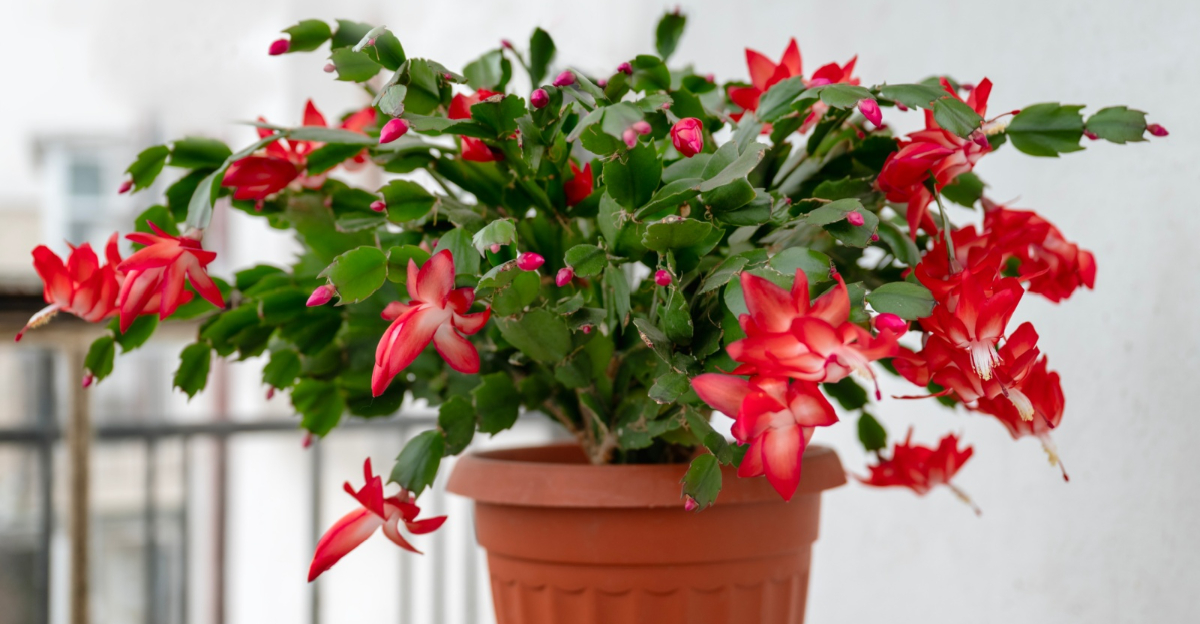
Your Christmas cactus isn’t dormant right now. It’s not just sitting there. It’s working. While you’re tying up tomatoes outside, that unassuming plant on your windowsill is doing something quieter.
It’s building the reserves that decide whether December brings a stunning bloom, or just scattered flowers.
Most Illinois gardeners don’t think about their Christmas cactus until Thanksgiving rolls around. By then, the window for real influence has mostly closed.
Summer is the season that actually matters. June, July, and August are when this plant quietly stores up what it needs for its holiday performance.
Illinois summers bring their own quirks. Humid, unpredictable, prone to sudden heat spikes.
Worth noting, Christmas cactus only tolerates winters outdoors in USDA zones 9 to 11, well south of Illinois.
Every tip here treats it as a container plant that comes indoors for the colder months. Get these summer moves right, and your cactus will reward you with a fuller bloom.
1. Move Plants Outdoors To A Shaded Porch Or Under Trees
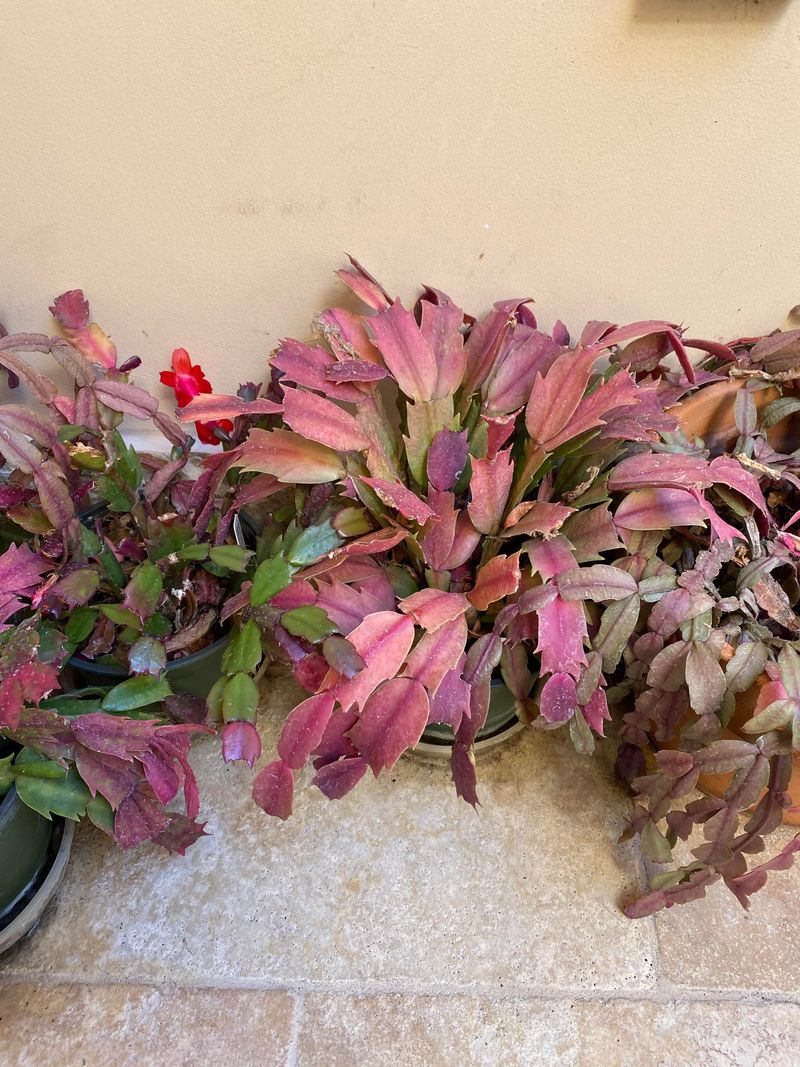
Fresh air is basically a spa treatment for your Christmas cactus. Moving it outside during summer gives it the natural light cycles and gentle breezes it absolutely craves.
Place your plant on a shaded porch or beneath a leafy tree. The goal is bright, indirect light, not a sunbath on the front steps.
Illinois summers offer long, warm days that help your cactus build strong, healthy stems. That outdoor energy translates directly into more flower buds come December.
Think of the outdoors as a training camp for your plant. It toughens up, grows fuller, and soaks up the kind of natural light no indoor lamp can fully replicate.
A north-facing porch works beautifully for this purpose. Even the east side of the house, where morning sun is soft and afternoon shade kicks in, is a smart spot.
Make sure the pot has drainage holes before you set it outside. Rainwater can quickly pool in a saucer and cause root rot if you are not careful.
You’ll likely notice a fuller, more vibrant bloom when December rolls around. Getting your Christmas cactus outdoors this summer is honestly the single biggest favor you can do for it.
2. Avoid Direct Afternoon Sun That Scorches The Leaf Segments
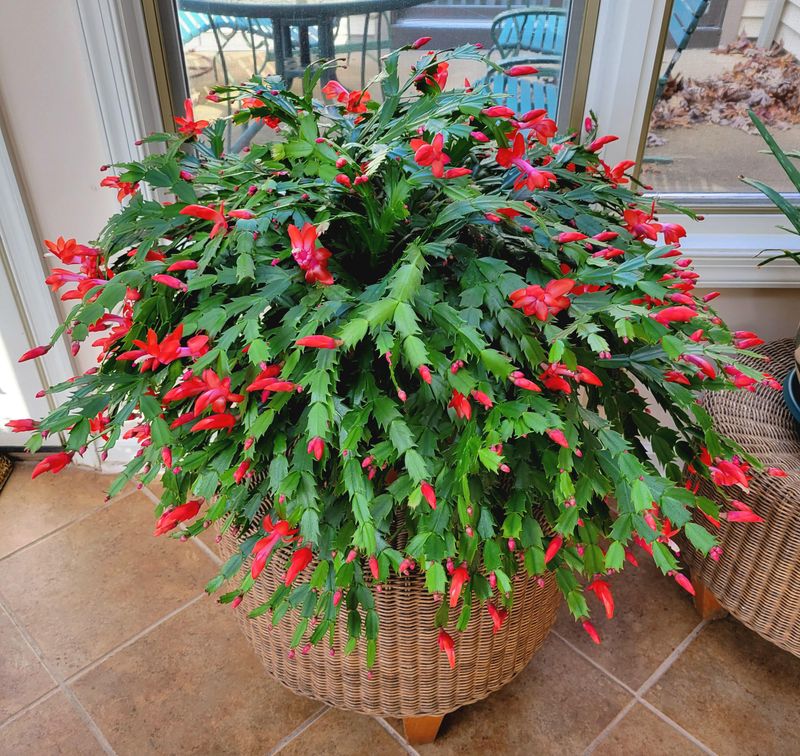
Afternoon sun in an Illinois summer is no joke. Temperatures can hit the 90s, and direct rays will bleach and burn your plant’s flat, fleshy segments fast.
Scorched segments turn pale yellow or develop brown, crispy patches. Once that damage is done, those segments will not recover their deep green color.
Morning sun is gentle and actually quite helpful for a Christmas cactus. It is the harsh afternoon exposure, typically from 1 p.m. to 5 p.m., that causes the real trouble.
If you notice your plant looking washed out or dull, check where the sun hits it during the hottest part of the day. A simple spot adjustment can stop the damage immediately.
Shade cloth is a surprisingly affordable fix if you cannot find a naturally shaded location. A 40 to 50 percent shade cloth filters just enough light without blocking airflow.
Your Illinois Garden Changes Every Week. Your Plan Should Too.
Gardening in Illinois changes quickly throughout the season. Every Friday you’ll receive a simple weekly plan showing exactly what to plant, prune, fertilize, harvest, and protect so you never miss the right timing.
Brick walls and concrete surfaces also reflect intense heat onto nearby plants. Keep your cactus away from south-facing walls that act like solar panels in July and August.
Protecting your plant from harsh sun is not about being overprotective. It is about understanding that a Christmas cactus is a forest plant by nature, built for filtered canopy light.
Shade it wisely now, and your plant will reward you with lush, unscorched growth all season long.
3. Water Only When The Top Inch Of Soil Feels Dry
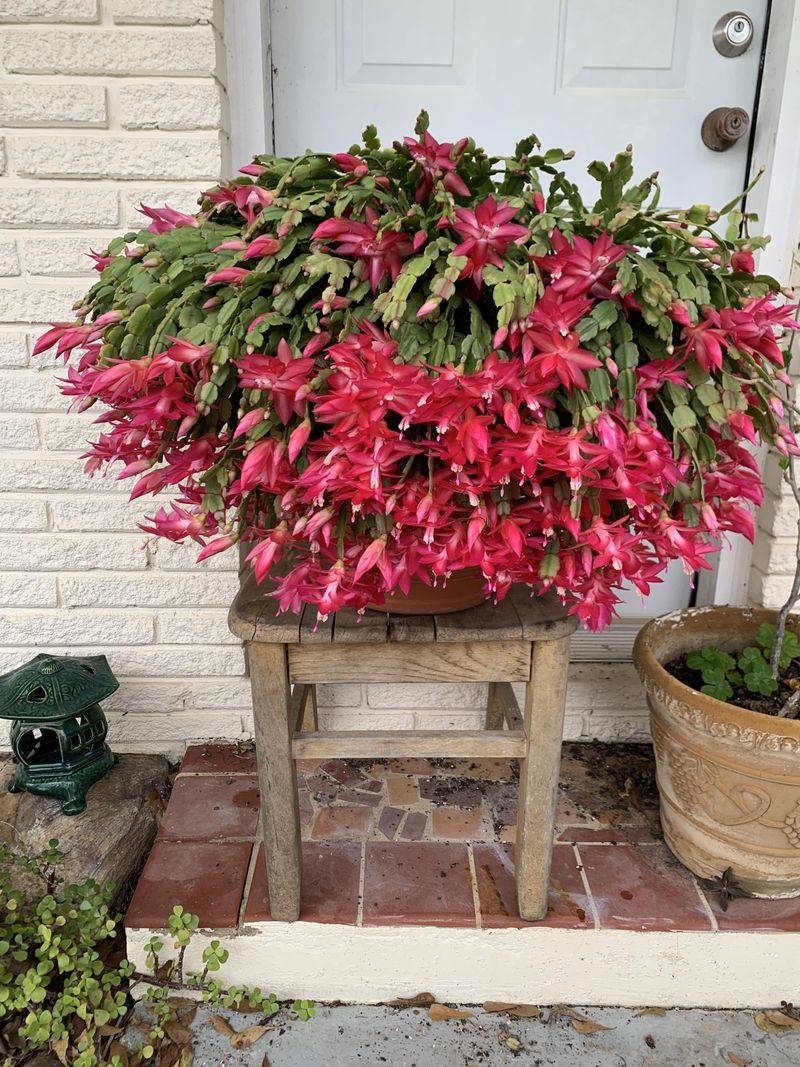
Overwatering is the number one way gardeners accidentally harm a Christmas cactus. Summer heat makes it tempting to water more, but this plant has a different rhythm than your tomatoes.
Stick your finger about an inch into the soil before you reach for the watering can. If it still feels damp, walk away and check again in a day or two.
Christmas cacti are succulents, which means their stems store water. They are built to handle short dry spells without drama or distress.
During Illinois summers, you may find yourself watering roughly every seven to ten days, but always let the soil be your guide, not the calendar.
When you do water, do it thoroughly. Let water run out the drainage holes completely, then empty the saucer so roots are never sitting in a puddle.
Terracotta pots are helpful because they breathe and dry out faster than plastic or glazed ceramic. If your plant tends to stay wet too long, switching pot materials can make a real difference.
Yellowing, mushy stems are a sign of too much water. Shriveled, wrinkled segments usually mean the plant is too dry and thirsty.
Finding that sweet spot takes a little practice, but once you get the hang of it, watering your Christmas cactus becomes second nature. Healthy roots now mean abundant blooms later.
4. Feed With A Balanced Fertilizer Every Two To Three Weeks

Summer is feeding season for a Christmas cactus, and a hungry plant will not produce many blooms. Think of fertilizer as the fuel your plant needs to build its holiday flower show.
A balanced fertilizer, something like a 10-10-10 or 20-20-20 formula, works well during active growing months. It gives your plant equal amounts of the big three nutrients it needs most.
As August winds down, consider switching to a fertilizer lower in nitrogen and higher in phosphorus, something like a 15-30-15 formula. This shift nudges the plant toward bud formation instead of leaf growth.
Apply fertilizer every two to three weeks from June through late August. Once September arrives, you will scale back feeding to help trigger the blooming process naturally.
Always water your plant before applying liquid fertilizer. Feeding dry roots can cause chemical burn, which stresses the plant and sets back growth.
Half-strength fertilizer solutions are safer and just as effective as full doses. Mix it weaker than the label suggests and your plant will absorb nutrients without any risk of overdoing it.
Slow-release granular fertilizer is another solid option for gardeners who prefer a set-it-and-forget-it approach. Sprinkle it on top of the soil and let each watering activate it gradually.
Watch for new stem segments pushing out from the tips of existing ones. That is your visual confirmation that the fertilizer is doing exactly what it should.
Consistent summer feeding builds a plant with strong structure and plenty of budding sites. Come November, all that stored energy will burst into the holiday color you have been waiting for.
5. Watch For Aphids And Mealybugs Hiding In Leaf Joints
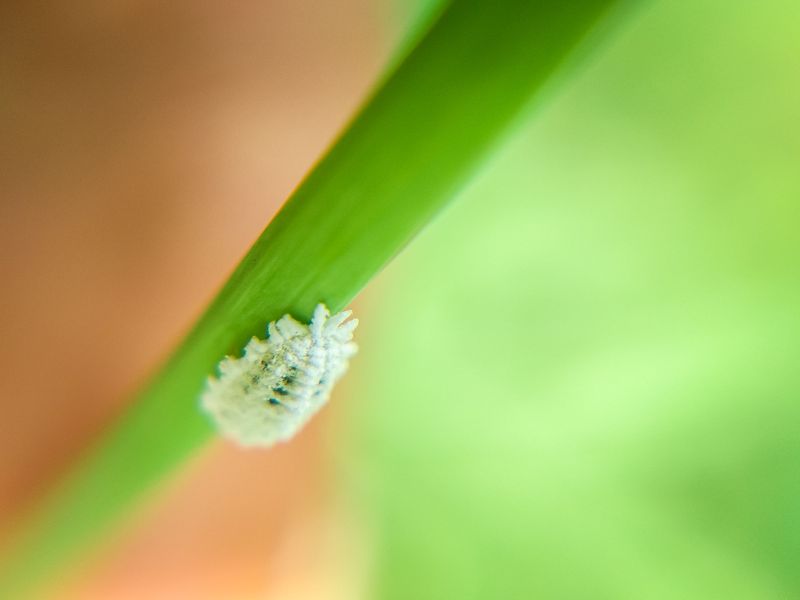
Small pests can cause real damage. Summer is prime time for aphids and mealybugs to move in on your Christmas cactus, especially when the plant is outside and vulnerable.
Mealybugs look like small tufts of white cotton tucked into the joints where leaf segments meet. Aphids are tinier, soft-bodied, and often cluster on new growth tips.
Both pests suck sap from the plant and weaken it over time. Left unchecked, a serious infestation can cause stunted growth and prevent flower buds from forming at all.
Check your plant every week during outdoor season. Flip a few segments over and peer into the joints with a close eye, because these bugs love to hide.
A cotton swab dipped in rubbing alcohol is your best first weapon. Dab it directly onto each visible bug to treat it on contact without harming the plant.
Neem oil spray is a fantastic follow-up treatment and a strong preventive tool. Mix it with water and a drop of dish soap, then spray the whole plant, including undersides of segments.
Avoid spraying during the hottest part of the day. Neem oil and direct sun together can cause leaf burn, so treat your plant in the early morning or evening instead.
Catching pest problems early keeps your Christmas cactus on track for a healthy, full growing season. A few minutes of weekly inspection now saves hours of frustration later.
6. Keep Away From Hot Pavement Or Reflected Heat Sources
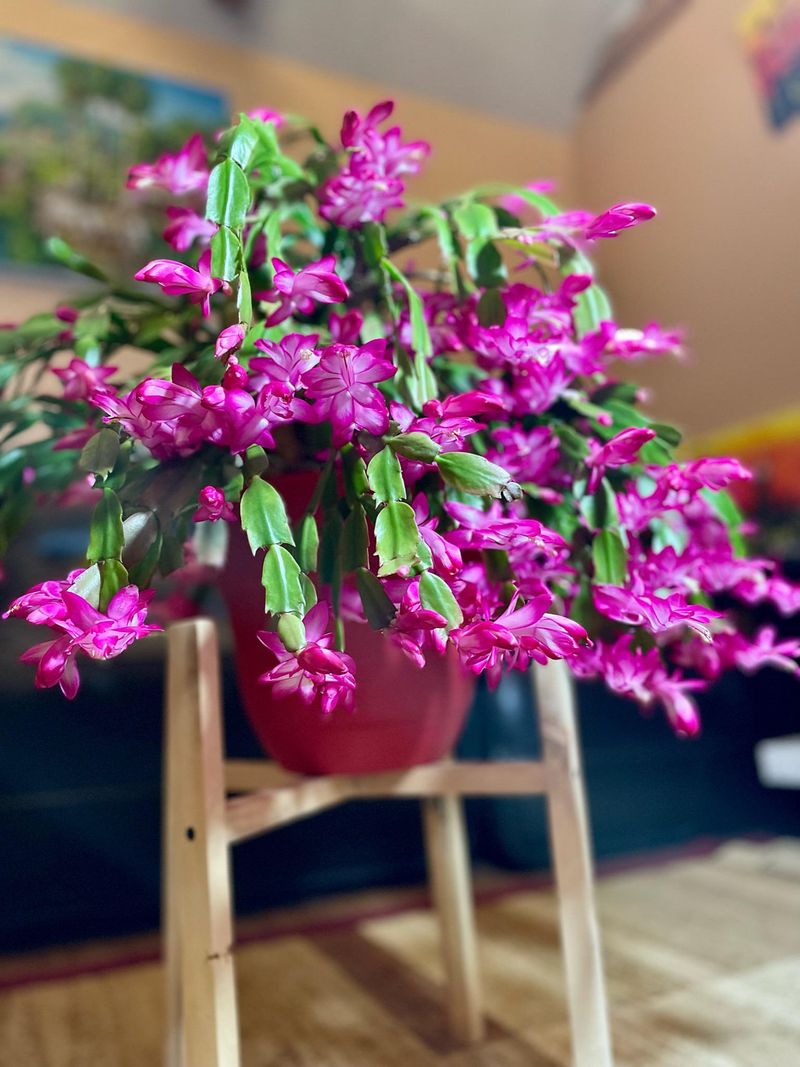
Concrete and asphalt absorb heat all day and radiate it back after dark. Placing your Christmas cactus near these surfaces exposes it to significant extra heat.
Root temperature matters just as much as air temperature for this plant. Hot pavement can push soil temps high enough to stress or damage roots even when the air feels tolerable.
South-facing driveways, patios, and brick walls are the worst offenders in an Illinois summer. These surfaces can reach well over 100 degrees on a sunny afternoon.
Elevate your pot on a wooden stand or a plant dolly to create airflow beneath it. That small gap between pot and surface makes a measurable difference in root zone temperature.
Light-colored pots also help by reflecting heat rather than absorbing it. Dark plastic or black metal containers can get extremely hot and essentially cook roots from the outside in.
If your only outdoor option is a sunny patio, try grouping several plants together. The shared canopy of leaves creates a microclimate that stays noticeably cooler than an exposed single pot.
Mulching the top of the soil with a thin layer of pebbles or bark can also insulate roots from heat spikes. It holds moisture longer and buffers dramatic temperature swings.
Your Christmas cactus is tougher than it looks, but it has limits. Respect those limits now and it will grow strong all the way into fall.
7. Bring Plants In If A Sudden Illinois Heatwave Hits
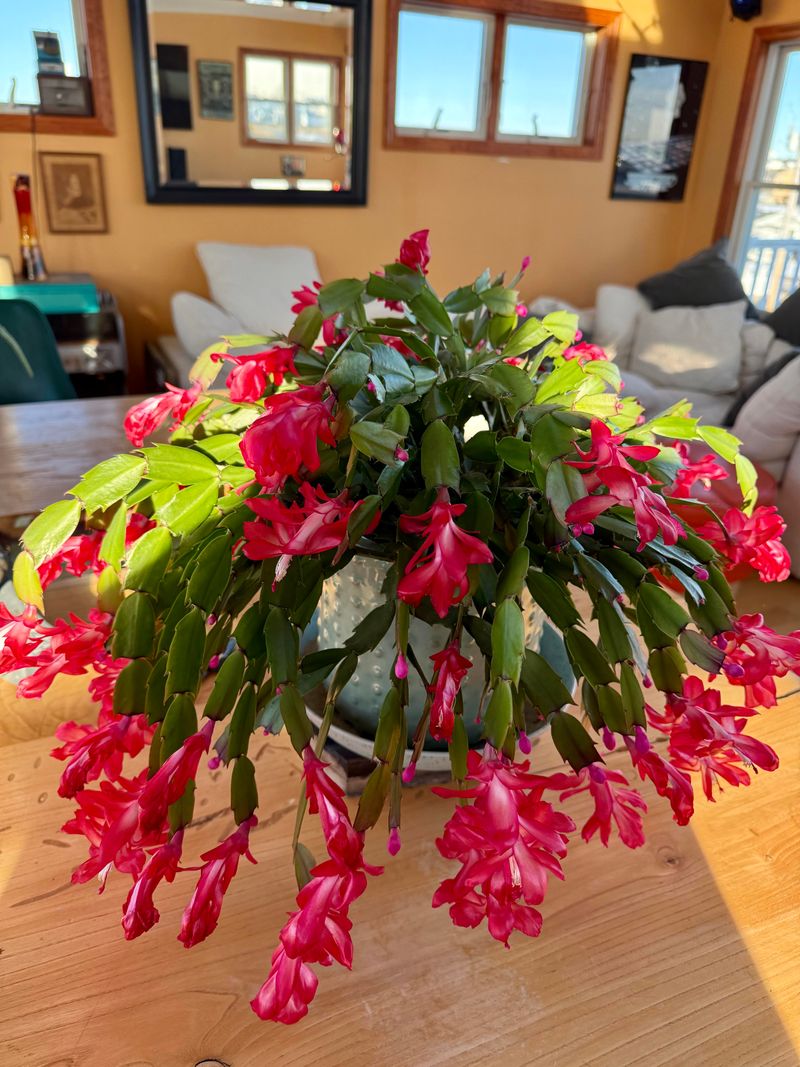
Illinois weather can change quickly and without much warning. A heatwave can roll in fast, occasionally pushing temperatures above 100 degrees for a few days.
Your Christmas cactus can handle warm summer weather just fine in a shaded spot. But sustained extreme heat is a different story and one you do not want to gamble on.
When the forecast shows multiple days above 95 degrees, bring your plant inside. An air-conditioned room near a bright window is a perfectly safe temporary home.
Make the transition gradual if you can. Sudden swings from hot outdoor air to cold AC can stress the plant, so try to find a room that stays around 70 to 75 degrees.
Keep it away from AC vents that blow directly on the leaves. Cold, dry blasts of air dry out the segments quickly and can cause them to shrivel or drop.
Once the heatwave passes and nighttime temps drop back below 85, you can move your plant back outside. Give it a day in a shaded spot to readjust before resuming its regular location.
Watching the weather forecast becomes part of your summer gardening routine when you grow a Christmas cactus outdoors. A five-day weather check on Sunday mornings takes two minutes and saves a lot of stress.
Your plant will thank you for the rescue, and those protected stems will keep pushing out healthy new growth all the way through August.
8. Prune Leggy Stems Now To Encourage Fuller Fall Growth
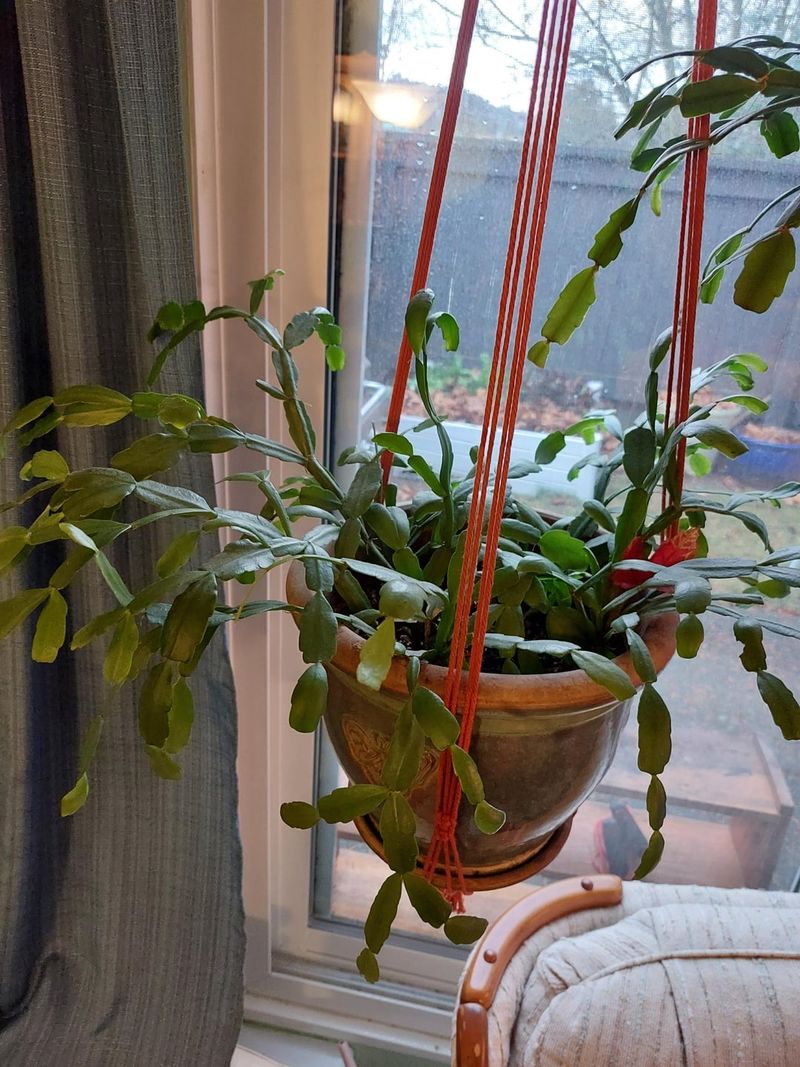
Long, droopy stems on a Christmas cactus look sad and produce fewer blooms. Summer is the perfect window to pinch those straggly sections back and reshape your plant for fall.
Pruning a Christmas cactus is refreshingly simple. Just twist or pinch off one to three segments at a joint between sections, and you are done.
No tools are needed for light pruning. Your fingers apply exactly the right amount of pressure to snap a segment cleanly at the joint without tearing or bruising the stem.
Aim to prune in June or early July at the latest. Pruning too late in the season can accidentally remove forming bud sites that the plant has already started developing.
Those pruned segments are not trash. Lay them on slightly moist soil in a small pot and they will root within a few weeks, giving you brand-new plants to share or keep.
After pruning, your plant will focus its energy on branching out from the cut points. Each pruned tip often sprouts new segments, helping the plant look fuller by September.
A bushier plant means more stem tips, and more stem tips means more potential flowers. That math is exactly why summer pruning is such a powerful move for holiday bloom production.
One good pruning session now can completely transform a sparse, leggy plant into a lush, rounded showpiece. This step can make a noticeable difference in how full your plant looks.