The Best Time Of Day To Harvest Tomatoes In Michigan For Maximum Flavor
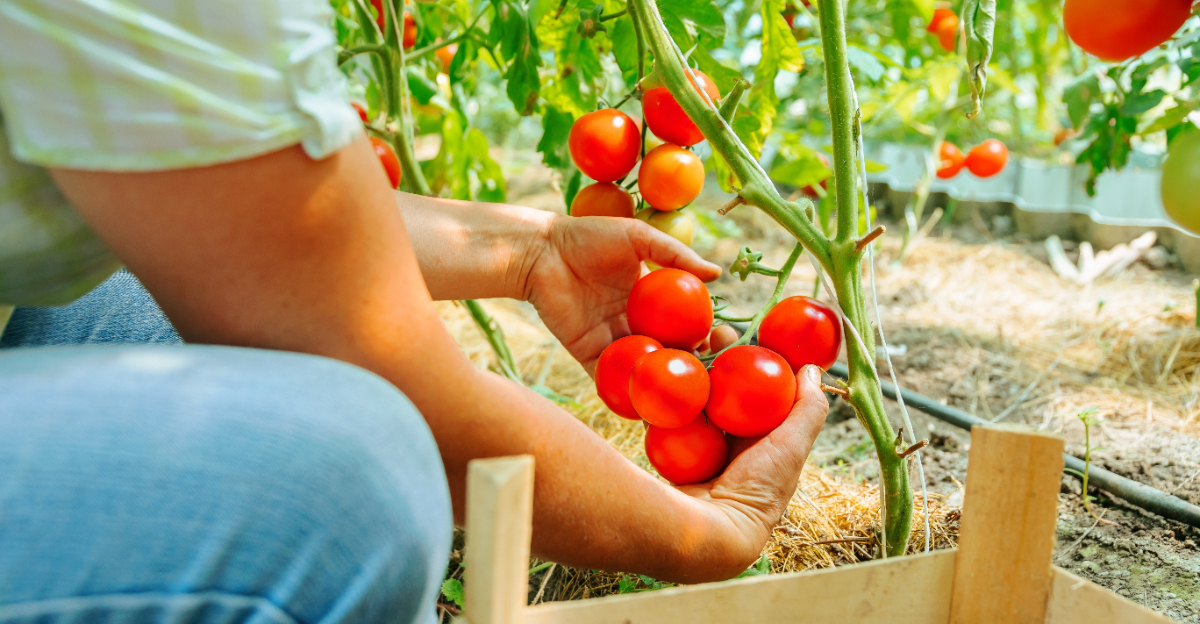
A tomato pulled at the right moment of the day tastes different from one harvested an hour earlier or three hours later, and the gap is wide enough that gardeners who have tested it side by side rarely go back to picking without thinking about timing.
Tomatoes accumulate sugars and develop their fullest flavor profile through a cycle that follows temperature and light exposure consistently across the Michigan growing season.
That cycle has a peak, and harvesting within that window captures something that disappears as the day progresses and heat builds across the garden.
It is one of the simplest high-return habits in the entire vegetable garden, and it costs nothing beyond paying attention to the clock.
1. Morning After Dew Dries Is Best
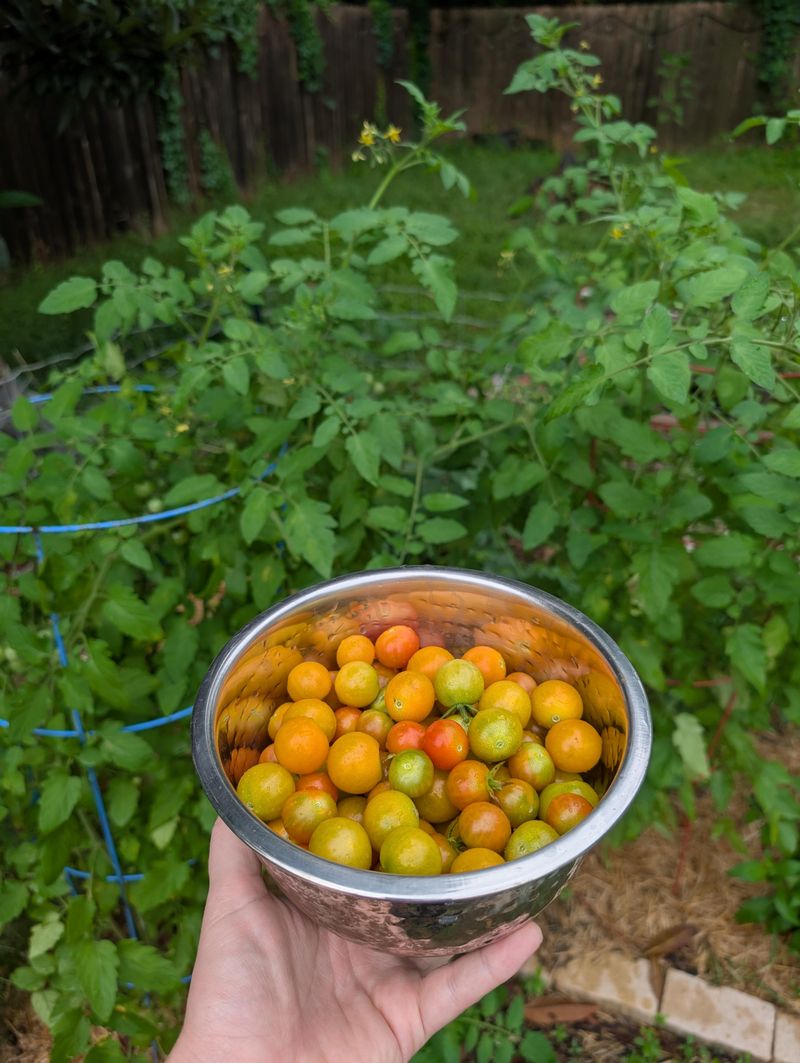
There is a sweet spot in the morning garden that most experienced Michigan growers know well. Once the sun climbs just high enough to dry off that overnight dew, your tomato plants are in prime condition for picking.
The foliage is dry, the fruit is cool and firm, and the air is still comfortable to work in.
Wet leaves and stems can spread bacterial and fungal problems from plant to plant. Waiting just an hour or two after sunrise for the dew to evaporate keeps your garden healthier over the long run.
It is a small habit that pays off big by the end of the season. Tomatoes picked during those cooler morning hours hold their firmness much better after harvest.
Fruit that gets picked in mild temperatures tends to store better and taste fresher compared to tomatoes pulled during the heat of the day.
The cell structure inside the fruit stays more stable when it has not been baking under a hot Michigan afternoon sun.
Early morning harvesting also just feels better. The birds are singing, the air smells fresh, and you can actually enjoy spending time in your garden before the humidity builds up.
Michigan summers can get surprisingly warm and muggy by midday, so getting out there early makes the whole experience more pleasant. Make it a routine, and your tomatoes will reward you with flavor that store-bought fruit simply cannot match.
2. Full Color Matters More Than The Clock
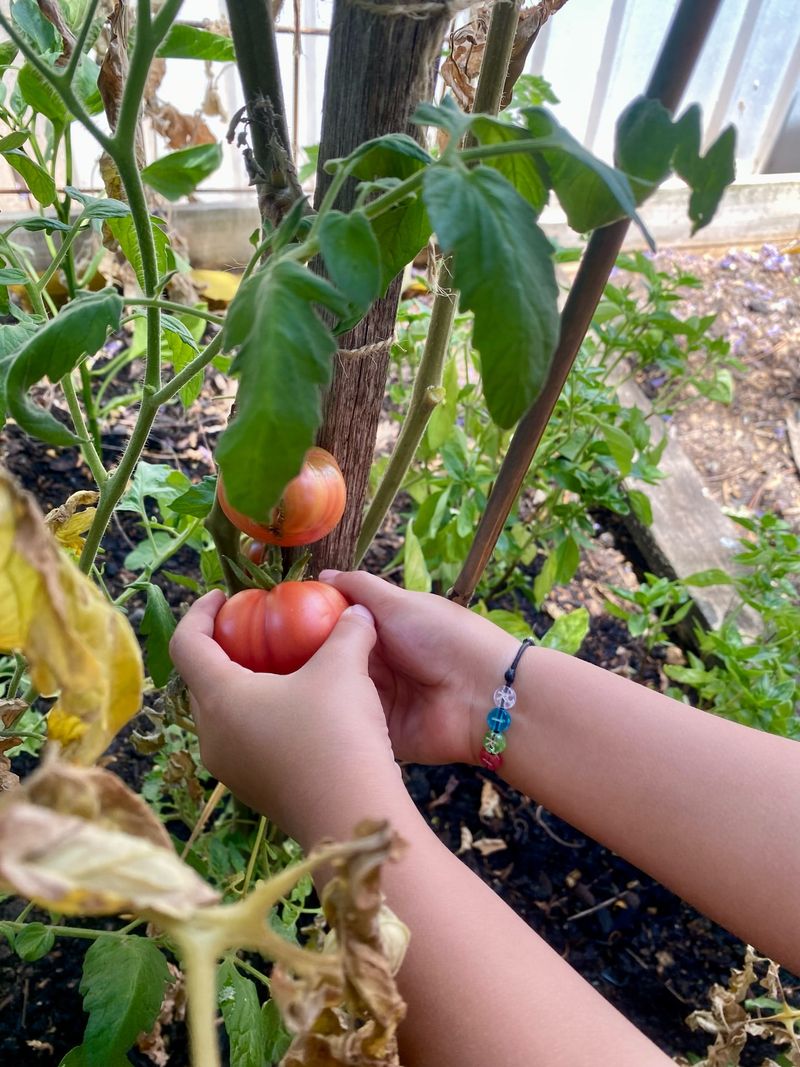
Ask any seasoned gardener and they will tell you the same thing: the clock on the wall matters less than the color on the vine. Watching your tomatoes develop their full variety color is the most reliable way to know when peak flavor has arrived.
Whether you grow Brandywines, Big Boys, or a cherry variety, every tomato has its own signature shade that tells you it is ready.
Michigan gardeners should look for fruit that has shifted completely into its ripe color from stem to blossom end. A tomato that still shows green shoulders near the top has not finished developing its sugars and acids yet.
Patience here is genuinely worth it because the flavor difference between a partially ripe and fully ripe tomato is striking.
Firmness is just as important as color. A tomato should feel solid and give only very slightly when you press it gently.
Your Michigan Garden Changes Every Week. Your Plan Should Too.
Gardening in Michigan changes quickly throughout the season. Every Friday you’ll receive a simple weekly plan showing exactly what to plant, prune, fertilize, harvest, and protect so you never miss the right timing.
Soft or mushy spots mean the fruit has moved past peak ripeness and the flavor and texture will both suffer for it.
Different varieties also ripen at different rates, so do not compare one type to another in your garden. A yellow pear tomato will never turn red, and a green zebra variety is ripe when it shows a slight yellow tint with dark green stripes.
Learning your specific varieties helps you catch each one at its absolute best. Take a few notes during the season and you will get faster and more confident at reading ripeness every year you grow.
3. Avoid Hot Afternoon Harvests
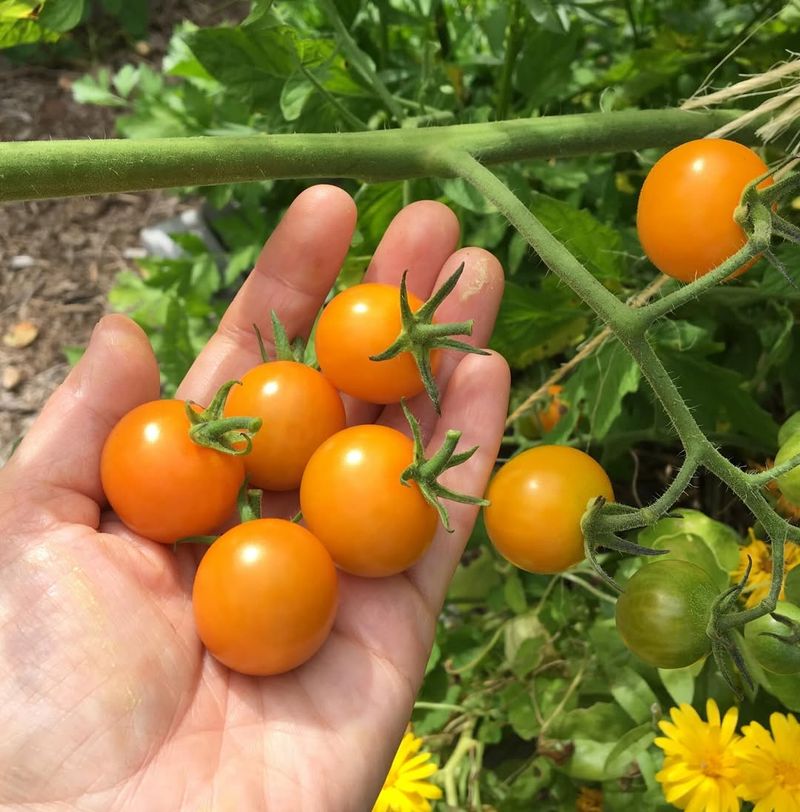
Stepping out into a Michigan garden at two in the afternoon during July feels like walking into a wall of heat. Your tomatoes feel that same heat, and it affects them more than you might think.
Fruit that has been sitting in direct sun for hours warms up significantly inside, which softens the flesh and makes it much more vulnerable to bruising the moment you pick it.
Warm tomatoes also do not store as well after picking. The internal temperature of a tomato sitting in full afternoon sun can rise well above the outdoor air temperature.
That extra warmth speeds up the ripening process rapidly, which means your window for enjoying peak flavor shrinks fast once you bring them inside.
If afternoon is the only time you can get into the garden, try to move freshly picked tomatoes out of direct sun immediately. Set them in a shaded basket or bring them straight indoors to a cool counter.
Even a few minutes of shade helps slow down that post-harvest softening process considerably.
Morning harvests simply produce better results for flavor and shelf life. When you pick cool fruit in mild morning temperatures, it stays firmer longer and gives you more time to enjoy it at its best.
Planning your garden schedule around an early harvest does not take much effort, but the payoff in tomato quality is very real.
Think of it this way: your tomatoes spent weeks growing to perfection, so spending five extra minutes harvesting them at the right time is absolutely worth it.
4. Pick Before Heavy Rain If Fruit Is Nearly Ripe
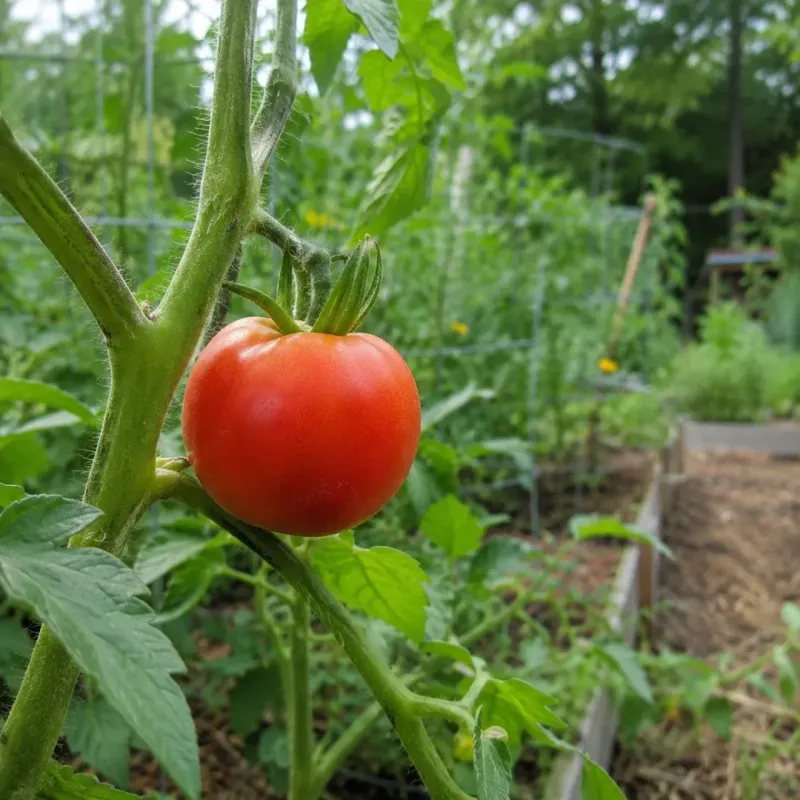
Michigan summer weather can shift fast. One afternoon the sky is perfectly blue, and by evening a heavy thunderstorm rolls through dropping a serious amount of rain in a short time.
For tomatoes that are already close to ripe, that sudden surge of moisture can cause real problems.
When a tomato absorbs a large amount of water quickly after a dry spell, the inside of the fruit expands faster than the skin can keep up with. The result is cracking, which ruins the appearance and opens the fruit up to rot and insects.
Tomatoes that are already at 80 to 90 percent ripeness are especially vulnerable because their skins have already been stretching for weeks.
Checking the weather forecast before a big rain event is a smart habit for any Michigan gardener. If you notice tomatoes that look nearly ripe, go ahead and bring them in before the storm.
They do not need to finish ripening on the vine to taste great. Room temperature countertop ripening works surprisingly well and produces excellent flavor.
Keep those picked tomatoes out of direct sunlight indoors and away from very warm spots like near the stove. A kitchen counter away from windows works perfectly.
Within a day or two, they will finish ripening naturally and taste nearly as good as vine-ripened fruit.
This approach also reduces waste significantly, which is something every gardener appreciates after putting in weeks of work growing those plants from tiny seedlings.
Being one step ahead of the rain is one of the smartest moves in the Michigan tomato garden.
5. Keep Picked Tomatoes Out Of The Refrigerator
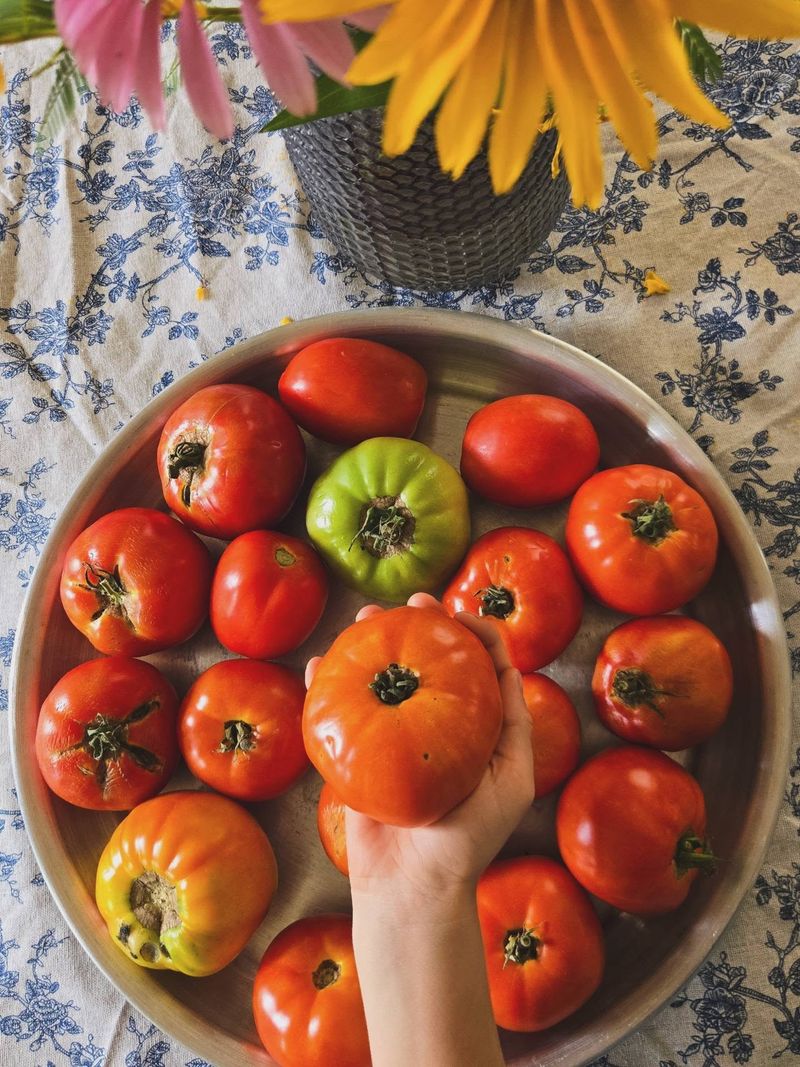
Putting a ripe tomato in the refrigerator feels like the logical thing to do, but it is actually one of the quickest ways to ruin its flavor.
Cold temperatures below 55 degrees Fahrenheit cause a chemical reaction inside the tomato that breaks down the compounds responsible for that rich, complex taste.
Once that happens, no amount of warming back up will fully bring the flavor back. The texture takes a hit too. Refrigerated tomatoes often come out mealy and soft instead of firm and juicy.
The cell walls inside the fruit break down faster in cold storage, giving you a mushy slice that is far less enjoyable than a properly stored room-temperature tomato.
Michigan gardeners who grow their own fruit put too much effort into their plants to let the refrigerator undo all that work.
Room temperature storage on a kitchen counter or in a cool pantry is the right move for freshly harvested tomatoes. Keep them stem side up to reduce bruising at the blossom end and let air circulate around them.
A single layer works much better than stacking multiple tomatoes on top of each other.
If you have a truly enormous harvest and genuinely cannot use all the tomatoes before they soften, consider making sauce, salsa, or roasted tomatoes to preserve that summer flavor instead of resorting to cold storage.
Michigan summer tomatoes are special, and they deserve to be treated that way from the garden all the way to the table. Storing them right is the final step in getting the most out of every single fruit you grow.
6. Handle Ripe Tomatoes Gently
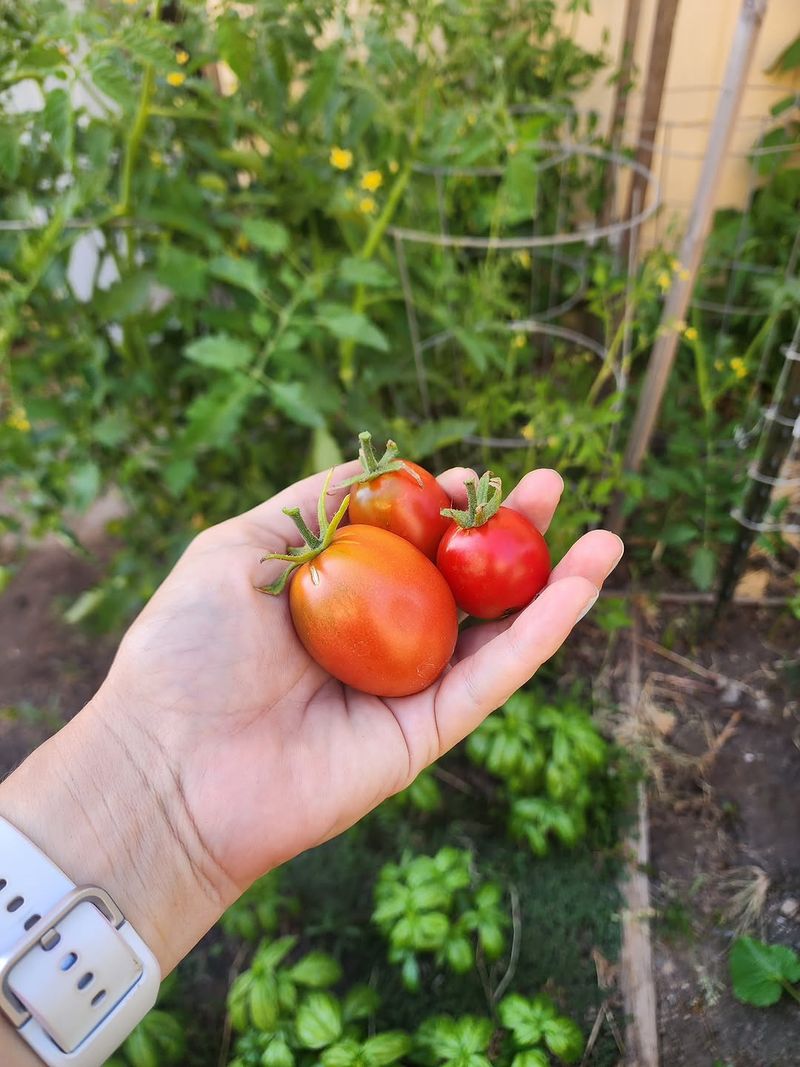
A fully ripe tomato is a beautiful and surprisingly fragile thing. After weeks of growing, all that soft, juicy flesh inside is held together by a skin that bruises faster than you might expect.
One firm squeeze or a careless toss into a bucket and you will notice dark soft spots developing within hours of bringing the fruit inside.
Shallow baskets work far better than deep buckets for tomato harvesting. When you pile tomatoes several layers deep, the weight of the top fruit presses down on the ones below and creates bruising that you might not even notice until you slice them open.
A single layer or a very shallow arrangement keeps every tomato in good shape from garden to kitchen counter.
Shade matters right after picking too. Ripe tomatoes sitting in a hot wheelbarrow or on a sunny porch step can warm up quickly and soften faster than you want.
Moving them to a shaded spot or bringing them inside promptly after picking helps maintain that firm, fresh quality that makes a homegrown Michigan tomato so satisfying.
Twisting the fruit gently off the vine rather than pulling hard also helps. A quick half-turn at the stem usually releases the tomato cleanly without damaging the plant or the fruit.
Some gardeners prefer small pruning scissors or garden snips to cut the stem, which is especially useful for larger varieties that can feel heavy and awkward to twist free.
Either way, treating each tomato like the precious thing it is will show up directly in the quality of what you bring to the table every single time.
7. Harvest Often During Peak Tomato Season
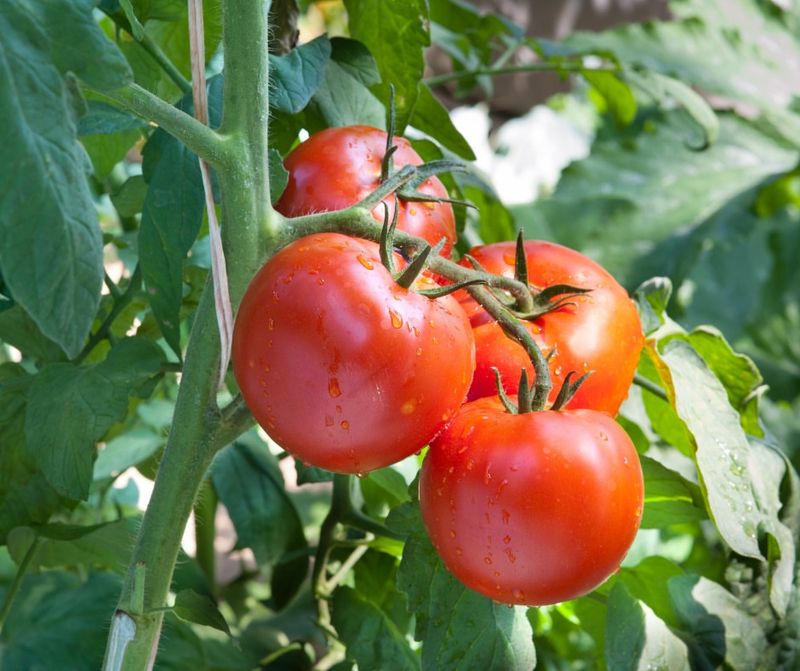
Once your Michigan tomato plants hit their stride in late July and August, things can move fast. A tomato that looks almost ready in the morning can be fully ripe by the next day, and overripe by the day after that.
Checking your plants daily or every other day during peak season is one of the most effective things you can do for both flavor and yield.
Frequent harvesting actually encourages the plant to keep producing. When ripe fruit stays on the vine too long, the plant begins to slow down its energy toward new fruit development.
Picking consistently sends a signal that keeps production moving right through the end of the season. More visits to the garden means more tomatoes on your counter.
Regular morning checks also let you catch small problems early. You might notice a tomato that started cracking from overnight rain, or spot a fruit that is being nibbled on by insects.
Catching these issues early means you can still salvage most of the tomato and address any plant problems before they spread further.
There is also something genuinely fun about walking through your garden each morning with a basket and coming back with a fresh haul. The rhythm of daily harvesting connects you to your plants in a way that occasional picking simply does not.
By the time the first Michigan frost warnings arrive in September, you will have collected far more tomatoes and experienced far less waste by keeping up with consistent morning harvests throughout the peak of the season.
Make it a habit and your garden will give back generously all summer long.