How Arizona Homeowners Can Protect Newly Planted Trees From Sunscald
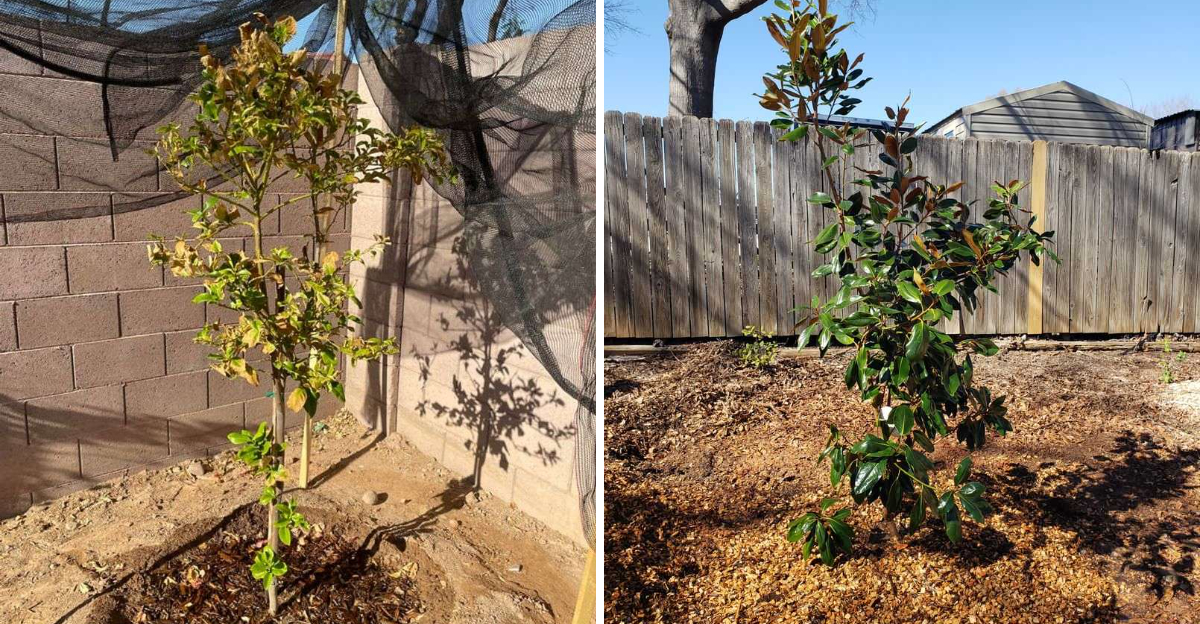
Arizona summers are no joke, and for newly planted trees, the blazing sun can cause serious damage that many homeowners never see coming.
Sunscald happens when intense heat and direct sunlight cook the thin bark on young tree trunks, leaving behind cracked, discolored, or sunken patches that can compromise a tree’s ability to move water and nutrients for years afterward.
It is especially common in the desert Southwest, where temperatures push past 110 degrees and shade is hard to come by.
The frustrating part is that most sunscald damage happens gradually and quietly, long before anything visible appears on the trunk.
By the time you notice the cracking or discoloration, the harm has already been done through weeks of accumulated heat exposure.
The good news is that Arizona homeowners can take simple, affordable steps to shield young trees before any damage occurs.
Most of these strategies cost almost nothing and take less than an afternoon to implement.
Eight practical steps protect newly planted trees through even the most brutal Arizona summer months, and the first one involves leaving something on the tree that most people are tempted to remove.
1. Keep Lower Branches For Trunk Shade
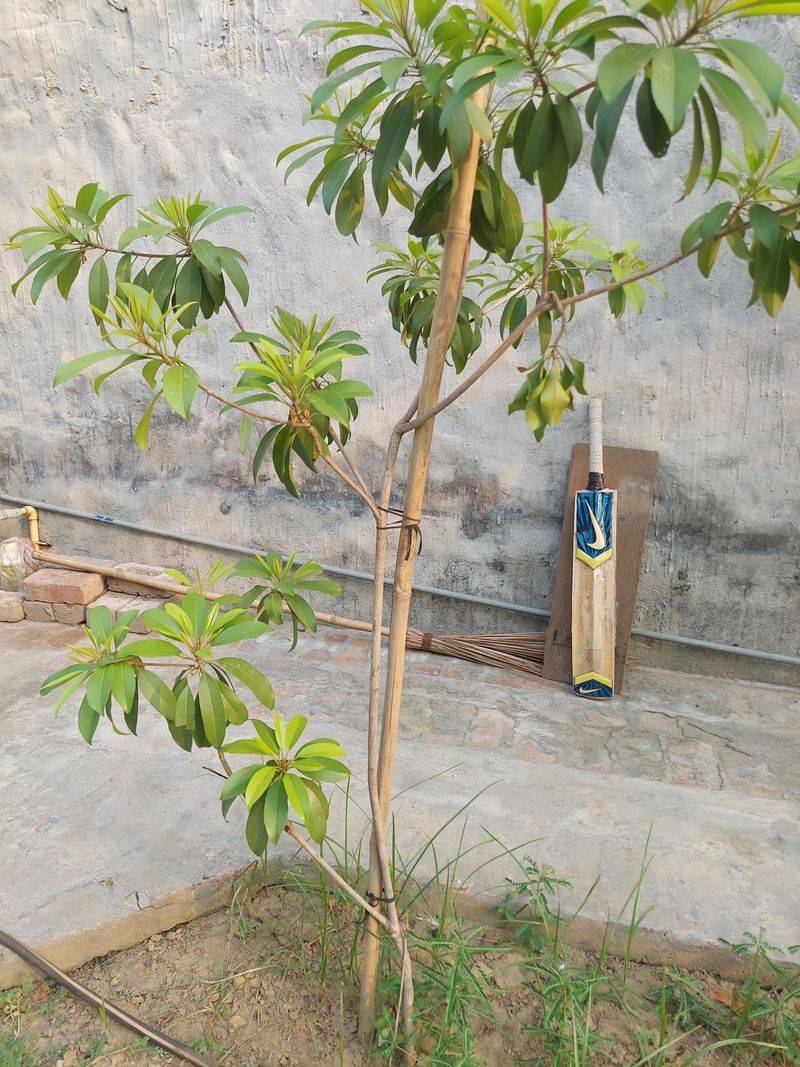
Here is something many Arizona homeowners do not realize: those low, scraggly branches near the base of a young tree are actually doing an important job.
They cast shade directly onto the trunk, which can get dangerously hot during a Phoenix afternoon. Removing them too early is one of the most common mistakes people make when planting new trees in the desert.
Young trees have thin bark that has not yet developed the tough, protective layers that mature trees rely on.
When that bark is exposed to full sun for hours at a time, surface temperatures can climb high enough to damage the living tissue underneath.
That tissue is called the cambium layer, and it is responsible for moving water and nutrients through the tree.
University of Arizona Extension recommends leaving lower temporary branches on young trees for at least the first two to three years after planting.
These branches do not need to stay forever. Once the tree grows taller and its upper canopy fills in enough to shade the trunk naturally, you can begin removing lower branches gradually.
Take off just one or two at a time, and never during summer.
Spacing out removal over several seasons gives the bark time to slowly toughen up. Those lower branches are a built-in sun shield your tree grows itself, and they deserve more respect than most gardeners give them.
2. Paint Exposed Bark With White Latex
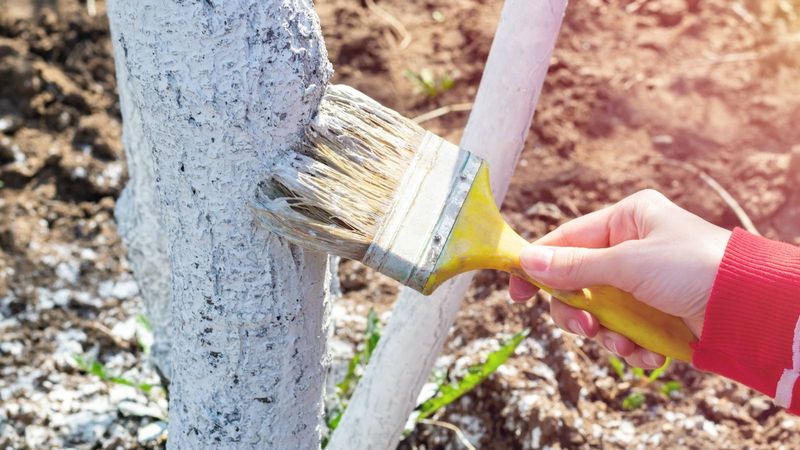
White latex paint on a tree trunk might look strange to neighbors walking by, but it is actually a time-tested method that arborists and extension specialists have recommended for decades.
The white color reflects sunlight instead of absorbing it, which keeps the bark surface significantly cooler during peak afternoon heat. In Arizona, that difference can mean the gap between a healthy trunk and a damaged one.
The key word here is diluted.
Your Arizona Garden Changes Every Week. Your Plan Should Too.
Gardening in Arizona changes quickly throughout the season. Every Friday you’ll receive a simple weekly plan showing exactly what to plant, prune, fertilize, harvest, and protect so you never miss the right timing.
You do not want to apply full-strength interior or exterior paint straight onto the bark. University of Arizona Cooperative Extension guidance suggests mixing white interior latex paint with an equal amount of water before applying it.
That fifty-fifty mix is thin enough to let the bark breathe while still providing meaningful sun reflection.
Apply the diluted paint with a brush, covering the trunk from the soil line up to the first set of permanent branches.
Pay extra attention to the south and west sides, since those angles receive the most direct afternoon sun. Reapply once a year or after heavy monsoon rains wash the coating thin.
This method works especially well on smooth-barked trees like citrus, young oaks, and desert willows that have not yet developed thick, ridged bark.
It costs almost nothing and takes less than thirty minutes to do. Many Arizona arborists consider it one of the easiest and most effective sunscald prevention tools available to homeowners planting new trees in exposed locations.
3. Skip Heavy Summer Pruning
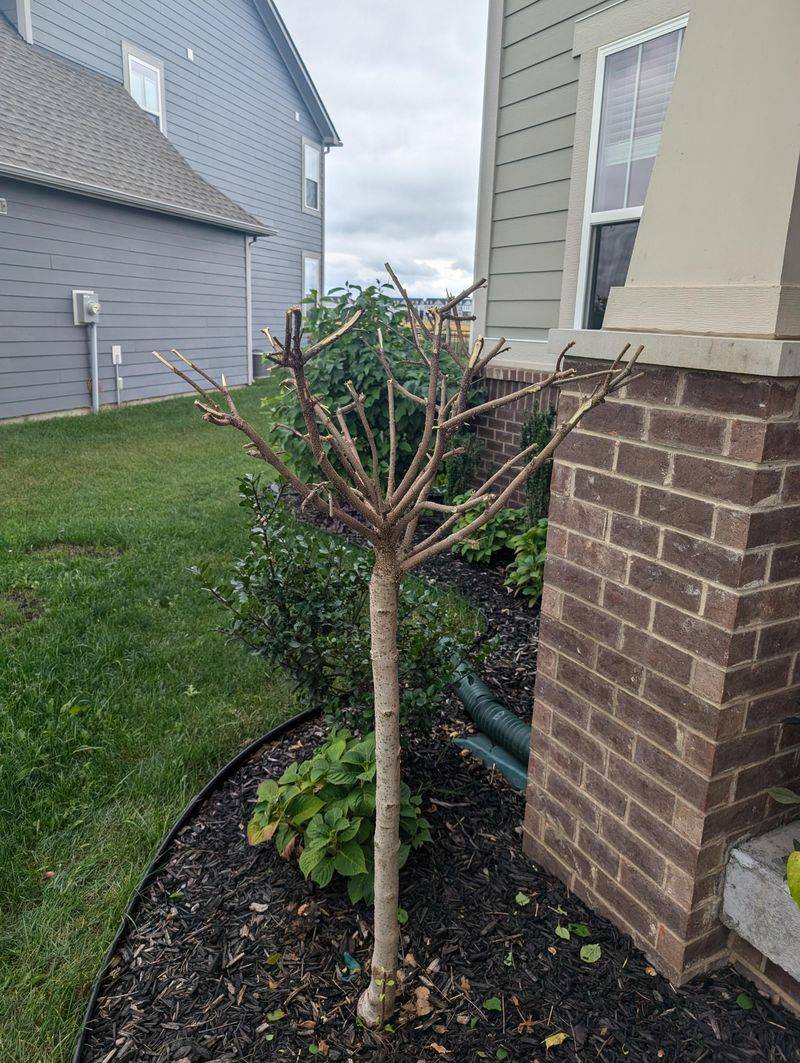
Pruning feels productive, and many homeowners reach for the loppers when a tree starts looking a little unruly.
But cutting away large portions of a young tree’s canopy during summer is one of the fastest ways to trigger sunscald in Arizona. Every branch and leaf you remove takes away shade that was protecting the bark below it.
A tree’s canopy works like an umbrella. The more of it you remove, the more direct sun reaches the trunk and main scaffold branches.
In July and August, when afternoon temperatures in the Phoenix metro area regularly exceed 110 degrees, even a few hours of unshielded sun exposure on previously shaded bark can cause real damage.
Bark that has been living in shade is especially sensitive because it never had to toughen up against direct sun.
The best time to do significant pruning on most Arizona trees is late winter or very early spring, before the heat builds and while the tree is not under heat stress.
Light, corrective pruning can happen in fall after temperatures drop below 100 degrees consistently.
If you must remove a branch during summer, limit yourself to one small cut at a time and avoid opening up large sections of the canopy at once.
Certified arborists in Arizona often advise homeowners to wait an entire growing season before doing any structural pruning on a newly planted tree, giving it time to establish and build natural canopy protection first.
4. Add Temporary Shade On The West Side
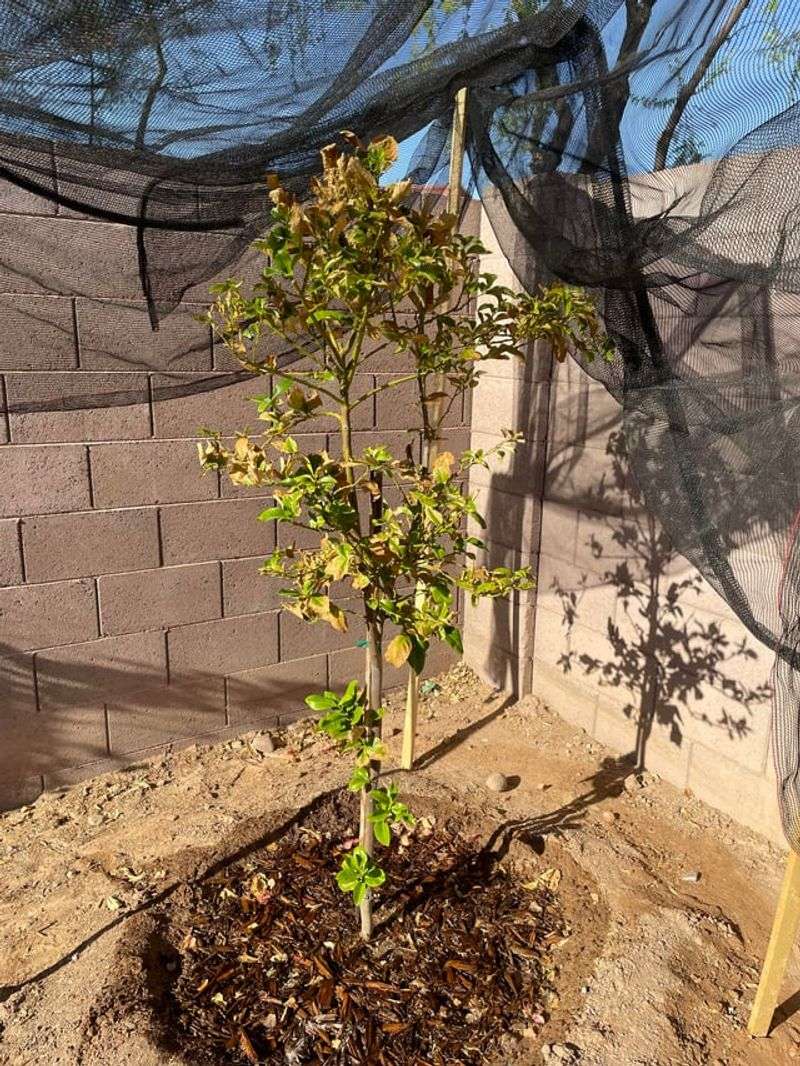
The west side of a young tree in Arizona takes a serious beating every afternoon.
That is where the sun sits during the hottest hours of the day, typically between two and six in the evening, when air temperatures are already at their peak.
A young tree with no canopy or neighboring shade to its west is essentially standing in a solar oven.
Putting up a temporary shade structure on the west side is a straightforward fix that costs very little.
Thirty to fifty percent shade cloth is widely available at local nurseries and hardware stores across the Valley.
Attach it to a couple of wooden stakes or metal posts positioned a foot or two away from the trunk so air can still circulate around the tree.
Avoid wrapping shade cloth directly against the bark, which can trap heat and moisture in ways that cause other problems.
Some homeowners use old window screens, burlap, or a section of lattice fencing as a temporary sun barrier.
The goal is not to block all light but to filter and reduce the intensity of afternoon sun hitting the trunk and lower canopy.
Remove the shade structure in October once temperatures cool and the tree has had a full hot season to adapt.
Doing this for just the first one or two summers gives the tree a window to establish its root system and begin growing the canopy it needs to eventually shade itself naturally through Arizona’s long, punishing summers.
5. Water Deeply Through Heat Waves
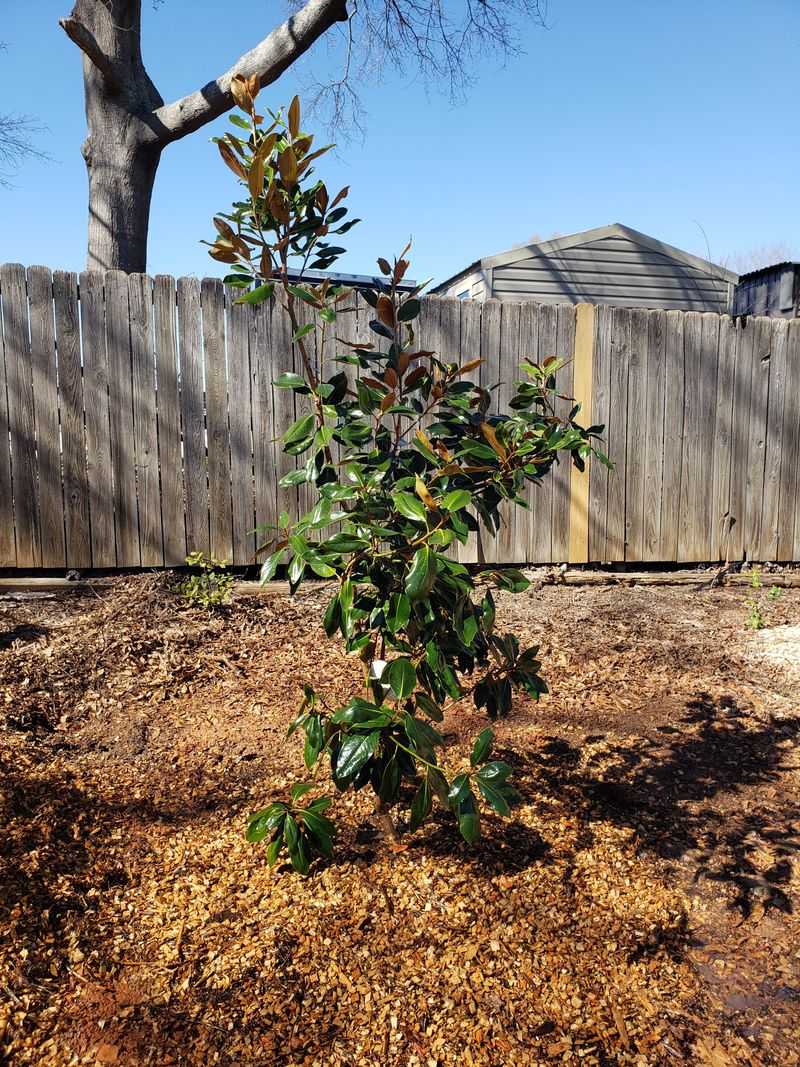
Water does more than keep a tree alive during an Arizona heat wave.
It actually helps the tree manage heat stress from the inside out, supporting the cellular processes that keep bark tissue functioning under extreme temperature swings.
A well-hydrated tree is far better equipped to handle intense sun than one running low on root moisture.
Shallow, frequent watering is one of the most common mistakes new tree owners make in the desert.
It encourages roots to stay near the surface where soil temperatures can get scorching hot. Deep, infrequent watering pushes roots down into cooler soil layers where moisture lasts longer and temperatures stay more stable.
For most young trees in Arizona, watering deeply once or twice a week during summer is more beneficial than light daily watering.
Let your drip system or hose run slowly for a long period so water soaks down at least eighteen to twenty-four inches into the soil.
You can check depth by pushing a long screwdriver into the soil after watering. If it slides in easily to that depth, you are hitting the mark.
During a heat wave with multiple days above 110 degrees, consider adding an extra deep watering session to compensate for increased evaporation.
Mulch around the base of the tree also helps hold moisture in the soil longer. Keeping roots cool and hydrated gives the whole tree a stronger foundation for surviving Arizona’s most brutal summer stretches without showing signs of heat damage.
6. Avoid Reflective Gravel Against Trunks
Decorative gravel is everywhere in Arizona landscaping, and for good reason.
It looks clean, reduces water use, and holds up in the heat far better than grass or organic ground cover.
But when light-colored or white rock is placed directly against a young tree trunk, it can actually create a heat trap that makes sunscald worse rather than better.
Light-colored gravel reflects sunlight upward onto the lower trunk in the same way a mirror reflects light.
On a 110-degree afternoon, that reflected heat can push bark surface temperatures even higher than direct sun alone would.
Research from desert horticulture programs has shown that soil and rock surface temperatures in Arizona can exceed 160 degrees Fahrenheit during peak summer hours.
The lower trunk of a young tree sitting in the middle of white gravel is absorbing heat from multiple directions at once.
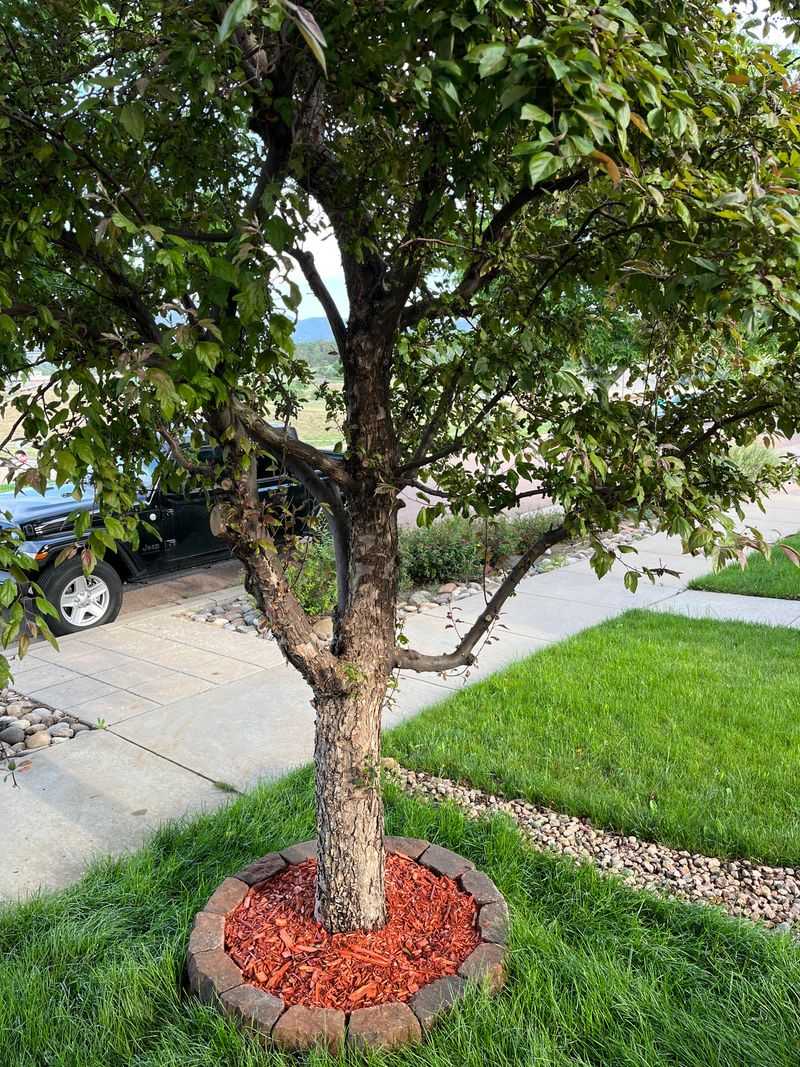
A smarter approach is to keep a ring of organic mulch, such as wood chips or shredded bark, within a two to three foot radius around the trunk.
Organic mulch absorbs heat rather than reflecting it, insulates the soil beneath, and slowly breaks down to improve soil quality.
Keep the mulch a few inches away from the actual trunk to prevent moisture buildup against the bark.
If you prefer the look of gravel in your yard, use darker-colored decomposed granite farther out from the tree and reserve the organic mulch zone for the area closest to the trunk where heat reflection matters most.
7. Stake Without Stripping Protective Growth
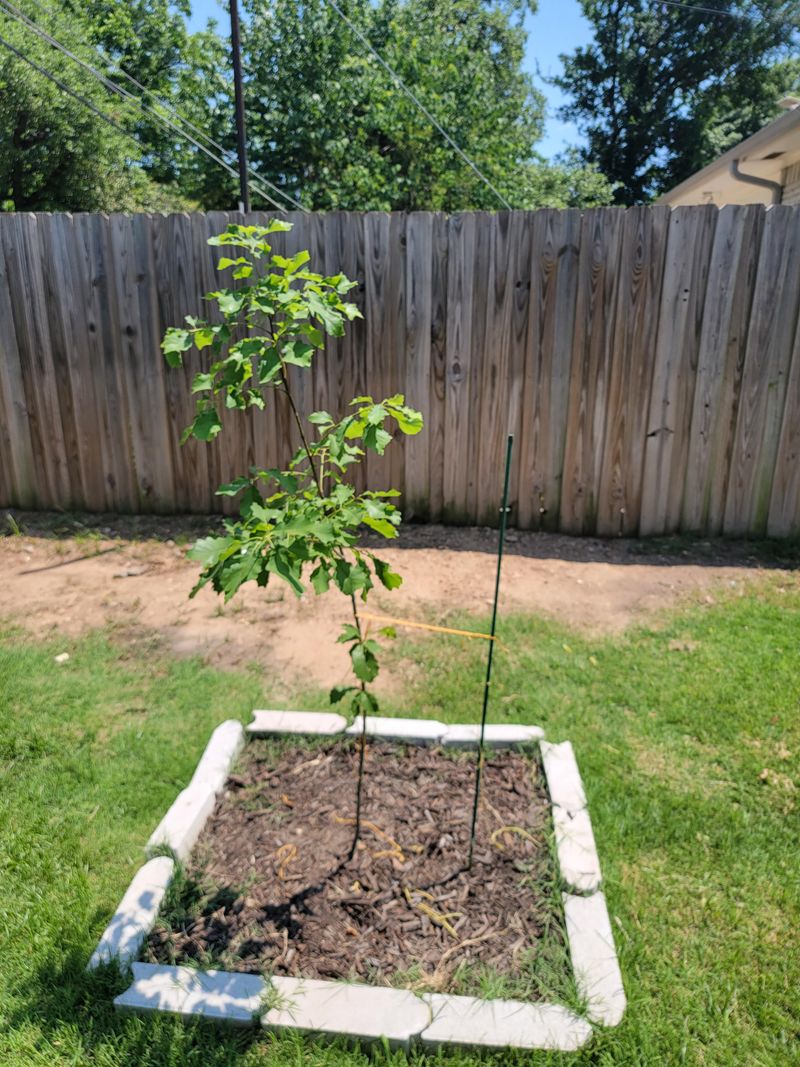
Staking a young tree in Arizona makes sense in many situations.
Monsoon winds can topple a newly planted tree before its roots have had time to anchor it, and a fallen tree can expose even more bark to direct sun. But the way you stake matters just as much as whether you stake at all.
One common error is stripping away small branches and foliage along the trunk to make staking easier or to give the tree a cleaner look.
Those small branches and leaves cast shade on the trunk below them. Removing them in the name of tidiness leaves the bark exposed at a time when the tree has no other defenses ready.
Use soft, flexible ties rather than wire or rope that can cut into bark or restrict natural trunk movement.
The trunk needs to flex slightly in the wind because that movement actually stimulates stronger wood development over time.
Position stakes outside the root ball area and angle them so the ties support the tree without pulling it in unnatural directions.
Check ties every few weeks because a young tree can grow quickly during monsoon season and tight ties can cause bark damage just as sunscald can.
Plan to remove stakes after one full year in most cases. Leaving them on too long creates dependency and can cause rubbing damage.
Careful staking keeps the tree upright and protected without sacrificing the small branches that serve as its natural sun shield during the most vulnerable months.
8. Check Southwest Bark After Hot Spells
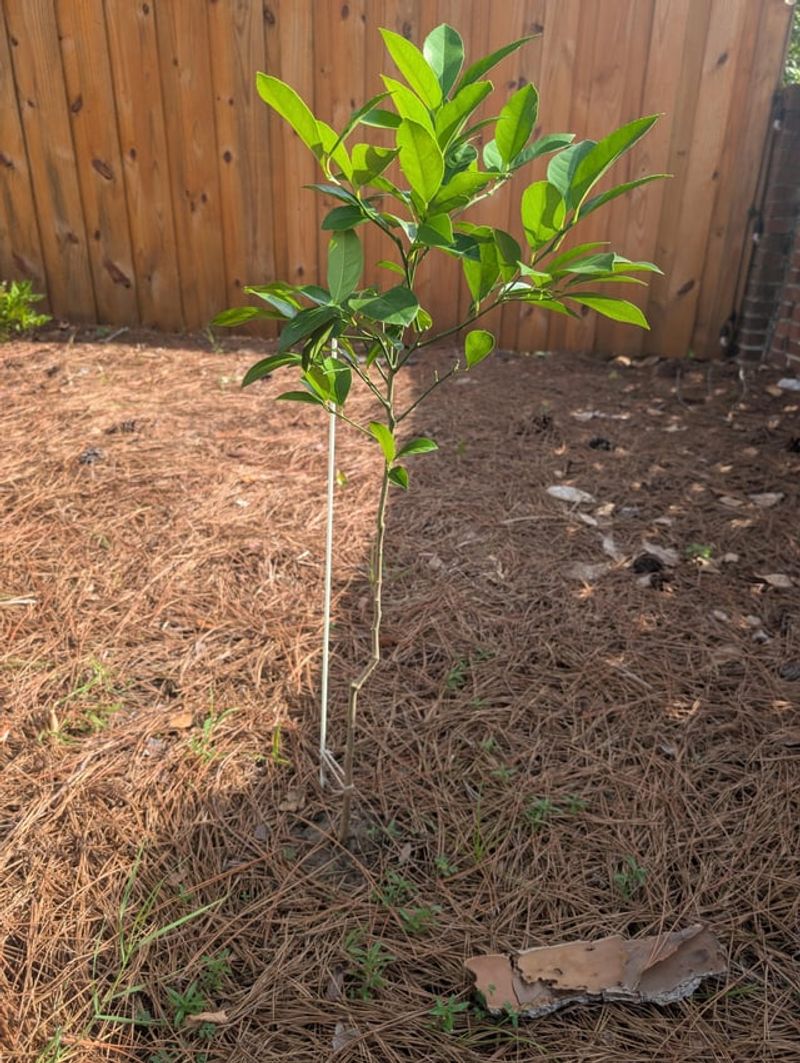
Most sunscald damage in Arizona shows up on the southwest side of a young tree trunk.
That is the angle that catches the most intense afternoon and early evening sun from late spring through early fall.
Knowing where to look means you can catch problems early, before minor bark stress turns into something more serious.
After a heat wave of three or more days above 108 degrees, take five minutes to walk around your young trees and inspect the bark closely.
Early sunscald signs include a slightly sunken or flattened appearance to the bark, discoloration ranging from pale yellowish to dark brown, or a dry, papery texture where the bark used to feel firm.
In more advanced cases, you may see the bark beginning to crack or separate from the trunk in small sections.
Catching these signs early gives you options.
You can add shade cloth to the west side right away, apply diluted white latex paint over the affected area, or adjust your watering schedule to make sure the tree is getting enough deep moisture to support recovery.
Sunscald damage itself cannot be reversed, but a tree caught early can grow new bark tissue around the affected area over one or two seasons if conditions improve.
Make post-heat-wave inspections a regular habit every summer.
Walk the yard, check the southwest bark on each young tree, and address any new exposure before the next hot stretch arrives.
Shade, water, and consistent attention are the most powerful tools any Arizona homeowner has, and none of them require anything more than a few minutes and a willingness to pay attention.