Plant These Perennials During July In Pennsylvania And Enjoy Them For Years
July is not the month most Pennsylvania gardeners think about planting perennials. The heat is up, the season feels well underway, and starting something new in the middle of summer doesn’t exactly sound like a recipe for success.
But here’s what experienced Pennsylvania gardeners know that beginners often miss. Certain perennials establish surprisingly well when planted in July, and getting them in the ground now sets them up for years of strong, reliable performance.
The key is choosing the right ones. Not every perennial can handle a July start in Pennsylvania.
But the ones that can tend to be tougher, more adaptable, and better suited to bouncing back from summer heat than most people expect.
Plant them now with a little extra care during establishment, and they reward you season after season without asking for much in return.
Here are the perennials worth planting in Pennsylvania this July and why now is actually a smarter time than it might seem.
1. Black-Eyed Susan
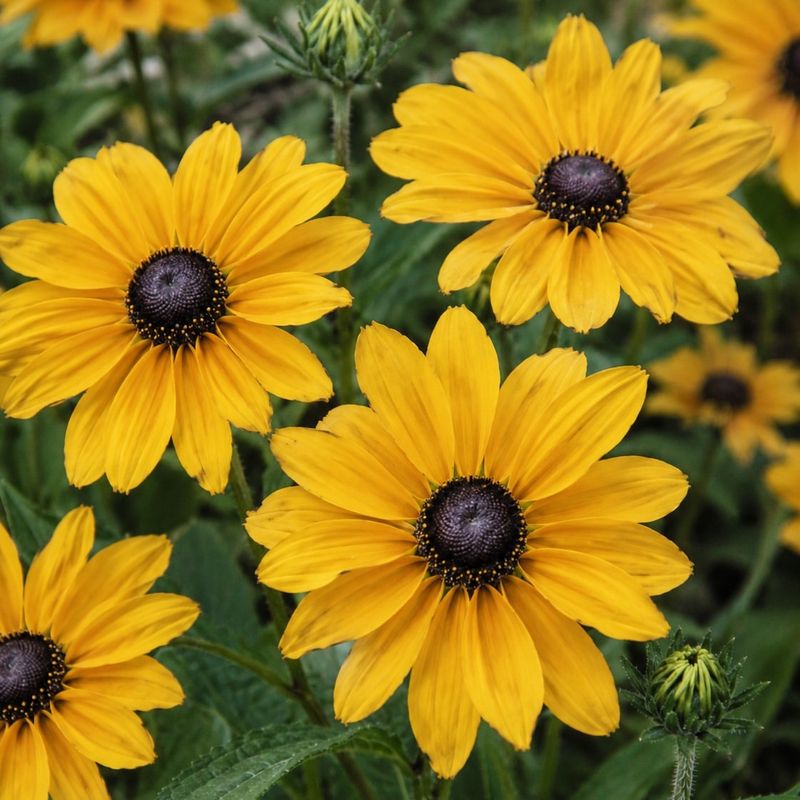
Few flowers say summer quite like the Black-Eyed Susan. Those bold yellow petals surrounding a dark, chocolatey center are hard to miss, and they bring a cheerful energy to any garden bed.
Native to North America, this plant has been brightening up fields and gardens for centuries, and it fits right into Pennsylvania landscapes without skipping a beat.
Planting in July works well if you use nursery-grown transplants rather than seeds. Pick a spot that gets at least six hours of direct sun each day.
Black-Eyed Susans are not picky about soil, but they do appreciate decent drainage. Soggy roots are one of the few things that can actually set them back.
Water your new plants deeply every couple of days for the first few weeks. Once the roots establish, they become surprisingly drought-tolerant. You will not need to fuss over them much at all after that first season.
Blooms typically start in midsummer and can stretch all the way into October in Pennsylvania. That long bloom window makes them a reliable source of color when other flowers start fading.
Deadheading spent blooms encourages more flowers to form, but leaving some seed heads at the end of the season feeds goldfinches and other birds through fall and winter.
These plants spread gradually over time, forming clumps that you can divide every few years. Division keeps them healthy and gives you extra plants to fill new spots in your yard.
Black-Eyed Susans also pair beautifully with purple coneflowers and ornamental grasses for a natural, meadow-style look.
2. Purple Coneflower
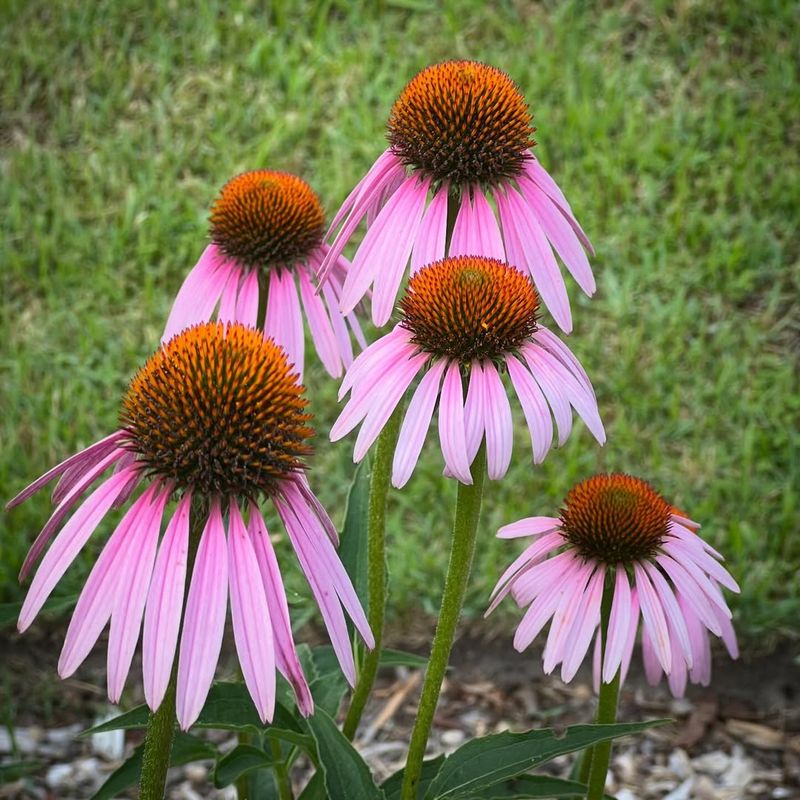
Purple coneflower, known scientifically as Echinacea, has a personality all its own. The slightly drooping purple-pink petals and the raised, spiky center cone give it a wild, carefree look that fits perfectly in both formal flower beds and relaxed cottage gardens.
Many Pennsylvania gardeners consider it a must-have, and once you grow it, you will understand why.
July planting works best with nursery-grown plants rather than starting from seed. Seeds need a cold period to germinate well, so summer is not the right time for that approach.
Your Pennsylvania Garden Changes Every Week. Your Plan Should Too.
Gardening in Pennsylvania changes quickly throughout the season. Every Friday you’ll receive a simple weekly plan showing exactly what to plant, prune, fertilize, harvest, and protect so you never miss the right timing.
A healthy transplant from a local garden center, on the other hand, can get established before fall arrives and will reward you with strong blooms the following summer.
Choose a sunny location with well-draining soil. Purple coneflower can handle clay-heavy Pennsylvania soils better than many perennials, which is a real bonus.
Work a little compost into the planting hole to help the roots settle in faster during hot weather.
Keep new plants watered consistently through July and August. Once established, Echinacea becomes quite drought-tolerant and rarely needs extra attention.
It also resists most pests and diseases, making it one of the lowest-maintenance options on this list.
Pollinators go absolutely wild for these flowers. Bees, butterflies, and even hummingbirds visit them regularly.
Leaving the seed heads standing through winter gives birds a food source and adds texture to an otherwise quiet garden. Purple coneflower comes back reliably year after year, slowly spreading into fuller, more impressive clumps with each passing season.
3. Bee Balm
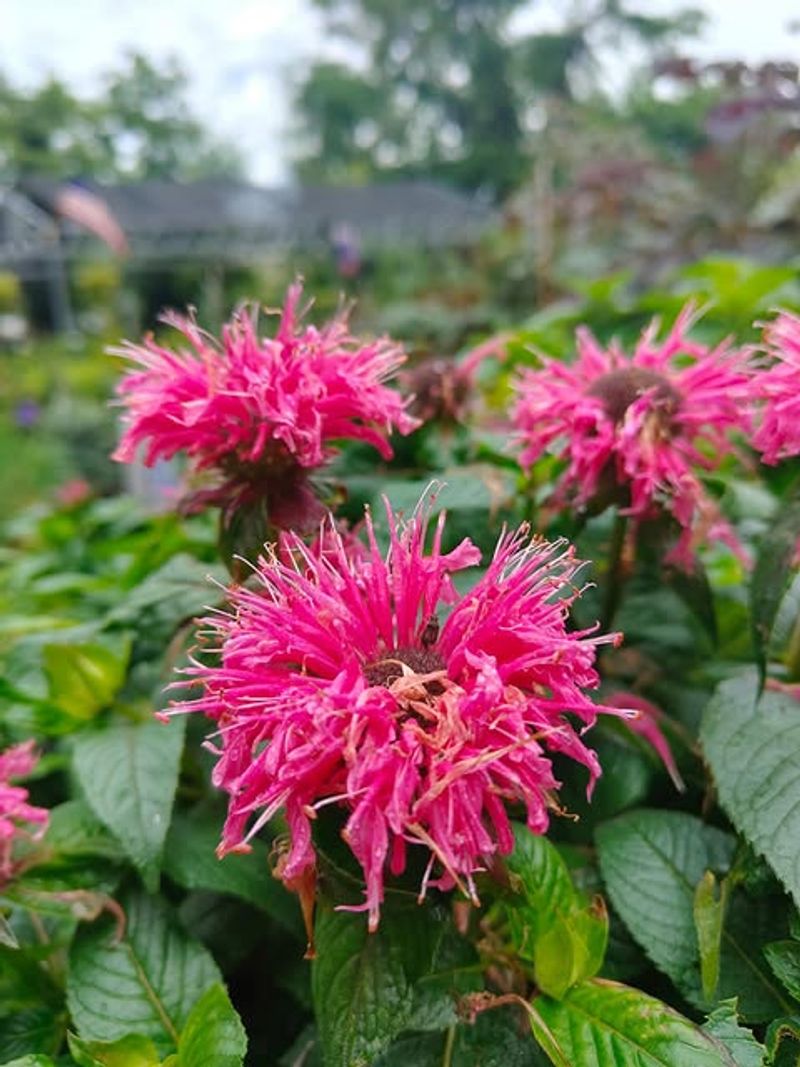
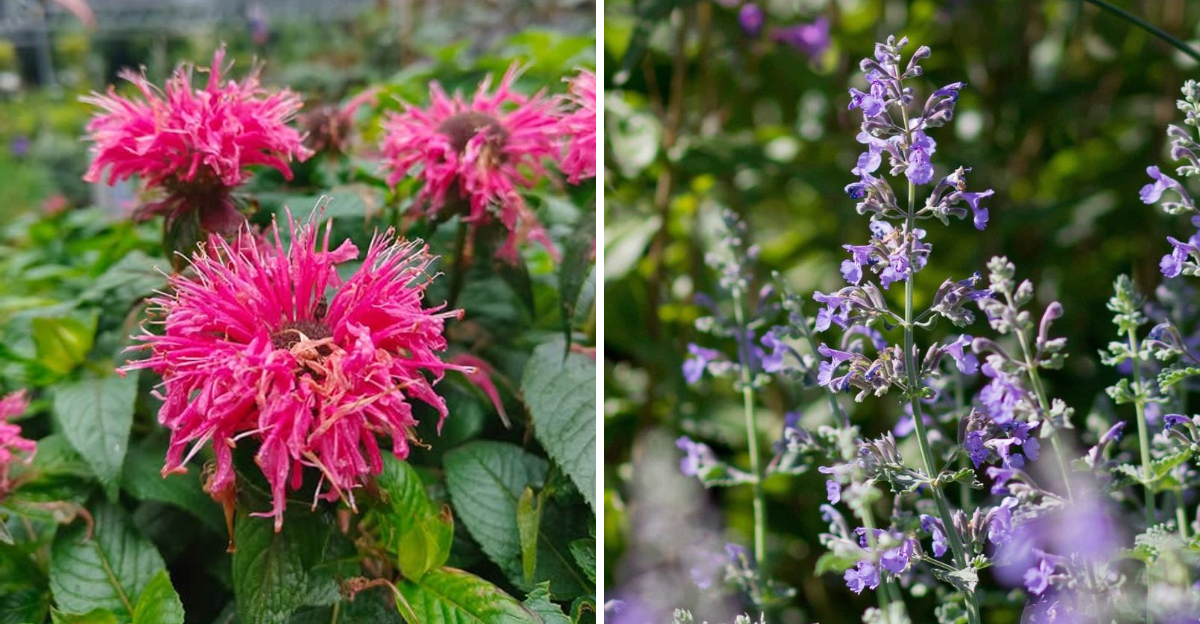
Walk past a patch of bee balm in full bloom and you will smell it before you see it. This bold, fragrant perennial fills the air with a minty, oregano-like scent that pollinators find completely irresistible.
Hummingbirds, bees, and butterflies flock to its wild, spiky flower heads, making it one of the most exciting plants you can add to a Pennsylvania garden.
Bee balm belongs to the mint family, and like its relatives, it spreads enthusiastically once it gets comfortable. Plant it in a spot where you have room for it to expand, or use a buried container to keep it from taking over nearby plants.
Full sun to part shade works well, with morning sun and afternoon shade being ideal during the hottest weeks of July.
Watering is especially important right after planting. July heat can stress new transplants quickly, so aim to water deeply every other day for the first three weeks.
Once roots are settled, bee balm handles moderate drought but still appreciates occasional deep watering during dry stretches.
Powdery mildew is the one real challenge with bee balm. Good airflow around the plant goes a long way toward preventing it.
Space plants at least 18 to 24 inches apart and avoid overhead watering whenever possible. Some newer varieties like Raspberry Wine and Pardon My Purple have been bred specifically for better mildew resistance.
After the first flush of blooms fades, cut stems back by about one-third. Fresh new growth often appears within a couple of weeks, and a second round of flowering is possible before summer ends.
Bee balm returns faithfully each spring and grows into larger, showier clumps over time.
4. Coreopsis
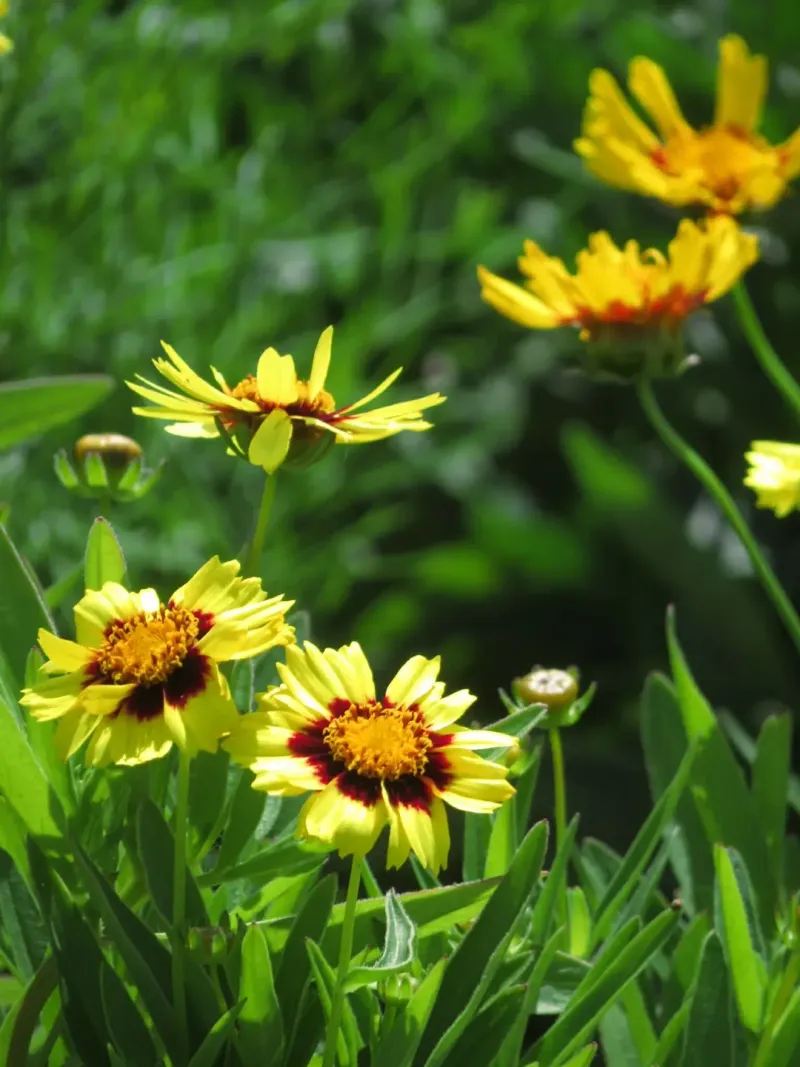
Sometimes called tickseed, coreopsis is one of those plants that just makes a garden look effortlessly happy. Its small, daisy-like yellow flowers cover the plant in waves of color from early summer well into fall.
If you want maximum bloom time with minimal effort, this perennial belongs at the top of your list.
July is a fine time to plant nursery-grown coreopsis in Pennsylvania. The plant actually tolerates heat quite well and does not need much water once it settles in.
Choose a sunny spot because this is not a shade-tolerant plant. At least six hours of direct sun per day keeps it blooming at its best.
Soil quality is not a major concern with coreopsis. It actually performs better in lean, slightly sandy or average soil than in rich, heavily amended beds.
Too much fertilizer pushes leafy growth at the expense of flowers, so hold back on the plant food unless your soil is extremely poor.
Deadheading spent blooms is the one task that pays off most with coreopsis. Removing old flowers regularly signals the plant to keep producing new ones.
You do not need any special tools. Just pinch or snip off the faded heads every week or so throughout the season.
Coreopsis comes in several varieties beyond the classic yellow. Moonbeam coreopsis offers soft, creamy yellow blooms with a slightly more compact form.
Zagreb is another popular Pennsylvania-friendly variety known for its bright golden flowers and tidy habit. Both return reliably each year and work beautifully as edging plants or in mixed perennial borders alongside purple and white flowering companions.
5. Sedum
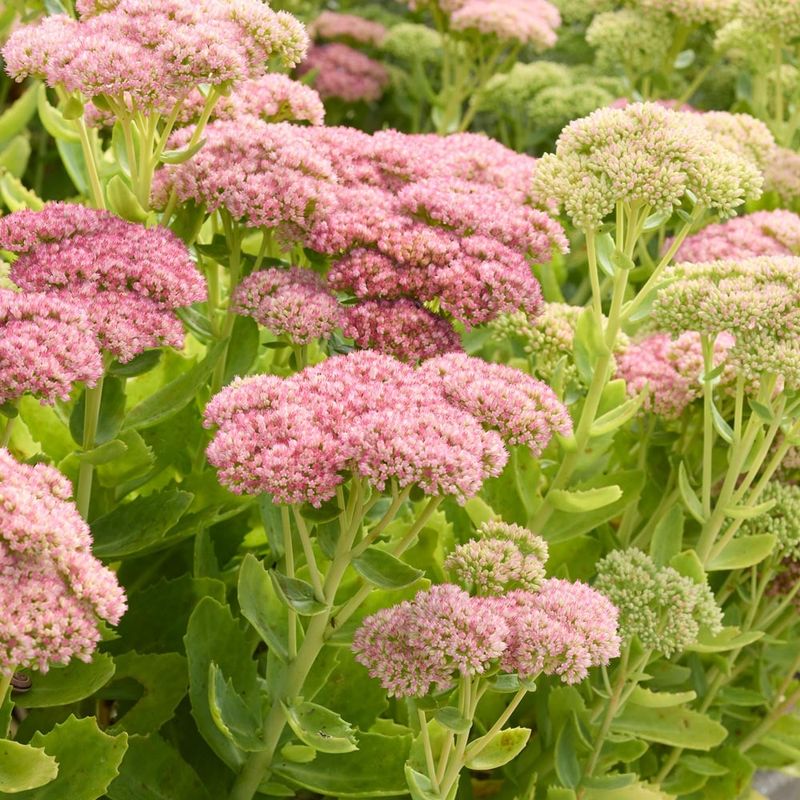
Sedum is the perennial that practically asks for nothing and still delivers season after season. Its thick, fleshy leaves store water like a natural reservoir, which makes it one of the smartest choices for planting during the heat of a Pennsylvania July.
If you have ever struggled with plants wilting in a hot, dry border, sedum is the answer you have been looking for.
There are two main types to know about: upright sedums like Autumn Joy, which grow about two feet tall and produce large flower clusters, and low-growing creeping sedums that hug the ground and spread across rocks or slopes.
Both types work well in Pennsylvania, but the upright varieties tend to be showiest in traditional garden beds.
Plant sedum in full sun with well-draining soil. Sandy or rocky soil that other plants struggle in is actually where sedum thrives.
Avoid planting in low spots where water collects after rain, as consistently wet roots are one of the few things that can cause problems for this otherwise tough plant.
Water new transplants for the first couple of weeks to help them root in, but then you can largely step back.
Established sedum rarely needs supplemental watering except during extended droughts. No deadheading is required either, which makes it genuinely low-maintenance. Autumn Joy sedum is especially rewarding because it offers something in every season.
Spring brings fresh rosette-like growth, summer produces tight green flower buds, late summer and fall bring those famous dusty pink blooms, and winter leaves behind attractive bronze seed heads that catch frost beautifully. It is a four-season performer in one easy package.
6. Catmint
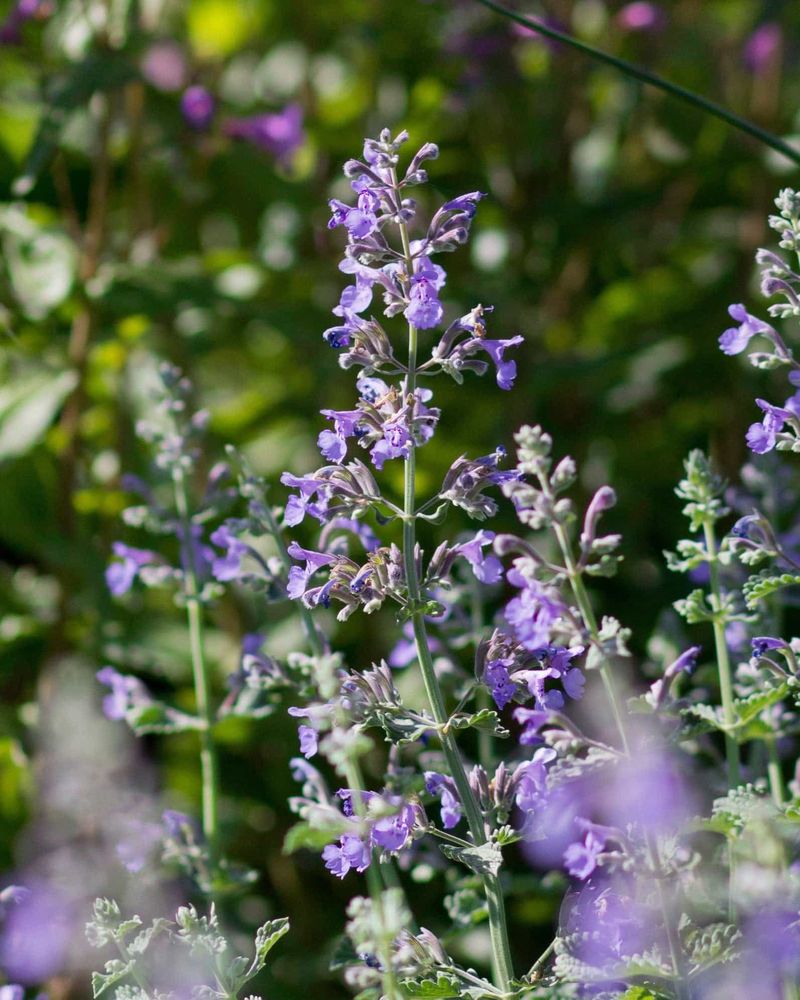
There is something almost magical about the way catmint softens the edges of a garden. Its silver-green leaves and airy spikes of lavender-blue flowers spill gracefully over path edges and border fronts, giving any garden a relaxed, romantic feel.
And despite looking delicate, catmint is tougher than it appears, handling Pennsylvania summers with surprising ease.
Catmint belongs to the mint family but behaves much more politely than its relatives. It does not spread aggressively, and it stays in a tidy mound unless you let it go too long without a trim.
Full sun is best, though it can manage with a few hours of afternoon shade during the hottest weeks of July.
One of the best things about planting catmint in summer is how quickly it adapts. The roots settle in fast, and the plant rarely shows signs of stress even in dry conditions.
Water new transplants consistently for the first two to three weeks, then reduce watering as the plant establishes. Once rooted in, catmint handles drought like a champion.
After the first big flush of blooms fades, cut the plant back by about half. This might feel drastic, but catmint responds with fresh new growth and a second wave of flowers within a few weeks.
That rebloom in late summer and early fall is one of the reasons gardeners keep coming back to this plant year after year.
Bees love catmint with a passion that rivals their affection for lavender. Planting it near vegetables or fruit trees can actually boost pollination in those areas.
Deer tend to avoid it too, which is a welcome bonus in many Pennsylvania neighborhoods where deer pressure is a constant challenge.
7. Yarrow
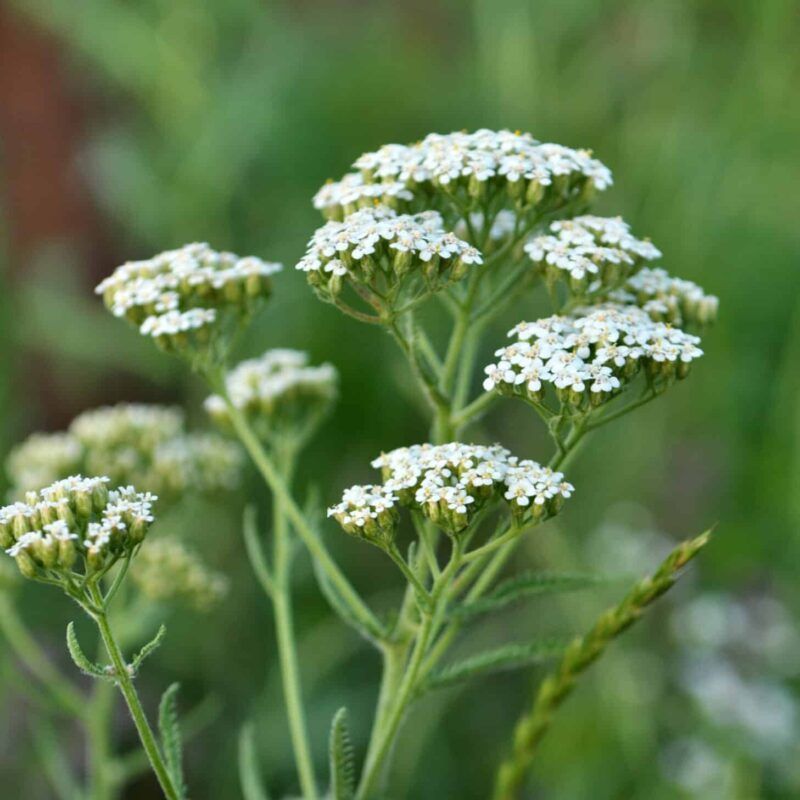
Yarrow has been grown in gardens for thousands of years, and there is a good reason it has stuck around so long.
This tough, adaptable perennial thrives in exactly the conditions that challenge other plants: poor soil, full sun, and dry spells that would have most flowers struggling.
In Pennsylvania, where summer can swing between humid heat and dry stretches, yarrow handles it all without complaint.
The flowers are flat-topped clusters that come in yellow, white, pink, and red depending on the variety. Common yarrow with its classic white blooms spreads freely and works well in naturalized areas.
Named varieties like Coronation Gold, with its rich golden-yellow heads, stay a bit more contained and suit formal borders better. Both types attract butterflies and beneficial insects throughout the summer.
Plant yarrow in a sunny spot with average to poor, well-draining soil. Rich, amended soil actually encourages floppy growth that falls over in wind and rain.
Lean soil keeps the stems upright and the plant more compact. This is one of the few perennials where skipping the compost at planting time is genuinely the right move.
Water new transplants through the first few weeks of July, then ease off. Once yarrow roots are established, the plant is remarkably self-sufficient.
It rarely needs fertilizing, seldom attracts serious pests, and comes back reliably each spring with minimal care from you.
Cutting spent flower clusters off encourages another round of blooming later in the season.
The feathery, ferny foliage stays attractive even when the plant is not in flower, adding texture and a soft green backdrop that complements bolder perennials planted nearby. Yarrow is a true workhorse of the summer garden.