The Most Underrated Pennsylvania Native Ground Cover That Chokes Out Invasive Weeds Without Any Help
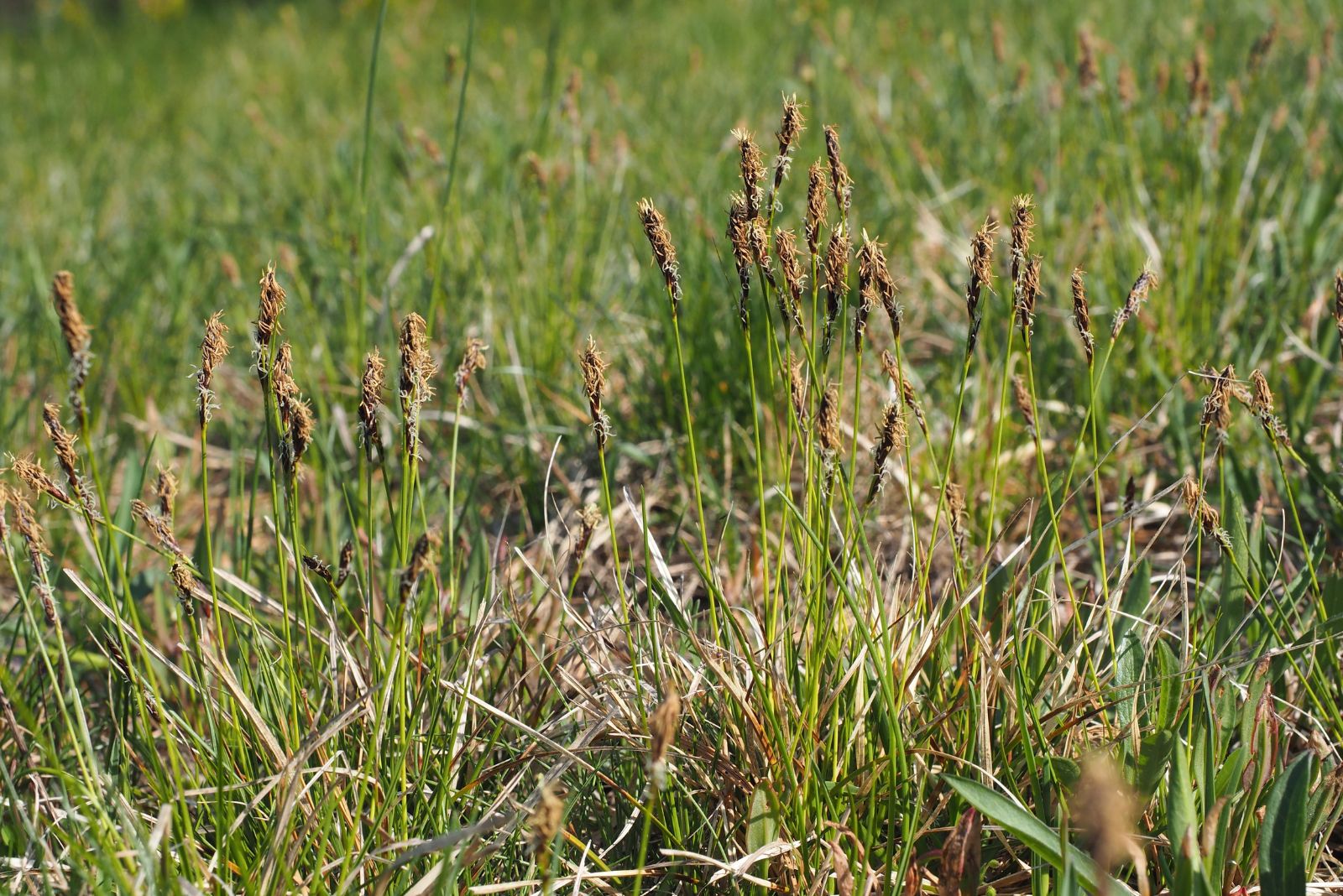
Invasive weeds in Pennsylvania yards are a problem that most gardeners manage rather than solve, pulling or spraying repeatedly through the season and watching the same plants come back with the same persistence the following year.
The approach that actually breaks that cycle is not more aggressive removal. It is competition, putting something in the ground that grows densely enough and with enough determination to leave invasive weeds nowhere to establish in the first place.
There is a Pennsylvania native groundcover that does this better than almost anything else available, spreading across difficult areas with the kind of consistent, low-growing coverage that blocks light from reaching the soil and closes off the space invasive plants need to get started.
It requires almost no maintenance once it is settled in, handles a range of Pennsylvania growing conditions including shade, clay, and dry stretches, and improves every season it is in the ground. It just does not get nearly the attention it deserves.
1. Discover Pennsylvania Sedge
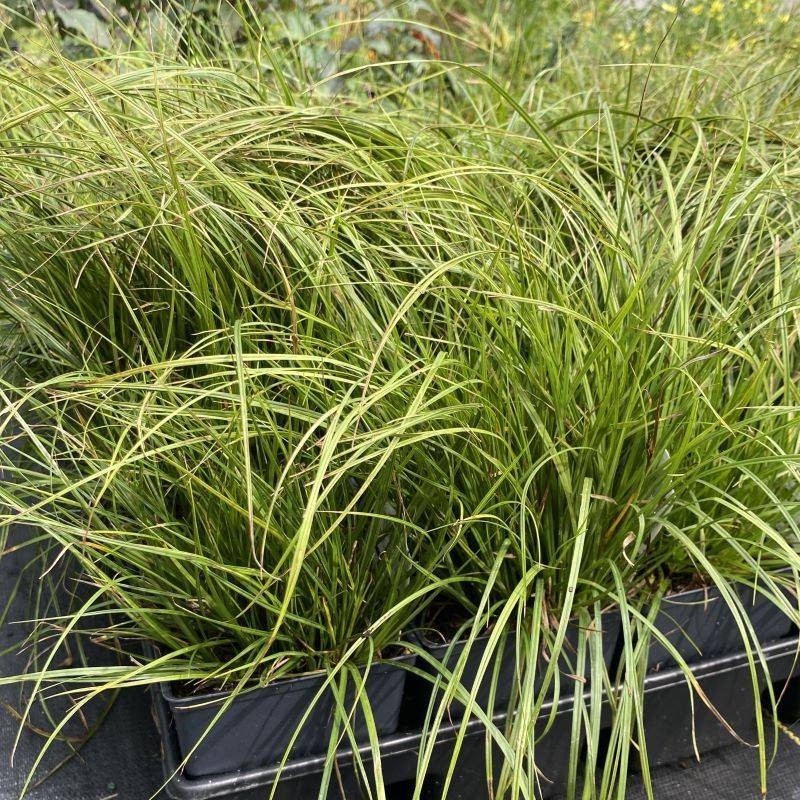
Walk through almost any shaded woodland in Pennsylvania and you might spot a soft, grass-like plant hugging the ground without making a fuss. That quiet little plant is Pennsylvania Sedge, also known by its scientific name Carex pensylvanica.
It grows naturally across the eastern United States, yet most gardeners overlook it completely.
Pennsylvania Sedge stays low, usually reaching only six to nine inches tall. Its fine, arching leaves create a carpet-like look that feels both natural and polished.
Unlike flashy ornamental plants, it does not demand attention with bright blooms or bold colors.
Many homeowners skip it because it looks simple compared to hostas, ferns, or flowering groundcovers. Nurseries do not always stock it, which makes it even easier to miss. But that simplicity is actually its superpower.
Once established, Pennsylvania Sedge fills in bare soil steadily and dependably. It spreads through underground rhizomes, slowly knitting together a thick mat of living green. Weeds struggle to push through that dense coverage.
Turf grass needs mowing, watering, and fertilizing to stay healthy. Pennsylvania Sedge needs almost none of that.
It handles shade, dry spells, and poor soil far better than most lawn alternatives. Gardeners who have tried it often say it changed the way they think about low-maintenance landscaping.
If you have a shaded corner, a dry spot under trees, or a slope that always looks rough, Pennsylvania Sedge might be exactly what you have been searching for all along.
2. What Makes It Effective Against Weeds
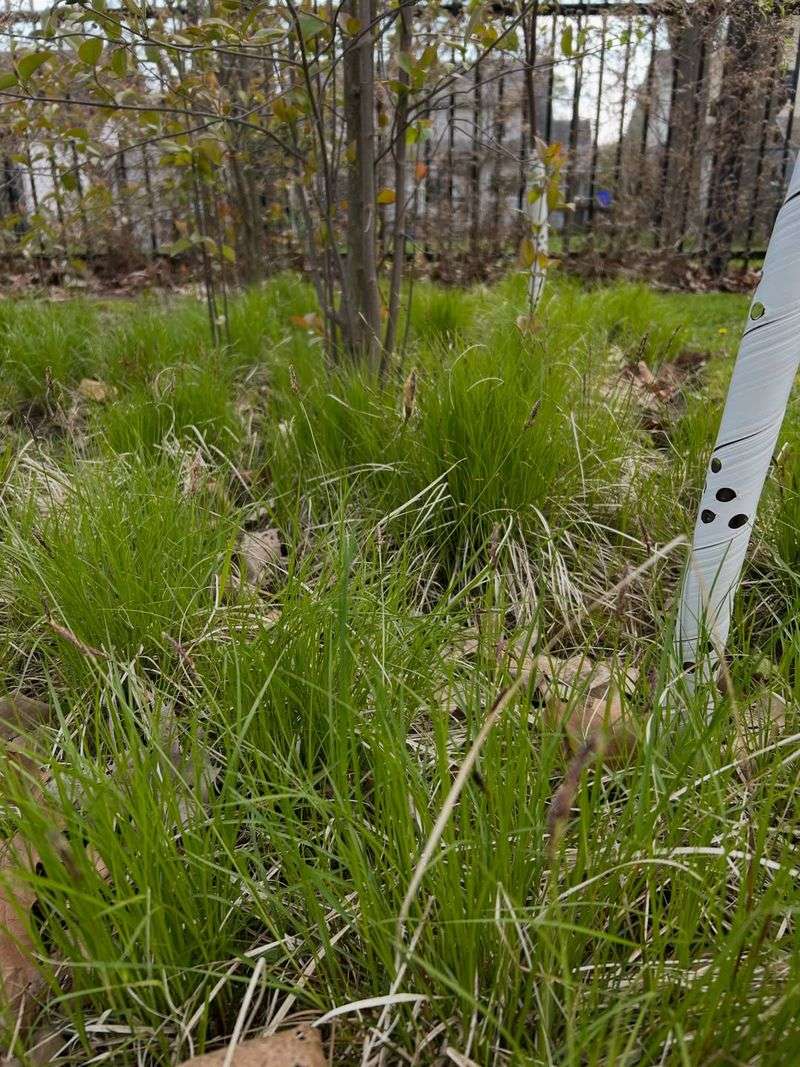
Weeds are opportunists. They rush in the moment bare soil is exposed to sunlight. Pennsylvania Sedge beats them at their own game by covering the ground so thoroughly that weed seeds never get the light or space they need to sprout.
The secret is in the foliage. Pennsylvania Sedge grows dense and low, forming a thick canopy just above the soil surface.
That canopy acts like a living mulch, shading the ground and keeping it cool. Without direct sunlight reaching the soil, most weed seeds simply cannot germinate.
Your Pennsylvania Garden Changes Every Week. Your Plan Should Too.
Gardening in Pennsylvania changes quickly throughout the season. Every Friday you’ll receive a simple weekly plan showing exactly what to plant, prune, fertilize, harvest, and protect so you never miss the right timing.
It also spreads consistently over time. New shoots emerge from underground rhizomes each season, slowly closing any gaps where weeds might try to sneak in. The spread is not aggressive or invasive, but it is reliable and steady.
Another big advantage is its versatility. Pennsylvania Sedge thrives in full shade, part shade, and even part sun.
That flexibility makes it useful in spots where other groundcovers struggle, like the dark area beneath a big oak tree or the shaded side of a house.
Many invasive weeds, like garlic mustard or Japanese stiltgrass, love disturbed, open ground. Once Pennsylvania Sedge establishes a solid mat, those invasives lose their foothold.
Studies on native plants show that dense groundcover layers significantly reduce invasive plant pressure over time.
You do not need herbicides or constant weeding when Pennsylvania Sedge is doing the work. It is a natural, chemical-free solution that gets stronger every year, making your garden easier to manage with each passing season.
3. Growing Conditions
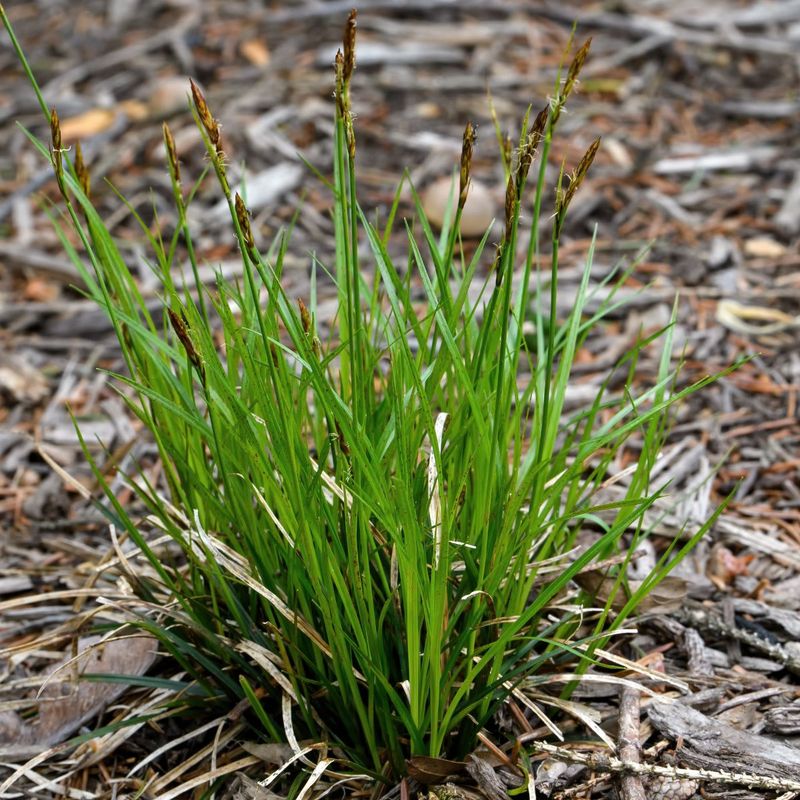
One reason Pennsylvania Sedge is so practical is that it does not ask much from the soil it grows in.
It performs best in well-drained soil with moderate moisture, but it handles dry conditions surprisingly well once it gets established. That makes it a solid choice for spots that other plants find too tough.
Shady areas under large trees are where Pennsylvania Sedge truly shines. Tree roots often pull moisture and nutrients away from nearby plants, leaving dry, compacted soil that most groundcovers cannot survive. Pennsylvania Sedge handles those conditions with ease.
Fun fact: Carex pensylvanica is one of the few native sedges that can handle both dry shade and moist woodland edges. That range is unusual and incredibly useful for Pennsylvania homeowners dealing with varied garden conditions.
You do not need to add a lot of fertilizer or special soil amendments before planting. Pennsylvania Sedge is naturally adapted to the native soils of the eastern United States.
Heavy clay soils can slow it down a little, so adding a thin layer of compost before planting can help it get started more quickly.
It also handles cold Pennsylvania winters without any extra protection. As a native plant, it is already built for the region’s climate swings, from hot and humid summers to freezing winters.
Naturalized woodland gardens, shaded borders, and slopes near streams are all ideal planting locations. Wherever the ground stays a little cooler and shadier than average, Pennsylvania Sedge will likely reward you with steady, healthy growth season after season.
4. Planting And Spacing Tips
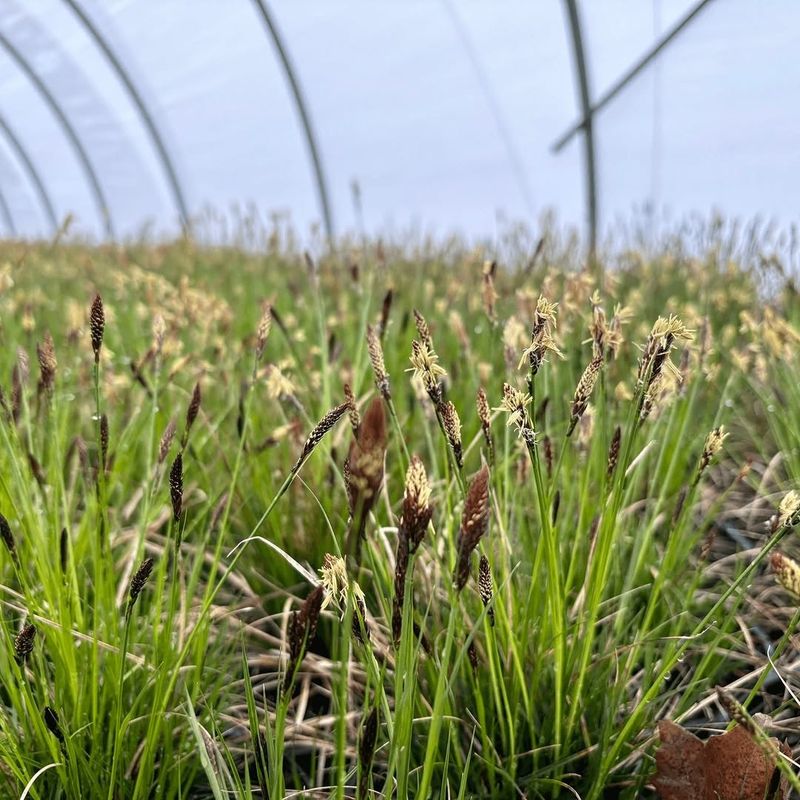
Getting Pennsylvania Sedge off to a good start is easier than most people expect. The most common way to plant it is by using plugs or small divisions.
These are small clumps of established plants that you can buy from native plant nurseries or sometimes dig from existing patches with permission.
Spacing matters a lot in the early stages. Plant plugs about six to twelve inches apart for the best balance between quick coverage and healthy growth.
Tighter spacing means faster coverage but costs more upfront. Wider spacing saves money but takes an extra season or two to fill in completely.
After planting, water the plugs thoroughly and keep the soil evenly moist for the first four to six weeks. Pennsylvania Sedge is drought-tolerant once established, but those early weeks are critical.
Roots need consistent moisture to anchor themselves before the plant can start spreading on its own.
A thin layer of shredded leaf mulch around newly planted plugs helps hold moisture and keeps competing weeds at bay during establishment. Avoid thick mulch layers that might smother the young plants. About one inch of mulch is usually enough.
Spring and early fall are the best times to plant. Cooler temperatures reduce stress on new transplants and give roots time to settle before extreme heat or cold arrives.
Once established, Pennsylvania Sedge needs very little ongoing care. You can cut it back lightly in late winter to encourage fresh spring growth, but even that step is optional. Many gardeners simply leave it alone and let it do its thing year after year.
5. Additional Benefits Beyond Weed Control
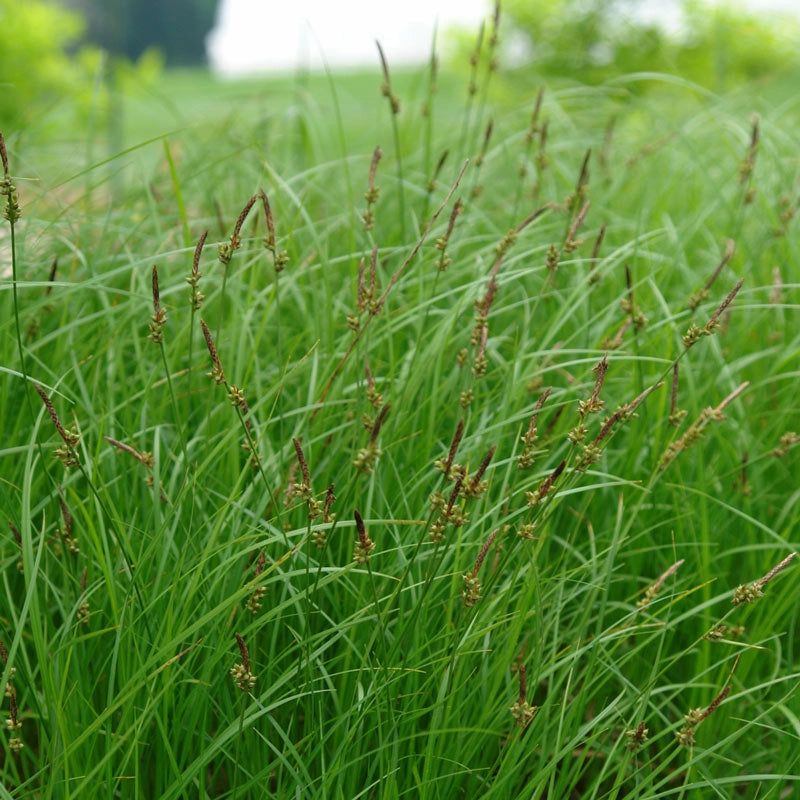
Weed control is impressive enough on its own, but Pennsylvania Sedge brings a whole list of other benefits that make it even more worth planting. Native wildlife especially appreciates it in ways that might surprise you.
Small birds like juncos, sparrows, and towhees forage through Pennsylvania Sedge looking for seeds and insects. The dense mat of foliage also provides cover for ground-nesting birds and small mammals.
Pollinators use the plant too, even though its flowers are small and easy to overlook. On slopes or areas prone to erosion, Pennsylvania Sedge is a quiet hero. Its root system binds soil together, slowing runoff during heavy rain.
That makes it a smart choice for embankments, hillside gardens, or any spot where soil tends to wash away after storms.
Visually, it creates a soft, fine-textured green carpet that looks tidy without needing constant grooming. The arching leaves move gently in the breeze, giving the garden a relaxed, natural feel.
It pairs beautifully with native wildflowers like wild ginger, trillium, and bloodroot. From an environmental standpoint, replacing turfgrass with Pennsylvania Sedge reduces the need for mowing, watering, and chemical treatments.
That means less noise, less fuel use, and fewer pollutants entering the local watershed. Homeowners near streams or wooded areas often find that Pennsylvania Sedge helps their property blend naturally into the surrounding landscape.
It feels like it belongs there because it genuinely does. Few plants offer this combination of ecological value, visual appeal, and low maintenance all in one tidy package.
6. Why It’s Underrated And Worth Adding
Turfgrass gets all the attention in American yards, but it comes with a heavy price. Mowing, fertilizing, watering, and applying weed control products adds up to serious time, money, and effort every single year.
Pennsylvania Sedge quietly offers a better deal, and most people have never even considered it.
Ornamental groundcovers like English ivy or pachysandra are popular alternatives, but they come with their own problems. English ivy is invasive and can damage trees.
Pachysandra, though tidy, does little for native wildlife. Pennsylvania Sedge beats both by being genuinely native and ecologically supportive.
Cost savings are real. Once established, Pennsylvania Sedge essentially takes care of itself. No mowing equipment needed. No irrigation system required.
No annual bags of fertilizer to haul home from the hardware store. For shaded areas where grass already struggles, the switch almost always pays off quickly.
Gardeners in Pennsylvania who have made the change often describe it as one of the best landscaping decisions they ever made. Shaded borders that once looked bare and weedy become clean, green, and full of life without constant attention.
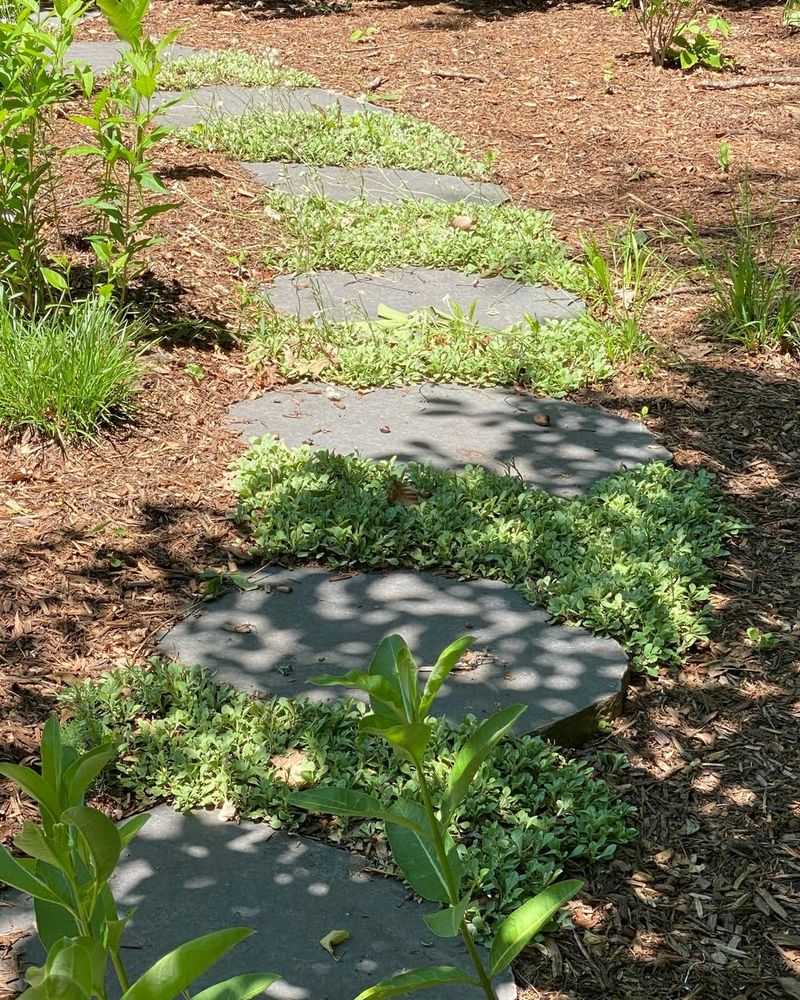
It works beautifully in naturalized areas, along woodland paths, under mature trees, and in shaded garden beds. Even small patches make a big visual difference and start suppressing weeds within the first full growing season.
If you want a low-effort, high-reward plant that is perfectly suited to Pennsylvania’s climate and ecology, Pennsylvania Sedge deserves a serious look.
Sometimes the most powerful plants are the ones that quietly get the job done without asking for anything in return.